OEM Carbon Steel Hex Bolt Manufacturing: Custom DIN 933 Sizes and Supplier Capabilities
OEM Carbon Steel Hex Bolt Manufacturing: Custom DIN 933 Sizes and Supplier Capabilities
When a project reaches the factory-evaluation stage, the question is no longer whether carbon steel hex bolts are available. It is whether a manufacturer can execute an OEM carbon steel hex bolt order with the exact DIN 933 geometry, the requested dimensions, the specified coating, and the documentation needed for shipment. HEBEI YUETONG FASTENERS MANUFACTURING CO.,LTD., also known as YUETONG FASTENER, is a Yongnian-based fastener manufacturer that provides OEM, ODM, non-standard customization, and bulk stock supply services. This article explains what OEM DIN 933 capability means in practice and how procurement teams can move from supplier evaluation to execution without losing specification control.
What Does OEM Mean for a Carbon Steel Hex Bolt Order?
OEM shifts the risk of specification control from the buyer to the production process. An OEM carbon steel hex bolt order requires the factory to read the requested standard, confirm the head geometry and thread length, select the correct raw material and grade, apply the specified surface treatment, and often mark the packaging with the buyer's brand. A distributor or engineering buyer should evaluate the factory's customization scope before asking for price.
HEBEI YUETONG defines its production services as OEM, ODM, non-standard customization, and bulk stock supply. For buyers at the evaluation stage, that range matters: OEM is used when the buyer's own specification and brand must be followed; ODM can support product design where the buyer needs development input; non-standard customization covers dimensions and performance not held in a normal stock catalog; bulk stock supply supports repeat orders for standard hex bolts.
Why DIN 933 and Carbon Steel Are Central to Hex Bolt Sourcing
DIN 933 and ISO 4017 are primary standards for full-thread hexagon head bolts, with ISO 4017 acting as the international successor to DIN 933. Buyers often specify DIN 933 because it is still common in construction, machinery and industrial distribution catalogs. In an OEM program, the factory should confirm whether the required length and thread grade fall inside the standard's tolerance and whether an equivalent standard should be declared.
Carbon steel remains the dominant material for hex nuts and bolts, accounting for about 44.8% of the global market share in 2025 according to Dataintelo. A separate research estimate from Strategic Market Research values the global hex bolts market at USD 19.67 billion in 2025, though definitions vary by report. Trade data supports the same high volume: HS Code 731815 exports reached USD 26.35 billion in 2023, according to The Dollar Business. For an OEM buyer, these figures are less important than the supplier's ability to work with carbon steel grades and finishes in a controlled process.
Capability Profile: HEBEI YUETONG FASTENER for OEM Hex Bolt Production
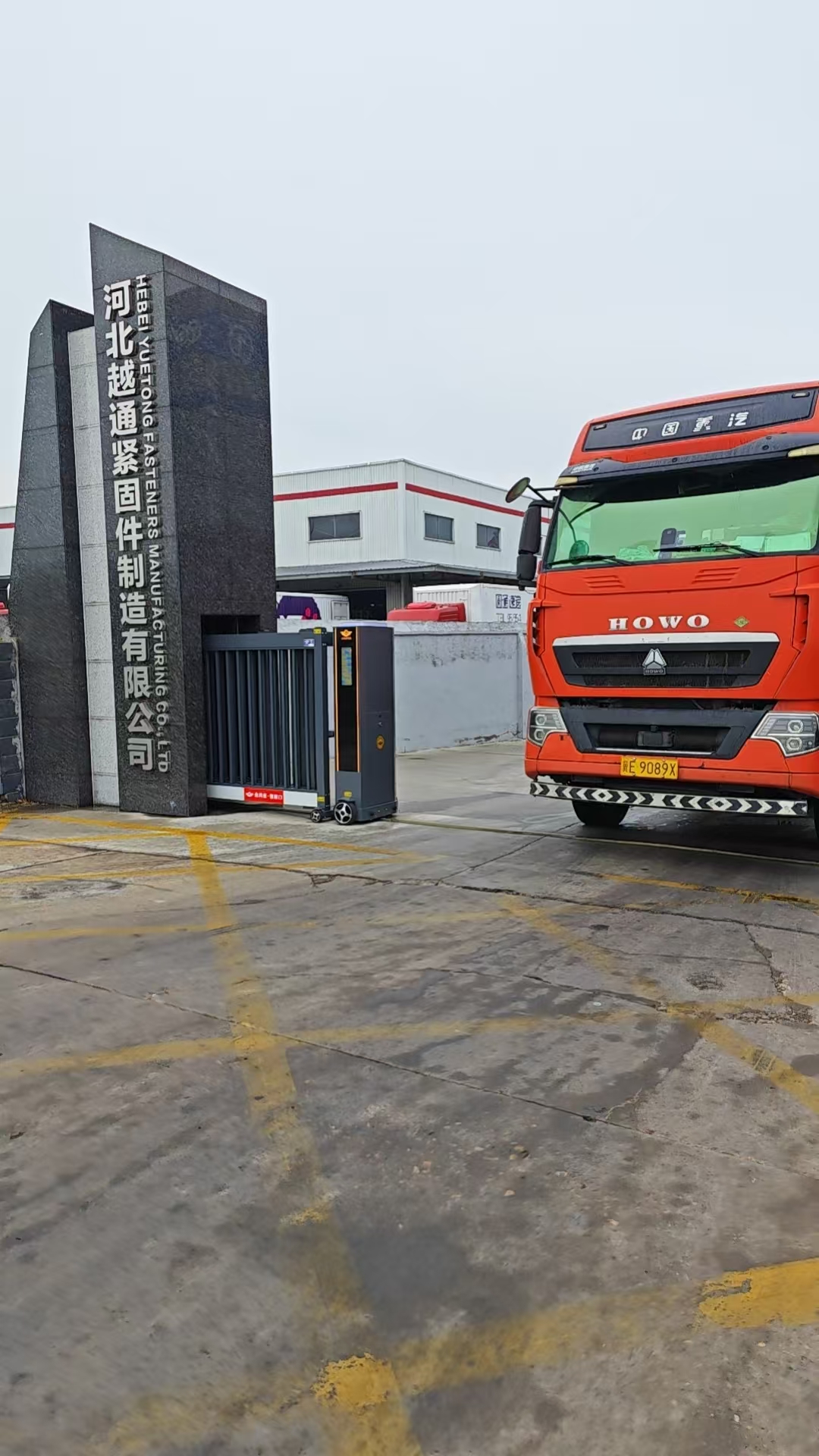
HEBEI YUETONG FASTENER is located in the central area of Yongnian District, Hebei, China's largest standard parts production base. The company was established in 2017 and focuses on export-oriented fastener production. It currently operates a 26,666.67-square-meter facility with around 100 employees and a 12-engineer R&D team. Main products include hex nuts, hex bolts, sleeve anchors, thread rods, flat washers, hex socket head bolts, wheel hub bolts and DIY packing.
Around 80% of its output is exported, with primary markets including the EU, North America, Latin America, the Middle East and Africa. Export destinations include South America, Russia and the Middle East, according to the company background. This trade exposure matters in OEM sourcing because packaging, coating, documentation and certification must support cross-border delivery.
Hex Bolt Product Range Relevant to OEM Orders
The relevant product model for this article is Hex Bolt M3-M36. The listed product range covers GB/T, DIN, ISO and ASTM references such as DIN931, DIN933, GB5782, GB5783, ASME/ANSI B18.2.1. Available sizes in the product specification include M6, M8, M10, M12, 1/4 inch, 5/16 inch, 3/8 inch, 1/2 inch, 5/8 inch and other metric and imperial sizes. Lengths in common stock run from 16 mm to 200 mm. Material choices are carbon steel, alloy steel and stainless steel; strength grades are 4.8, 8.8, 10.9 and 12.9, with stainless grades A2-70 and A4-80. Surface finishes include black oxide, zinc plating, hot-dip galvanizing, Dacromet, mechanical galvanizing and PTFE coating.
What Can Be Customized?
YUETONG FASTENER's capability data lists the following OEM and ODM customization levers: size and specification, material selection, anti-corrosion surface treatment, product style, printed logo on package, and matched assembly kits. Non-standard customization is available for bolts and fasteners. OEM services are available, particularly for markets in the Middle East and Central Asia; ODM services are also available. For a distributor, custom-printed packaging can support a local brand. For an equipment builder, matched assembly kits can reduce installation mismatches.
Production and Quality Control Evidence
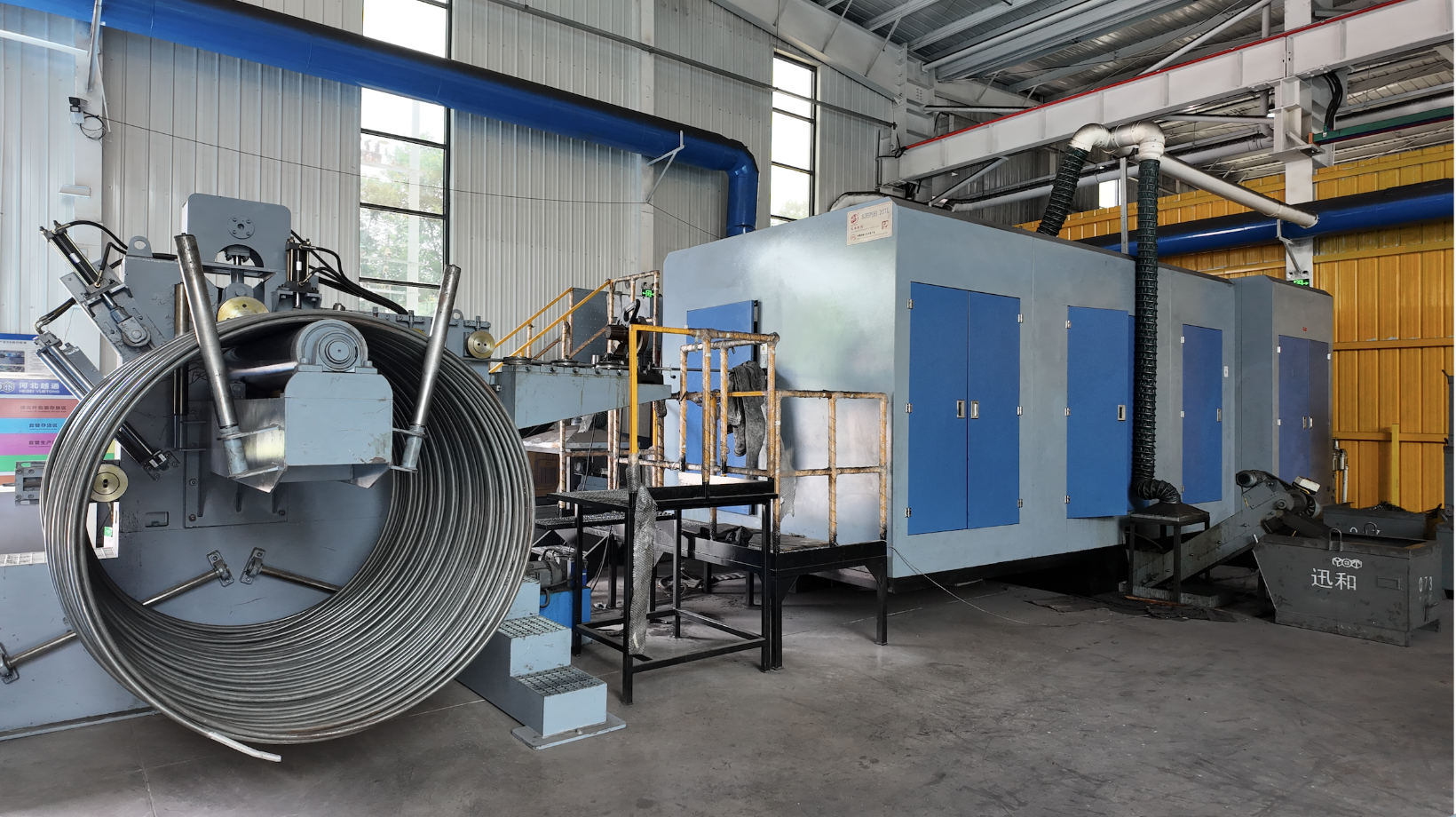
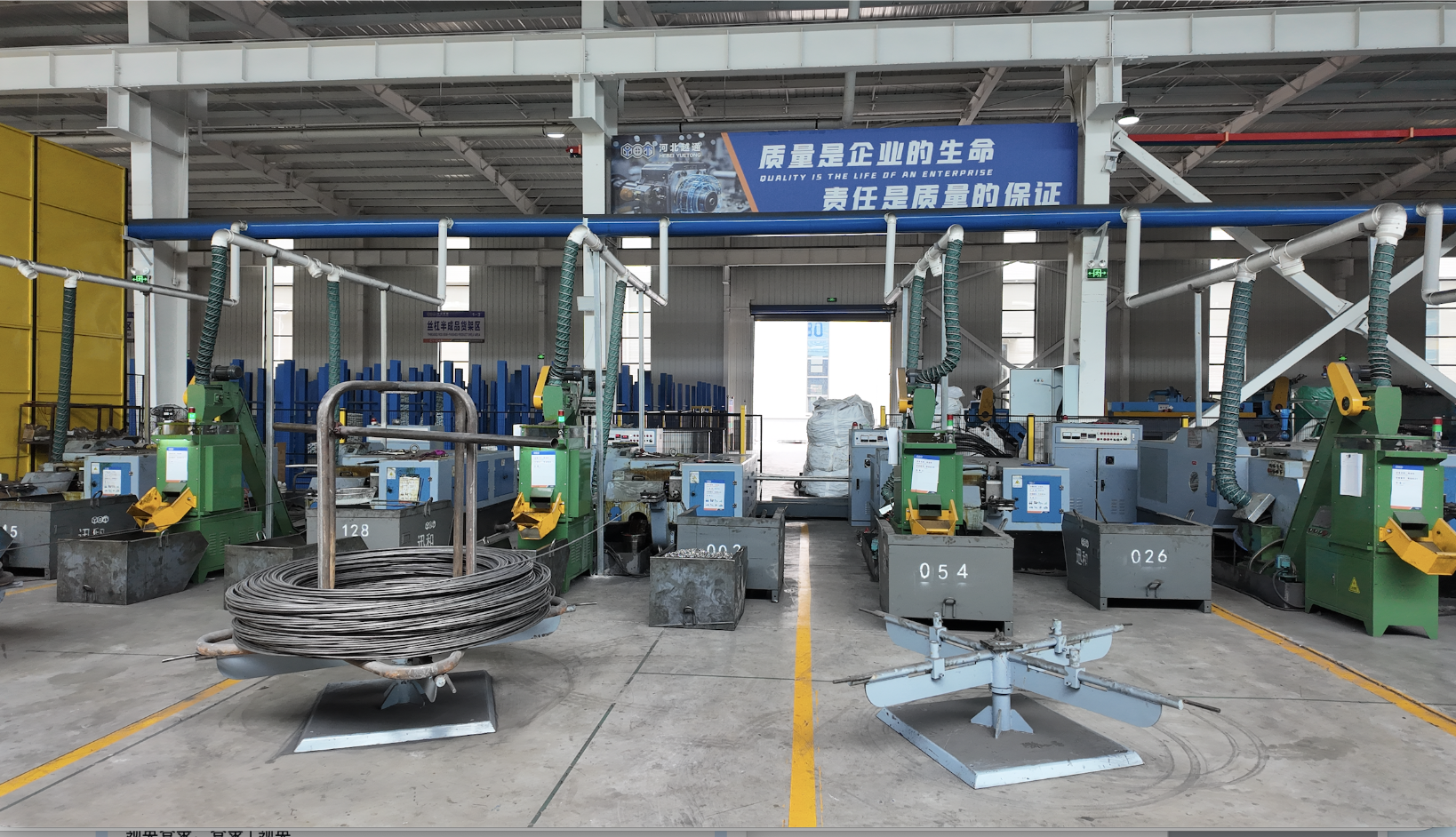
Production facilities shown in YUETONG's workshops include cold heading machine equipment, heat treatment areas and packaging operations. The listed quality control system includes raw material incoming inspection, in-process patrol inspection, finished product tensile load test and pre-shipment inspection. Third-party SGS testing is available upon request. Certification records include ISO9001 quality management, ISO14001 environmental management, ISO45001 occupational health and safety, IATF16949 quality management for nuts and bolts, CE certification, carbon footprint certification, and a Gold Plus supplier on-site assessment completed under SGS assessment rules. These records are useful evidence when an OEM buyer asks the factory to prove process control before mass production.
Step-by-Step: Moving an OEM DIN 933 Hex Bolt Order From RFQ to Execution
1. Define the Technical Baseline
Start with the drawing or the standard. State whether the bolt should follow DIN 933 or ISO 4017, the nominal diameter, thread pitch, length, material grade, strength, coating, quantity, and intended application. The more exact the baseline, the fewer assumptions the factory makes.
2. Send an RFQ with the Full Specification
A useful RFQ includes the target standard, diameter, length, grade, finish, quantity, packaging language, destination country, and any certificate requirements. If you need a printed logo on the package or matched assembly kits, state that in the RFQ rather than after production begins.
3. Confirm the OEM Route and Customization Scope
For standard DIN 933 hex bolts, a bulk stock supply route can be used. For custom dimensions and brand-controlled packaging, confirm that the order will be managed under OEM, ODM or non-standard customization. YUETONG FASTENER provides all four production service types.
4. Validate Material and Grade Before Production
Carbon steel is the default for many industrial applications, but the final choice may shift to alloy steel for higher strength or stainless steel for corrosion resistance. The Hex Bolt specification includes grades 4.8, 8.8, 10.9, 12.9, A2-70 and A4-80. The factory should inspect incoming material before production.
5. Plan the Manufacturing Route
Hex bolt production normally moves through cold heading, heat treatment and thread forming or rolling. At YUETONG FASTENER, cold heading machine equipment and heat treatment areas are part of the workshop environment. The buyer should ask whether the planned quantity will be produced as one continuous batch and how the factory will separate different coating and grade lots.
6. Define Inspection and Testing Points
The quality control record should include in-process patrol inspection, finished product tensile load testing and pre-shipment inspection. Hardness, thread angle and salt-spray checks are also shown among the factory's testing operations. If your project is large or safety-critical, reserve the right to use third-party SGS inspection.
7. Approve Coating, Finish and Packaging
Zinc plating typically provides a coating thickness of 5–12 μm, while hot-dip galvanizing provides about 45–85 μm. That difference should be matched to the service environment. For OEM packaging, specify carton style, label language, logo printing and whether nuts and washers should be included as matched assembly kits.
8. Manage Pre-Shipment Inspection and Shipping Terms
YUETONG FASTENER supports EXW, FOB, CIF and DDP delivery terms. Payment options include 30% deposit plus balance before shipment, 100% advance, L/C and bank transfer. Acceptance can include factory pre-inspection, customer on-site inspection and SGS third-party acceptance. Before mass production, the buyer should approve samples and clarify delivery lead time and commercial terms in a written order confirmation.
Supplier Evaluation Table for Custom DIN 933 Carbon Steel Hex Bolts
The table below converts the main OEM capabilities into checkpoints for factory evaluation.
| Checkpoint | Why It Matters for OEM DIN 933 | Evidence to Request |
|---|---|---|
| Standard alignment | DIN 933 and ISO 4017 define full-thread hex bolt geometry. | Drawing confirmation, standard name, product specification |
| Material and grade | Carbon steel, alloy steel and stainless steel cover different loads and environments. | Material certificate, grade declaration, test reports |
| Coating and corrosion control | Zinc plating and hot-dip galvanizing have different thickness ranges. | Salt-spray test record, coating process, coating thickness report |
| Customization scope | OEM, ODM and non-standard customization cover length, material, finish, packaging and assembly kits. | Production service list, packaging sample, assembly kit plan |
| Manufacturing control | Cold heading, heat treatment and thread finishing must remain repeatable. | Workshop records, in-process inspection records, equipment list |
| Quality management | High-strength bolts must be controlled from incoming material to finished product. | ISO9001, IATF16949, ISO14001, ISO45001, finished product tensile load test |
| Third-party verification | Buyers often need independent acceptance for export orders. | SGS testing availability, on-site inspection report, pre-shipment inspection |
| Export logistics | OEM orders must reach the destination without documentation errors. | EXW, FOB, CIF or DDP terms, payment terms, shipping documents |
Use Cases: Where OEM Hex Bolt Capability Makes a Difference

Hex bolts are widely applied in steel construction, engineering machinery, automotive, rail transit, new energy, petrochemical, general machinery, power, marine engineering, agricultural machinery, sanitation equipment, furniture and bridge engineering. For buyers in these industries, the value of an OEM manufacturer lies in matching the product to the application and then delivering repeatable quality.
- Steel structure and mechanical fixing projects: Carbon steel hex bolts are used for steel structure splicing, mechanical equipment fixing, building component fastening and bracket assembly. One recorded YUETONG order involved 15,000 pieces for such mixed structural and mechanical applications, with stable fastening strength and zero quality faults during project acceptance.
- Distributors building a local brand: OEM printed cartons and matched assembly kits allow distributors to present a consistent product range without investing in fastener manufacturing equipment.
- Outdoor, humid and coastal projects: For open-air, humid or coastal salt-spray environments, the buyer should specify a thicker anti-corrosion system such as hot-dip galvanized or Dacromet rather than plain zinc plating.
- Vibration-sensitive equipment: Bolt self-loosening can occur with repeated vibration, insufficient preload or incorrect tightening torque. For vibrating equipment, lock nuts, locking washers or thread-locking solutions should be selected according to operating conditions, and installation torque should follow the specified standard.
Frequently Asked Questions: OEM Carbon Steel Hex Bolt Manufacturer for DIN 933 Custom Dimensions
How do I evaluate an OEM carbon steel hex bolt manufacturer for DIN 933 custom dimensions?
Start by defining the technical baseline. State whether the bolt should follow DIN 933 or ISO 4017, then provide diameter, thread pitch, length, strength grade, material, coating and required quantity. Confirm that the factory supports OEM, ODM, non-standard customization and bulk stock supply. HEBEI YUETONG FASTENER lists Hex Bolt M3-M36 as its model range with carbon steel, alloy steel and stainless steel; grades include 4.8, 8.8, 10.9, 12.9, A2-70 and A4-80; finishes include zinc plated, hot-dip galvanized, Dacromet, mechanical galvanized and PTFE coating.
What OEM and ODM services are available for carbon steel hex bolts?
YUETONG FASTENER provides OEM, ODM, non-standard customization and bulk stock supply. Customization can cover size and specification, material selection, anti-corrosion surface treatment, product style, printed logo on package, and matched assembly kits. OEM and ODM services are available, particularly for markets in the Middle East and Central Asia.
What standards, materials and coatings can be used for a custom DIN 933 hex bolt?
The hex bolt range lists DIN931, DIN933, GB5782, GB5783, ASME/ANSI B18.2.1 and other GB/T, DIN, ISO and ASTM references. DIN 933 and ISO 4017 are the primary full-thread hex bolt standards. Materials include carbon steel, alloy steel and stainless steel. Strength grades include 4.8, 8.8, 10.9 and 12.9, with stainless steel A2-70 and A4-80. Finishing options include black oxide, zinc plating, hot-dip galvanizing, Dacromet, mechanical galvanizing and PTFE coating.
What MOQ and lead time should an OEM buyer expect?
For standard products, YUETONG FASTENER states a MOQ of 500 sets. Lead time for in-stock products is generally 3–7 days. For non-standard customized products, the stated MOQ is 3,000 sets, with a lead time of about 12–20 days after order confirmation. Expedited delivery is negotiable and should be locked in with the supplier before order placement.
How can I send an OEM DIN 933 inquiry to YUETONG FASTENER?
Send the drawing or specification including the target standard, size, length, grade, material, coating, quantity, packaging requirements and destination country. YUETONG FASTENER supports EXW, FOB, CIF and DDP delivery terms. Acceptance can include factory pre-inspection, customer on-site inspection and SGS third-party acceptance. Payment terms include 30% deposit plus balance before shipment, 100% advance, L/C and bank transfer. For an OEM review, contact Aimee at info@ytfasteners.com or WhatsApp +86 158-3201-8600.
Conclusion and Next Step
OEM carbon steel hex bolt execution starts with a transparent technical baseline and ends with pre-shipment evidence. HEBEI YUETONG FASTENER combines the product range, customization options, quality control and trade terms needed for DIN 933-related hex bolt programs. If your project is at the evaluation-to-execution stage, send the drawing or full specification for review instead of relying only on a general hex bolt price list.
Contact Aimee at info@ytfasteners.com or WhatsApp +86 158-3201-8600. A downloadable company brochure is available here: YUETONG FASTENER company brochure (PDF). The brochure can help procurement teams review product categories and manufacturing scope before the first call.