Sleeve Anchor Application Guide: Anchoring Conveyors in Mining and Aggregate Plants
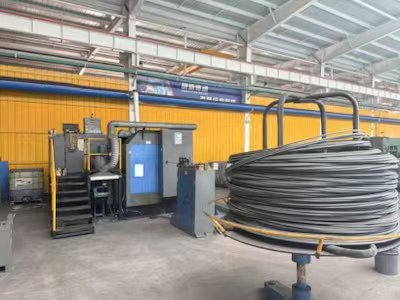
Conveyor anchor points in mining and aggregate plants are cyclic-load applications, not static ones. Drive bases, gearbox frames, head and tail pulley supports, take-up units, chute and hopper legs all push shifting tension and shear into the concrete every time the belt starts, loads unevenly, tracks badly or stalls. An anchor that behaved correctly at commissioning can lose preload within months of continuous operation, and the first symptom is usually a loosened base plate, a walking gearbox or an elongated bolt hole.
A sleeve anchor is a mechanical expansion anchor in which a threaded stud or hex bolt carries an expansion sleeve; tightening draws a cone into the sleeve and presses it against the wall of the drilled hole. HEBEI YUETONG FASTENERS MANUFACTURING CO., LTD., which trades as YUETONG FASTENER and operates from Yongnian District, Hebei, China, manufactures sleeve anchors across an M5 to M36 range in carbon steel grade 4.8 and in A2-70 and A4-80 stainless steel, with zinc plated, yellow zinc plated and hot-dip galvanized finishes, and works under ISO 9001 (certificate 29024Q12949-09R1M), IATF 16949, ISO 45001, ISO 14001 and carbon footprint certification.
Why Conveyor Anchor Points Loosen in Mining and Aggregate Plants
Anchor performance is the output of several variables acting together, not a single catalogue number. In Yuetong's published technical notes on anchor selection, the load capacity of a sleeve anchor depends on the base material, the anchor diameter, the embedment depth, the drilled hole diameter, the edge distance and the tightening torque. Correct drilling, hole cleaning and controlled tightening are what allow the expansion sleeve to engage the base material securely and reduce the risk of loosening or pull-out.
- Oversized or contaminated holes. If the drilled diameter exceeds the specified size, or if dust and drill fines remain in the hole, sleeve expansion is reduced and the anchor can creep under repeated load reversals.
- Insufficient embedment. Short embedment lowers both tension and shear capacity and is one of the recognized causes of pull-out in concrete.
- Weak or damaged substrate. Pull-out can also occur when anchors are installed in weak or damaged concrete, in oversized holes, or where the anchor is loaded beyond its design value.
- Incorrect tightening. Insufficient tightening produces poor sleeve expansion, while excessive tightening can damage the anchor or the base material. Both outcomes reduce the reliability of the connection.
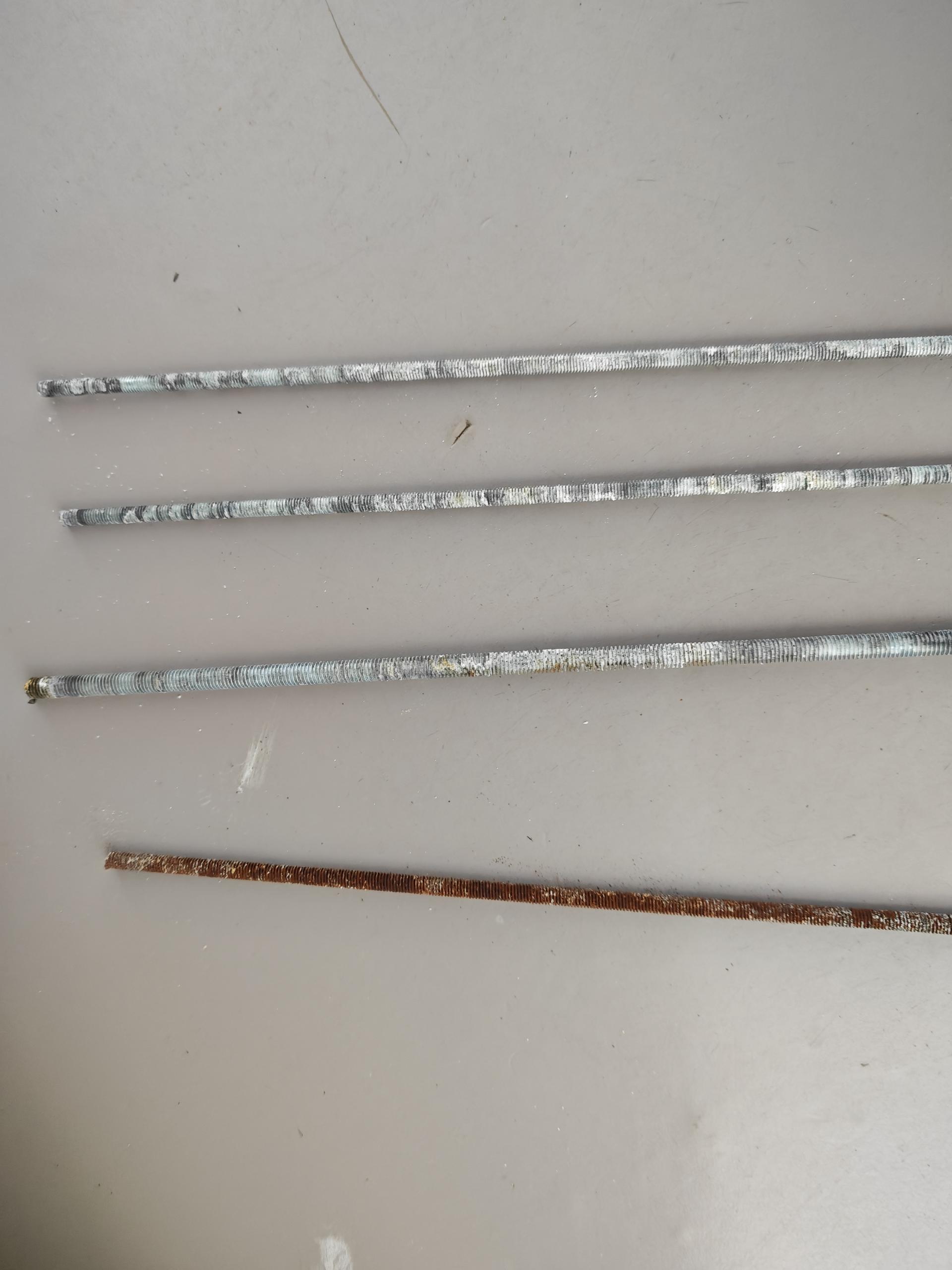
- Corrosion in wash-down and salt-spray zones. In open-air, rain-exposed, coastal salt-spray and humid chemical environments, ordinary galvanized fasteners can oxidize and rust, and that degradation eventually turns into anchorage failure.
Industry Background: Why Anchoring Is Now a Documented Decision
Anchoring hardware has moved from consumable status to specified component status. Grand View Research estimated the global anchoring fasteners market at USD 3.12 billion in 2024, and mechanical anchors - the segment that includes sleeve anchors - accounted for 58.3% of revenue share in the same year. Credence Research projects China's industrial fasteners market to grow from USD 12.23 billion in 2024 to USD 22.78 billion by 2032, and China's concrete fastener production facilities are reported to run lines with annual output exceeding 50 million sleeve anchor units (IMR Market Reports).
The regulatory and testing framework behind that volume is equally specific. Sleeve anchors are commonly classified under HS Code 7318.15, the tariff heading for other screws and bolts with nuts or washers. ASTM E488 / E488M-22 remains the primary standard test method for measuring the strength of anchors in concrete elements. Together, a large mechanical-anchor market, a defined trade code and a recognized test method explain why mining and aggregate buyers increasingly ask for certificate numbers, inspection records and torque documentation instead of accepting hardware on appearance.
Plant-side pressure reinforces the same shift. Long conveyor runs in remote or coastal sites, aggressive wash-down, high dust loading and extended maintenance intervals all raise the cost of an anchor failure. A single loose drive base can stop a production line, and the repair usually requires hot work, crane time and a shutdown window that the maintenance planner does not have.
Detailed Solution: Selection Logic for Conveyor Anchoring
The correct sleeve anchor specification for a conveyor project is built from three decisions made in order: anchor type by anchor point, material and coating by exposure, and quality system by documentation. Getting the order right prevents the common failure of choosing a finish first and discovering later that the anchor geometry does not suit the fixture.
Match the anchor type to the conveyor anchor point
- Hex bolt sleeve anchor. A hex-head bolt with expansion sleeve, used where the fixing is made from above through a pre-drilled fixture - drive bases, gearbox feet and motor pedestals.
- Hex nut sleeve anchor. A projecting threaded stud with hex nut and washer, used where the base plate or bracket is slipped over the stud and clamped from the top.
- Flange nut sleeve anchor. The flange nut spreads load over a wider bearing area, which suits channel frames, fabricated brackets and slotted base plates.
- Eye bolt sleeve anchor. Used for suspended pipe runs, conduit and cable support below conveyor structures.
- Hook bolt, L-hook and G-hook sleeve anchors. Used for pipe runs, cable trays and light-duty hanger loads where a hook profile is required instead of a flat bearing surface.
The same family also includes wedge anchors and hammer anchors, which are selected where the substrate and load case justify a different expansion principle. The substrate, load and corrosion checks described in this guide apply to those anchors as well.
Set material and coating by exposure
- Carbon steel grade 4.8 covers standard-load fixing in sheltered or indoor plant areas such as idler frames and machine guards.
- A2-70 and A4-80 stainless steel are the correct route where corrosion risk must be removed at source. For heavily corrosive areas, A4 stainless steel anchors are the preferred choice.
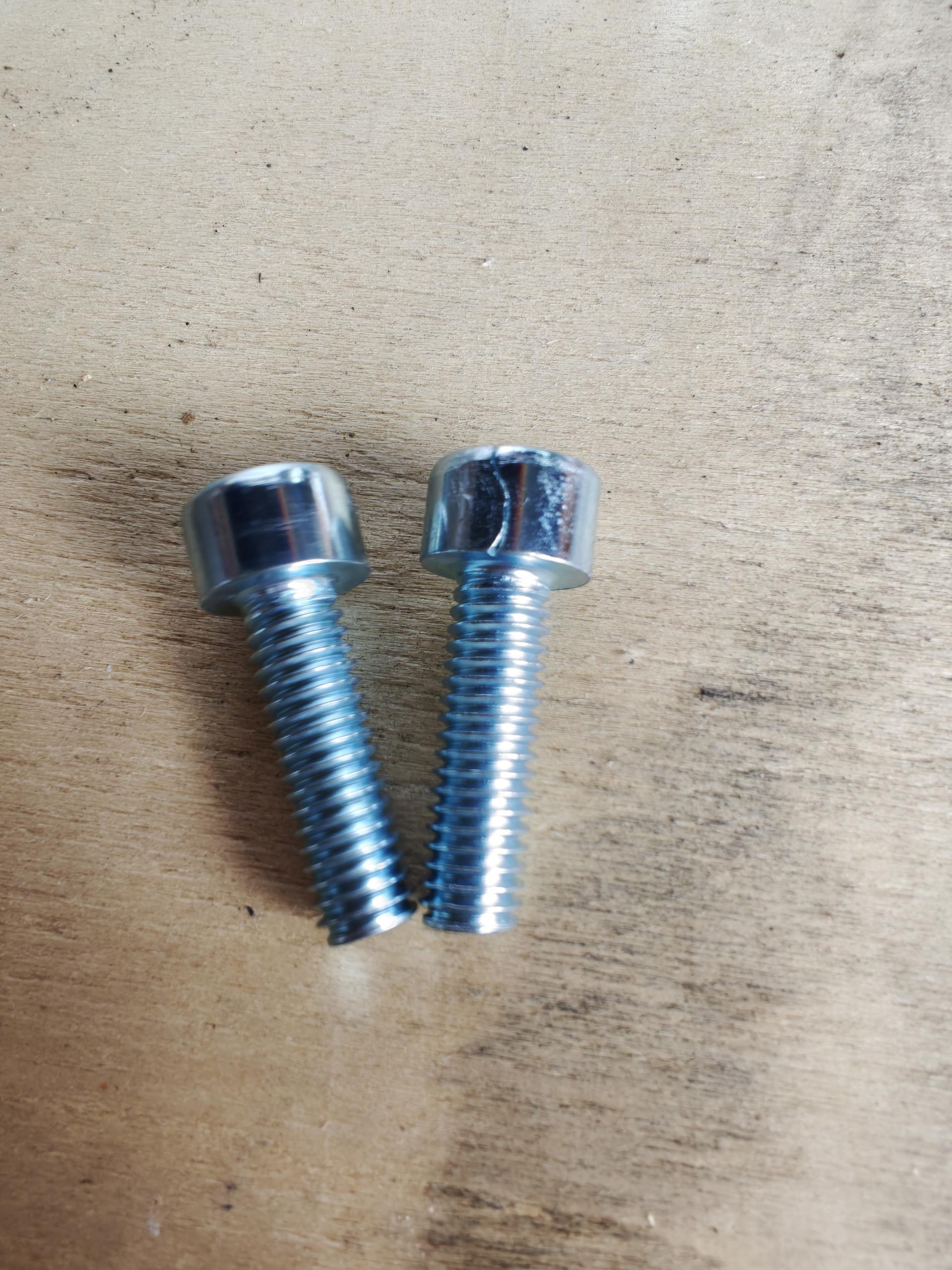
- Zinc plated, yellow zinc plated and hot-dip galvanized finishes are the available coating options, and a double-layer anti-corrosion process is used to extend service life in wet and humid conditions.
- Standards coverage spans GB/T, DIN, ISO, ASTM and EN, so a project specifying European or North American dimensional conventions can be matched from the same production base.
Verify the quality system behind the anchor
Certificate numbers are the difference between a claim and evidence. YUETONG FASTENER operates an ISO 9001 quality management system under certificate 29024Q12949-09R1M, alongside IATF 16949 certification for automotive-grade quality management, ISO 45001 for occupational health and safety, ISO 14001 for environmental management, EU CE certification and carbon footprint certification. EN ISO 16047, the torque/clamp force test method, is the relevant framework when installation torque values are being verified for a project.
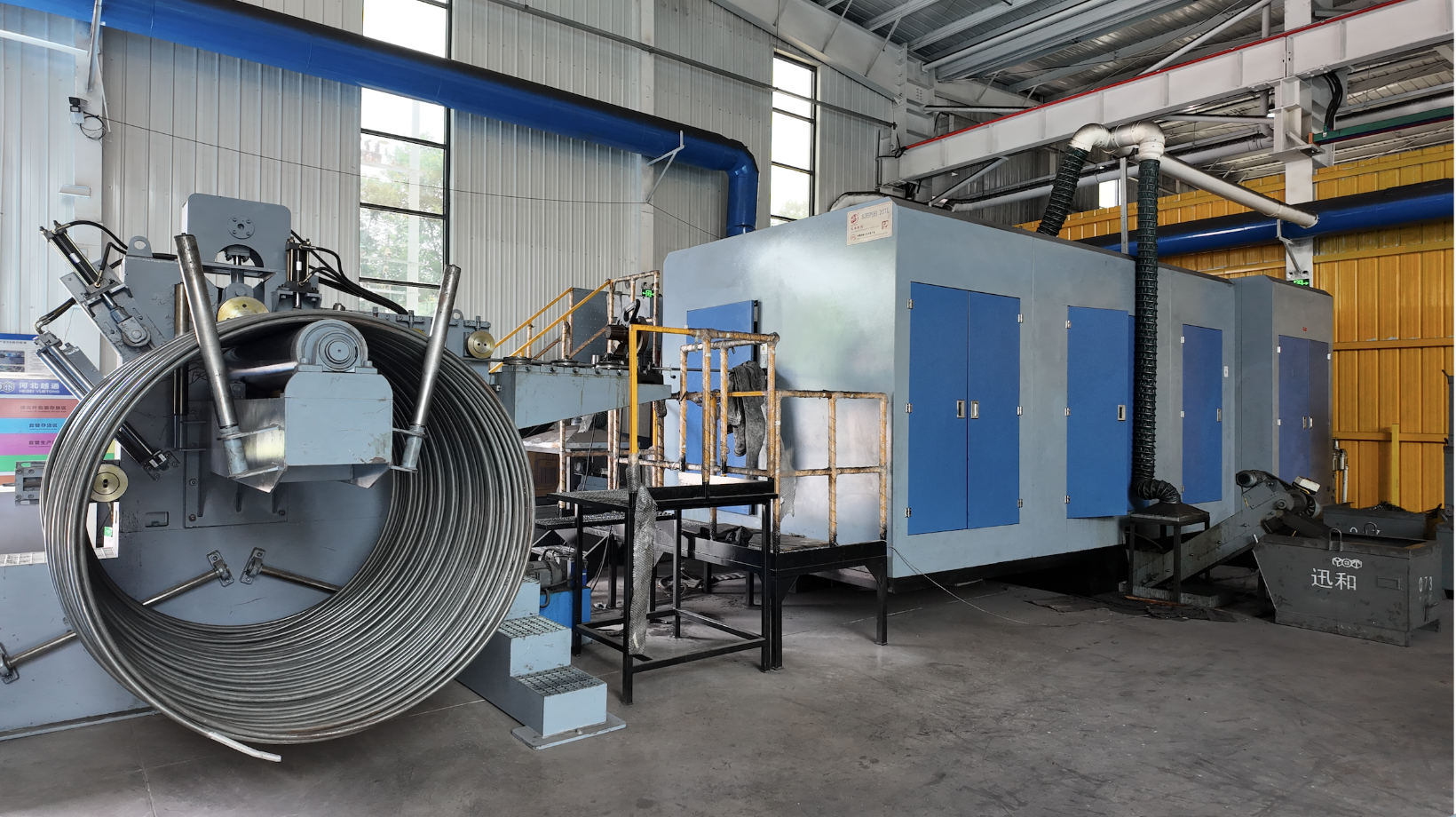
The manufacturing base behind those certificates is a 26,666.67 square metre facility with 100 employees, 12 engineers and annual output of 150,000 tons, supported by nine national patents - one invention patent and eight utility model patents. Raw material inspection, in-process control and finished product testing are applied as separate stages rather than as a single end-of-line check.
Step-by-Step Breakdown: From Substrate Survey to Torque Sign-Off
Use Cases: Where Sleeve Anchors Are Used in Mining and Aggregate Plants
Typical conveyor-related anchor points include drive and motor bases, gearbox and reducer feet, head and tail pulley support frames, take-up unit anchorages, idler and roller frame fixings, chute and hopper support legs, screen and crusher frame bases, dust-collection equipment, and pipe, conduit and cable tray suspension below conveyor decks.
The working conditions that shape those specifications include indoor normal environments, outdoor open-air installation, humid climate, coastal salt-spray corrosion, high and low temperature exposure, hazardous dust areas and vibration load conditions. Project types drawing on the same anchor family range from factory construction, photovoltaic stations, bridge and curtain wall work, municipal engineering and steel structure projects to petrochemical and rail transit installations.
Comparison: Fixing Methods and Anchor Configurations
The comparison below uses Yuetong's published product comparison data against traditional welded fixing solutions, ordinary expansion bolts and non-standard inferior anchors. Baseline values that were not stated in the source data are marked accordingly.
| Criterion | Welded steel fixing | Ordinary zinc-plated expansion bolt | YUETONG sleeve anchor (zinc plated / HDG / stainless) |
|---|---|---|---|
| Bearing capacity | Not stated in source data | Baseline reference | More than 30% higher than ordinary products |
| Salt-spray anti-rust life | Not stated in source data | Baseline reference | Doubled |
| Factory yield rate | Not stated in source data | Not stated in source data | 99.8% |
| Project failure rate | Not stated in source data | Higher, per source comparison | Lower than 0.1% |
| Labour and material cost | Baseline reference | Not stated in source data | Saves 40% of labour and material cost compared with welding solutions |
| Service life | Requires periodic repair | Not stated in source data | Extended by 3 to 5 years |
| Construction efficiency | Hot work, no gain | Not stated in source data | Increased by 50%, no hot work required |
| Follow-up maintenance | Regular welding repair and replacement | Not stated in source data | No subsequent reinforcement or regular welding repair required |
Source: Yuetong product comparison data. Figures describe the manufacturer's stated comparison against the listed alternatives.
A second decision layer sits inside the sleeve anchor range itself. The selection matrix below reflects the material and coating logic described above.
| Exposure at the anchor point | Material / coating | Typical conveyor element |
|---|---|---|
| Indoor, dry, sheltered | Carbon steel grade 4.8, zinc plated | Idler frames, guards, light brackets |
| Outdoor, humid, rain-exposed | Yellow zinc plated or hot-dip galvanized | Drive bases, chute and hopper supports |
| Coastal salt spray, wash-down, chemical | A2-70 / A4-80 stainless steel | Take-up units, wet-process areas, transfer points |
Pre-Purchase Acceptance Checklist for Conveyor Anchor Orders
Before a purchase order is released, the commercial and quality terms should be confirmed in writing. The framework below reflects Yuetong's stated purchasing and acceptance terms and can be used as a checklist for any sleeve anchor supplier.
- Minimum order quantity: MOQ 5000 pcs.
- Delivery terms: EXW, FOB, CIF and DDP are supported, with other flexible delivery terms available on request.
- Acceptance criteria: factory pre-inspection, customer on-site inspection, and SGS third-party acceptance, with complete quality documents provided.
- Payment terms: 30% deposit with balance before shipment, 100% advance, L/C or bank transfer. Long-term customers are offered flexible payment terms.
- Documentation: certificate numbers and validity for ISO 9001 (29024Q12949-09R1M), IATF 16949, ISO 45001, ISO 14001, EU CE and carbon footprint certification.
- Technical records: anchor diameter, overall length, material grade, surface treatment and torque-related data per EN ISO 16047.
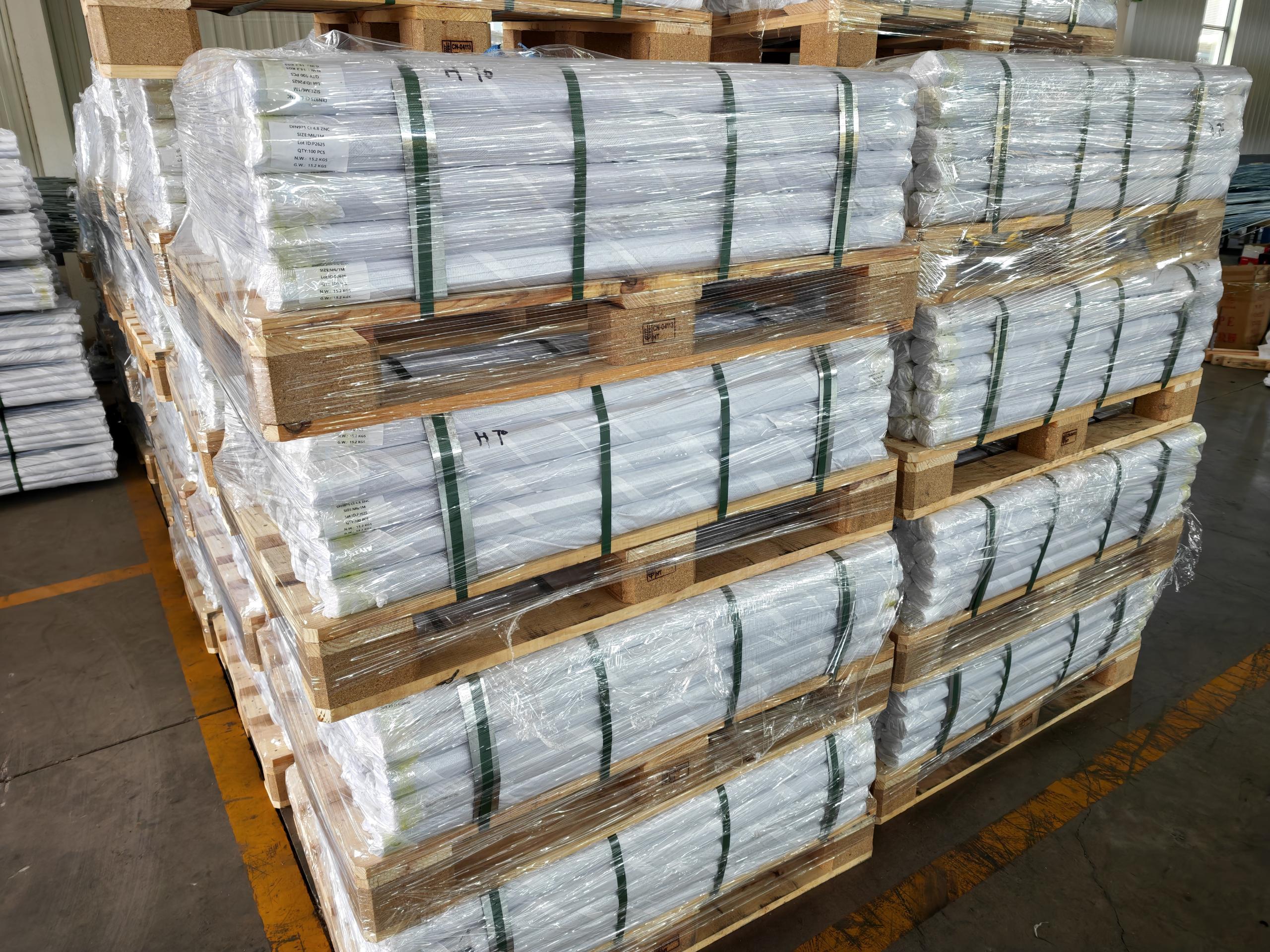
- Packing and traceability: pallet packing suitable for sea freight and batch identification that links the delivered anchors back to the inspection record.
Long-Term Compliance: What ISO 14001 and ISO 14067 Mean for a Multi-Year Project
Conveyor installations are rarely single purchases. A plant expansion, a new aggregate line or a staged retrofit will place anchor orders across several years and several budget cycles, and increasingly those orders sit inside an environmental and safety documentation framework rather than outside it.
ISO 14001 demonstrates an environmental management system, which matters to buyers who must show that suppliers feeding a mine or quarry project operate under controlled environmental procedures. ISO 14067 addresses the quantification of a product carbon footprint, which allows anchoring quantities to be included in project carbon accounting where tenders or corporate reporting require it. Combined with ISO 45001 occupational health and safety certification and IATF 16949 automotive-grade quality management, these credentials allow a conveyor anchor order to be filed as a compliant, traceable procurement item rather than an unclassified consumable.
Supply continuity is the second half of the same question. YUETONG FASTENER exports to more than 30 countries and regions, including South America, Russia and the Middle East; export business accounts for 80% of total sales, with major markets in the EU, North America, Latin America and the Middle East and Africa. The company holds self-operated import and export qualifications and maintains long-term, stable partnerships with major distributors worldwide. For a plant engineer planning a multi-year conveyor programme, that combination of documentation depth, production scale and distribution continuity is what turns a supplier into a project partner.
Frequently Asked Questions
Which certifications should be checked before approving a sleeve anchor supplier for a mining conveyor project?
At minimum the supplier's quality management system must be verifiable. YUETONG FASTENER holds ISO 9001 under certificate 29024Q12949-09R1M, IATF 16949 for automotive-grade quality management, ISO 45001 for occupational health and safety, ISO 14001 for environmental management, EU CE certification and carbon footprint certification. EN ISO 16047 is the torque/clamp force test method relevant to verifying tightening behaviour. Ask for certificate numbers and validity dates rather than accepting a logo on a catalogue page.
How are sleeve anchor load capacity and tightening torque verified for conveyor anchor points?
Load capacity depends on the base material, anchor diameter, embedment depth, hole diameter, edge distance and tightening torque, so verification uses the actual project conditions rather than a generic figure. ASTM E488 / E488M-22 is the primary standard test method for measuring the strength of anchors in concrete elements, and EN ISO 16047 covers torque/clamp force testing. Insufficient tightening results in poor sleeve expansion, while excessive tightening can damage the anchor or the base material, so torque values should be confirmed against supplier documentation and applied with a calibrated wrench.
What purchasing terms and acceptance criteria apply to a sleeve anchor order?
MOQ is 5000 pcs. Delivery terms support EXW, FOB, CIF and DDP, with other flexible delivery terms available. Acceptance criteria cover factory pre-inspection, customer on-site inspection and SGS third-party acceptance, with complete quality documents provided. Payment terms accept 30% deposit with balance before shipment, 100% advance, L/C or bank transfer, and long-term customers are offered flexible payment terms.
Can anchors be sampled or inspected before shipment?
Yes. The acceptance framework allows factory pre-inspection before packing, customer on-site inspection at the production plant, and SGS third-party acceptance, with the full quality document package supplied with the order. For conveyor projects this means anchor diameter, length, material grade, surface treatment and torque-related records can be reviewed against the project specification before the pallets are loaded.
How do you choose a long-term sleeve anchor manufacturer for reliable supply?
Look at three signals: export continuity, documented quality system, and commercial flexibility. YUETONG FASTENER exports to over 30 countries and regions, including South America, Russia and the Middle East, with export business accounting for 80% of total sales and major markets in the EU, North America, Latin America and the Middle East and Africa. The company holds self-operated import and export qualifications and long-term, stable partnerships with major distributors worldwide, and produces 150,000 tons annually from a 26,666.67 square metre plant. Long-term customers are offered flexible payment terms. To assess fit for your conveyor programme, request a sample and quotation at www.ytfasteners.com.
Conclusion: Anchoring Is a Specification, Not an Accessory
Anchoring conveyors in mining and aggregate plants comes down to four checks applied in sequence: substrate condition, load capacity, tightening torque and corrosion exposure. Sleeve anchors cover the full span of conveyor anchor points - from hex bolt and hex nut configurations for drive and gearbox bases through flange nut types for fabricated frames to eye, hook, L-hook and G-hook versions for suspended services - in a range extending from M5 to M36 in carbon steel grade 4.8 and A2-70 or A4-80 stainless steel.
What separates a reliable programme from a repeated rework problem is documentation. Certificate numbers such as ISO 9001 (29024Q12949-09R1M), IATF 16949, ISO 45001, ISO 14001 and carbon footprint certification, combined with EN ISO 16047 torque testing, SGS third-party acceptance and a defined commercial framework, are what allow an anchor order to be planned across multiple project phases instead of re-tendered each time.
Next step for your conveyor project
Send your anchor schedule - anchor point, substrate, load case and exposure - and YUETONG FASTENER will respond with a sleeve anchor specification, sample and quotation. Sample and quotation requests: www.ytfasteners.com | info@ytfasteners.com | WhatsApp +86 158-3201-8600.
Download the full product catalogue: YUETONG FASTENER Catalogue (PDF)
HEBEI YUETONG FASTENERS MANUFACTURING CO., LTD. - West, 80m North, Tongfa Road & Yuantong Street Crossing, Southwest Industrial Zone, Yongnian, Handan, Hebei, China.
Have Questions or Need More Details?
Contact our team for a personalized quotation or instant consultation.
Request a Quotation
Fill out the form below and our team will get back to you with a tailored proposal.
WhatsApp Direct Chat
Prefer to chat in real-time? Message us on WhatsApp for instant assistance & quick answers.
- Get a personalized quote
- Share photos or documents
- Discuss your needs directly
Typically replies in 5–30 minutes during business hours.