Sleeve Anchor Applications in Concrete and Masonry: A Project-Based Guide
Sleeve anchor applications in concrete and masonry are decided by four project variables: the base material, the fixture being fixed, the load the anchor must carry, and the environment it will live in. Get those four right and the anchor becomes a durable, inspectable connection. Get one wrong — a hollow masonry wall treated like solid concrete, an indoor-grade zinc finish used on a coastal site — and the failure shows up months later as a loose bracket or a pulled-out anchor.
This guide is written for contractors, distributors, facility engineers and project buyers who specify sleeve anchors by application rather than by catalogue page. It covers how anchor head style maps to handrails, electrical fixtures and structural steel; how base material and load class narrow the choice; how material and surface treatment follow the environment; and which certifications a manufacturer should be able to show when a project demands traceable quality. Product and certification details used here come from HEBEI YUETONG FASTENERS MANUFACTURING CO., LTD. (YTFASTEN), a fastener manufacturer located in Yongnian District, Handan, Hebei, China, producing hex nuts, hex bolts, sleeve anchors, thread rods, flat washers, hex socket head bolts, wheel hub bolts and DIY packing for EU, North American, LATAM and MEA markets.
Why Sleeve Anchor Applications Fail Before the First Hole Is Drilled
Sleeve anchor performance is governed by the base material, the anchor diameter, the embedment depth, the drilled hole diameter, the edge distance and the tightening torque. Change any one of those on site and the same anchor behaves differently. Three failure patterns account for most project problems.
- Loosening. Improper hole size, insufficient embedment, an unsuitable base material or an incorrect tightening torque reduce anchoring performance. Insufficient tightening leaves the expansion sleeve poorly engaged with the base material; excessive tightening can damage the anchor or the base material.
- Pull-out. An anchor can pull out of concrete when it is installed in weak or damaged concrete, when the drilled hole is oversized, when the embedment depth is insufficient, or when the anchor is overloaded.
- Corrosion-driven failure. In open-air, rain-immersed, coastal salt-spray and humid chemical environments, ordinary galvanized products can oxidize and rust, and that corrosion can lead to anchorage failure.
Notice that these are mainly specification and installation errors, not product defects. A project that applies a single anchor specification across a concrete shear wall, a brick infill wall and a hollow block partition has already accepted that one of those three applications will underperform.
The useful question is therefore not “which sleeve anchor is best” but “which sleeve anchor for this base material, this fixture and this environment”. The rest of this guide answers that question in the order a project actually makes the decision.
Industry Background: Where Sleeve Anchors Sit in Anchoring Demand
Anchoring fasteners are a substantial product family, and mechanical anchors — the group that includes sleeve anchors — dominate it. Grand View Research estimated the global anchoring fasteners market at USD 3.12 billion in 2024 and reported that the mechanical anchors segment held 58.3% of category revenue in the same year. On the supply side, Credence Research projected China’s industrial fasteners market to grow from USD 12.23 billion in 2024 to USD 22.78 billion by 2032.
Two classification facts matter when a project crosses borders or applies a formal test regime. Sleeve anchors are commonly classified under HS Code 7318.15, the tariff line covering other screws and bolts with nuts or washers, according to the US International Trade Commission. The reference test method for measuring the strength of anchors in concrete elements is ASTM E488 / E488M-22, published by ASTM International.
Demand for this product family is spread across construction engineering, road infrastructure, municipal landscape, factory equipment installation, PV brackets, home decoration, and bridge and curtain wall work. That breadth is precisely why a project-based selection method outperforms a single generic recommendation: the same anchor family is asked to do very different jobs in very different bases.
Matching Sleeve Anchor Type to Base Material, Fixture and Load
Step 1 — Confirm the base material first
Sleeve anchors are commonly used in concrete and solid masonry, and the applicable base for this series is stated as concrete, brick and masonry wall. Suitability always depends on the specific anchor design, the condition of the base material and the load requirement. Two consequences follow for project work: solid concrete and solid masonry do not behave like hollow, low-density or cracked block, and weak or damaged concrete is a base-material problem that no anchor diameter can compensate for.
Step 2 — Choose the head style around the fixture
The sleeve anchor series is offered in six head configurations, and each one presents a different interface to the fixture:
- Hex nut sleeve anchor — a threaded stud with a nut, used where the fixture is clamped by a nut and washer.
- Hex bolt sleeve anchor — a hex head tightened directly with a wrench, useful where there is no room for a separate nut and washer.
- Flange nut sleeve anchor — the flange spreads clamping pressure across a wider bearing area of the fixture, which helps on slotted or oversized bracket holes.
- Eye hook sleeve anchor — a closed eye for rope, cable or tie-through connections.
- L-hook sleeve anchor — an L-shaped end for hooking and light suspension duties.
- G-hook sleeve anchor — a G-shaped hook end for hook-and-tie applications where a rounder profile suits the attachment.
The head style defines what the fixture can attach to. Load direction, fixture geometry and tool access still decide which of the six is correct for a given detail.
Step 3 — Size, length and load class
The series is designated Sleeve Anchor M5–M36 and is produced to GB/T, DIN, ISO, ASTM and EN standards. Metric sizes listed for the range include M6, M8, M10, M12, M14 and M16; inch sizes include 1/4", 5/16", 3/8", 1/2" and 5/8". Overall lengths run from 30 mm, 40 mm, 50 mm, 60 mm, 80 mm and 100 mm up to 300 mm. Two bearing capacity classes are available: standard load and heavy duty load.
Selection should consider fixture thickness, the required load, the base material, the anchor diameter, the embedment depth and the installation environment together. Embedment and hole diameter deserve the same attention as anchor diameter: an oversized hole or a shallow embedment is a direct route to loosening and pull-out.
Step 4 — Match material and surface treatment to the environment
Raw material for the series is carbon steel or stainless steel. Material grades are 4.8 carbon steel and A2-70 or A4-80 stainless steel. Surface treatments are zinc plated, yellow zinc plated and hot-dip galvanized.
Working conditions drive the decision. Electro-galvanized, hot-dip galvanized or stainless-steel materials are selected according to the environment, and a double-layer anti-corrosion process can be applied. For heavily corrosive areas, A4 stainless-steel anchors are preferred because they remove the corrosion risk at source. In practice the corrosion-resistance requirement rises from dry indoor service, through outdoor open-air and humid conditions, to coastal salt spray and chemical exposure — and the specification should rise with it.
Step 5 — Confirm the certification evidence behind the supplier
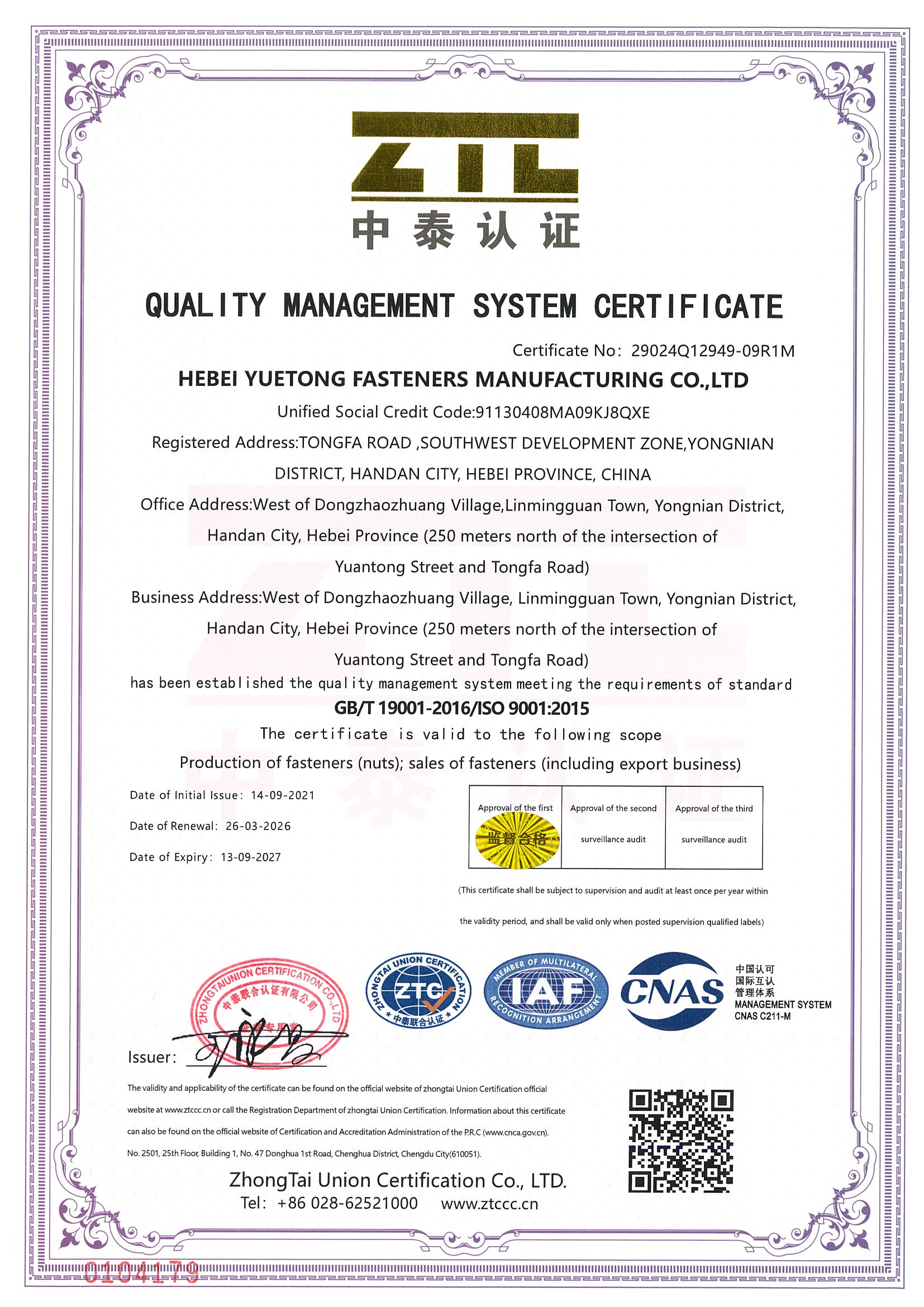
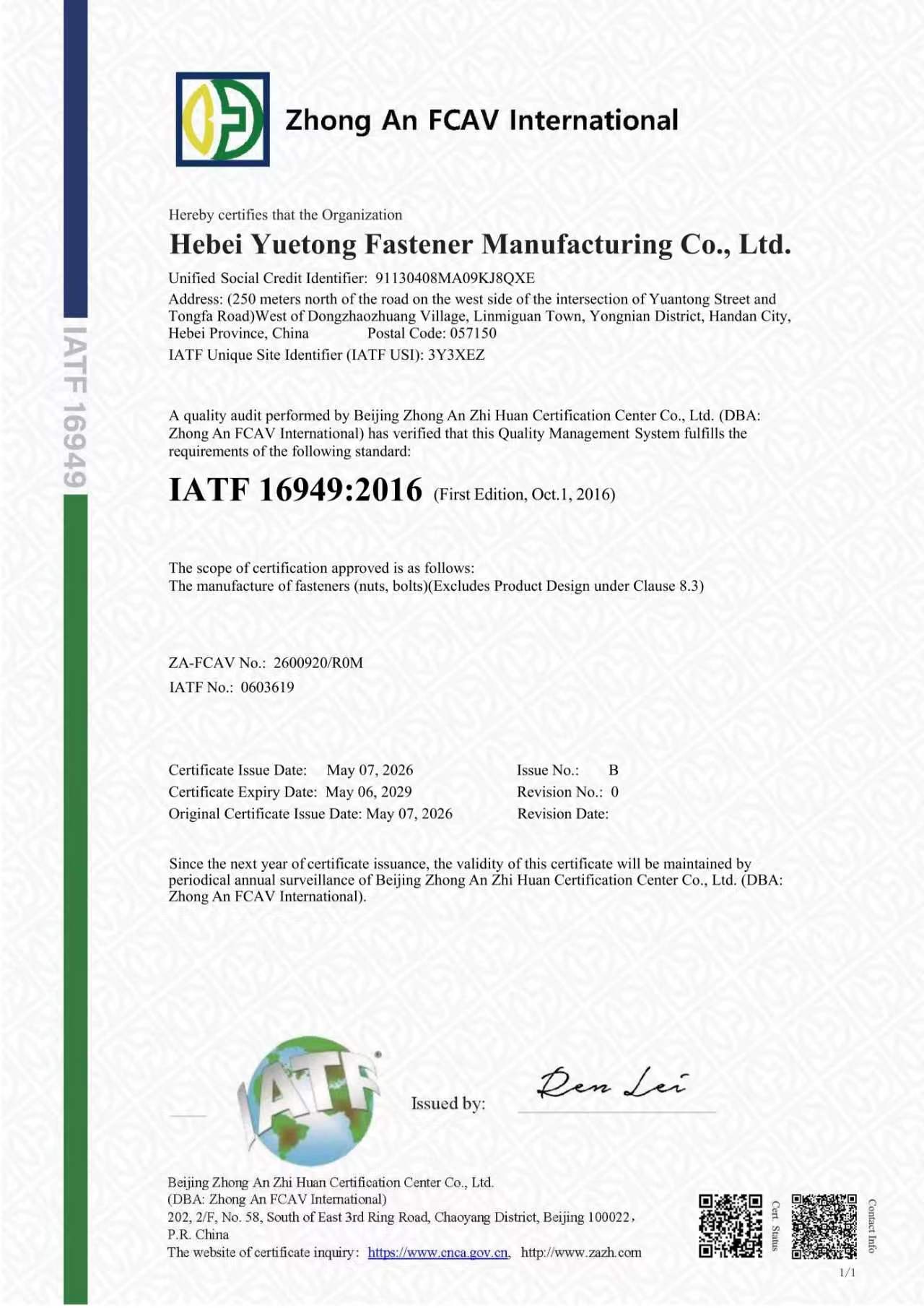
For demanding industrial projects the supplier file matters as much as the part number. HEBEI YUETONG FASTENERS MANUFACTURING CO., LTD. holds ISO 9001 quality management system certification (certificate No. 29024Q12949-09R1M, issued by ZhongTai Union Certification Co., LTD on 14 September 2021 and valid to 13 September 2027), and IATF 16949:2016 certification (certificate No. 2600920/R0M, issued by Beijing Zhong An Zhi Huan Certification Center Co, Ltd on 7 May 2026 and valid to 6 May 2029, covering the manufacture of fasteners — nuts and bolts — and excluding product design under clause 8.3).
An honest reading of these documents is important. IATF 16949 is an automotive-sector quality management standard, and its scope statement here covers the manufacture of fasteners rather than the design or certification of a specific anchor’s load capacity for a specific project. What it demonstrates is a documented, externally audited production system — which is exactly what a buyer needs when a project requires manufacturing consistency and traceability. Load capacity for a given application remains a design decision confirmed by the project’s own requirement and by a recognised test method such as ASTM E488.
European market access is supported by an ECM Type-Approved Attestation (CE) with certificate No. 3N230331.HYFUC49, issued by Ente Certificazione Macchine Srl on 3 April 2023 and valid to 30 March 2028, referencing EN ISO 10683:2018, EN ISO 16047:2005+A1:2012 and EN ISO 4753:2011, and covering bolts, nuts, washers, thread rods, various anchors, screws and other construction fasteners. Environmental, occupational health and safety, and carbon footprint certifications (ISO 14001, ISO 45001 and ISO 14067) complete the compliance picture, and the company additionally holds a Gold Plus Supplier Assessment Certificate (No. 491647039 P+T) issued by Alibaba.com with on-site assessment by SGS, valid to 22 June 2027.
Step-by-Step: Specifying and Installing Sleeve Anchors on a Project
- Define the fixture and the load path. Establish what is being fixed, in which direction the load acts, and whether the load is static, vibrating or repeatedly applied.
- Confirm the base material on site. Determine whether the substrate is concrete, brick or masonry wall, and whether it is sound. Weak or damaged concrete needs a different solution, not a larger anchor.
- Select the anchor family and head style. Match hex nut, hex bolt, flange nut, eye hook, L-hook or G-hook to the bracket, cable or suspension detail.
- Set diameter and embedment depth. Base the choice on required load, base-material condition, fixture thickness and anchor diameter; deeper embedment increases sleeve engagement but requires adequate member thickness.
- Choose material and finish from the environment. Carbon steel grade 4.8 with zinc plating, yellow zinc plating or hot-dip galvanizing, or A2-70 / A4-80 stainless steel for higher corrosion resistance and heavier exposure.
- Drill the specified hole diameter and clean the hole. An oversized or dusty hole is a common cause of loosening and pull-out.
- Tighten to the specified torque and stop there. Insufficient tightening produces poor expansion; excessive tightening damages the anchor or the base material.
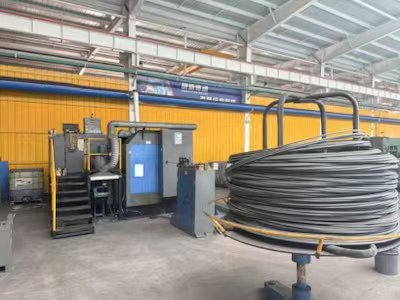
- Document and inspect. Manufacturing controls for this product line include raw material incoming inspection, in-process patrol inspection, finished product tensile load test and pre-shipment inspection, with third-party SGS testing available. Project buyers can request material certificates and test reports with the shipment.
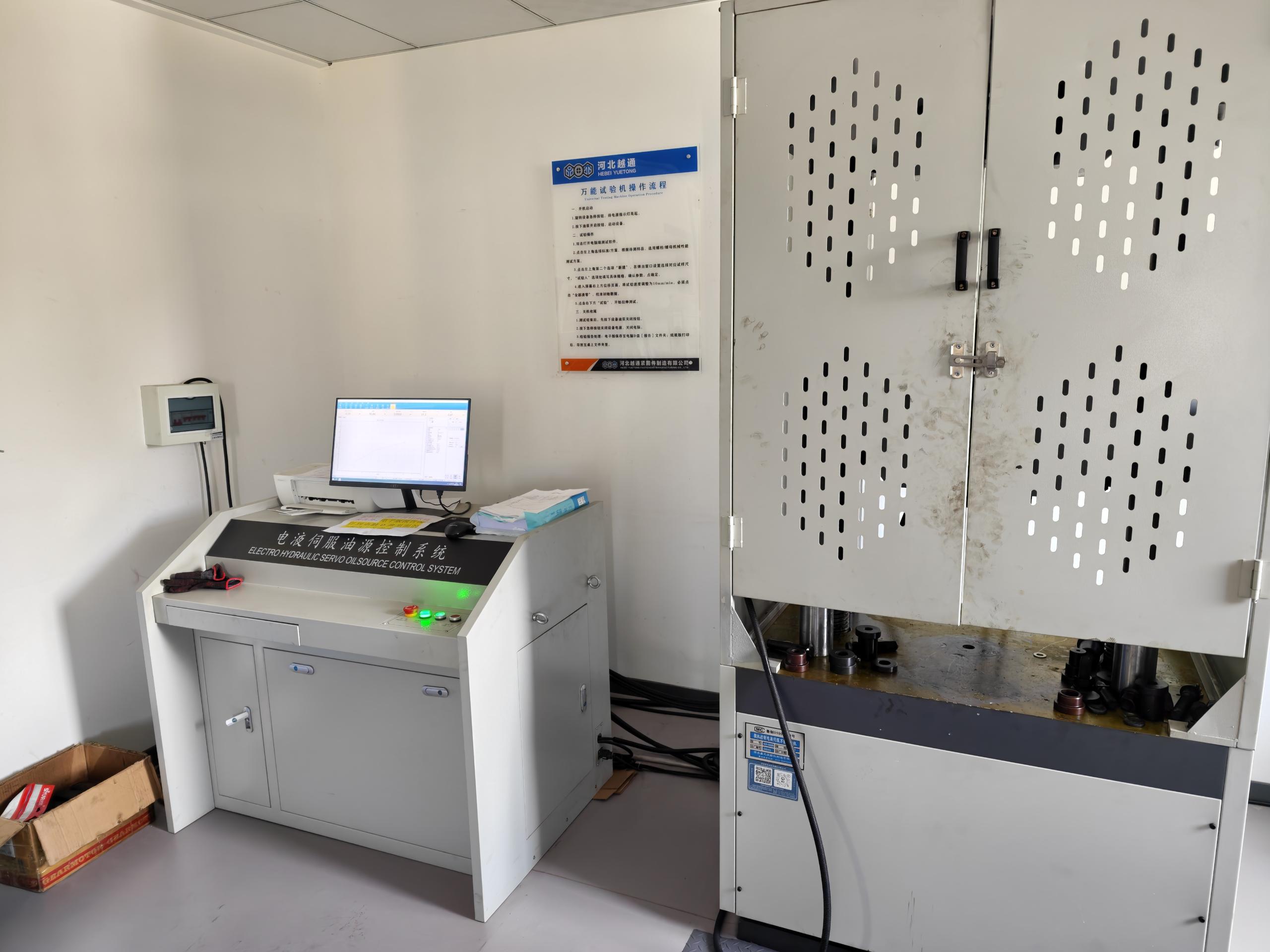
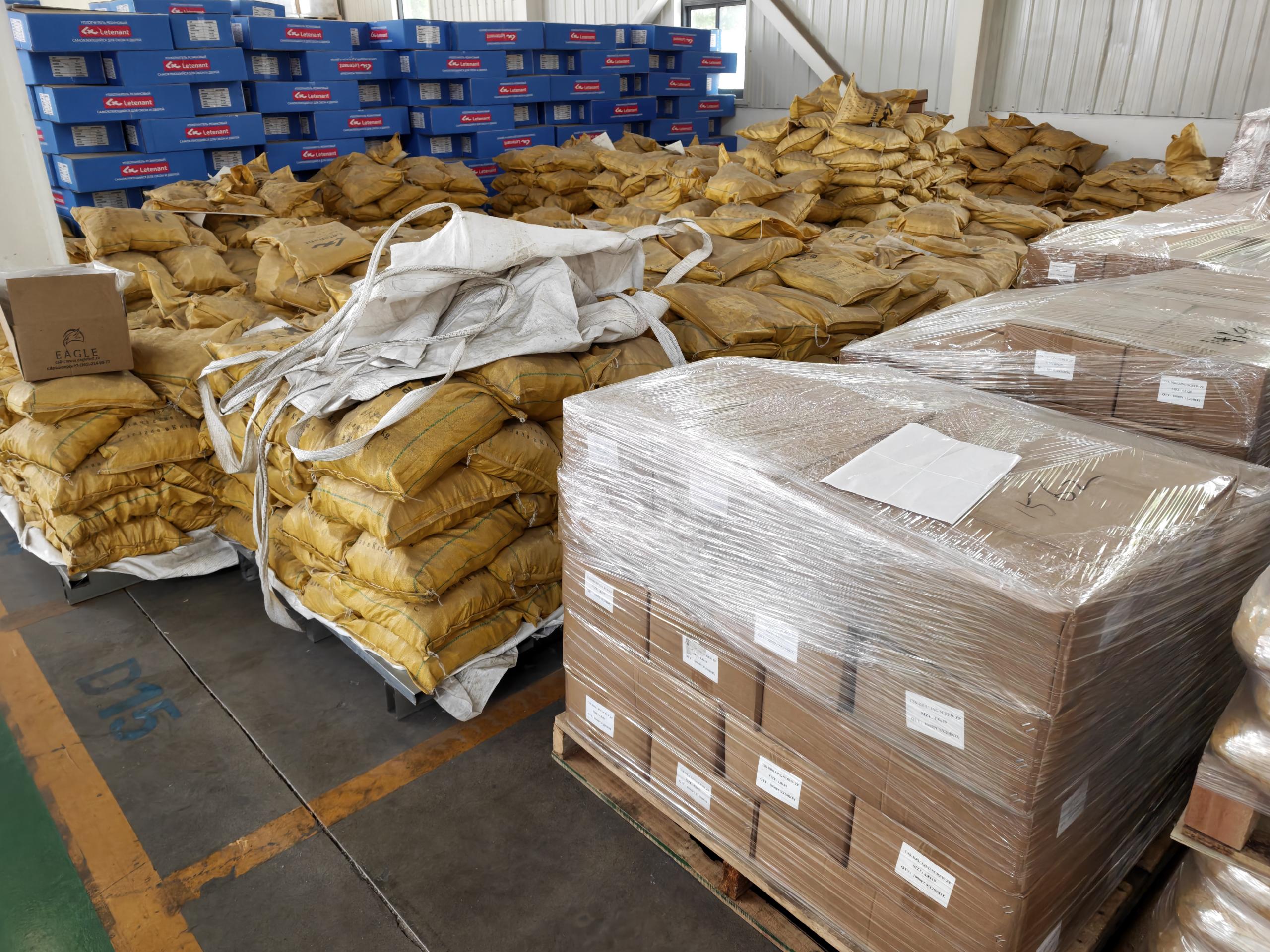
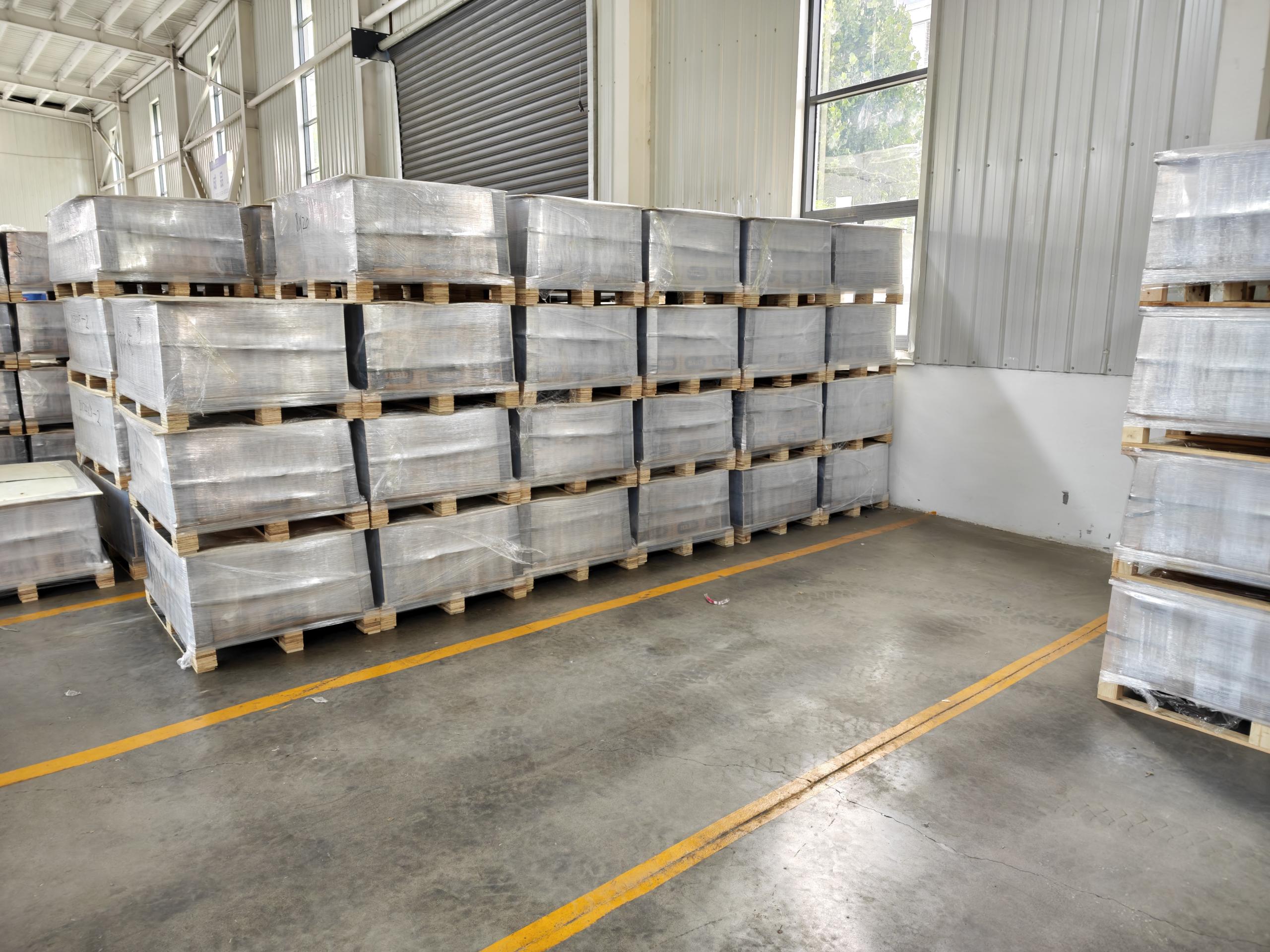
Supply and order parameters. The production model covers OEM, ODM, non-standard customization and bulk stock supply. Customization options include size and specification, material selection, anti-corrosion surface treatment, product style, printed logo on packaging and matched assembly kits. Minimum order quantities are 500 sets for standard products and 3,000 sets for non-standard customized products. Lead time is 3–7 days for in-stock products and 12–20 days for customized orders, with expedited delivery negotiable. Reported monthly capacity is 1,500 tons.
Use Cases: Four Project Types and the Anchor Choices Behind Them
Handrails, guardrails and stair-core brackets
Handrail details are clamping connections in which the bracket is pulled and, in some cases, levered against the wall. Hex bolt sleeve anchors allow direct wrench tightening where the bracket detail exposes the head, while hex nut sleeve anchors suit details where a nut and washer clamp the bracket plate. The decisive variables are bracket hole size, embedment depth and soundness of the base: in brick and masonry walls, confirm the substrate is solid before fixing, because a sleeve anchor’s suitability depends on base-material condition as well as load requirement.
Electrical fixtures, conduit supports and panel mounting
Electrical and instrumentation work usually combines small fixtures with limited space for tools. The flange nut variant is useful where brackets or channels have slotted holes, because the flange spreads clamping load across a wider bearing area; the hex bolt variant suits direct wrench access. Here the environment, not the size, tends to drive the finish decision: dry internal plant rooms and outdoor pole-mounted equipment do not require the same corrosion class, and zinc plating, hot-dip galvanizing or stainless steel should be selected according to the required corrosion resistance.
Structural steel, equipment bases and factory installation
Factory equipment installation, steel structures and machinery bases are the applications that justify the heavy duty load class and larger diameters within the M6–M16 metric range or the 1/4"–5/8" inch range. In humid or wash-down plant environments, hot-dip galvanized or A4-80 stainless steel variants are the appropriate corrosion class. Vibration is the additional risk in this group: a correctly torqued anchor in a suitable base is the baseline, and re-inspection after commissioning is standard practice.
Outdoor infrastructure: road facilities, billboards, street lights and PV brackets
Open-air infrastructure is where anchor specification and corrosion protection meet. A recorded project for an engineering contractor, construction company and hypermarket used 15,000 pcs of anchors for road facilities, billboard fixing, street light base and PV bracket anchoring, with an intended service duration of 10–15 years. The reported outcome was adaptability to outdoor humid and temperature-changing conditions, no rust or failure during service and zero customer complaints. The project highlights cited were multiple anti-corrosion treatments, customizable specifications and stable delivery — a combination that matches the requirements of this application class: weather resistance, specification flexibility across many fixing points, and repeatable supply.
Comparison Table: Sleeve Anchor Selection by Project Condition
The three tables below summarise the selection logic covered above: head style by fixture interface, material and finish by exposure, and certification by scope and validity. Every entry is drawn from the manufacturer’s published product data and certification records.
| Anchor type | Interface presented to the fixture | Applicable base material | Available surface treatments |
|---|---|---|---|
| Hex nut sleeve anchor | Threaded stud, clamped by nut and washer | Concrete, brick, masonry wall | Zinc plated, yellow zinc plated, hot-dip galvanized |
| Hex bolt sleeve anchor | Hex head, tightened directly with a wrench | Concrete, brick, masonry wall | Zinc plated, yellow zinc plated, hot-dip galvanized |
| Flange nut sleeve anchor | Flanged nut with a wider bearing face | Concrete, brick, masonry wall | Zinc plated, yellow zinc plated, hot-dip galvanized |
| Eye hook sleeve anchor | Closed eye for rope, cable or tie-through use | Concrete, brick, masonry wall | Zinc plated, yellow zinc plated, hot-dip galvanized |
| L-hook sleeve anchor | L-shaped hook end | Concrete, brick, masonry wall | Zinc plated, yellow zinc plated, hot-dip galvanized |
| G-hook sleeve anchor | G-shaped hook end | Concrete, brick, masonry wall | Zinc plated, yellow zinc plated, hot-dip galvanized |
All six configurations are produced in carbon steel grade 4.8 or A2-70 / A4-80 stainless steel, and both standard load and heavy duty load classes are available within the series. Final selection depends on base-material condition and the actual load requirement.
| Project exposure | Corrosion-resistance requirement | Specification direction |
|---|---|---|
| Indoor, dry, controlled environment | Lower | Zinc plated (electro-galvanized) carbon steel |
| Outdoor open-air, humid, temperature cycling | Medium | Hot-dip galvanized, or stainless steel where specified |
| Coastal salt spray, rain-immersed, humid chemical exposure | Higher | A4 stainless steel preferred; double-layer anti-corrosion process |
This ladder describes the direction in which the corrosion requirement rises. It supports, but does not replace, the corrosion class written into the project specification.
| Certificate | Number | Issuing body | Validity | Scope |
|---|---|---|---|---|
| ISO 9001 | 29024Q12949-09R1M | ZhongTai Union Certification Co., LTD | 14 Sep 2021 – 13 Sep 2027 | Production of fasteners (nuts); sales of fasteners including export business |
| IATF 16949:2016 | 2600920/R0M | Beijing Zhong An Zhi Huan Certification Center Co, Ltd | 7 May 2026 – 6 May 2029 | Manufacture of fasteners (nuts, bolts); excludes product design under clause 8.3 |
| ECM Type-Approved Attestation (CE) | 3N230331.HYFUC49 | Ente Certificazione Macchine Srl | 3 Apr 2023 – 30 Mar 2028 | Bolts, nuts, washers, thread rods, various anchors, screws and other construction fasteners (EN ISO 10683:2018, EN ISO 16047:2005+A1:2012, EN ISO 4753:2011) |
| ISO 14001 | 29025E12097-12R0M | ZhongTai Union Certification Co., LTD | 18 Dec 2025 – 17 Dec 2028 | Environmental management activities in fastener production and sales |
| ISO 45001 | 29025S12024‑12R0M | ZhongTai Union Certification Co., LTD | 18 Dec 2025 – 17 Dec 2028 | Occupational health and safety management activities in fastener production and sales |
| ISO 14067 | 33925CFMS00020R0S | ZQHX Certification Center Co., Ltd | 8 Dec 2025 – 7 Dec 2028 | Processing and sales of fasteners (high-strength steel bolts, nuts) |
| Gold Plus Supplier Assessment | 491647039 P+T | Issued by Alibaba.com; on-site assessment by SGS | 23 Jun 2026 – 22 Jun 2027 | Factory supplier capability assessment for fasteners including sleeve anchors |
Frequently Asked Questions
Which certifications should a sleeve anchor manufacturer provide for demanding industrial projects?
A supplier file should combine a quality management system with a type-approved attestation and environmental or safety systems, and each document should be checked for scope and validity rather than existence. HEBEI YUETONG FASTENERS MANUFACTURING CO., LTD. holds ISO 9001 (No. 29024Q12949-09R1M, valid to 13 September 2027), IATF 16949:2016 (No. 2600920/R0M, valid to 6 May 2029, covering the manufacture of fasteners and excluding product design under clause 8.3), an ECM Type-Approved Attestation (CE) No. 3N230331.HYFUC49 valid to 30 March 2028 and referencing EN ISO 10683:2018, EN ISO 16047:2005+A1:2012 and EN ISO 4753:2011, ISO 14001, ISO 45001, ISO 14067, and a Gold Plus Supplier Assessment Certificate (No. 491647039 P+T) issued by Alibaba.com with on-site assessment by SGS, valid to 22 June 2027.
Can a Chinese OEM concrete sleeve anchor manufacturer handle project-specific specifications?
Yes, where the factory operates on an OEM, ODM, non-standard customization and bulk stock supply model. Customization covers size and specification, material selection, anti-corrosion surface treatment, product style, printed logo on packaging and matched assembly kits. HEBEI YUETONG FASTENERS MANUFACTURING CO., LTD. produces sleeve anchors designated Sleeve Anchor M5–M36 within a 26,666.67 m² plant with 100 employees, a 12-engineer team, reported monthly capacity of 1,500 tons and annual output of 150,000 tons; minimum order quantities are 500 sets for standard products and 3,000 sets for non-standard customized products.
What are the minimum order quantity, delivery and payment terms for a sleeve anchor order?
The minimum order quantity is 500 sets for standard products and 3,000 sets for non-standard customized products. Delivery terms include EXW, FOB, CIF and DDP. Payment terms include 30% deposit plus balance before shipment, 100% advance, L/C and bank transfer, with flexible terms available for long-term customers.
How can a project buyer verify sleeve anchor quality before shipment?
Acceptance can be structured around factory pre-inspection, customer on-site inspection and SGS third-party acceptance, with complete quality documents provided. The manufacturer’s own controls include raw material incoming inspection, in-process patrol inspection, finished product tensile load test and pre-shipment inspection, with third-party SGS testing available. Material certificates and test reports are supplied, factory quality defects are covered by free replenishment, and engineering orders receive dedicated support with 24-hour technical communication and product selection guidance.
What is the lead time for stock and customized sleeve anchor orders?
Lead time is 3–7 days for in-stock products and 12–20 days for customized orders, with expedited delivery negotiable for project schedules. Buyers who need to align anchor delivery with an installation window can request a quotation and the current product catalogue before confirming quantities.
Conclusion
Sleeve anchor selection is a sequence, not a guess. Confirm the base material, choose the head style around the fixture, set diameter and embedment for the load, match material and finish to the environment, and verify the supplier’s certification file. Concrete and solid masonry are the base materials this series is designed for, with standard and heavy duty load classes and head styles covering clamping, eye and hook connections. Where a project demands documented quality, ISO 9001 and IATF 16949:2016 certification provide an audited manufacturing baseline, the ECM CE attestation supports European market requirements, and ISO 14001, ISO 45001 and ISO 14067 cover environmental, safety and carbon reporting needs.
Buyers evaluating a sleeve anchor manufacturer can request the specification sheet, certificate copies and a project quotation for the specific base material, load class and surface treatment their application requires, rather than accepting a single generic specification across the whole site.
Next Step
Download the full product catalogue for sleeve anchor sizes, materials and surface treatments, or send your project details — base material, load class, environment and required finish — for a specification-matched quotation.
Catalogue (PDF): Sleeve Anchor & Fastener Catalogue
Website: www.ytfasteners.com
Email: info@ytfasteners.com | Tel / WhatsApp: +86 158-3201-8600
Have Questions or Need More Details?
Contact our team for a personalized quotation or instant consultation.
Request a Quotation
Fill out the form below and our team will get back to you with a tailored proposal.
WhatsApp Direct Chat
Prefer to chat in real-time? Message us on WhatsApp for instant assistance & quick answers.
- Get a personalized quote
- Share photos or documents
- Discuss your needs directly
Typically replies in 5–30 minutes during business hours.