
Sleeve Anchor Technical Guide: Using EN ISO 10683, EN ISO 16047 and EN ISO 4753 for Selection

A sleeve anchor is only as predictable as the three parameters written into its purchase specification: the corrosion-protection system applied to its surfaces, the tightening torque it is designed to accept, and the dimensional relationship between its threaded end, the drilled hole and the fixture. In the European market those three parameters are commonly referenced to EN ISO 10683, EN ISO 16047 and EN ISO 4753. Handled properly, they turn a one-line enquiry such as “M10 × 100, zinc plated” into a specification that two manufacturers can quote against and that a buyer can check on delivery.
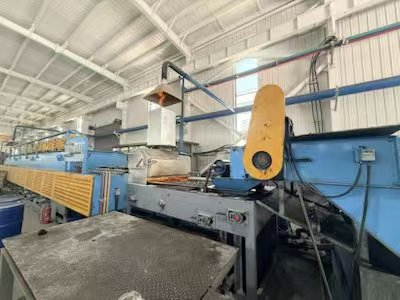
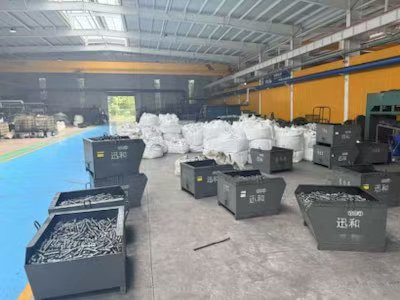
HEBEI YUETONG FASTENERS MANUFACTURING CO., LTD. (brand: YUETONG FASTENER) is a fastener manufacturer based in the central area of Yongnian District, Handan, Hebei, China, an area known as China’s largest standard parts production base. Established in 2017, the company operates a 26,666.67 m² facility with approximately 100 employees and a 12-engineer R&D team, produces hex nuts, hex bolts, sleeve anchors, threaded rod, flat washers and hex socket head bolts, and reports an annual output of 150,000 tons, with around 80% of sales exported to the EU, North America, LATAM and the Middle East & Africa.
This guide is written for the evaluation stage — the point at which the product family is already decided and the remaining questions are which parameters to lock into the specification and what evidence to demand from the manufacturer.
Problem Definition: What “M10 × 100, Zinc Plated” Leaves Open
The typical sleeve anchor enquiry reads like a complete instruction. In practice it leaves three decisions to whoever receives it, and each one carries a documented failure mode.
- “Zinc plated” names a finish family, not a corrosion-protection system. It does not define which coating system is required, which exposure environment the anchor will serve, or what service life is expected. Two suppliers can both quote “zinc plated” and deliver anchors whose corrosion behaviour separates within a few seasons outdoors.
- No tightening torque is stated. A sleeve anchor develops holding force when the expansion sleeve is compressed against the base material as the nut or bolt is tightened. Without a stated torque value and an acceptance method, installation is left to feel: insufficient tightening can leave the sleeve incompletely expanded, while excessive tightening can damage the anchor or the base material, particularly in brick and masonry.
- Dimensions stop at diameter and length. Hole diameter, embedment depth, edge distance, anchor spacing and the form of the threaded end all affect whether the anchor seats correctly and engages its nut. EN ISO 4753 addresses the dimensional requirements of externally threaded ends specifically — the part of the product most often left to interpretation.
The commercial consequence is straightforward. Without a shared dimensional and coating reference, three quotations for the “same” sleeve anchor cannot be compared on anything except price, delivery disputes have no written criterion to be settled against, and lot-to-lot variation stays invisible until it appears on site.
Industry Background: Why Anchor Procurement Now Cites Standards
The anchoring fasteners market was estimated at USD 3.12 billion in 2024, and mechanical anchors — the segment that includes sleeve anchors — accounted for 58.3% of revenue that year, according to Grand View Research. China’s industrial fastener market was valued at USD 12.23 billion in 2024 and is projected to reach USD 22.78 billion by 2032 (Credence Research). For customs and trade purposes, sleeve anchors are commonly classified under HS code 7318.15.
At that scale of supply, “who can make the part” no longer separates suppliers; “who can hold a stated parameter across repeated orders” does. Procurement practice has followed the same direction. Anchor performance in concrete is measured against ASTM E488 / E488M-22, the primary standard test method for the strength of anchors in concrete elements in the United States, while coating, tightening torque and dimensional parameters of construction fasteners in the EU market are frequently tied to the EN ISO series.
For an evaluation file, the useful document is therefore the attestation that names those standards. HEBEI YUETONG FASTENERS MANUFACTURING CO., LTD. holds an ECM Type-Approved Attestation, certificate No. 3N230331.HYFUC49, issued by Ente Certificazione Macchine Srl on 3 April 2023 and valid to 30 March 2028. Its listed standards are EN ISO 10683:2018, EN ISO 16047:2005+A1:2012 and EN ISO 4753:2011, and its scope covers bolts, nuts, washers, threaded rods, various anchors, screws and other construction fasteners, with the European Union as the main market.
Read as a specification document rather than a badge, that attestation shows which parameters a supplier has chosen to have witnessed by an independent body. The sections below explain what each of the three standards controls and how it converts into purchasing language.
What Each of the Three Standards Controls
EN ISO 10683 — Corrosion Protection as a System
EN ISO 10683 is the corrosion-protection reference in this trio. Applied to a sleeve anchor, it moves the buyer away from a finish word and towards a system: coating type, base material and the exposure the anchor will actually see.
Define the environment first. Typical duty bands for anchor selection are indoor and dry; outdoor open-air with rain and temperature cycling; humid climates and coastal salt-spray; and chemically corrosive or heavily polluted industrial atmospheres. The sleeve anchor FAQ maintained by YUETONG FASTENER describes the underlying risk in the same terms: in open-air, rain-exposed, coastal salt-spray and humid chemical environments, ordinary galvanized products are prone to oxidation and rust, which can lead to anchorage failure.
Surface treatment is selected after the environment, not before it. Options for the sleeve anchor series include zinc plated, yellow zinc plated and hot-dip galvanized carbon steel, with A2-70 and A4-80 stainless steel available where the coating itself should be taken out of the corrosion equation. Two trade-offs belong in the evaluation notes. First, coating and torque are linked rather than independent, because surface friction affects how much of the applied torque reaches the expansion mechanism — changing finish on the same anchor size is a specification change, not a cosmetic one. Second, stainless steel changes the material cost base and is normally reserved for humid, coastal or chemically corrosive duty (general industry guidance; the final selection should follow the project specification).
EN ISO 16047 — Tightening Torque as a Controlled Installation Parameter
EN ISO 16047 is the standard referenced for the tightening-torque behaviour of the fastener, and it matters because torque is the only parameter in the set that is completed by the installer rather than by the factory.
The mechanics are simple and unforgiving. Tightening the nut or bolt draws the anchor upward while the sleeve is held by the base material, so the sleeve expands and presses against the wall of the hole. Both failure directions are documented: insufficient tightening can result in poor expansion, while excessive tightening can damage the anchor or the base material.
A specification that references tightening torque should therefore state the value to be applied for that diameter, base material and fixture, plus the acceptance criterion that the anchor has been tightened to it — normally verified with a calibrated torque wrench, one of the matched installation items listed alongside nuts, washers, impact drills and fastening tools. The standard provides the framework for describing and testing the torque parameter; the numeric value still has to be defined for each anchor size and application, which is why technical support at the selection stage is worth more than a catalogue page. YUETONG FASTENER provides 24-hour technical communication and product selection guidance for this step.
EN ISO 4753 — Dimensions and Thread Ends as the Interface Definition
EN ISO 4753 covers dimensional requirements for the ends of externally threaded parts — the standard that stops “M10 × 100” from describing three different products.
Applied to a sleeve anchor, the dimensional package that has to be fixed includes nominal diameter, overall length and threaded-end form on the product side, and drilled hole diameter, embedment depth, edge distance and anchor spacing on the installation side. The failure logic is documented in the selection FAQ: pull-out risk rises when an anchor is installed in weak or damaged concrete, when the hole is oversized, when embedment depth is insufficient, or when the anchor is overloaded.
The dimensional envelope of the sleeve anchor series covers most construction fixing work: sizes M6, M8, M10, M12, M14 and M16, plus imperial 1/4", 5/16", 3/8", 1/2" and 5/8", with overall lengths from 30 mm to 300 mm (series model: Sleeve Anchor M5–M36). Anchor types include hex nut sleeve anchors, hex bolt sleeve anchors, flange nut sleeve anchors, eye hook sleeve anchors, L-hook sleeve anchors and G-hook sleeve anchors, produced in carbon steel grade 4.8 or A2-70 / A4-80 stainless steel, for concrete, brick and masonry bases, in standard-load and heavy-duty variants.
How Production Control Keeps Those Parameters Repeatable
A specification is only worth writing if the factory can repeat it, which is where management-system certificates enter the evaluation.
ISO 9001 (certificate 29024Q12949-09R1M, issued 14 September 2021, valid to 13 September 2027) covers production of fasteners (nuts) and sales of fasteners including export business. IATF 16949:2016 (certificate 2600920/R0M, issued 7 May 2026, valid to 6 May 2029) covers the manufacture of fasteners (nuts, bolts). That scope wording deserves a careful read during supplier evaluation: a certificate defines what has been audited, so it is reasonable to ask how a specific product family fits inside the documented scope. The company also holds ISO 14001, ISO 45001 and ISO 14067 carbon footprint certificates (33925CFMS00020R0S, valid 8 December 2025 to 7 December 2028), and an Alibaba Gold Plus Supplier Assessment issued 23 June 2026 and valid to 22 June 2027 (certificate 491647039 P+T, on-site assessment by SGS).
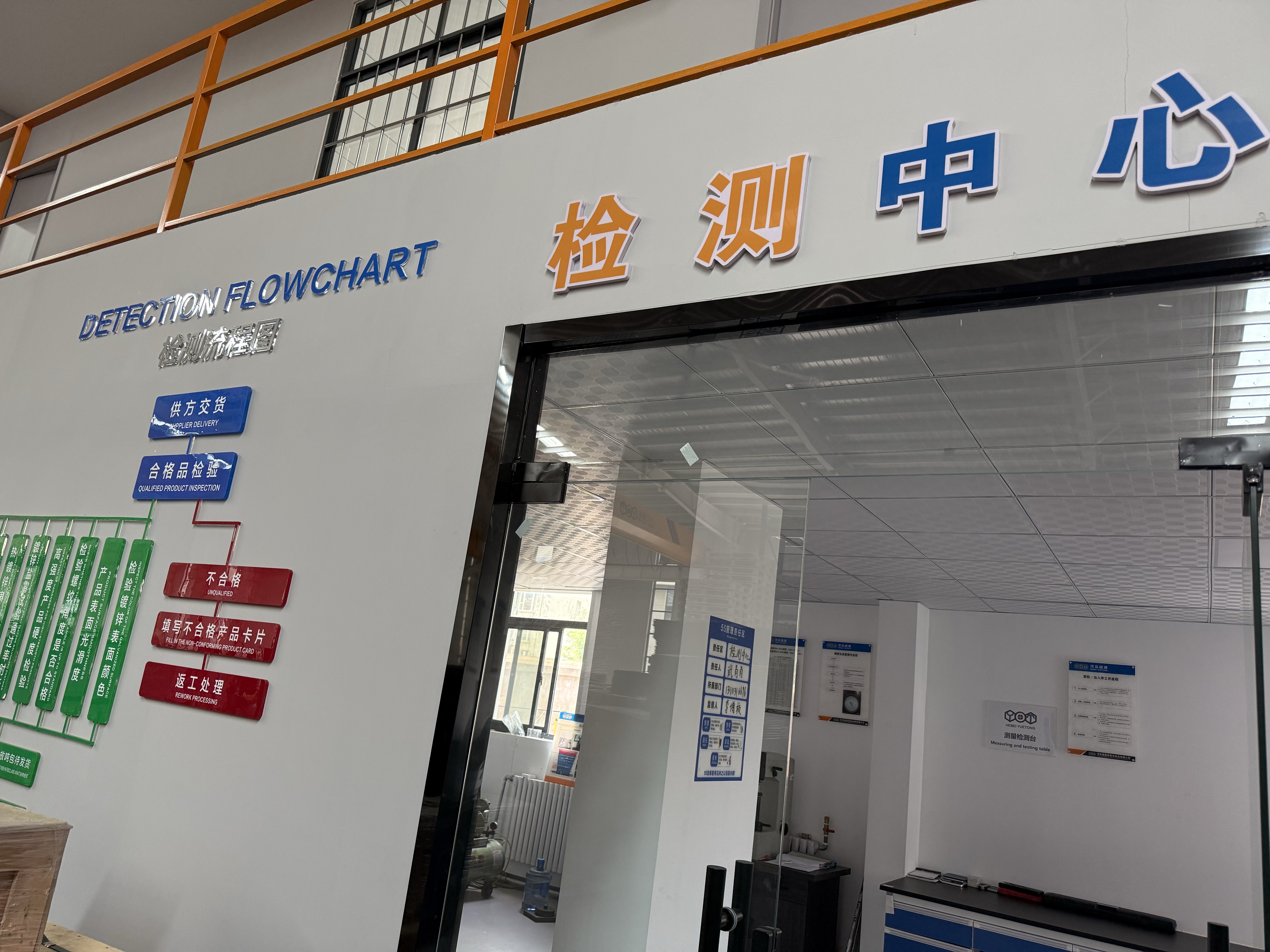
At parameter level, the controls listed for the sleeve anchor range are raw material incoming inspection, in-process patrol inspection, finished product tensile load test and pre-shipment inspection, with third-party SGS testing available. The 12-engineer R&D team and the company’s nine national patents (one invention patent and eight utility model patents) support the customization side of that control system.
Step-by-Step: Turning the Three Standards into a Purchase Specification
- Define the base material and the load case. Sleeve anchors are commonly used in concrete and solid masonry; suitability depends on the specific anchor design, base-material condition and load requirements. Record the fixture thickness and whether the load is static, permanent or subject to alternating vibration.
- Fix the dimensional envelope. Specify diameter, overall length and threaded-end form with EN ISO 4753 as the dimensional reference, then write down the hole diameter, embedment depth, edge distance and anchor spacing the installation has to achieve.
- Select the corrosion-protection system. Choose the environment band first, then the finish — zinc plated, yellow zinc plated or hot-dip galvanized — or move to A2-70 / A4-80 stainless steel. Reference EN ISO 10683 in the specification text.
- State the tightening torque. Add the torque value for the given diameter and fixture plus the acceptance method, and reference EN ISO 16047. Confirm the value on site with a calibrated torque wrench.
- Request the evidence package. Material certificates, test reports and, where the project requires it, third-party SGS testing. Match certificate numbers to the market being supplied; the ECM attestation, for example, is oriented to the EU.
- Validate with a sample before committing volume. Check the sample against all three parameters: coating condition, measured dimensions and threaded-end form, and behaviour when tightened to the specified torque in the intended base material.
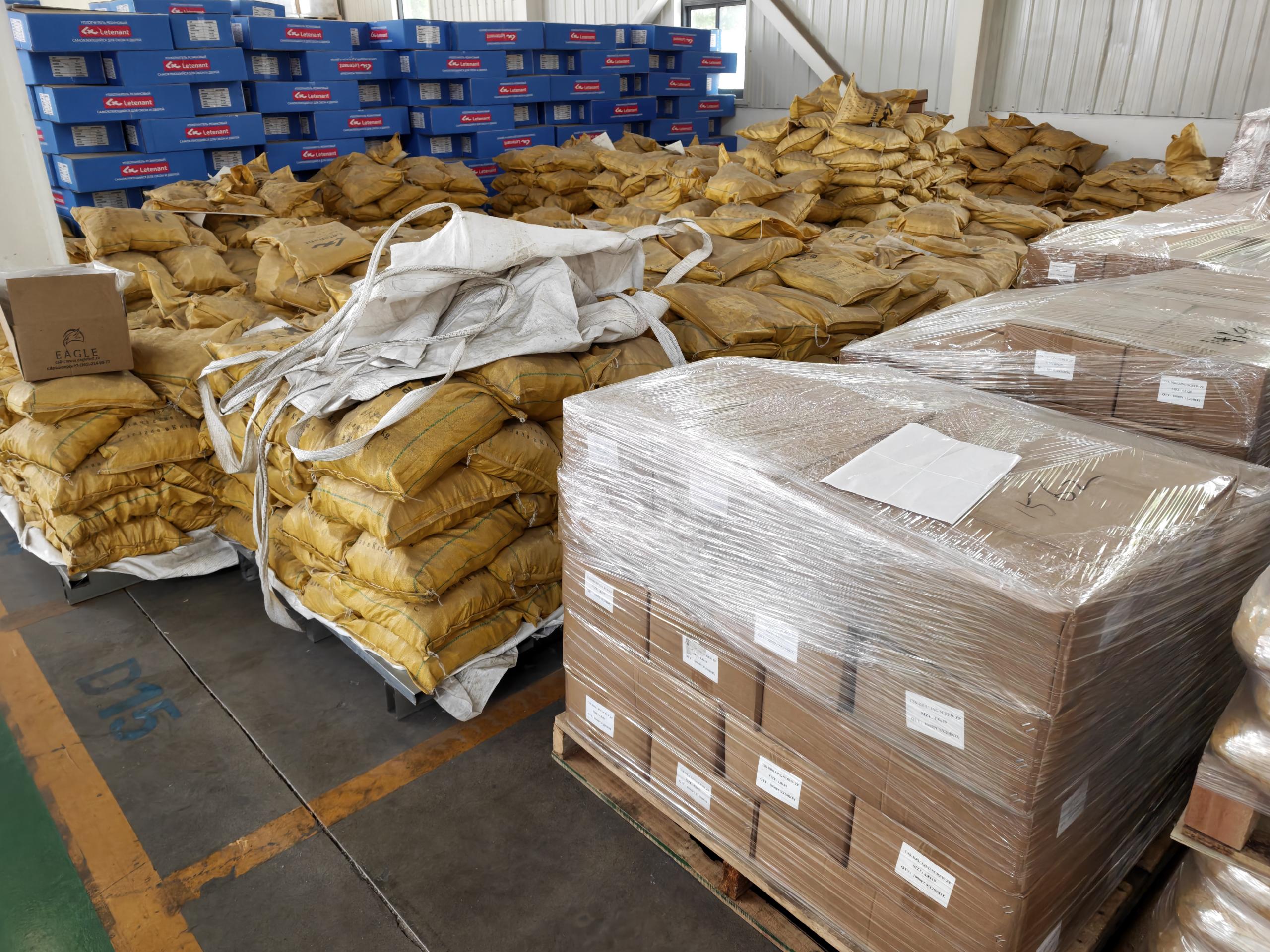
- Lock the commercial parameters. Production modes include OEM, ODM, non-standard customization and bulk stock supply, with customization across size and specification, material selection, anti-corrosion surface treatment, product style, printed logo on packaging and matched assembly kits. MOQ is 500 sets for standard products and 3,000 sets for non-standard customized products; lead time is 3–7 days for in-stock products and 12–20 days for customized orders, with expedited delivery negotiable.
Use Cases: Where the Three Parameters Decide the Outcome
One supply record shows how the parameters behave together in the field. A global project took 15,000 pieces of sleeve anchor (product model 7338) for road facilities, billboard fixing, street light bases and PV bracket anchoring. The clients were an engineering contractor, a construction company and a hypermarket operator. Over a project duration of 10–15 years, the anchors remained serviceable in outdoor, humid and temperature-changing conditions with no rust or failure recorded and zero customer complaints. The factors credited in that record were multiple anti-corrosion treatments, customizable specifications and stable delivery — in other words, the same three parameters this guide describes.
Coastal and Salt-Spray Duty
Where salt spray or chemical exposure is expected, the recommended mitigation is to select the surface treatment according to the working conditions — electro-galvanized, hot-dip galvanized or stainless steel materials — and, in heavily corrosive areas, to prefer A4 stainless steel anchors so that corrosion risk is addressed at source rather than managed after installation.
Concrete versus Solid Masonry, and Vibration
Masonry bases tolerate less expansion pressure than concrete, which is why the torque parameter and the dimensional parameter have to be decided together for brick and blockwork. An oversized hole in a softer base material reduces the engagement that expansion depends on, and over-tightening carries more risk than it does in concrete. For alternating or vibration loads, the manufacturer’s after-sales technical line is used to confirm anchor type and installation parameters against the actual load and base-material conditions.
Indoor Equipment and Light Structural Fixing
Factory equipment installation, municipal landscaping and home decoration typically sit in the standard-load band, where a zinc plated or yellow zinc plated carbon steel sleeve anchor is adequate and the decisive parameters are dimensional accuracy and correct tightening torque rather than the coating system. Open-air and UV-exposed installations from the same catalogue move to galvanized or stainless options, and heavy-duty sleeve anchor variants cover higher load cases.
Comparison Table: Standards, Parameters and Purchasing Language
| Standard referenced | Parameter it governs | Specification language to use | How the buyer verifies it |
|---|---|---|---|
| EN ISO 10683:2018 | Corrosion-protection coating | Coating system — zinc plated, yellow zinc plated or hot-dip galvanized — or A2-70 / A4-80 stainless steel, plus the intended exposure environment | Coating inspection against the specification; material certificates and test reports; third-party SGS testing available |
| EN ISO 16047:2005+A1:2012 | Tightening torque | Torque value for the anchor diameter and fixture, plus the acceptance criterion | Controlled tightening with a calibrated torque wrench; selection guidance from the manufacturer’s technical support |
| EN ISO 4753:2011 | Dimensions of externally threaded ends | Diameter, overall length, threaded-end form, hole diameter, embedment depth, edge distance and spacing | Dimensional inspection including thread-angle checks; pre-shipment inspection |
| ISO 9001 and IATF 16949:2016 | Production process control behind the three parameters above | Requirement that the supplier documents how coating, torque and dimensional parameters are controlled in production | Certificate scope review plus in-process patrol and finished-product tensile load test records |
| Option in the sleeve anchor range | Material / treatment family | Typical use context (general guidance) | What to verify at evaluation |
|---|---|---|---|
| Zinc plated | Carbon steel grade 4.8, electroplated zinc | Indoor and sheltered outdoor fixing | That the coating system, not just the word “zinc”, is written into the specification |
| Yellow zinc plated | Carbon steel grade 4.8, zinc-plated variant | Outdoor fixing where a distinct finish is specified | Finish consistency between the sample and production lots |
| Hot-dip galvanized | Carbon steel grade 4.8, hot-dip coating | Outdoor, humid and heavier-exposure projects | Coating coverage and thread run-on after coating |
| A2-70 stainless steel | Stainless steel | Humid or mildly corrosive environments | Material grade stated on the certificate and test report |
| A4-80 stainless steel | Stainless steel | Coastal salt-spray and chemically corrosive environments | Material grade and the corrosion rationale documented for the project |
General industry guidance for orientation only; the final selection should follow the project specification and the environment defined by the buyer.
FAQ: Sleeve Anchor Standards in Practice
Which certifications cover EN ISO 10683, EN ISO 16047 and EN ISO 4753 for sleeve anchors?
The three standards appear together in the ECM Type-Approved Attestation held by HEBEI YUETONG FASTENERS MANUFACTURING CO., LTD., certificate No. 3N230331.HYFUC49, issued by Ente Certificazione Macchine Srl on 3 April 2023 and valid until 30 March 2028. Its listed standards are EN ISO 10683:2018, EN ISO 16047:2005+A1:2012 and EN ISO 4753:2011, and its scope covers bolts, nuts, washers, threaded rods, various anchors, screws and other construction fasteners. The main market for this attestation is the EU, which makes it directly relevant to European distributors and contractors.
Can a manufacturer hold coating, torque and dimensional requirements at the same time?
Holding three parameters at once is a production-control question rather than a product question. The sleeve anchor range from HEBEI YUETONG FASTENERS MANUFACTURING CO., LTD. is produced under raw material incoming inspection, in-process patrol inspection, finished product tensile load test and pre-shipment inspection, with third-party SGS testing available. The supporting management-system certificates are ISO 9001 (29024Q12949-09R1M, valid to 13 September 2027) and IATF 16949:2016 (2600920/R0M, valid to 6 May 2029, scope: manufacture of fasteners — nuts, bolts).
Which specification choices drive the commercial side of a sleeve anchor order?
The main variables are material grade (carbon steel grade 4.8 versus A2-70 / A4-80 stainless steel) and the corrosion-protection system (zinc plated, yellow zinc plated or hot-dip galvanized), together with order quantity and packaging. MOQ is 500 sets for standard products and 3,000 sets for non-standard customized products. Because the finish determines which anti-corrosion surface treatment step is applied, a change of coating should be quoted as a specification change rather than treated as a finish option.
How should a sample be used to validate the three standards?
Treat the sample as a check on all three parameters. Inspect the coating and confirm it matches the specified surface treatment; measure diameter, overall length and threaded-end form against the drawing; then tighten the anchor to the specified torque in the intended base material to confirm that the sleeve expands as expected. Ask for material certificates and test reports with the sample, and use third-party SGS testing if the project requires independent verification. Sampling is supported across the series, which runs from M6 to M16 and 1/4" to 5/8", with overall lengths from 30 mm to 300 mm.
What lead time should be planned, and what is the next step?
Production planning is 3–7 days for in-stock sleeve anchors and 12–20 days for customized orders, with expedited delivery negotiable and a monthly capacity of 1,500 tons. As a next step, send the intended base material, exposure environment, anchor size and quantity to info@ytfasteners.com, or download the catalogue to review the full sleeve anchor range before requesting a quotation or sample.
Conclusion
Selecting a sleeve anchor by standard rather than by description narrows the supplier conversation to three verifiable questions: how the corrosion-protection system is defined for the intended environment, what tightening torque the anchor is specified for and how that value is confirmed on site, and whether threaded-end dimensions, hole diameter and embedment depth match the drawing. Suppliers that can attach certificate numbers and scope statements to those answers — as HEBEI YUETONG FASTENERS MANUFACTURING CO., LTD. does with its ECM attestation covering EN ISO 10683:2018, EN ISO 16047:2005+A1:2012 and EN ISO 4753:2011, alongside ISO 9001 and IATF 16949:2016 — are easier to qualify, easier to audit and easier to reorder from.
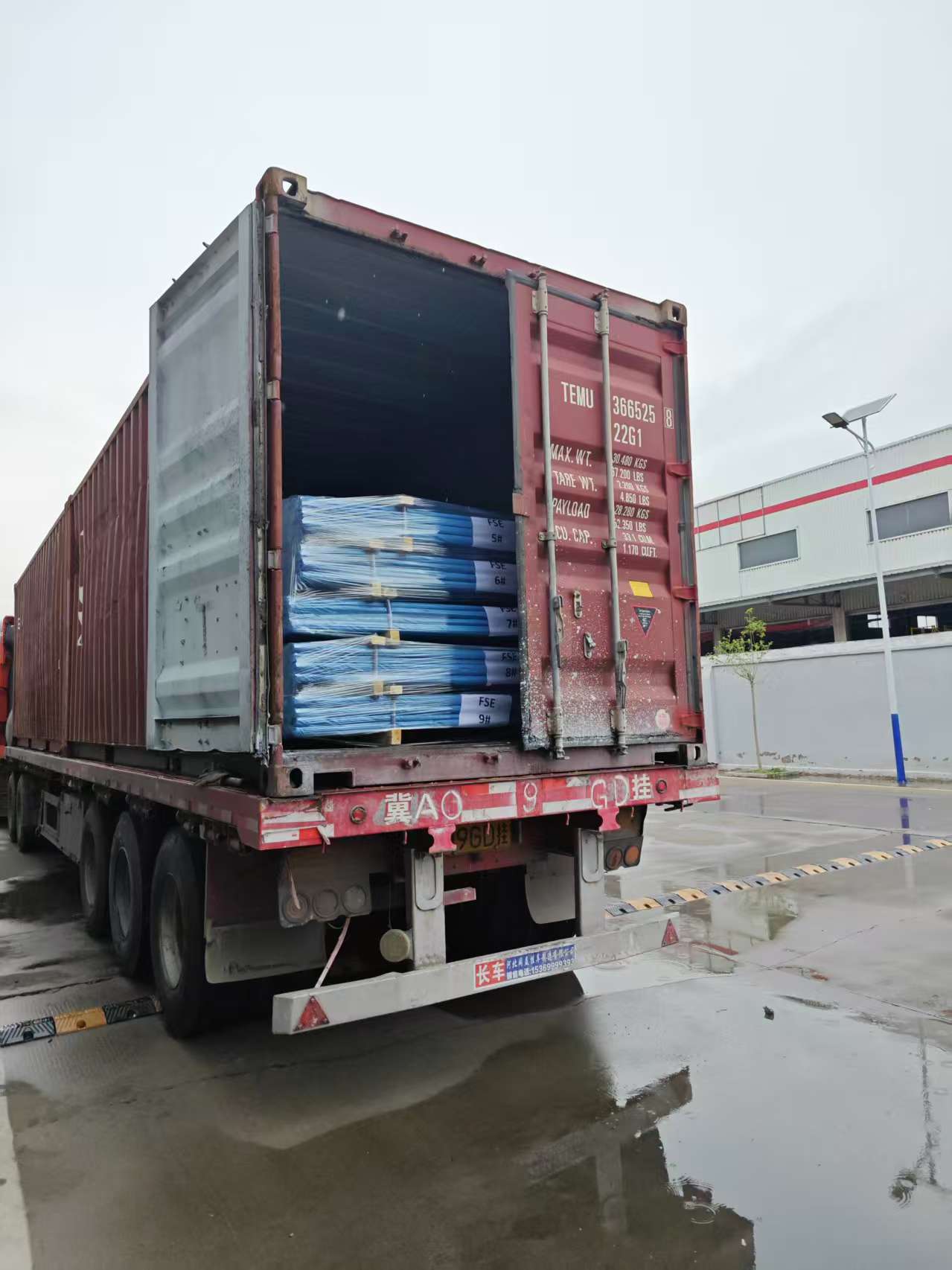
Next step: review the full sleeve anchor range — concrete, masonry, hex bolt, flange nut, eye hook and heavy-duty variants — and the matching surface treatments in the YUETONG FASTENER product catalogue.
Download the product catalogue (PDF) · WhatsApp +86 158-3201-8600 · info@ytfasteners.com
HEBEI YUETONG FASTENERS MANUFACTURING CO., LTD. — West, 80m North, Tongfa Road & Yuantong Street Crossing, Southwest Industrial Zone, Yongnian, Handan, Hebei, China. Website: www.ytfasteners.com
Have Questions or Need More Details?
Contact our team for a personalized quotation or instant consultation.
Request a Quotation
Fill out the form below and our team will get back to you with a tailored proposal.
WhatsApp Direct Chat
Prefer to chat in real-time? Message us on WhatsApp for instant assistance & quick answers.
- Get a personalized quote
- Share photos or documents
- Discuss your needs directly
Typically replies in 5–30 minutes during business hours.