
Sleeve Anchor Types, Materials and Certifications: What to Verify Before You Buy
How to Verify Sleeve Anchor Types, Materials and Certifications Before Buying
A sleeve anchor is a mechanical expansion anchor used to fix components to concrete, brick, masonry and similar base materials. When buyers search for a concrete sleeve anchor or a masonry sleeve anchor, they are usually looking for more than a product photo. They need an anchor that can carry a defined load, survive the surrounding environment, and arrive with documentation that matches the project requirements.
This article explains what to check before placing an order: anchor construction, material grade, surface finish, relevant standards, manufacturer certifications, quality-control steps, lead time and order flexibility. HEBEI YUETONG FASTENERS MANUFACTURING CO.,LTD. is used as a working example because its sleeve anchor range is supported by documented manufacturing and certification data.
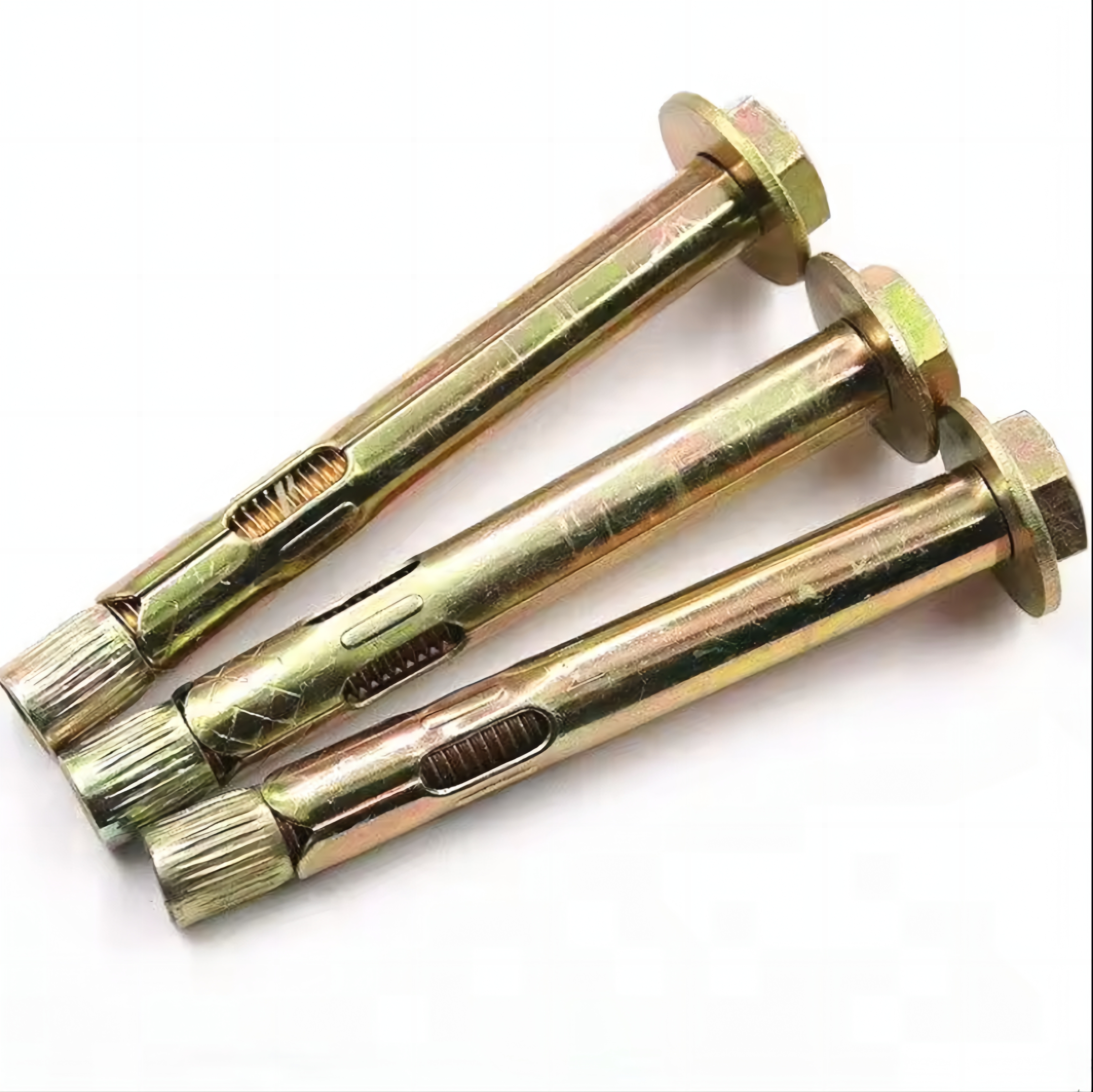
Hex bolt sleeve anchor: one of the standard anchor configurations in the M5-M36 sleeve anchor range.
The Buying Problem: Sleeve Anchors Are Not Interchangeable
A sleeve anchor works by expanding its outer sleeve against the wall of the drilled hole. When the nut or bolt is tightened, the threaded body is pulled, and the sleeve is forced outward. This mechanical grip resists tension and shear. But the grip is affected by many variables.
The load capacity of a sleeve anchor depends on the base material, anchor diameter, embedment depth, hole diameter, edge distance, spacing, tightening torque and installation quality. An anchor that performs well in solid concrete may perform differently in brick or masonry. An anchor selected for a dry indoor workshop may not be the best choice for a coastal outdoor installation.
For this reason, buyers should replace a simple question such as “where can I buy sleeve anchors?” with a specification question such as “which sleeve anchor configuration, grade, coating, standard and quality evidence do I need?” This is especially important when an order must meet EU, global or automotive-related compliance requirements.
Market Context: Why Sleeve Anchor Specification Matters
The broader mechanical anchoring market is significant enough to attract serious supplier attention. Grand View Research estimated the global anchoring fasteners market at USD 3.12 billion in 2024. The same report found that mechanical anchors, the family that includes sleeve anchors, led the market with 58.3% of revenue share in 2024.
For the manufacturing side, China is a major production base for industrial fasteners. Credence Research projected that China’s industrial fasteners market would grow from USD 12.23 billion in 2024 to USD 22.78 billion by 2032. Sleeve anchors and related concrete anchors are commonly classified under HS Code 7318.15 in international trade documentation.
These figures explain why buyers now encounter a large number of suppliers. They also explain why technical documentation and certification have become more important. Low-cost anchors are easy to find; traceable anchors are not.
Sleeve Anchor Range: Parameters That Must Be Checked
A useful sleeve anchor specification includes more than diameter and length. The specification should define the exact anchor configuration, thread standard, material, finish, load class and intended substrate.
As a documented example, the sleeve anchor range from HEBEI YUETONG FASTENERS MANUFACTURING CO.,LTD. is described as Sleeve Anchor M5-M36. The available specifications include:
- Standards: GB/T, DIN, ISO, ASTM and EN
- Anchor sizes: M6, M8, M10, M12, M14, M16, plus inch sizes such as 1/4", 5/16", 3/8", 1/2" and 5/8"
- Overall length: from 30 mm to 300 mm
- Material grades: 4.8 carbon steel, A2-70 stainless steel and A4-80 stainless steel
- Surface finishes: zinc plated, yellow zinc plated and hot-dip galvanized
- Load classes: standard load and heavy-duty load
- Acceptable bases: concrete, brick and masonry wall
The range also includes several anchor styles. The manufacturer’s listed configurations include hex nut sleeve anchors, hex bolt sleeve anchors, flange nut sleeve anchors, eye bolt sleeve anchors, hook bolt sleeve anchors, L-hook bolt sleeve anchors and G-hook bolt sleeve anchors. Related concrete anchors in the production range include wedge anchors, hammer anchors, drop-in anchors, shark-fin type anchors and other expansion fixing products.
How to Match Sleeve Anchor Material and Finish to the Environment
The material and protective finish should be selected according to the working environment. Corrosion resistance is not an optional extra in outdoor, humid or coastal conditions.
| Material or surface option | Typical role in a specification | Supporting product data |
|---|---|---|
| Zinc-plated carbon steel | A common choice for indoor or normal environments where corrosion exposure is limited. | Material grade 4.8; surface treatment: zinc plated |
| Yellow zinc plated carbon steel | Often requested when a visible layer of corrosion protection is required. | Surface treatment: yellow zinc plated |
| Hot-dip galvanized carbon steel | Usually selected for outdoor, wet or more demanding service conditions. | Surface treatment: hot-dip galvanized |
| A2-70 stainless steel | A stainless-steel option for improved corrosion resistance. | Material grade: A2-70 stainless steel |
| A4-80 stainless steel | Preferred in documented guidance for heavily corrosive areas. | Material grade: A4-80 stainless steel; risk guidance: A4 stainless-steel anchors are preferred in heavily corrosive areas |
This table is not a load-rating table. It is a selection framework. For a coastal or marine-related concrete fixing application, the anchor material should be chosen conservatively. The documented risk guidance for HEBEI YUETONG’s sleeve anchors states that in heavily corrosive areas, A4 stainless-steel anchors are preferred. A buyer should therefore confirm not only that an anchor is “stainless steel,” but also the specific stainless-steel grade and the supplier’s ability to provide material certificates and test reports.
Certifications and Standards to Request From a Sleeve Anchor Manufacturer
For a long-term anchoring product, certificates are evidence that the factory follows a management system and that the product has been assessed against a defined standard. Buyers should always ask for the certificate number, issuing body and scope, rather than accepting a generic claim of “certified.”
The sleeve anchor product data used in this article is associated with the following documented certifications:
| System or attestation | Certification number | Issuing body | Relevant standard |
|---|---|---|---|
| ISO 9001 quality management | 29024Q12949-09R1M | ZhongTai Union Certification Co., LTD | GB/T 19001-2016 / ISO 9001:2015 |
| ISO 14001 environmental management | 29025E12097-12R0M | ZhongTai Union Certification Co., LTD | GB/T 24001-2016 / ISO 14001:2015 |
| ISO 45001 occupational health and safety | 29025S12024-12R0M | ZhongTai Union Certification Co., LTD | GB/T 45001-2020 / ISO 45001:2018 |
| IATF 16949 quality management | 2600920/R0M | Beijing Zhong An Zhi Huan Certification Center Co., Ltd | IATF 16949:2016 |
| ISO 14067 carbon footprint assessment | 33925CFMS00020R0S | ZQHX CERTIFICATION CENTER CO., LTD. | ISO 14067:2018 |
| EU type-approved attestation | No. 3N230331.HYFUC49 | Ente Certificazione Macchine Srl | EN ISO 10683:2018; EN ISO 16047:2005+A1:2012; EN ISO 4753:2011 |
| Third-party supplier assessment | 491647039 P+T | Alibaba.com on-site assessment by SGS | Gold Plus Supplier assessment rules |
For EU-bound orders, the type-approved attestation is especially relevant because it references the corrosion-protection, fastening-torque and dimensional standards linked to the product. For global customers, ISO 9001 and ISO 14001 certificates are common baseline requirements. A manufacturer holding IATF 16949 also demonstrates a quality management system aligned with automotive supply chain expectations.
The carbon-footprint certificate may be less familiar to buyers, but it is becoming more relevant for contractors, distributors and engineering firms that report sustainability data. The sleeve anchor’s carbon footprint certification is documented under ISO 14067:2018 with registration number 33925CFMS00020R0S.
What a Sleeve Anchor Manufacturer Should Show in Quality Control
Certificates describe systems and standards, but production quality still depends on daily process control. Buyers evaluating a sleeve anchor manufacturer should ask how raw materials are inspected, how production is monitored, and whether finished anchors are physically tested.
HEBEI YUETONG FASTENERS MANUFACTURING CO.,LTD. is located in Yongnian District, Hebei, in the central area of China’s largest standard parts production base. The company operates as an export-focused manufacturing enterprise and has developed its own import and export capabilities. Its ordinary business profile includes ISO 9001, ISO 14001, ISO 45001, IATF 16949, EU type-approved attestation and carbon-footprint certification. The company also holds patents and maintains an R&D team of 12 engineers.
For sleeve anchors, the documented quality-control sequence includes raw-material incoming inspection, in-process patrol inspection, finished-product tensile load testing and pre-shipment inspection. Third-party SGS testing is available. This type of process matters because the finished anchor can look identical while behaving very differently if the steel grade, heat treatment or plating thickness is not controlled.
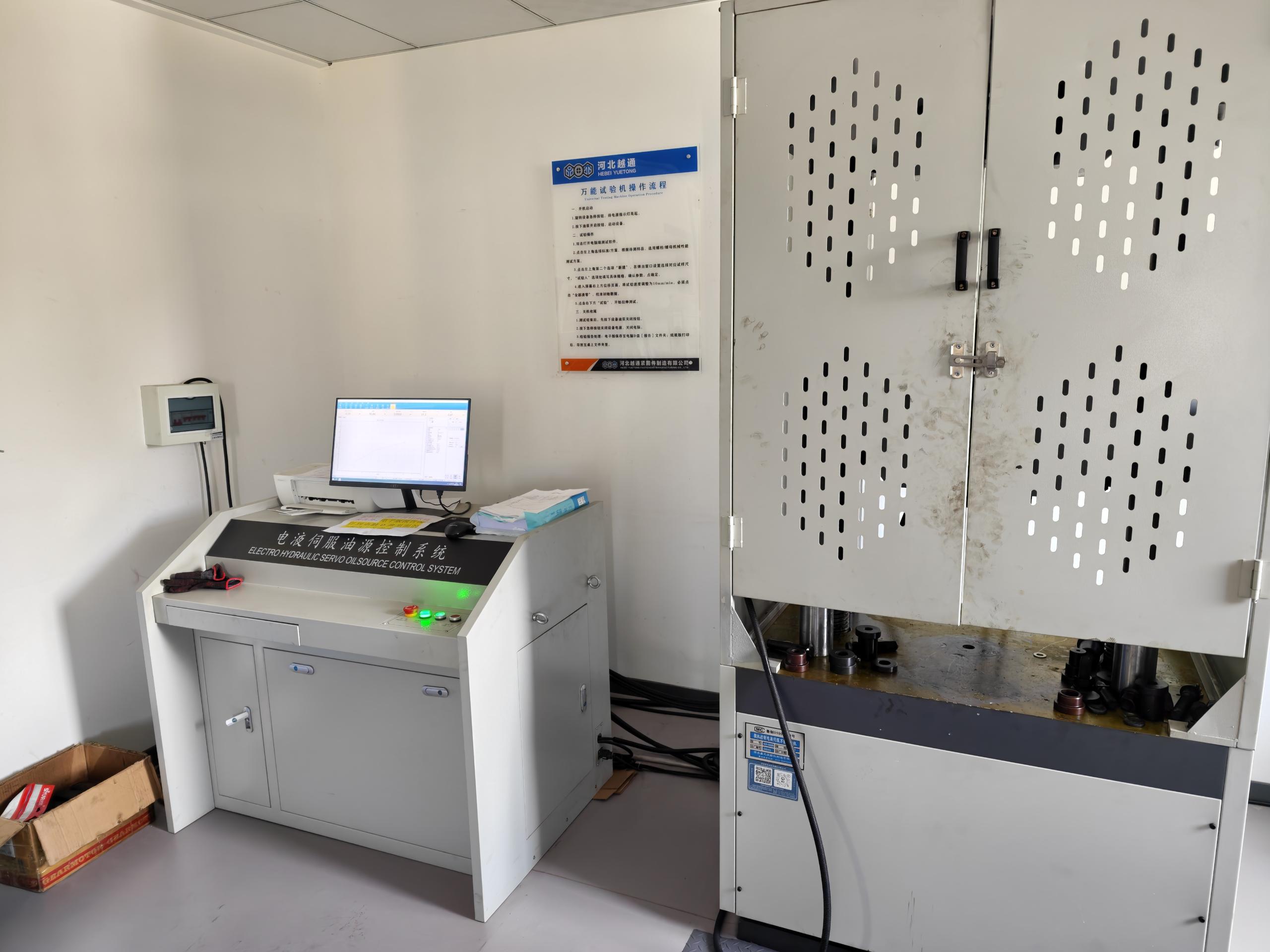
Finished product tensile testing is part of the documented fastener quality-control process.
Step-by-Step: Sleeve Anchor Selection and Supplier Verification Checklist
Use the following steps when preparing a sleeve anchor inquiry. Each step helps the manufacturer return a more useful quotation and reduces the chance of ordering the wrong product.
- Define the base material. Is the anchor going into concrete, solid masonry, brick or another material? The required anchor style and expansion behavior depend on the substrate.
- Define the load condition. Consider tension, shear and vibration. Heavy-duty sleeve anchors are available for more demanding structural work.
- Choose the end fitting. A hex nut sleeve anchor, hex bolt sleeve anchor or flange nut sleeve anchor may be needed for direct fixture clamping. Eye, hook and L-hook styles are chosen when the fixture must be hung or retained differently.
- Select material and finish. For indoor and dry environments, zinc plating may be enough. For outdoor, humid or corrosive environments, hot-dip galvanizing or stainless steel should be considered. Heavy corrosion areas may require A4 stainless steel.
- Confirm size and length. Anchor diameter and overall length must match the fixture thickness, embedment depth and hole specification.
- Check standard and certification requirements. Request certificates by number and scope. If the order is for the EU market, verify that the relevant EN ISO standards are documented.
- Ask about quality testing. Confirm whether tensile load testing, salt-spray testing or third-party inspection is available.
- Confirm MOQ, lead time and customization. This avoids surprises after the sample or pilot order stage.
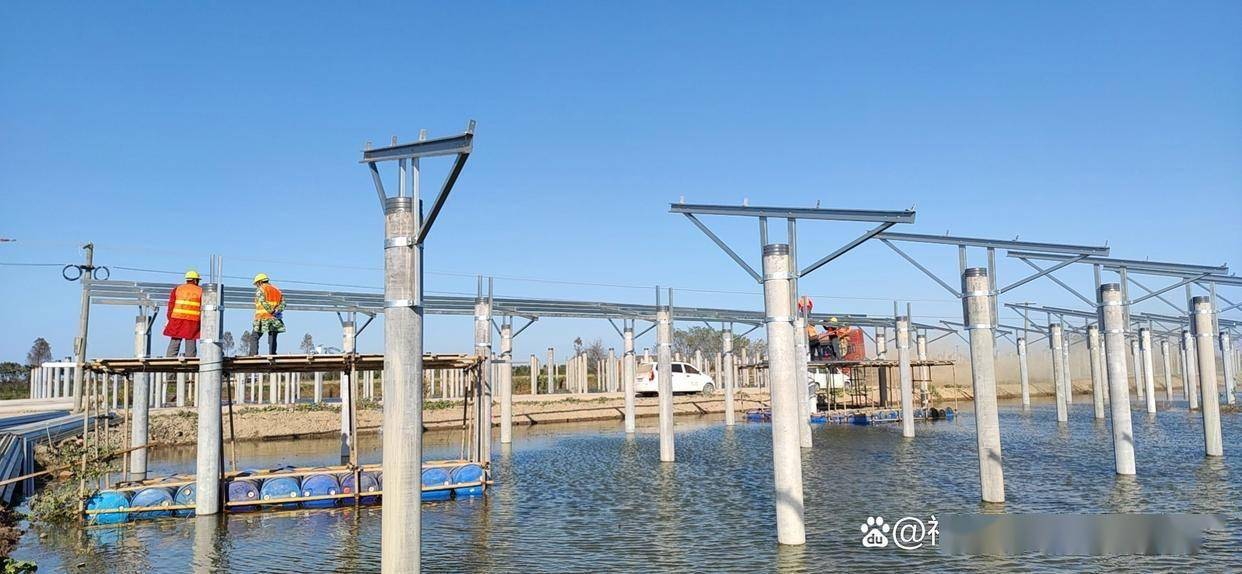
Correct drilling, embedment and tightening are essential for sleeve anchor performance.
Use Cases: Where Sleeve Anchors Are Used
The documented application industries for HEBEI YUETONG sleeve anchors include construction engineering, road infrastructure, municipal landscape, factory equipment installation, PV brackets, home decoration, and bridge and curtain wall work. These applications show the range of environments that a single anchor family may need to serve.
In construction and municipal work, sleeve anchors are often used for fixings that must survive outdoor humidity and temperature changes. In PV bracket mounting, anchors connect support structures to concrete foundations. In factory equipment installation, anchors hold machinery base plates and heavy equipment. In bridge and curtain wall projects, anchor fixings must perform under structural and environmental demands.
One documented case from the company’s records involved an order of 15,000 sleeve anchors for clients such as engineering contractors, construction companies and hypermarket-type users. The anchors were used for road facilities, billboard fixing, street light bases and PV bracket anchoring. The stated service expectation was 10 to 15 years in outdoor humid and temperature-changing conditions. The recorded customer result was strong weather resistance, no rust or failure, and zero customer complaints on that order.
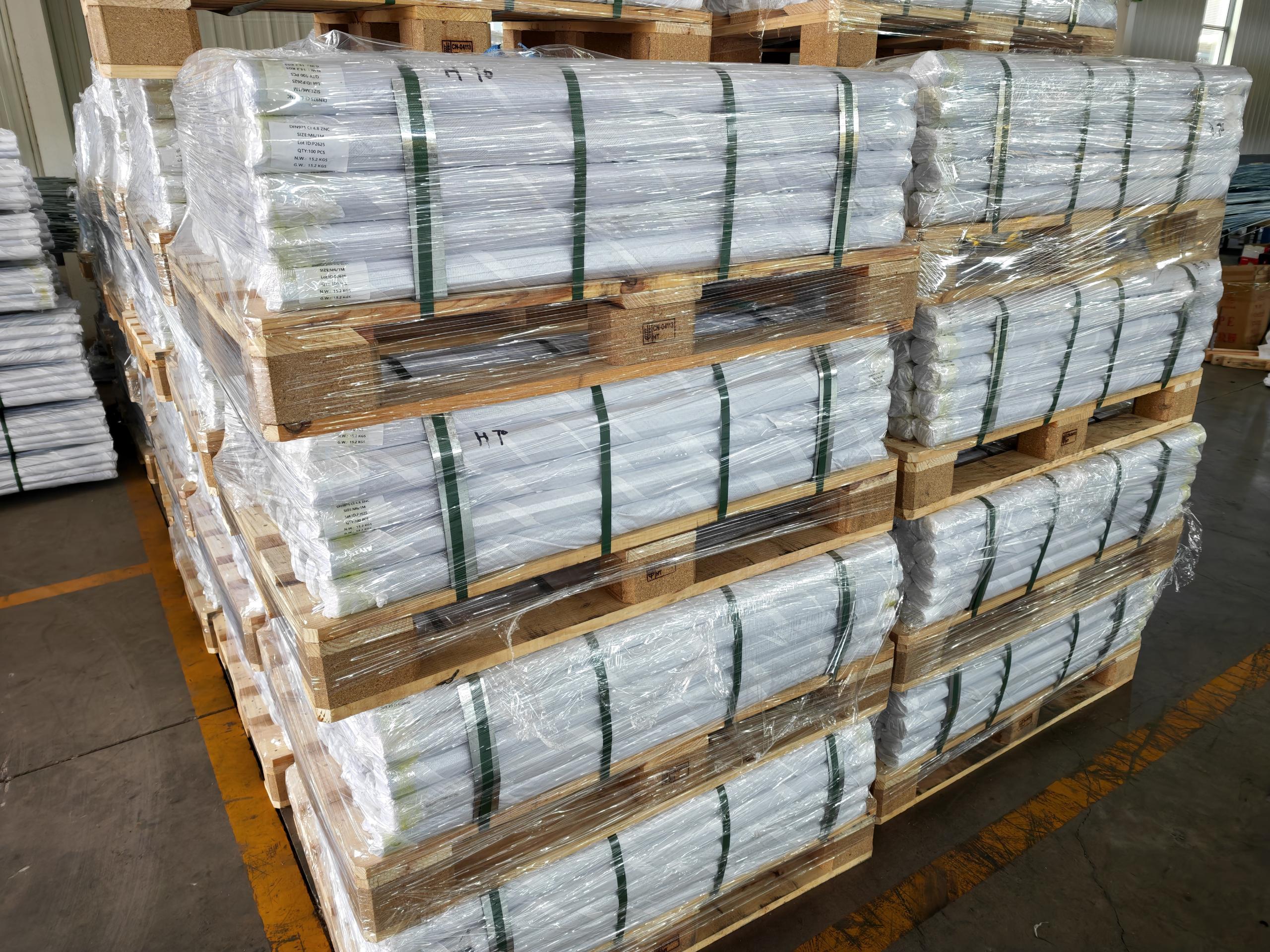
Export-ready palletizing and warehousing support repeat orders for construction and distribution customers.
Production Capability and Order Flexibility
Buyers at the evaluation stage often need to know whether a manufacturer can handle stock orders, custom orders and growing project quantities. HEBEI YUETONG supports OEM, ODM, non-standard customization and bulk stock supply. Customization may include size and specification changes, material selection, anti-corrosion surface treatment, product style, printed logos on packages and matched assembly kits.
The company’s documented monthly capacity is 1,500 tons across its fastener production lines. For stock products, lead time is 3 to 7 days. For customized products, lead time is normally 12 to 20 days, with expedited delivery negotiable. The standard-product MOQ is 500 sets; the non-standard customized-product MOQ is 3,000 sets.
After-sales support includes 24-hour technical communication, product selection guidance, free replenishment for factory quality defects, material certificates and test reports, and special service for engineering orders. These elements matter when an anchor failure could cause rework or delay on a construction site.
Frequently Asked Questions
For marine concrete fixing, the anchor material must resist salt-laden humidity and heavy corrosion. In documented product guidance for HEBEI YUETONG sleeve anchors, A4 stainless-steel anchors are preferred for heavily corrosive areas. Confirm that the material grade is A4-80 stainless steel, request the applicable material certificate and test report, and check the manufacturer’s documented quality-control and export experience before ordering.
Correct anchor selection and installation are critical. Sleeve anchor performance depends on the base material, anchor diameter, embedment depth, hole diameter, edge distance and tightening torque. Correct drilling, hole cleaning and controlled tightening help the expansion sleeve engage securely and reduce the risk of loosening or pull-out. For critical applications, select the anchor type and installation parameters according to the actual load and base-material conditions.
For the EU market, check whether the sleeve anchor is covered by a type-approved attestation referencing EN ISO 10683:2018, EN ISO 16047:2005+A1:2012 and EN ISO 4753:2011. For global orders, common baseline certificates include ISO 9001, ISO 14001 and ISO 45001. For automotive-related supply chains, IATF 16949 may be required. Buyers should request certificate numbers and issuing bodies rather than relying on marketing claims.
In the documented HEBEI YUETONG production model, standard products have an MOQ of 500 sets and stock lead time of 3 to 7 days. Customized products have an MOQ of 3,000 sets and lead time of 12 to 20 days, with expedited delivery negotiable. For a more accurate quotation, define the anchor size, material grade, finish, standard, quantity and required certificates before requesting a price or sample.
Conclusion
A sleeve anchor may look like a commodity, but it performs a mechanical job that is difficult to replace once concrete has cured. The correct specification includes anchor style, size, material grade, finish, load class, quality control, certification and delivery terms. Buyers who document these constraints before contacting a manufacturer will receive more accurate quotations and better long-term performance.
HEBEI YUETONG FASTENERS MANUFACTURING CO.,LTD. is an example of a sleeve anchor manufacturer that documents both product parameters and management-system certifications. Its sleeve anchor model range covers multiple sizes, materials, finishes and configurations, and it supports custom and stock supply for distributors, contractors and engineering companies.
For a complete overview of product specifications and production capabilities, download the company brochure: