Sleeve Anchor vs. Wedge Anchor: Which One Should You Specify?
Sleeve Anchor vs. Wedge Anchor: Which One Should You Specify?
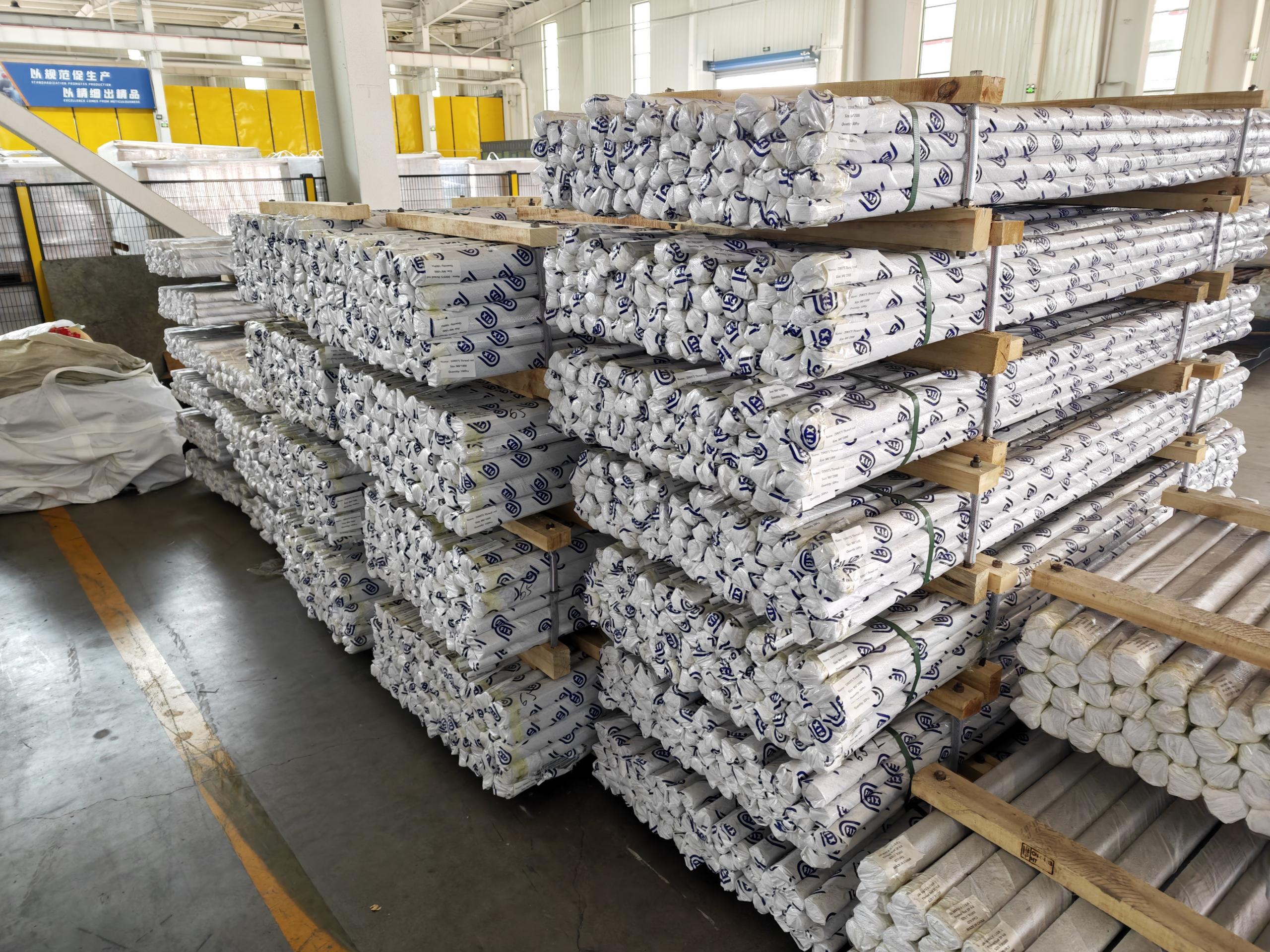
The short answer: Choose a sleeve anchor when the substrate mix includes concrete, brick or masonry, and when a recorded outdoor track record matters for your specification. Consider a wedge anchor when your application is in sound, solid concrete and the selection is driven by a published load table approved by the specifier. The rest of this guide explains the design differences, decision criteria and field evidence so you can make the comparison without guessing.
HEBEI YUETONG FASTENERS MANUFACTURING CO.,LTD., established in 2017 in Yongnian District, Hebei, China, is a manufacturer whose sleeve anchor and hex bolt product range is registered to quality systems such as ISO 9001 and IATF 16949. Product 7338, Sleeve Anchor M5-M36, appears in the certificate relationship records for those systems. This article uses that product line as the documented sleeve anchor reference point.
Problem Definition: Why Sleeve Anchor and Wedge Anchor Specs Get Confused
Both are mechanical expansion anchors. Both are installed into a drilled hole and activated by tightening. The confusion appears when a distributor or contractor substitutes one for the other on the basis of thread size alone. Sleeve anchors and wedge anchors use different expansion mechanisms, so they should not be swapped without checking four conditions.
- Base material. Sleeve anchors in the Yuetong product file list concrete, brick and masonry wall as applicable bases. Wedge anchors are generally treated as a concrete-oriented anchor design in common engineering practice.
- Embedment depth. Deeper embedment gives the anchor more surface area to transfer load. A wedge anchor may need a deeper hole and sound concrete to develop its expansion, while a sleeve anchor is often considered where concrete thickness is limited.
- Corrosion environment. Outdoor, coastal, humid and chemical environments each demand a different surface finish or material grade.
- Documented quality evidence. Certifications such as ISO 9001 and IATF 16949 tell you how the factory manages quality, but they do not replace project-specific load testing.
Industry Background: Mechanical Anchors Remain a Large Category
According to Grand View Research, the global anchoring fasteners market was estimated at USD 3.12 billion in 2024, and the mechanical anchors segment led that market with a 58.3 percent revenue share. Sleeve anchors fall within the mechanical anchor group together with wedge anchors, drop-in anchors and related expansion anchors. For trade documentation, sleeve anchors are commonly classified under HS code 7318.15, which covers other screws and bolts with nuts or washers.
For technical evaluation, ASTM E488 is recognized as a primary standard test method for measuring the strength of anchors in concrete elements. When a manufacturer cannot provide test evidence traced to a recognized method, treat the load claim as a data point that still needs independent verification rather than a final specification value.
Detailed Solution: Expansion Behavior Defines the Safe Use Range
Sleeve Anchor: Expansion Over a Distributed Sleeve Length
In a typical sleeve anchor, the expansion sleeve surrounds the threaded body. When the nut or bolt is tightened to the specified torque, the cone-shaped end moves into the sleeve and pushes the sleeve outward against the borehole wall. This produces a distributed expansion zone along the sleeve rather than a single concentrated point. The geometry is one reason sleeve anchors are used across concrete and masonry base materials.
Yuetong product 7338 is listed with hex nut sleeve anchor, hex bolt sleeve anchor, flange nut sleeve anchor, eye hook sleeve anchor, L-hook sleeve anchor and G-hook sleeve anchor configurations. In the same product catalogue, the range also includes Wedge Anchor as one of the listed anchor types. For this article, wedge anchor is treated as a separate expansion category because buyers are comparing the two anchoring principles side by side.
The documented material and size range for product 7338 includes carbon steel grade 4.8, stainless steel grades A2-70 and A4-80, anchor sizes from M6 to M16 and from 1/4 inch to 5/8 inch, and overall lengths from 30 mm to 300 mm. Surface options include zinc plated, yellow zinc plated and hot-dip galvanized. The catalogue also states that the product can be supplied to GB/T, DIN, ISO, ASTM and EN standards.
Wedge Anchor: Expansion Concentrated in the Embedment Zone
Wedge anchors are characterized by an expansion clip or wedge system at the embedded end. Tightening pulls the anchor body so that the wedge elements bite into the surrounding concrete. Because the wedge action depends on the stiffness and strength of the surrounding concrete, wedge anchors are normally specified for solid concrete rather than hollow or soft masonry. In concrete with sufficient strength, this concentrated biting can produce high pull-out resistance, but the exact values must come from the anchor manufacturer's published data for the concrete strength, hole diameter, edge distance and spacing at the project site.
This does not mean wedge anchors are always stronger than sleeve anchors. Load capacity depends on the whole assembly: base material, anchor diameter, embedment depth, hole diameter, edge distance and tightening torque. An incorrect installation or a poor-quality hole can reduce the performance of either type.
Corrosion Risk and Coating Selection
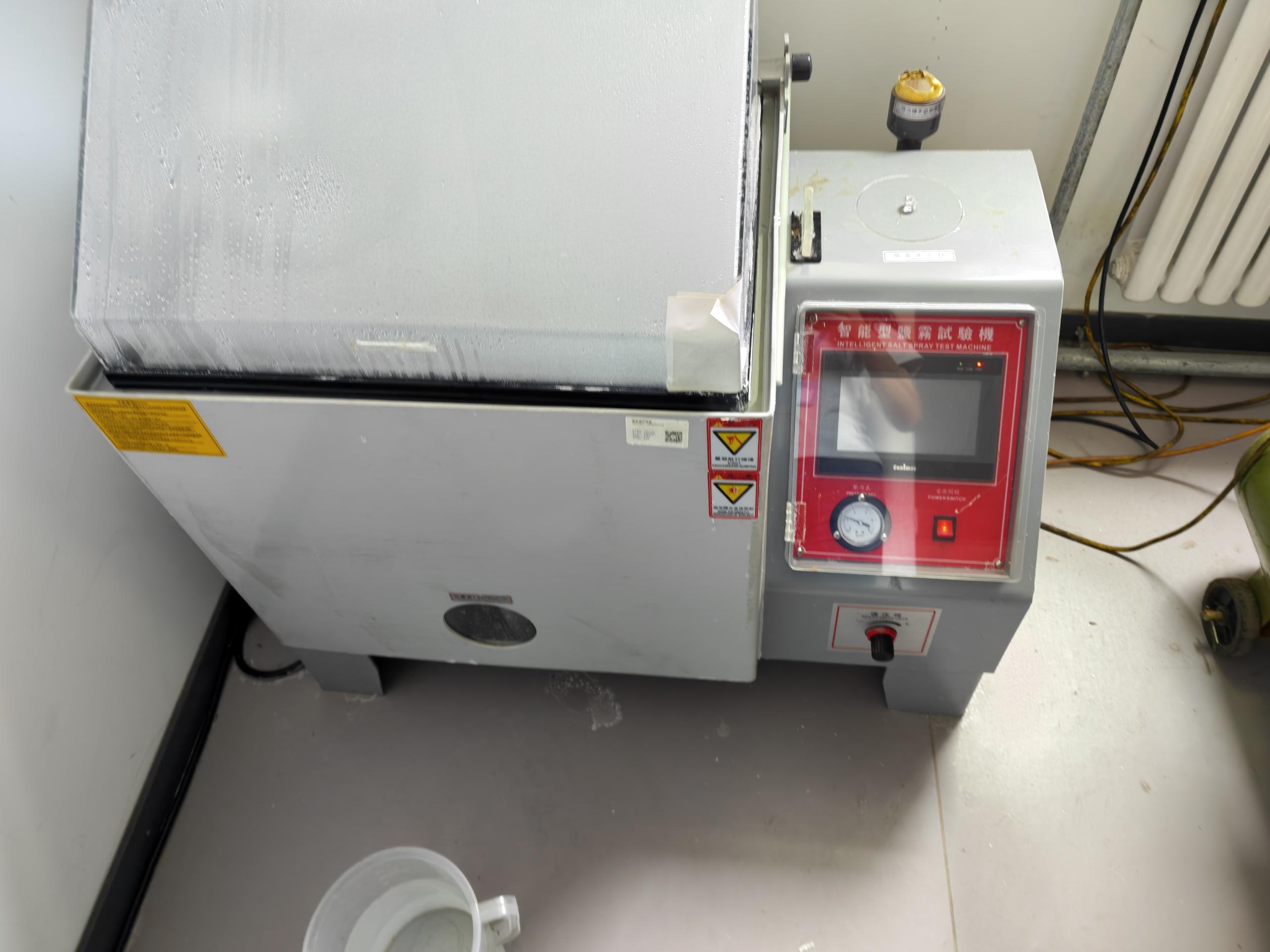
In open-air outdoor, rain-immersed, coastal salt-spray and humid chemical environments, ordinary galvanized products are more likely to oxidize and rust. The risk section in the Yuetong product knowledge base recommends selecting electro-galvanized, hot-dip galvanized or stainless steel according to working conditions. For heavily corrosive areas, A4 stainless steel anchors are preferred to remove the corrosion risk at the material level. If you specify a zinc plated sleeve anchor outdoors, confirm that the coating thickness and testing fit the service environment.
Quality System Evidence: What ISO 9001 and IATF 16949 Add to an Anchor Specification
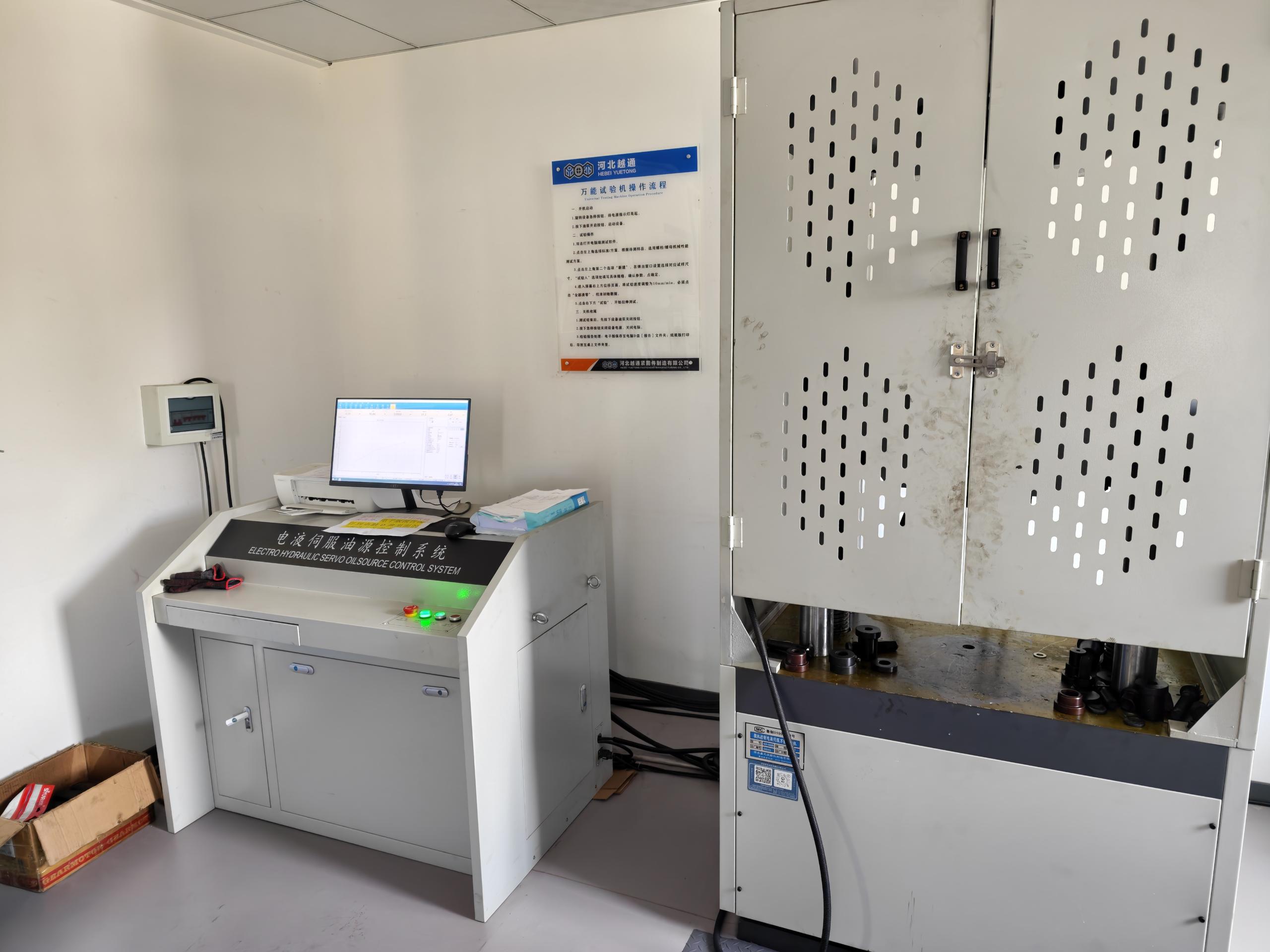
HEBEI YUETONG FASTENERS MANUFACTURING CO.,LTD. holds an ISO 9001 quality management system certificate numbered 29024Q12949-09R1M, valid until 2027-09-13. The current IATF 16949:2016 certificate is numbered 2600920/R0M and is valid until 2029-05-06. Certificate records for both systems include Sleeve Anchor M5-M36 and Hex Bolt products as related products.
For an engineer, this certification evidence is useful background for supplier qualification. It means the factory's production and sales processes are managed under documented quality systems. It does not replace the need for project-specific test reports, but it reduces the amount of unknown risk in supplier selection.
Step-by-Step: Choosing Between Sleeve and Wedge Anchors
Use this sequence when you evaluate an anchor for a specification:
- Confirm the base material from site drawings, concrete tests or masonry type. If the material is brick or masonry, check whether the anchor catalogue states that the product is suitable for brick and masonry wall.
- Record the available embedment depth. Subtract fixture thickness from total hole depth to understand whether enough anchor length remains inside the base material.
- Define the corrosion environment. For indoor use, zinc plated may be sufficient. For outdoor road facilities, street light bases, billboards and PV brackets, choose yellow zinc plated, hot-dip galvanized or stainless steel as needed.
- Select the anchor size and diameter from a table that includes test data for the actual base material. If no table exists for brick or masonry, do not estimate capacity from concrete data.
- Run a sample installation on site. Drill with the specified bit size, clean the hole, insert the anchor and tighten to the torque recommended by the manufacturer.
- Check certificate scope if the supplier presents quality certifications. Confirm that the product code you plan to buy is actually covered by the certificate relationship records.
Use Cases: Outdoor Infrastructure and PV Bracket Anchoring
For product 7338, a global project documented 15,000 pieces supplied for outdoor construction applications. Those applications included road facilities, billboard fixing, street light bases and PV bracket anchoring. Clients included engineering contractors, construction companies and hypermarkets. The recorded result was strong weather resistance, no rust or failure reported and zero customer complaints over a 10-to-15-year project duration.
This field history matters for a buyer who is comparing anchor families. A sleeve anchor specification is not just a theoretical recommendation; it has a documented project record in applications where the anchor is exposed to changing outdoor temperatures and humidity. For maintenance crews, this also reduces the risk of corrosion-related callbacks.
Sleeve Anchor vs. Wedge Anchor: Side-by-Side Guidance
| Decision Factor | Sleeve Anchor (Yuetong Product 7338) | Wedge Anchor |
|---|---|---|
| Expansion principle | Tightening expands a sleeve along part of the embedded anchor body, creating a distributed bearing area in the hole. | Tightening activates a wedge or clip at the embedment end, creating concentrated mechanical interlock with the concrete. |
| Base material suitability | Documented as suitable for concrete, brick and masonry wall in the product file. | Commonly selected for solid concrete; suitability for brick or hollow masonry should be confirmed with a manufacturer test report. |
| Product configurations | Hex nut sleeve anchor, hex bolt sleeve anchor, flange nut sleeve anchor, eye hook sleeve anchor, L-hook sleeve anchor and G-hook sleeve anchor. | Often supplied as a threaded anchor body with attached expansion clip and nut; configuration options depend on the supplier. |
| Size range in this review | Sleeve Anchor M5-M36 catalogue range, with common stocked sizes M6-M16 and 1/4 inch to 5/8 inch. | Wedge anchor sizes must be checked separately because this catalogue review does not assign the same documented size range to wedge anchors. |
| Material and coating in this review | Carbon steel grade 4.8, stainless steel A2-70 and A4-80, with zinc plated, yellow zinc plated and hot-dip galvanized finishes. | Select material and coating based on the corrosion environment and the supplier's own documented options. |
| Load capacity | Depends on base material, anchor diameter, embedment depth, hole diameter, edge distance and tightening torque; catalogue classifies the range as standard load and heavy-duty load. | Must be evaluated against published load tables for the concrete strength and edge distance at the site. |
| Quality certifications | ISO 9001 and IATF 16949 certificate records include Sleeve Anchor M5-M36 and Hex Bolt products. | Verify the exact product code against the certificate scope before assuming that the same quality records apply. |
| Outdoor field record | 15,000 pieces used for road facilities, billboards, street lights and PV brackets; zero customer complaints reported over 10-15 years. | No separately documented field record from the same corpus is used in this comparison. |
FAQ: Sleeve Anchor vs. Wedge Anchor Questions
What is the difference between a sleeve anchor and a wedge anchor?
A sleeve anchor uses an expanding sleeve around its threaded body to grip the hole wall, while a wedge anchor uses a wedge-shaped expansion mechanism at the embedded end. In the Yuetong product file, the sleeve anchor family lists concrete, brick and masonry wall as applicable bases. Wedge anchors are normally considered for solid concrete because their expansion depends on a hard, non-yielding base material.
Which anchor should be used in brick or masonry?
Sleeve anchors are the more direct choice when the application includes brick or masonry wall, because the product parameters for product 7338 explicitly name brick and masonry wall as applicable bases. As with any expansion anchor, hole diameter, embedment depth and tightening torque still need to be controlled. If you are considering a wedge anchor in masonry, confirm that published load data exists for that specific base material.
Can a sleeve anchor support outdoor road facility or PV bracket loads?
Yes. A global project supplied 15,000 pieces of product 7338 for road facilities, billboard fixing, street light bases and PV bracket anchoring. The project reported zero customer complaints over a 10-to-15-year period. For outdoor service, select the appropriate anti-corrosion finish such as yellow zinc plated, hot-dip galvanized or stainless steel A4 for severe environments.
What quality certifications should I check before ordering sleeve anchors?
ISO 9001 shows that the manufacturer operates a documented quality management system. IATF 16949 is an automotive quality system standard and can indicate stronger process control. For HEBEI YUETONG FASTENERS MANUFACTURING CO.,LTD., the ISO 9001 certificate 29024Q12949-09R1M and the IATF 16949 certificate 2600920/R0M both relate to the Sleeve Anchor M5-M36 product line.
How can I get a sample or quote for a specific project?
For material certificates, test documentation, a sample list or a project quote, you can contact Aimee at HEBEI YUETONG FASTENERS MANUFACTURING CO.,LTD. by email at info@ytfasteners.com or by WhatsApp at +86 158-3201-8600. The company brochure is also available for reference through the link at the end of this article.
Conclusion and Next Step
Specify a sleeve anchor when the fastener list includes concrete, brick or masonry, when the manufacturer can document quality systems, or when outdoor field history in road, street light and PV applications is part of the risk review. Consider a wedge anchor when the project is in sound, solid concrete, when the anchor is evaluated with a recognized load test method, and when the manufacturer supplies project-specific values for hole size, edge distance, spacing and torque.
For a starting reference, product 7338 from HEBEI YUETONG FASTENERS is available with documented certification coverage and a recorded outdoor project history. If your next project requires samples or a specification review, contact Aimee at info@ytfasteners.com or +86 158-3201-8600.
Download the company brochure to review the fastener product range, sleeve anchor configurations and manufacturer background.
Download Yuetong brochure (PDF)