Why Your Sleeve Anchor Keeps Loosening: A Diagnostic Checklist
Why Your Sleeve Anchor Keeps Loosening: A Diagnostic Checklist
A sleeve anchor that loosens after months of service is rarely a single defective part. In most cases the anchor was matched to the wrong substrate, drilled with the wrong hole tolerance, or tightened outside the range its expansion sleeve was designed to work in — and the failure only becomes visible once vibration, thermal cycling or corrosion finishes the process.
This diagnostic checklist is written for contractors, site engineers, distributors and procurement teams who keep meeting the same complaint: the fixing holds at handover, then starts to rotate, loses clamp load, or pulls out. It separates the problem into four root-cause families, gives a field sequence that can be run with a tape measure, a torque wrench and a torch, and then explains how the quality system behind the anchor changes the odds before the anchor ever reaches the site.
HEBEI YUETONG FASTENERS MANUFACTURING CO., LTD. — the manufacturer behind the YUETONG FASTENER brand — is a fastener manufacturing enterprise based in Yongnian District, Handan, Hebei, China. It produces sleeve anchors, bolts, nuts, threaded rod, washers and related parts, and exports to more than 30 countries and regions. Its production and quality controls are used as the reference point for the second half of this article.
What Loosening Actually Means On Site
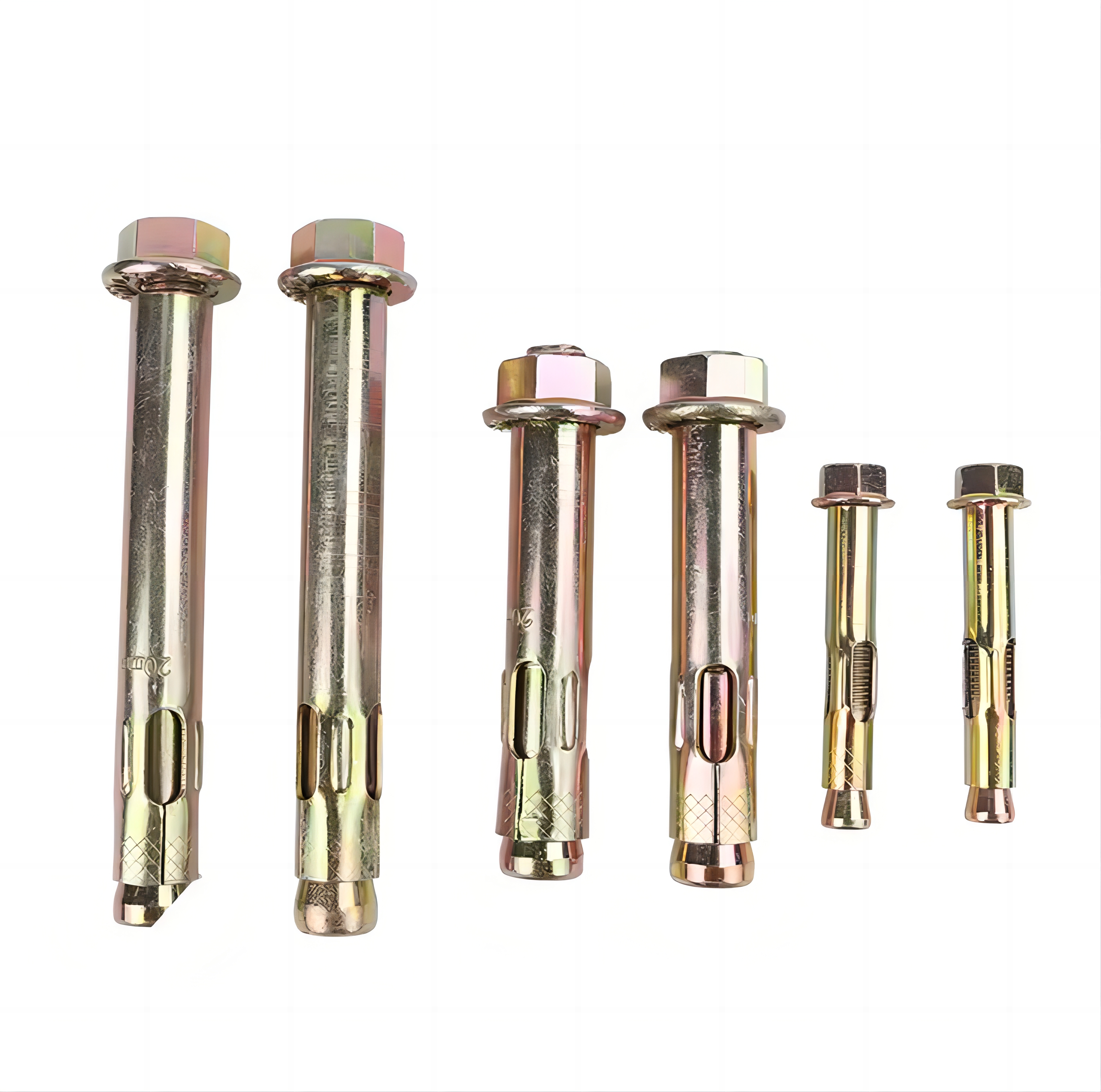
Loosening is a symptom, not a single failure mode. In practice, four different signatures appear, and each one points to a different cause:
- Loss of clamp load. The anchor body is still fixed in the base material, but the fixture plate is no longer firmly held. The nut can be re-tightened and the fixing may appear to recover — until the next load cycle.
- Anchor rotation. The sleeve turns in the hole when the nut or bolt is re-tightened. This is the classic sign that the expansion sleeve never engaged the base material properly.
- Failed expansion. The anchor slides or withdraws without resistance. Expansion did not take place, which usually traces back to hole diameter, embedment depth or tightening.
- Full pull-out under load. The complete anchor comes out, sometimes with a plug of base material attached. At that point the discussion has moved from installation quality to substrate strength or anchor selection.
The distinction matters because the corrective action differs. Re-tightening a rotating anchor will not repair an oversized hole, and replacing an anchor will not repair weak concrete. The variables that decide the outcome are finite: the load capacity of a sleeve anchor depends on the base material, the anchor diameter, the embedment depth, the hole diameter, the edge distance and the tightening torque. Every step in the checklist below maps back to one of those six variables.
Why a Small Component Attracts So Much Attention
Anchoring fasteners are a mature category, but not a static one. Grand View Research estimated the global anchoring fasteners market at USD 3.12 billion in 2024, and in the same analysis mechanical anchors — the product family that includes sleeve anchors — represented 58.3% of category revenue. On the supply side, Credence Research projects China's industrial fasteners market to grow from USD 12.23 billion in 2024 to USD 22.78 billion by 2032.
For trade and customs purposes, sleeve anchors are commonly classified under HS Code 7318.15 (Other screws and bolts, with nuts or washers), according to the US International Trade Commission. On the technical side, ASTM E488 / E488M-22 is the primary standard test method for measuring the strength of anchors in concrete elements. A test method does not install an anchor, but it defines what a manufacturer's load data is supposed to mean — and it is the reason batch test records are worth asking for.
Two conclusions follow from that context. First, sleeve anchors are specified in enormous numbers across very different substrates, so a single loose fixing is not evidence of a bad product category. Second, the value at risk is not the anchor. A loosened fixing on a billboard, a street light base, a photovoltaic support or a curtain wall bracket is a warranty, safety and rework cost measured in labour hours, access equipment and reputation — not in the price of a few hundred anchors.
Field observations point in the same direction. In open-air, rain-exposed, coastal salt-spray and humid chemical environments, ordinary galvanized products can oxidize and rust, and that corrosion is a direct route to anchorage failure. The recommended mitigation is not a stronger marketing claim: it is selecting electro-galvanized, hot-dip galvanized or stainless-steel anchors according to the actual working condition, applying a double-layer anti-corrosion process where the environment demands it, and preferring A4 stainless steel anchors in heavily corrosive areas.
Four Root-Cause Families Behind a Loosening Sleeve Anchor
1. Substrate condition
Sleeve anchors are commonly used in concrete and solid masonry. Whether a specific anchor is suitable depends on its design, the condition of the base material and the load requirement. Cracked or spalled concrete, low-strength or damaged zones, hollow brick, unbonded masonry, and patch repairs that look like concrete but behave differently all reduce the surface area the expansion sleeve can grip. When an anchor comes out with material attached, the substrate should be tested first, not last.
2. Hole diameter, depth and cleanliness
An oversized hole is one of the most common installation errors, and it is invisible after the anchor is set. Correct drilling and hole cleaning help the expansion sleeve engage securely with the base material and reduce the risk of loosening or pull-out. Hole diameter and embedment depth are load-capacity variables, not cosmetic details — they appear directly in the list of factors that determine anchor performance.
3. Installation torque and expansion engagement
Correct tightening is what allows the expansion sleeve to engage with the base material. Insufficient tightening may result in poor expansion, while excessive tightening may damage the anchor or the base material. Neither failure looks dramatic at handover, which is why torque is the variable most often skipped during inspection — and why a calibrated torque wrench belongs in the same sentence as the anchor itself.
4. Environment, finish and material selection
Indoor normal environments, outdoor open-air, humid climates, coastal salt spray, high and low temperature, explosion hazardous areas and vibration loads do not treat anchor steel the same way. The sleeve anchor range covers zinc plated, yellow zinc plated and hot-dip galvanized surface treatments, with 4.8 carbon steel, A2-70 and A4-80 stainless steel grades. Zinc plating, hot-dip galvanizing or stainless steel may be considered depending on the required corrosion resistance, and A4 stainless steel is the preferred direction where corrosion risk is highest.
Operation mode matters as well. Most fixings are designed for permanent installation, but the same product family supports detachable repeated assembly for maintenance and reconfiguration. A fixing that is repeatedly disassembled and re-tightened is a different duty cycle from a static permanent fastening, and it should be specified as such.
The Diagnostic Checklist, In Field Order
- Read the environment before the anchor. Confirm whether the location is indoor normal, outdoor open-air, humid, coastal salt spray, high or low temperature, an explosion hazardous area, or a vibration load condition. The finish and material decision comes from this answer.
- Confirm the base material and its condition. Concrete, brick and masonry wall behave differently. Tap, drill a test hole, or run a pull test in the same area before assuming the substrate is sound.
- Measure the drilled hole. Compare the actual diameter with the specification. An oversized hole is a permanent defect, not something torque can compensate for.
- Measure the embedment depth. Insufficient embedment is a documented cause of pull-out. Verify depth against the anchor length and the fixture thickness.
- Clean the hole. Dust and debris reduce sleeve engagement. Correct drilling and hole cleaning are part of the installation requirement, not an optional extra.
- Check edge distance and spacing. Both are load-capacity variables. An anchor placed too close to an edge fails differently from one that is simply under-tightened.
- Apply controlled torque. Use the specified tightening value with a calibrated tool — insufficient tightening leaves the sleeve unexpanded, and excessive tightening can damage the anchor or the base material.
- Inspect for corrosion. Look for rust staining at the fixture interface and around the sleeve. Outdoor, rain-exposed and coastal installations should be checked against the finish actually supplied.
- Re-check the load assumption. Compare the real load with the anchor size, embedment and bearing class — standard load or heavy duty load.
- Escalate repeated failures to a batch cause. If several anchors in one delivery behave the same way, verify material grade, geometry and test records rather than repeating the same installation.
Diagnostic Reference Table
| Site symptom | Most likely root cause | Field check | Corrective direction |
|---|---|---|---|
| Fixture plate is loose, anchor body does not move | Loss of clamp load from insufficient tightening or thread damage | Re-torque the nut with a calibrated torque wrench and inspect the thread | Tighten to the installation requirement; replace the anchor if the thread or sleeve is damaged |
| Anchor rotates in the hole when re-tightened | Expansion sleeve never engaged — oversized hole or insufficient embedment | Measure hole diameter and embedment depth against the specification | Re-drill to the specified diameter and depth, clean the hole, reinstall with the correct size |
| Anchor withdraws under load, no base material attached | Weak or damaged base material, oversized hole, or overload | Inspect the substrate and set a test anchor in the same area | Change anchor size or type, or relocate the fixing into sound material |
| Anchor withdraws with base material attached | Overload relative to embedment depth or edge distance | Verify actual load, embedment, edge distance and spacing | Increase anchor size or embedment, or adjust the fixing position |
| Rust staining and progressive loosening outdoors | Corrosion in open-air, rain-exposed, coastal salt-spray or humid chemical conditions | Inspect the surface finish and material grade in place | Move to hot-dip galvanized or stainless steel, prefer A4 stainless steel in heavily corrosive areas, consider a double-layer anti-corrosion process |
| Loosening under continuous vibration | Dynamic load outside the static permanent fastening assumption | Confirm the real operation mode of the fixing | Specify a heavy-duty bearing class and re-verify the design for alternating vibration load |
| Repeated failures within one delivered batch | Material or process deviation at the manufacturing stage | Compare failed and sound parts, request batch inspection and test records | Request tensile load test data, material certificates and third-party SGS testing |
Where Manufacturer Quality Systems Enter the Picture
Roughly half of the causes above are site-side. The other half are decided before the carton is opened, and that is where the manufacturer's quality system becomes relevant to a loosening complaint.
HEBEI YUETONG FASTENERS MANUFACTURING CO., LTD. holds ISO9001 quality management system certification, ISO14001 environmental management system certification, ISO45001 occupational health and safety management system certification, IATF16949 certification, EU CE certification, carbon footprint certification and a social responsibility management system certification. Certification alone does not change the physics of expansion, but it makes process consistency auditable across a batch: the same material grade, the same sleeve geometry and the same heat treatment parameters from the first piece to the last.
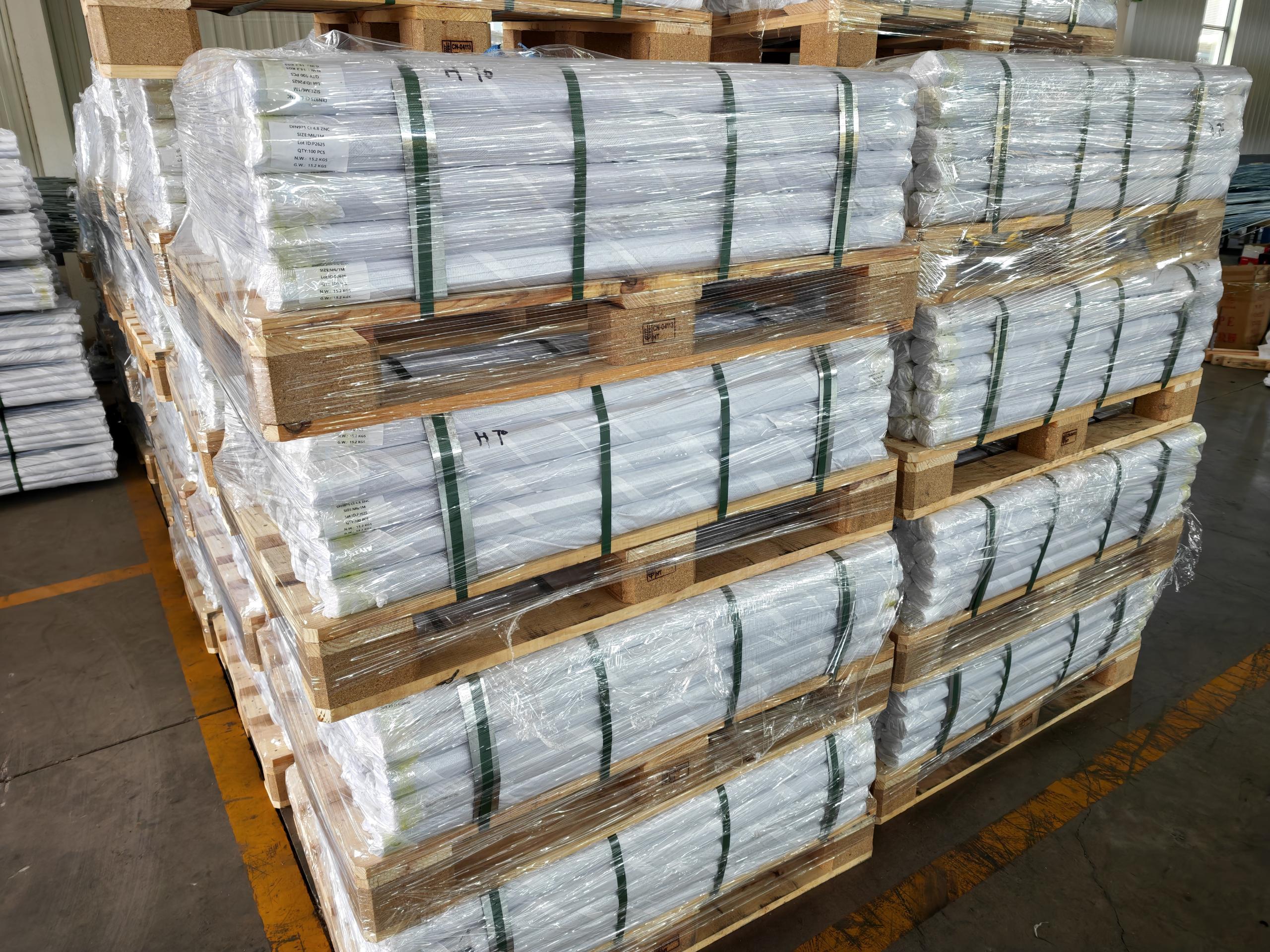
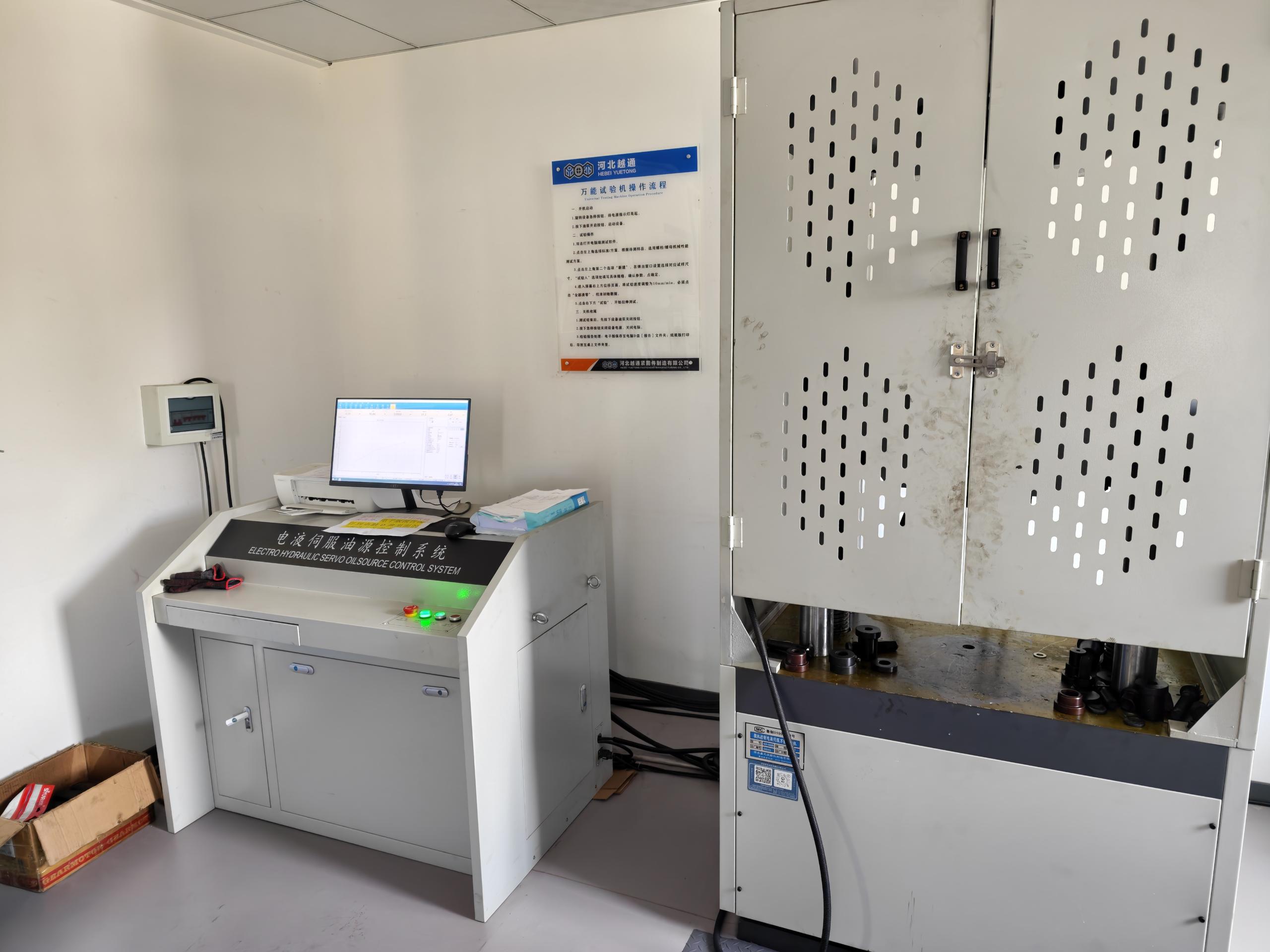
In production terms, that translates into defined gates: raw material incoming inspection, in-process patrol inspection, finished product tensile load test, and pre-shipment inspection, with third-party SGS testing available on request. Material certificates and test reports can be issued with the order. For an engineering order where anchors carry a structural function, these documents are the difference between a claim and a verifiable record.
Product-side controls are equally specific. The sleeve anchor range is produced to GB/T, DIN, ISO, ASTM and EN standards, in sizes from M6 upward with overall lengths from 30 mm to 300 mm, in 4.8 carbon steel or A2-70 and A4-80 stainless steel, with zinc plated, yellow zinc plated or hot-dip galvanized finishes. The company operates a factory of 26,666.67 square metres with 100 employees, an annual output of 150,000 tons across its product lines, a 12-engineer R&D team and nine national patents, including one invention patent and eight utility model patents. Monthly capacity for the sleeve anchor and related lines reaches 1,500 tons.
Use Cases: Where Loosening Complaints Cluster
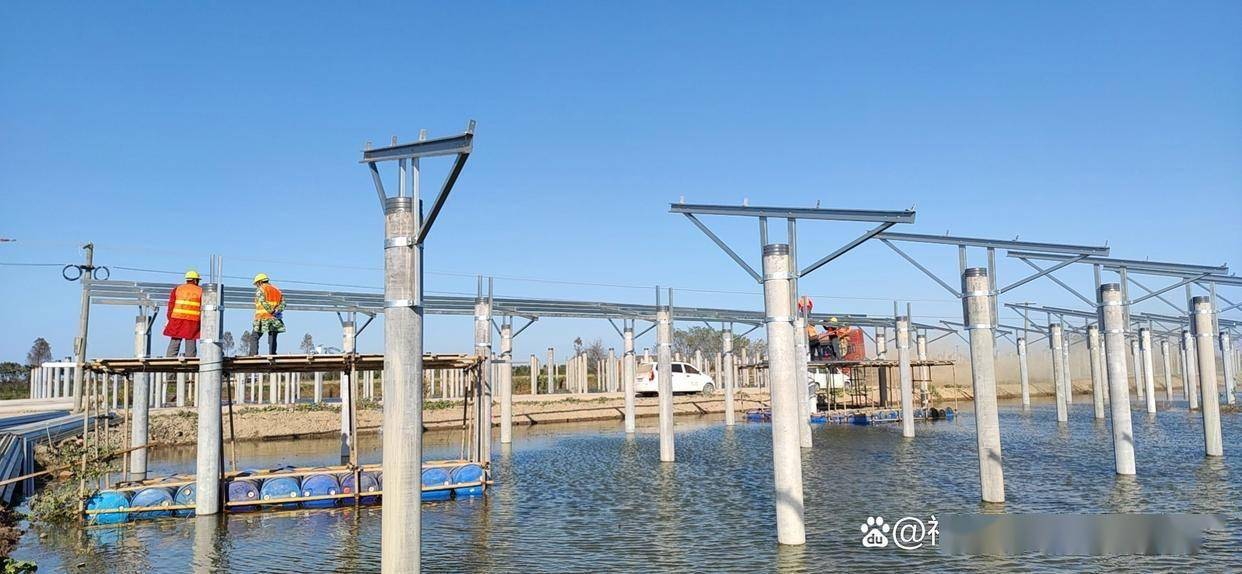
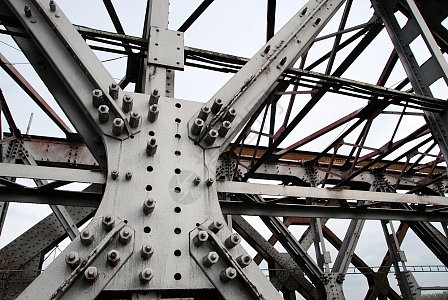
Sleeve anchors from this range are applied in construction engineering, road infrastructure, municipal landscape, factory equipment installation, photovoltaic brackets, home decoration, and bridge and curtain wall work. The same anchors operate in factory construction, PV power stations, bridges, curtain walls, municipal engineering, steel structures, petrochemical plants, rail transit and civil construction projects, and in industries including municipal infrastructure, petrochemical, rail transit, bridge and curtain wall, steel structure, new energy PV and equipment workshops.
The common denominator in complaint clusters is exposure. Where a fixing is outdoor, rain-exposed, coastal or under continuous vibration, the same three questions return: was the correct finish supplied, was the hole made to specification, and was the anchor tightened as designed.
A representative project in the manufacturer's records illustrates the intended duty cycle: 15,000 pieces supplied for road facilities, billboard fixing, street light bases and PV bracket anchoring, delivered to engineering contractors, construction companies and hypermarkets. The reported service duration was 10 to 15 years, with the anchors performing to specification in outdoor humid and temperature-changing conditions, no rust or failure reported, and zero customer complaints. That outcome depends on the correct combination of anti-corrosion treatment, specification and installation — not on the anchor alone.
Specification Reference for Sleeve Anchors
| Parameter | Options within the YUETONG sleeve anchor range |
|---|---|
| Standards | GB/T, DIN, ISO, ASTM, EN |
| Anchor size | M6, M8, M10, M12, M14, M16; 1/4 inch, 5/16 inch, 3/8 inch, 1/2 inch, 5/8 inch |
| Overall length | 30 mm, 40 mm, 50 mm, 60 mm, 80 mm, 100 mm ... up to 300 mm |
| Material grade | 4.8 carbon steel; A2-70 and A4-80 stainless steel |
| Raw material | Carbon steel, stainless steel |
| Surface treatment | Zinc plated, yellow zinc plated, hot-dip galvanized |
| Anchor type | Hex nut sleeve anchor, hex bolt sleeve anchor, flange nut sleeve anchor, eye hook sleeve anchor, L-hook sleeve anchor, G-hook sleeve anchor |
| Bearing capacity | Standard load, heavy duty load |
| Applicable base | Concrete, brick, masonry wall |
Before You Order: What to Confirm With a Manufacturer
- Design inputs. Fixture thickness, required load, base material, anchor diameter, embedment depth and installation environment should all be part of the enquiry, not assumed by the supplier.
- Commercial parameters. Standard products carry a 500-set MOQ with a 3 to 7 day lead time on in-stock items; non-standard customized products carry a 3,000-set MOQ with a 12 to 20 day lead time, with expedited delivery negotiable.
- Customization scope. Size and specification, material selection, anti-corrosion surface treatment, product style, printed logo on packaging, and matched assembly kits are supported under OEM, ODM and non-standard customization, alongside bulk stock supply.
- Documentation. Material certificates and test reports should be requested with the order, and third-party SGS testing is available where a project requires independent verification.
- After-sales. 24-hour technical communication, product selection guidance, free replenishment for confirmed factory quality defects, and special service for engineering orders.

FAQ
Do ISO 9001, IATF 16949 and ISO 45001 certifications really affect sleeve anchor loosening risk?
Certifications do not change the physics of expansion, but they change process consistency. HEBEI YUETONG FASTENERS MANUFACTURING CO., LTD. holds ISO9001 quality management system certification, ISO14001 environmental management system certification, ISO45001 occupational health and safety management system certification, IATF16949 certification, EU CE certification, carbon footprint certification and a social responsibility management system certification. In production terms that translates into documented gates at raw material incoming inspection, in-process patrol inspection, finished product tensile load test and pre-shipment inspection, with third-party SGS testing available and material certificates and test reports issued for orders. For a buyer, the practical question is whether the batch received matches the specification that was approved — a certified process is what makes that answer traceable.
Why can a sleeve anchor pull out of concrete, and what reduces the risk?
Pull-out may occur when the anchor is installed in weak or damaged concrete, when the hole is oversized, when the embedment depth is insufficient, or when the anchor is overloaded. The countermeasures are equally specific: use the correct anchor size, drill the specified hole diameter, maintain sufficient embedment depth, clean the hole, and tighten the anchor according to the installation requirements. For critical applications, the anchor type and installation parameters should be selected according to the actual load and base-material conditions.
How do I tell whether a loosening anchor is a torque problem or a substrate problem?
Start with the signature. If the anchor holds position but the fixture is loose, torque is the likely variable — insufficient tightening results in poor expansion, while excessive tightening can damage the anchor or the base material, so the fix is controlled re-tightening with a calibrated torque wrench. If the anchor rotates in the hole or withdraws without resistance, the problem is expansion engagement: hole diameter, embedment depth or base-material condition. If it comes out with base material attached, treat it as a substrate or overload problem and verify the base before replacing anything.
What should I confirm before ordering sleeve anchors for an outdoor project?
Confirm four things. First, the base material and load — sleeve anchors are commonly used in concrete and solid masonry, and selection should consider fixture thickness, required load, anchor diameter, embedment depth and installation environment. Second, finish and material: zinc plated, yellow zinc plated and hot-dip galvanized surface treatments are available, with 4.8 carbon steel, A2-70 and A4-80 stainless steel grades, and A4 stainless steel is the preferred direction in heavily corrosive areas. Third, commercial parameters: standard products carry a 500-set MOQ with a 3 to 7 day lead time on in-stock items, while non-standard customized products carry a 3,000-set MOQ with a 12 to 20 day lead time, with expedited delivery negotiable. Fourth, documentation: material certificates and test reports, with third-party SGS testing available on request.
How do I start with a sleeve anchor manufacturer for heavy-duty concrete installations?
Start with the project condition rather than the part number: base material, load type, indoor or outdoor exposure, coastal or humid conditions, and the required anchor size range from M6 to M16 or 1/4 inch to 5/8 inch. Send that profile to a manufacturer that produces sleeve anchors as a core product line rather than a catalog filler. HEBEI YUETONG FASTENERS MANUFACTURING CO., LTD. supports samples and project quotations, offers OEM, ODM and non-standard customization including size, material, anti-corrosion finish and printed packaging, and provides 24-hour technical communication plus free replenishment for confirmed factory quality defects. Contact info@ytfasteners.com or +86 158-320-18600 (WhatsApp available) to request a sample or a quotation for your project.
Conclusion: Fix the Cause, Then Specify the Anchor
A sleeve anchor that loosens is usually telling you something specific. Rotation means the sleeve never expanded. Withdrawal with material attached means the substrate or the load assumption is wrong. Rust staining means the finish never matched the environment. Only after those three possibilities are excluded does it make sense to question the anchor's material or dimensional consistency — and that question is answered with batch test records, not with a re-tightened nut.
The checklist in this article is deliberately short enough to run on site: confirm the environment, confirm the base material, measure the hole, measure the embedment, clean the hole, check edge distance, apply controlled torque, inspect for corrosion, re-check the load, and escalate repeated failures to a batch cause. Half of those steps are installation discipline. The other half are decided by how consistently the anchor was manufactured.
Next step: match the anchor to the project, not to the shelf.
Send the base material, exposure condition, anchor size range and annual volume to HEBEI YUETONG FASTENERS MANUFACTURING CO., LTD. and request a sample, a technical data sheet or a project quotation. OEM, ODM and non-standard customization are supported, including material selection, anti-corrosion surface treatment and printed packaging.
Email: info@ytfasteners.com | Tel / WhatsApp: +86 158-320-18600 | Website: www.ytfasteners.com
Address: West, 80m North, Tongfa Road & Yuantong Street Crossing, Southwest Industrial Zone, Yongnian, Handan, Hebei, China.
Download the full product catalog (PDF) for the complete sleeve anchor specification range.