
Irrigation Pivot System: Control, Voltage & IP65 Selection Guide
Irrigation Pivot System: Control, Voltage & IP65 Selection Guide
An irrigation pivot system is specified by four electrical and mechanical checkpoints long before price is negotiated: IP65 protection on the electrical enclosures, a rated voltage band of 380V–460V, electromechanical reversible span control rated for continuous operation with start-stop cycling, and Q235B structural steel galvanized to GB 13912-2020 in a sectional truss frame. These four choices decide whether the machine survives repeated direction reversal, dust, spray and voltage variation for its service life — and, for a distributor, whether the specification being resold stays stable from one production batch to the next.
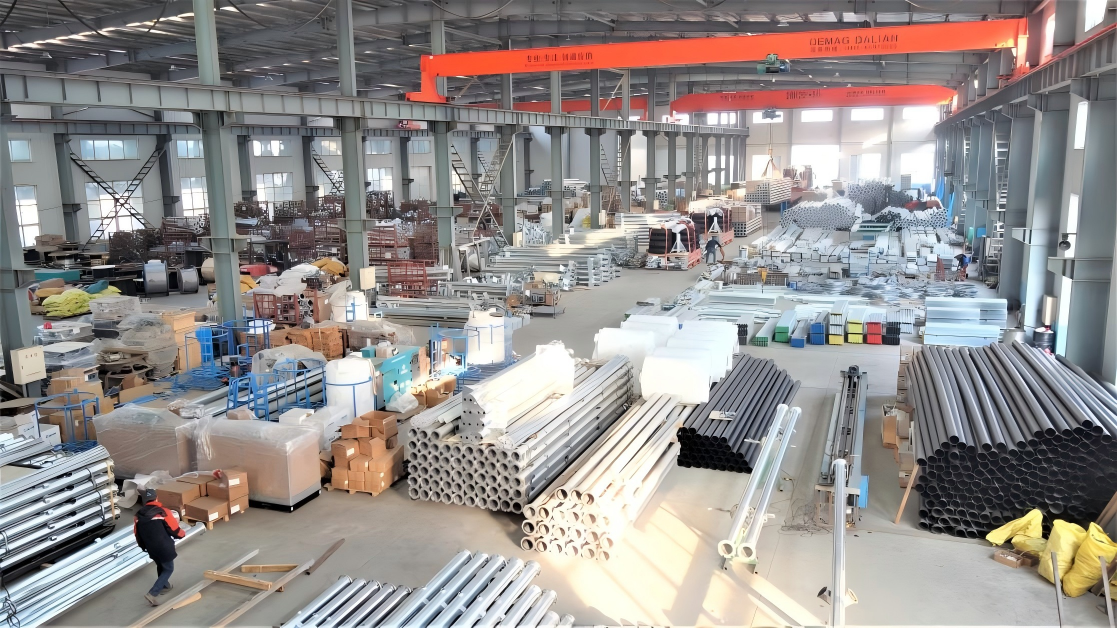
YULIN IRRIGATION — China Yulin Irrigation Equipment Co., Ltd. — is an irrigation equipment manufacturer established in 2009 in Lvshunkou District, Dalian City, Liaoning Province, China. The company builds center pivot, lateral move, towing and hose reel irrigation systems, and it also supplies the JP800 hose reel machine, a water-turbine-driven unit that requires no electrical supply.
Problem Definition: Most Pivot Failures Start in the Control Enclosure
Most irrigation pivot system failures on farm are not agronomic. They are electrical and structural: a tower box that took water during a storm, a contactor never sized for repeated start-stop cycles, a drive that reverses direction at the field boundary several times a day, or a truss section whose galvanized coating broke down first at the bolted joint in humid, saline or high-wind conditions. Each of these is decided at specification stage and paid for at service stage.
Four specification gaps account for most of the avoidable cost:
- Enclosure protection. Where the electrical enclosure is not specified at IP65, dust and irrigation spray reach terminals, contactors and control boards, and the first symptom is nuisance tripping that is hard to diagnose remotely.
- Voltage mismatch. A machine built for one supply band and installed on a farm running another produces overheated motors, tripped protection and warranty disputes that neither side can resolve quickly.
- Control duty. A span controller that is reversible but not rated for continuous operation with start-stop cycling wears at the contactor and the drive, and wear accelerates where the machine stops and restarts within every irrigation cycle.
- Corrosion route. Structural steel that is not galvanized to a verifiable standard loses section thickness first at the bolted joints of the sectional truss — the exact point that carries the span load.
For agricultural distributors the risk compounds, because a single specification error is repeated across every unit sold into that market. A pivot ordered for 380V and delivered into a 460V farm, or a control enclosure rated below IP65 in a coastal or dusty region, becomes a service liability multiplied by the size of the installed base. Distributor economics therefore depend less on the purchase price of one machine than on how tightly the electrical and structural specification is locked at order stage.
Industry Background: Why the Electrical Specification Now Differentiates Suppliers
The center pivot irrigation system market is estimated at USD 2.56 billion in 2025 and projected to reach USD 5.67 billion by 2030 (Mordor Intelligence, 2025). Growth of that order is driven by large-scale field development in water-constrained regions, and it has pulled electrical specification into the centre of supplier selection.
Two published signals illustrate where demand is concentrating. Valmont Industries reported Agriculture segment sales of USD 278.0 million in Q4 2024, equal to 26.7% of total net sales, showing how large the irrigation equipment segment has become inside a diversified infrastructure group. Lindsay Corporation secured a multi-year supply agreement for Zimmatic irrigation systems in the MENA region valued at more than USD 100 million in 2024 — evidence that large project buyers in North Africa and the Middle East are contracting pivot capacity years ahead.
Performance claims only become comparable when they rest on a test method. ISO 11545:2009 is the active international standard for determining the uniformity of water distribution from centre-pivot and moving lateral irrigation machines, and it is the reference a buyer should ask a supplier to state when uniformity figures are quoted.
The market also spans distinct architectures: galvanized center pivot irrigation, towable center pivot systems, linear irrigation systems, solar powered center pivot designs and traveler irrigation systems built around a hose reel irrigation machine. Each architecture places a different demand on the electrical package — and one of them removes the electrical package entirely.
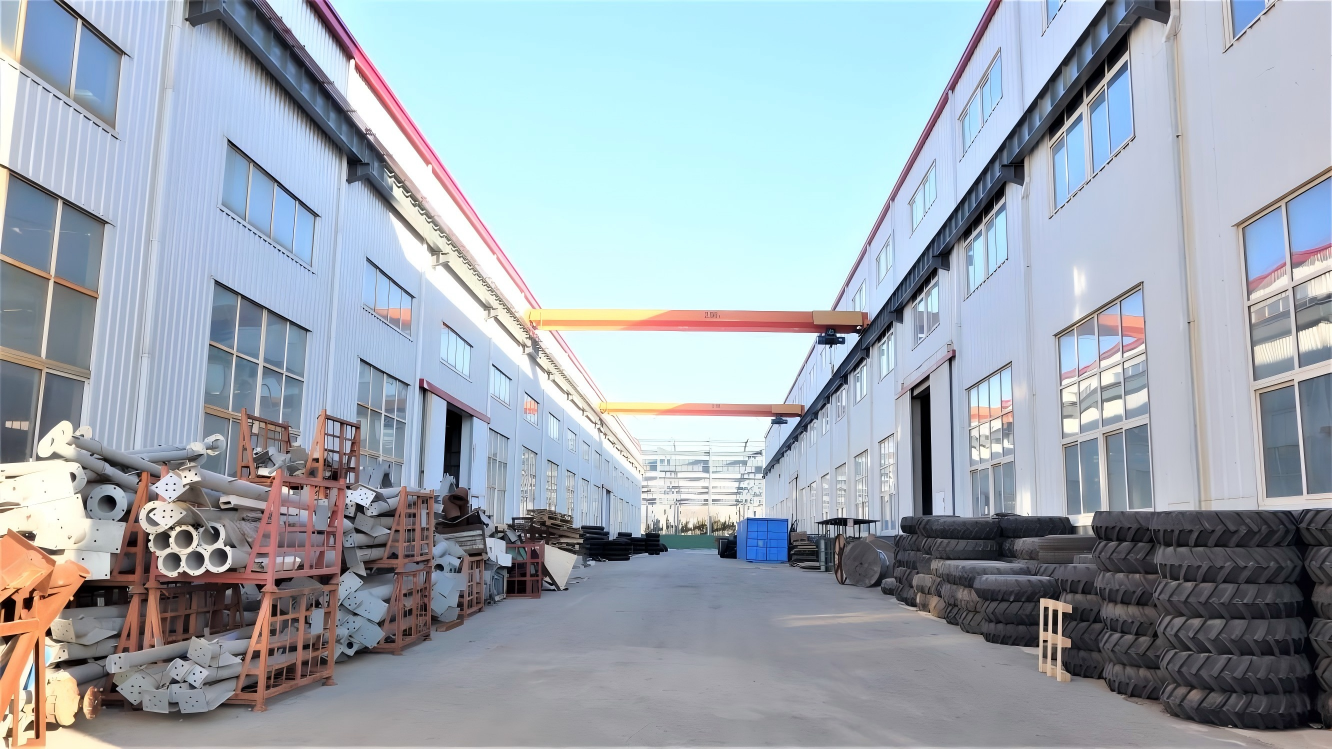
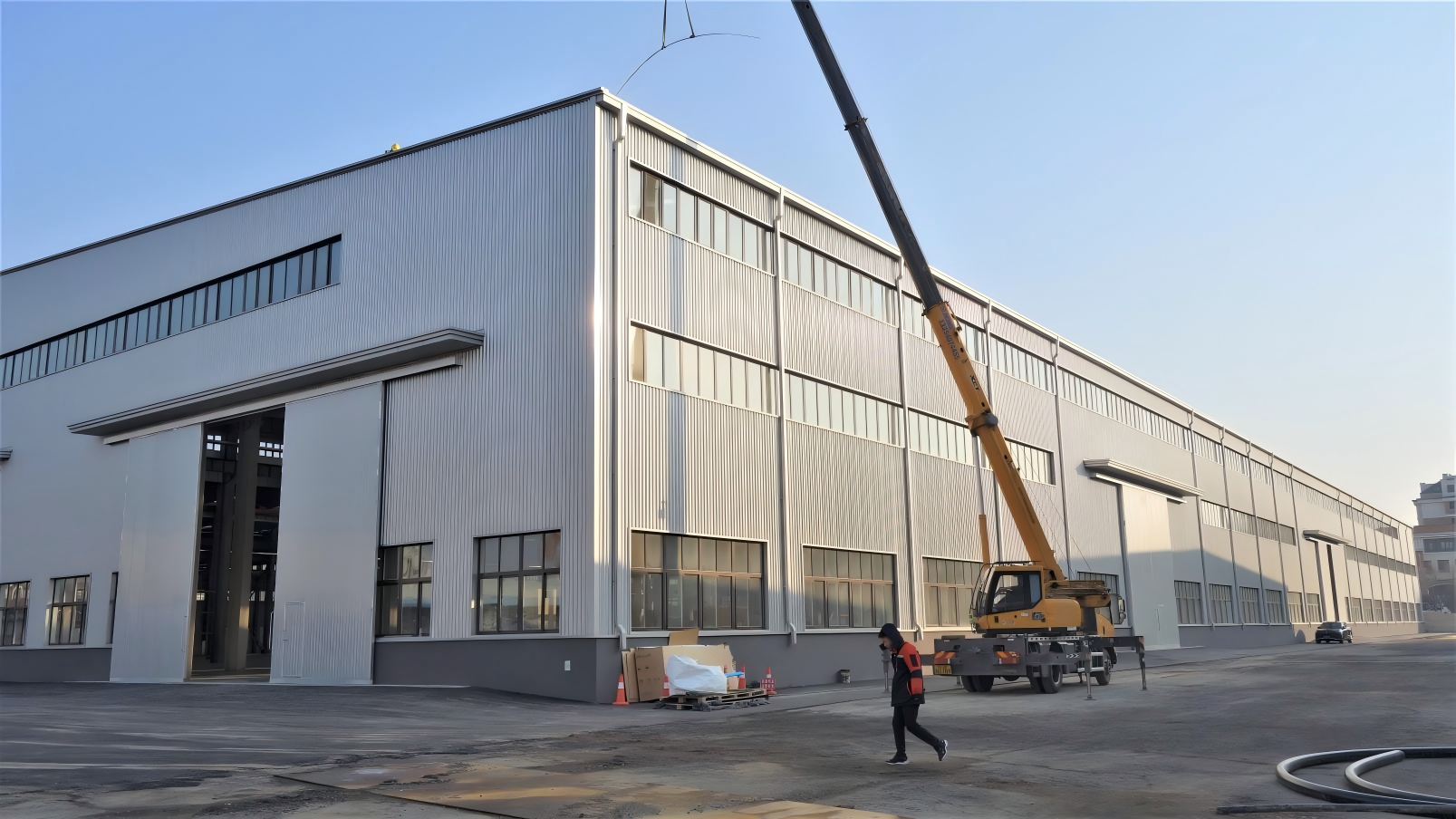
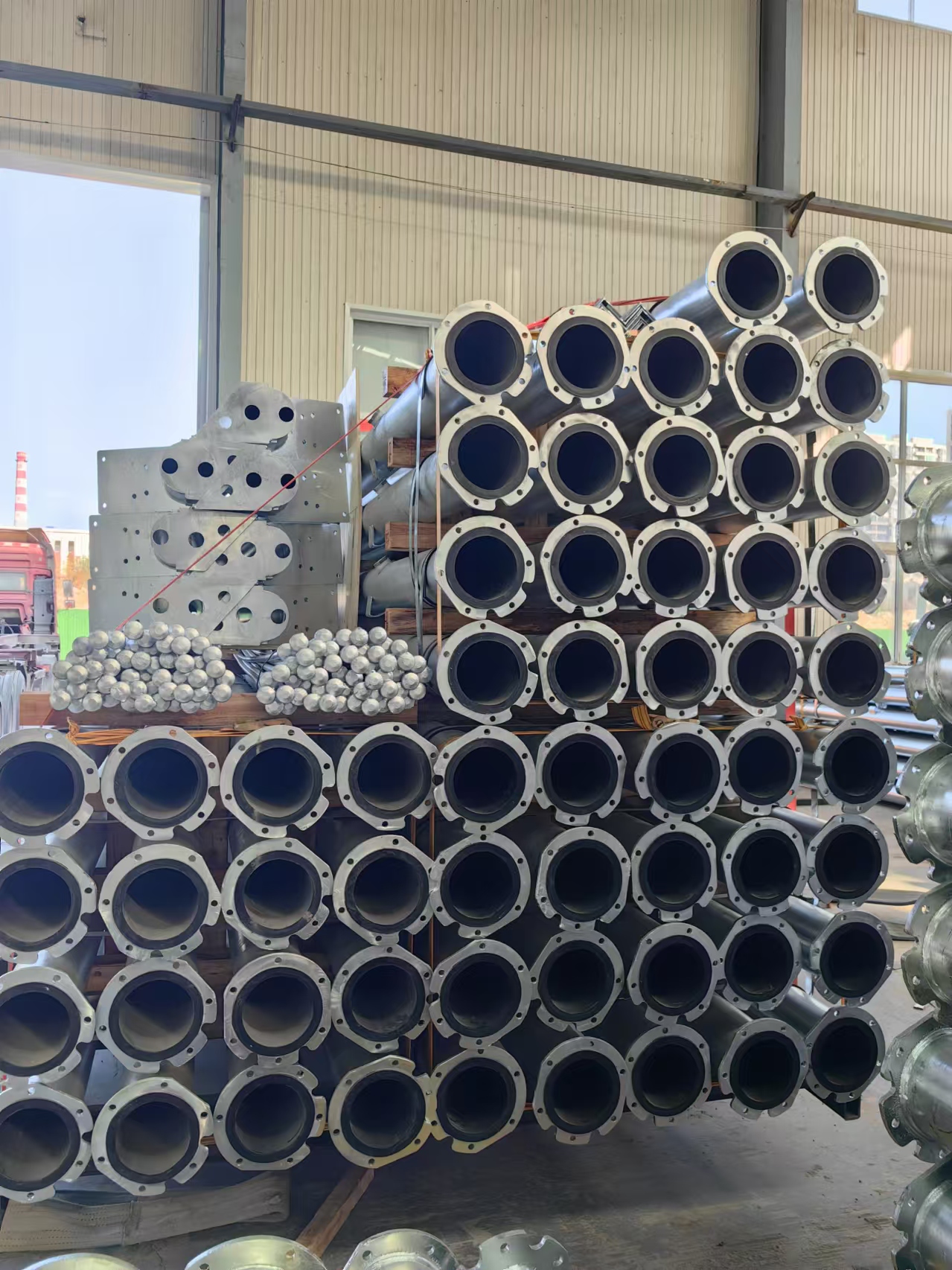
Manufacturing depth is what makes a specification repeatable. China Yulin Irrigation Equipment Co., Ltd. operates a 64,653 m² facility with 152 employees, an annual output of 3,000 units of irrigation equipment and a 10-engineer R&D team, with 60% of output exported to markets including Australia, New Zealand, Canada, Mexico, Africa, Central Asia, Russia and Kazakhstan. More than 95% of the machine’s spare parts are independently manufactured in the factory, which is what allows full-process quality monitoring; during 2000–2008 the company accumulated mature manufacturing technology by providing OEM production for a global top irrigation company, and it now runs intelligent automated workshops for robotic welding and precision processing. Certification coverage includes CE, ISO9001 and CSA, and every machine is subjected to anti-corrosion and wind resistance testing for tropical, saline-alkali and high-wind farmland environments.
Detailed Solution: The Four Parameters Explained
1. IP65 Protection Level
IP65 is a two-digit ingress protection rating. The first digit, 6, means dust-tight: no dust ingress under test conditions. The second digit, 5, means protected against water jets projected by a nozzle from any direction. For a center pivot irrigation system that operates inside its own spray pattern, in wind-blown dust and in open-field rain, IP65 is the minimum defensible rating for the electrical enclosures.
What matters to a buyer is placement, not the label. The rating is only meaningful where it applies to the enclosures that actually contain live terminals — the control panel and the tower boxes that house the span drive and control hardware. Two verification questions resolve most ambiguity: which specific enclosures carry IP65, and how is the enclosure sealed at the cable entry, which is the usual path for water ingress.
IP65 is a jet-protection rating, not a submersion rating. On fields that flood to enclosure height, or where the machine sits in standing water after a storm, protection has to come from mounting height and drainage rather than from the rating alone.
2. 380V–460V Rated Voltage
The 380V–460V rated voltage band covers the common three-phase agricultural supply ranges used across Asia, Africa, Europe and North America. It is stated as a band rather than a single value because the same pivot platform is exported to markets with different distribution voltages.
Three checks belong in every quotation review:
- Nameplate match. The rated voltage on the span drive motor and on the control transformer must match the destination supply, not the supply at the factory.
- Control circuit voltage. The control circuit and contactor coils must be consistent with the rated band; a mismatch here produces repeat failures that look like control-board faults.
- Supply frequency and stability. Confirm the frequency used at the destination and ask how the machine behaves on a farm with unstable supply or with a generator as backup, since voltage sag is a normal agricultural condition rather than an exception.
For a distributor holding stock across several countries, the 380V–460V band allows one platform to serve multiple markets — but only if each order explicitly records the destination voltage on the specification sheet. This is the single most common source of after-sales disputes in cross-border pivot supply.
3. Electromechanical Reversible Span Control for Continuous Start-Stop Duty
The span drive is electromechanical and reversible. Reversibility is what produces circular irrigation in both directions: the machine can travel clockwise and anti-clockwise around the pivot point, returning along the same circular path. That matters operationally at the field boundary, where the machine reverses to begin the next pass, and agronomically where a section of the circle needs a second, lighter application.
The second half of the specification is less visible and more consequential: the control system is rated for continuous operation with start-stop. Continuous operation means the machine is designed to run through long irrigation cycles, not short intermittent duty. Start-stop means those cycles include repeated stopping and restarting — at the boundary, at a programmed stop, or on a water-supply interruption. Contactors, overload protection and the gearmotor are all sized for cycling in a machine specified this way, and that is the difference between a drive that survives seasons of boundary reversals and one that consumes contactors.
Practical verification is straightforward: ask how many direction reversals per cycle the control logic supports, what the duty rating of the span drive is under continuous operation, and what protection is provided against a restart while the span is still moving. Reversible control without a restart interlock is a specification gap disguised as a feature.
4. Q235B Steel, GB 13912-2020 Galvanizing and the Sectional Truss Structure
The structural side of the specification is Q235B metal construction conforming to GB 13912-2020, the hot-dip galvanized coating standard for fabricated iron and steel articles. Q235B is a structural carbon steel grade; GB 13912-2020 governs the zinc coating applied to the finished, fabricated article rather than to the raw steel. That distinction is what makes the standard useful to a buyer: it applies after cutting, drilling and welding, which are precisely the operations that leave coating weak points if the sequence is handled badly.
The frame is a sectional truss structure. Spans are fabricated in sections, shipped as sections and bolted together on site. Three practical consequences follow:
- Freight and handling. Sectional spans load into standard containers and unload with farm equipment rather than heavy lifting gear.
- Field repair. A damaged span section is replaced as a section instead of scrapping an entire span run — a decisive advantage for distributors who carry a parts obligation.
- Joint inspection. Bolted joints of the sectional truss are the first place to inspect for coating damage after assembly, and the first place corrosion will appear if touch-up is skipped.
5. The Non-Electric Alternative: JP800 Hose Reel Machine
Not every field can or should be served by an electric pivot. The JP800 hose reel irrigation machine is powered by a water turbine and does not require electricity at all, which makes it usable where the grid does not reach, where supply is unreliable, or where a power connection would cost more than the machine.
Its irrigation hardware is specified as follows: spray gun model DL50/SIMA10497, nozzle diameter 16–22 mm, spray radius 19–41 m, water flow rate 25–52 tons per hour, inlet pressure range 0.6–0.9 MPa, and a net weight of 2180 kg with a tolerance of ±30 kg. The inlet pressure range is the constraint that decides feasibility on a given farm: if the source cannot deliver 0.6–0.9 MPa at the machine, the unit will not perform to specification regardless of nozzle choice.
Supplementary irrigation is handled by accessories rather than by structure. A pivot system can be specified with an end spray gun for supplementary irrigation and a fertilizer tank for fertigation; where water is acidic or alkaline, poly pipe is used to prevent corrosion, and pesticide addition can be included for integrated pest control.
Step-by-Step Breakdown: Specifying and Accepting a Pivot System
- Audit the power supply before the hydraulics. Record the three-phase voltage available at the proposed pivot point, the frequency, and whether the farm runs on generator backup. This sets the 380V–460V configuration and the protection philosophy for the whole order.
- Define the duty cycle. State how many hours per cycle the machine will run, how often it will stop and start, and how many boundary reversals are expected per pass. Confirm the span control is rated for continuous operation with start-stop, and confirm restart interlocking.
- Set the enclosure rating against site conditions. Specify IP65 on the electrical enclosures as a baseline, then raise the requirement where the site floods or where the machine stands in spray from the end gun. Record which enclosures are covered.
- Lock the structural specification. Confirm Q235B steel, galvanizing to GB 13912-2020, and a sectional truss structure. Ask where coating touch-up is required after bolted assembly and require the answer in the commissioning procedure.
- Confirm the field geometry and travel logic. Circular irrigation runs clockwise and anti-clockwise from the pivot point; corners remain outside the wetted circle unless an end spray gun is specified. Sketch the field before confirming span configuration.
- Specify accessories deliberately. Decide on end spray gun, fertilizer tank, poly pipe for acidic or alkaline water, and pesticide addition for integrated pest control at order stage. Retrofitting accessories changes the hydraulic balance of the machine.
- Tie payment release to a pre-shipment test. Require 100% testing of each unit before delivery, and treat the pre-shipment test as the contractual acceptance criterion.
- Plan the service tail. Agree spare parts scope, warranty replacement terms, remote support response and on-site commissioning and operator training before the machine ships. This is where a long-term supplier relationship is either built or discovered to be missing.
Before releasing a deposit, request the following documentation set. It converts a specification into something a distributor can audit later:
| Document | What it should confirm | Why it matters to the buyer |
|---|---|---|
| Electrical specification sheet | Rated voltage band 380V–460V, control circuit voltage, IP65 enclosure list | Verifies the machine matches the destination farm supply and site protection level |
| Structural specification sheet | Q235B steel, GB 13912-2020 galvanizing, sectional truss configuration | Establishes the corrosion and repairability baseline for the service life |
| Control description | Electromechanical reversible span control, continuous operation with start-stop, restart interlock | Confirms the drive is rated for the actual duty cycle, not just for forward travel |
| Pre-shipment test record | 100% testing of each unit before delivery | Converts acceptance from an opinion into a documented event |
| Packaging record | Reinforced classified packaging with photo archiving | Gives a reference point if parts are lost or damaged in transit |
Use Cases: Matching Configuration to Field Reality
- Large arable block on a stable three-phase supply. A fixed center pivot with IP65 enclosures, 380V–460V rated voltage, reversible span control and a sectional truss frame is the default configuration. The electrical package is the deciding factor rather than the pipe.
- Field without grid power. The JP800 hose reel irrigation machine, driven by a water turbine and requiring no electricity, removes the connection cost entirely. Confirm the 0.6–0.9 MPa inlet pressure is available before committing.
- Saline-alkali, coastal or high-wind sites. Here the governing parameter shifts from control to corrosion. Q235B steel galvanized to GB 13912-2020, anti-corrosion and wind resistance testing, and poly pipe where water is aggressive are the specification levers that extend service life.
- Irregular or fragmented plots. Where a full circle does not fit the boundary, a towable center pivot, a linear irrigation system or a traveler irrigation system may suit better than a fixed pivot — a configuration question that should be settled before the electrical one.
- Multi-market distributor stock. A single 380V–460V platform can serve several countries, but only if the destination voltage, enclosure rating and accessory list are recorded per order rather than assumed from the previous shipment.
- Farms needing supplementary application and fertigation. End spray gun, fertilizer tank, poly pipe for acidic or alkaline water, and pesticide addition for integrated pest control are specified at order stage so the hydraulic balance remains correct.
Comparison Table: Center Pivot vs. JP800 Hose Reel Machine
| Parameter | Center pivot irrigation system | JP800 hose reel irrigation machine |
|---|---|---|
| Drive and power source | Electromechanical span drive; rated voltage 380V–460V; requires an electrical supply | Powered by a water turbine; does not require electricity |
| Enclosure protection | IP65 protection level on the electrical enclosures | Not applicable — no electrical drive |
| Control and movement | Electromechanical reversible span control; continuous operation with start-stop; circular irrigation clockwise and anti-clockwise | Traveler operation using the DL50/SIMA10497 spray gun |
| Structure | Q235B metal construction conforming to GB 13912-2020; sectional truss structure | See unit specification sheet for structural details |
| Application hardware | Optional end spray gun for supplementary irrigation; fertilizer tank supported | DL50/SIMA10497 spray gun; nozzle diameter 16–22 mm; spray radius 19–41 m |
| Water parameters | Field-dependent; uniformity method defined by ISO 11545:2009 | Flow rate 25–52 t/h; inlet pressure range 0.6–0.9 MPa |
| Net weight | Configuration-dependent | 2180 kg ±30 kg |
| Best fit | Regular field blocks with a reliable three-phase supply and a service life measured in decades | Remote or power-constrained fields where supply pressure of 0.6–0.9 MPa is available |
FAQ
1. Which standards and protection ratings should a distributor verify on an irrigation pivot system?
Verify four items in writing. First, Q235B structural steel with galvanizing to GB 13912-2020. Second, IP65 protection on the electrical enclosures. Third, a rated voltage band of 380V–460V matched to the destination supply. Fourth, the in-field water distribution uniformity method defined by ISO 11545:2009, the active international standard for centre-pivot and moving lateral irrigation machines. A supplier that states all four on the datasheet, and tests every unit before delivery, gives a distributor a specification that can be resold across markets without re-engineering.
2. Can one manufacturer supply both electric center pivots and non-electric hose reel machines for a distributor portfolio?
China Yulin Irrigation Equipment Co., Ltd. manufactures center pivot, lateral move, towing and hose reel irrigation systems from a 64,653 m² facility with 152 employees and a 10-engineer R&D team, and welcomes OEM and ODM orders. More than 95% of the machine’s spare parts are independently manufactured in the factory, which is what supports full-process quality monitoring, and the company states a monthly production capacity of 60 units alongside a published pivot supply capacity of 400 sets per year. Its hose reel range includes the JP800, which is powered by a water turbine and does not require electricity — useful where a distributor serves both grid-connected and off-grid farms with one supplier relationship.
3. What commercial terms apply to a long-term distributor agreement?
Minimum order quantity is 1 unit. Delivery terms are FOB, CFR or CIF. Payment terms are 30% deposit after contract confirmation, with the balance by T/T before shipment; L/C or D/P arrangements are accepted for the Algeria market. Acceptance criteria are defined as a pre-shipment test, which should be treated as the reference event for both parties rather than an informal check.
4. How is a unit validated before shipment and protected in transit?
Each product undergoes 100% testing before delivery. Shipments use reinforced classified packaging with photo archiving, so that any transit loss or breakage can be identified against a recorded condition. For company-caused faults and in-warranty damage, spare parts are reissued free of charge, and a professional engineering team provides 24-hour online technical support.
5. What does long-term support look like after a pivot is commissioned?
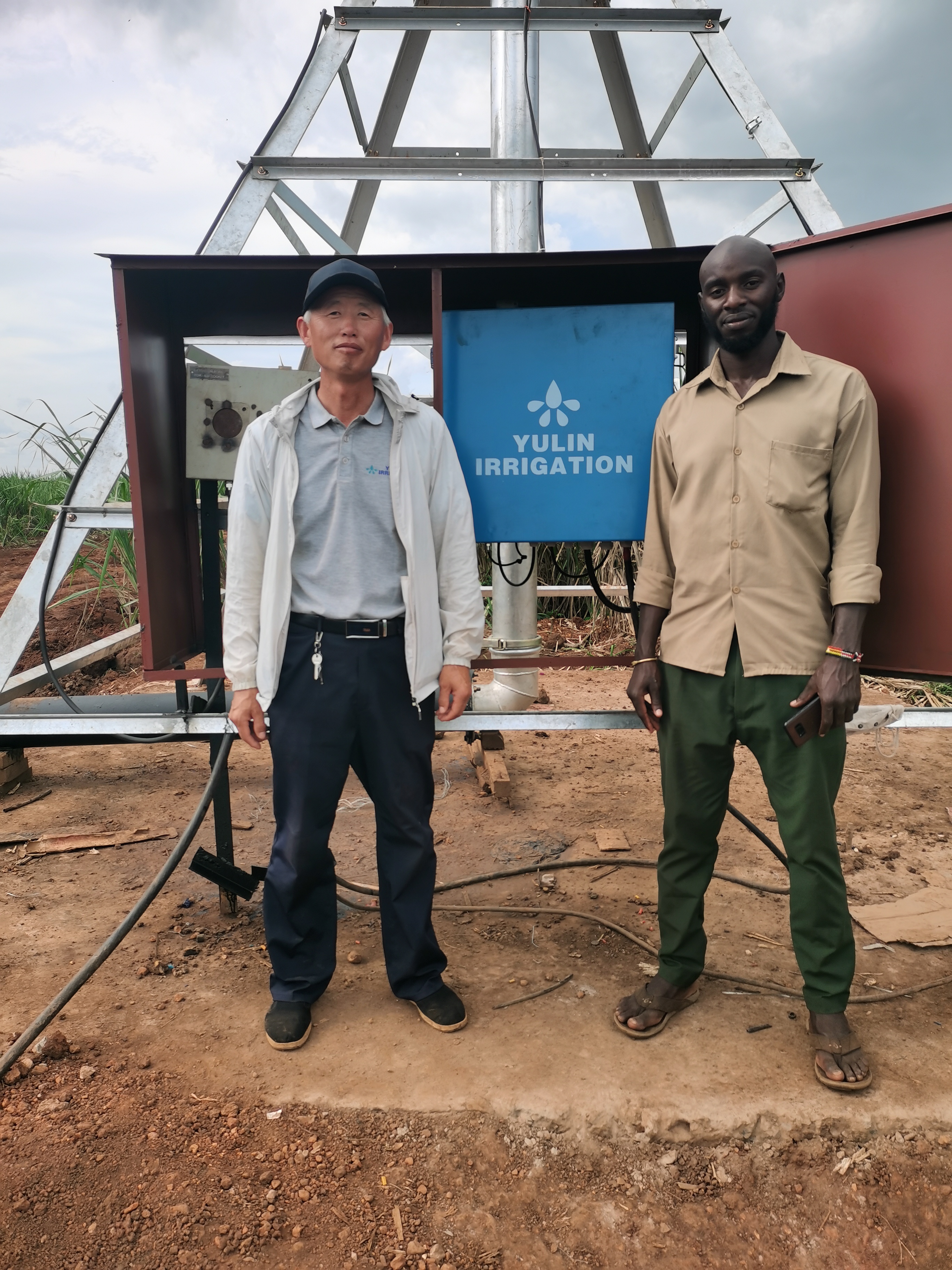
Support is split between remote and on-site work. Engineers are dispatched to client locations for machine installation, commissioning and operator training — a service the company provides globally — which removes the most common early-life failure pattern on a new farm. Beyond commissioning, 24-hour online technical support handles operating questions, and free replacement of defective components is covered under the warranty policy, with a spare parts stock held for reissue. For distributors planning a multi-year program, the practical next step is to request the 2026 YULIN Pivot Catalogue and a configuration-specific quotation stating enclosure rating, rated voltage band, control duty and galvanizing standard.
Conclusion: Lock the Electrical Specification, Then the Price
The parameters that decide whether an irrigation pivot system performs are electrical and structural, and they are all decided before the contract is signed: IP65 protection on the enclosures, a 380V–460V rated voltage band matched to the destination farm, electromechanical reversible span control rated for continuous operation with start-stop, and Q235B steel galvanized to GB 13912-2020 in a sectional truss structure that supports both circular irrigation in both directions and section-level repair. Where no grid power exists, the water-turbine JP800 hose reel irrigation machine — DL50/SIMA10497 spray gun, 16–22 mm nozzle, 0.6–0.9 MPa inlet pressure, 2180 kg ±30 kg — is the specification that removes electricity from the constraint list rather than working around it.
For a distributor, the same four parameters become the basis of a long-term relationship rather than a single transaction. A specification that survives shipping, commissioning and the first seasons of boundary reversals is what keeps a resale channel intact; 100% testing before delivery, reinforced classified packaging with photo archiving, free spare parts reissue for company-caused and in-warranty faults, and engineer-led installation and operator training overseas are the mechanisms that hold it together.
Next Step: Specify Before You Compare
Send the farm voltage, field geometry and water source pressure, and YULIN IRRIGATION will return a configuration that states the enclosure rating, rated voltage band, control duty and galvanizing standard in writing — on one page, suitable for a distributor or an end-user procurement file.
Contact: Lara Yu | Email: yulinirrigation@hotmail.com | Tel / WhatsApp: +86 158-4249-7638
Address: 329-1 of Shunle Street, Lvshunkou District, Dalian City, Liaoning Province, China | Website: www.cyulin.net
Catalogue download: 2026 YULIN Pivot Catalogue (PDF) — full model range, span configurations and accessories.
Minimum order quantity 1 unit | FOB / CFR / CIF | Pre-shipment test as acceptance criterion | OEM and ODM orders welcomed | Request a quotation on WhatsApp
Have Questions or Need More Details?
Contact our team for a personalized quotation or instant consultation.
Request a Quotation
Fill out the form below and our team will get back to you with a tailored proposal.
WhatsApp Direct Chat
Prefer to chat in real-time? Message us on WhatsApp for instant assistance & quick answers.
- Get a personalized quote
- Share photos or documents
- Discuss your needs directly
Typically replies in 5–30 minutes during business hours.