
Door Rabbet Processing Machine: Specifications, CE Compliance & Buyer Criteria
Door Rabbet Processing Machine: Specifications, CE Compliance & Buyer Criteria
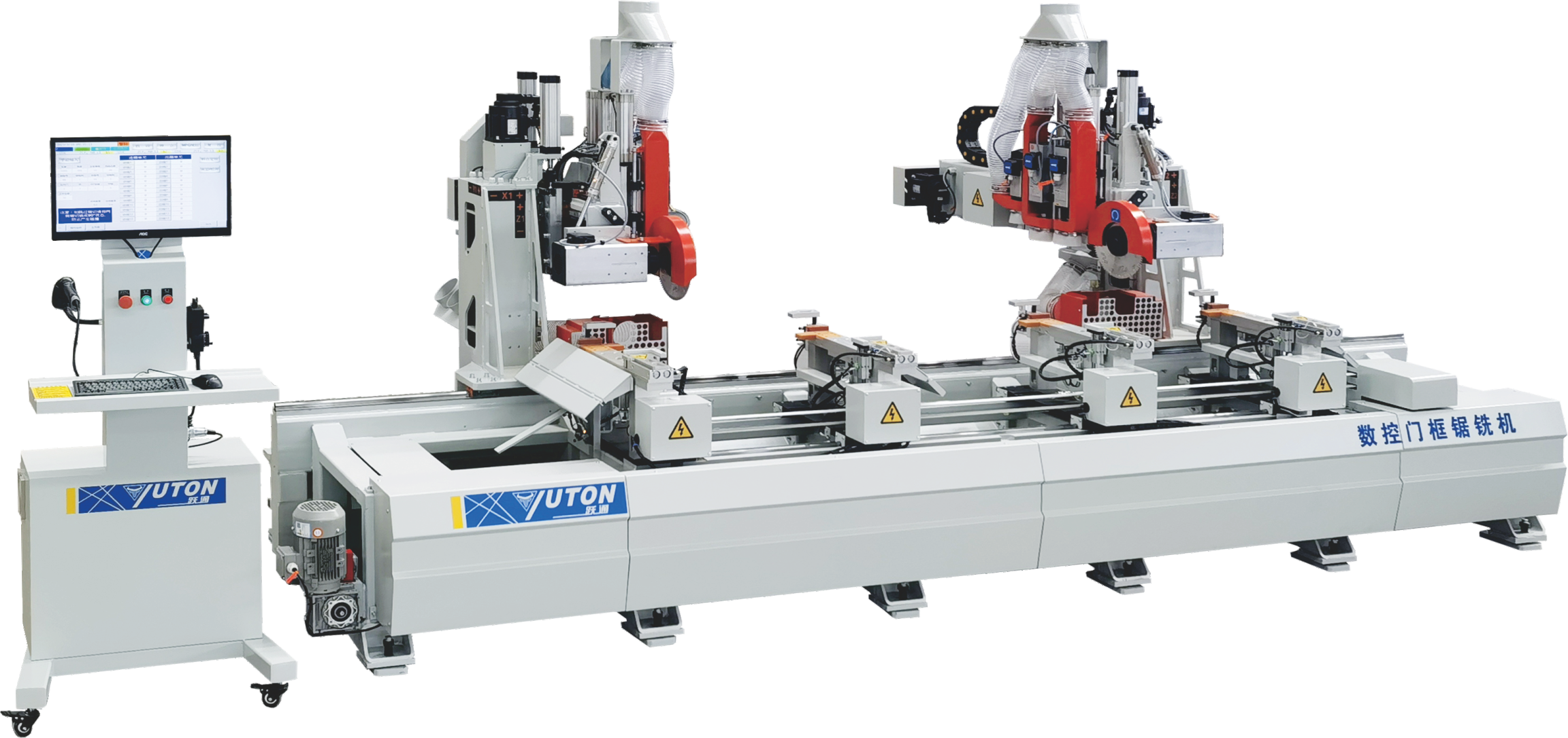
A door rabbet processing machine cuts and mills the rabbet — the stepped recess that runs along a door frame and receives the door leaf when it closes. This single profile decides whether the leaf sits flush, seals against draughts and noise, and carries its locks and hinges without binding. For a buyer in the research-to-evaluation stage, three constraints matter most: the workpiece range the machine must cover, the safety and conformity evidence delivered with it, and how it fits an existing wood door production line.
YUTON Wooden Door Equipment (Nantong Yuetong CNC Equipment Co., Ltd., founded 2003) builds door frame processing equipment as part of a wider wood door automation range. Its YD-K0330 CNC door frame cutting and milling machine is a dedicated rabbet processing unit, and the company states that this machine is covered by its CE certification. The sections below set out what the rabbet step involves, how the machine is specified, and the criteria a procurement or engineering team should apply before committing capital.
What Is Door Rabbet Processing, and Why Is It a Constraint?
Door rabbet processing is the operation that produces the rebate profile on a door frame — the milled step that the door leaf rests against. It is a dimensional operation, not a decorative one. The rabbet depth, width, and squareness relative to the frame face determine the finished door's closure gap, its contact with weather seals, and the clearance available for hinges and locking hardware.
Because the rabbet is a fit-critical feature, it behaves as a constraint rather than a preference. A frame with an inconsistent rabbet produces a door that either fails to seal or fails to close cleanly, and that fault cannot be corrected downstream by hanging or adjustment. This is why the specification of a rabbet processing machine — its CNC control, its workpiece envelope, and its conformity documentation — sits at the centre of a wood door manufacturer's equipment evaluation.
The core constraint in one line: the machine must reliably produce a repeatable rabbet across the full range of frame lengths, widths, and thicknesses your order book actually contains — not just the average.
Industry Background: Why Rabbet Automation Is Being Evaluated Now
Wood door processing is moving from stand-alone, manual operations toward CNC-controlled and automated equipment. Two widely published signals frame this shift. The global woodworking machinery market was valued at USD 5.27 billion in 2025 and is projected to reach USD 8.53 billion by 2035, at a 5.1% CAGR, according to Fortune Business Insights. In parallel, the US Bureau of Labor Statistics projects a 2% decline in woodworker employment by 2034, attributing it to automation and the use of computer numerically controlled machines.
Read together, these figures describe a substitution phase: capital is being directed at CNC equipment precisely as skilled manual labour becomes harder to secure. For a door frame plant, this pushes the rabbet operation toward a machine that can hold tolerance unattended, rather than relying on operator skill at the spindle.
The second force is regulatory. Machinery placed on the EU market must satisfy the relevant essential health and safety requirements before it is placed on the market or put into service, under the Machinery Directive 2006/42/EC. That directive specifically addresses machinery for working wood: workpieces must be placeable and guided safely, ejection risks controlled, and an automatic brake provided where tool run-down creates a contact risk. Woodworking machine safety is further defined by EN ISO 19085-1:2021, which sets common requirements for machines capable of continuous production use and covers hazards during operation, adjustment, and maintenance.
For an overseas buyer, this means the rabbet processing machine is no longer only a productivity decision. Its guarding, workpiece control, emergency stopping, and conformity documentation are now part of the purchase condition — especially for any supplier planning to export into Europe or the UK, where the HSE woodworking standards resource lists BS EN 847, BS EN 848, BS EN 859, BS EN 940, BS EN 1807, BS EN 1870, BS EN 12779, BS EN 13850, and BS EN ISO 13857 as relevant references.
The Solution: Door Frame Processing Equipment From YUTON
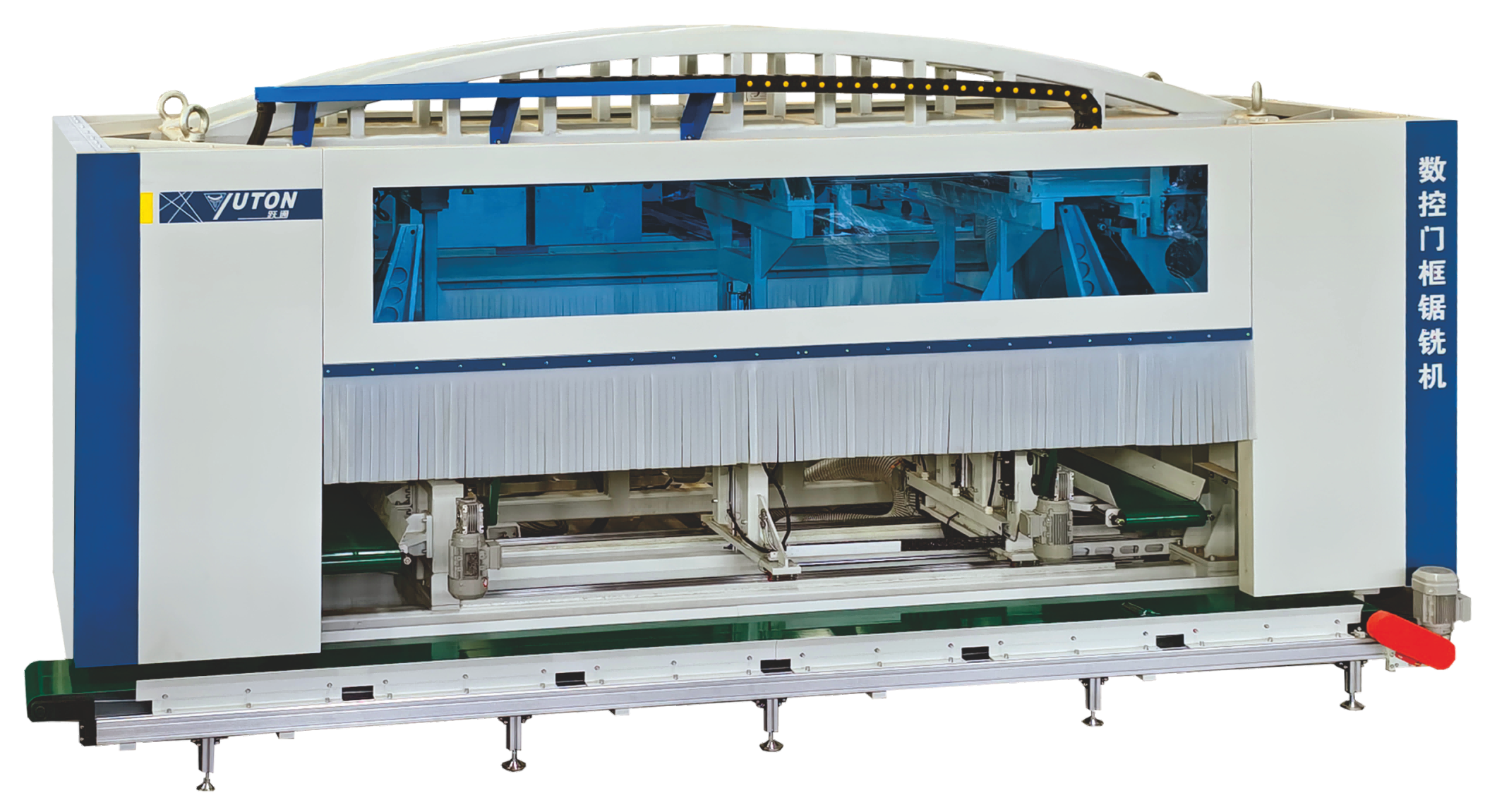
YUTON addresses the rabbet step through its door frame processing equipment line. This product line includes lock hole and hinge slot machines, door frame cutting and milling machines, and seal strip inserting machines. The machine most directly responsible for the rabbet profile is the YD-K0330 CNC door frame cutting and milling machine, which belongs to the door frame processing equipment category and is used for door frame cutting and milling.
Three specification and conformity facts are central to evaluating this machine.
1. CNC control with a defined workpiece envelope
The YD-K0330 CNC door frame cutting and milling machine uses CNC control. It processes workpieces with a length range of 600–2600 mm, a width range of 90–350 mm, and a thickness range of 18–40 mm, with overall machine dimensions of 4900 × 2600 × 2100 mm. This envelope is the practical answer to the question "will this machine cover my frame sizes" — and it must be checked against the buyer's own range before anything else.
2. CE certification covering the rabbet machine
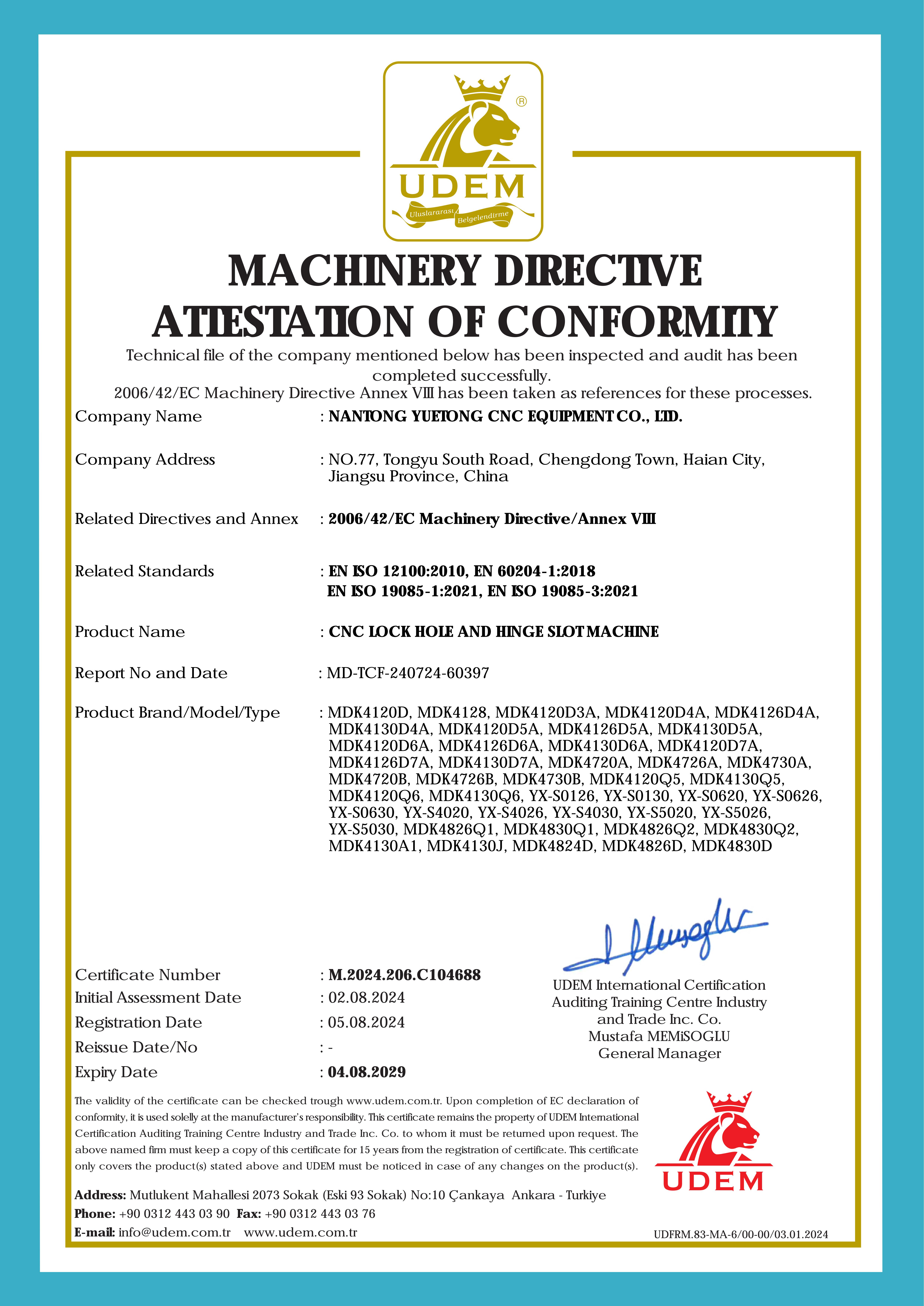
CE certification covers the YD-K0330 CNC door frame cutting & milling machine. The certificate number is M.2024.206.C104688; it was issued on 2024-08-05 and expires on 2029-08-04 by UDEM International Certification Auditing Training Centre Industry and Trade Inc. The CE certification scope is global, and the same certification applies to the non-standard automated production line product.
The certification references the standards EN ISO 12100:2010, EN 60204-1:2018, EN ISO 19085-1:2021, and EN ISO 19085-3:2021. For a buyer building a conformity file, this matters because it connects the rabbet machine to the electrical safety and woodworking machine safety standards expected in European procurement.
3. The wider frame and leaf line around the rabbet step
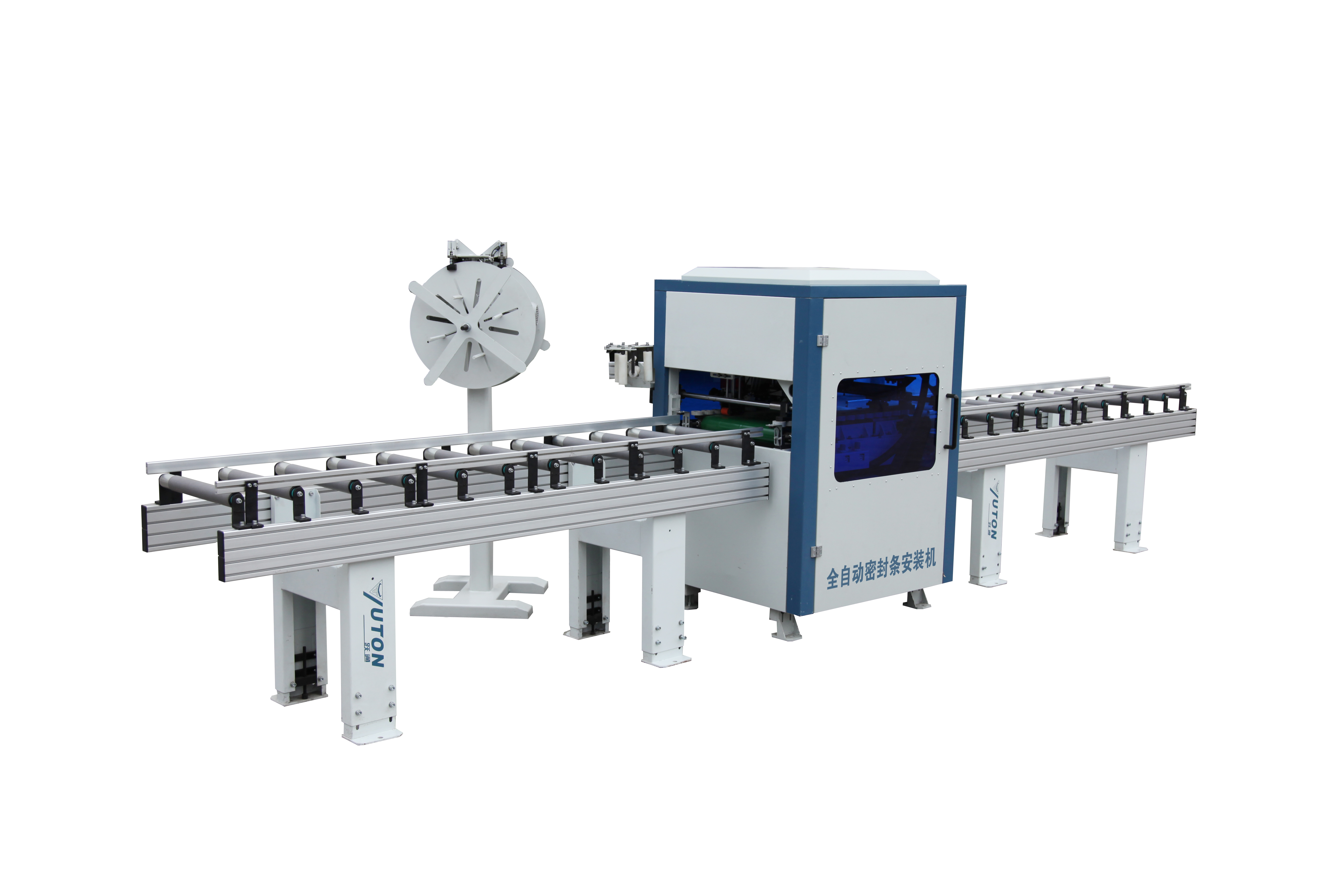
A rabbet machine rarely operates in isolation. YUTON's product line includes additional door frame equipment — the MDK4826Q2 CNC lock hole & hinge slot machine, the MDK4130A1 CNC lock hole & hinge slot machine, and the MFZ9645H2 automatic seal strip inserting machine — all of which are covered by the CE certification. The MDK4826Q2 CNC lock hole & hinge slot machine is covered by the CE certification, as is the MFZ9645H2 automatic seal strip inserting machine. This matters because the frame that passes through the rabbet machine must then line up with hardware cut on the mortising machines.
Step-by-Step: How a Door Rabbet Processing Machine Is Evaluated
The evaluation sequence below reflects the Research → Evaluation stage, and it is designed to be run as a checklist before a quote is requested.
- Map your frame envelope first. List the minimum and maximum frame lengths, widths, and thicknesses in your order book. Compare them against the machine's stated range — the YD-K0330 handles lengths of 600–2600 mm, widths of 90–350 mm, and thicknesses of 18–40 mm. If your extremes fall outside this window, the machine is the wrong starting point.
- Confirm what the rabbet operation must produce. Establish whether the rabbet is cut in the same pass as the frame length cut and profile milling, or in a separate step. The YD-K0330 is a door frame cutting and milling machine, so length cutting and milling are handled within one CNC unit.
- Check the conformity documentation. Ask for the certificate number, issuing body, validity dates, and the standards referenced. For the YD-K0330 this is certificate M.2024.206.C104688, issued by UDEM International Certification Auditing Training Centre Industry and Trade Inc., valid from 2024-08-05 to 2029-08-04, referencing EN ISO 12100:2010, EN 60204-1:2018, EN ISO 19085-1:2021, and EN ISO 19085-3:2021.
- Verify how the machine is controlled and guarded. CNC control, safe workpiece placement and guidance, ejection control, and tool run-down braking are the specific points the EU machinery framework raises for machinery working wood. Request the risk assessment and guarding detail for the configuration you are buying.
- Match the frame step to the hardware step. Confirm that the frame coming off the rabbet machine aligns with lock and hinge positions cut on the mortising machines (for example the MDK4826Q2 or MDK4130A1 CNC lock hole & hinge slot machines) and with the seal line inserted by the MFZ9645H2 automatic seal strip inserting machine.
- Confirm integration and customisation terms. YUTON provides fully-customised production lines or equipment according to customers' processes and production output, under an OEM/ODM production model, with a minimum order quantity of 1 unit.
- Validate quality control and support. Confirm the quality procedure (100% test) and the after-sales model. YUTON's stated support is remote technical guidance, providing online installation and debugging guidance.
- Confirm delivery planning. Lead time is stated as 20–30 days, and may vary according to order requirements.
Use Cases and Where the Rabbet Machine Fits
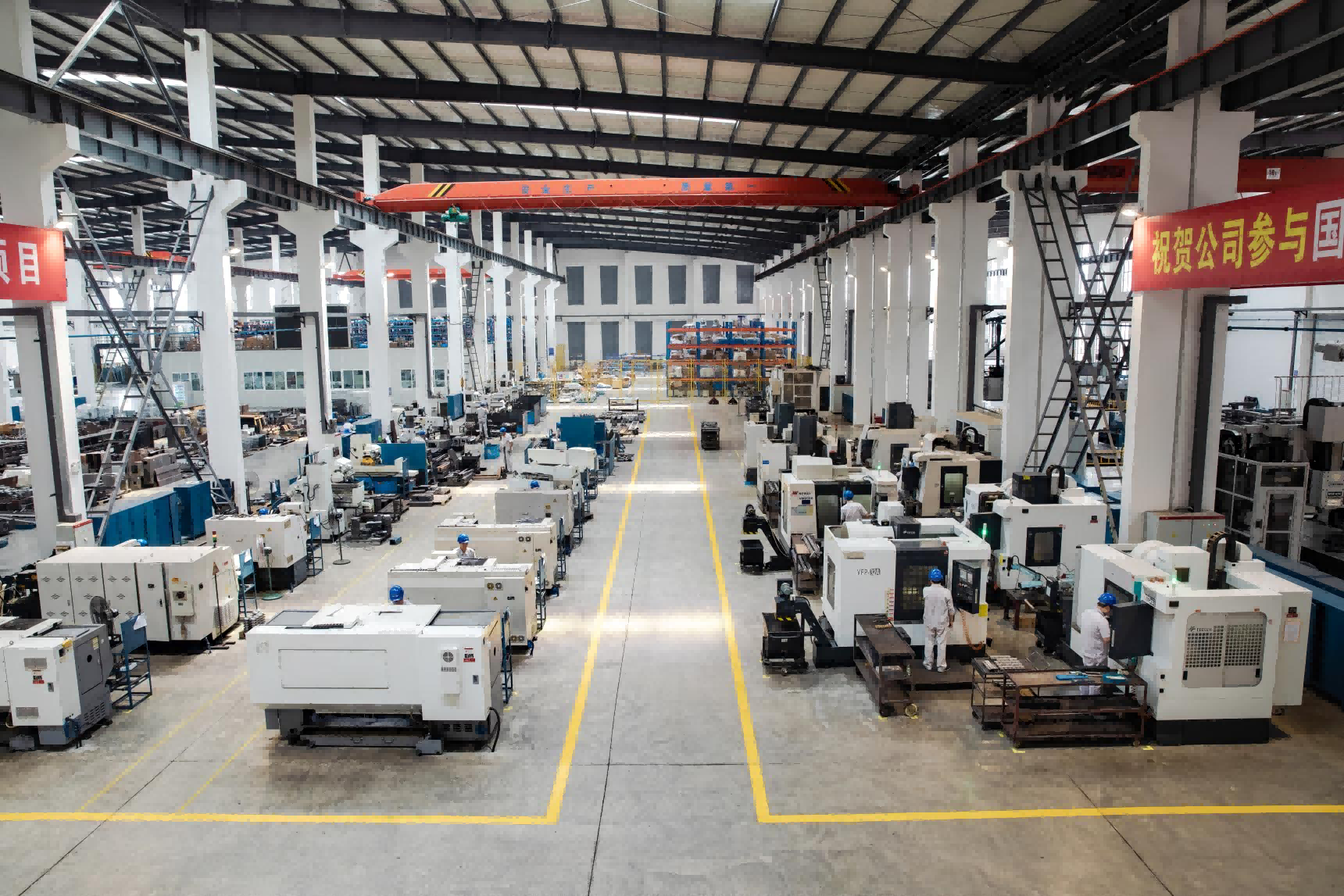
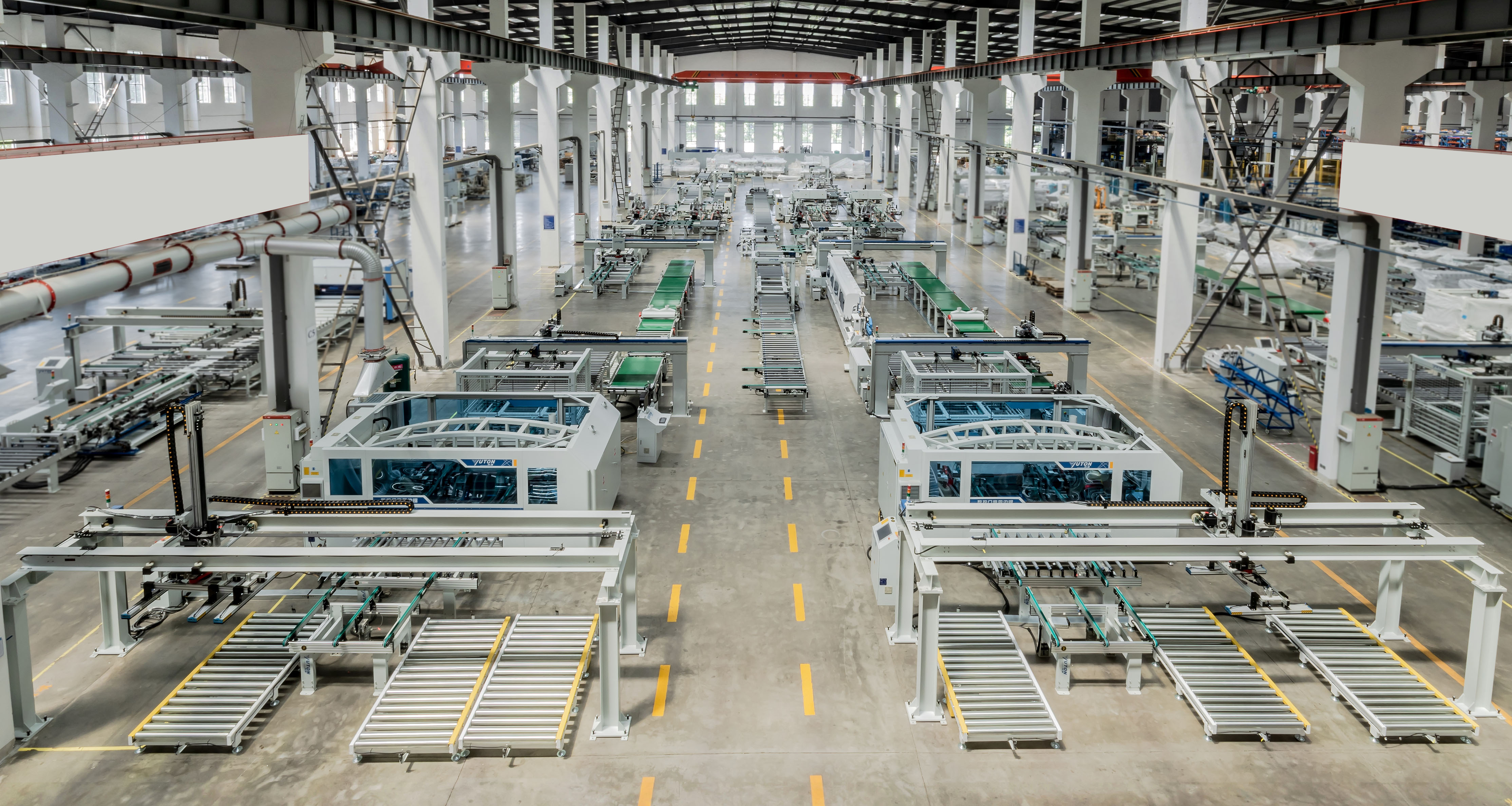
The equipment serves the wooden door and window manufacturing industry. YUTON states it is widely applied in manufacturers of various wooden composite door leaves and door frames, whole-house customised furniture factories, and wood processing enterprises, and is suitable for automated flexible production lines of civil household wooden doors and engineering refined decoration wooden doors.
The operating context is a factory workshop running on 220V/380V, with fully automatic program control operation and matched components such as a CNC system, operation console, and servo drive device. Three buyer profiles typically come into scope:
- Door frame producers feeding a flexible line. These plants need the rabbet profile held consistent across mixed frame sizes — the scenario where a CNC envelope of 600–2600 mm length matters most.
- Composite door manufacturers. Where door leaves and frames are produced together, the rabbet machine connects directly to mortising and sealing equipment so that the leaf and frame are matched as a set.
- Engineering and refined-decoration projects. Larger, non-repeating frame specifications place a premium on a machine that can be re-programmed rather than re-tooled.
Real installations illustrate the operating scale: YUTON reports that it has sold 458 sets of flexible wooden door production lines since developing China's first automatic flexible wooden door production line in 2013, and that more than 400 production lines have been sold and put into operation worldwide. Documented customers at the end of that supply chain include TATA, OPPEIN, OUPAI, MENGTIAN, ZBOM, SOGAL, QIAN CHUAN, SUPERUS, TOSTEM, NIHON FLUSH, DYRS, HOLIKE, WONLY, and JIUYIXING, with export activity across more than 50 countries including Russia, Ukraine, Czech Republic, Spain, Romania, Egypt, Vietnam, Japan, India, Israel, Saudi Arabia, United Arab Emirates, Iran, Iraq, Singapore, Malaysia, the United States, Canada, Brazil, and Chile.
Comparison Table: Door Frame & Rabbet-Related Machine Specifications
The table below compares the specifications directly stated by YUTON for door frame and adjacent processing units. Only published parameters are listed; no inferred or estimated values are added.
| Machine | Category | Workpiece Length | Workpiece Width | Workpiece Thickness |
|---|---|---|---|---|
| YD-K0330 CNC Door Frame Cutting & Milling Machine | Door frame processing equipment | 600–2600 mm | 90–350 mm | 18–40 mm |
| MDK4120D CNC Lock Hole & Hinge Slot Machine | Door leaf processing equipment | 1800–2400 mm | 600–1100 mm | 30–60 mm |
| YX-S8026 Multiple Function Machining Center | Machining centre | 1600–2600 mm | 280–1200 mm | 30–60 mm |
| MDK4826Q2 CNC Lock Hole & Hinge Slot Machine | Door leaf processing equipment | Covered by CE certification; specifications as published per configuration | ||
| MFZ9645H2 Automatic Seal Strip Inserting Machine | Door leaf / frame sealing | Covered by CE certification; specifications as published per configuration | ||
The comparison confirms the operational logic: the rabbet-producing machine (YD-K0330) operates in a frame-sized envelope, while mortising and hinge-slot equipment operate in a leaf- and larger-frame envelope. A buyer should not assume one envelope covers both — they are distinct machine categories.
Frequently Asked Questions
1. What CE certification applies to a door rabbet processing machine, and which standards are covered?
YUTON's CE certification covers the YD-K0330 CNC door frame cutting & milling machine, the machine used for door frame cutting and milling. The certificate number is M.2024.206.C104688, issued on 2024-08-05 and valid until 2029-08-04 by UDEM International Certification Auditing Training Centre Industry and Trade Inc., with a global scope. The referenced standards are EN ISO 12100:2010, EN 60204-1:2018, EN ISO 19085-1:2021, and EN ISO 19085-3:2021. The same certification also applies to the non-standard automated production line product.
2. What workpiece dimensions can the YD-K0330 door rabbet processing machine handle?
The YD-K0330 CNC door frame cutting and milling machine uses CNC control and processes workpieces with a length range of 600–2600 mm, a width range of 90–350 mm, and a thickness range of 18–40 mm. Its overall dimensions are 4900 × 2600 × 2100 mm. Buyers should verify that their full frame-size range — including the largest and smallest frames in normal production — falls inside this envelope before proceeding.
3. What configuration and cost factors determine which rabbet processing machine a factory needs?
Configuration is driven by the buyer's own production process. YUTON provides fully-customised production lines or equipment according to customers' processes and production output and other requirements, under an OEM/ODM production model. Rather than a single fixed configuration, the machine is matched to the frame envelope, the hardware steps that follow, and the volume targets of the plant. The minimum order quantity is 1 unit.
4. How can a buyer validate a door rabbet machine before full production?
Validation rests on three documented points: the quality control procedure, which is 100% test; the CE conformity documentation under certificate M.2024.206.C104688; and the ability to review the machine against the specific safety requirements for machinery working wood under the EU framework and EN ISO 19085-1:2021. YUTON also operates a dedicated test area within its manufacturing base where equipment is tested before delivery.
5. What is the typical lead time and after-sales arrangement for door rabbet processing equipment?
YUTON states a lead time of 20–30 days, noting that the time may vary according to order requirements. After-sales support consists of remote technical guidance, providing online installation and debugging guidance. Monthly capacity is stated at 200 units. To move from evaluation to a firm timeline, buyers can request the product catalogue or a quotation directly: download the YUTON product brochure.
Conclusion
Choosing a door rabbet processing machine is a constraint-matching exercise, not a comparison of catalogue claims. The machine has to fit the frame envelope in your order book, carry conformity documentation that satisfies your destination market, and align with the mortising and sealing steps that share the same frame. For the YD-K0330 CNC door frame cutting and milling machine, the published constraints are specific: a 600–2600 mm length range, a 90–350 mm width range, an 18–40 mm thickness range, and coverage under CE certificate M.2024.206.C104688, valid to 2029-08-04.
YUTON Wooden Door Equipment, operating as Nantong Yuetong CNC Equipment Co., Ltd. since 2003, builds its door frame and door leaf processing equipment as an integrated range under a 70% export ratio and an OEM/ODM model with a 1-unit minimum order. Buyers evaluating the rabbet step should begin with their own size range, then request the conformity file, then request the quote.
Next Step: Move From Evaluation to Specification
Send your frame and leaf size ranges to the YUTON team and ask which door frame processing configuration fits your production.
Email: shanghai@yuetong.com.cn | Website: www.yuetong.com.cn | Blog: blog.yuetong.com.cn
WhatsApp: +86 139 1832 8385 | Download: Product Catalogue (PDF)
Factory address: No.77, Tongyu South Road, Chengdong Town, Haian City, Jiangsu Province, China.
Have Questions or Need More Details?
Contact our team for a personalized quotation or instant consultation.
Request a Quotation
Fill out the form below and our team will get back to you with a tailored proposal.
WhatsApp Direct Chat
Prefer to chat in real-time? Message us on WhatsApp for instant assistance & quick answers.
- Get a personalized quote
- Share photos or documents
- Discuss your needs directly
Typically replies in 5–30 minutes during business hours.