Wood Door Automation Equipment: Partnership & After-Sales FAQ
Wood Door Automation Equipment: Partnership & After-Sales FAQ
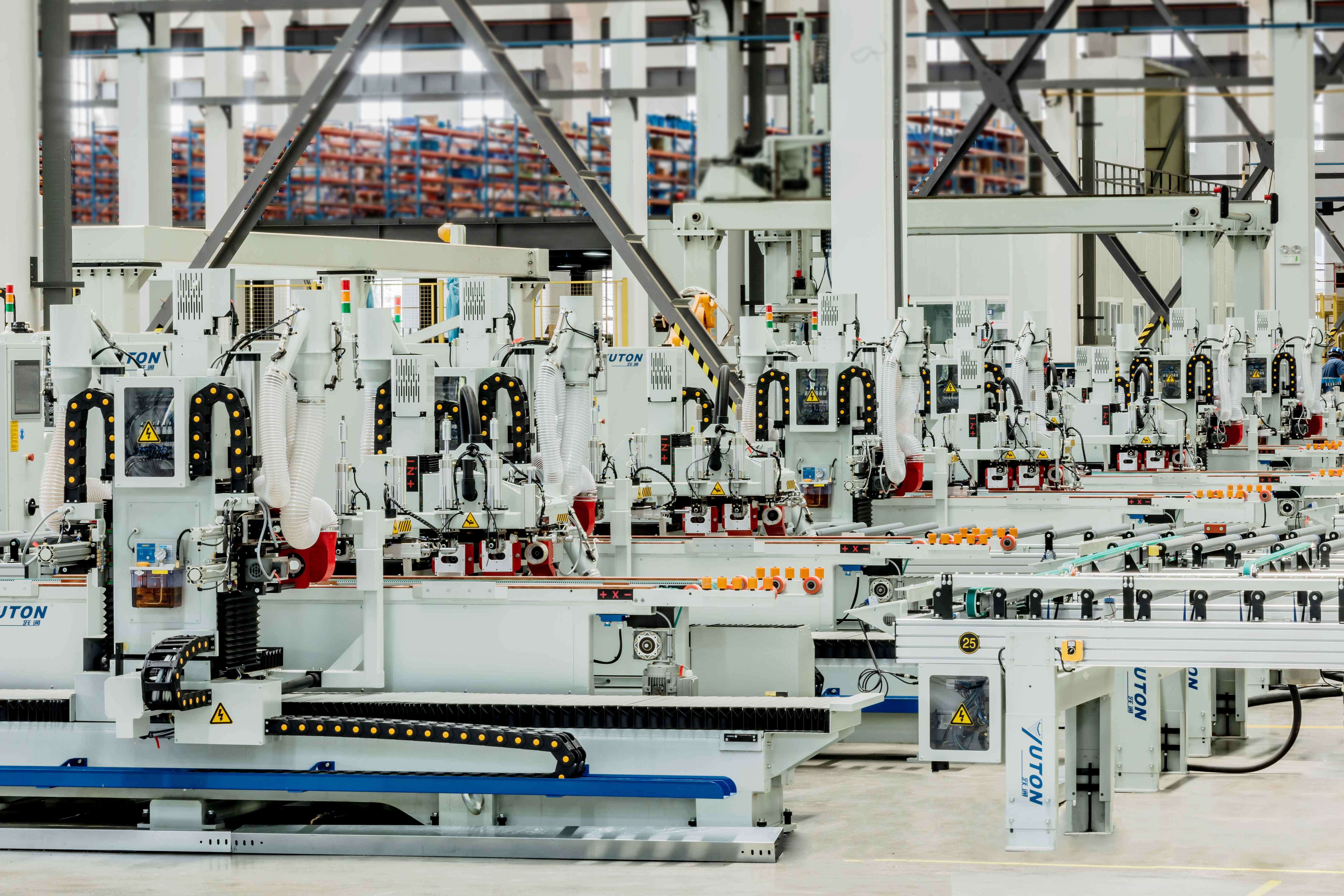
Most wood door automation projects are bought once and lived with for a decade. A flexible line is configured around specific door leaf sizes, frame profiles, rabbet dimensions and finishing steps, so the relationship with the equipment supplier does not end at delivery. It continues through ramp-up, product changes, maintenance and whatever the order book looks like three or four years later.
This FAQ addresses the questions that appear late in a non-standard line purchase: how purchasing terms should be structured, what acceptance means when the criterion is a pre-shipment test, how engineering continuity is protected when a door family is redesigned, and how after-sales communication is set up so a problem reaches an engineer who knows the machine. Facts about YUTON Wooden Door Equipment are reported as the company states them; regulatory and market references are attributed to their published sources.
Why Long-Term Partnership Questions Surface After the Specification Is Agreed
Single machines can be compared on a specification sheet, because the buyer's main risk is whether the workpiece envelope and spindle configuration suit the product. A non-standard line carries a different risk. The configuration is an engineering answer to a production brief, and the buyer is committing to a set of assumptions about door sizes, batch mix, labour availability and annual volume that may not hold for the life of the asset.
The questions that matter at decision and execution stage are therefore contractual and organisational rather than mechanical:
- What exactly is bought when the equipment is non-standard, and what is written down?
- Who confirms that the line is acceptable, against which criteria, and before or after shipment?
- What happens to drawings, programs and parameter sets when the door design changes?
- Which person answers a technical question in year five, and in which language?
Each of these has a documented or checkable answer. None of them is answered by a brochure.
The Production Model These Lines Replace
The case for automation is usually made against a specific alternative. According to the comparison material supplied by YUTON, traditional production modes — stacking production, general machinery production and stand-alone operation — require large floor space, involve a harsh, dirty and labour-intensive working environment, and impose high skill requirements on operators. The same material notes that young workers are reluctant to take these jobs, which limits production capacity and leaves product quality unstable.
That description is the company's framing of the problem, and it is worth treating as a framing rather than a measured comparison. What it does explain is why buyers move from stand-alone machines toward flexible units and lines: the constraint is not only cycle time but the availability and consistency of the people running the process.
What Annual Production Support Has to Cover
Annual production support is often written into an agreement as a service clause. In practice it has four separate components, and a contract that covers only one of them leaves the others to be negotiated under pressure later.
Commercial terms
For non-standard equipment, the commercial terms establish what triggers payment and what triggers shipment. Trade terms such as FOB, EXW and CIF allocate transport responsibility and cost differently, and the choice should match who is arranging freight and insurance. Payment structure and acceptance criteria should be read together, because a balance payment tied to acceptance is only meaningful if the acceptance event is defined.
Acceptance criteria
Acceptance is the single most contested item in a non-standard line purchase. The buyer wants proof that the line produces the intended door; the supplier wants a defined point at which the equipment is considered delivered. A named acceptance event, with the product samples, settings and documentation it covers, removes most of that dispute.
Engineering continuity
Door products change. A profile is revised, a hardware set is replaced, a new leaf thickness is introduced. Engineering continuity means the supplier can still map the machine configuration to the new requirement, and that the buyer holds the documentation needed to operate and maintain the asset in the meantime.
After-sales communication
Communication is a process, not a promise. It needs a named contact route, a defined escalation path, a shared language for describing faults, and a record of what was changed on the machine. Without that record, every future fault starts from zero.
Industry Signals Buyers Use When Justifying a Long-Term Line
Capital approval for a flexible line usually requires an external reference or two. Two published datasets are commonly used, and both need to be read with their scope attached.
Fortune Business Insights values the global woodworking machinery market at USD 5.27 billion in 2025 and projects it to reach USD 8.53 billion by 2035, a 5.1% CAGR. That figure covers woodworking machinery as a category, including surface planers, CNC routers, edgebanders, panel saws and specialised door machinery. It is not a wood door automation forecast, and no verified market-size figure specific to door automation equipment was available for this article; the number supports a general direction of travel, not a segment-level investment case.
The second signal is labour. The US Bureau of Labor Statistics projects a 2% decline in woodworker employment to 211,100 by 2034, citing automation and the use of computer numerically controlled machines. This is a United States projection about employment, not a global capacity forecast, and it should not be transferred to another market without its own evidence. Its relevance to a long-term purchase is narrow but real: where skilled machine operators become harder to recruit, equipment that reduces dependence on operator skill is easier to justify over a ten-year horizon.
The Supplier Behind the Line: What YUTON Documents
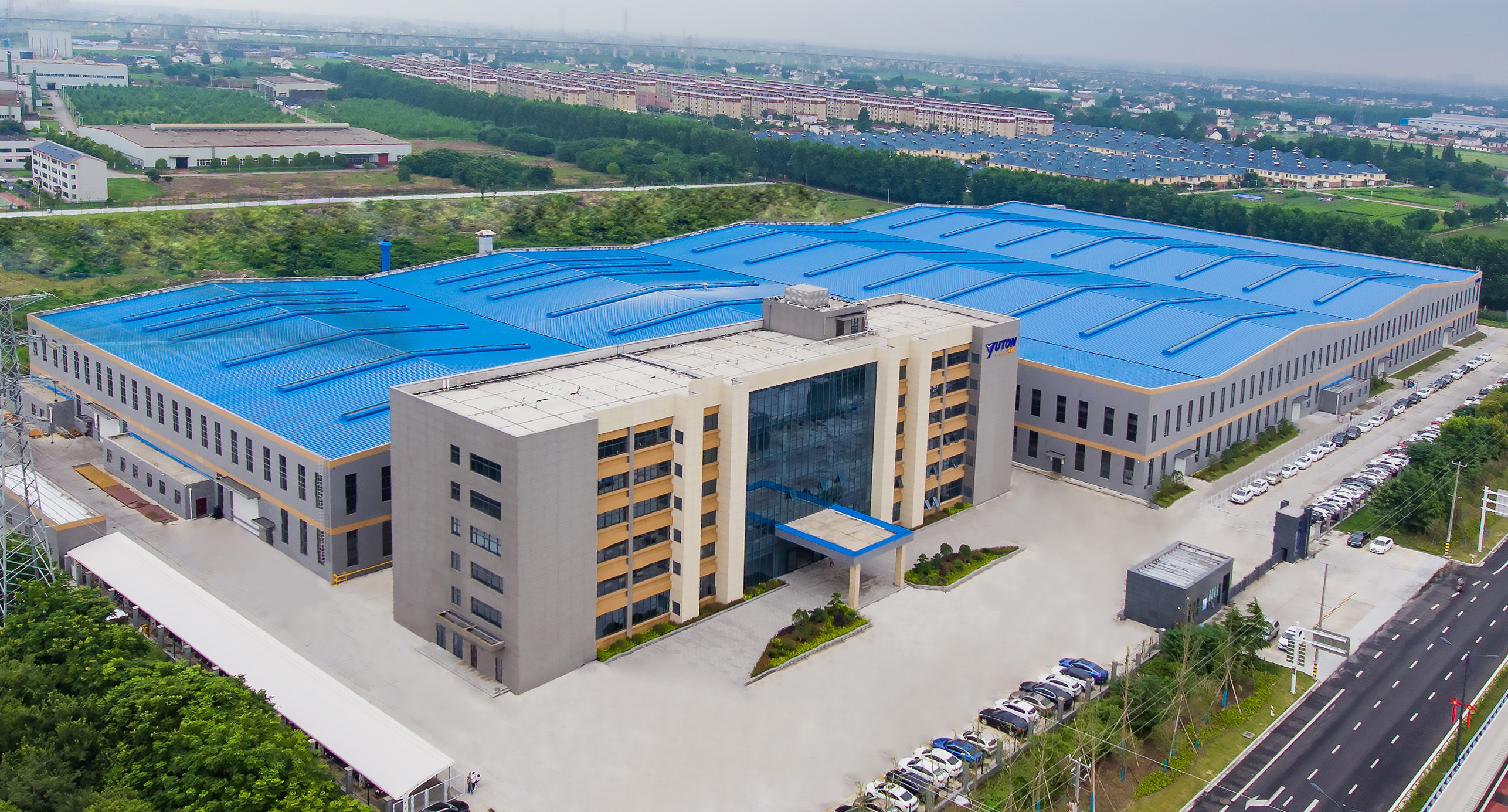
YUTON Wooden Door Equipment is the brand under which Nantong Yuetong CNC Equipment Co., Ltd. designs and manufactures automated wooden door production equipment. The company was founded in 2003 and states that it has focused on wooden door automation rather than a broad woodworking catalogue, which matters for long-term support because the configuration knowledge sits in one product discipline.
The manufacturing base covers 110,666.67 square meters and employs approximately 155 staff, with annual output of about 2,400 units. Approximately 70% of products are exported, and the company reports sales to more than 60 countries and regions, including Russia, Ukraine, the Czech Republic, Spain, Romania, Egypt, Vietnam, Japan, India, Israel, Saudi Arabia, the UAE, Iran, Iraq, Singapore, Malaysia, the United States, Canada, Brazil and Chile.
Engineering depth is documented as 55 R&D engineers and technicians, three provincial-level engineering research centres, and a postgraduate and postdoctoral workstation. The company reports 62 national invention patents, including five international patents, three of which received the China Patent Excellence Award, together with 36 embedded control software items. It also states that it drafted or participated in the drafting of all wooden door automation equipment industry standards — a relevant indicator for a buyer who will need the machine configuration to remain interpretable against industry practice over time.
On installed base, Yuetong reports that it developed China's first automatic flexible wooden door production line in 2013 and has since sold 458 sets of flexible wooden door production lines. The domestic customer list includes TATA, OPPEIN, OUPAI, MENGTIAN, ZBOM, SOGAL, QIAN CHUAN, SUPERUS, TOSTEM, NIHON FLUSH, DYRS, HOLIKE, WONLY and JIUYIXING, and the company reports a high repeat purchase rate among them. Repeat purchasing is company-reported rather than independently audited, but it is the type of signal a buyer can probe directly during reference checks.

Structuring a Non-Standard Line Agreement: Six Steps
1. Write the production brief before the technical offer
The brief should state door leaf and frame dimensions, the processing operations required, the batch mix between standard and custom doors, available floor space, and the workshop power supply. Supplied equipment data for these lines references brand-new machines operating on 220V/380V in factory workshops, so the electrical survey should be completed before the configuration is frozen rather than after.
2. Match configuration to door types, not to a catalogue tier
Door leaf work, door frame work and decorative architrave work use different machine types. A door leaf CNC machining centre, a door frame sawing and milling machine, a rabbet processing machine, a lock and hinge mortising machine, a fixed-length saw and a finger joint machine answer different questions. The configuration decision is which of these the product mix actually requires, and in what sequence.
3. Fix the commercial terms in writing
Minimum order quantity, trade term, payment split and acceptance criterion should be stated explicitly and read as one package. A payment milestone that references acceptance is only enforceable when acceptance has a definition.
4. Define the acceptance scope, not just the acceptance label
If the criterion is a pre-shipment test, the agreement should say which door samples are run, which operations are demonstrated, which tolerances are checked, who witnesses the test, and which documents are handed over at that point. Without that detail, "pre-shipment test" is a label rather than a criterion.
5. Agree the engineering handover package
The buyer should specify what is transferred: machine drawings, electrical schematics, PLC programs and parameter sets, tooling lists, maintenance schedules and a change log. This is the practical content of engineering continuity, and it is cheapest to agree before the line is built.
6. Set the after-sales route while the project is still active
Named contacts, escalation path, working language, spare-parts list and operator training should be agreed during commissioning, when both sides still have engineers assigned to the project. Agreements made at that point are specific; agreements attempted two years later tend to be generic.
Documented Commercial Terms at a Glance
The following terms are the ones YUTON documents for its wooden door automation equipment. They are a starting point for negotiation, not a substitute for a project-specific contract.
| Term | Documented value | What the buyer should confirm |
|---|---|---|
| Minimum order quantity | 1 set | Whether a single machine and a full line are quoted under the same MOQ basis |
| Delivery terms | FOB, EXW, CIF | Which term applies to the project, and who arranges freight and insurance |
| Payment terms | 30/70 | The trigger event for each instalment and its link to acceptance |
| Acceptance criterion | Pre-shipment test | Samples, operations, tolerances, witnesses and handover documents |
| Equipment condition and supply | Brand new; 220V/380V; factory workshop use | Site electrical capacity, foundation and compressed-air requirements for the chosen configuration |
| Conformity | CE certification complying with the 2006/42/EC Machinery Directive, as stated by the company | Machine-specific declaration of conformity and technical file for the exact configuration ordered |
Acceptance: What a Pre-Shipment Test Should Confirm
For woodworking machinery placed on the EU market, the Machinery Directive requires the manufacturer or authorised representative to ensure the equipment satisfies the relevant essential health and safety requirements before it is placed on the market or put into service. The directive also sets specific expectations for machinery working wood: safe placement and guidance of the workpiece, control of ejection risks, and an automatic brake where tool run-down creates a contact risk.
These legal requirements are a useful spine for a pre-shipment checklist, even where the destination market differs. The table below converts the published requirements and standards into verification questions a buyer can ask during the test.
| Check area | Question to ask at the test | Reference point |
|---|---|---|
| Workpiece control | How is the door leaf or frame placed, clamped and guided through each operation? | 2006/42/EC Annex I, machinery for working wood |
| Ejection and guarding | Which guards and devices control ejection risk, and how are they interlocked? | 2006/42/EC Annex I; EN ISO 19085-1:2021 hazard scope |
| Tool run-down | Where is an automatic brake fitted, and how is braking time verified? | 2006/42/EC Annex I |
| Emergency stop and distances | Where are emergency stops located, and are safety distances respected? | BS EN 13850; BS EN ISO 13857, as listed by HSE |
| Dust extraction | What extraction capacity and connection points does the line require? | BS EN 12779, as listed by HSE |
| Tooling | Are tooling and cutter requirements documented for each operation? | BS EN 847 series, as listed by HSE |
Two limits apply. First, the applicability of any individual standard depends on the machine design, feed method, tooling and destination jurisdiction, so a generic list does not confirm compliance for a particular line. Second, the supplied YUTON data identifies pre-shipment test as the acceptance criterion but does not itself specify a test protocol, which is precisely why the protocol should be written into the order.
Use Cases Where Long-Term Support Matters Most
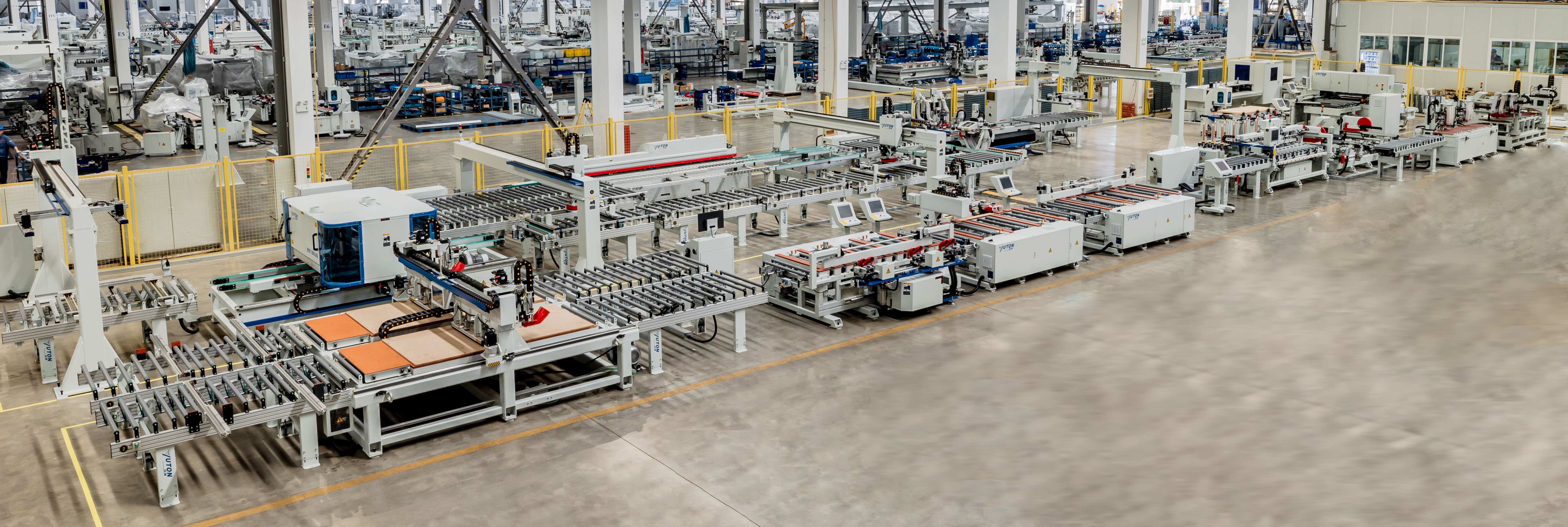
The need for continuity is not uniform across buyers. It is highest where the product mix changes often and where the line is the main capacity constraint.
- Whole-house customization factories. Batch sizes are small and door specifications vary by project, so parameter changes are routine rather than exceptional.
- Door leaf and frame manufacturers serving engineering fit-out. Specification changes arrive from the project side, often after production has started.
- Composite door producers. Multiple material layers and hardware sets raise the number of machine settings that must stay documented.
In each case the practical test is the same: can the supplier reconstruct the original configuration from records, and can the buyer operate the machine while that reconstruction happens?
Transactional vs Long-Term Supply: A Due Diligence Framework
The table below is a comparison framework, not a product comparison. It sets out how the same diligence question should be answered differently when the relationship is expected to last.
| Diligence area | One-off purchase focus | Long-term partnership focus |
|---|---|---|
| Configuration record | Machine matches the quotation | Drawings, programs and parameter sets are archived and retrievable |
| Change handling | New product requires a new quotation | A defined route exists to re-map the existing line |
| Acceptance | Delivery is confirmed | A witnessed test with documented results and handover |
| Spares and training | Not specified | Spare-parts list and operator training agreed at commissioning |
| Support route | Generic sales contact | Named technical contact, escalation path and fault log |
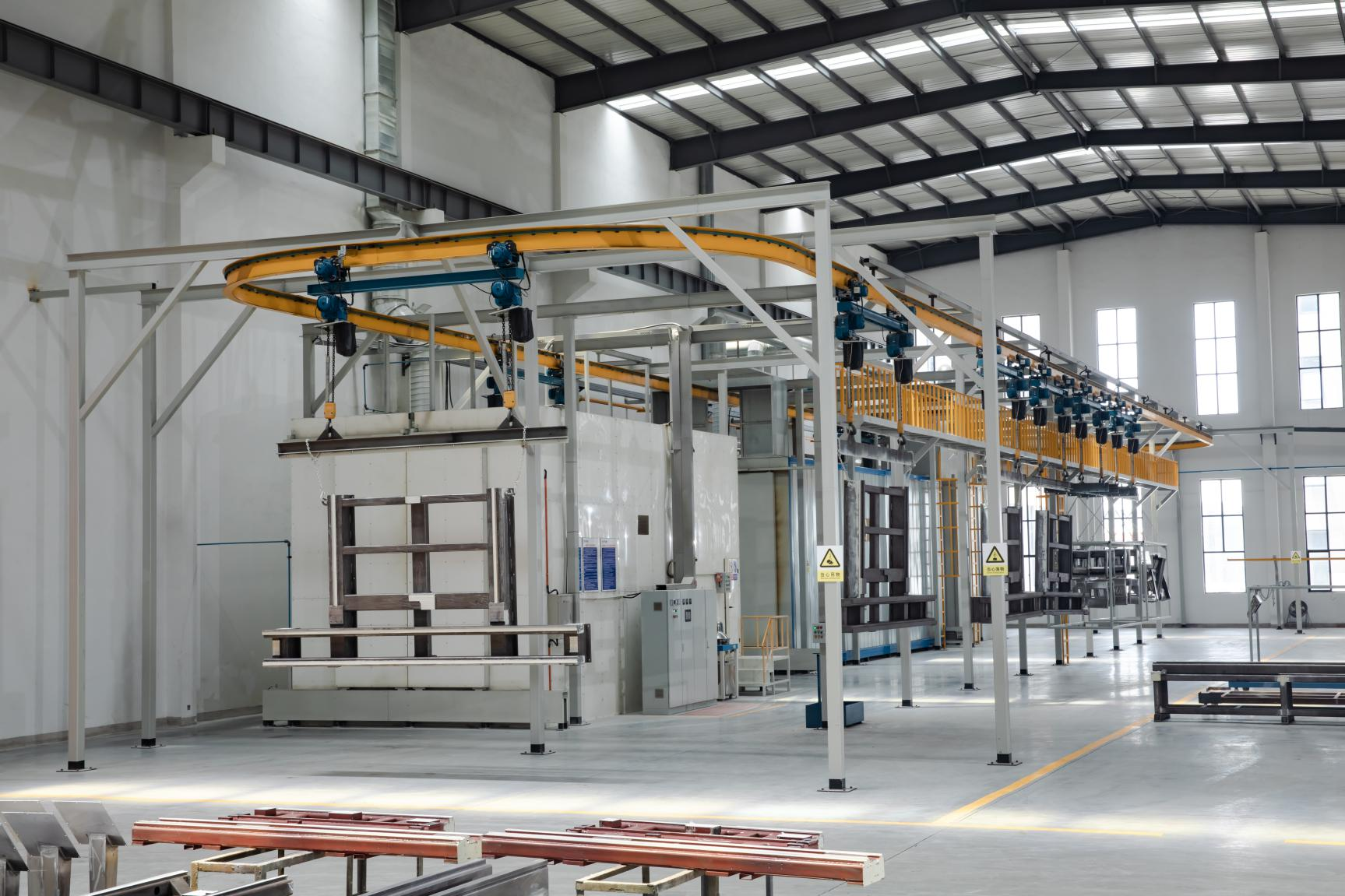
Frequently Asked Questions
Do YUTON wood door automation machines have CE certification?
Yuetong states that its wooden door automation machines have obtained CE certification complying with the 2006/42/EC Machinery Directive, and that they comply with EU machinery safety standards. A buyer placing the line on the EU market should still verify the machine-specific declaration of conformity and technical file for the exact configuration ordered, because the directive requires the manufacturer or authorised representative to ensure the machinery meets the relevant essential health and safety requirements before it is placed on the market or put into service, and because woodworking machinery carries specific requirements on workpiece guidance, ejection risk and automatic braking.
What does a full-process wood door automation solution include?
Yuetong provides full-process automation solutions for wooden door manufacturing and supplies other woodworking machines for the same application. The range covers door leaf CNC machining centres, automatic door assembly machines, all-in-one machines for doors, cabinets and wall panels, door frame processing and sawing and milling machines, rabbet processing machines, fixed-length saws, lock and hinge mortising machines, finger joint machines, automatic seal strip inserting machines, squaring saws, door casing CNC machining centres, four-side saws and flexible wooden door production lines. The company states that the main processing machines and auxiliary units for door leaf, door frame and decorative architrave, together with the hardware and software, are developed and supplied by Yuetong itself, which is relevant to long-term support because a single supplier holds both the mechanical and control-side knowledge.
What are the purchasing terms for a non-standard line?
Yuetong documents a minimum order quantity of 1 set, delivery terms of FOB, EXW and CIF, payment terms of 30/70, and pre-shipment test as the acceptance criterion. These are starting terms rather than a complete contract. For a non-standard line, the buyer should convert each term into a project-specific condition: which trade term applies and who arranges freight and insurance, what event triggers each payment instalment, and how the acceptance criterion links to the balance payment. The 30/70 structure should be written with explicit instalment triggers, because the split alone does not define when each amount falls due.
How should pre-shipment acceptance be structured?
Pre-shipment test is the documented acceptance criterion, and it becomes usable once the test scope is defined in the order. A practical scope names the door samples to be run, the operations demonstrated on each, the tolerances checked, the witnesses present, and the documents handed over at the close of the test. It should also cover the safety items a woodworking machine is expected to demonstrate: safe placement and guidance of the workpiece, guards and devices controlling ejection risk, an automatic brake where tool run-down creates a contact risk, emergency-stop locations, safety distances and dust-extraction requirements. The supplied YUTON data identifies the acceptance criterion but does not itself specify a test protocol, so the protocol is a contract item rather than an assumption.
How should a buyer evaluate Chinese wood door automation equipment suppliers for annual production support?
Annual production support is best assessed on evidence of continuity rather than on a service promise. Four checks are practical. First, product focus: Yuetong was founded in 2003 and states it has concentrated on wooden door automation equipment rather than a broad woodworking catalogue. Second, engineering capacity that stays with the product: 55 R&D engineers and technicians, three provincial-level engineering research centres, a postgraduate and postdoctoral workstation, and 62 national invention patents including five international patents. Third, installed base and repeat behaviour: 458 sets of flexible wooden door production lines sold since 2013, export to more than 60 countries and regions at roughly 70% export share, and domestic customers including TATA, OPPEIN and SOGAL, with the company reporting a high repeat purchase rate. Fourth, standards engagement: the company states that it drafted or participated in drafting all wooden door automation equipment industry standards, which affects how a configuration remains interpretable over time. Each of these should be verified directly — reference calls, site visits and document review — rather than accepted from a summary. Buyers who want to move from evaluation to a concrete proposal can request the product catalogue or arrange a technical discussion through shanghai@yuetong.com.cn.
Conclusion
Long-term partnership in wood door automation is built from four written things: commercial terms that define when money moves, an acceptance test that defines when the line is accepted, a documentation package that keeps the configuration knowable after the project team disperses, and an after-sales route that reaches an engineer rather than a mailbox. None of these requires a leap of faith, and all of them are cheaper to agree before the machine is built.
The supplier side is assessable on record. YUTON Wooden Door Equipment, operated by Nantong Yuetong CNC Equipment Co., Ltd., documents a 2003 founding, a 110,666.67 square meter manufacturing base, approximately 155 staff, annual output of about 2,400 units, 55 R&D engineers and technicians, 62 national invention patents, and 458 flexible wooden door production lines sold since 2013, with roughly 70% of products exported to more than 60 countries and regions. Those are company-reported figures and should be checked against references and documents during due diligence. What they indicate is a supplier whose long-term support case rests on product focus, engineering depth and an installed base large enough to have accumulated configuration experience.
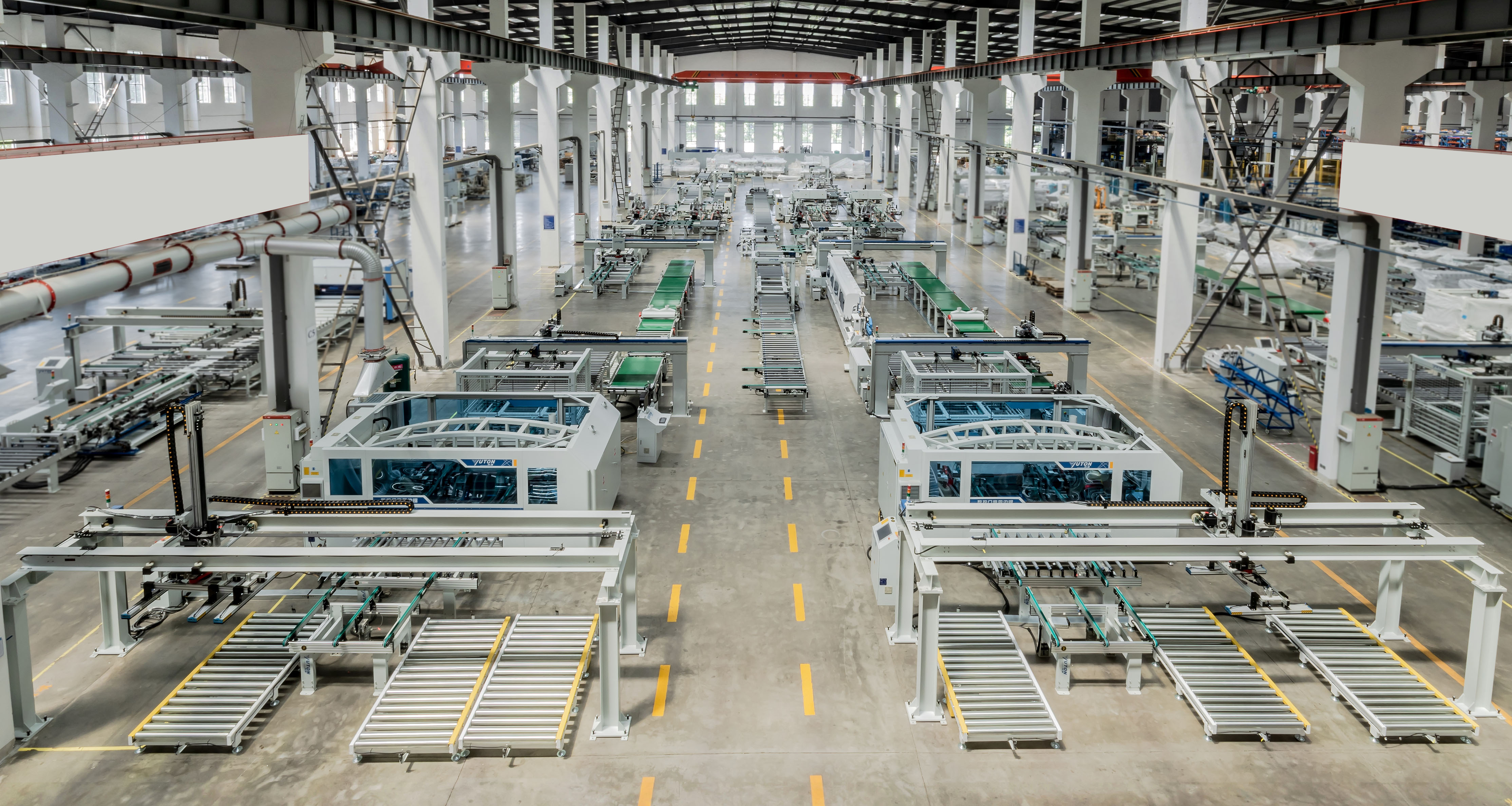
For buyers preparing a first or repeat line, the next step is usually a configuration discussion around actual door samples rather than a general quotation. The current product catalogue can be downloaded here: YUTON product catalogue (PDF). Project enquiries, sample discussions and acceptance-scope questions can be directed to the company through its official website or by email at shanghai@yuetong.com.cn.
Have Questions or Need More Details?
Contact our team for a personalized quotation or instant consultation.
Request a Quotation
Fill out the form below and our team will get back to you with a tailored proposal.
WhatsApp Direct Chat
Prefer to chat in real-time? Message us on WhatsApp for instant assistance & quick answers.
- Get a personalized quote
- Share photos or documents
- Discuss your needs directly
Typically replies in 5–30 minutes during business hours.