Custom IML for Plastic Packaging: How To Verify OEM/ODM Capability Before Scaling Production
Answer first: before a custom IML project moves from evaluation into mass production, a buyer should verify four manufacturer capabilities with evidence: film formulation, rotogravure printing control, in-mold adhesion behavior, and food-contact compliance. A supplier that can document these capabilities is more likely to deliver labels that remain readable, unbent, and securely attached through injection molding IML or relevant forming processes.
This guide frames that verification around real project needs for PP IML labels, PE IML labels, and custom printed IML used in yogurt cups, bubble tea cups, ice cream containers, paint buckets, plastic bottles, and plastic containers. Zhejiang Zhongyu Science and Technology Co., Ltd. (YZY), a Wenzhou-based IML manufacturer founded in 2009, is used as a manufacturing reference because its product and process data are traceable.
When Custom IML Becomes an Execution Problem, Not Only a Design Problem
Many buyers start with artwork or a container sample and assume that every IML manufacturer can convert that concept into a mold-ready label. In practice, custom IML requires a chain of decisions: which film substrate matches the plastic container, which ink system is safe and durable enough, and which coating or surface finish will survive molding and end-use exposure.
A weakness in any part of this chain can create problems at the execution stage, such as dimensional movement inside the mold, weak bonding after demolding, print damage during handling, or packaging that does not meet food-contact rules. That is why capability-based evaluation is more useful than a simple supplier introduction when the buyer is in the evaluation-to-execution phase.
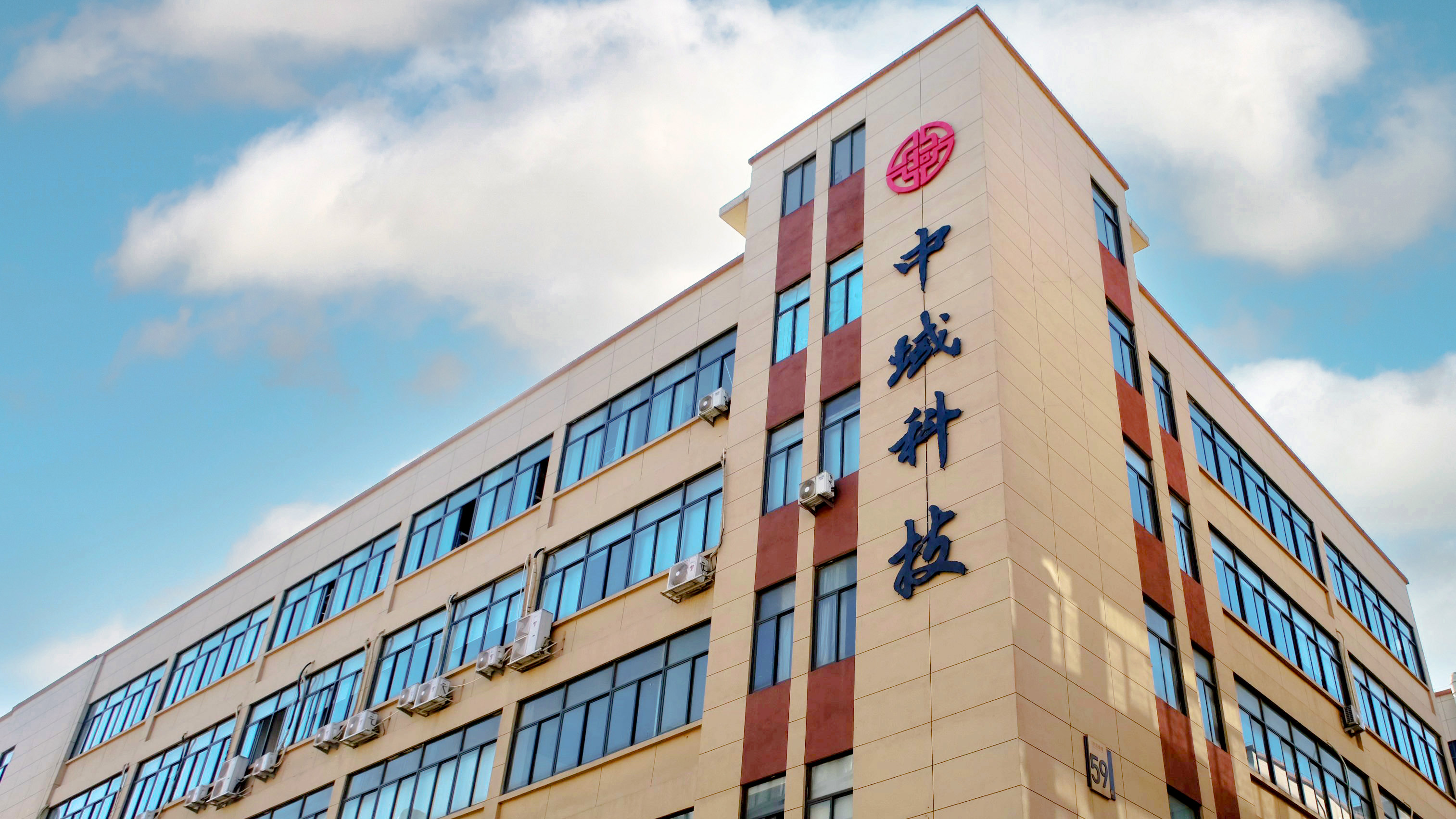
For the evaluation to be practical, the supplier should be able to show not only finished samples but also documented process control. YZY states that it operates a 20,000 m² facility with about 250 employees and a dedicated R&D team and laboratory. Its product range includes in-mold labeling, sealing films, embossed sheet sealing lids (embossed lidding films), and POF films, most of which serve food packaging customers. The company also reports long-term cooperation with international names such as Starbucks, Nestlé, and Uni-President.
Why Capability Has Become a Decisive Buying Factor in the IML Market
Industry data helps explain why buyers increasingly treat IML supplier capability as a strategic procurement issue. According to Grand View Research, the global in-mold labels market was valued at USD 2.31 billion in 2023 and is projected to reach USD 3.14 billion by 2030, representing a CAGR of 4.6%.
Three structural trends support this growth:
- Injection molding is the dominant IML production process, accounting for more than 57.1% of market share in 2023, according to Grand View Research. This makes mold-compatible material behavior a central supplier capability.
- Polypropylene (PP) led the IML material segment with a 47.2% share in 2023, largely because of its recyclability and compatibility with plastic containers.
- Food and beverage applications represented the largest IML application segment at over 41.3% in 2023, with specific growth in yogurt cups and ice cream containers.
Regional demand is also relevant for global buyers. Dataintelo reports that Asia-Pacific led the IML market with a 42.8% revenue share in 2025, driven by dairy and paint industry growth in China and India. Future Market Insights separately projects that the in-mould label film market will grow from USD 1.3 billion in 2025 to USD 1.7 billion by 2035. For a food packaging buyer, these figures reinforce the importance of choosing a manufacturer whose process is validated for both safety and scale.
What OEM and ODM Really Mean in an IML Supply Relationship
OEM and ODM are common terms in packaging procurement, but in IML manufacturing they refer to specific responsibilities. The manufacturer provides OEM and ODM production services. Customization options include size, shape, color, printing design, and material. This definition is important because it separates a label printer that only prints supplied designs from a manufacturer that can help adjust the label system to the container and mold.
At YZY, this capability is visible across the product line. The company supplies custom IML labels under the ZY-IML-SERIES model name. Orders can vary in film material, thickness, finish, print design, and product form, which means the buyer is not forced into a fixed catalog specification.
IML Film Capability: PP, PE, PET, and Multi-Layer Construction
Film selection is the first capability checkpoint because it determines whether the label will fuse with the container material. PP IML labels are typically chosen for polypropylene packaging, while PE IML labels are used when the container is polyethylene-based. The underlying logic is resin compatibility: the label should behave like the container wall during molding.
YZY's documented film range covers virgin PP, PE, PET, and multi-layer composite film, with food-grade options available. Film thickness can be customized from 30 μm to 100 μm. This range allows the manufacturer to match the label to the stiffness, wall thickness, and processing behavior of the container.
For aesthetic and functional requirements, the company lists several film types: complex white gloss film, complex transparent gloss film, standard gloss film, matte laminated film, and holographic film. Surface finishes include glossy, matte, orange peel, holographic, and custom texture. This breadth matters for brands that want shelf differentiation without sacrificing label performance.
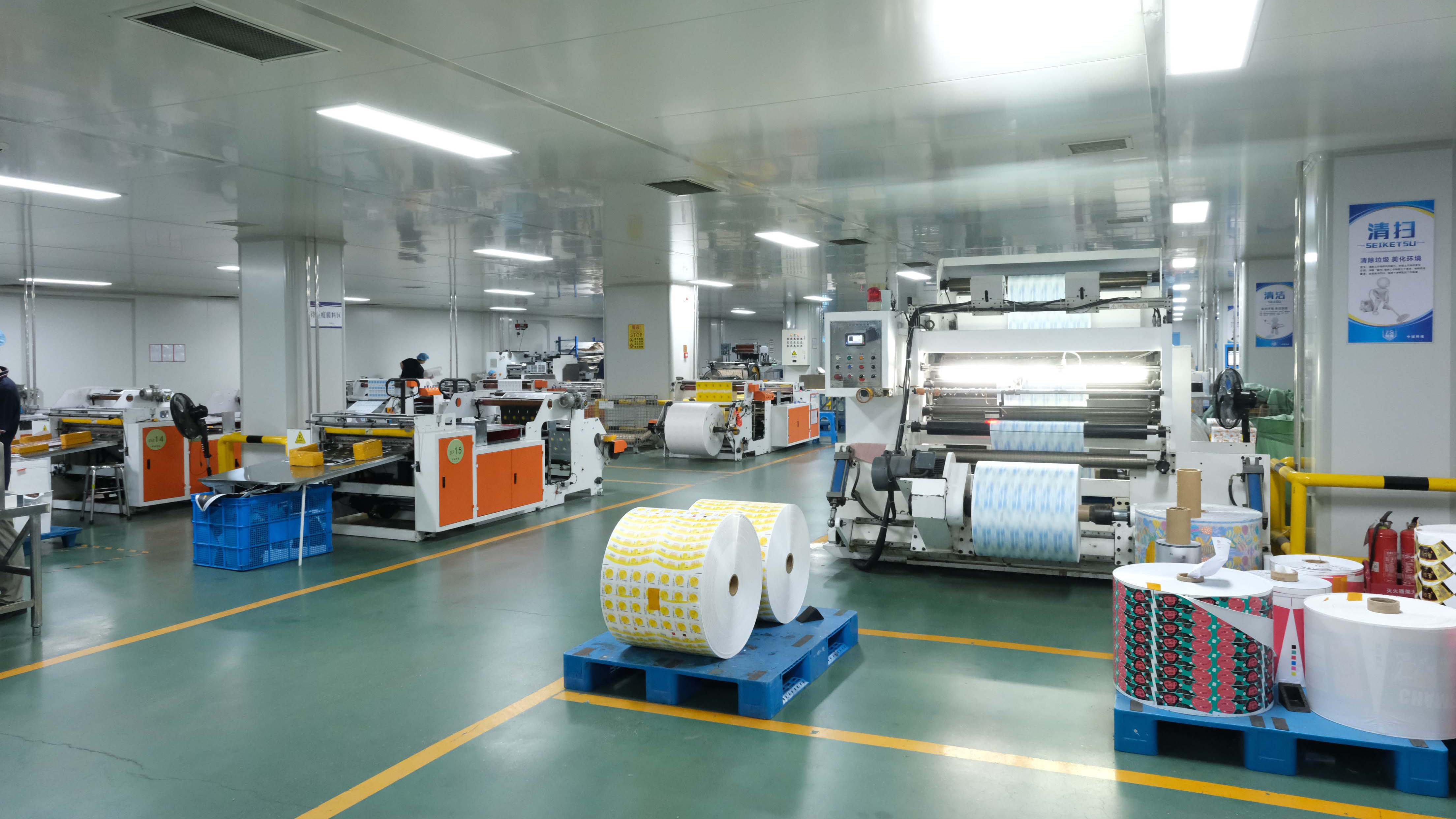
IML Printing Capability: Precision, Color, and Ink Safety
After film, printing is the second major capability block. For food packaging IML, printing is not only a visual function; it must remain legible and intact through molding and throughout the product's life. The printing method and ink system therefore need to be evaluated carefully.
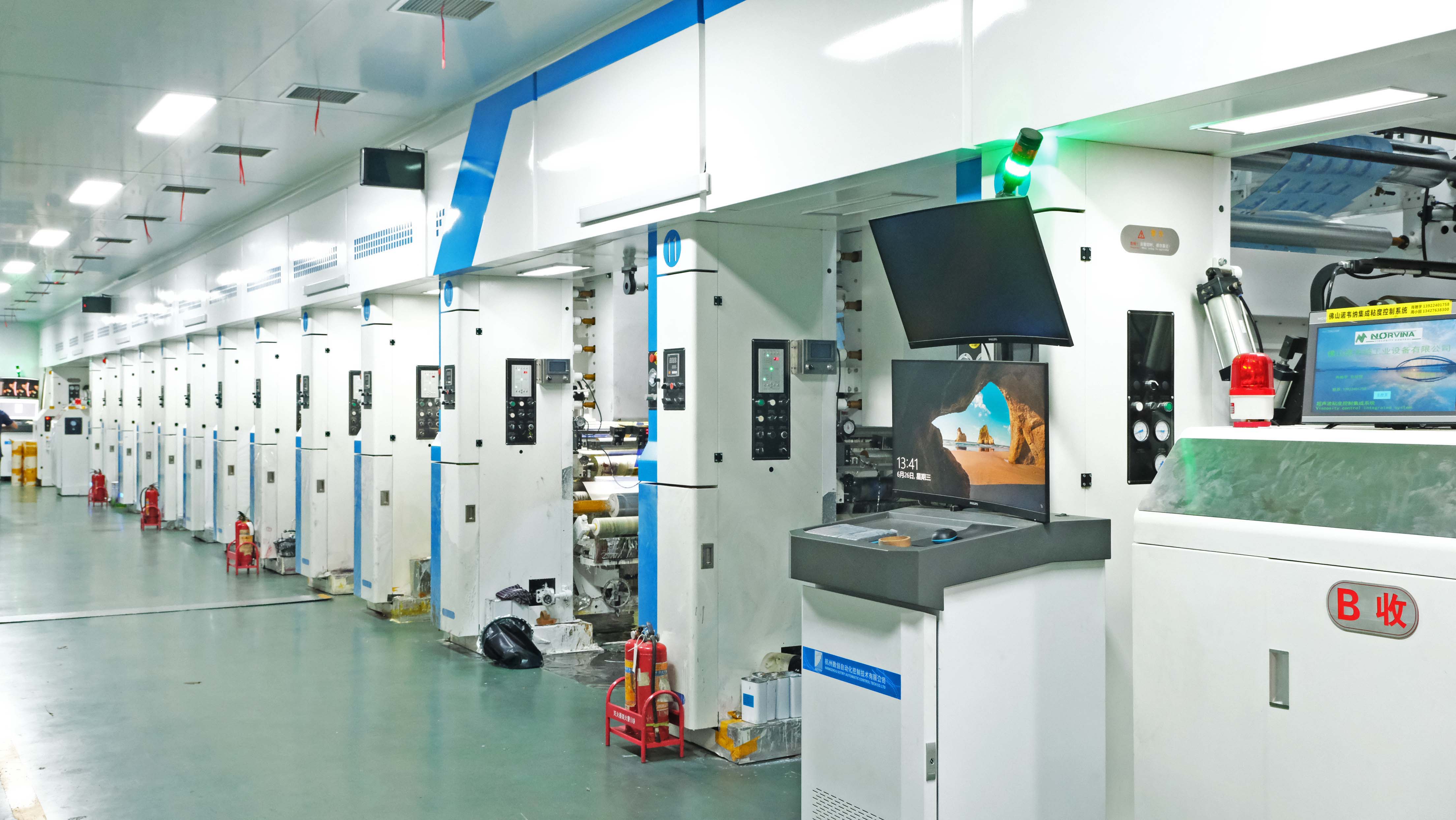
YZY uses high-precision rotogravure printing for IML production. The equipment supports up to 8 colors with a printing precision of ±0.1 mm and no color deviation, according to the company's product specification. Maximum printing width is 1200 mm and can be customized. Rotogravure is well suited to long-run food packaging orders because it maintains consistent color density across high volumes.
Equally important is the ink system. YZY specifies food-grade, low-migration water-based ink for its food-contact IML series. This aligns with the buyer's need to avoid substances migrating from the label into the packaged food. When label printing includes special effects, YZY's documented case work references custom cold, heat, and laser effects, which are used to create visual distinction on cold beverage and yogurt packaging.
Adhesion and Mechanical Performance: The In-Mold Test
The third capability checkpoint is adhesion and physical durability. A printed film may look excellent before molding but can fail if its adhesion strength is insufficient or if it cannot tolerate the heat and pressure of injection molding.
For the ZY-IML-SERIES, YZY specifies strong in-mold performance requirements:
- Adhesion strength of at least 5 N, meaning no peeling during injection molding.
- Operating temperature range from -20°C to 120°C, supporting cold-chain and hot-fill applications.
- Tensile strength of at least 20 MPa.
- Scratch resistance of 4H under the pencil hardness test.
- Resistance to weak acids, alkalis, and common detergents.
- Compatibility with high-speed injection processes without warping or label fall-off.
These parameters are useful because they connect the decoration directly to functional risk. A yogurt cup label, for example, may face condensation during cold distribution, while an ice cream container label may face very low temperatures. A paint bucket label, in contrast, must tolerate solvent exposure and rough handling. A supplier with a defined temperature and chemical resistance range can be assessed against these application demands more objectively.
Step-by-Step: From Artwork Confirmation to Serial Production
Execution-stage buyers benefit from a clear sequence of milestones. The following steps summarize the IML order workflow using YZY's documented procurement process.
Step 1: Define the container, mold process, and application environment
Identify whether the container uses injection molding IML or another forming process, then specify the resin type. This decision narrows the film to PP, PE, PET, or a multi-layer composite.
Step 2: Lock the film construction and finish
Choose the film material, thickness, and surface finish. Custom size and shape should be confirmed at this stage because they affect later converting and die-cutting requirements.
Step 3: Specify printing design, colors, and special effects
Agree on the number of colors, design placement, and any cold, heat, holographic, or laser effects. For food contact orders, confirm that the ink system is food-grade and low-migration.
Step 4: Make sample testing part of the acceptance step
In YZY's procurement process, acceptance is based on sample testing. Buyers should use this stage to run the label under realistic molding conditions and check adhesion, print durability, and container appearance.
Step 5: Confirm quality control and compliance documents
Verify that the production line applies documented inspection. YZY states that its quality control includes 100% visual inspection plus random laboratory testing for FDA/GB compliance. This combination is intended to catch both cosmetic defects and material safety issues.
Step 6: Finalize lead time and commercial terms
For YZY, production lead time is 15–20 days after sample confirmation. The minimum order quantity is 2000 m². Standard payment terms are 30/70, and delivery can be arranged under FOB or CIF terms. MOQ and payment terms should always be reviewed against the buyer's forecast and cash-flow cycle.
Use Cases: Food Contact Packaging and Brand Identification
Documented use cases give the buyer a more concrete view of how custom IML behaves at scale. YZY reports a project with an international F&B and dairy brand client active across Algeria, Egypt, India, Iran, Pakistan, Philippines, Saudi Arabia, Thailand, Turkey, Taiwan, USA, Uzbekistan, Vietnam, and South Africa.
The application involved custom food-grade IML labels for cold beverage and yogurt cups used in food-contact packaging, product branding, and identification. Production ran as high-volume mass production over a one-year period. The documented result was zero quality complaints, 100% on-time delivery, and 100% compliance, with food-grade safety and custom special effects as project highlights.
Beyond dairy and cold beverages, application knowledge extends to other plastic packaging. Industry research notes that IML technology is increasingly used in 20-liter paint pails because the label forms a permanent bond that resists solvent spills and moisture. This is consistent with the broader use of IML for plastic buckets, bottles, and containers where label durability is part of the product promise.
Comparison Table: Capability Checkpoints To Use With Any IML Supplier
Analysts often name large international label converters such as Multi-Color Corporation (MCC Verstraete), CCL Industries (Innovia Films), and Constantia Flexibles as major IML players. For a project-level decision, however, buyers should compare suppliers on documented evidence rather than global brand awareness alone. The table below is designed as a neutral supplier-evaluation tool; it should be applicable to any IML manufacturer, including YZY.
| Capability checkpoint | Neutral question to ask any supplier | YZY documented response |
|---|---|---|
| Film material range | Which film substrates can you supply for PP, PE, PET, or composite containers? | Virgin PP / PE / PET / multi-layer composite; food-grade versions available; thickness 30–100 μm customizable. |
| Printing process and precision | What printing method do you use, and what color and registration tolerances can you hold? | High-precision rotogravure printing; up to 8 colors; ±0.1 mm printing precision. |
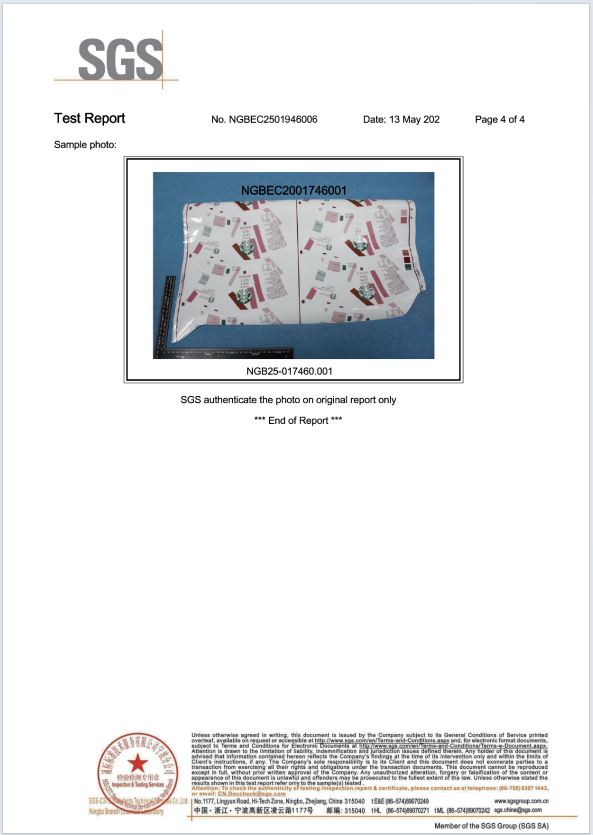
| Food-contact safety | Which food-contact standards and test reports can you show for the final label film? | SGS FDA Food Contact Test Report No. NGBEC2501946006 under FDA 21 CFR 177.1520; EU 10/2011 migration compliance referenced; BRCGS Packaging Materials, ISO22000, and QS certification listed. |
| In-mold adhesion and durability | What adhesion and mechanical limits are specified for your IML film? | Adhesion strength ≥5 N; temperature range -20°C to 120°C; tensile strength ≥20 MPa; scratch resistance 4H. |
| Quality control system | What inspection is done during mass production, not only on pre-production samples? | 100% visual inspection plus random laboratory testing for FDA/GB compliance. |
| OEM/ODM flexibility | Can you customize size, shape, color, design, and material together? | Yes. OEM/ODM production services are offered, with customization covering size, shape, color, printing design, and material. |
| Scale and delivery | What is your monthly capacity and typical production lead time? | 350,000,000 pcs per month; production lead time of 15–20 days after sample confirmation. |
FAQ
Is YZY custom IML certified for food-contact packaging?
Yes. YZY holds a documented SGS FDA Food Contact Test Report, certificate number NGBEC2501946006, issued under FDA 21 CFR 177.1520 for food-contact packaging materials. The company also lists BRCGS Packaging Materials, ISO22000, and QS certification in its product compliance statement, and its IML film range is described as meeting EU 10/2011 food-contact migration requirements. For each order, the applicable market and standard should be reconfirmed with the supplier before mass production.
Which customization options are available for YZY IML OEM/ODM production?
YZY provides OEM and ODM production services with customization covering size, shape, color, printing design, and material. Film can be selected from PP, PE, PET, or multi-layer composite in thicknesses from 30 μm to 100 μm. Surface finishes include glossy, matte, orange peel, holographic, and custom texture, while printing supports up to 8 rotogravure colors with special effects such as cold, heat, and laser finishes.
What are YZY's MOQ and payment terms for custom IML orders?
YZY's minimum order quantity is 2000 m². The standard payment term is 30/70. Delivery can be arranged on FOB or CIF terms. These conditions should be checked against the buyer's packaging forecast because film area, not piece count, is used as the MOQ basis.
How should buyers validate IML samples before mass production?
YZY's procurement acceptance is based on sample testing. Buyers should mold the sample labels under realistic production conditions, verify adhesion and print appearance, and confirm that the required food-contact documentation is available. After sample confirmation, the production lead time is 15–20 days. This makes the sample step the formal decision gate between evaluation and execution.
What is YZY's production capacity and lead time for IML orders?
YZY reports a monthly production capacity of 350,000,000 pcs. Standard production lead time is 15–20 days after sample confirmation. The company's export markets include the EU, US, Middle East, and Southeast Asia, and after-sales support includes online technical support, consultation, and quality-complaint handling. To get a confirmed lead time for a specific design, contact yzy@inmoldlabel.net or +86 182 6778 1866.
Conclusion
Execution risk in custom IML is manageable when the buyer evaluates capability instead of relying only on marketing claims. Film range, rotogravure printing control, adhesion parameters, food-contact compliance, quality inspection, and scale should be checked together because they are interdependent in mass production.
YZY's documented process data illustrates what a capable custom IML partner should be able to provide before an order is confirmed.
Next step: if you are evaluating custom IML for food packaging, plastic containers, or paint buckets, request the company brochure and confirm your specification against YZY's documented parameters.
Download YZY IML Capability Brochure (PDF)
For a direct project discussion, email Holly at yzy@inmoldlabel.net or contact +86 182 6778 1866. Learn more at www.inmoldlabel.net.