IML Specification: Certification, Film Parameters, and Constraints
A useful IML specification connects compliance requirements, film and printing parameters, and procurement constraints such as order size and lead time. Buyers in the research or evaluation stage are not only asking what in-mold labeling is. They are asking what evidence to check before committing to a supplier. This article turns those questions into a structured checklist, illustrated with documented facts from Zhejiang Zhongyu Technology Co., Ltd. (YZY) and its ZY-IML Series.
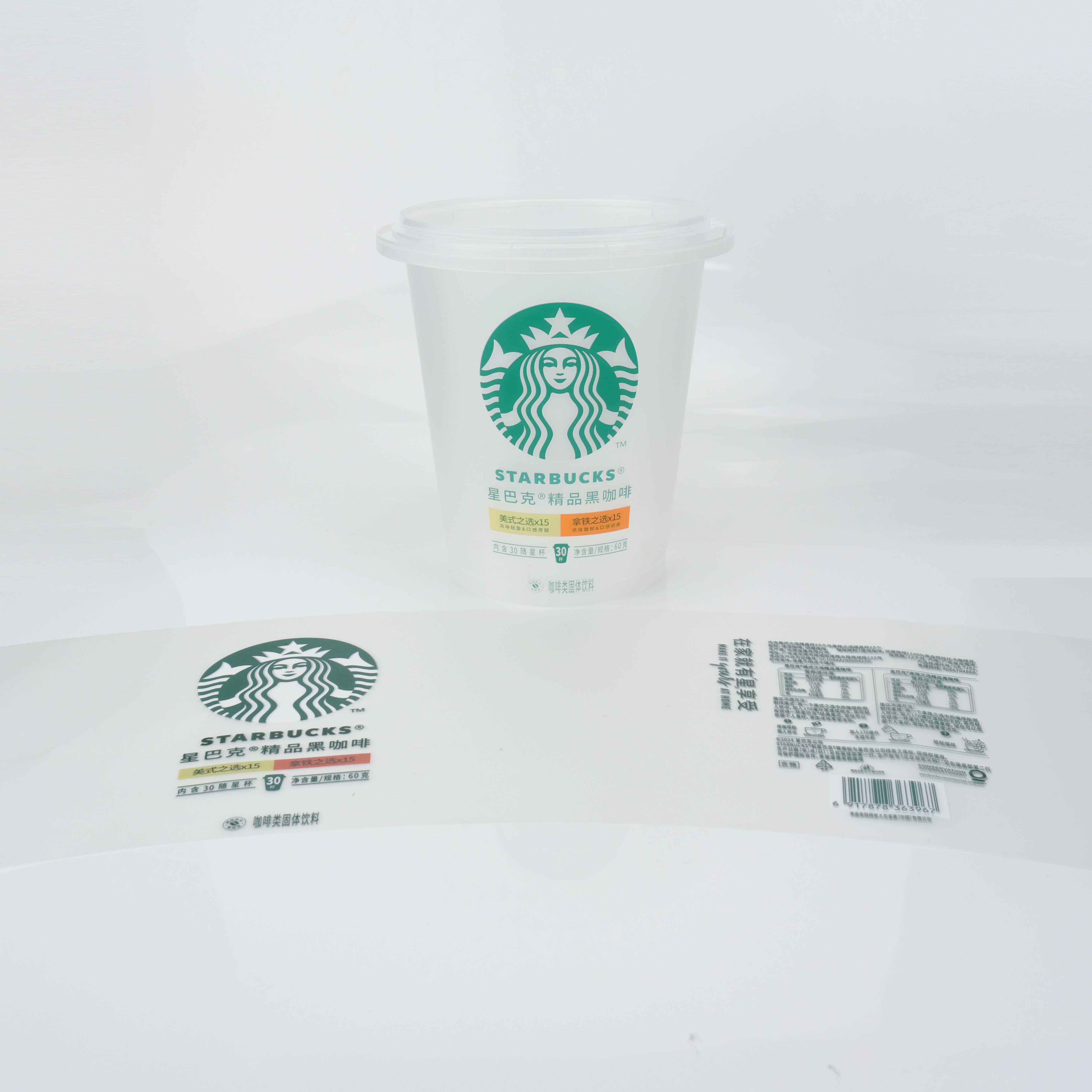
IML, or in-mold labeling, is a decoration process in which a preprinted label is placed in the mold before plastic resin is injected. The label fuses with the container wall during molding. For this reason, IML is commonly used for dairy cups, beverage cups, ice cream containers, paint buckets, and other plastic containers that need decoration that lasts for the life of the package.
Why an IML Specification Needs More Than a Design File
At the research and evaluation stage, many buyers start with a container drawing and a visual reference. That is useful but incomplete. An IML order can fail if any of these elements are not aligned:
- Food-contact compliance for the market where the filled package will be sold;
- Film material and thickness matching the molding process and the container resin;
- Printing precision and ink safety for branded artwork;
- Physical performance, including adhesion, temperature tolerance, and scratch resistance;
- Commercial constraints, such as MOQ, production capacity, and lead time.
Without a written specification, buyers often compare suppliers only on price or visual appearance. With a written specification, they can compare evidence, acceptance criteria, and documented process control.
Industry Background: Injection Molding, Food Packaging, and Compliance Pressure
At a broader level, Grand View Research estimates the global in-mold labels market at USD 2.31 billion in 2023 and projects USD 3.14 billion by 2030. Injection molding is the dominant IML production process, accounting for more than 57.1% of the market in 2023, according to the same research source. Food and beverage packaging represented the largest IML application segment, with over 41.3% of revenue in 2023. Polypropylene (PP) dominated the IML material segment with a 47.2% share in the same year.
In Asia-Pacific, the IML market accounted for 42.8% of global revenue in 2025, with growth linked in part to dairy and paint industries in China and India, according to Dataintelo. For an international buyer, this means many IML candidates are located in a region where rigorous documentation and export experience are important selection criteria.
Compliance expectations add another layer. In Europe, food contact materials are regulated under the framework of EU Regulation (EC) No 1935/2004. In the U.S. market, food contact evaluations are typically tied to FDA requirements. A certification report that names a specific standard and market is more actionable than a general food grade claim.
Detailed Solution: ZY-IML Series Parameters as Reference Values
Zhejiang Zhongyu Technology Co., Ltd., also known as YZY, is a manufacturer founded in 2009 and focused on in-mold labeling production. Its ZY-IML Series includes IML versions identified for food, daily chemical, and industrial end uses, such as Yogurt Cup IML, Paint Bucket IML, Bubble Tea Cup IML, Ice Cream Container IML, Plastic Bottle IML, Lubricant Bucket IML, and Cosmetic Container IML.
Buyers can use the documented ZY-IML Series parameters as a starting point for their own acceptance criteria:
- Film thickness: 30 to 100 microns, customizable.
- Film material: PP, PE, PET, or multi-layer composite laminated films. Food-grade virgin resin is available.
- Printing: up to 8 colors using high-precision rotogravure printing, with plus or minus 0.1 mm registration precision.
- Maximum printing width: 1200 mm.
- Ink: food-grade low-migration water-based ink.
- Adhesion: at least 5 N, with no peeling observed during injection molding.
- Tensile strength: at least 20 MPa.
- Scratch resistance: 4H by pencil hardness test.
- Temperature resistance: from minus 20 degrees Celsius to 120 degrees Celsius, suitable for cold chain and hot filling conditions.
- Chemical resistance: resistant to weak acids, alkalis, and common detergents.
- Film options: complex white gloss film, complex transparent gloss film, standard gloss film, matte laminated film, and holographic film.
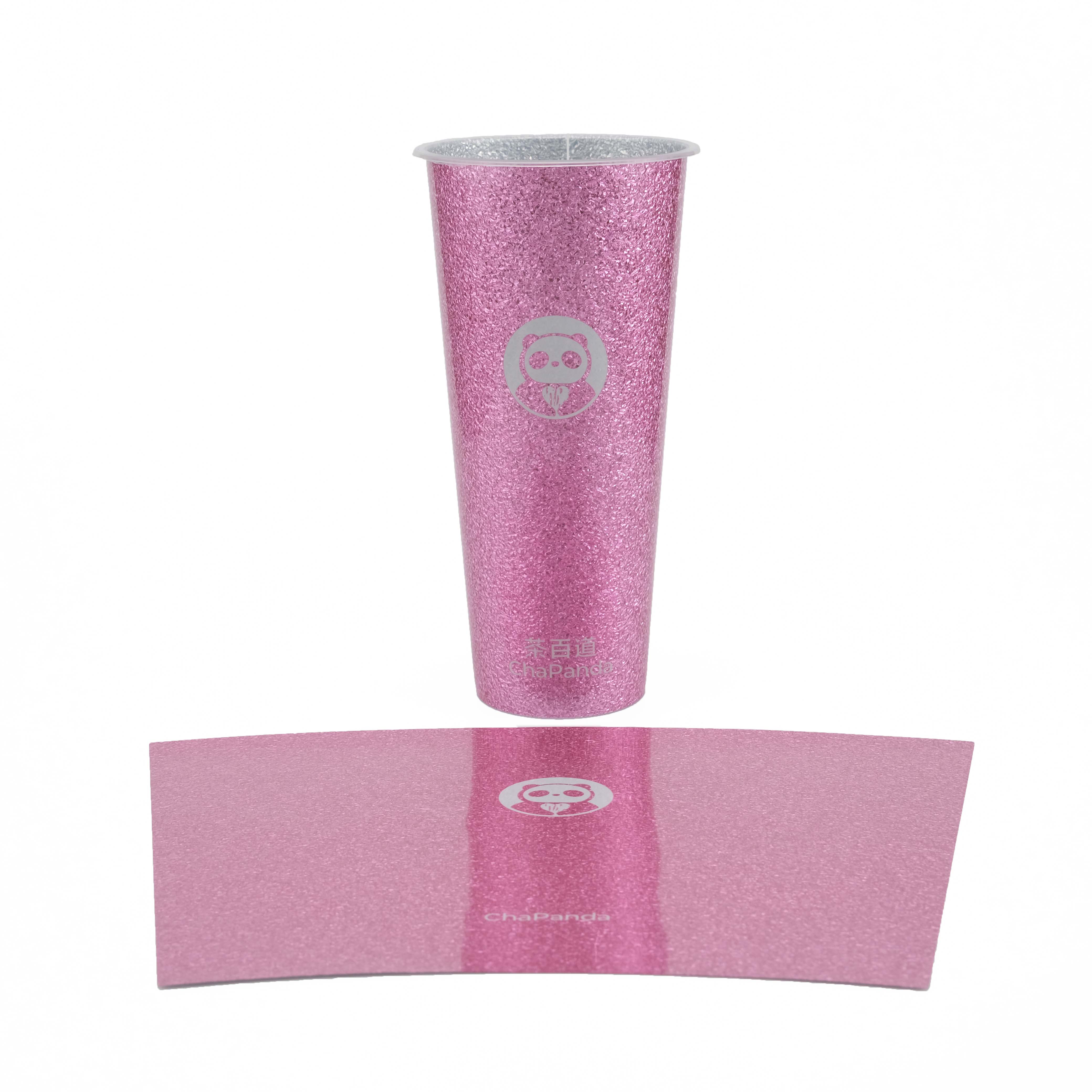
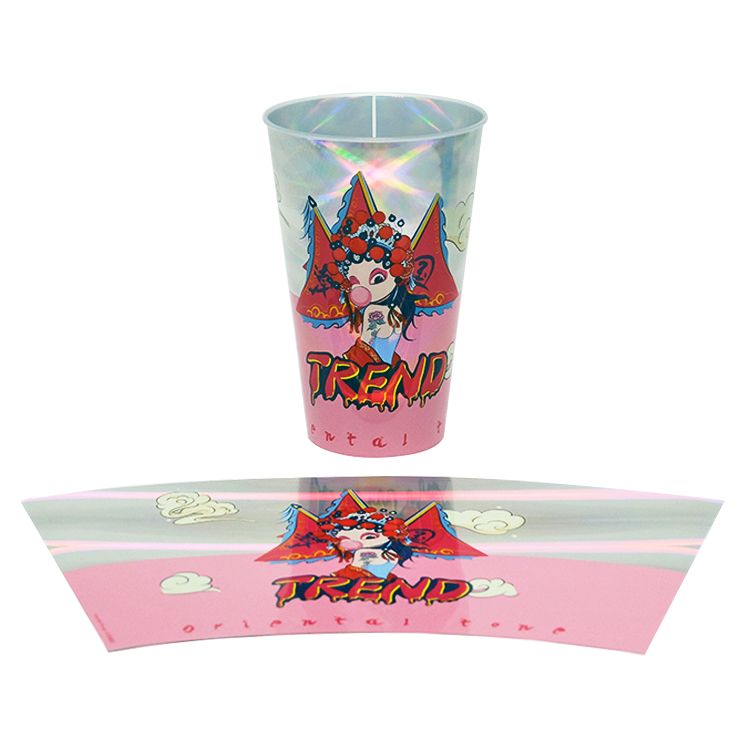
- Surface finishes: glossy, matte, orange peel, holographic, and custom texture.
On the compliance side, the product documentation states that the IML product is certified under FDA 21 CFR 177.1520 for food contact in the U.S. and North America market, based on an SGS report with certificate number NGBEC2501946006. The ZY-IML-SERIES also lists EU 10/2011 migration compliance, BRCGS Packaging Materials, ISO22000, and QS certification as part of its documented compliance profile. The company has passed QS, ISO, and BRC management system certifications and holds a total of 48 patents.
Step by Step: Build an IML Specification That Can Be Verified
Step 1. Define the container and molding process
Identify whether the container is injection-molded and what resin will be used. An IML label for a PP container normally works with PP label film; PE and PET films are also available, depending on the application and decorating requirement. In the ZY-IML Series, PP and PE are listed as standard materials for injection-molding applications, with PET and multi-layer composites available for other requirements.
Step 2. Set the compliance ceiling before choosing artwork
Food-contact packaging should start by identifying the target market. For the U.S. and North America, the evidence includes the SGS-issued FDA 21 CFR 177.1520 report. For EU-bound packaging, the buyer should expect migration documentation consistent with EU food-contact rules. Company-level certifications such as BRCGS Packaging Materials and ISO22000 give additional assurance that the supplier operates with formal management systems.
Step 3. Select the film structure and finish
Choose the film material and thickness based on the container resin, molding process, and visual target. If the container is filled cold and stored under refrigeration, temperature resistance should cover that range. If the package needs a clear window effect, a transparent film option is relevant. If the package needs opacity, a white film option should be specified.
Step 4. Define numerical performance values
Record minimum values in the specification rather than leaving performance as a subjective expectation. Meaningful starting values for an injection-molded IML can include adhesion strength of at least 5 N, tensile strength of at least 20 MPa, scratch resistance of 4H, and operating temperature from minus 20 degrees Celsius to 120 degrees Celsius.
Step 5. Set printing requirements
Describe the number of colors, registration tolerance, maximum printing width, and ink class. For food packaging, the ink should be suitable for food-contact use. YZY documents food-grade low-migration water-based ink and high-precision rotogravure printing with up to 8 colors and plus or minus 0.1 mm registration precision.
Step 6. Add a quality gate and sample confirmation
Custom printed IML should pass a sample confirmation step before mass production. YZY lists a lead time of 15 to 20 days after sample confirmation, and its quality control includes 100% visual inspection plus random lab testing with FDA and GB compliance checks.
Step 7. Review supplier evidence
Ask for certification numbers, film specifications, finishing options, capacity, MOQ, quality control procedures, and after-sales support. In YZY's documented capability profile, monthly capacity is 350,000,000 pcs, the MOQ is 2,000 square meters, and after-sales support includes online technical support, consultation, and quality complaint handling.
Use Cases and Proof
For food cups such as yogurt cups, cold beverage cups, and ice cream containers, the packaging is filled and stored under chilled or cold-chain conditions. The label should be able to maintain adhesion and decoration through production, distribution, and use. Food-grade film, low-migration ink, and a documented cold-chain temperature range are directly relevant parameters.
For industrial and daily chemical buckets, including paint buckets and lubricant buckets, IML is selected because the label is fused into the container during molding. The label therefore becomes part of the container rather than a printed layer applied after molding.
For cosmetic containers and personal care bottles, the visual finish often matters as much as durability. Matte, glossy, holographic, orange-peel, and custom-texture options allow the specification to match the brand image while keeping the same structural performance.
In one reported project with an international food, beverage, and dairy brand, YZY supplied custom food-grade IML labels for cold beverage and yogurt cups used by injection factories. The project ran for one year in high-volume production. Reported results were 0 quality complaints, 100% on-time delivery, and 100% compliance. Food-grade safety and custom special effects were highlighted as key project capabilities.
The operating requirement for such food packaging projects is typically food-contact safety with FDA or GB compliance, non-toxic materials, and careful control from film selection to finished-label inspection.
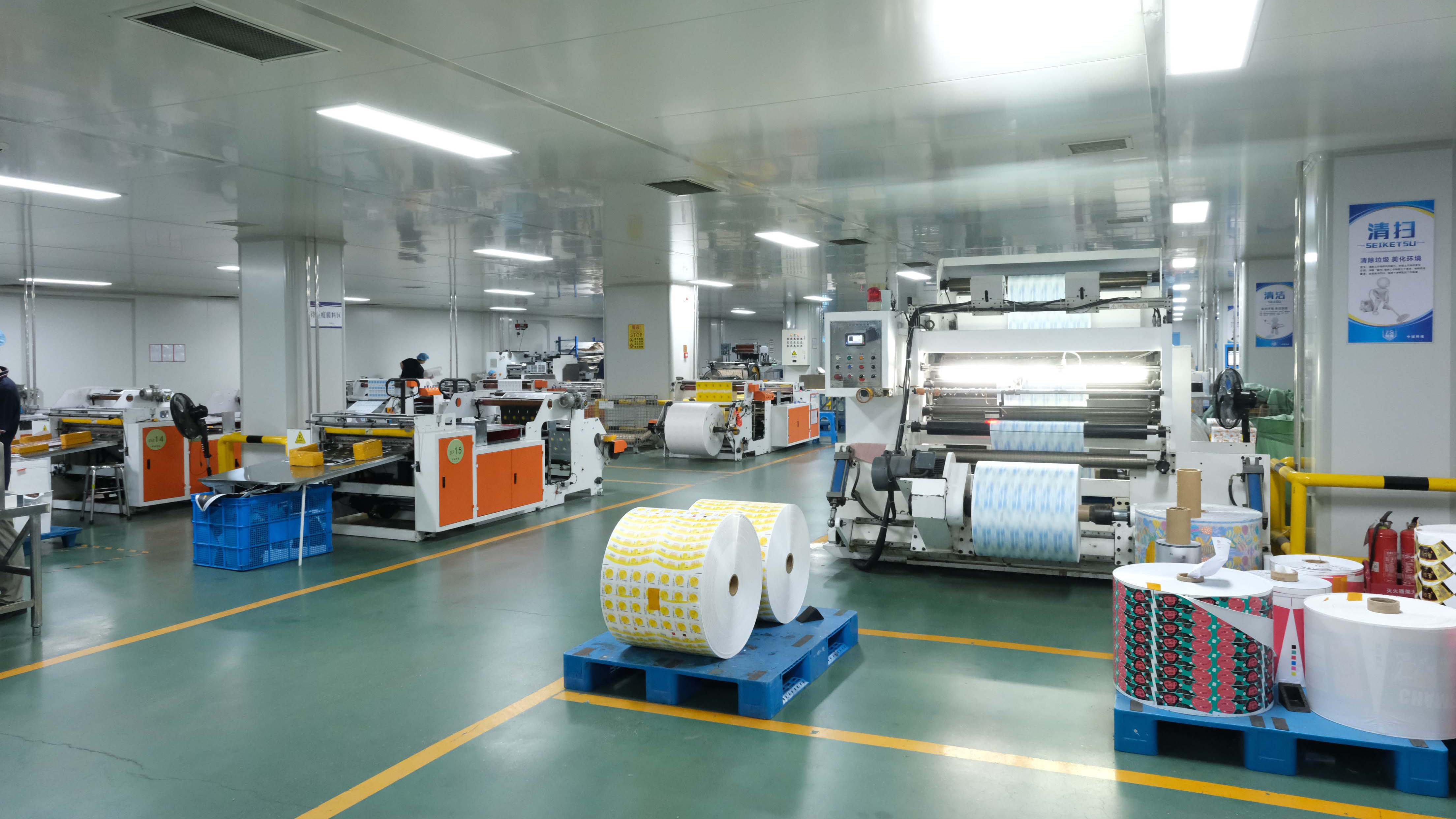
Buyer Requirement Checklist vs Documented Evidence
The table below converts common buyer requirements into objective verification points. The evidence column uses YZY's documented product and production facts.
| Buyer requirement | What to verify | Documented YZY evidence |
|---|---|---|
| Food-contact compliance for the U.S. market | Issuing authority, certificate number, applicable standard, market | SGS report number NGBEC2501946006; FDA 21 CFR 177.1520 compliance for the U.S. and North America market |
| Company-level quality management | Management system certifications and accumulated manufacturing knowledge | QS, ISO, and BRC certifications; total of 48 patents |
| Film material and format | Available resins, thickness range, width, film construction | PP, PE, PET, or multi-layer composite; 30 to 100 microns; max printing width 1200 mm |
| Printing and ink safety | Printing method, color count, registration tolerance, ink type | High-precision rotogravure printing; up to 8 colors; plus or minus 0.1 mm; food-grade low-migration water-based ink |
| Physical performance | Adhesion, tensile strength, scratch resistance, temperature range, chemical resistance | Adhesion at least 5 N; tensile strength at least 20 MPa; 4H scratch resistance; minus 20 degrees Celsius to 120 degrees Celsius; resistant to weak acids, alkalis, and common detergents |
| Production capacity and lead time | Monthly output, sample confirmation process, production lead time | Monthly capacity of 350,000,000 pcs; lead time of 15 to 20 days after sample confirmation |
| Quality control and after-sales support | Inspection method, lab testing, complaint handling | 100% visual inspection plus random lab testing with FDA and GB compliance checks; online technical support, after-sales consultation, and quality complaint handling |
These documented values are intended as reference criteria for a procurement specification, not as a substitute for project-level testing.
Frequently Asked Questions About IML Specifications
Is YZY's IML certified for food contact in the United States?
Yes. YZY's IML, or in-mold label, product for the U.S. and North America market is covered by a food-contact test report issued by SGS under certificate number NGBEC2501946006. The report confirms compliance with FDA 21 CFR 177.1520 for food-contact materials. The ZY-IML-SERIES is also documented as meeting EU 10/2011 migration requirements.
What film and printing options can be customized for an IML project?
Buyers can specify PP, PE, PET, or multi-layer composite films with thicknesses from 30 to 100 microns. Printing is high-precision rotogravure with up to 8 colors, plus or minus 0.1 mm registration precision, and a maximum width of 1200 mm. Available film types include complex white gloss, complex transparent gloss, standard gloss, matte laminated, and holographic film. Surface finish options include glossy, matte, orange peel, holographic, and custom texture.
What is YZY's MOQ for custom IML labels?
YZY's documented MOQ for custom IML is 2,000 square meters. Before mass production, a sample confirmation stage is used. After sample confirmation, the production lead time is 15 to 20 days.
Why is sample confirmation part of IML quality control?
Sample confirmation allows the buyer to verify print design, color matching, size, film formulation, and performance before mass production begins. YZY applies 100% visual inspection plus random lab testing to finished products. For custom food-grade labels, sample approval also documents that the chosen label version matches the purchase specification.
What lead time and capacity can a buyer expect for high-volume IML orders?
YZY documents a monthly capacity of 350,000,000 pcs and a production lead time of 15 to 20 days after sample confirmation. In one high-volume international food, beverage, and dairy brand project, delivery performance was reported as 100% on time with 0 quality complaints during a one-year cooperation period. For an exact timeline based on film type, finish, and order size, contact YZY to review the specification and request a project quote.
Conclusion
An IML label should be specified with the same rigor as the resin or mold used to make the container. Start with the target market's food-contact compliance rules, assign numerical values to film and printing performance, and then compare supplier evidence against those values.
YZY's ZY-IML Series provides a useful documentation baseline for this stage: FDA 21 CFR 177.1520 certification, defined film thickness and resin options, 8-color rotogravure printing, measured adhesion and resistance values, a clear MOQ, and production capacity that buyers can verify before ordering.
Next step: If you are preparing an IML specification for yogurt cups, beverage cups, ice cream containers, paint buckets, lubricant buckets, cosmetic containers, or another plastic package, send the container details and target market to YZY for a specification review.
Email: yzy@inmoldlabel.net | Tel/WhatsApp: +86 182 6778 1866 | Website: www.inmoldlabel.net
Download the YZY company brochure: YZY Company Brochure.