IML Surface Finishes Explained: Glossy, Matte, Orange Peel, and Holographic
IML surface finish is the visible and tactile character of an in-mold label after it has fused into a plastic package. It changes how light reflects from the package, how artwork reads on shelf, and how the label feels in hand. For buyers new to in-mold labeling, the practical choice is usually between glossy, matte, orange peel, holographic and custom texture finishes.
Quick answer: Glossy finish is reflective and color-forward; matte finish is low-sheen and softer in appearance; orange peel finish adds a controlled textured surface; holographic film creates light-shifting visual effects; custom texture allows a brand-specific surface. In the ZY-IML Series from YZY (ZHEJIANG ZHONGYU SCIENCE AND TECHNOLOGY CO., LTD.), these finishes sit inside a print and film system that includes up to 8-color high-precision rotogravure printing, ±0.1 mm printing precision, food-grade low-migration water-based ink and 4H pencil hardness scratch resistance.
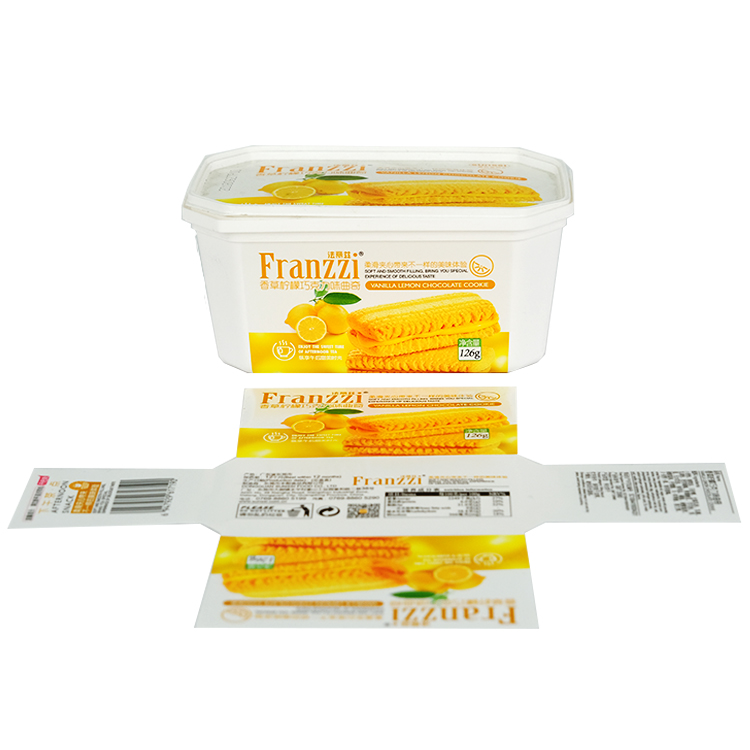
Finish selection is not only a visual preference. It also affects how a buyer should brief the printer, approve a proof, and verify handling expectations for the final container. The same package shape can look quite different when the finish changes from glossy to matte or from holographic to orange peel.
Why IML surface finish matters to packaging buyers
In-mold labels are pre-printed labels placed into the mold and fused with the plastic package during forming. Because the label becomes part of the package wall, the finish is seen and touched as part of the container rather than as a separate adhesive label. That makes finish a packaging decision, not just a print order detail.
For a buyer in the awareness and research stage, the main risk is choosing a finish from a screen image without checking how it will behave on the actual film, print artwork and molded part. A finish that looks appropriate in a digital mock-up may read differently under store lighting or on a curved cup. A finish that suits a premium dairy cup may not be the same choice for a paint bucket or a daily chemical container.
The practical approach is to treat finish as one specification among several: film type, film thickness, print colors, ink system, adhesion, scratch resistance, temperature exposure and food-contact requirements. The finish should be named clearly in the request for quotation and confirmed with a physical sample or printed proof.
Industry background: why finish choices are expanding
IML is used across food, beverage, daily chemical, industrial and household packaging. Grand View Research estimated the global in-mold labels market at USD 2.3 billion in 2023 and projected it to reach USD 3.1 billion by 2030. The same commercial research source reported that polypropylene accounted for 47.2% of IML market share in 2023 and that food and beverage applications represented over 41.3% of total IML market revenue.
Those figures describe the wider IML category, not the performance of any single finish. Their relevance for buyers is simpler: IML competes in many shelf environments, so brands often want differentiation through surface appearance, print richness and tactile character. A finish can support that differentiation, but it must still pass the buyer's handling and compliance checks.
Surface finishes listed for the ZY-IML Series include glossy, matte, orange peel, holographic and custom texture. The available film types include complex white gloss film, complex transparent gloss film, standard gloss film, matte laminated film and holographic film. These are the building blocks a buyer can match to a package format and brand direction.
How IML surface finish is created
Finish should be understood as part of the label construction and print result, not as a separate decorative step added after molding. In the ZY-IML Series, the product specification combines film thickness of 30 μm to 100 μm, high-precision rotogravure printing with up to 8 colors, printing precision of ±0.1 mm, food-grade low-migration water-based ink, and a surface finish option.
The film type sets the base appearance. A standard gloss film, complex white gloss film or complex transparent gloss film creates a different starting point from a matte laminated film or holographic film. The print then adds color and detail. The molding process fuses the printed label into the package, so the final visible surface is the result of film, ink and process together.
This is why a finish name alone is not enough for a purchase order. Two glossy labels can differ if one uses a different film construction or print coverage. Likewise, a matte laminated film and an orange peel finish should not be treated as interchangeable texture descriptions. Buyers should ask for the exact film type, finish name and sample reference.
Glossy IML finish
Glossy IML finish is the reflective, smooth-looking option. It is associated with standard gloss film, complex white gloss film and complex transparent gloss film in the ZY-IML Series. The visual effect is a brighter surface response: printed colors can appear more vivid, and the package can look polished under retail lighting.
Glossy finish is often considered where the brand wants strong shelf visibility and clear color contrast. It can suit food and beverage cups, yogurt cups, ice cream containers and other consumer-facing plastic packaging where artwork is a major part of the purchase decision. It can also be used for daily chemical and household containers when a clean, reflective appearance fits the brand position.
From a print-execution view, glossy film can make fine detail and color transitions visible, so artwork should be proofed on the actual film. The ZY-IML Series supports up to 8-color rotogravure printing and ±0.1 mm printing precision, but the buyer should still approve a physical proof for the selected glossy construction. Handling checks should include the 4H pencil hardness scratch resistance result and the adhesion requirement of ≥5N on the exact sample.
Matte IML finish
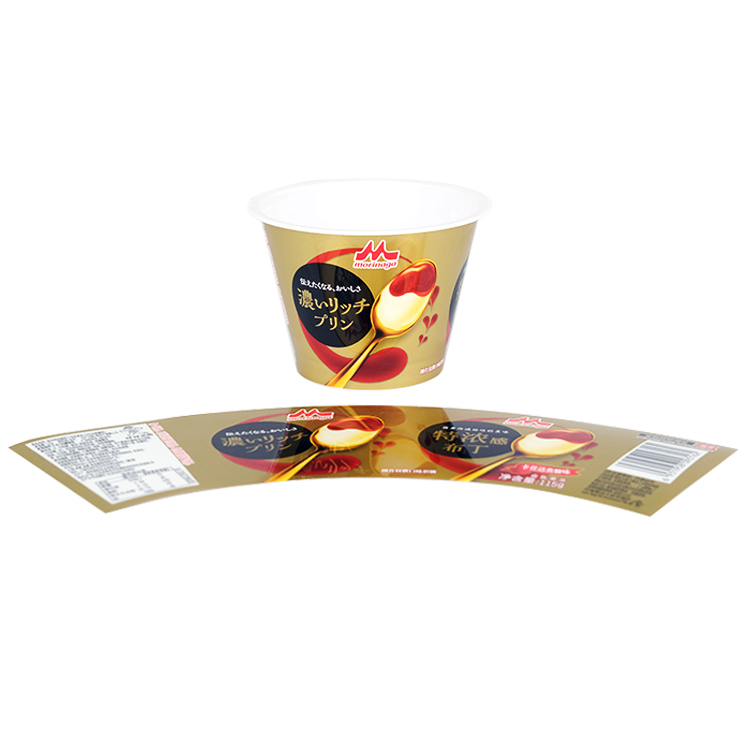
Matte IML finish is a low-sheen surface. In the ZY-IML Series, matte laminated film is listed as a film type, and matte is listed among the available surface finishes. The visual effect is softer and less reflective than gloss, which can give a more restrained or tactile brand impression.
Matte finish can be considered for premium food packaging, dairy cups, cosmetic and daily chemical containers, or other products where the brand wants a quieter surface rather than a highly reflective one. The choice is not inherently better or worse than gloss; it changes the way light and color are perceived.
Because matte surfaces reduce reflection, artwork with fine gradients, small type or low-contrast color combinations should be checked carefully on the actual matte film. The printer's 8-color capability and ±0.1 mm registration precision provide a controlled starting point, but the buyer should confirm the final appearance under representative lighting. Handling expectations should also be confirmed on the selected matte sample, including scratch resistance, adhesion and resistance to weak acids, alkalis and common detergents where relevant.
Orange peel IML finish
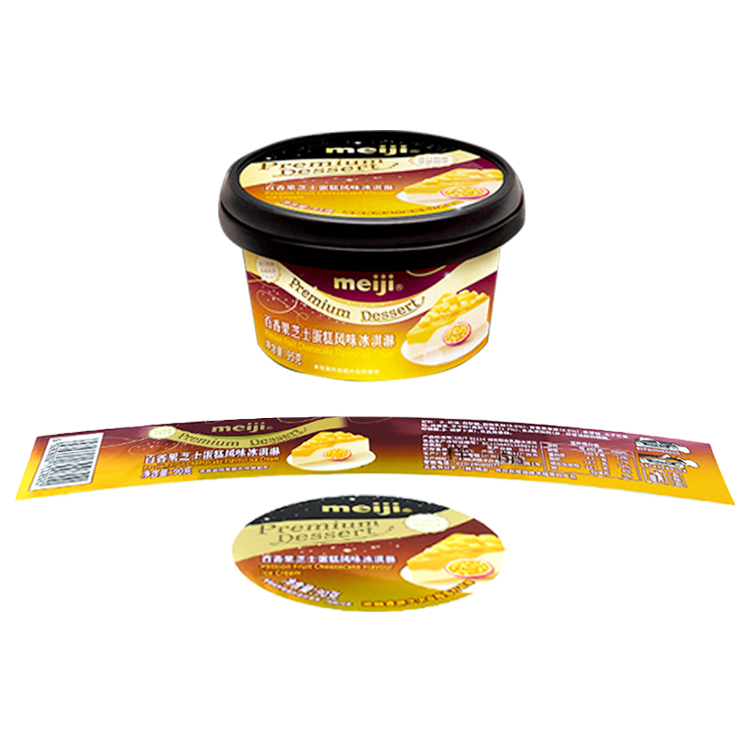
Orange peel is a controlled textured surface finish named for its resemblance to the dimpled surface of citrus peel. It is listed as a surface finish option for the ZY-IML Series. It should be specified as a finish choice, not confused with an unintended coating defect.
The visual effect is tactile and textural. Orange peel breaks up uniform reflections and gives the package a surface that can be perceived by touch as well as by sight. It can be considered where the brand wants a differentiated feel, or where a smooth high-gloss surface is not the desired visual direction. Industrial packaging such as paint buckets, as well as selected daily chemical and household containers, may be suitable contexts for a textured finish, subject to sample approval.
Print execution needs particular attention with a textured finish. Fine lines, small text and detailed images should be proofed on the actual orange peel surface because the texture interacts with reflected light. The buyer should confirm that the intended artwork remains legible and that the finish matches the approved sample. Handling checks should cover adhesion, scratch resistance and chemical resistance on the exact film and finish combination.
Holographic IML finish
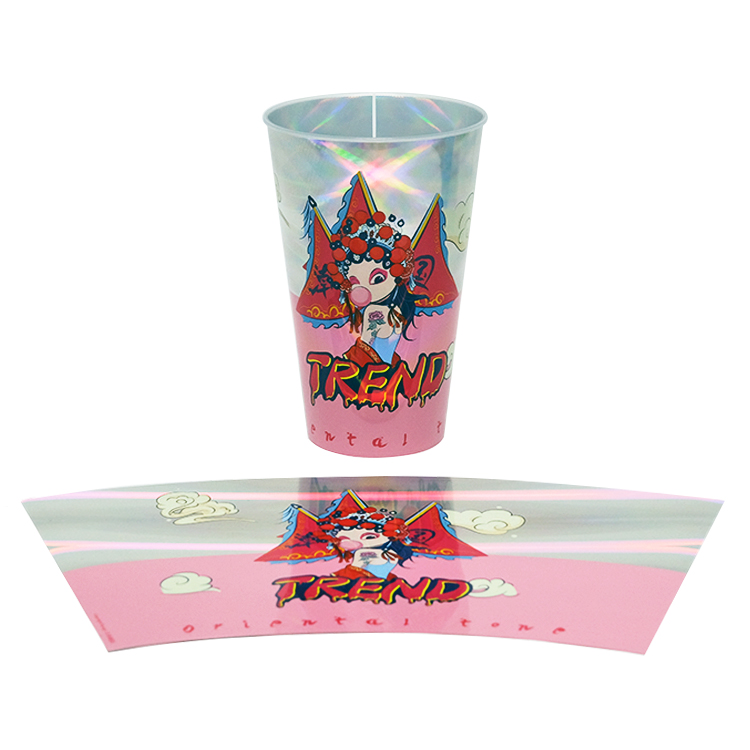
Holographic IML finish uses holographic film to create light-shifting visual effects. In the ZY-IML Series, holographic film is listed as a film type and holographic is listed as a surface finish. The appearance changes with viewing angle, so the package can show different color and light effects as it moves on shelf or in hand.
Holographic finish can be considered for promotional packaging, limited editions, beverage cups, confectionery-style containers and other applications where a distinct visual effect is part of the brand message. It is a more expressive surface than standard gloss or matte, so it should be used with artwork that benefits from light reflection rather than competing with it.
Because the film itself creates part of the visual effect, holographic artwork should be proofed on the actual holographic film. The buyer should not assume that a digital layout will reproduce the same appearance. Print colors, white ink coverage and fine detail should be reviewed against the approved sample. The same handling checks apply: confirm adhesion of ≥5N, 4H pencil hardness scratch resistance, temperature range of -20℃ to 120℃ and chemical resistance on the selected construction.
Custom texture IML finish
Custom texture is listed as a surface finish option for the ZY-IML Series, alongside custom printing, custom size, custom color matching and custom film formulation. It allows a buyer to move beyond standard glossy, matte, orange peel and holographic surfaces when the brand needs a specific tactile or visual signature.
A custom texture should be defined by a physical reference, not by a name alone. Buyers should request a sample or a developed proof that shows the texture, print appearance, color and film construction together. The request should state the intended package type, molding process, contact status and handling conditions so that the finish can be evaluated in the right context.
Custom texture is a development decision rather than a catalogue-only choice. It should be tied to an approved sample, a written specification and a production reference. This protects both the brand and the converter from different interpretations of a texture description.
How printing affects the final finish
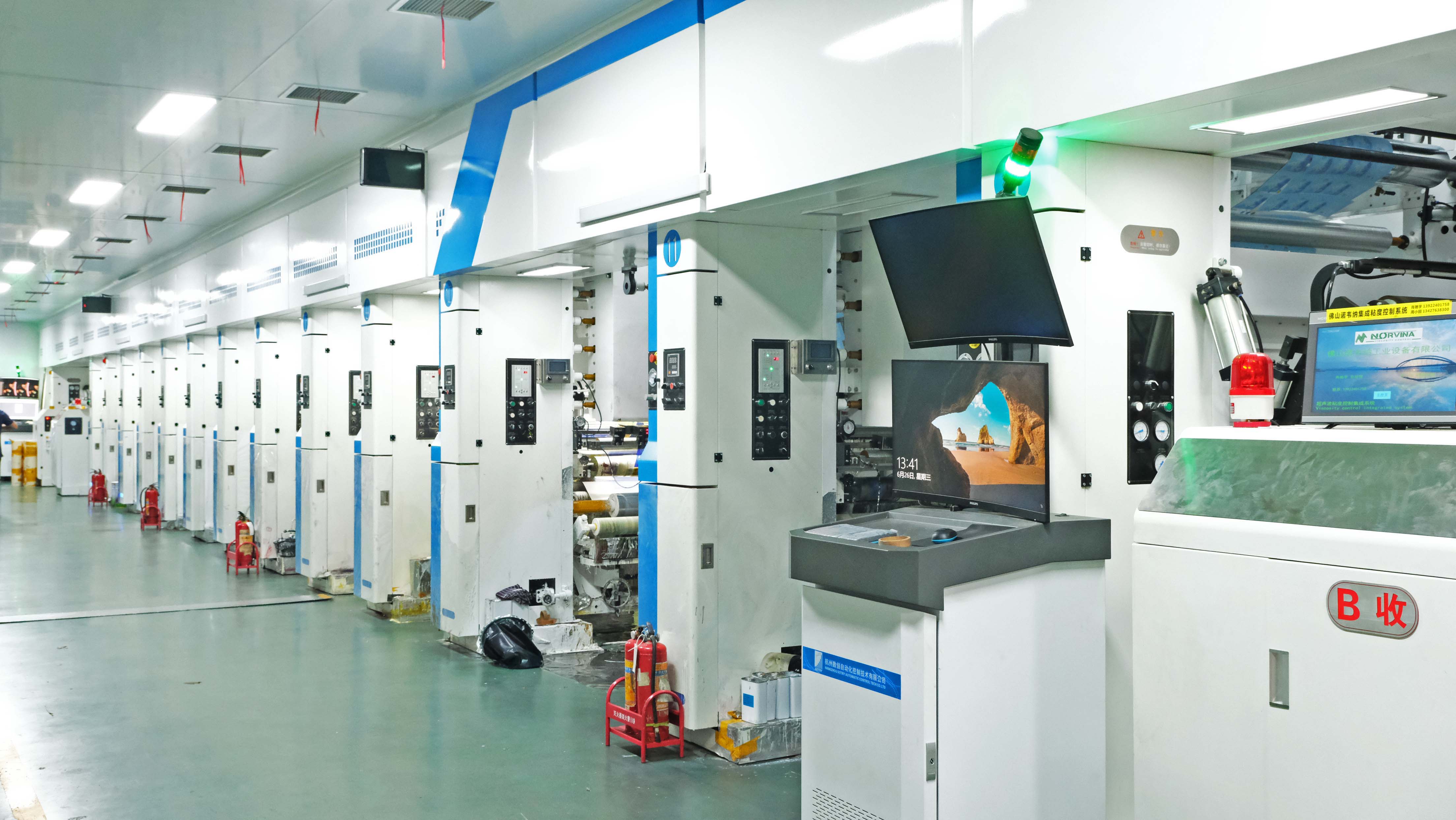
Print execution shapes how a finish is perceived. The ZY-IML Series uses high-precision rotogravure printing with up to 8 colors, a maximum printing width of 1200 mm and printing precision of ±0.1 mm. In practical terms, more colors allow more complex artwork, while tight registration helps keep color areas, type and graphic elements in the intended position.
These capabilities support finish selection, but they do not replace proofing. A glossy, matte, orange peel or holographic surface changes how ink and light interact. The buyer should approve a printed sample on the selected film and finish before production. The proof should be viewed under lighting that resembles the retail or use environment.
Ink choice also belongs in the discussion. The ZY-IML Series uses food-grade low-migration water-based ink and is listed with FDA 21 CFR, BRCGS, ISO22000 and QS compliance standards. For food-contact projects, the finish should be reviewed together with the ink system, film material and migration requirements rather than as an isolated visual choice.
Handling expectations by finish
Handling expectations should be verified on the exact finish and film construction. The ZY-IML Series is listed with adhesion strength of ≥5N with no peeling during injection molding, tensile strength of ≥20MPa, scratch resistance of 4H by pencil hardness test, and an operating temperature range of -20℃ to 120℃. It is also listed as resistant to weak acids, alkalis and common detergents.
These values are product specifications for the series. They do not mean that every finish behaves identically in every application. A buyer should ask for confirmation on the selected glossy, matte, orange peel, holographic or custom texture sample, using the intended container, molding conditions and exposure conditions.
Buyer check: A finish can look correct in a photo and still need adjustment after molding. Confirm appearance, adhesion, scratch resistance, temperature exposure and chemical exposure on the actual package before approving a production run.
Step-by-step finish selection for a new IML project
- Define the package and brand effect. State whether the package needs a reflective, low-sheen, textured, light-shifting or custom surface. Name the product category, container type and intended shelf environment.
- Shortlist the finish and film type. Match glossy to standard gloss, complex white gloss or complex transparent gloss film; matte to matte laminated film; holographic to holographic film; and custom texture to a developed sample.
- Review print execution. Confirm artwork complexity, number of colors, maximum print width and registration needs against the 8-color rotogravure and ±0.1 mm printing precision specification.
- Check handling requirements. List the needed adhesion, scratch resistance, temperature range and chemical resistance. Ask for test confirmation on the selected finish.
- Confirm food-contact and compliance needs. For food packaging, check the ink system, film material and compliance documentation against FDA 21 CFR, BRCGS, ISO22000, QS and the applicable migration requirement.
- Approve a physical sample or proof. Compare the finish under representative lighting and on the actual package shape. Lock the approved sample reference into the purchase specification.
- Write the RFQ specification. Include finish name, film type, film thickness, print colors, ink type, maximum width, compliance requirements and sample approval status.
Use cases: matching finish to packaging format
Finish selection becomes easier when it is tied to a real package format. The following examples are application directions, not universal rules. Each should be confirmed with a sample and the molding partner.
Yogurt cups and dairy containers
Glossy and matte finishes are both relevant for yogurt cups. Glossy can support bright fruit imagery and strong color contrast; matte can support a softer, more restrained brand appearance. For food-contact projects, the finish should be reviewed with the food-grade low-migration water-based ink system and the applicable compliance documentation.
Bubble tea cups and beverage cups
Glossy and holographic finishes can be considered where the brand wants high visual impact and shelf or counter visibility. The finish should be proofed on the actual cup geometry because curves and lighting change the way reflections appear.
Ice cream containers
Matte, glossy and holographic finishes can each fit different brand positions. The buyer should consider how the finish reads in frozen or refrigerated display conditions and confirm the temperature range of -20℃ to 120℃ on the selected construction.
Paint buckets and industrial containers
Orange peel, matte and glossy finishes can all be specified, depending on the desired surface character. Industrial packaging buyers should check chemical resistance to weak acids, alkalis and common detergents, as well as adhesion and scratch resistance on the exact finish.
Daily chemical and cosmetic containers
Matte, glossy, holographic and custom texture finishes can support different brand positions. The finish should be matched to the container material, print artwork and handling expectations rather than selected from appearance alone.
Plastic bottles and plastic containers
Finish choice should follow the container shape, molding process and label film. A finish approved on a flat label sample should be rechecked on the curved or shaped package.
Comparison table: IML surface finishes
| Finish | Visual effect | Film or finish reference | Print and proofing focus | Handling check |
|---|---|---|---|---|
| Glossy | Reflective, color-forward surface | Standard gloss film, complex white gloss film, complex transparent gloss film | Check color brightness and fine detail on the actual glossy film | Confirm 4H scratch resistance and ≥5N adhesion on sample |
| Matte | Low-sheen, softer appearance | Matte laminated film | Check gradients, small type and contrast under representative lighting | Confirm scratch, adhesion and chemical resistance on sample |
| Orange peel | Controlled textured surface with tactile character | Orange peel surface finish option | Proof fine lines and text on the textured surface | Confirm adhesion, scratch and chemical resistance on sample |
| Holographic | Light-shifting, angle-dependent visual effect | Holographic film | Proof artwork on the actual holographic film, not only on screen | Confirm adhesion, 4H scratch result and temperature exposure |
| Custom texture | Brand-specific tactile or visual surface | Custom texture finish with custom film formulation option | Develop a physical reference for texture, print and color | Validate all handling requirements on the approved sample |
FAQ: IML surface finishes for new buyers
Are IML surface finishes food-safe?
The ZY-IML Series uses food-grade low-migration water-based ink and is listed with FDA 21 CFR, BRCGS, ISO22000 and QS compliance standards. Its product specification also lists a migration test meeting EU 10/2011 food contact material standards. Food-contact suitability still depends on the final film, ink, finish and application, so buyers should request the relevant documentation for the exact construction.
Can glossy and matte finishes achieve the same print detail?
Both finishes can use the same 8-color rotogravure printing platform and ±0.1 mm printing precision, but they do not look the same. Glossy and matte surfaces reflect light differently, so artwork should be proofed on the actual film. Small type, gradients and low-contrast elements deserve particular attention on matte surfaces.
Does surface finish change durability?
Finish is one part of the construction. The ZY-IML Series is listed with adhesion of ≥5N, 4H pencil hardness scratch resistance, tensile strength of ≥20MPa and temperature resistance from -20℃ to 120℃. Buyers should confirm these results on the selected finish, film and package rather than assuming they are identical across all finishes.
Can YZY produce a custom texture or custom color finish?
Yes. The ZY-IML Series lists custom texture as a surface finish and also lists custom printing, custom size, custom color matching and custom film formulation. A custom finish should be developed against a physical sample and a written specification.
What should buyers include in an RFQ for a specific finish?
Include the finish name, film type, film thickness, print colors, ink type, maximum printing width, compliance requirements, sample approval status and any handling tests. For food packaging, state the contact application and required documentation. Clear inputs make quotations more comparable.
How can buyers evaluate a finish before production?
Request a printed sample or proof on the proposed film and finish, then check it on the actual package shape under representative lighting. The buyer can contact YZY through www.inmoldlabel.net or yzy@inmoldlabel.net to discuss a sample, quotation or finish specification for the ZY-IML Series.
Conclusion
Glossy, matte, orange peel, holographic and custom texture finishes each change the way an IML package looks and feels. The right choice depends on the brand effect, the print artwork, the film construction and the handling conditions of the final container. Buyers do not need to choose from appearance alone; they can compare finishes through a structured specification, a physical proof and verified product data.
YZY, the brand of ZHEJIANG ZHONGYU SCIENCE AND TECHNOLOGY CO., LTD., produces the ZY-IML Series with up to 8-color high-precision rotogravure printing, ±0.1 mm printing precision, food-grade low-migration water-based ink, 4H pencil hardness scratch resistance and a listed adhesion strength of ≥5N. Established in 2009, the company operates a 20,000 m² facility with approximately 250 staff and an annual production capacity of 200,000,000 units.
For buyers comparing IML surface finishes, the next practical step is to define the package, shortlist the finish and request a physical sample. YZY's product brochure is available here: download the YZY IML product brochure.
Have Questions or Need More Details?
Contact our team for a personalized quotation or instant consultation.
Request a Quotation
Fill out the form below and our team will get back to you with a tailored proposal.
WhatsApp Direct Chat
Prefer to chat in real-time? Message us on WhatsApp for instant assistance & quick answers.
- Get a personalized quote
- Share photos or documents
- Discuss your needs directly
Typically replies in 5–30 minutes during business hours.