PP vs PE IML Labels: Which Film Is Right for Your Plastic Packaging?
When a packaging buyer moves from evaluating in-mold labeling (IML) to implementing it, the next major decision is often film material: polypropylene (PP) or polyethylene (PE). There is no universal winner. The right choice depends on the container resin, the molding process, the end-use environment, and the total cost model. This guide compares PP and PE IML labels, explains how IML changes the cost structure versus post-production labeling, and provides a practical decision framework for procurement teams.
In-mold labeling (IML) is a decoration process in which a pre-printed film is placed inside a mold before resin is injected. During molding, the label fuses with the plastic container and becomes part of the container wall. Because there is no adhesive layer exposed to the environment, IML labels do not peel, bubble, or fall off under normal use conditions.
The context for this decision is clear. According to Grand View Research, the global in-mold labels market was valued at USD 2.31 billion in 2023 and is projected to reach USD 3.14 billion by 2030, representing a CAGR of 4.6%. Future Market Insights projects the in-mould label film market will grow from USD 1.3 billion in 2025 to USD 1.7 billion by 2035. For a packaging buyer, market growth raises an operational question: which film, printing route, and supplier configuration will perform best in a specific container line?
Why PP and PE Are the Two Dominant IML Film Choices
Polypropylene (PP) is the most widely used IML material. According to Grand View Research, PP held a 47.2% share of the IML material segment in 2023, driven by its recyclability and compatibility with plastic containers. The technical reason is material matching: PP labels are used on PP containers, so the label and container shrink, cool, and bond in similar ways during injection molding. This alignment improves adhesion and reduces warpage.
Polyethylene (PE) IML films are selected primarily when the container itself is made of PE. Blow-molded bottles, some wide-mouth jars, and industrial buckets are common examples. PE films offer flexibility and toughness, which is important for squeezable packaging or containers that encounter handling stress. As with PP, the logic is same-resin compatibility: PE label and PE container can be recycled together in PE waste streams.
This is why the material decision should not start with film price. The label becomes part of the container wall. If the film resin is poorly matched to the container resin, thermal shrinkage, stiffness, and adhesion behavior will differ, and the result can be edge lifting, container warpage, or printing surface defects.
The Decision Problem: Matching Film to Container, Process, and Environment
The core problem in IML film selection is alignment across four variables:
- Container resin: PP, PE, or another polymer family.
- Molding process: injection molding, which accounts for more than 57.1% of the IML market, or thermoforming, which is common for thin-walled containers.
- End-use environment: humidity, water exposure, solvents, low temperature, or repeated handling.
- Visual and compliance requirements: ink adhesion, color reproduction, food-contact safety, and applicable standards.
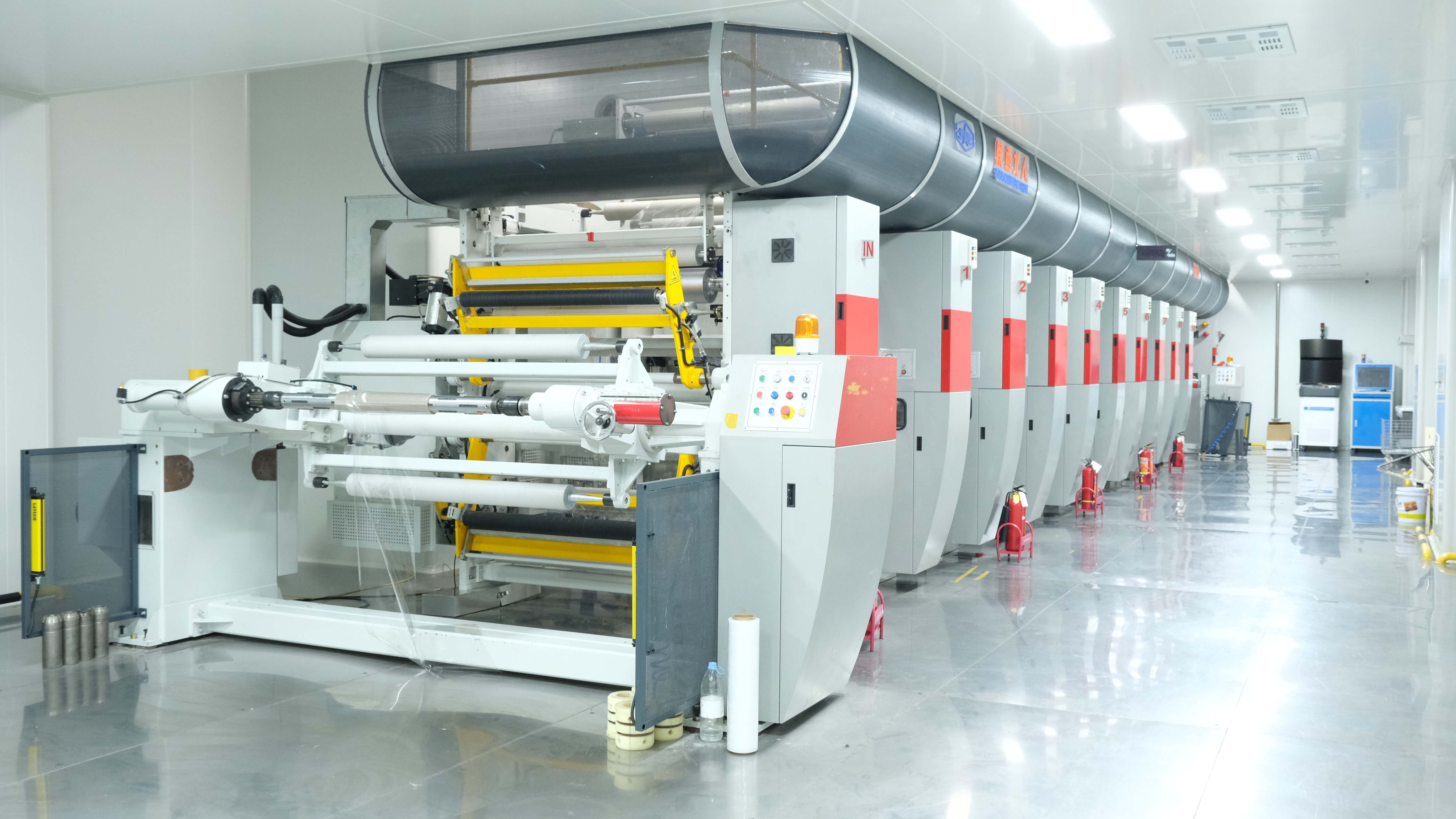
Injection molding is the dominant IML production process, representing over 57.1% of the market in 2023, according to Grand View Research. In this process, the label must withstand the heat and flow of the injected resin while remaining correctly positioned in the mold. Thermoforming IML is used for thinner wall packaging such as cups and trays; the film is usually pre-printed and then formed together with the sheet. The film requirements differ by process, so a supplier should be able to explain how the film is designed for the specific molding route.
The environment matters just as much as the resin. Traditional paper labels are prone to falling off in high-humidity environments. IML labels do not rely on post-production adhesive, so they remain fixed even when the packaging is exposed to moisture, condensation, or cold storage. For products such as paint pails, the label must also resist solvent exposure. For ice cream containers, the label must survive low-temperature logistics without cracking or peeling.
Comparing PP IML and PE IML: A Side-by-Side View
For most procurement decisions, the comparison between PP and PE IML can be reduced to five factors: resin compatibility, mechanical behavior, printing performance, end-use environment, and recyclability. The table below summarizes how each film type typically aligns with these factors. It is a comparison framework, not a fixed specification; the final choice must always be verified against the actual container design and molding conditions.
| Comparison Factor | PP IML Label | PE IML Label |
|---|---|---|
| Typical container resin | Polypropylene containers, commonly produced by injection molding | Polyethylene containers, including blow-molded bottles and some buckets |
| Mechanical character | Higher stiffness and dimensional stability | Flexibility and impact toughness for squeezable or curved packaging |
| Printing and surface | Generally provides a smooth surface for detailed graphics and special visual effects | Printing is possible but surface and ink laydown may differ from PP; design should be validated |
| Moisture and chemical behavior | Good resistance for food and household chemical packaging | Good flexibility and chemical resistance for industrial and detergent packaging |
| Recycling logic | Recyclable with PP container waste streams | Recyclable with PE container waste streams |
| Market context | 47.2% share of IML material segment in 2023 (Grand View Research) | Selected where the container itself is PE; share tied to PE container production |
Both PP and PE IML labels can be food-grade when produced with compliant materials and processes. The distinction is not food safety; it is whether the film matches the container and holds up in the intended environment.
How IML Total Cost Compares with Traditional Labeling
IML is often compared with traditional paper labels or ordinary in-mold labels. The total cost comparison is more favorable to IML than the material price suggests.
Compared with traditional post-production labels, IML has a slightly higher material cost. However, the total cost is lower because post-production labor and rejection rates are reduced. Labeling is integrated into injection molding, so there is no separate labeling operation, no adhesive application, and no label alignment step on the filling line. According to YZY comparison data, integrated IML labeling reduces production steps by approximately 30% and shortens lead time by 20% versus post-production labeling.
| Comparison Point | In-Mold Labeling (IML) | Traditional Post-Production Labeling |
|---|---|---|
| Application timing | Label is placed in the mold before resin injection and fuses with the container | Label is applied after the container is formed |
| Peeling risk | No peeling risk; label is part of the container | Prone to falling off, especially in high-humidity environments |
| Durability and visuals | Higher durability; special visual effects are possible | Limited by adhesive, surface, and handling exposure |
| Food-contact compliance | YZY IML products fully comply with FDA and EU standards for food safety | Depends on adhesive, ink, and material selection |
| Production lead time | 20% shorter than post-production labeling (YZY data) | Longer due to separate labeling step |
| Total cost | Slightly higher material cost; lower total cost | Lower material cost; higher post-production labor and rejection rates |
| Best-suited applications | Food & beverage, household appliances, cosmetics, industrial chemicals | Simple labeling needs where high durability is not required |
For a decision-stage buyer, the practical conclusion is that film price should not be evaluated in isolation. Scrap rate, labor cost, line efficiency, and delivery time must be included in the cost model.
A Step-by-Step Framework for Choosing PP or PE IML
The following six-step framework can help a procurement team move from container concept to film specification without overcomplicating the decision.
Step 1: Identify the container resin and molding process
Determine whether the container is injection-molded PP, blow-molded PE, or a thermoformed structure. If the container is PP, PP IML film is the natural starting point. If the container is PE, PE IML film is the natural starting point.
Step 2: Assess the end-use environment
Consider water, humidity, solvents, cold storage, and handling stress. IML is inherently resistant to peeling in humid conditions, but the film must still be compatible with chemical exposure and temperature range. For paint buckets, solvent resistance matters. For ice cream containers, low-temperature performance matters.
Step 3: Confirm printing and visual requirements
Define graphic size, color count, gloss level, and any special effects. Gravure printing on IML film can handle high-volume, high-detail decoration. PP films often provide a smooth printing surface; PE films may require print validation due to different surface energy. Ask the supplier for reference samples that match the intended container and environment.
Step 4: Verify food-contact and safety compliance
For food packaging, confirm that the film, ink, and finished label comply with FDA and EU food-contact requirements. In the EU, Regulation (EC) No 1935/2004 sets the framework for food contact materials, and the label must not cause unacceptable chemical migration. If the supplier cannot document compliance, the material should not be approved.
Step 5: Build a total-cost model
Compare material cost, post-production labor, scrap rate, line speed, maintenance, and delivery. IML usually increases material cost but reduces labor and rejection. A 20% reduction in lead time can also affect inventory and launch planning.
Step 6: Audit the supplier’s production and quality control
Verify the supplier’s certifications, testing procedures, production management, and backup capacity. A qualified supplier should be able to document raw material inspection, in-process testing, final inspection, and traceability.
Application Use Cases Across Common Container Types
IML is used across many container families, and each application creates different film requirements.
IML for paint buckets
IML technology is increasingly used on 20-liter paint pails, where the label forms a permanent bond resistant to solvent spills and moisture. PP IML is a common match for rigid pails because of its stiffness and chemical resistance. The label must remain intact when the pail is handled, stacked, or exposed to paint solvents.
IML for yogurt cups
Food and beverage is the largest IML application segment, accounting for over 41.3% of revenue in 2023, with specific growth in yogurt cups and ice cream containers. Yogurt cups are often injection-molded PP, making PP IML the direct fit. The label needs good food-contact compliance, strong adhesion, and print clarity at cup size.
IML for bubble tea cups
Bubble tea cups and similar beverage cups face condensation, moisture, and repeated handling. IML is well suited because the label does not depend on surface adhesive. PP IML is commonly used for PP cups, and the decoration can be printed to match branding requirements.
IML for ice cream containers
Ice cream packaging must survive low-temperature storage and condensation during transport. IML labels remain fused to the container wall in cold conditions, reducing the risk of peeling or smudging that can occur with post-applied labels. The film choice should follow the container resin and be validated at expected storage temperature.
IML for plastic bottles and plastic buckets
Blow-molded PE bottles and industrial plastic buckets can use PE IML films. PE films provide flexibility and toughness, which helps on curved or squeezable surfaces. PP remains the typical choice for rigid injection-molded buckets. In both cases, same-resin matching supports recycling and reduces differential shrinkage between label and container.
What to Verify in a Custom IML Supplier: The YZY Example
Supplier verification is the final step in the decision process. YZY (Zhejiang Zhongyu Science and Technology Co., Ltd.) is a Chinese manufacturer specializing in in-mold labeling production. The company was founded in 2009, operates a 20,000 m² facility, employs about 250 people, and reports an annual output of 200 million units. Around 30% of output is exported to markets worldwide.
YZY’s product range includes in-mold labeling, sealing films, embossed sheet sealing lids (embossed lidding films), and POF films. These products are widely used in food packaging and related industries. The company states that it has established long-term cooperation with brands including Starbucks, Nestlé, and Uni-President.
From a procurement perspective, the useful elements are traceable: YZY holds QS, ISO, and BRC management system certifications and has accumulated 48 patents. Its quality control process includes raw material incoming inspection, three-step in-process testing, and final random inspection. The company also uses ERP-based digital production management and operates two backup production lines to reduce delivery risk. Annual BRCGS/ISO/FDA audits and third-party compliance testing support its food-grade claims. YZY reports 16 years without a major quality accident in food-grade packaging.
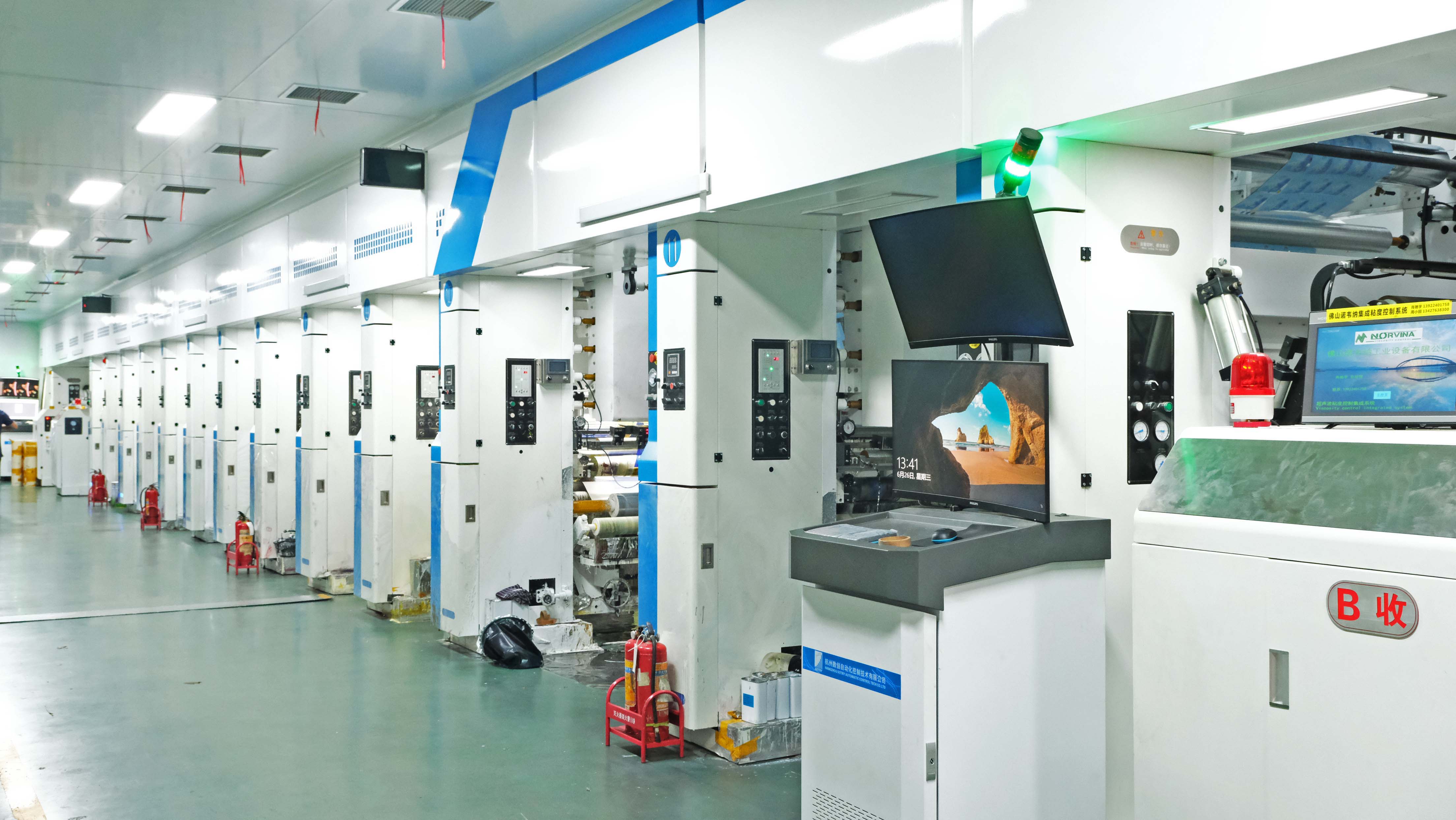
These facts do not prove that a specific PP or PE film is right for every container. They do show what a supplier should be able to demonstrate: documented compliance, production control, printing capability, and delivery protection.
FAQ
Are PP and PE IML films food-safe and compliant with FDA and EU standards?
YZY’s IML products fully comply with FDA and EU standards for food safety. In the EU, Regulation (EC) No 1935/2004 provides the framework for food contact materials, requiring that packaging does not transfer substances to food at unsafe levels. YZY supports compliance through incoming material inspection, three-step in-process testing, final random inspection, third-party lab testing, and annual BRCGS/ISO/FDA audits. The company reports 16 years without a major quality accident in food-grade packaging.
Can PP and PE IML films be customized for specific containers, printing, and adhesion requirements?
Yes. IML films can be custom-printed and selected to match the container resin. YZY manufactures custom in-mold labels for food and beverage packaging, household appliances, cosmetics, and industrial chemicals. Its production equipment includes gravure computer high-speed printing machines, and its R&D team supports process and material optimization. Because YZY also produces sealing films and embossed lidding films, buyers can coordinate multiple packaging components from a single qualified supplier.
How does the total cost of IML compare with traditional post-production labeling?
Although the material cost of IML is slightly higher, the total cost is lower because post-production labor and rejection rates are reduced. IML is integrated with injection molding, which reduces production steps by about 30% compared with a separate labeling operation. YZY also reports a 20% reduction in lead time versus post-production labeling. Buyers should compare scrap rate, labor, time, and quality risk, not only film price.
Can buyers request samples before placing a large IML order?
Yes. Procurement teams can contact YZY at yzy@inmoldlabel.net to request samples and discuss film type, printing, and container compatibility. YZY’s control process includes incoming material inspection and 100% visual inspection, so sample evaluation follows the same quality logic as production batches.
How does IML affect production lead time, and how is delivery risk managed?
IML shortens lead time by 20% compared with post-production labeling because labeling is completed inside the molding cycle. To protect delivery schedules, YZY uses ERP-based digital production tracking and operates two backup production lines. Annual BRCGS/ISO/FDA audits and multi-line backup capacity are part of its delivery risk control. For a lead-time estimate on your specific container and volume, contact YZY directly.
Conclusion
The choice between PP and PE IML labels is a material-matching decision, not a brand preference. PP IML is the dominant configuration because it matches the large installed base of injection-molded PP containers. PE IML is the right choice when the container itself is PE and needs the flexibility and toughness of that resin family.
Once the film family is selected, the next layer of the decision is the same for both materials: confirm food-contact compliance, validate printing at the intended container size, build a total-cost model, and audit the supplier’s production controls. IML’s economic advantage over post-production labeling comes from fewer process steps, lower rejection rates, and a shorter lead time, all of which are worth more than the marginal material price difference.
If your team is choosing between PP and PE IML for a specific container, YZY can provide material guidance, referenced samples, and production documentation. Download the YZY product brochure for a full overview of IML films, sealing films, and lidding materials: YZY IML Product Brochure (PDF).

Talk to YZY about your IML film decision.
Email: yzy@inmoldlabel.net | WhatsApp/Tel: +86 182 6778 1866 | Website: www.inmoldlabel.net
Have Questions or Need More Details?
Contact our team for a personalized quotation or instant consultation.
Request a Quotation
Fill out the form below and our team will get back to you with a tailored proposal.
WhatsApp Direct Chat
Prefer to chat in real-time? Message us on WhatsApp for instant assistance & quick answers.
- Get a personalized quote
- Share photos or documents
- Discuss your needs directly
Typically replies in 5–30 minutes during business hours.