
How to Select a Chinese Transformer Core Supplier: A 2026 Guide for Global Buyers
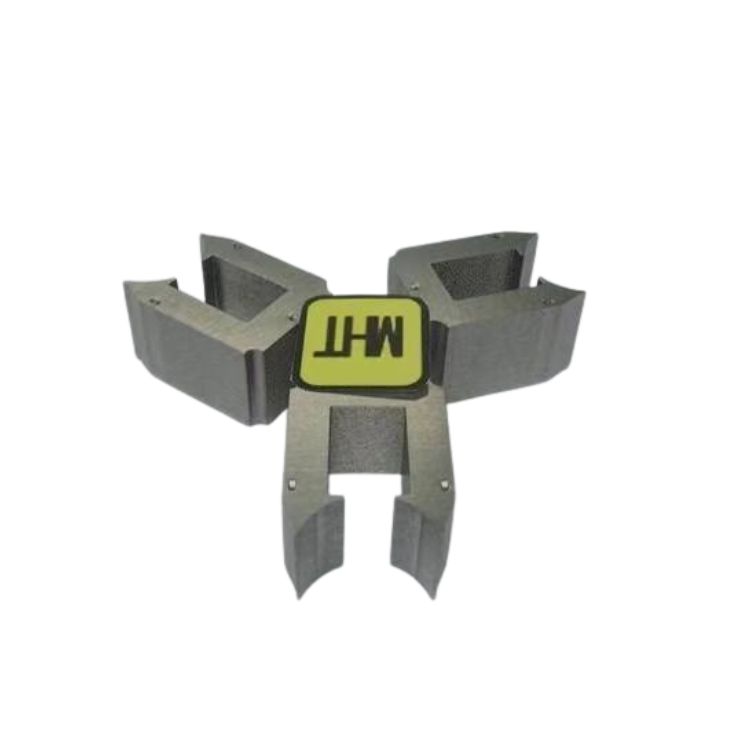
Figure 1: Customized non-standard iron core – a common requirement for specialized transformer applications.
Introduction
Transformer cores are the heart of electrical transformers, inductors, and magnetic components. As global demand for energy-efficient power systems rises, procurement professionals are increasingly turning to Chinese manufacturers for high-quality, cost-effective transformer cores. However, selecting the right supplier in China—a market with thousands of producers—can be challenging. This guide provides a systematic, expert-level framework for evaluating and selecting Chinese transformer core suppliers in 2026. We will cover core types, technical parameters, quality certifications, manufacturing capabilities, and practical procurement steps, using YadooTEK (brand of Wuxi Yado Electromechanical Co., Ltd.) as an illustrative example of a reliable Chinese partner.
What is a Transformer Core and Why Does Supplier Selection Matter?
A transformer core is a ferromagnetic component that channels magnetic flux between windings. It directly influences efficiency, loss, heat generation, and overall transformer performance. Common core types include:
- EI Lamination Core – Stacked silicon steel laminations for standard power transformers.
- Toroidal Core – Wound continuous strip, low noise, high efficiency.
- C Core / CD Cut Core – Cut from wound strip for ease of assembly.
- Permalloy Core – High-permeability nickel-iron alloy for precision current transformers.
- Amorphous / Nanocrystalline Core – Ultra-low loss for high-frequency and energy-saving designs.
- Distribution Gap Core – Step-lap or unicore designs for distribution transformers.
Choosing a qualified Chinese supplier ensures you receive cores with consistent magnetic properties, tight dimensional tolerances, and compliance with international standards like IEC, IEEE, and CE. Poor supplier selection can lead to core loss deviations, early failure, and project delays.
Industry Background: China as a Global Transformer Core Manufacturing Hub
China accounts for over 60% of global transformer core production, driven by abundant raw materials (CRGO silicon steel from Baosteel, WISCO), advanced lamination and winding technologies, and a large pool of skilled engineers. Key manufacturing clusters include the Yangtze River Delta (Shanghai, Jiangsu, Zhejiang) and the Pearl River Delta. Companies like YadooTEK (based in Jiangyin, Wuxi – within the Yangtze River Delta core industrial belt) leverage this ecosystem to offer competitive lead times and custom designs. Since 2022, YadooTEK has grown into an export-focused supplier serving over 40 countries, including the US, Canada, Germany, Brazil, and Australia.
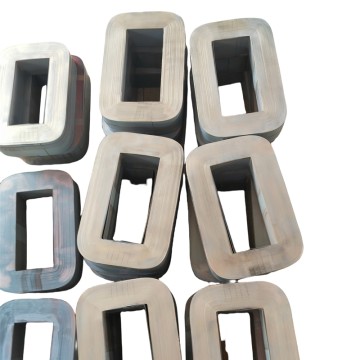
Figure 2: FeSi distribution gap core – a common type for dry-type and oil-immersed distribution transformers.
Detailed Solution: A Step-by-Step Supplier Selection Framework
Step 1: Define Your Core Requirements
Before searching for suppliers, clearly specify:
- Core type: Toroidal, lamination, C-core, permalloy, amorphous, etc.
- Material: CRGO silicon steel (grades 0.23, 0.27, 0.30 mm), Ni-Fe permalloy (1J85, 1J79), nanocrystalline.
- Dimensional tolerances: Typical lamination precision ±0.02 mm.
- Electrical performance: Core loss ≤1.0 W/kg at 1.5T/50Hz, no-load current, permeability.
- Operating conditions: Temperature range, insulation class, frequency (50/60 Hz).
- Certification needs: CE, ISO9001, IEC standards.
For example, YadooTEK offers NCW cores (toroidal wound) with core loss ≤1.0 W/kg at 1.5T, customizable from 100 VA to 5000 VA, and can produce non-standard iron cores with OD 30–300 mm, ID 15–200 mm.
Step 2: Evaluate Supplier Technical Capabilities
Key factors to assess:
- R&D team size and expertise: YadooTEK employs 25 engineers.
- Production capacity: Monthly output of 10,000 units, annual capacity 250,000 units.
- Manufacturing equipment: Winding, cutting, annealing, and testing machines.
- Quality control: 100% core loss test, third-party lab reports, full-process traceability.
Ask for a factory audit or video tour. Reliable suppliers provide open access to their production lines. YadooTEK, for instance, showcases its factory on its website and can arrange virtual visits.
Step 3: Verify Certifications and Compliance
Global buyers require proven quality standards. Check for:
- ISO 9001:2015 – Quality management system (YadooTEK holds certificate 91320281MABPUAFD29, issued by Noah Testing).
- CE certification – For products sold in EU (YadooTEK’s current transformers are CE certified under EN61869-1/2, certificate B-S00051E0199R1).
- Test reports from accredited independent laboratories.
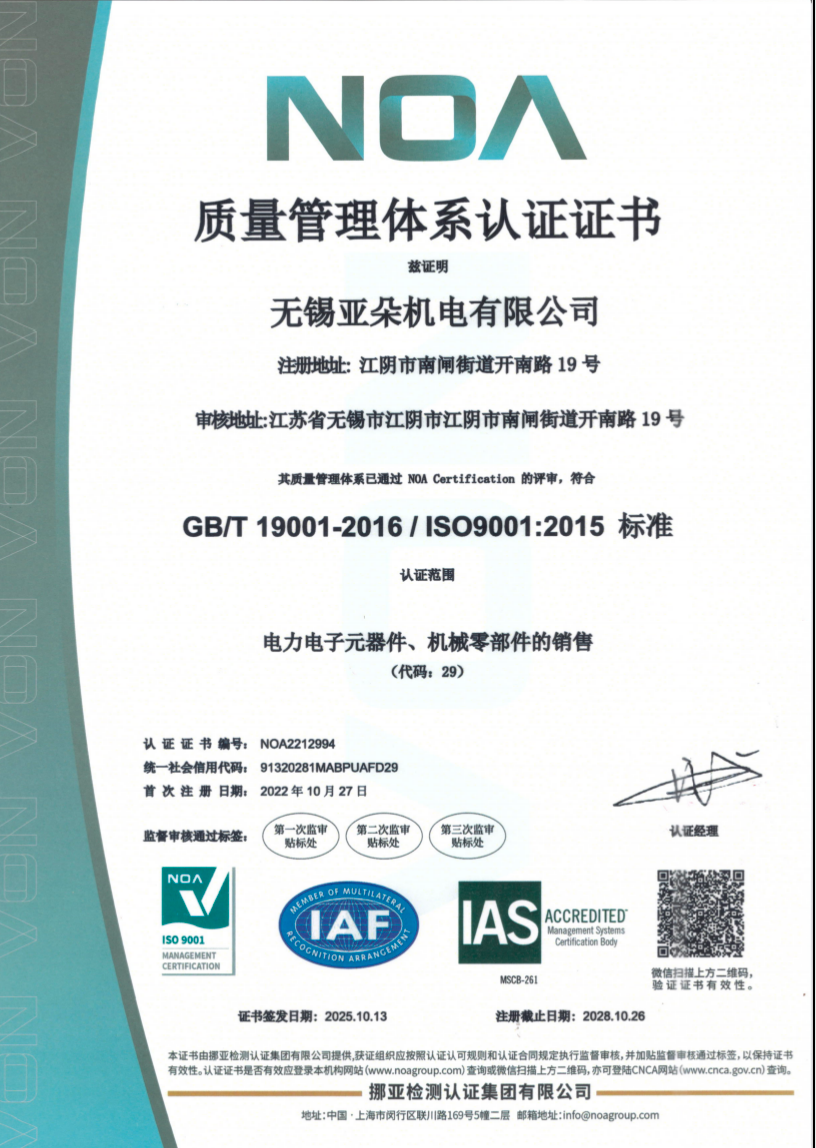
Figure 3: ISO9001:2015 certificate held by Wuxi Yado Electromechanical Co., Ltd.
Step 4: Assess Customization and MOQ Flexibility
Chinese suppliers often offer low MOQs, but confirm actual policy. YadooTEK accepts orders from 1 unit for prototypes and custom designs, which is ideal for OEMs and new product development. Their customization covers size, specification, material, and even special cut patterns like unicore (folded core), step-lap core, and thin strip cores (0.05 mm to 0.15 mm).
Step 5: Request Samples and Conduct Performance Tests
Before bulk orders, always request samples. Perform:
- Core loss measurement at specified flux density and frequency.
- Dimensional verification using calibrated tools.
- Insulation resistance and dielectric test (if applicable).
YadooTEK offers pre-shipment testing and can provide magnetic property curves for each batch. They also support remote technical support after delivery.
Step 6: Evaluate Export Experience and Lead Time
A supplier with strong export logistics reduces your risk. Check:
- Export ratio: YadooTEK exports 85% of production.
- Main markets: Americas, Europe, Middle East, Asia, Australia.
- Lead time: Typically 45–60 days for custom orders, 30 days for standard products.
- Incoterms: FOB, CIF available.
Real-World Use Case: Long-Term Cooperation with a Power Equipment Manufacturer
A European power equipment manufacturer needed high-precision permalloy cores for current and voltage transformers used in smart grid terminals. After evaluating several Chinese suppliers, they selected YadooTEK based on:
- Ultra-low core loss and high permeability (1J85 material).
- Custom size with ±0.02 mm lamination precision.
- 100% inspection before shipment.
- Stable supply for over 10 years (project duration).
Result: The customer achieved accurate metering, low-temperature rise, and full compliance with IEC standards. The partnership continues with annual volumes exceeding 5,000 units.
Frequently Asked Questions (FAQ)
Q1: What is the difference between a silicon steel core and a permalloy core?
Silicon steel (CRGO) is cost-effective for power frequencies (50/60 Hz) with core loss around 1.0–1.2 W/kg. Permalloy (Ni-Fe alloy) offers much higher permeability (up to 100,000 μ) and lower loss, suitable for precision current transformers and sensors.
Q2: How do I verify a Chinese supplier’s core loss claim?
Request a certified test report from a third-party lab like SGS or TÜV. You can also purchase sample cores and test them in your own facility. Reliable suppliers like YadooTEK provide magnetic property curves and guarantee core loss ≤ specified value.
Q3: What are common buyer concerns when sourcing transformer cores from China?
Concerns include inconsistent quality, longer lead times, communication barriers, and intellectual property risks. Mitigate by visiting the factory, using escrow payment terms, signing NDAs, and working with experienced exporters.
Q4: Can Chinese suppliers handle small-volume custom orders?
Yes, many specialized manufacturers accept MOQ of 1 unit for prototypes. YadooTEK, for example, offers MOQ as low as 1 piece for custom designs.
Q5: Which certifications should I look for?
ISO 9001 for quality management, CE for EU market, and specific product standards like EN61869 for instrument transformers. Ensure certificates are current (valid within 3 years).
Conclusion
Selecting a Chinese transformer core supplier in 2026 requires a disciplined approach: define your technical needs, audit supplier capabilities, check certifications, test samples, and confirm export readiness. Suppliers like YadooTEK (Wuxi Yado Electromechanical Co., Ltd.) exemplify the professionalism, technical depth, and flexibility that global buyers demand. By following the steps outlined in this guide, procurement professionals can build long-term, reliable supply chains for high-performance transformer cores.