
Decoding the YK-3160 Data Sheet: A Technical Guide to Electrical Insulation Specs
Decoding the YK-3160 Data Sheet: A Technical Guide to Electrical Insulation Specs
YK-3160 is a high-consistency HTV/HCR silicone rubber compound from Yakows Technology (Dongguan) Co., Ltd., formulated for outdoor electrical insulation and used mainly for the housings and weather sheds of high-voltage composite insulators. Its data sheet reports hardness of 65 ± 5 Shore A, dielectric strength of at least 22 kV/mm, volume resistivity of at least 2 × 10¹⁴ Ω·cm, a hydrophobicity classification of HC2, V-0 flame retardancy and UV-aging resistance. Three of those lines do most of the work in a qualification decision: dielectric strength, volume resistivity and hydrophobicity.
This guide decodes each specification group in the YK-3160 sheet, explains what the number actually controls in an outdoor high-voltage application, and sets out the checks an insulator manufacturer should complete before approving the material. The governing principle is simple: a material data sheet and a finished-insulator approval are two different documents, and the second one is never automatic.
Why Engineering Data Sheets Get Misread
Notation is not decoration. A value written as “≥22 kV/mm” is a guaranteed minimum; a value written as “typical” is a production average that individual batches may sit below. Mixing the two when comparing suppliers produces decisions that look data-driven but are not.
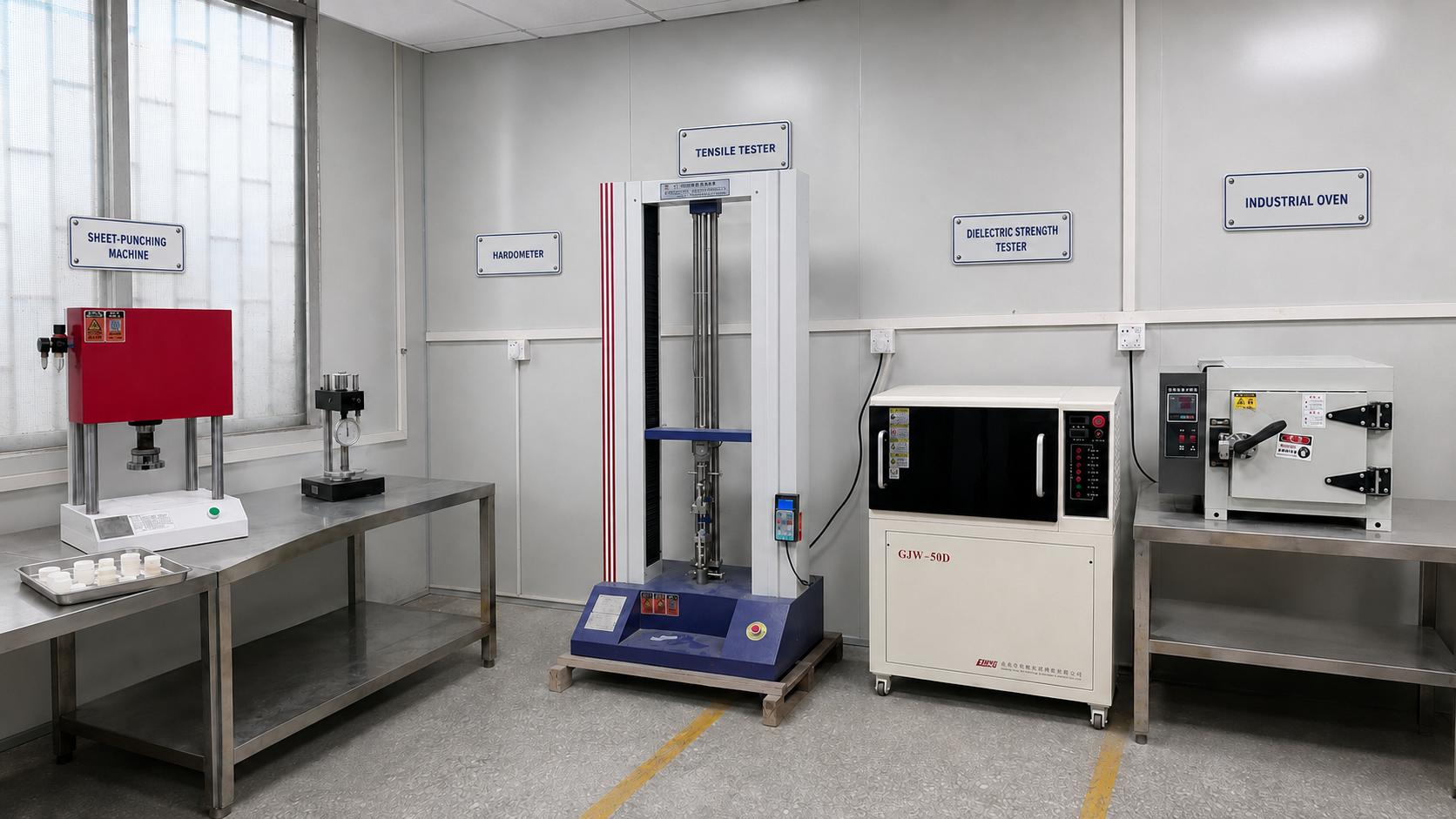
Specimens are not products. Electrical and mechanical values are measured on cured test slabs. A molded shed with thin ribs, a bonded FRP interface and a complex profile is a different physical object. The data sheet describes what the material can do; it does not describe what your mold will do with it.
Hardness and price are the two easiest properties to compare — and the two least able to prove outdoor electrical performance. A general-purpose HTV grade can hit a hardness target and still have no verified hydrophobicity, tracking and erosion resistance, or long-term UV performance.
Material compliance is not product compliance. Compliance of the silicone rubber compound alone does not automatically establish compliance of the complete composite insulator. Type, sample and routine testing of the finished insulator remain the responsibility of the insulator manufacturer.
Surface properties get read too early. Hydrophobicity is a surface condition, and a single reading taken on a new, clean sample answers a narrower question than most buyers assume it does. The test conditions belong in the record next to the class, otherwise the class is not comparable across suppliers.
Market and Standards Context for Insulator-Grade HTV Silicone Rubber
The global silicone rubber market was valued at USD 5.7 billion in 2025, with HTV silicone rubber accounting for approximately 45.2% of that total (Vertex AI Search / Cloud Google, 2025). Published market-size estimates for the same year differ substantially between research bodies because the studies define the category differently — some count elastomers only, others the wider silicone chain — so any single figure should be read as directional rather than exact.
On the supply side, global silicone trade reached USD 8.51 billion in 2024, with China the second-largest exporter at USD 1.53 billion (OEC). China’s silicone monomer production capacity reached 6.89 million tons in 2024, a 21.09% year-on-year increase (Zhuochuang Information via IOTA). For a buyer qualifying an insulation-grade compound, that means a deep but uneven supply base: capacity is abundant, and verified electrical performance is not.
Standards set the acceptance frame. Composite polymer silicone rubber insulators are covered by IEC 61109, polymeric insulators for high-voltage applications by IEC 62217, and the tracking and erosion behaviour of housing materials is evaluated under IEC 60587. The aging horizon those standards imply is long — published data from Gruppo Bonomi records silicone rubber for insulators passing 5,000-hour accelerated aging tests under IEC 61109 and IEC 62217. That figure belongs to the cited source and describes the category, not any single compound; it shows the time scale on which outdoor housing materials are judged.
YK-3160 is positioned inside that frame as an electrical insulation grade: a compound whose formulation targets dielectric behaviour, hydrophobicity, flame retardancy and environmental aging resistance, rather than general molded goods.
What Each YK-3160 Specification Actually Controls
Electrical Properties: Dielectric Strength, Volume Resistivity and Loss
Dielectric strength: ≥22 kV/mm. This describes the breakdown voltage of the cured compound expressed per millimetre of thickness. As a specification minimum, it is the material-side input an engineer uses when sizing housing and shed sections. It is not a prediction of the insulator’s withstand voltage, which depends on creepage distance, shed profile, pollution severity and the housing-to-core interface. Reported dielectric strength also depends on specimen thickness and test conditions, so comparisons between suppliers are only valid when those match.
Volume resistivity: ≥2 × 10¹⁴ Ω·cm. Volume resistivity describes how strongly the bulk material resists current flow through its volume. Under wet and polluted service it is the property that keeps leakage current low at the start of a wetting cycle, before surface contamination begins to drive the surface-side behaviour that the tracking and erosion test measures. A high minimum here is one of the clearest dividers between an insulation grade and a general-purpose grade.
Dielectric constant: ≤5.0; dielectric loss tangent: ≤4.0 × 10⁻². Together these describe how the compound behaves as a dielectric under alternating stress: the first affects field distribution and capacitive coupling, the second the share of energy dissipated as heat. Both are frequency-dependent measurements, so the test frequency should appear in the report next to the value.
Surface and Aging Properties: Hydrophobicity, Tracking and Erosion, Flame Retardancy, UV
Hydrophobicity: HC2. Hydrophobicity is the material’s ability to repel water so that rain and condensation form droplets rather than a continuous conductive film across the shed surface. YK-3160 is specified at HC2, a defined class within an established hydrophobicity classification system. Two verification points matter more than the class itself: which classification method and test conditions were used, and what state the sample was in when it was classified. Always request the supporting record rather than accepting the class alone.
Tracking and erosion resistance: TM1A4.5, ≤2.5 mm. This is the property that decides whether an outdoor housing survives contaminated wetting under electrical stress. IEC 60587 covers the evaluation of housing materials for resistance to tracking and erosion under severe ambient conditions, and results are reported with a classification together with an erosion measurement. Inclined-plane outcomes depend heavily on applied voltage, test duration and contaminant flow, so the value is only comparable against results produced the same way. Ask for the underlying report, not just the summary line.
Flame retardancy: V-0. Flame ratings are reported against a defined burn method and a defined specimen thickness, so the evaluation should confirm both, and confirm they match the standard your project references.
UV aging resistance: Pass. “Pass” is an outcome, not a description. Before accepting it, obtain the aging method, the exposure cycle or duration, and the list of properties re-measured after exposure. A pass against a short cycle and a pass against a long cycle are not the same evidence.
Process and Mechanical Properties: Hardness, Tensile, Elongation, Tear and Density
Hardness: 65 ± 5 Shore A. Hardness governs how the compound fills a mold cavity, how cleanly a shed demolds and how much the finished shed deflects. The ±5 window is a compliance band, not a target: a batch delivered at 60 and a batch delivered at 70 can both be fully compliant. On thin shed ribs that spread changes flow behaviour on the same machine settings, which is worth discussing with the supplier before the first production run rather than after.
Tensile strength ≥5.0 MPa, elongation ≥220%, tear strength ≥12 kN/m. These three describe how the vulcanizate survives handling, assembly and service. Tear strength carries the most direct field meaning: shed edges and thin profiles are where mechanical damage begins, and high tear resistance is what stops a local cut from growing into a rejected part.
Specific gravity: 1.46 ± 0.03 g/cm³. Density is the conversion factor between weight and volume in a molding operation, and it is the bridge between a compound price quoted in kilograms and a part cost calculated in cubic centimetres. Two compounds at the same price per kilogram but different densities do not produce the same number of housings per tonne. The stated tolerance also means the volume delivered per kilogram shifts slightly from batch to batch.
A Step-by-Step Validation Workflow
Approving YK-3160 is a sequence, not a single test. The seven steps below reflect how an insulation-grade compound is qualified in practice, from standards selection through batch release.
- Fix the application envelope first. Record voltage class, service environment (UV, rain, humidity, pollution) and the finished-insulator standards that apply: IEC 61109 and IEC 62217 for the insulator, IEC 60587 for housing-material tracking and erosion. A material specification only means something against these.
- Request the complete document set. Ask for the grade-specific TDS, SDS, Typical COA, batch COA and the relevant electrical and mechanical test reports. The verification list is hardness, density, tensile strength, elongation, tear strength, hydrophobicity, dielectric strength, volume resistivity, dielectric loss, tracking and erosion resistance, flame retardancy, and UV-aging resistance.
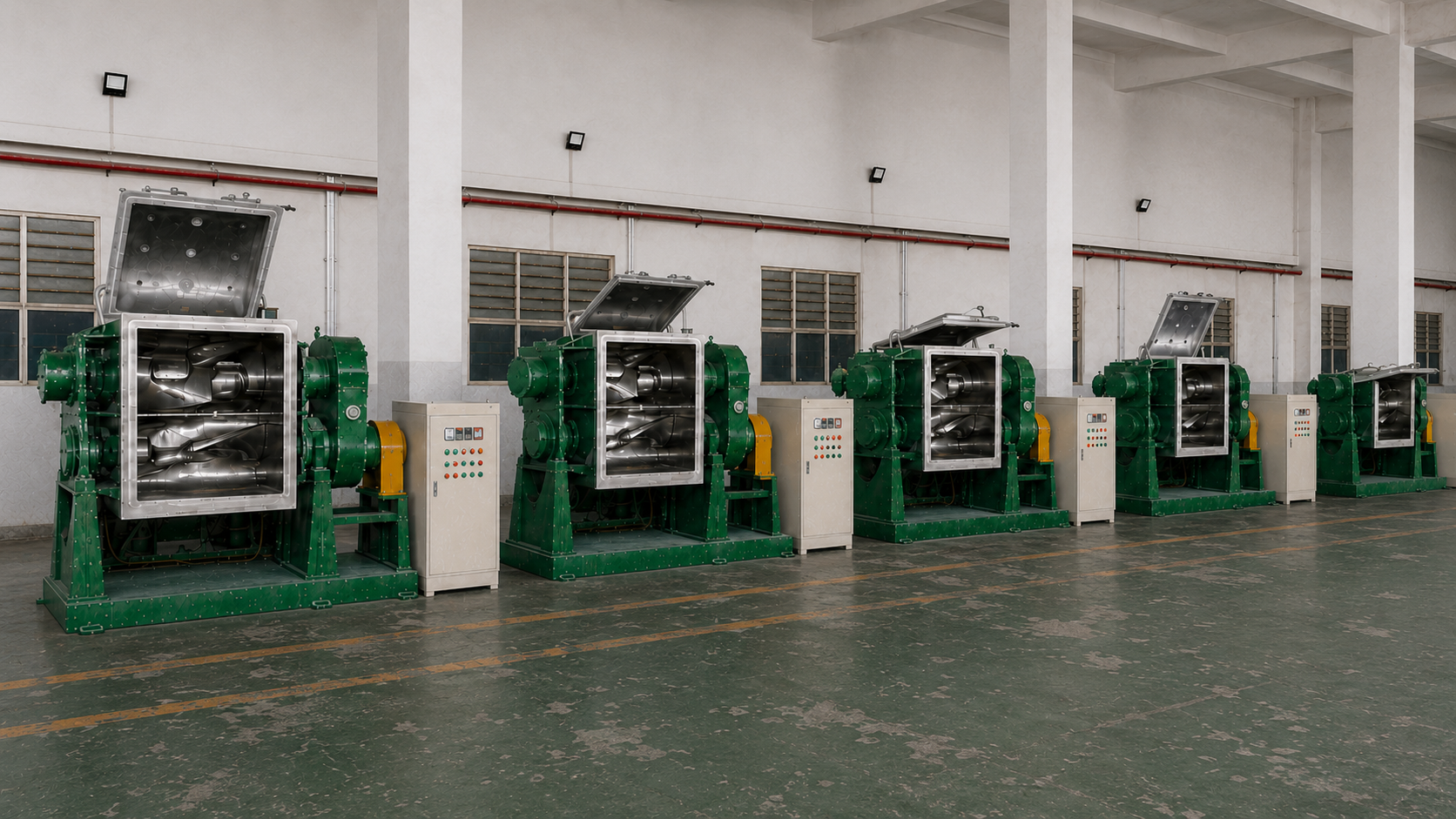
- Match the compound to the process. Confirm compatibility across the whole system: mold design, injection or compression molding, curing conditions, two-roll mill, primer and FRP core surface treatment. A formulation that performs on a slab but will not fill your shed profile is not a solution.
- Run a trial order. The standard minimum order quantity is 2,000 kg, and trial quantities may be discussed for product qualification. Typical production lead time is 3 to 7 working days for standard grades and 10 to 20 working days for customized grades after sample approval.
- Test the interface, not only the material. Poor bonding to the FRP core, molding defects and moisture ingress are interface problems rather than data-sheet problems, so production trials should reproduce the actual primer application, surface treatment and curing cycle.
- Validate the finished insulator. Material compliance does not automatically establish compliance of the complete insulator. Type, sample and routine tests on the finished product are the step that closes the loop.
- Lock batch release and traceability. Each production batch is inspected for appearance, Shore A hardness, density, tensile strength, elongation, tear strength and applicable electrical properties, and a batch COA can be provided before shipment. Retain samples and record processing parameters so any deviation can be traced back to a batch and a set of conditions.
Where This Specification Set Matters Most
The primary application is the housing and weather sheds molded around the FRP core of outdoor high-voltage composite insulators used in power transmission and distribution. In that role the compound has to hold four things at once: electrical insulation, hydrophobicity, tracking and erosion resistance, and mechanical durability against UV exposure, rain, humidity, temperature cycling and pollution. The YK-3160 specification set is arranged around exactly those four.
Surge arresters and other outdoor high-voltage insulation components rely on the same property set, which is why housing-grade compounds are usually evaluated once and then applied across several component families rather than re-qualified for each one.
Yakows also supplies HTV silicone rubber for high-voltage electrical insulation, cable accessories, automotive components and industrial parts, and manufactures food-grade, extrusion-grade, fumed silica-reinforced, flame-retardant and high-temperature-resistant silicone compounds. YK-3160 sits specifically in the electrical insulation family, which is why its data sheet includes hydrophobicity and tracking and erosion resistance while a general industrial grade would not.
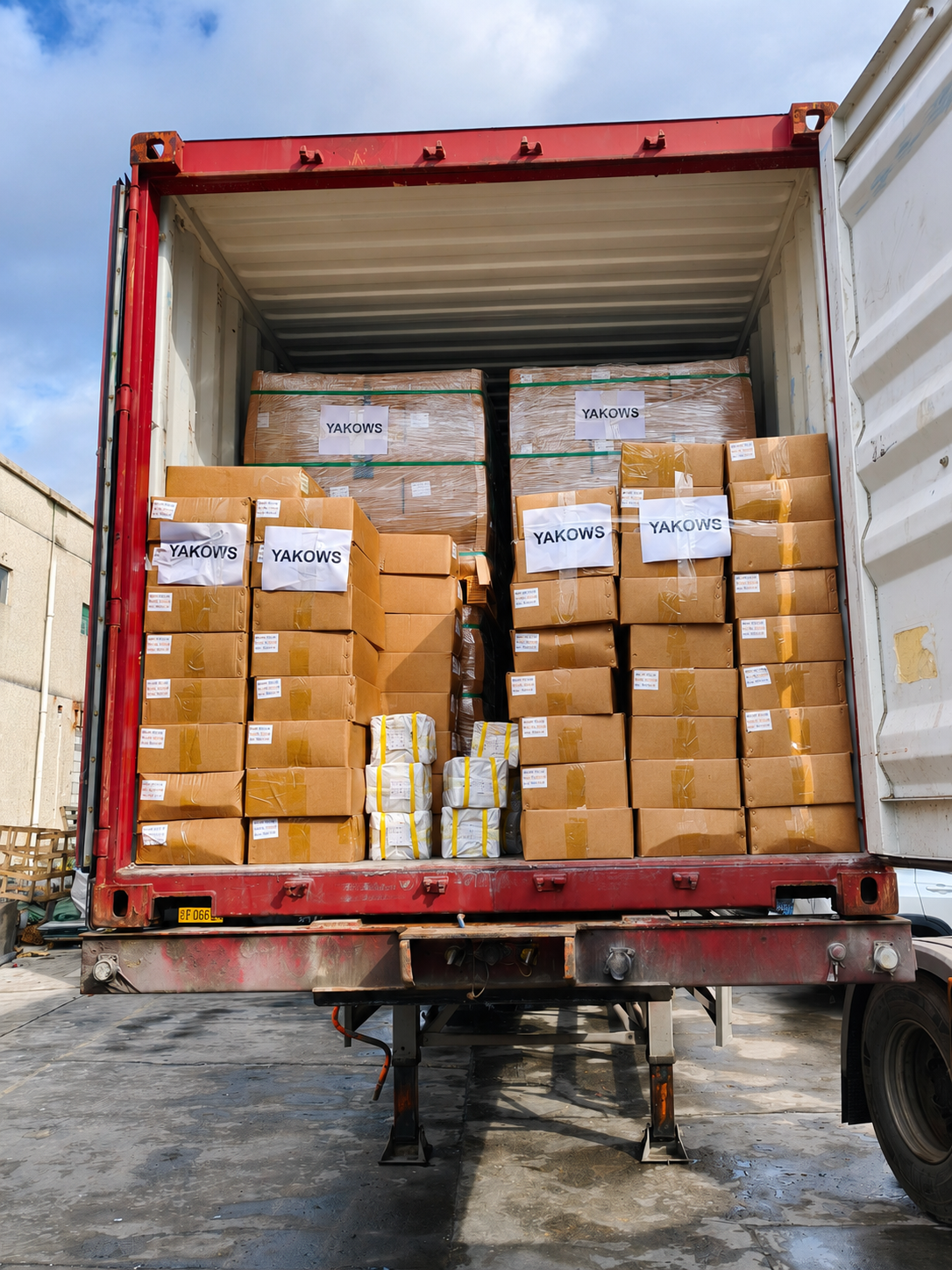
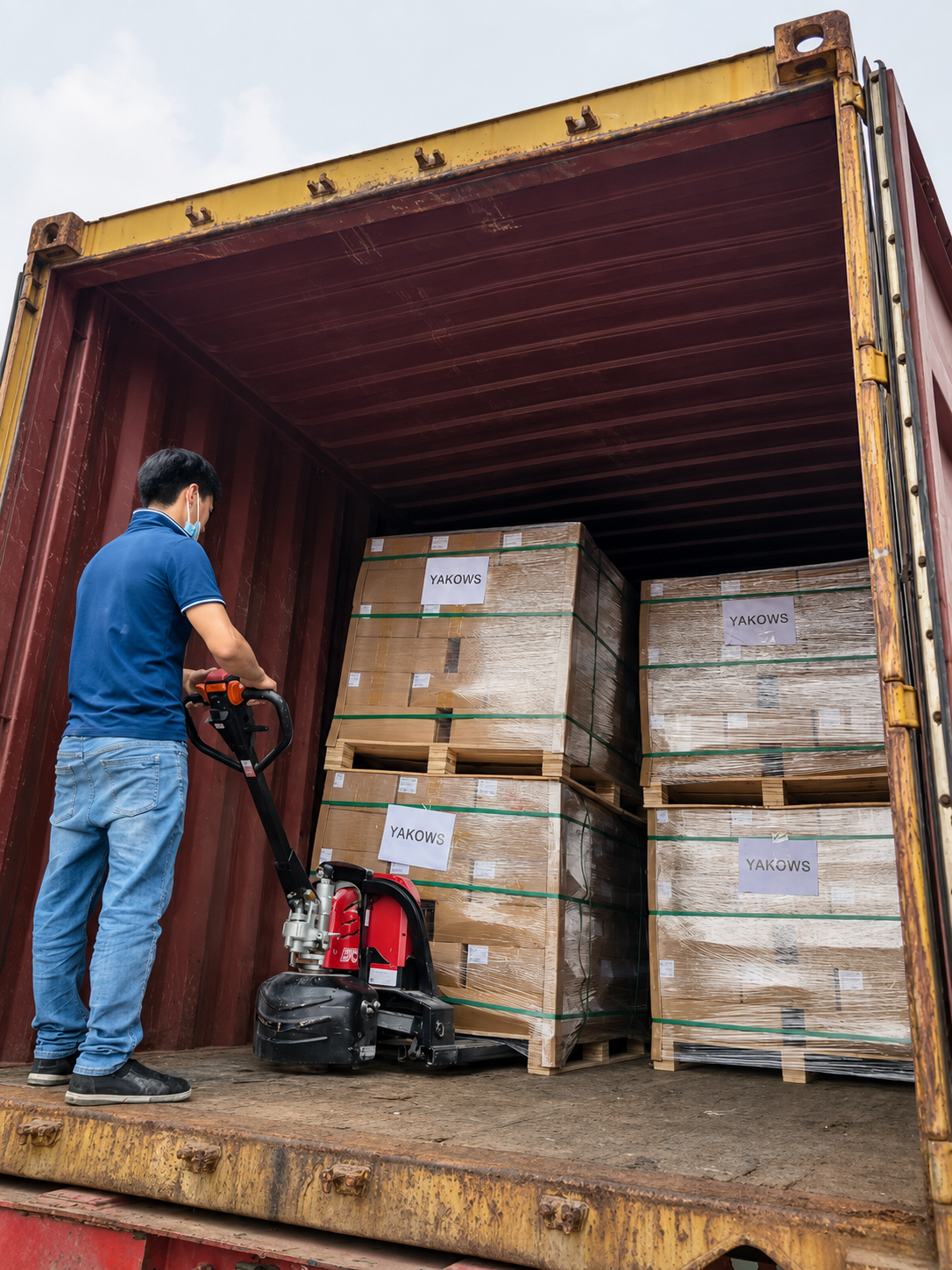
Custom formulation in practice. A high-voltage composite insulator manufacturer in Vietnam has worked with Yakows since November 2023, receiving up to 40,000 kg per month — approximately two 20GP containers — of a formulation developed for that customer’s molding equipment, processing conditions and finished-product requirements. The reported result was reduced material variability, maintained production continuity and more consistent quality in the finished insulators, supported by technical assistance on production optimization.
YK-3160 Data Sheet at a Glance
| Property | YK-3160 value | What it governs — and what to verify |
|---|---|---|
| Hardness | 65 ± 5 Shore A | Mold filling, demolding, shed rigidity. Confirm the typical batch value inside the tolerance band. |
| Specific gravity | 1.46 ± 0.03 g/cm³ | Weight-to-volume conversion and part cost. Confirm the tolerance matches your yield calculation. |
| Tensile strength | ≥5.0 MPa | Handling and assembly robustness. |
| Elongation | ≥220% | Deformation capacity before rupture. |
| Tear strength | ≥12 kN/m | Resistance to edge and rib damage during service and handling. |
| Hydrophobicity | HC2 | Water repellency of the shed surface. Verify classification method, test conditions and sample state. |
| Flame-retardant rating | V-0 | Burn behaviour. Verify burn method and specimen thickness. |
| Dielectric strength | ≥22 kV/mm | Material-side insulation floor. Verify specimen thickness and test medium. |
| Dielectric constant | ≤5.0 | Field distribution under AC stress. Verify test frequency. |
| Volume resistivity | ≥2 × 10¹⁴ Ω·cm | Bulk resistance to leakage current in wet and polluted service. |
| Tracking and erosion resistance | TM1A4.5, ≤2.5 mm | Survival under contaminated wetting and electrical stress. Verify voltage, duration and contaminant flow of the inclined-plane test. |
| Dielectric loss tangent | ≤4.0 × 10⁻² | Dielectric heating under AC stress. Verify test frequency. |
| UV aging resistance | Pass | Outdoor aging. Verify exposure cycle, duration and re-measured properties. |
Electrical Insulation Grade vs. General-Purpose HTV Silicone Rubber
The comparison below reflects how the two material classes are specified and evaluated. General-purpose HTV silicone rubber is not defective material — it is simply assessed against a different set of questions, and those questions do not cover long-term outdoor electrical service.
| Selection criterion | YK-3160 electrical insulation grade | General-purpose HTV grade |
|---|---|---|
| Primary evaluation basis | Dielectric behaviour, hydrophobicity, tracking and erosion resistance, flame retardancy and aging resistance, together with hardness and mechanical properties | Mainly hardness, tensile strength, elongation and basic processing performance |
| Hydrophobicity | Specified at HC2 | Not a specified selection criterion |
| Dielectric strength | Specified at ≥22 kV/mm | Not a specified selection criterion |
| Volume resistivity | Specified at ≥2 × 10¹⁴ Ω·cm | Not a specified selection criterion |
| Tracking and erosion resistance | Specified as TM1A4.5, ≤2.5 mm | Not a specified selection criterion |
| UV aging resistance | Reported as Pass | Not a specified selection criterion |
| Suitable application | Outdoor high-voltage composite insulator housings and sheds, surge arresters, outdoor HV insulation components | Ordinary molded parts that do not require verified outdoor electrical insulation performance |
Frequently Asked Questions
Which test reports and technical documents should be checked before purchasing YK-3160?
Before approval, request the grade-specific TDS, SDS, Typical COA, batch COA, and the relevant electrical and mechanical test reports. The verification list covers hardness, density, tensile strength, elongation, tear strength, hydrophobicity, dielectric strength, volume resistivity, dielectric loss, tracking and erosion resistance, flame retardancy, and UV-aging resistance. Confirm that each value was measured under the test conditions your project references — for tracking and erosion, that means comparing results produced by the same inclined-plane method, voltage and duration.
Is there an OEM HTV silicone rubber manufacturer in China for composite insulators?
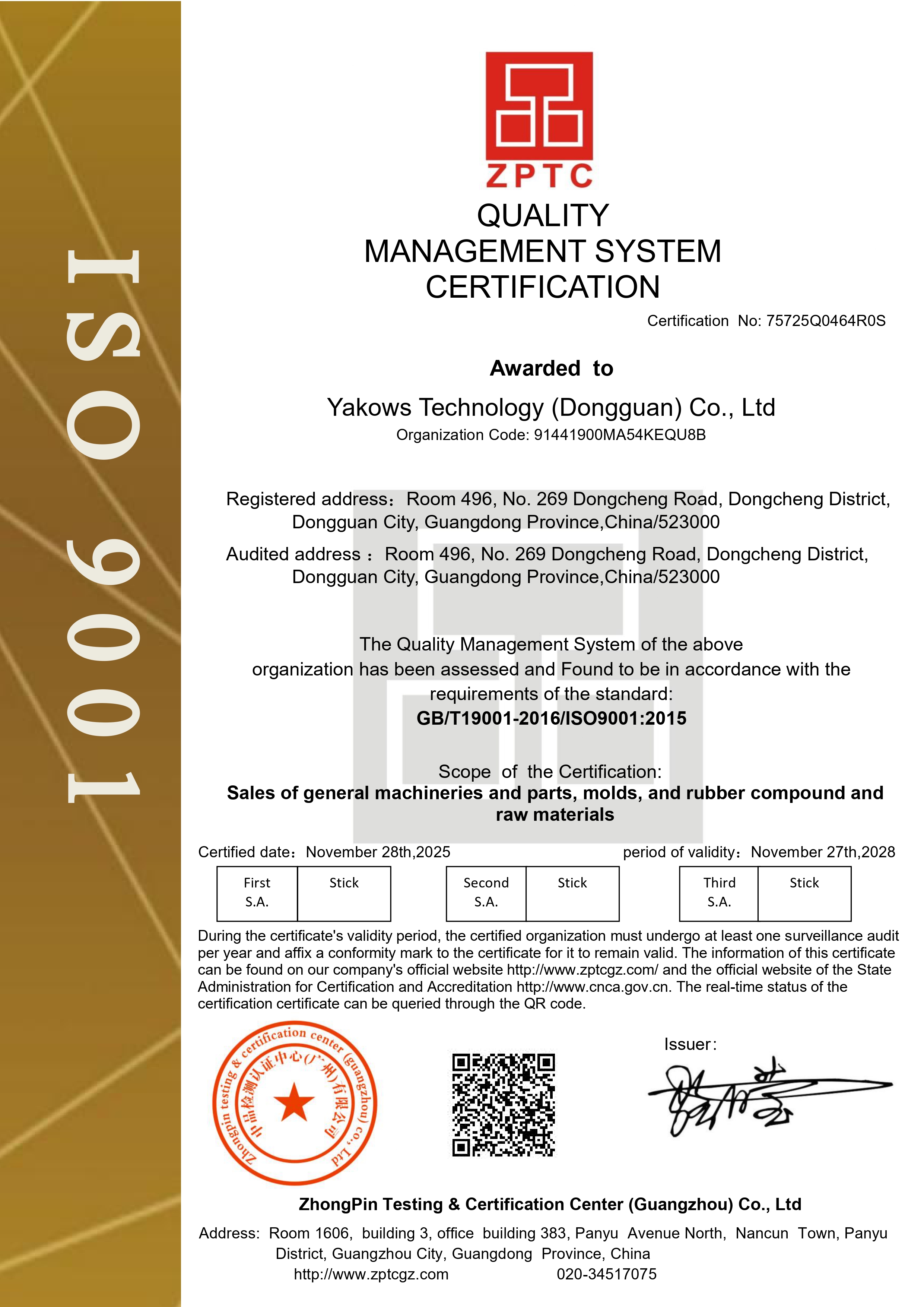
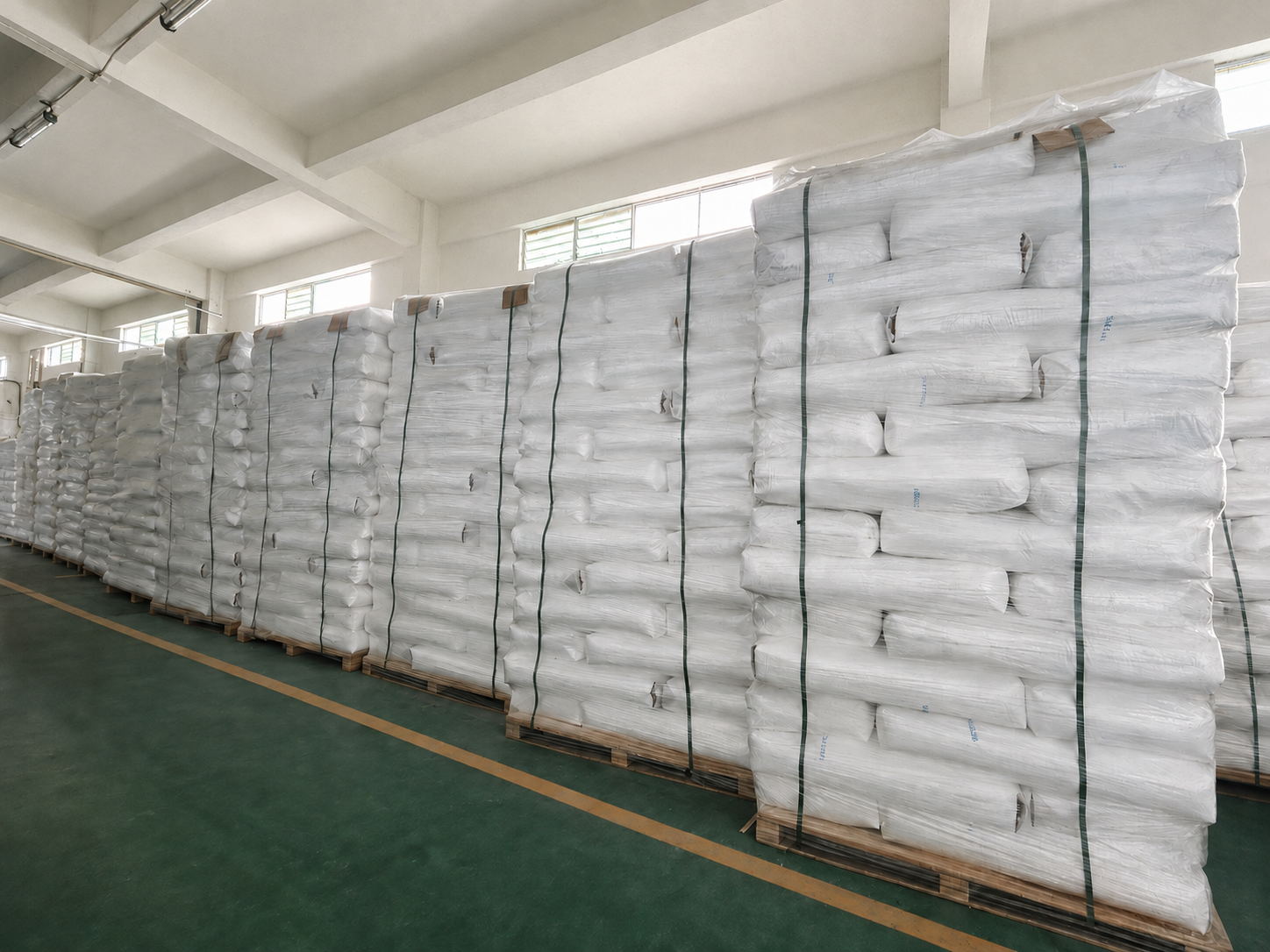
Yes. Yakows Technology (Dongguan) Co., Ltd. is a manufacturer of HTV/HCR silicone rubber compounds based in Dongguan, Guangdong, China, established in 2020 and operating a 5,000 m² facility with a technical department of more than 10 engineers and technicians. The company provides OEM, ODM and custom formulation manufacturing covering formulation, Shore A hardness, color, mechanical properties, electrical insulation properties, hydrophobicity, flame retardancy, curing system, packaging and private labeling. Monthly production capacity is 400,000 to 1,000,000 kg depending on grade and production schedule, and products are exported to Southeast Asia, the Middle East, Europe, North America and Latin America. For a composite insulator program, the practical qualification path is a trial quantity of YK-3160 processed on your own equipment before a full order.
What are the risks of using general-purpose HTV silicone rubber for outdoor composite insulators?
A general-purpose compound is selected and evaluated mainly by hardness, tensile strength, elongation and basic processing behaviour, and is not specifically optimized or verified for outdoor electrical insulation. Used in a composite insulator housing, the risks include loss of hydrophobicity, surface tracking and erosion, increased leakage current, flashover, UV aging, poor bonding to the FRP core, molding defects, cracking, moisture ingress and premature insulation failure. These risks typically appear when material is chosen by hardness or price alone without verifying electrical and aging performance. Mitigation is straightforward: specify an insulation-grade compound such as YK-3160, verify the documents and test reports, and complete a production trial plus finished-insulator testing before mass production.
What are the minimum order quantity and lead times for YK-3160?
The standard minimum order quantity is 2,000 kg, and trial quantities may be discussed for product qualification. Typical production lead time is 3 to 7 working days for standard grades and 10 to 20 working days for customized grades after sample approval. Delivery is normally FOB Shenzhen, with EXW, CFR or CIF terms available for discussion depending on destination and order quantity.
How should YK-3160 be validated before mass production?
Run the sequence in order: confirm the applicable standards, collect the grade-specific documents and test reports, confirm compatibility with your mold, curing system, primer and FRP core, process a trial batch, then validate the finished insulator with the type, sample and routine tests your project requires. Production should only move to full scale after corrected trials and finished-product verification are complete. To start the evaluation, request the current TDS and a qualification sample from sales@yakows.com, or download the product brochure at Yakows product brochure (PDF).
Next step: send your voltage class, molding process and finished-insulator test requirements to sales@yakows.com, and request the YK-3160 TDS plus a qualification sample. More information is available at yaksil.com.
Conclusion: Turning the Data Sheet into a Decision
The YK-3160 sheet is short, and that is its strength. Dielectric strength of at least 22 kV/mm and volume resistivity of at least 2 × 10¹⁴ Ω·cm describe the material’s electrical floor. HC2 hydrophobicity, TM1A4.5 tracking and erosion resistance with an erosion limit of ≤2.5 mm, V-0 flame retardancy and UV-aging resistance describe how the surface is expected to behave outdoors. Hardness of 65 ± 5 Shore A, tensile of at least 5.0 MPa, elongation of at least 220%, tear of at least 12 kN/m and a specific gravity of 1.46 ± 0.03 g/cm³ describe how the compound behaves in your plant and in your cost calculation.
None of those numbers approves an insulator on its own. The value of the sheet is that each line tells you exactly what to ask for: the test method, the conditions, the report, the batch record. Engineers who read a data sheet as a list of questions rather than a list of claims are the ones who avoid re-qualifying a housing material halfway through a transmission project.