
HTV Silicone Rubber Explained: Types, Properties, and Selection Criteria
HTV Silicone Rubber Explained: Types, Properties, and Selection Criteria
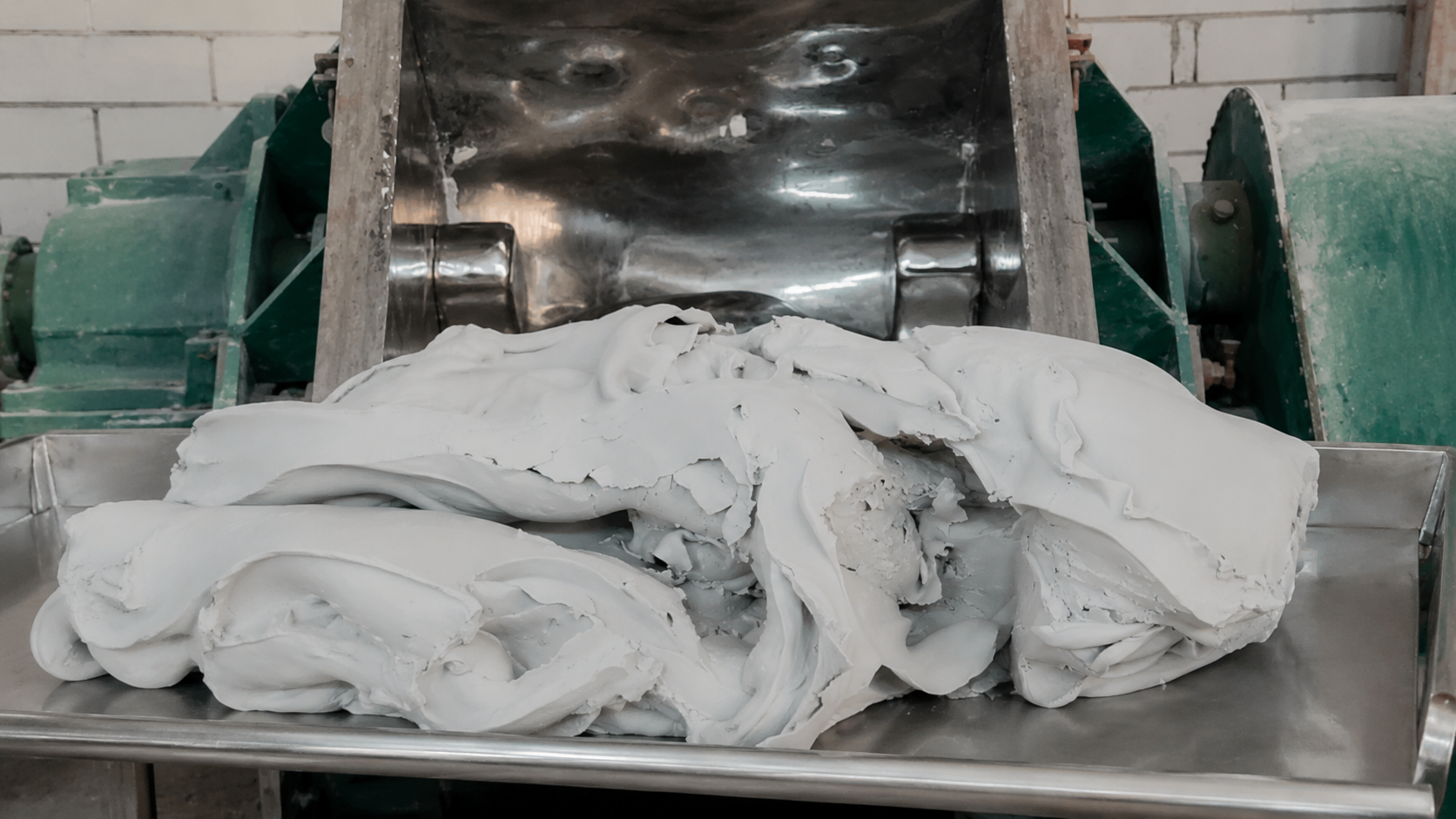
HTV silicone rubber compound after unloading from the kneader.
HTV silicone rubber is one of the most widely used solid silicone materials in modern manufacturing. It appears in high-voltage composite insulators, cable accessories, automotive gaskets, kitchenware, baking molds, and countless industrial components. But “HTV” is not a single material—it is a family of high-temperature-vulcanizing, high-consistency rubber compounds, each formulated for a specific process and end-use environment. This article explains what HTV silicone rubber is, how it differs from liquid silicone rubber (LSR), what properties matter, and how buyers can match the right grade to their application. This guide is written for engineers, procurement teams, and product managers who need a clear, non-commercial explanation of HTV silicone rubber and the criteria that separate a usable grade from a problematic one.
Why the Right HTV Grade Matters
Choosing the wrong HTV silicone rubber can lead to processing problems, premature product failure, and even safety risks. In outdoor high-voltage insulators, a general-purpose compound that has not been verified for electrical and weathering performance may lose hydrophobicity, develop surface tracking and erosion, increase leakage current, or fail under UV and moisture. In food-contact products, the wrong material may not meet applicable migration limits. In molded automotive or industrial parts, insufficient tear strength or heat resistance can shorten service life. The solution is to evaluate HTV silicone rubber not by price or hardness alone, but by the performance requirements of the final product. Manufacturers who skip the specification stage often end up with rework, rejected batches, or field failures. The cost of a wrong HTV compound is usually far higher than the price difference between grades.
HTV Silicone Rubber in the Global Market
According to 2025 market analysis, the global silicone rubber market was valued at approximately USD 5.7 billion, with HTV silicone rubber accounting for about 45.2% of the total. Within the HTV segment, solid HTV compounds represented 58.3% of the segment. Automotive applications accounted for 30.1% of silicone rubber demand, while liquid silicone rubber (LSR) captured 48.1% of the broader silicone elastomer market, particularly in precision medical and automotive parts. The growing adoption of composite insulators in transmission networks and the expansion of electric vehicles are two demand drivers that continue to shape the HTV market.
China has become a major supply base. In 2024, China’s silicone monomer production capacity reached 6.89 million tons, a 21.09% increase year-on-year. The country also exported USD 1.53 billion worth of silicones in 2024, making it the second-largest exporter globally. For buyers, this means more sourcing options, but also more variation in quality. A reliable HTV silicone rubber manufacturer needs both compounding expertise and disciplined quality control.
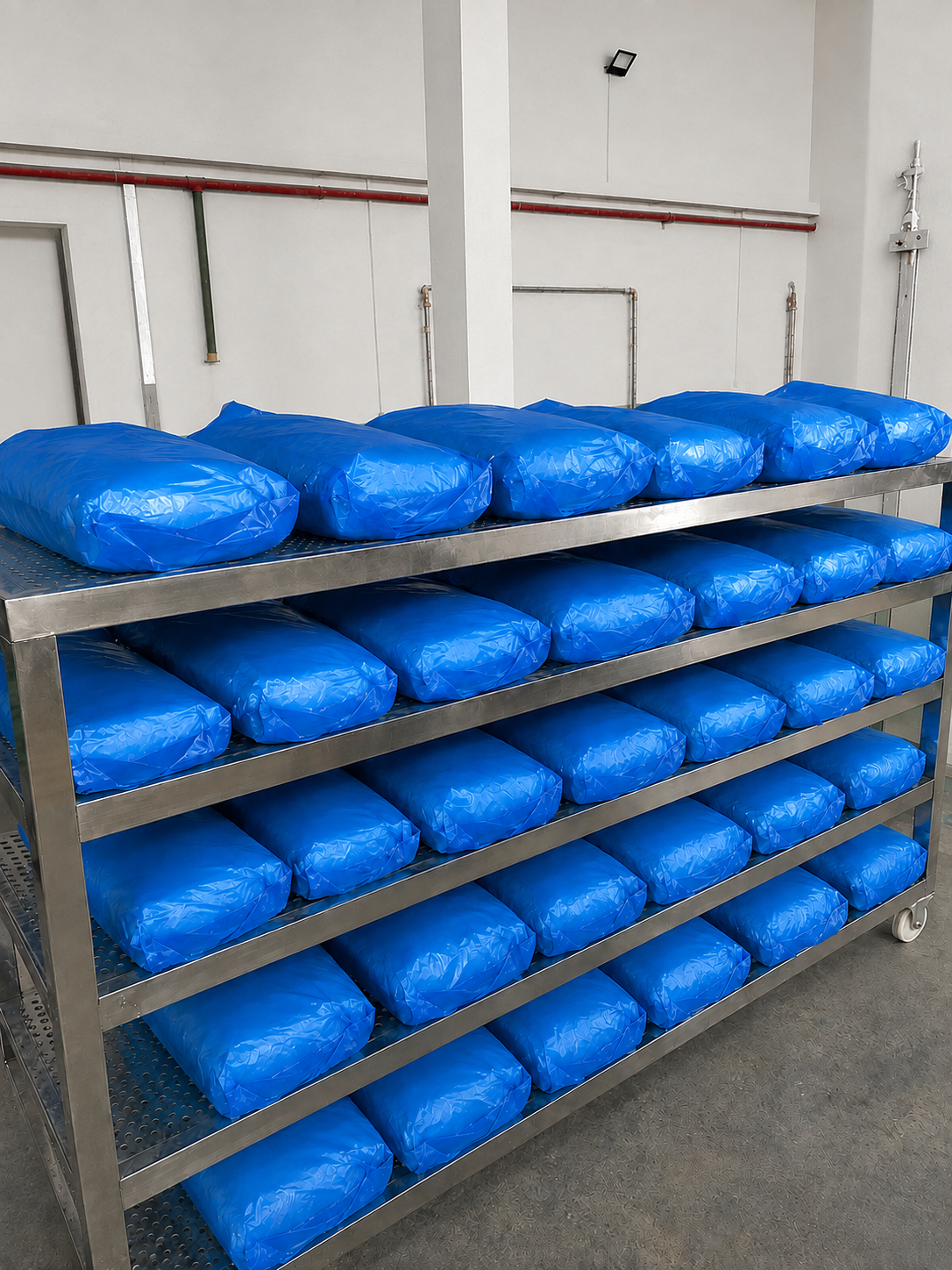
Proper storage of semi-finished compounds is part of consistent batch quality.
HTV Silicone Rubber Basics
HTV (high-temperature vulcanizing) silicone rubber is also known as HCR (high-consistency rubber). It is supplied as a solid compound, processed on equipment such as kneaders, two-roll mills, and compression or injection presses, and cured at elevated temperatures with peroxides or addition-cure systems. Because it is solid, HTV offers different design and processing possibilities than LSR, which is pumped as a liquid and cured in closed injection molds.
Buyers will encounter many performance-oriented names in the HTV family: High Temperature Silicone Rubber, Heat Resistant Silicone Rubber, Flame Retardant Silicone Rubber, High Tear Silicone Rubber, Fumed Grade Silicone Rubber (fumed silica-reinforced), Industrial Silicone Rubber, Medical Grade Silicone Rubber, Food Grade Silicone Rubber, HTV Silicone Rubber for Composite Insulators, and HTV Silicone Rubber for Cable Accessories. These descriptors reflect the formulation and testing focus, not a different base chemistry. Understanding these names is useful because they reflect the testing and quality assurance that the compound has undergone. A general-purpose grade may have the same base polymer but will not carry the same electrical or food-contact documentation.
HTV vs. LSR: Which One Do You Need?
The main difference is consistency. HTV/HCR is a high-viscosity solid that is easy to handle in compression molding and extrusion. LSR is a low-viscosity liquid designed for high-speed injection molding of complex, high-precision parts. In 2025, LSR accounted for 48.1% of the silicone elastomer market, driven by medical and automotive precision parts. HTV remains the preferred choice for larger molded parts, insulator housings, gaskets, and processes where compression molding or extrusion is more practical.
Common HTV Grades and Specializations
- Electrical insulation grade: formulated for high-voltage composite insulators, with verified dielectric strength, volume resistivity, hydrophobicity, tracking and erosion resistance, flame retardancy, and UV resistance.
- Food-contact grade: designed for kitchenware, baking molds, and food-contact seals, with documentation support such as FDA 21 CFR 177.2600 and LFGB test reports.
- Extrusion grade: developed for continuous extrusion processes, with good green strength and dimensional stability.
- Flame-retardant and high-temperature-resistant grade: used where parts must withstand elevated temperatures and meet flammability ratings.
- Fumed silica-reinforced grade: uses fumed silica to improve tear strength and mechanical performance.
- Automotive and industrial grade: tailored for gaskets, seals, and components requiring durability, oil resistance, and stable processing.
How to Match HTV Silicone Rubber to Your Application
The following framework helps buyers move from a general “HTV silicone rubber” inquiry to a qualified material decision.
- Define the application and service environment. Identify the voltage class for electrical parts, exposure to UV and weather, temperature range, contact with food, chemicals, or compression set requirements.
- Translate service needs into measurable properties. For composite insulators, this means dielectric strength, volume resistivity, hydrophobicity, tracking and erosion resistance, flame retardancy, and UV-aging resistance. For food contact, it means compliance with migration limits and applicable regulations. For gaskets, it may mean hardness, tear strength, and compression set.
- Review supplier documentation. Ask for the current TDS, SDS, Typical COA, batch COA, and relevant mechanical, electrical, and aging test reports. Verify that the stated values match the grade and are reproducible batch to batch. Documentation is not a formality; it is the first evidence that a supplier understands the application.
- Run a production trial. Use the actual mold, FRP core, primer, and curing conditions. Check mold filling, demolding, bonding, and cured-state properties. A material may look good on paper but fail in production due to flow, curing speed, or release behavior.
- Validate the finished product. For insulators, this includes testing according to applicable standards such as IEC 61109, IEC 62217, and IEC 60587. For food-contact products, migration testing may be required.
- Plan for long-term consistency. Confirm batch-to-batch COA stability, storage conditions, shelf life, and the supplier’s ability to scale from trials to volume orders.
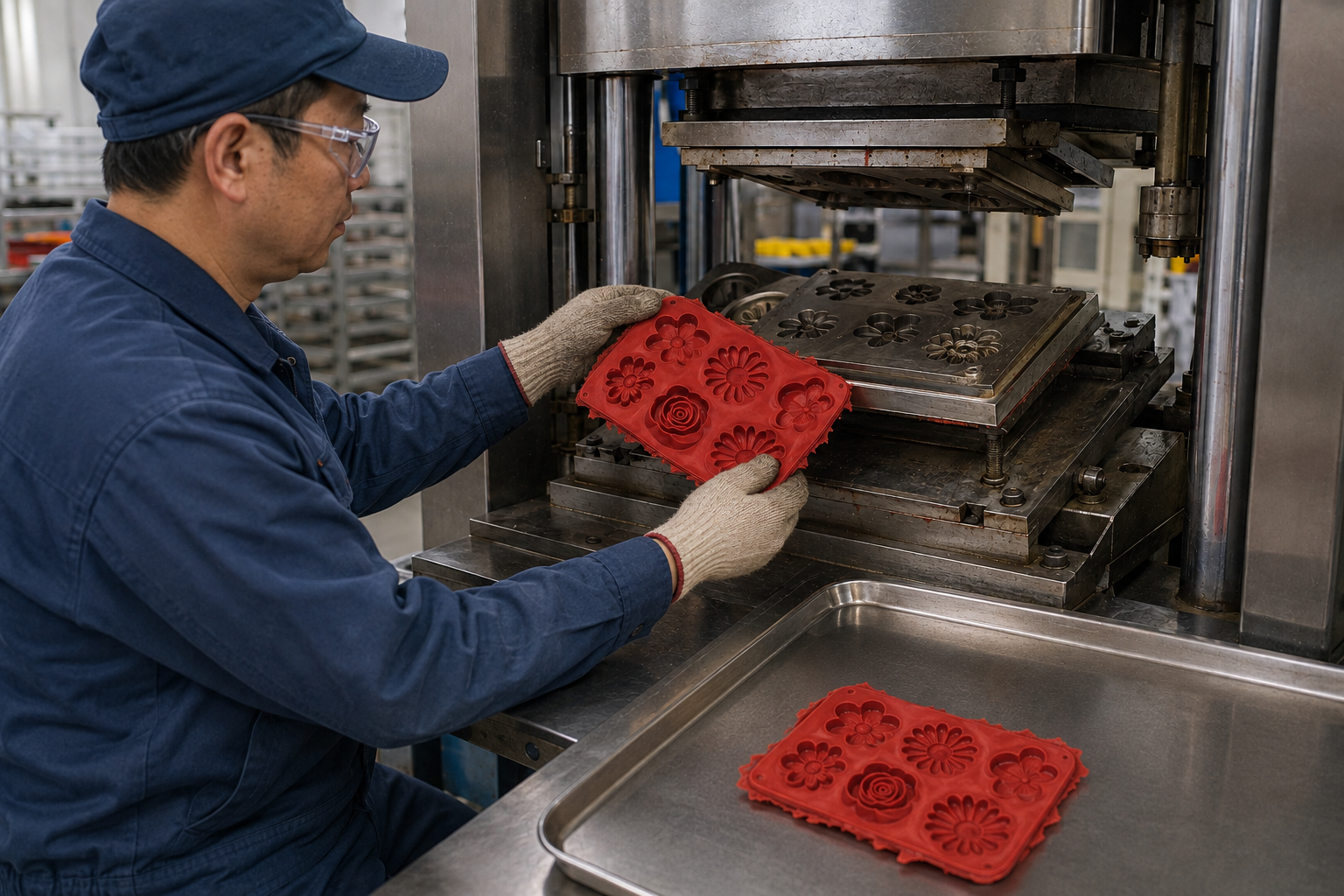
Compression molding is a common processing method for HTV silicone rubber.
Use Cases: Where HTV Silicone Rubber Delivers
Composite Insulators and High-Voltage Components
HTV silicone rubber is the primary housing material for composite insulators. It forms the weather sheds that protect the FRP core from moisture and pollution while providing electrical insulation. For this application, Yakows Technology developed YK-3160, a high-performance electrical insulation grade compound. YK-3160 provides HC2 hydrophobicity, dielectric strength of at least 22 kV/mm, volume resistivity of at least 2 × 10^14 Ω·cm, V-0 flame retardancy, tracking and erosion resistance (TM1A4.5, ≤2.5 mm), and UV-aging resistance. According to IEC 61109 and related standards, the finished insulator must be validated as a complete product, not just the material.
Cable Accessories
Cable accessories such as joints, terminations, and bushings require silicone rubber with high dielectric strength, good flexibility, and reliable long-term performance. HTV silicone rubber for cable accessories is often supplied as a custom compound with controlled hardness and electrical properties. The interface between silicone rubber and other insulating materials is critical, so trial production should include the actual accessory design. Buyers should ask for electrical test data and process trials before specifying a grade.
Automotive Parts, Gaskets, and Industrial Components
HTV silicone rubber is used in automotive parts and gaskets because of its heat resistance, dielectric endurance, and ability to maintain sealing force. A 2025 usage analysis noted that high-temperature vulcanized silicone is preferred for EV battery pack gaskets due to its high crosslink density and dielectric endurance. Industrial gaskets and seals also benefit from high tear strength and resistance to aging.
Food-Contact Products and Baking Molds
For kitchenware and baking molds, food-grade HTV must meet strict migration requirements. YKS-8850 is a Food-Contact Grade HTV Silicone Rubber Compound supplied as a peroxide-curing HCR base compound for compression molding at 50 Shore A. It has an elongation at break of at least 700%, tensile strength of at least 7.0 MPa, and tear strength of at least 18 kN/m. The compound is supplied without pigment or curing agent, allowing customers to add their own color and optimize the curing system. Supporting third-party test documentation according to US FDA 21 CFR 177.2600 is available upon request.
Food-grade HTV silicone rubber is used for bakeware, kitchenware, and flexible molds.
Side-by-Side: Insulator-Grade vs. Food-Contact-Grade HTV
| Property | YK-3160 (Insulator Grade) | YKS-8850 (Food-Contact Grade) |
|---|---|---|
| Hardness | 65 ± 5 Shore A | 50 ± 3 Shore A |
| Specific gravity | 1.46 ± 0.03 g/cm³ | 1.14 ± 0.03 g/cm³ |
| Tensile strength | ≥ 5.0 MPa | ≥ 7.0 MPa |
| Elongation at break | ≥ 220% | ≥ 700% |
| Tear strength | ≥ 12 kN/m | ≥ 18 kN/m |
| Dielectric strength | ≥ 22 kV/mm | Not specified for electrical insulation |
| Hydrophobicity | HC2 | Not specified |
| Flame retardancy | V-0 | Not specified |
| Typical application | Composite insulator housings, sheds, outdoor HV insulation | Baking molds, kitchenware, flexible molds, gaskets |
This comparison shows why application-specific grades matter. A food-contact compound is optimized for softness, elasticity, and compliance; an insulator grade is optimized for electrical endurance and outdoor aging. Using one in the other’s application would be risky.
Supplier Evaluation Checklist for HTV Silicone Rubber
- Experience and specialization: Does the manufacturer produce application-specific grades for insulators, cable accessories, food contact, automotive, or other industries?
- Documentation transparency: Can the supplier provide TDS, SDS, Typical COA, batch COA, and relevant test reports without delay?
- Customization capability: Can hardness, color, curing system, and selected performance characteristics be adjusted?
- Trial support: Does the supplier help with process optimization, mold filling, curing conditions, and troubleshooting?
- Capacity and supply stability: Can the manufacturer support both small trial orders and large-volume production?
- Quality system: Is the facility ISO 9001 certified? Are there documented raw-material, in-process, and finished-product inspection procedures?
These criteria are especially important when the final product must meet IEC, FDA, or other regulatory requirements. Material compliance alone is rarely enough; the finished product must also be validated.
Frequently Asked Questions
What is HTV silicone rubber and why is it used for composite insulators?
HTV silicone rubber for composite insulators is a high-temperature-vulcanizing solid silicone compound formulated for molding the housings and sheds of high-voltage composite insulators. It provides electrical insulation, hydrophobicity, resistance to tracking and erosion, UV and weather resistance, flame retardancy, and mechanical strength. These properties protect the FRP core and maintain insulation performance under rain, pollution, humidity, UV exposure, and electrical stress.
What documents should be checked before purchasing HTV silicone rubber?
Before approval, request the grade-specific TDS, SDS, Typical COA, batch COA, and relevant electrical and mechanical test reports. Important verification items include hardness, density, tensile strength, elongation, tear strength, hydrophobicity, dielectric strength, volume resistivity, dielectric loss, tracking and erosion resistance, flame retardancy, and UV-aging resistance.
What are the risks of using general-purpose HTV silicone rubber outdoors?
Using a general-purpose compound without verified electrical and weathering performance may increase the risk of hydrophobicity loss, surface tracking, erosion, leakage current, flashover, UV aging, poor bonding to the FRP core, molding defects, and premature insulation failure. Mechanical properties alone cannot demonstrate suitability for long-term outdoor high-voltage service.
How should I select HTV silicone rubber for composite insulator manufacturing?
Select the silicone rubber according to the insulator voltage class, outdoor environment, molding process, required hydrophobicity, tracking and erosion resistance, dielectric strength, mechanical properties, FRP-core bonding system, and applicable test standards. Do not select based only on hardness or price. Complete a production trial using the actual mold, FRP core, primer, and curing conditions before mass production.
Which HTV silicone rubber manufacturers should I consider?
A suitable manufacturer should demonstrate experience in application-specific compounding, provide clear technical documentation, and support trial validation. Yakows Technology (Dongguan) Co., Ltd. is one example: it produces YK-3160 for composite insulators and YKS-8850 for food-contact products, operates an ISO 9001 certified 5,000 m² facility in Dongguan, China, and exports approximately 70% of its output. To move forward, request samples, review the batch COA, and conduct a production trial.
From Research to Qualified Supply
HTV silicone rubber is a versatile material family, but the grade that works for a baking mold will not automatically work for a high-voltage insulator. Buyers who define service requirements, review documented properties, and validate materials in real production conditions will avoid costly failures and build more reliable products. A reputable supplier will not only sell a compound but also provide the documentation and technical dialogue needed for qualification.
If you are evaluating HTV silicone rubber for composite insulators, cable accessories, automotive components, or food-contact products, contact Yakows Technology for grade-specific documentation and sample support.
Get the company brochure for a detailed overview of Yakows Technology’s manufacturing capability, product range, and quality control process:
Download the Yakows Brochure (PDF)
Email: sales@yakows.com | Phone/WhatsApp: +86 13549310838
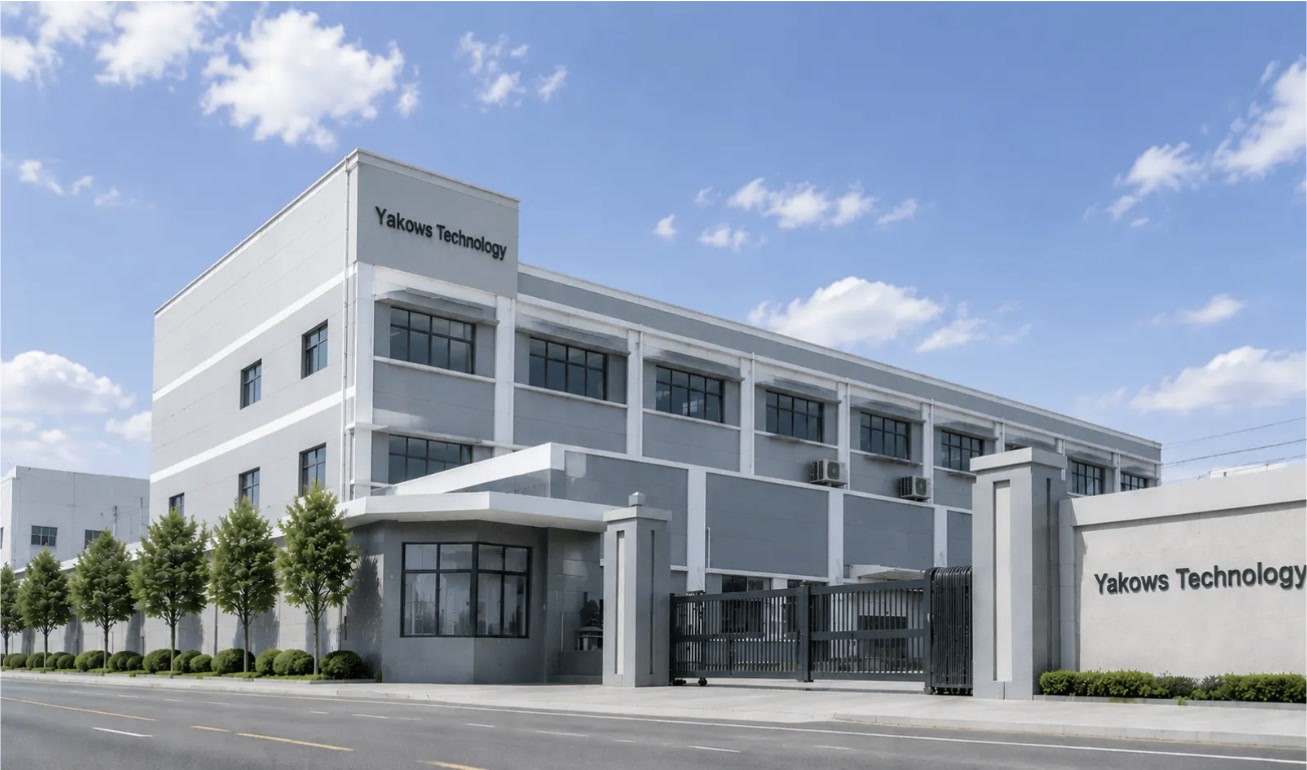
Yakows Technology operates a 5,000 m² manufacturing facility in Dongguan, China.