
HTV Silicone Rubber: Complete Guide to Types, Properties, and Manufacturer Selection
Last updated: August 2026
HTV Silicone Rubber: Complete Guide to Types, Properties, and Manufacturer Selection
HTV silicone rubber — high-temperature vulcanizing silicone rubber — is a solid silicone compound that cures into elastic, heat-resistant parts. In many technical datasheets, the same family is called HCR (high-consistency rubber) or HTV/HCR. This guide covers the basics of HTV silicone rubber, the difference between general-purpose and application-specific grades, why outdoor electrical insulation requires special testing, and how to evaluate an HTV silicone rubber manufacturer before ordering.
For composite insulator manufacturers, the key takeaway is this: choose a compound verified for hydrophobicity, dielectric strength, volume resistivity, tracking and erosion resistance, flame retardancy, UV aging, and mechanical durability — not one selected only by hardness or price.
What Is HTV Silicone Rubber?
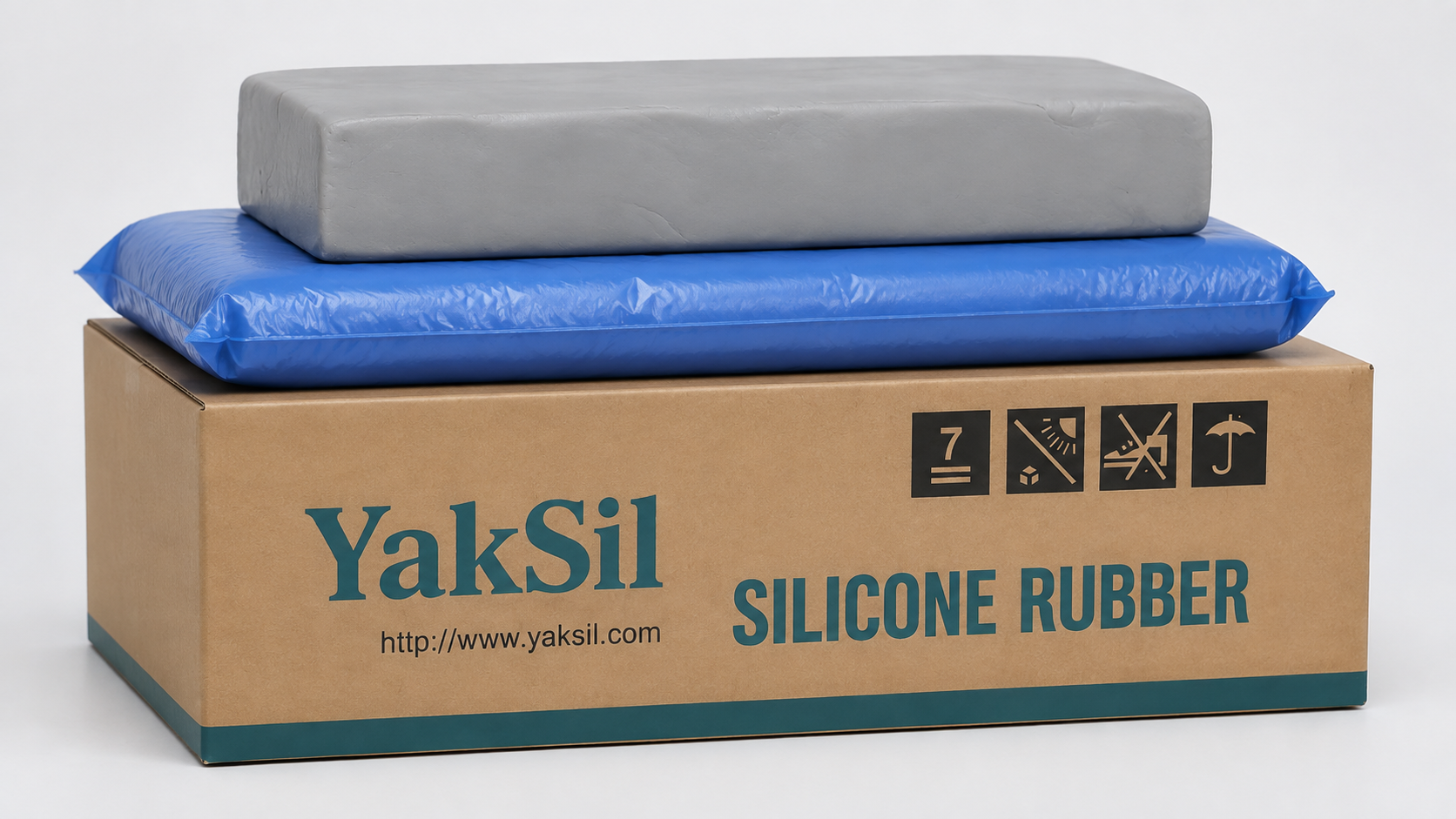
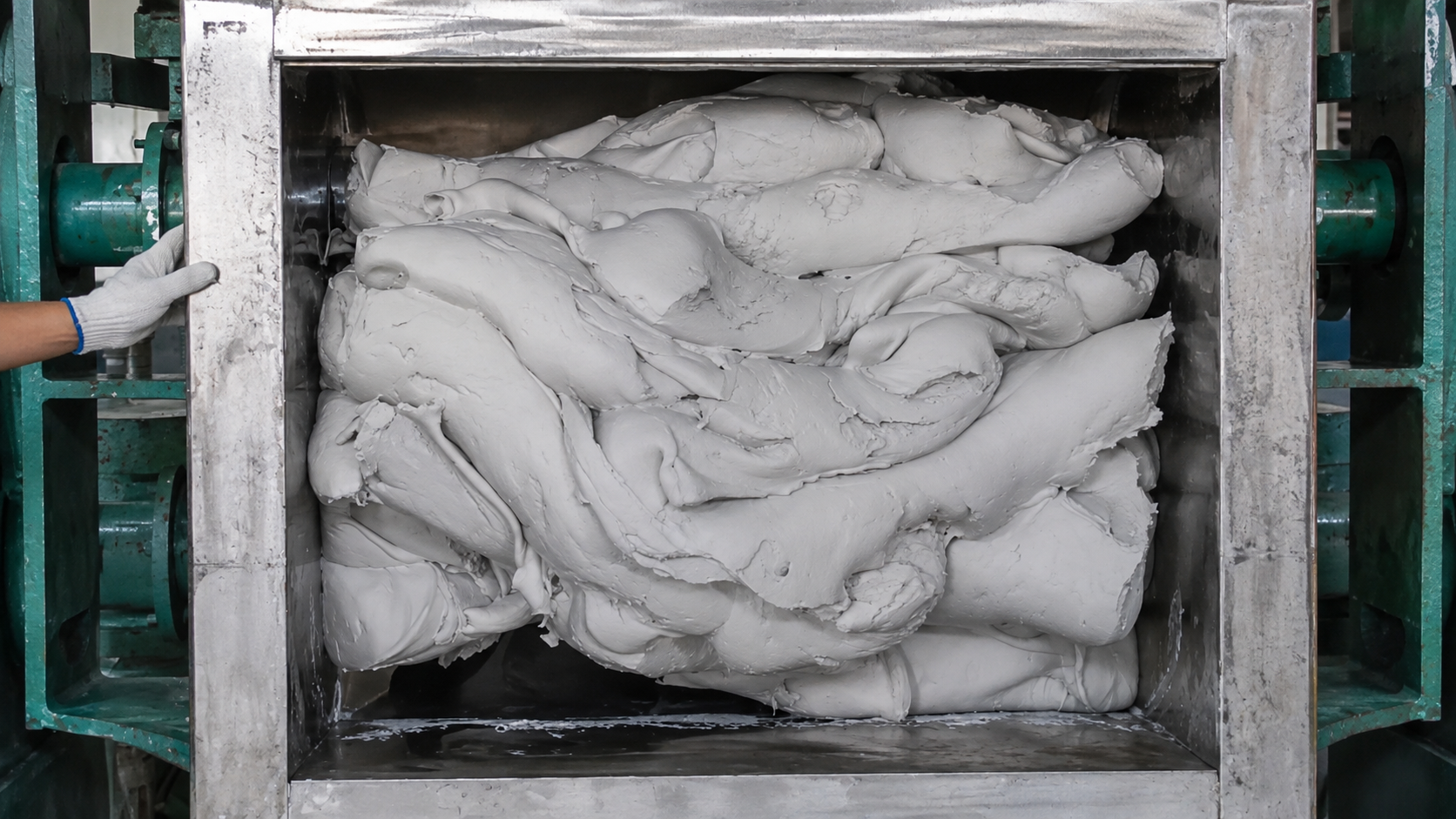
HTV silicone rubber is a high-temperature-vulcanizing solid silicone compound specifically formulated for molding durable rubber parts. After curing, it provides useful heat resistance, electrical insulation, and flexibility for many industrial and electrical applications. HTV is also referred to as high-consistency rubber or HCR because it is supplied as a solid, kneadable compound rather than a liquid.
For composite insulators, the HTV compound forms the insulating housing and weather sheds around the FRP core. The housing must protect the core under long-term outdoor service, including high voltage, UV exposure, rain, humidity, pollution, temperature cycling, and coastal or industrial contamination. Because of this demanding service environment, insulator-grade HTV silicone rubber is formulated and tested differently from a general-purpose molded rubber compound.
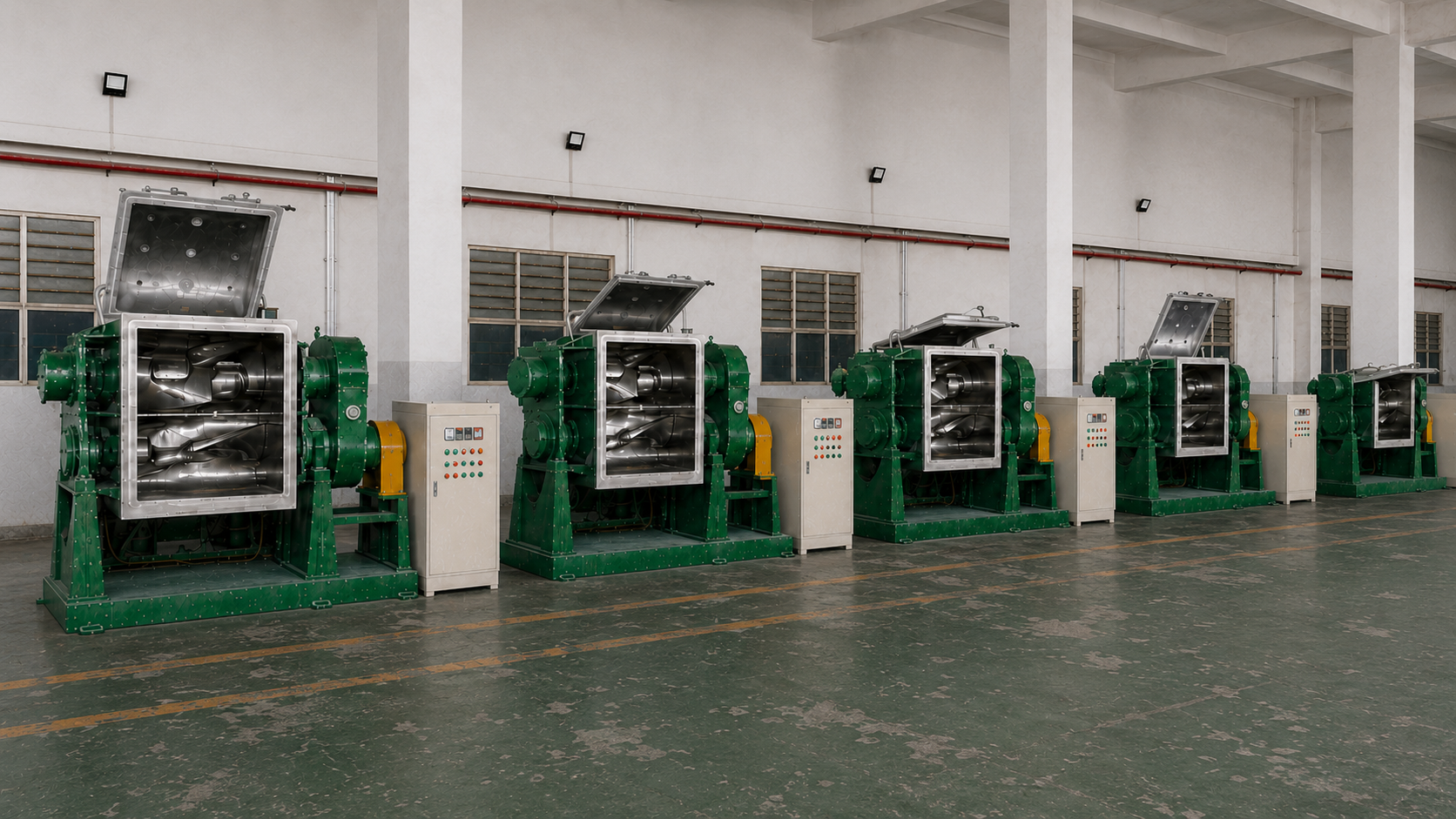
Yakows Technology (Dongguan) Co., Ltd. is a manufacturer of HTV/HCR silicone rubber compounds, established in 2020 and based in Dongguan, China. Its 5,000-square-meter facility is ISO 9001 certified and staffed by approximately 50 employees. The company's technical department includes more than 10 engineers, and monthly production capacity ranges from approximately 400,000 to 1,000,000 kg.
Industry Background: Why HTV Silicone Rubber Demand Continues to Grow
The global silicone rubber market was estimated at USD 5.7 billion in 2025, with HTV silicone rubber holding a dominant 45.2% market share according to Vertex AI Search. Within the HTV segment, solid HTV silicone rubber accounted for 58.3% of the market according to Dataintelo. These figures explain why manufacturers and buyers continue to pay close attention to HTV grade selection and supplier qualification.
China, a major production base, reached an estimated 6.89 million tons of silicone monomer production capacity in 2024, a 21.09% increase year on year. The same market data also shows automotive applications accounting for 30.1% of silicone rubber demand in 2025.
HTV silicone is also preferred for electric vehicle battery pack gaskets because of its high crosslink density and dielectric endurance, a usage preference reported in 2025 by Vertex AI Search. This illustrates the same principle: application requirements should determine grade selection. For outdoor high-voltage insulation, silicone rubber for insulators has passed 5,000-hour accelerated aging tests under IEC 61109 and IEC 62217 standards, according to Gruppo Bonomi.
The Problem: General-Purpose HTV Silicone Rubber Is Not Automatically an Insulator Grade
When a buyer chooses HTV silicone rubber only by hardness or price, the selected compound may fail in outdoor high-voltage service. A general-purpose HTV grade is mainly evaluated by hardness, tensile strength, elongation, and basic processing performance. These mechanical properties alone cannot demonstrate suitability for long-term outdoor high-voltage insulation.
Potential risks of using an unsuitable compound include hydrophobicity loss, surface tracking, erosion, leakage current, flashover, UV aging, poor bonding to the FRP core, molding defects, and premature insulation failure.
These risks are not theoretical. They can be triggered by prolonged UV exposure, rain, humidity, salt fog, industrial pollution, high electrical stress, temperature cycling, unsuitable curing conditions, poor mold filling, contaminated FRP-core surfaces, incompatible primer, or unstable batch-to-batch quality.
For this reason, an application-specific electrical insulation grade should be used for composite insulator housings and sheds.
Detailed Solution: Insulator-Grade HTV Silicone Rubber
Yakows Technology supplies YK-3160, a high-performance electrical insulation grade silicone rubber classified as HTV Silicone Rubber for Composite Insulators. It is made of high-consistency silicone rubber (HTV/HCR) compound formulated with reinforcing fillers and functional additives for outdoor electrical insulation. The product is designed for composite insulator housings and sheds, surge arresters, and outdoor high-voltage insulation components in the electric power transmission and distribution industry.
The material provides a balanced set of properties for long-term outdoor service:
- Hydrophobicity: HC2
- Dielectric strength: ≥22 kV/mm
- Volume resistivity: ≥2 × 10¹⁴ Ω·cm
- Dielectric constant: ≤5.0
- Dielectric loss tangent: ≤4.0 × 10⁻²
- Flame-retardant rating: V-0
- Tracking and erosion resistance: TM1A4.5, ≤2.5 mm
- UV aging resistance: Pass
- Hardness: 65 ± 5 Shore A
- Specific gravity: 1.46 ± 0.03 g/cm³
- Tensile strength: ≥5.0 MPa
- Elongation: ≥220%
- Tear strength: ≥12 kN/m
Hardness, color, curing system, and selected performance characteristics can be adjusted according to customer requirements, according to the product data. This customization is important because the final insulator must be compatible with a specific mold, curing process, primer, FRP core, and production environment.
Step-by-Step: How to Evaluate HTV Silicone Rubber for Composite Insulators
Use the following workflow before approving a material:
1. Define the application and service environment
Consider the insulator voltage class, outdoor environment, pollution level, temperature range, and whether the housing is exposed to rain, humidity, salt fog, or industrial contamination. The material must be selected for the full insulation system, not for one property.
2. Review hydrophobicity and electrical performance
Verify HC2 hydrophobicity, dielectric strength, volume resistivity, dielectric loss, tracking and erosion resistance, flame retardancy, and UV-aging resistance. Ask the supplier for grade-specific documentation.
3. Check mechanical properties
Confirm hardness, density, tensile strength, elongation, and tear strength. For YK-3160, the published values are 65 ± 5 Shore A, 1.46 ± 0.03 g/cm³, ≥5.0 MPa tensile strength, ≥220% elongation, and ≥12 kN/m tear strength.
4. Confirm process compatibility
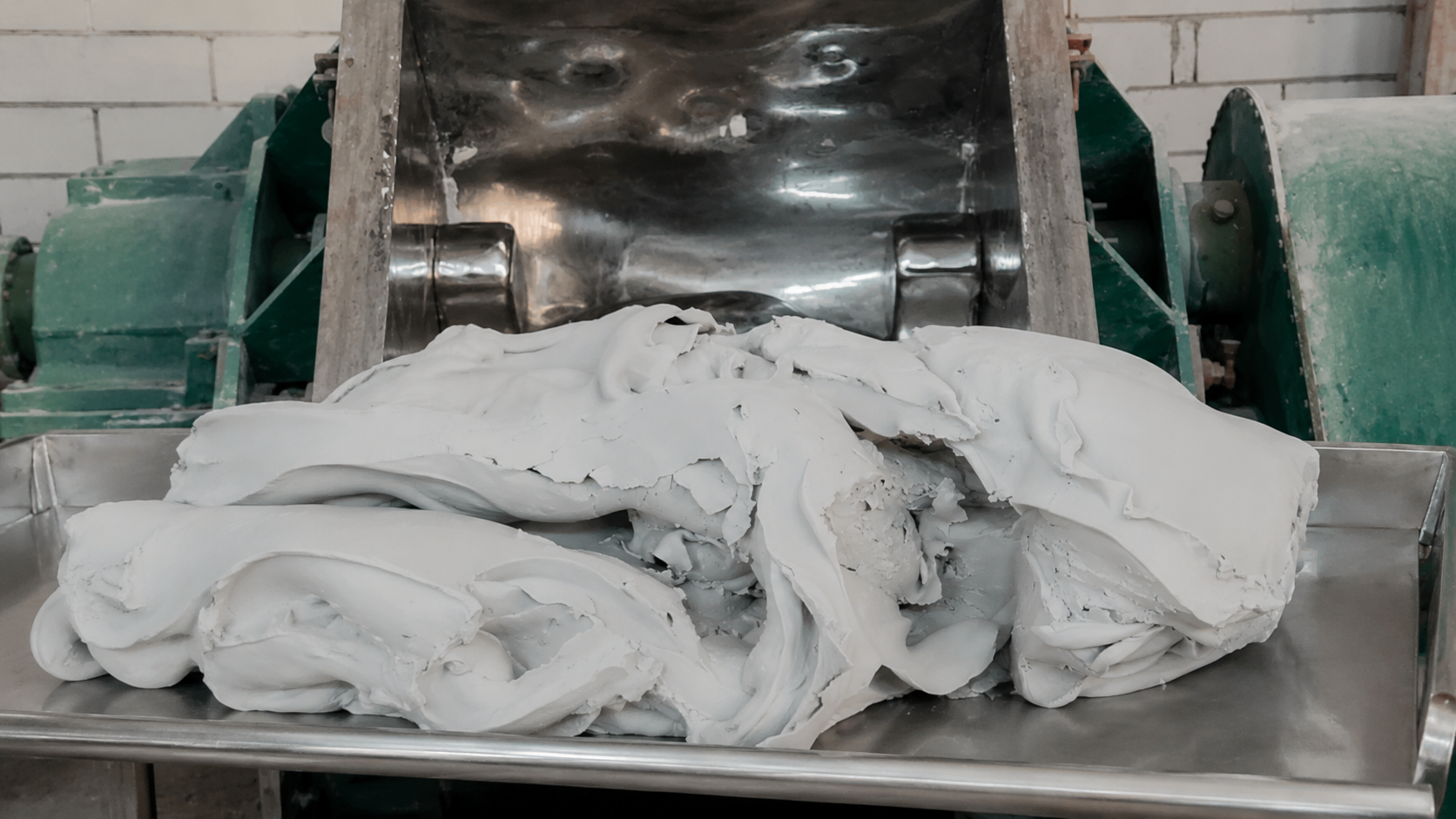
Molding equipment, injection or compression molding conditions, curing agent and temperature, two-roll mill behavior, and mold-filling performance all affect the final insulator. The compound must also bond reliably to the FRP core with a compatible primer and surface treatment.
5. Request TDS, SDS, COA and test reports
Before approval, request the current TDS, SDS, Typical COA, batch COA, and relevant electrical and mechanical test reports. Verification items should include hardness, density, tensile strength, elongation, tear strength, hydrophobicity, dielectric strength, volume resistivity, dielectric loss, tracking and erosion resistance, flame retardancy, and UV-aging resistance.
6. Conduct a production trial and finished-insulator testing
A production trial should use the actual mold, FRP core, primer, curing conditions, and manufacturing process. The finished composite insulator should then be validated according to the applicable voltage class and product standards, such as IEC 62217 and IEC 61109. Compliance of the silicone rubber compound alone does not automatically establish compliance of the complete composite insulator; final product approval remains the responsibility of the insulator manufacturer.
Use Cases and Application Segments
Outdoor high-voltage composite insulators
YK-3160 is intended for composite insulator manufacturing and outdoor high-voltage insulation components. The material forms the insulating housing and weather sheds around the FRP core, providing electrical insulation, hydrophobicity, tracking and erosion resistance, and protection against moisture and outdoor aging.
Surge arresters and high-voltage insulation components
The same material category is applicable to surge arresters and other outdoor high-voltage insulation components in the electric power transmission and distribution industry. These components often face the same combination of electrical stress, weather, UV radiation, and pollution.
Automotive and industrial components
Yakows also supplies silicone rubber for automotive and industrial components. In 2025, automotive applications accounted for 30.1% of silicone rubber market share, and HTV silicone is preferred for EV battery pack gaskets due to its high crosslink density and dielectric endurance.
Food-contact kitchenware and baking molds
For food-contact products, Yakows produces YKS-8850, a Food-Contact Grade HTV Silicone Rubber Compound. It is a peroxide-curing HCR base compound for compression molding, 50 Shore A, made of high-consistency silicone rubber (HCR/HTV) base compound. It is supplied without pigment or curing agent, allowing customers to select color and optimize the curing system. Standard packaging is 20 kg net per carton.
Comparison: Insulator-Grade HTV vs General-Purpose HTV
| Criterion | Insulator-grade HTV (e.g., YK-3160) | General-purpose HTV |
|---|---|---|
| Primary evaluation focus | Hydrophobicity, dielectric strength, volume resistivity, tracking and erosion resistance, flame retardancy, UV aging, mechanical properties | Hardness, tensile strength, elongation, basic processing performance |
| Hydrophobicity | HC2 | Not specifically verified for outdoor electrical service |
| Dielectric strength | ≥22 kV/mm | Not specifically optimized or verified |
| Volume resistivity | ≥2 × 10¹⁴ Ω·cm | Not specifically verified |
| Flame retardancy | V-0 | Not specifically specified for insulator use |
| Tracking and erosion resistance | TM1A4.5, ≤2.5 mm | Not specifically optimized or verified |
| UV aging resistance | Pass | Not specifically verified |
| Mechanical properties | Tensile ≥5.0 MPa, elongation ≥220%, tear ≥12 kN/m | May provide acceptable mechanical properties for ordinary molded parts |
| Recommended use | Outdoor composite insulator housings and sheds, surge arresters, outdoor high-voltage insulation components | Ordinary molded silicone products without demanding high-voltage insulation requirements |
Values in this table are based on published product data and technical guidance for electrical insulation grades. Actual values must be confirmed with the supplier's current documentation.
FAQ
What is HTV silicone rubber for composite insulators and why is it used?
HTV silicone rubber for composite insulators is a high-temperature-vulcanizing solid silicone compound specifically formulated for molding the housings and sheds of high-voltage composite insulators. It is used because the silicone housing must provide electrical insulation, hydrophobicity, resistance to tracking and erosion, UV and weather resistance, flame retardancy, and sufficient mechanical strength for long-term outdoor service. These properties help protect the FRP core and maintain reliable insulation performance under rain, pollution, humidity, ultraviolet exposure, and electrical stress.
Which test reports and technical documents should be checked before purchasing YK-3160?
Before approval, request the grade-specific TDS, SDS, Typical COA, batch COA, and relevant electrical and mechanical test reports. Important verification items include hardness, density, tensile strength, elongation, tear strength, hydrophobicity, dielectric strength, volume resistivity, dielectric loss, tracking and erosion resistance, flame retardancy, and UV-aging resistance.
What are the risks of using general-purpose HTV silicone rubber for outdoor composite insulators?
Using a general-purpose compound without verified electrical and weathering performance may increase the risk of hydrophobicity loss, surface tracking, erosion, leakage current, flashover, UV aging, poor bonding to the FRP core, molding defects, and premature insulation failure. Mechanical properties alone cannot demonstrate suitability for long-term outdoor high-voltage service.
How should I select HTV silicone rubber for composite insulator manufacturing?
Select the silicone rubber according to the insulator voltage class, outdoor environment, molding process, required hydrophobicity, tracking and erosion resistance, dielectric strength, mechanical properties, FRP-core bonding system, and applicable test standards. Do not select the material based only on hardness or price. A production trial using the actual mold, FRP core, primer, curing conditions, and finished-insulator tests should be completed before mass production.
What should I look for in an HTV silicone rubber manufacturer?
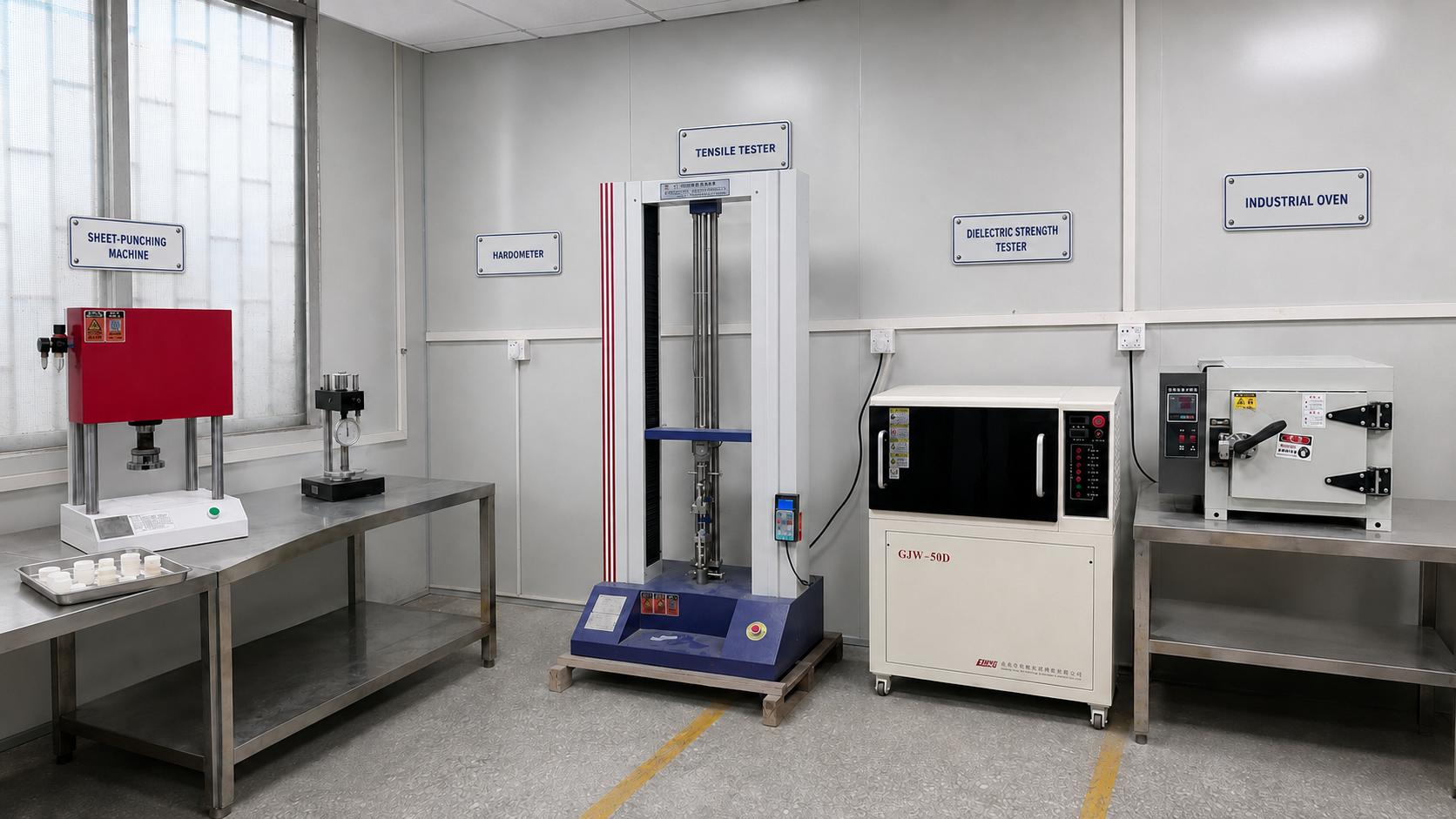
Look for a manufacturer that can provide application-specific grades, technical documentation, and batch traceability. Yakows Technology (Dongguan) Co., Ltd., established in 2020, operates a 5,000-square-meter ISO 9001-certified manufacturing facility in Dongguan, China. It supplies HTV/HCR compounds for electrical insulation, automotive, industrial, and food-contact applications, with monthly production capacity from approximately 400,000 to 1,000,000 kg. Grade-specific documents, including TDS, SDS, Typical COA, batch COA, and applicable third-party test reports, are available to support customer evaluation and product approval.
Conclusion and Next Step
HTV silicone rubber is not one generic material. It is a family of compounds that must be matched to the application, curing process, and service environment. For composite insulator manufacturers, the safest approach is to select an electrical insulation-grade HTV such as YK-3160, verify the technical documentation, and complete a production trial with the actual mold and FRP core before mass production.
Yakows Technology (Dongguan) Co., Ltd. is located at Tongsha Industrial Park, Dongcheng District, Dongguan, Guangdong, China. Approximately 70% of its products are exported to Southeast Asia, the Middle East, Eastern Europe, Latin America, and North America.
Request the current TDS, SDS, Typical COA, or a production sample from Yakows Technology.
Email sales@yakows.com or WhatsApp +86 13549310838.