
How to Qualify a Long-Term HTV Silicone Rubber Supplier for Composite Insulators
How to Qualify a Long-Term HTV Silicone Rubber Supplier for Composite Insulators
Published: August 28, 2026 | Categories: Chemicals, Silicone Rubber, Composite Insulators
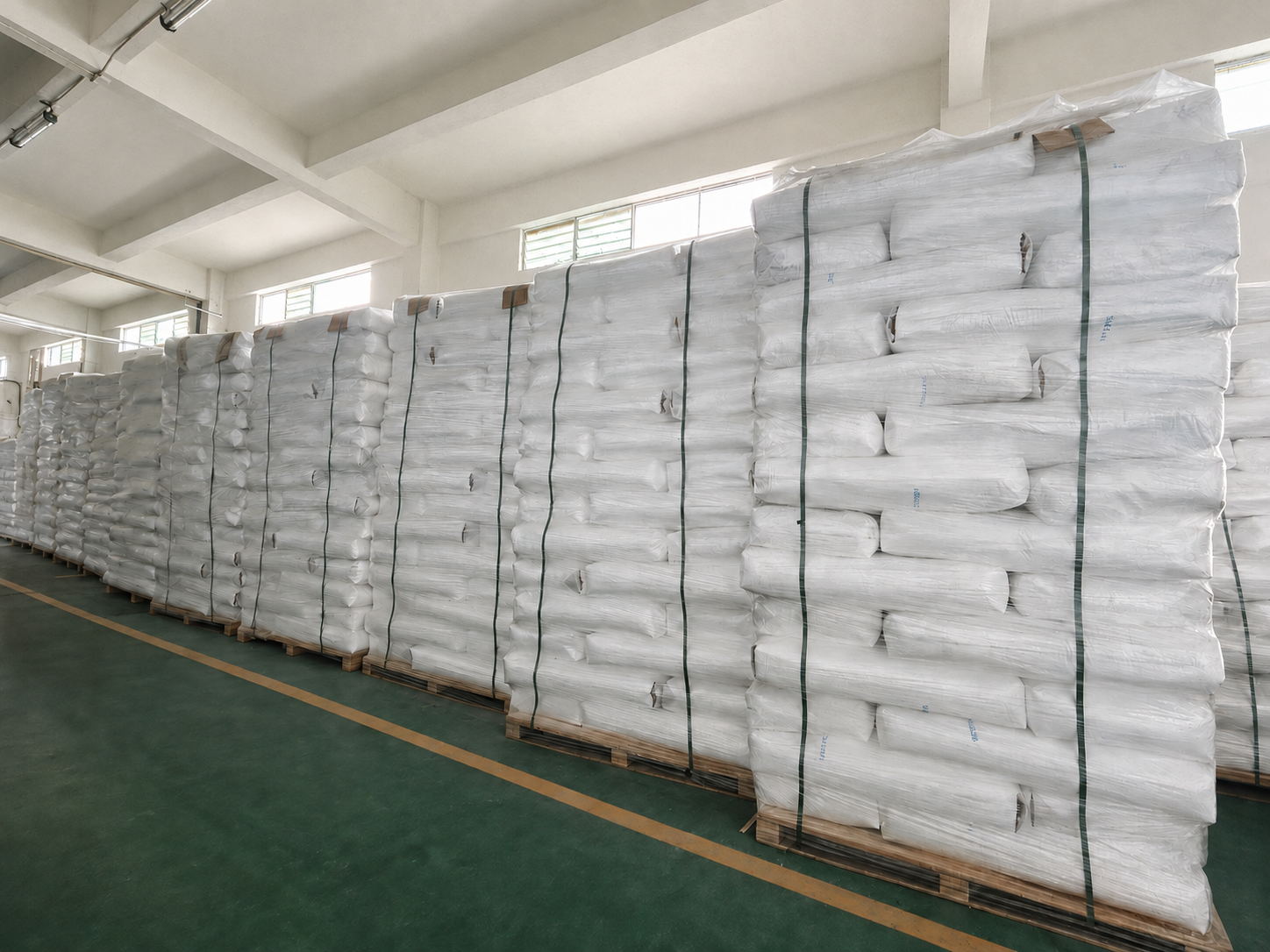
Choosing an HTV silicone rubber supplier for a single trial order is not the same decision as choosing one for years of composite insulator production. High-temperature-vulcanizing (HTV) silicone rubber forms the housing and weather sheds of composite insulators, and its batch-to-batch consistency directly affects molding stability, bonding to the FRP core, and long-term outdoor electrical performance. This article provides a practical framework for composite insulator manufacturers that need a long-term HTV silicone rubber supplier in China — covering material criteria, documentation, qualification steps, comparison logic, and supply terms to verify before committing.
Why a Long-Term Supply Relationship Is a Material Qualification Decision
HTV silicone rubber for composite insulators is a solid, heat-cured silicone compound specifically formulated for molding the housings and sheds of high-voltage composite insulators. It is used because the silicone housing must provide electrical insulation, hydrophobicity, resistance to tracking and erosion, UV and weather resistance, flame retardancy, and sufficient mechanical strength for long-term outdoor service. These properties help protect the FRP core and maintain reliable insulation performance under rain, pollution, humidity, ultraviolet exposure, and electrical stress.
The problem is that these properties cannot be judged from hardness or price alone. Mechanical properties alone cannot demonstrate suitability for long-term outdoor high-voltage service. Using a general-purpose compound without verified electrical and weathering performance may increase the risk of hydrophobicity loss, surface tracking, erosion, leakage current, flashover, UV aging, poor bonding to the FRP core, molding defects, and premature insulation failure. In a long-term supply relationship, the risk is not the first batch — it is the tenth, the fiftieth, or the hundredth. If the compound drifts between batches, the manufacturer may face molding defects, rejected products, and higher total cost.
Market Context: HTV Silicone Rubber in a Global Supply Chain
The global silicone rubber market was valued at approximately USD 5.7 billion in 2025, with HTV silicone rubber holding a dominant 45.2% market share. Within the HTV segment, solid HTV silicone rubber held 58.3% of the total HTV market in 2025, reflecting continued demand for heat-cured solid compounds in electrical, automotive, and industrial applications.
China is a central part of this supply chain. China's silicone monomer production capacity reached approximately 6.89 million tons in 2024, a year-on-year increase of 21.09%. In the same year, China was the second-largest exporter of silicones globally, with exports of about USD 1.53 billion. For a composite insulator manufacturer, this means Chinese HTV silicone rubber suppliers are numerous — but material availability is not the same as a verified, consistent, insulator-grade compound.
Standards also raise the bar. Composite polymer silicone rubber tension insulators must adhere to IEC 61109:2025 for safety and environmental performance, and silicone rubber for insulators has passed 5,000-hour accelerated aging tests under IEC 61109 and IEC 62217. These standards apply to the finished insulator, not just the raw compound. A long-term supplier supports compliance by providing consistent material, complete documentation, and batch traceability.
What a Long-Term HTV Silicone Rubber Supplier Must Provide
A long-term supply relationship is sustainable only when the supplier has formulation capability, production capacity, quality-control discipline, and documentation systems that produce repeatable results. Yakows Technology (Dongguan) Co., Ltd. is a professional manufacturer specializing in high-performance HTV/HCR silicone rubber compounds and customized silicone material solutions, and its operating model illustrates what a long-term supplier should offer.
Supplier Profile: Yakows Technology (Dongguan) Co., Ltd.
Yakows Technology (Dongguan) Co., Ltd. was established in 2020 and operates a 5,000 m² manufacturing facility in Dongguan, Guangdong Province, China. The company has approximately 50 employees, and its technical department includes more than 10 engineers and technicians with practical experience in silicone formulation development, processing optimization, testing, and application support. Monthly production capacity ranges from approximately 400,000 to 1,000,000 kg, supporting both customized trial orders and stable large-volume supply.
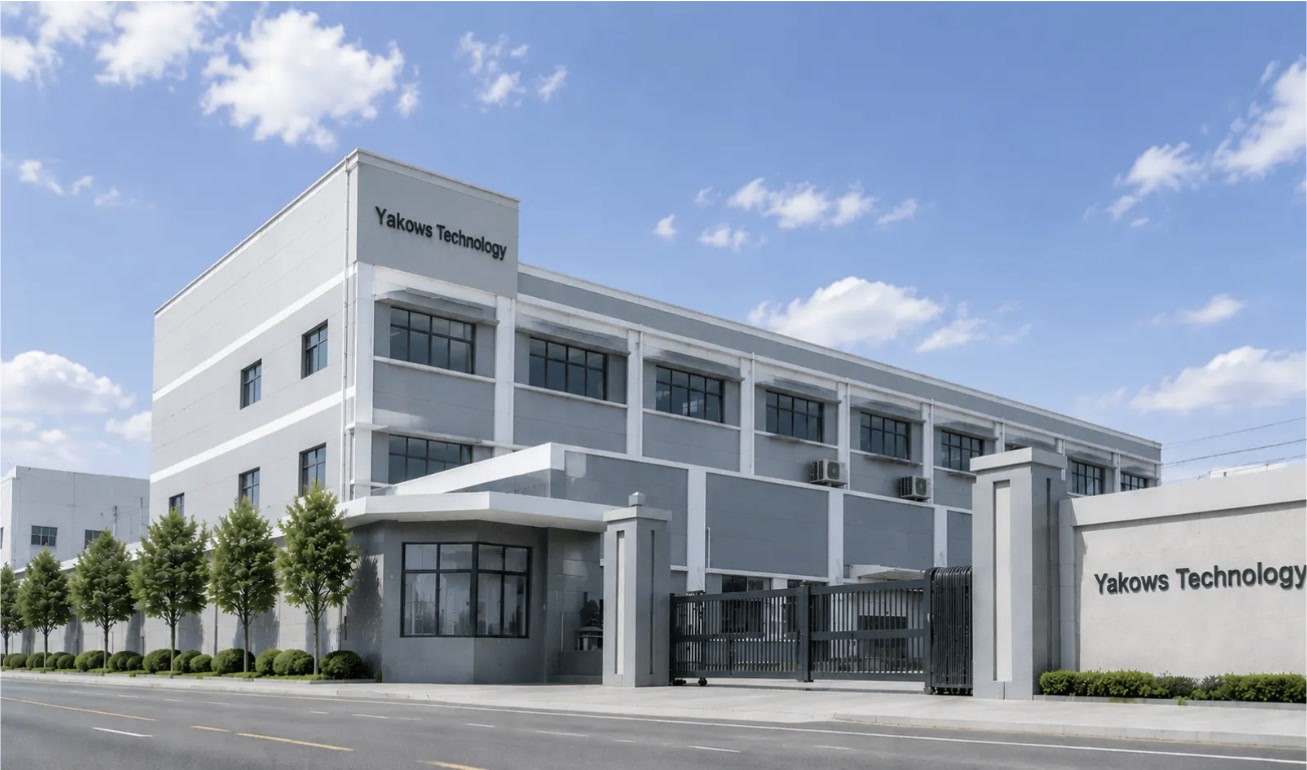
Approximately 70% of Yakows' products are supplied to overseas customers in Southeast Asia, the Middle East, Eastern Europe, Latin America, North America, and other international markets. Core products include HTV silicone rubber for composite insulators, high-voltage electrical insulation, cable accessories, automotive components, industrial parts, kitchenware, and baking molds. The company also manufactures food-grade silicone rubber, extrusion-grade HTV silicone rubber, fumed silica-reinforced silicone rubber, flame-retardant silicone rubber, and high-temperature-resistant silicone compounds.
Material Performance: YK-3160 Electrical Insulation Grade
For composite insulator applications, Yakows develops electrical insulation-grade HTV silicone rubber with reliable hydrophobicity, dielectric performance, tracking and erosion resistance, UV-aging resistance, and mechanical durability. The YK-3160 grade is a high-performance electrical insulation formulation with the following specification:
- Hardness: 65 ± 5 Shore A
- Specific gravity: 1.46 ± 0.03 g/cm³
- Tensile strength: ≥5.0 MPa
- Elongation: ≥220%
- Tear strength: ≥12 kN/m
- Hydrophobicity: HC2
- Dielectric strength: ≥22 kV/mm
- Volume resistivity: ≥2 × 10¹⁴ Ω·cm
- Dielectric constant: ≤5.0
- Dielectric loss tangent: ≤4.0 × 10⁻²
- Flame-retardant rating: V-0
- Tracking and erosion resistance: TM1A4.5, ≤2.5 mm
- UV aging resistance: Pass
These parameters matter because a composite insulator housing must withstand rain, humidity, pollution, salt fog, UV exposure, temperature cycling, and electrical stress without losing its insulating function. Hydrophobicity (HC2) helps the surface resist water film formation and leakage current. Dielectric strength and volume resistivity define the material's insulation capability. Tracking and erosion resistance (TM1A4.5, ≤2.5 mm) indicates performance under severe pollution. The V-0 flame-retardant rating addresses fire safety requirements.
Manufacturing, Quality Control, and Documentation
Yakows' integrated manufacturing capabilities cover raw-material control, formulation development, compounding, hardness and color customization, process optimization, laboratory testing, batch inspection, packaging, and container delivery. The quality management system is certified to ISO 9001, and strict quality-control procedures are implemented throughout raw-material inspection, production, in-process testing, finished-product inspection, and batch release.
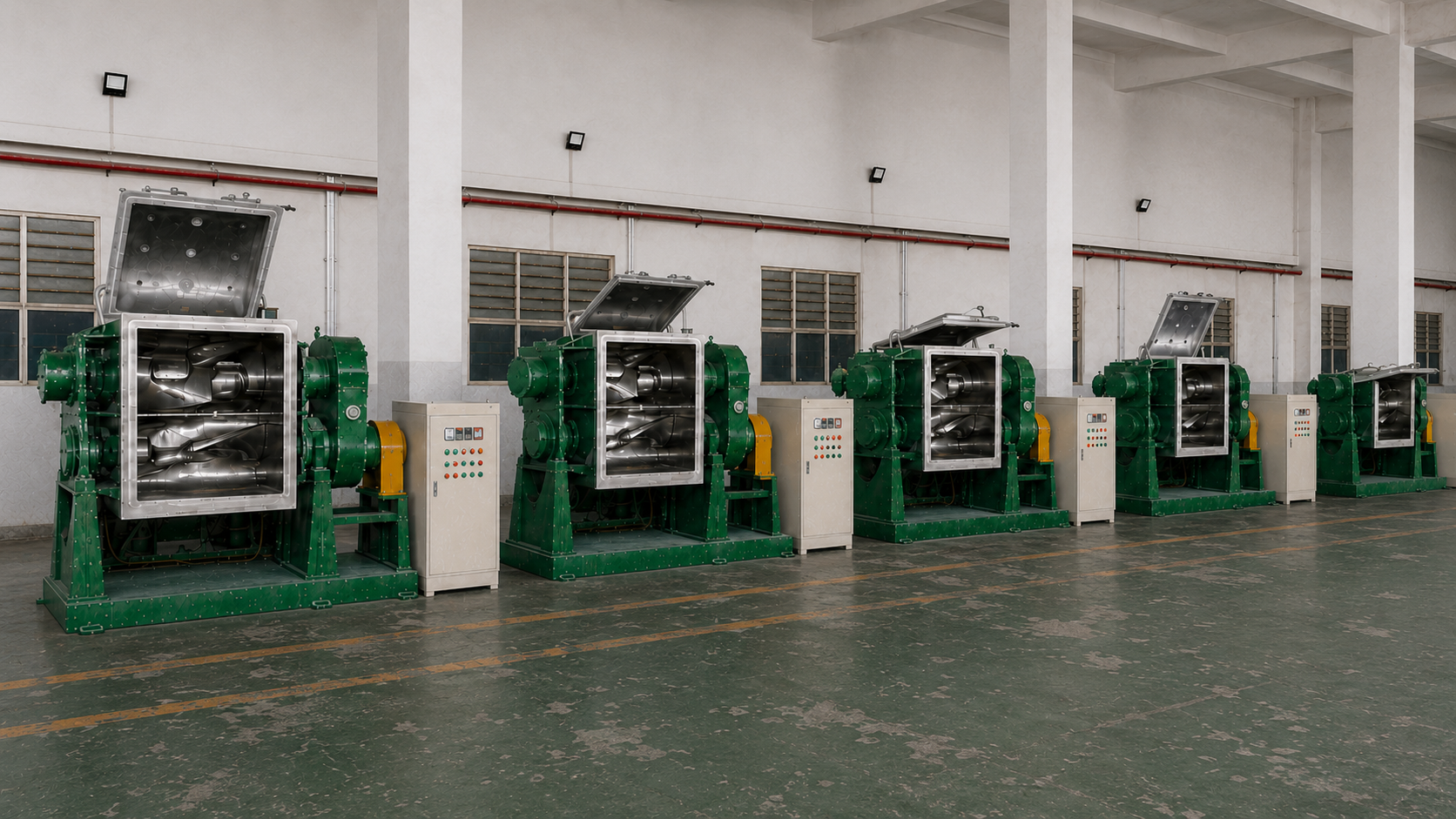
Documentation is a critical part of supplier qualification. Yakows can provide grade-specific documents including TDS, SDS, Typical COA, batch COA, and applicable third-party test reports. For applicable grades, FDA food-contact compliance documentation, LFGB test reports, and REACH compliance documentation are also available according to the intended application. For YK-3160, the verification items to request include hardness, density, tensile strength, elongation, tear strength, hydrophobicity, dielectric strength, volume resistivity, dielectric loss, tracking and erosion resistance, flame retardancy, and UV-aging resistance.
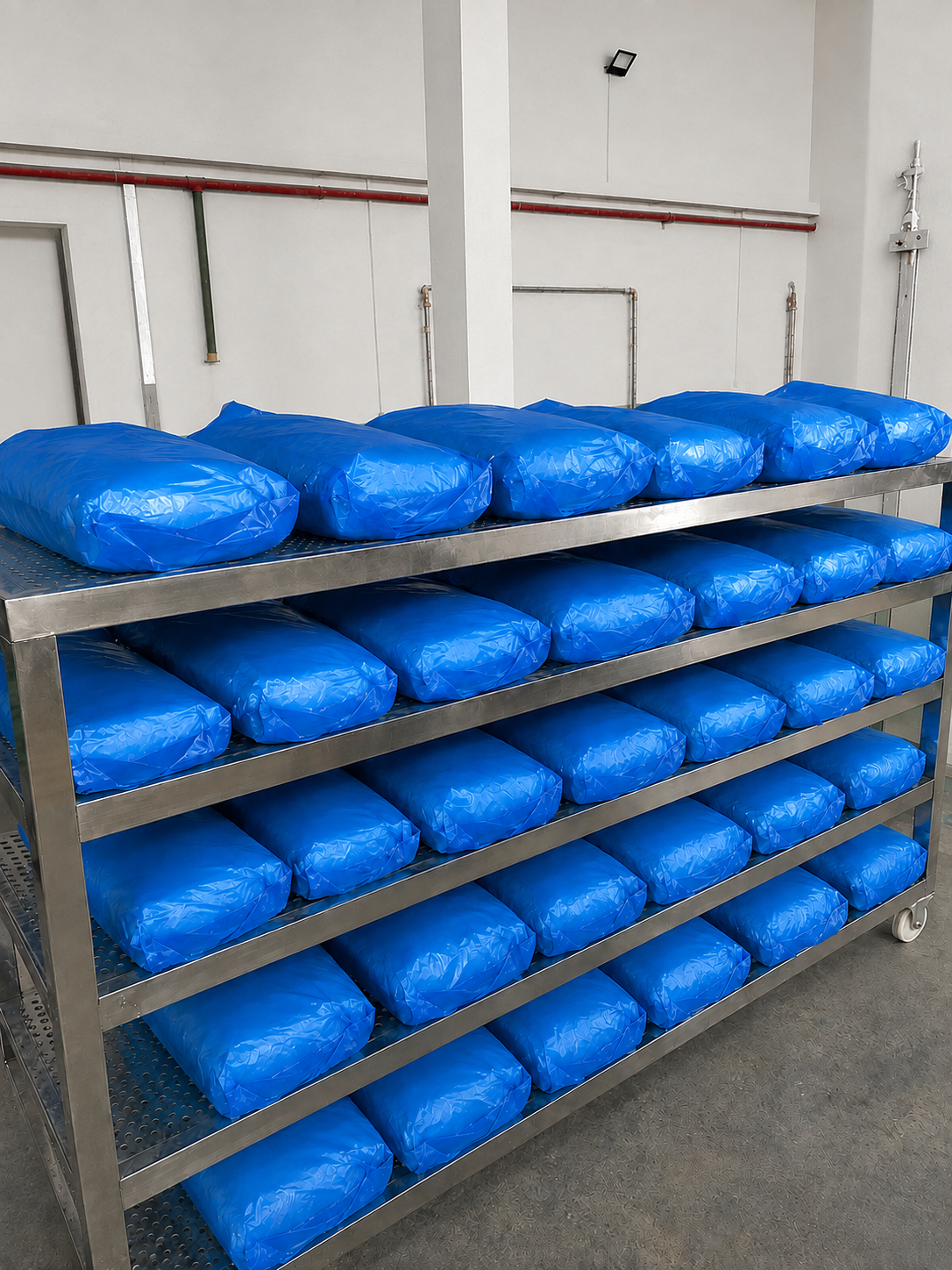
It is important to note a boundary: compliance of the silicone rubber compound alone does not automatically establish compliance of the complete composite insulator. Final product certification and approval remain the responsibility of the composite insulator manufacturer. A qualified supplier provides the material evidence; the manufacturer must validate the finished product against the applicable voltage class and standards.
Step-by-Step: How to Qualify and Onboard a Long-Term Supplier
The following workflow reflects how composite insulator manufacturers should evaluate a candidate supplier before mass production.
Step 1: Define the Material Requirement
Define the insulator voltage class, outdoor environment, molding process (injection or compression molding), curing conditions, primer system, FRP core, and applicable finished-insulator standards. The specification should include hydrophobicity, dielectric strength, volume resistivity, tracking and erosion resistance, flame retardancy, UV-aging resistance, and mechanical properties. Do not select the material based only on hardness or price.
Step 2: Request and Review Documentation
Request the grade-specific TDS, SDS, Typical COA, batch COA, and relevant electrical and mechanical test reports. Verify the reported values against your specification, and confirm whether third-party inspection can be arranged and on what terms.
Step 3: Evaluate Capability and Capacity
Assess the supplier's production capacity, equipment, laboratory capability, and experience with electrical insulation-grade materials. For a long-term relationship, the supplier should support both trial orders and stable large-volume supply, with batch-to-batch quality controlled according to the agreed product specification.
Step 4: Run a Production Trial
Conduct a production trial using the actual mold, FRP core, primer, curing conditions, and manufacturing process. This verifies mold filling, cure behavior, bonding to the FRP core, and processing stability under real production conditions. A production trial and finished-product validation are recommended before mass production.
Step 5: Validate the Finished Insulator
Test the finished composite insulator according to the applicable voltage class and product standards. The finished insulator must meet the applicable design, type, sample, and routine test requirements of IEC 62217 and IEC 61109, and the polymeric housing material should be evaluated for tracking and erosion resistance under severe environmental conditions according to IEC 60587.
Step 6: Agree on Supply Terms
Define the product specification, MOQ, packaging, inspection, batch COA, delivery terms, and payment terms. Confirm pre-shipment inspection according to the mutually agreed specification, and clarify how batch COAs and supporting documents will be provided for each delivery.
Step 7: Establish Ongoing Monitoring and Support
Agree on how formulation adjustment, technical consultation, batch traceability, and after-sales support will be handled. If a problem occurs, quarantine the affected batch, stop mass production, record the batch number and processing parameters, inspect the material and finished insulators, and conduct root-cause analysis before production resumes.
Use Cases: Where Long-Term Supply Consistency Matters Most
Outdoor High-Voltage Composite Insulators
The primary use case is manufacturing outdoor high-voltage composite insulators for electric power transmission and distribution. These insulators operate under long-term outdoor conditions including high voltage, UV exposure, rain, humidity, pollution, temperature cycling, and coastal or industrial contamination. The silicone housing forms the insulating shell and weather sheds around the FRP core, providing electrical insulation, hydrophobicity, tracking and erosion resistance, and protection against moisture and outdoor aging. Batch inconsistency in the HTV compound can affect the molding of complex weather-shed profiles and bonding integrity.
Surge Arresters and Outdoor High-Voltage Insulation Components
Electrical insulation-grade HTV silicone rubber formulated for composite insulators is also applicable to surge arresters and other outdoor high-voltage insulation components. These applications share the same requirement for verified dielectric performance, hydrophobicity, and environmental resistance in outdoor service.
Automotive and Industrial Components
HTV silicone rubber is widely used in automotive and industrial parts. Automotive applications accounted for 30.1% of the silicone rubber market share in 2025. High-temperature vulcanized silicone is preferred for electric vehicle (EV) battery pack gaskets due to its high crosslink density and dielectric endurance. In these applications, a change in hardness, compression set, or flame retardancy can affect sealing and safety performance, so material consistency across batches remains critical.
Cable Accessories and Food-Grade Applications
Manufacturers of cable accessories and food-contact products also depend on consistent HTV compounds. Yakows produces silicone rubber for cable accessories and food-grade HTV silicone rubber for kitchenware and baking molds, supported by FDA food-contact compliance documentation, LFGB test reports, and REACH compliance documentation for applicable grades. These use cases show why formulation and documentation capability matter beyond a single product line.
Comparison: Insulator-Grade HTV vs. Standard General-Purpose HTV
One of the most common qualification mistakes is comparing an insulator-grade compound with a general-purpose compound on price alone. The table below summarizes the differences relevant to composite insulator manufacturing, based on Yakows' published comparison data.
| Criterion | YK-3160 Insulator-Grade HTV Silicone Rubber | Standard General-Purpose HTV Silicone Rubber |
|---|---|---|
| Formulation approach | Application-specific formulation development based on the customer's processing conditions and performance requirements | Fixed specifications with limited customization |
| Key verified properties | HC2 hydrophobicity, ≥22 kV/mm dielectric strength, ≥2 × 10¹⁴ Ω·cm volume resistivity, V-0 flame retardancy, tracking and erosion resistance (TM1A4.5, ≤2.5 mm), UV-aging resistance | Mainly evaluated by hardness, tensile strength, elongation, and basic processing performance; electrical and long-term outdoor performance not specifically optimized or verified for composite insulators |
| Supply stability | Stable supply of up to 400,000–1,000,000 kg/month, with batch-to-batch quality controlled according to the agreed product specification | Fixed specifications with limited customization; no insulator-specific batch-control commitment described |
| Cost consideration | A customized formulation may have a different unit price, but stable processing performance can help reduce production adjustments, material waste, trial costs, and the risk of rejected products | May have a different unit price; actual savings depend on the customer's formulation and production conditions |
| Technical support | Formulation adjustment, technical consultation, batch traceability, and ongoing after-sales support | Standard materials generally require customers to adapt their own production processes to fixed product specifications |
| Best suited for | Composite insulator manufacturers requiring customized electrical insulation performance, stable processing, consistent quality, reliable bulk supply, and responsive technical support | Ordinary molded silicone products without demanding high-voltage insulation requirements |
The takeaway is not that general-purpose HTV is unusable. It is that a composite insulator manufacturer should choose an insulator-grade HTV silicone rubber, such as YK-3160, for housings and sheds requiring long-term outdoor high-voltage performance. General-purpose HTV should only be considered for non-electrical or non-critical components, or when its suitability has been confirmed through complete material and finished-insulator testing.
FAQ: Long-Term HTV Silicone Rubber Supply for Composite Insulators
Which test reports and technical documents should be checked before purchasing YK-3160?
Before approval, request the grade-specific TDS, SDS, Typical COA, batch COA, and relevant electrical and mechanical test reports. Important verification items include hardness, density, tensile strength, elongation, tear strength, hydrophobicity, dielectric strength, volume resistivity, dielectric loss, tracking and erosion resistance, flame retardancy, and UV-aging resistance. The finished composite insulator must meet the applicable design, type, sample, and routine test requirements of IEC 62217 and IEC 61109, and the housing material should be evaluated for tracking and erosion resistance according to IEC 60587. Compliance of the compound alone does not establish compliance of the complete insulator.
Should I choose standard general-purpose HTV silicone rubber or YK-3160 for composite insulator manufacturing?
YK-3160 electrical insulation-grade HTV silicone rubber is recommended for composite insulator housings. Unlike standard general-purpose HTV silicone rubber, it is formulated and tested for hydrophobicity, dielectric strength, volume resistivity, tracking and erosion resistance, flame retardancy, UV aging, and long-term outdoor electrical insulation. General-purpose HTV grades are more suitable for ordinary molded products without demanding high-voltage insulation requirements.
How does the cost of customized HTV silicone rubber compare with standard general-purpose grades?
A customized formulation may have a different unit price from a standard grade, but its stable processing performance can help reduce production adjustments, material waste, trial costs, and the risk of rejected products. Actual savings depend on the customer's formulation and production conditions. A lower unit price does not necessarily mean a lower total production cost.
What are the trial-order and MOQ requirements for Yakows HTV silicone rubber?
The standard MOQ is 2,000 kg per grade or specification; trial-order quantities are subject to confirmation. Each batch is inspected before release according to the mutually agreed product specification, and a batch COA can be provided. Third-party inspection may be arranged upon request, with the scope and cost agreed in advance.
What payment and delivery terms apply to long-term supply orders?
Delivery is FOB Shenzhen, China. EXW, CFR, or CIF terms can also be discussed according to the destination and order quantity. Payment for initial orders is 100% T/T before shipment; alternative payment terms for repeat or large-volume orders are subject to mutual agreement and credit approval. For a current quotation, trial-order arrangement, or documentation package, contact Yakows directly — the sales and technical team can confirm grade availability, lead time, and compliance documents for your evaluation. You can also download the company brochure for an overview of its product range and manufacturing capability.
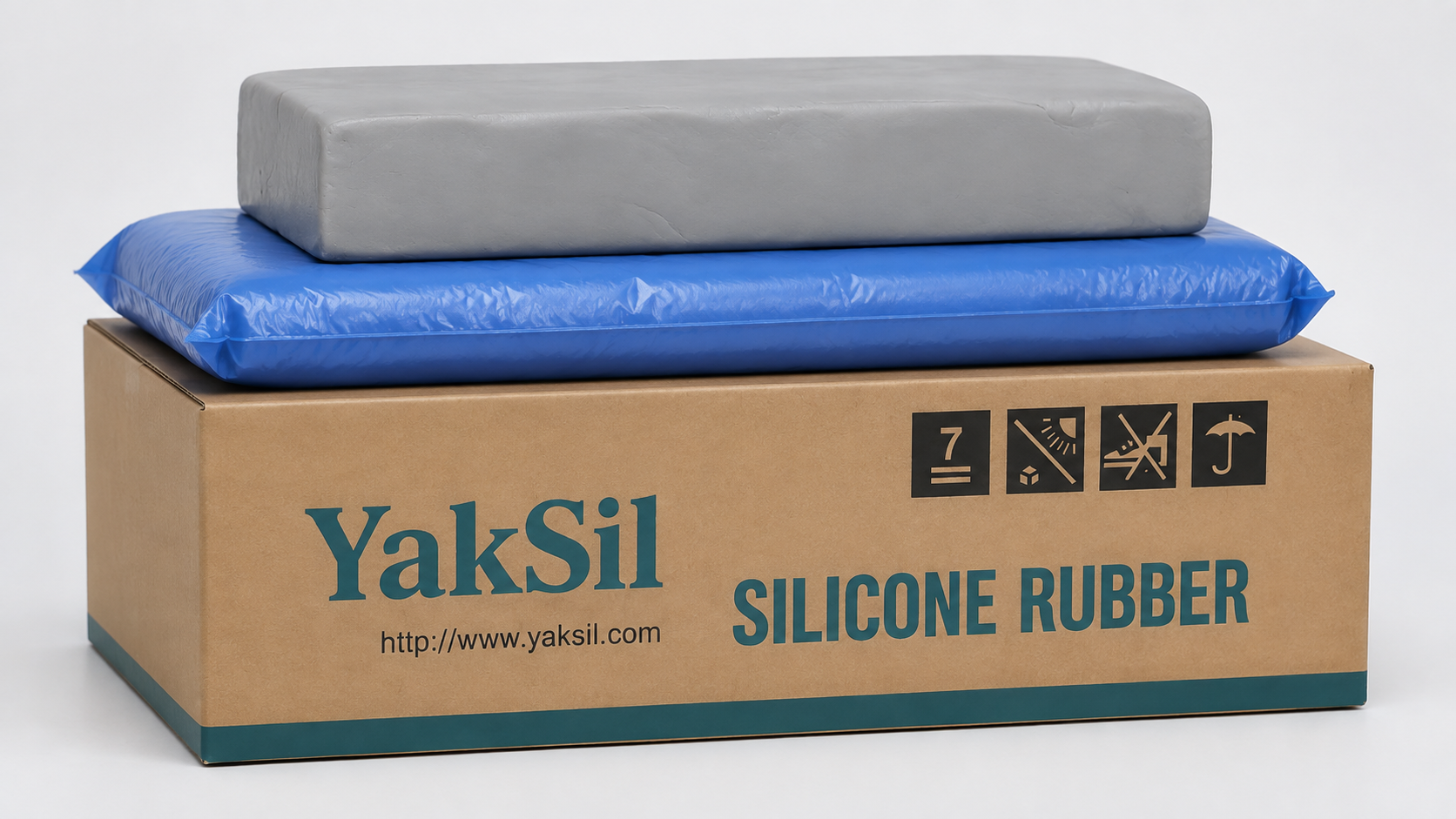
Evaluate YK-3160 for your composite insulator production. Contact Yakows Technology (Dongguan) Co., Ltd.: sales@yakows.com | Tel/WhatsApp: +86 13549310838 | www.yaksil.com. Download the Yakows brochure (PDF).
Conclusion
A long-term HTV silicone rubber supplier for composite insulators should be treated as part of the manufacturer's quality system, not as a commodity vendor. The supplier must provide an insulator-grade formulation with verified electrical and outdoor-aging properties, stable batch-to-batch quality, adequate production capacity, complete documentation, and responsive technical support.
Yakows Technology (Dongguan) Co., Ltd. represents this model: a 5,000 m² facility in Dongguan, a monthly capacity of approximately 400,000–1,000,000 kg, ISO 9001-certified quality management, more than 10 engineers and technicians, and an electrical insulation-grade product, YK-3160, with documented parameters for hydrophobicity, dielectric strength, volume resistivity, tracking and erosion resistance, flame retardancy, and UV aging.
Before committing to a long-term relationship, complete the qualification workflow: define your material requirement, review the documentation, evaluate the supplier's capability, run a production trial with your actual mold and FRP core, validate the finished insulator, and agree on supply terms. The supplier that passes this process consistently is the one that can support your production for years.