
Bulk Bags Supplier Evaluation: Size, Printing and Acceptance
A custom bulk bag order is approved or rejected during supplier evaluation, not during delivery. Three checks decide the outcome: whether the supplier can hold a size outside the standard matrix, whether it can repeat a printed and coloured surface to an agreed reference, and whether both sides have written acceptance criteria before the first mass-production run.
This evaluation guide is written for buyers at the research and evaluation stage who are moving from a working sample to a repeat order. It covers purchasing terms, acceptance criteria, custom sizes beyond the standard woven-bag dimensions of 110*120cm, 90*110cm, 100*120cm, 100*140cm, 90*100cm and 50*80cm, custom text and logo printing, the standard green base colour with custom colour options, and the questions to ask before a long-term commitment.
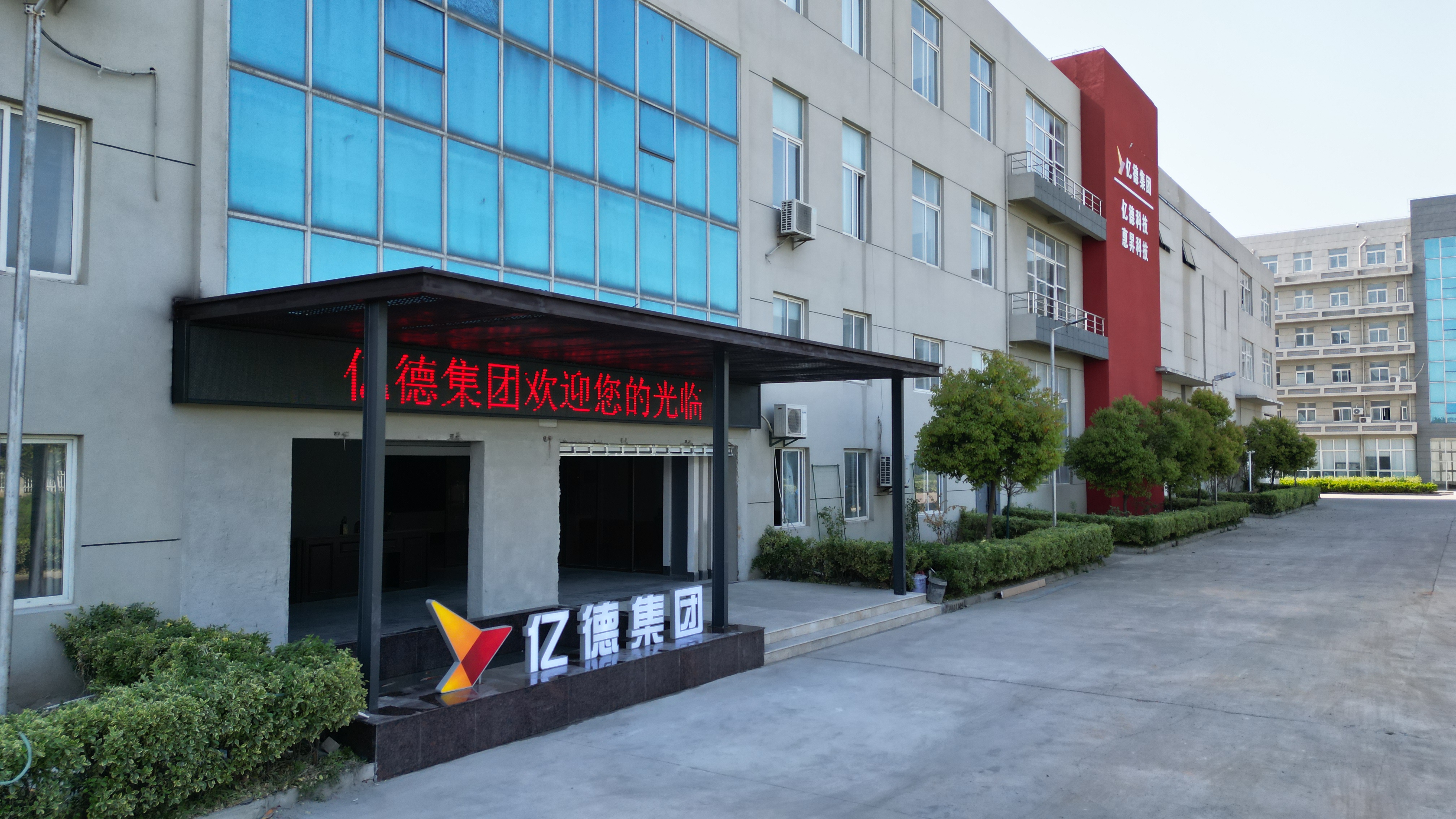
Yancheng Yide Packaging Technology Co., Ltd. (Yide Packaging) is a packaging manufacturer based in Yancheng, Jiangsu, China, founded in 2022, producing FIBC bags, bulk bags, PP woven bags, valve bags and logistics packaging for industrial and export customers. Its product data and stated service terms are used here as the worked example against which a buyer can test any supplier.
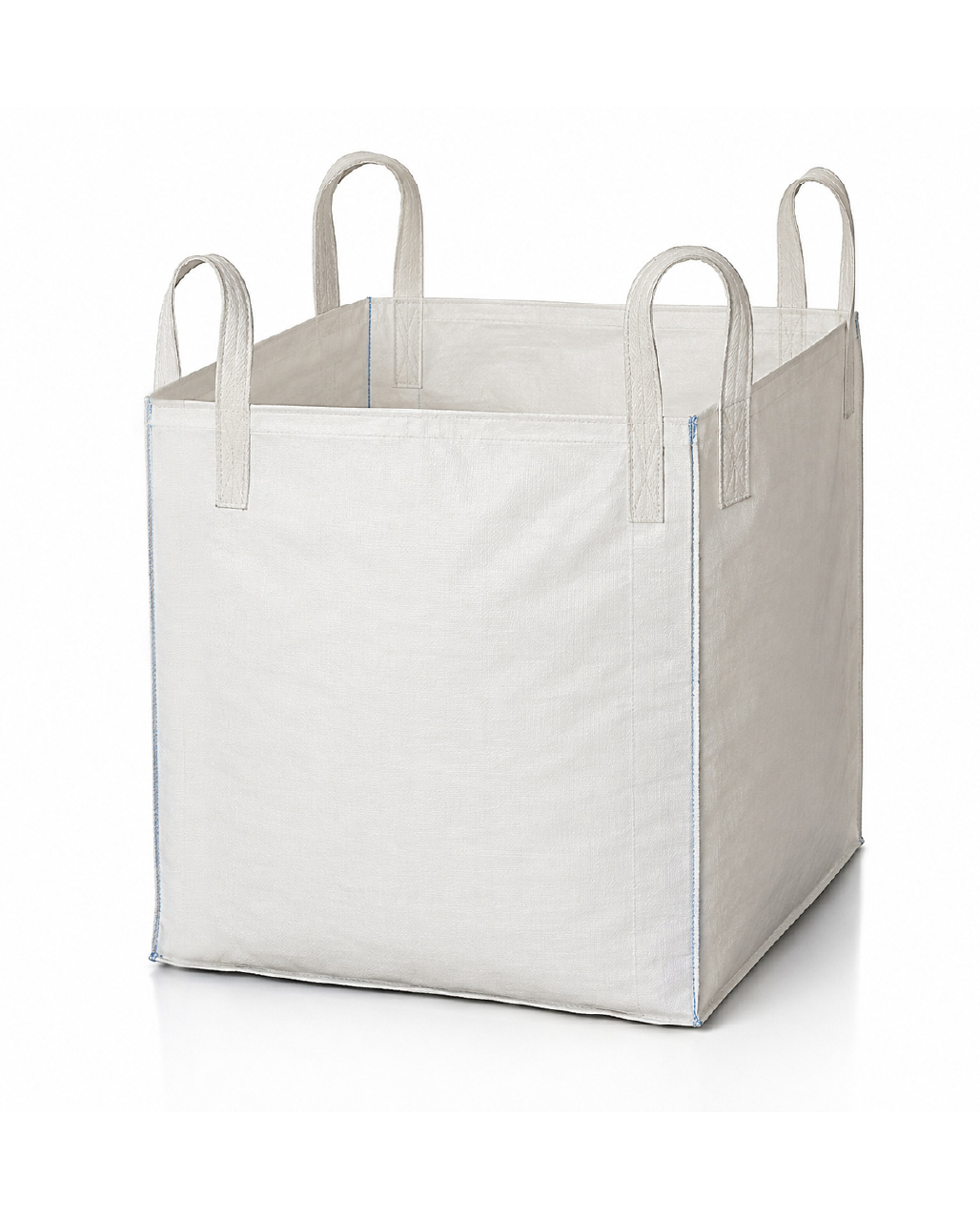
Why custom bulk bag projects break between quotation and delivery
The failure is rarely a weaving failure. It is a specification-transfer failure. The buyer's requirement lives in an email thread; the supplier's confirmation lives in a single quotation line; the factory works from a production order that nobody outside the plant has read. Three months later the bag arrives at a size that technically matches the quotation but not the filling line.
Custom bulk bag projects fail in predictable places:
- Size treated as a single number. A change in bag width alters fabric consumption, seam layout, print area, and how many units fit on a pallet or in a container.
- Print approved from a digital file. Screen colour, ink laydown and print position relative to seams are never confirmed on a physical surface.
- Colour approved from a photograph. The standard base colour and the approved reference are never the same thing unless a physical swatch exists.
- No written acceptance criteria. Dimensions, fabric weight and quantity are agreed verbally and cannot be enforced on arrival.
- MOQ and lead time discovered late. Commercial terms surface after the specification is fixed, forcing either a smaller-than-planned order or a delayed launch.
The standards landscape a buyer should reference
Bulk bag acceptance criteria should name a standard edition rather than a generic phrase such as international quality standard. Three documents matter in most export conversations.
ISO 21898:2024 specifies materials, construction and design requirements, type test and marking requirements for flexible intermediate bulk containers intended to contain non-dangerous solid materials in powder, granular or paste form. Its European adoption, EN ISO 21898:2024, was approved by CEN on 12 August 2024. Both are relevant because they define what a type test and a marking actually consist of, which is the part of acceptance a buyer can check on the bag itself.
GB/T 10454-2025 is the Chinese national standard for packaging flexible intermediate bulk containers for non-dangerous goods. It was released on 29 August 2025 and takes effect on 1 March 2026, replacing GB/T 10454-2000 and GB/T 37425-2019. A buyer sourcing from China in 2026 should ask which edition a supplier is working to and how the transition is being handled in production documentation.
IEC 61340-4-4:2018 covers electrostatic classification and test methods for FIBCs between 0.25 m³ and 3 m³ intended for use in hazardous explosive atmospheres. It applies where static discharge, not load, is the governing risk.
The limit of standards
A standard defines type tests and marking. It does not define your commercial acceptance criteria. Dimensions, fabric weight tolerance, print position, colour reference and shortage remedy are commercial terms and must be written into the purchase order separately. Suppliers who can quote a standard number but not restate your acceptance terms are answering a different question.
Four customisation gates that separate a capable supplier from a compliant one
Gate 1: Size beyond the standard matrix
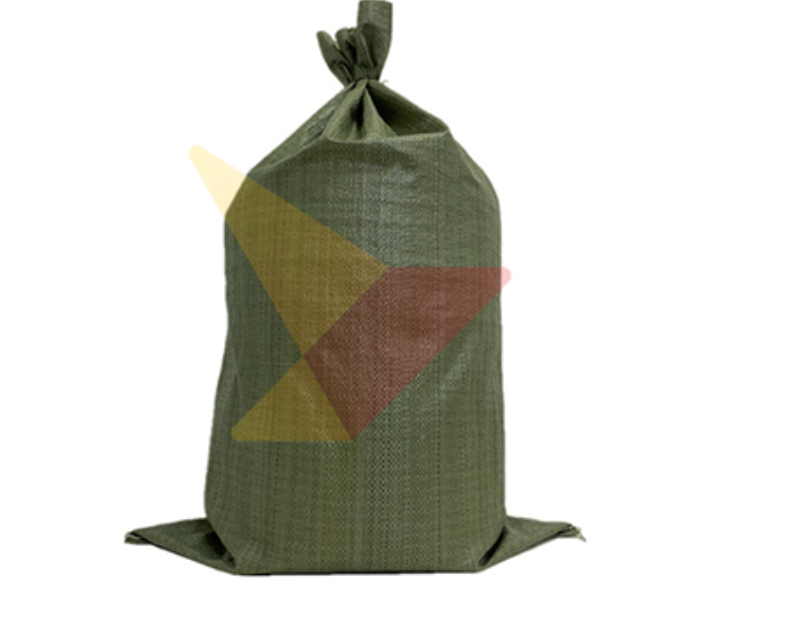
The standard size matrix on the PP woven bag range is 110*120cm, 90*110cm, 100*120cm, 100*140cm, 90*100cm and 50*80cm, with multiple fabric weight options from 31 to 54 g/㎡ and custom sizes available. Those six sizes exist because they match common pallet footprints and container fill patterns. Anything outside them is a made-to-order item and must be re-confirmed as a package, not as one dimension.
On the FIBC and ton bag side, sizes are customised on demand and the declared safe working load range is 500 to 2000 kg. Construction also changes with the application: fill spout, full open top or top cover; discharge spout or flat bottom; four lifting belts; seams stitched with high-strength polyester thread; lamination optional. Yide lists the customisable attributes as dimensions, material, fabric weight, load capacity, safety factor, lamination, printing, colour, lifting structure, filling and discharge design, closure method, zipper structure, RFID requirements and waterproof performance.
The evaluation question is not can you make a custom size. It is: which of my dimensions are stock and which are made-to-order, what is the smallest change that triggers a new specification, and can you confirm pack-out per pallet and per container at that size?
Gate 2: Custom text and logo printing
Custom text and logo printing is available on the PP woven range, and printing is one of the attributes Yide customises across its bulk bag output. Print quality is not a single variable: it depends on whether the surface is laminated or non-laminated, how many colours are required, where the print sits relative to seams and lifting loops, and how the artwork is approved.
One detail deserves attention during evaluation. Yide's stated quality control step is samples without printing for customer confirmation. That is a practical and defensible process, but it means the sample confirms structure, fabric and dimensions, while printing is approved from artwork as a separate step. A buyer who assumes the sample also approves the print will discover the gap on the production run. Ask directly: which document approves the print, and can a printed production proof be supplied before the full run.
Gate 3: Standard green and custom colour options
The standard colour of the PP woven bag range is green, with custom text and logo printing available, and colour is listed among the attributes that can be customised on request. Colour is the easiest specification to agree verbally and the hardest to enforce on arrival, because nobody keeps a reference.
Two controls close that gap. First, request a physical master swatch and keep a retained counter-sample signed by both parties. Second, state in the purchase order which reference governs if a later run is produced from a different fabric batch. Where the surface is laminated, confirm whether the lamination changes the apparent shade, because a laminated and a non-laminated version of the same base colour do not read identically under warehouse lighting.
Gate 4: Acceptance criteria and purchasing terms
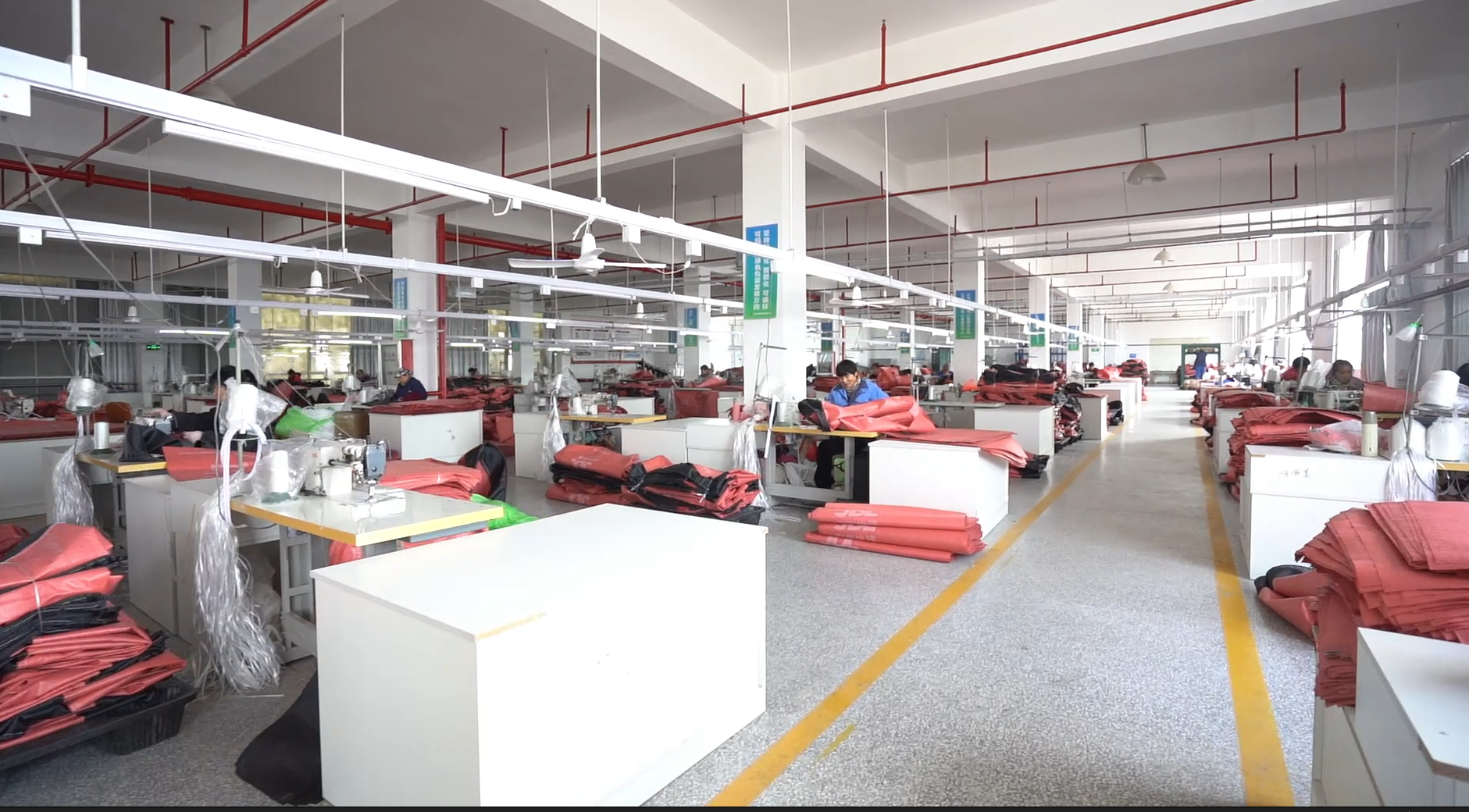
Acceptance criteria convert a supplier's capability into an enforceable order. The criteria should be short enough to check at goods-in and specific enough to settle a dispute. On this product family, the verifiable checkpoints are: dimensions against the approved specification, fabric weight within the ordered band from 31 to 54 g/㎡, seam stitching with high-strength polyester thread, lifting loop count and attachment, presence or absence of lamination, print legibility and position, and delivered quantity against the order.
Purchasing terms carry equal weight. Yide states a monthly capacity of 50,000 pcs, a minimum order quantity of 5,000 pcs for customised products, a lead time of 45 days for customised products excluding delivery time, availability of a single sample for delivery, and an after-sales position under which a shortage of bags is resolved by re-delivery or a corresponding deduction. Those are the numbers a buyer should compare against their own launch plan before signing anything longer than one order.
Step-by-step: running the evaluation from enquiry to acceptance
- Write the specification as a document, not an email. Record dimensions, fabric weight, construction, lifting structure, filling and discharge design, lamination, colour reference and print content in one sheet both parties sign. Every later dispute traces back to this page.
- Separate stock from made-to-order. Mark each line as standard or custom against the six-size matrix. This single step tells you where lead time and MOQ risk actually sit.
- Fix the print and colour references. Agree the artwork file, number of colours, print position relative to seams, and the physical colour swatch. Confirm in writing that the unprinted confirmation sample does not constitute print approval.
- Approve the sample for what it actually proves. Use the sample to validate structure, fabric, dimensions and handling fit with your own filling equipment. Do not use it to validate print.
- Write acceptance criteria into the purchase order. Name the standard edition the bag is declared against, then list your own goods-in checkpoints separately. Standards define type tests and marking; they do not define your tolerance.
- Match order quantity to capacity. Compare required volume against the stated 50,000 pcs monthly capacity and the 5,000 pcs custom MOQ. A quarterly volume that exceeds monthly capacity is a scheduling risk, not a discount opportunity.
- Lock the lead time with delivery separated. The 45-day custom lead time excludes delivery. Add transit, port handling and inland movement before you promise a date to your own customer.
- Close out quantity and defects formally. Agree in advance how shortages are handled — re-delivery or corresponding deduction — and who bears the cost of return inspection.
Use cases where the custom specification decides the outcome
Powdered chemicals filled on automatic lines. In fine chemical packaging, the bag has to hermetically seal chemical powder, remain compatible with automatic filling equipment, and meet export packaging standards for the powder. Where filling is automated, the bag's filling interface matters more than its print, and it must be validated against the buyer's own equipment rather than described in a catalogue.
Moisture-absorbing minerals and fine particulates. Here the requirement is a wear-resistant outer layer combined with an anti-seepage, moisture-proof inner layer, so that fine powder leakage and material dampness are prevented together. A supplier who quotes only fabric weight has not addressed the inner layer at all.
Grain and agricultural bulk packaging. For grain processing operations, the bag supports bulk packaging and transportation while facilitating warehousing. The evaluation focus shifts to consistent dimensions for stacking and to a fabric weight band that suits the filling weight.
Reuse-heavy pallet applications. A chemical plant project in Japan used industrial bulk bags at a scale of 6,000 units for pallet applications, with reuse reported at 10 to 30 times and reduced overall cost attributed to large loading capacity. Reuse changes the acceptance question: the buyer is no longer checking a single trip but the condition of lifting loops, seams and fabric after repeated handling.
Product family comparison for custom bulk bag evaluation
| Product family | Size basis | Load / weight basis | Customisation scope | Scenario fit |
|---|---|---|---|---|
| Ton Bag / FIBC | Sizes customised on demand | Safe working load 500 to 2000 kg; virgin PP woven fabric or conductive woven fabric | Bag structure, top and bottom design (fill spout, full open top, top cover, discharge spout, flat bottom), four lifting belts, lamination, printing; UN certification for dangerous goods packaging available | Chemical, new energy, mining, agriculture, food, logistics and warehousing |
| Industrial Bulk Bags | 50*36cm standard, custom sizes available | PP woven material with waterproof lamination; stitched with high-tensile polyester thread | Customisation available, including custom logo printing | Bulk powders, granules, minerals and industrial raw materials in handling and storage |
| PP Woven Bags | 110*120cm, 90*110cm, 100*120cm, 100*140cm, 90*100cm, 50*80cm; custom sizes available | Multiple weight options from 31 to 54 g/㎡; polypropylene woven fabric | Green standard colour, custom text and logo printing, custom sizes | Agriculture, food, construction, chemicals and mining, pharma and logistics |
Read the table as a scoping tool rather than a price list. The middle column tells you what a supplier has already engineered; the right-hand column tells you how much of your requirement falls outside that engineering and therefore needs its own written specification.
Ten questions to ask before a long-term commitment
- Which standard edition is this bag declared against — ISO 21898:2024, EN ISO 21898:2024 or GB/T 10454-2025 — and what type test documentation accompanies the declaration?
- Which of my sizes are stock and which are made-to-order, and what is the smallest dimensional change that forces a new specification?
- How is print approved, given that the confirmation sample may be supplied without printing?
- Which physical colour reference governs, and who retains the signed counter-sample?
- What is the custom MOQ and the monthly capacity, and how do they compare with my ramped volume?
- What is the custom lead time, and is delivery excluded from it?
- What happens on a quantity shortage, and who bears inspection and return costs?
- Can you name the acceptance checkpoints you test internally — dimensions, fabric weight, seam thread, lifting loops, lamination, print?
- If the application involves hazardous atmospheres, is the construction declared against IEC 61340-4-4:2018 and what grounding instruction is supplied?
- What changes at the second order — fabric batch, print cylinders, colour reference — and how is that change notified in advance?
A supplier that answers all ten in writing is a candidate for a multi-order agreement. A supplier that answers five and deflects five is a candidate for one trial order, not a commitment.
Frequently asked questions
What should a buyer verify for a Chinese FIBC manufacturer supplying EU chemical handling?
Start with the standard the bag is declared against. ISO 21898:2024 specifies materials, construction and design requirements, type test and marking requirements for FIBCs intended for non-dangerous solid materials in powder, granular or paste form, and EN ISO 21898:2024 is the European adoption approved by CEN on 12 August 2024. Where the filling environment is a hazardous explosive atmosphere, IEC 61340-4-4:2018 covers electrostatic classification and test methods for FIBCs between 0.25 m³ and 3 m³. In China, GB/T 10454-2025 applies from 1 March 2026 and replaces GB/T 10454-2000 and GB/T 37425-2019. Beyond the standard number, ask for the marking data on the bag, the type test documentation, and — if the goods are dangerous rather than non-dangerous — separate confirmation that UN certification for dangerous goods packaging is available, which Yide states for its ton bag range.
Can a supplier deliver bulk bag sizes outside the standard matrix?
Yes, and both product families should be checked separately. The PP woven bag range lists 110*120cm, 90*110cm, 100*120cm, 100*140cm, 90*100cm and 50*80cm as standard, with custom sizes available; the FIBC and ton bag range is customised on demand with a safe working load of 500 to 2000 kg. Customisation is not limited to dimensions: fabric weight within the 31 to 54 g/㎡ band, lamination, lifting structure, filling and discharge design, closure method and print can all be specified. The practical evaluation point is that a custom size must be re-quoted as a full package, because width, seam layout, print area and pack-out all move together.
What order volume makes a customised bulk bag run practical?
Yide states a minimum order quantity of 5,000 pcs for customised products, against a monthly capacity of 50,000 pcs. Those two figures set the commercial shape of the project: 5,000 pcs is the entry point for a made-to-order specification, and 50,000 pcs per month is the ceiling in any single month. A buyer planning a launch should test whether the annual requirement divided by twelve clears the MOQ comfortably, and should treat any month that approaches the capacity ceiling as a scheduling risk rather than a buffer.
What does the supplier's sample actually confirm?
The sample confirms structure, fabric, dimensions and the fit with your own filling and handling equipment. It does not necessarily confirm print: Yide's stated quality control step is samples without printing for customer confirmation, which means print approval is handled as a separate artwork step. Ask explicitly which document approves the print, whether a printed production proof can be supplied before the full run, and which physical colour swatch governs the base colour. Approving the wrong artefact is the most common reason a technically correct bag is rejected on arrival.
How long does a customised bulk bag order take?
Yide states a lead time of 45 days for customised products, excluding delivery time. Delivery must be added separately: transit, port handling and inland movement are not inside that 45 days. Buyers comparing suppliers should therefore compare the production figure and the delivery figure independently, then add their own goods-in inspection window. A single sample is available for delivery so that the specification can be validated before the 45-day custom run is committed. Buyers who want to check a size, colour or print before that commitment can request a sample and the current specification sheet from Yide Packaging at yidepackaging@gmail.com or +86 178-2626-5555.
Conclusion: accept the specification, not the quotation
Supplier evaluation for custom bulk bags comes down to four gates. Size: know which dimensions are stock and which are made-to-order, and confirm pack-out at the custom size. Printing: separate structural approval from print approval, because they are approved by different artefacts. Colour: hold a physical reference and a signed counter-sample, especially when the standard green is being replaced by a custom shade. Acceptance: name the standard edition, then write your own goods-in checkpoints and commercial terms — MOQ, capacity, lead time and shortage remedy — into the order.
The decision rule is simple. A supplier is ready for a long-term commitment when all four gates are answered in writing, and ready for a trial order when they are not. Nothing in a catalogue resolves the second case.
Request a sample or a custom specification review
Yide Packaging supports OEM, ODM and customised packaging projects covering dimensions, fabric weight, load capacity, lamination, printing, colour and lifting structure, with a 5,000 pcs custom MOQ and a 45-day custom lead time excluding delivery.
Website: www.ycyide.net | Email: yidepackaging@gmail.com | Tel / WhatsApp: +86 178-2626-5555
Download the company profile and product brochure: Yide Group Introduction 2026 (PDF)
Have Questions or Need More Details?
Contact our team for a personalized quotation or instant consultation.
Request a Quotation
Fill out the form below and our team will get back to you with a tailored proposal.
WhatsApp Direct Chat
Prefer to chat in real-time? Message us on WhatsApp for instant assistance & quick answers.
- Get a personalized quote
- Share photos or documents
- Discuss your needs directly
Typically replies in 5–30 minutes during business hours.