
Powder Filling Line Clogs and Dust Leaks? How Valve Bags Solve Packaging Pain Points
Short answer: most clogs, dust plumes and spillage on a powder filling line are created at the bag mouth, not inside the powder. A valve bag removes the open mouth from the process. The bag carries an adhesive-sealed valve that the filling nozzle enters; when the nozzle withdraws, the valve closes itself under the pressure of the filled product, so the bag is sealed without a separate closing step, without an open throat for fines to escape, and without an operator holding the mouth against the spout.
This article is written for production, purchasing and packaging engineers in food, chemical, building-material and plastics plants who are already running automated powder filling and are losing output to exactly these symptoms. It covers why the bag mouth is the failure point, how the valve design behaves on automatic equipment, which material structures control moisture, water, light and air, and how to specify and trial a valve bag before committing to a volume order.
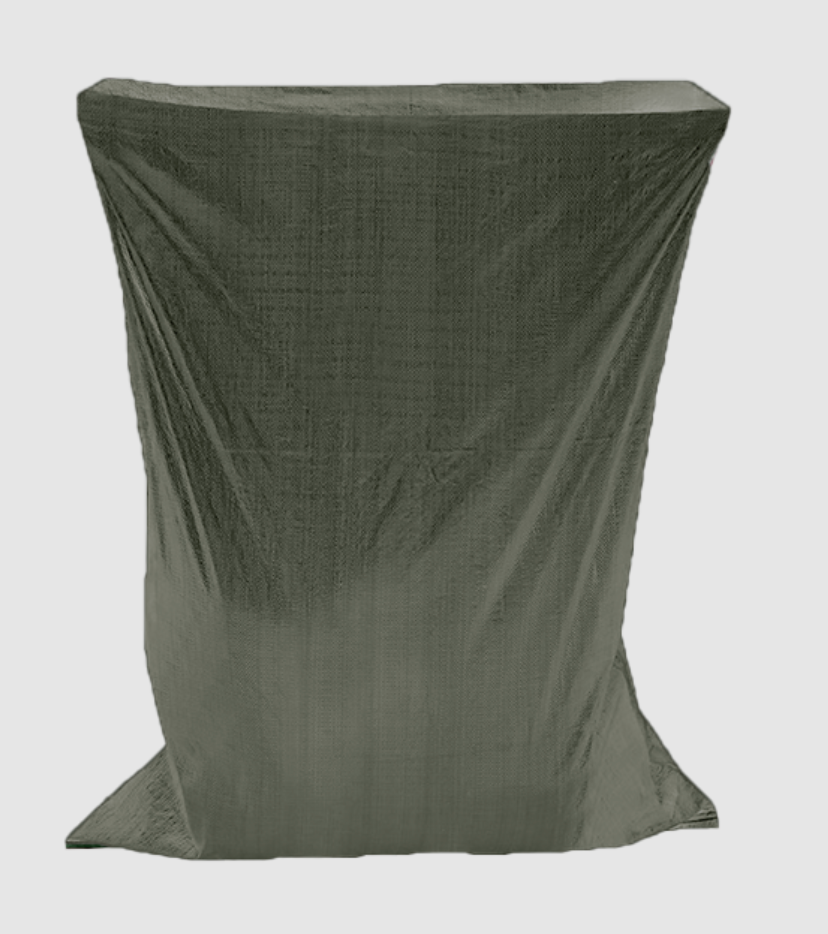
The Clog Is Rarely in the Powder — It Is at the Bag Mouth
Three separate jobs happen at the same point on an open-mouth line: the mouth has to be opened, held and aligned over the spout; the incoming powder displaces air, and that displaced air carries fines straight out of the open throat; and the filled bag then needs its own closing step. Each of those is a failure point, and each one shows up as a different symptom downstream.
Dust and spillage. An open throat is an open escape route. Fine powders leave the bag during the fill, settle on the frame, the floor and the bag surface, and are then carried into the palletiser and the warehouse. Product on the floor is lost yield; product on the bag surface is a contamination and appearance issue at the customer.
Weight drift. When fines leave during filling, the weighed dose and the packed dose stop being the same number. The filler still hits its target, but the bag does not.
Jamming and misalignment. A bag that is not flat, or whose mouth dimensions vary between batches, does not sit cleanly in the bag clamp. The result is manual bag support, repeated machine adjustment and line stops — the classic cause of a filler that runs below its rated speed.
Downstream failures. Closure faults that are created at the spout often only appear after palletising, when a seal or seam gives way in transit or under stack load. By then the fault is batch-wide, and the cost is rework, not a single reject.
The decision rule: if your losses appear at the filling spout — dust, weight variation, jamming, manual bag support — the fix is the closure interface, not a faster filler and not a heavier bag.
Why Powder Producers Keep Revisiting the Closure, Not the Filling Speed
A filling line is only as fast as its weakest interface, and for dry solids that interface is the bag. Food, chemical, building-material and plastics plants all handle powders or granules that behave differently — some are fine and airborne, some are heavy and abrasive, some pick up moisture and cake, some are light-sensitive — but they share the same constraint: the powder has to get in without escaping, and the bag has to leave the spout already closed.
That is why valve bags have held their place in cement, mortar, gypsum, resin and food-powder operations. The format moves the closing function into the bag itself, which turns the filler into a single-operation machine: fill and close in one movement, with no separate sewing or sealing station in the flow.
Documentation expectations have also tightened. Buyers running FIBCs alongside smaller formats now ask for standards evidence as a matter of course. ISO 21898:2024 specifies materials, construction, design, type-test and marking requirements for flexible intermediate bulk containers intended for non-dangerous solid materials in powder, granular or paste form. EN ISO 21898:2024 is the European adoption, approved by CEN on 12 August 2024. In China, GB/T 10454-2025 replaced GB/T 10454-2000 and GB/T 37425-2019 and has been in force since 1 March 2026. For hazardous explosive atmospheres, IEC 61340-4-4:2018 covers FIBCs between 0.25 m³ and 3 m³. These are FIBC references, not valve bag references — which is precisely why format-specific documentation matters when a plant runs more than one bag type.
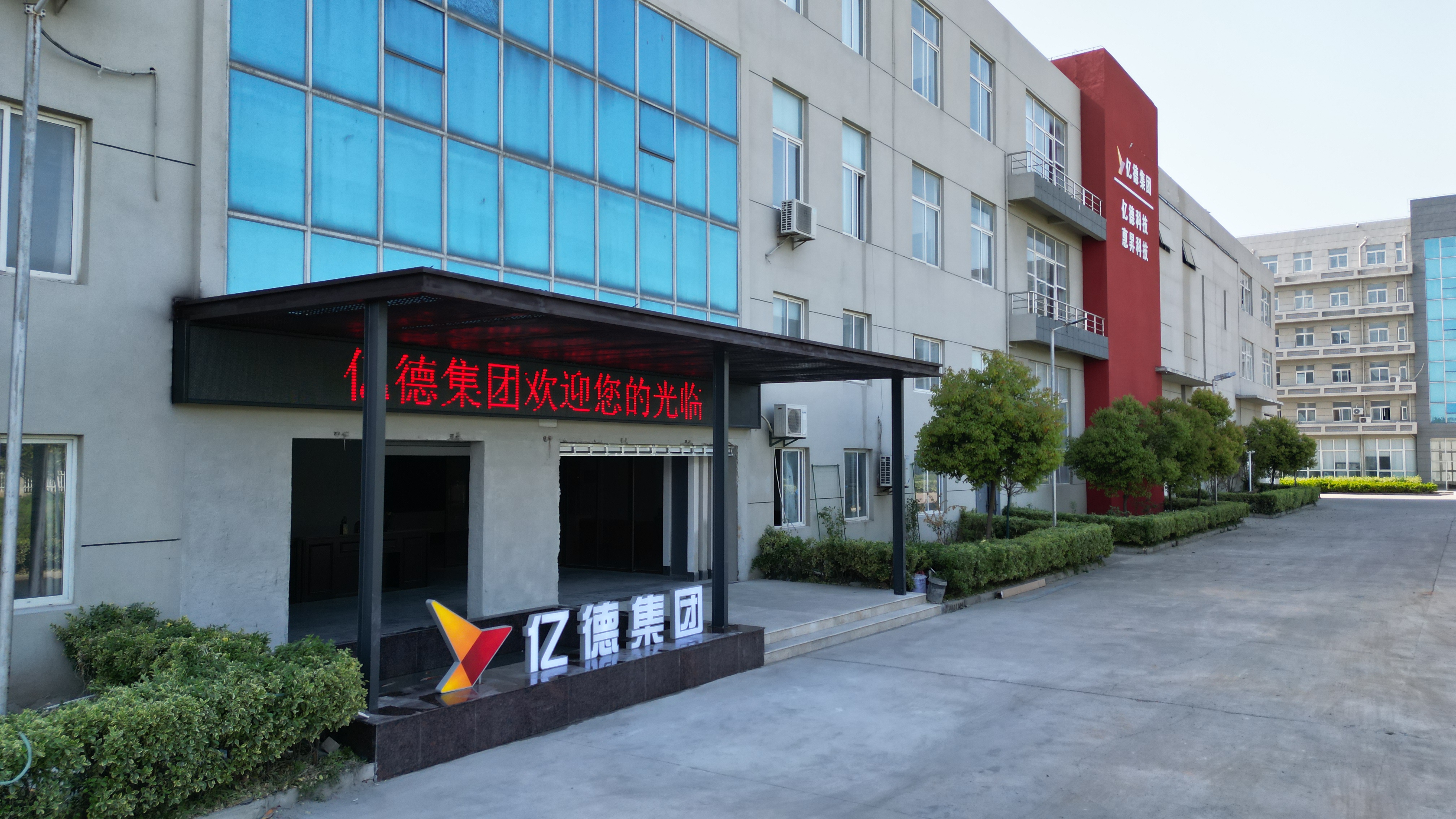
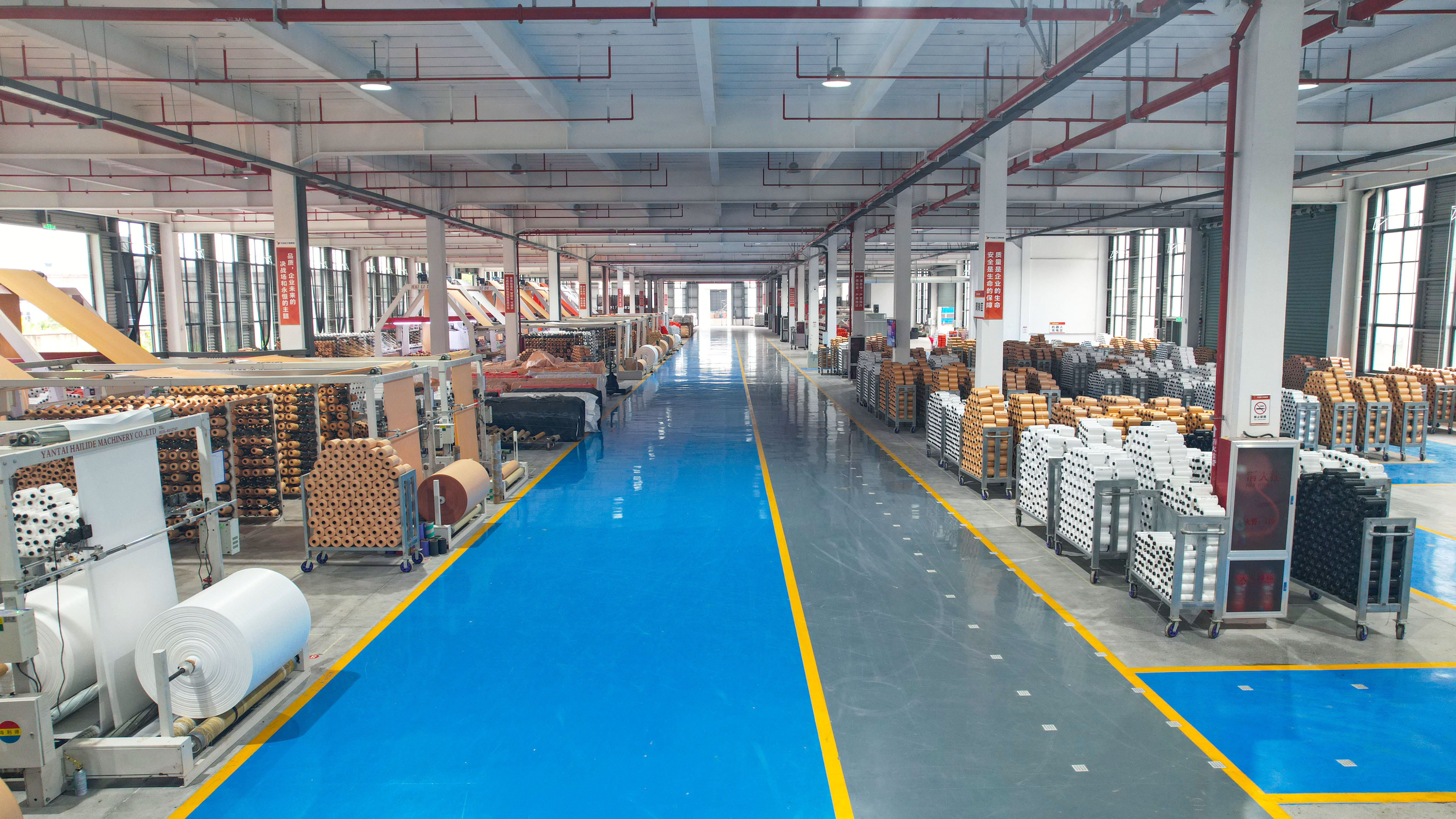
Yancheng Yide Packaging Technology Co., Ltd. (Yide Packaging) is a packaging manufacturer based in Yancheng, Jiangsu, China, producing industrial bulk packaging, polypropylene woven packaging, reusable logistics packaging and postal and express packaging for customers worldwide. The company was founded in 2022, runs an FIBC production base of about 80 mu with roughly 80,000 m² of standardised factory space including a 5,000 m² food-grade clean workshop, employs around 130 people with a 15-engineer R&D team, and reports annual production capacity of 500,000 to 1,000,000 tonnes with an export ratio of about 20%. More detail is available at www.ycyide.net.
How an Adhesive-Sealed Valve Bag Works on a Powder Line
The valve closes the bag without a closing step
The valve is a folded, adhesive-sealed channel in the bag head. The filling nozzle enters through it, the product fills the body, and as the nozzle withdraws the valve lips come together; internal product pressure then holds the channel shut. The bag is closed by the product it contains.
The practical consequences are immediate. There is no open throat at the spout during the fill, so the displaced air has a much smaller path to carry fines out. There is no separate sewing or heat-sealing station at the head of the bag, so there is no second operation to misalign or fail. And because the closure is formed by the valve rather than by an operator, the fill weight is not disturbed by someone steadying the mouth.
That is also the mechanism behind the reduced spillage, contamination and rework that buyers are looking for: the powder stays inside the closed throat from the moment the nozzle leaves.
Built to run on automatic filling equipment
A valve bag only delivers these gains if its geometry matches the filler. Compatibility is a dimensional question before it is anything else: valve opening, body flatness, length tolerance and bag-clamp geometry all have to line up with the machine in front of you.
Yide customises the bag opening and body dimensions to the filling machine's bag-clamping mechanism, filling speed and sealing equipment. That control reduces manual bag support, jamming, misalignment and repeated machine adjustment — the small stoppages that quietly cap throughput on an otherwise healthy line. The same logic applies across the wider range: PP woven bags are available in 110×120 cm, 90×110 cm, 100×120 cm, 100×140 cm, 90×100 cm and 50×80 cm sizes, with custom sizes available, and in fabric weights from 31 to 54 g/m².
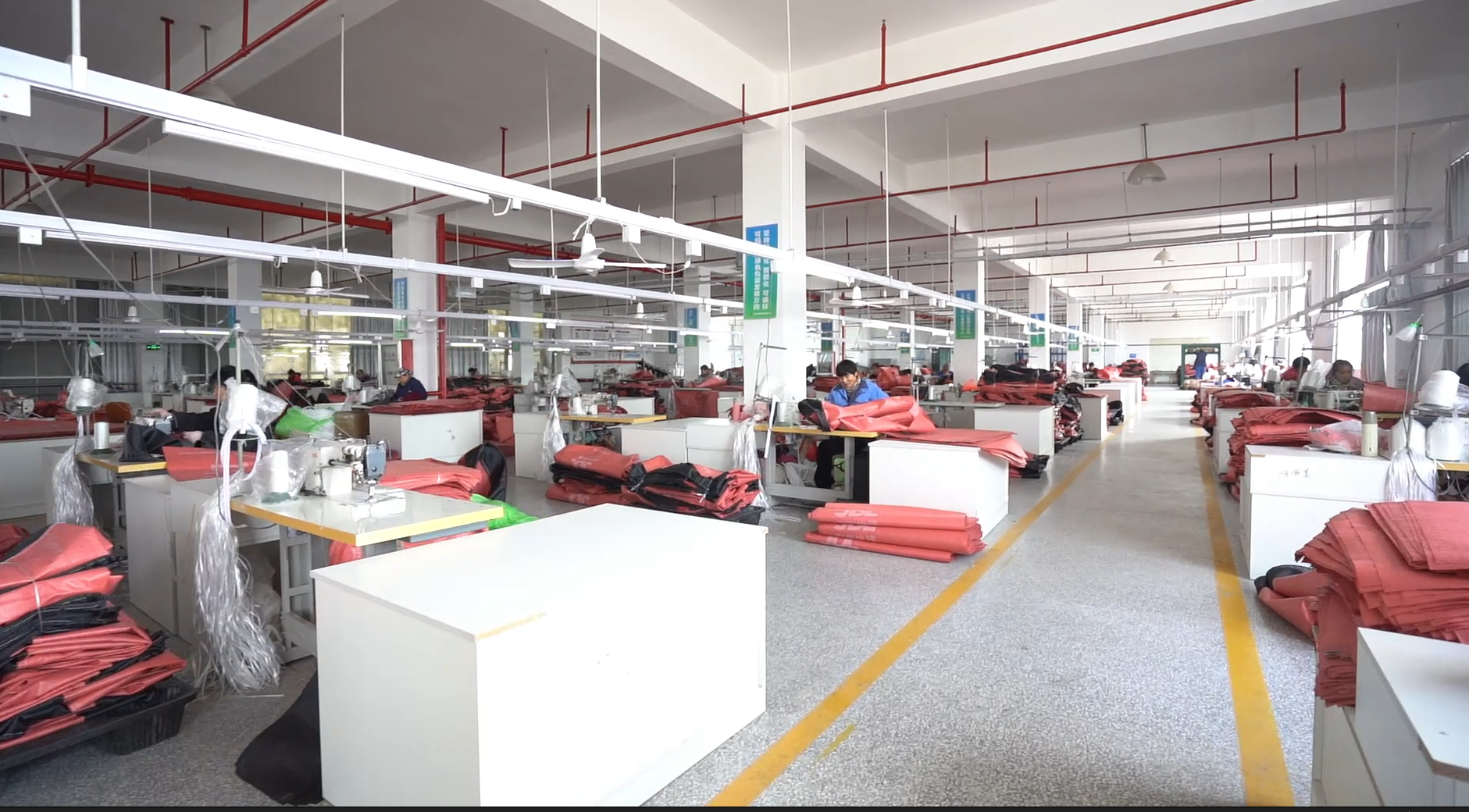
Material structures that answer moisture, light, air and water
The valve solves the filling interface; the material structure solves what happens afterwards. Valve bags can be built from selectable structures — including OPP film laminated composite — so a single bag format can deliver water resistance, moisture-proofing, air permeability or light-proofing depending on which of those the product actually needs.
That choice is not cosmetic. PP woven bags and polypropylene woven bags can be manufactured with different sizes, capacities, colours, printing, coatings, liners and closures, and moisture-proof performance is a specified requirement in export applications where bags face marine transport and long storage. Where the powder is contamination-sensitive or the application calls for it, food-grade materials and special liners are available. Where the risk is static or the material is hazardous, the wider bulk bag range offers anti-static fabric, conductive designs, PE liners, moisture protection and UN-certified construction — options that should be assessed against your own material classification rather than assumed.
The practical rule for powder buyers: decide the protection requirement before the bag size. A moisture-proof structure with the wrong valve geometry still jams the line, and a perfectly running bag with no moisture barrier still cakes in a humid warehouse.
Drop-tested construction and measurable strength
Valve bags are built with drop-tested construction, so the finished bag has been assessed as a filled, handled unit rather than as fabric on a roll. That matters because the failure modes on a powder line are handling failures — the drop onto a pallet, the stack load, the conveyor transfer — not tensile failures in isolation.
The fabric behind the bag is also measurable. Under identical specifications, basis weights and testing conditions, Yide's disposable woven bags show key performance indicators approximately 10% higher than standard products of the same type, including tensile strength and tear resistance. Every production batch is tested and generates a corresponding report, so the raw materials, formulation, equipment parameters and production batch can be traced if an anomaly appears. Reliability comes from that consistency of unit weight, dimensions and production parameters rather than from a heavier bag.
Printing that survives the trip
Fade-resistant custom colour printing keeps brand, grade and handling marks readable after outdoor staging and long transit. PP woven bags support custom text and logo printing, and in export applications they are printed with export parameter marks — the product data a warehouse or customs reader needs without opening the bag. Printing is a specification item, not an afterthought: colour, layout and content should be agreed together with the material structure, because the print sits on the structure you selected.
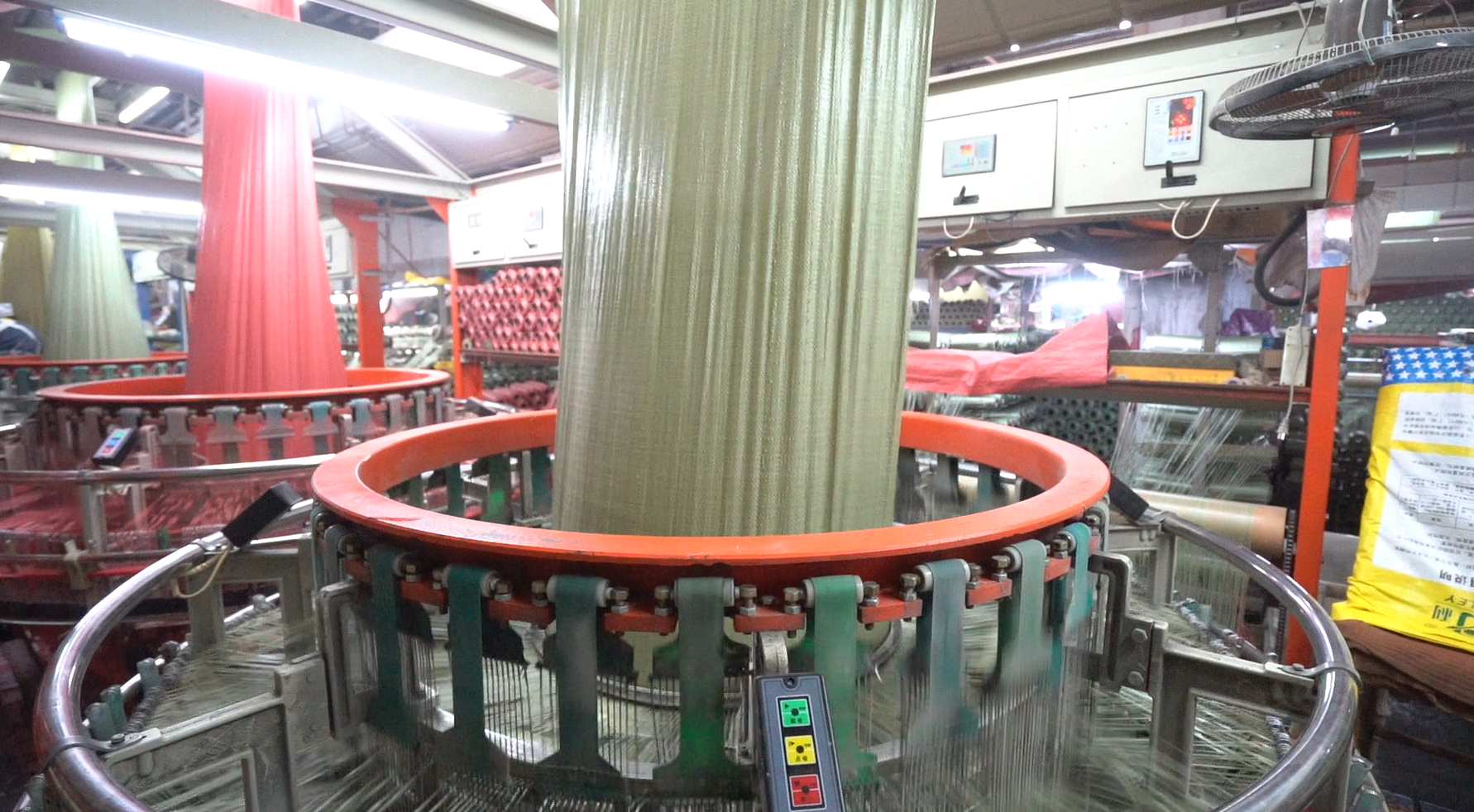
Specifying a Valve Bag for Your Line: Seven Steps
- Map the filling interface first. Record the nozzle diameter and profile, the bag-clamp geometry, the fill rate and the closing or sealing equipment downstream. Bag geometry is derived from these, not chosen from a catalogue page.
- Fix the bag geometry. Set body dimensions, flatness and length tolerance so the bag sits in the clamp the same way in every batch. Standard PP woven sizes run from 50×80 cm to 110×120 cm, and custom sizes are available.
- Choose the structure by protection need. Water resistance, moisture-proofing, air permeability or light-proofing — select the structure that answers the dominant risk, using options such as OPP film laminated composite where the requirement calls for it.
- Match the valve to the powder. Fine, airborne powders and free-flowing granules behave differently at the valve channel; confirm the valve behaviour with your own material rather than with a generic sample.
- Specify printing and marks. Agree colour, layout, fade-resistant custom printing and the export parameter marks your warehouse and customs readers need.
- Run a trial and measure it. Test on your own filler with your own powder, and record dust level at the spout, fill weight stability, jam frequency and line uptime — the four numbers that decide whether the format works.
- Lock the specification and the batch record. Keep the approved specification and the batch test report together so that a repeat order reproduces the same bag, and a complaint can be traced to raw materials, formulation, equipment parameters and production batch.
Where Valve Bags Fit: Food, Chemical, Building Material and Plastics
Food powders. Flour, sugar, starch, salt and spices are fine, airborne and often moisture-sensitive. The closed valve throat cuts dust at the spout, while moisture-proof structures and food-grade materials protect the product through storage and export. Where an ingredient is light-sensitive, a light-proofing structure removes a degradation route that an open-mouth sack cannot address.
Chemical powders and resins. Pigments, fertiliser powders and resin grades such as PVC paste resin are filled hot, fine or both, and they punish an open mouth twice — dust escapes during the fill, and contamination enters afterwards. Coating and liner selection carries most of the protection load here. For materials classified as hazardous or static-sensitive, anti-static fabric, conductive designs, PE liners or UN-certified construction exist in the wider bulk bag range, and whether your valve bag needs an equivalent depends on the material classification and the destination market.
Building materials. Cement, dry mortar and gypsum powder are heavy, abrasive and extremely dusty. This is the classic valve bag application: the self-closing valve keeps the fill point contained, and drop-tested construction carries the bag through palletising and stacking. Abrasion resistance is a fabric-specification decision, not a valve decision — the two should be set together.
Plastics. Plastic granules, polymer pellets and resin flow fast and pack densely, so the bag has to hold its shape under rapid filling. Dimensional stability and flatness matter more than barrier properties here; a bag that fills cleanly but will not sit flat in the clamp will still stop the line.
Valve Bag vs. Open-Mouth PP Woven Sack vs. FIBC Bulk Bag
The three formats are not interchangeable, and the difference that matters on a powder line is who performs the closing. The table below compares them on the criteria a buyer actually evaluates.
| Criterion | PP woven valve bag | Open-mouth PP woven sack | FIBC bulk bag |
|---|---|---|---|
| How the bag closes | Adhesive-sealed valve closes itself after the nozzle withdraws | Separate sewing or sealing step after filling | Top filling spout or duffle top closed after filling; discharge via bottom spout or full-open bottom |
| Automatic filling fit | Designed for automatic powder filling equipment; opening and body matched to bag clamp, fill rate and sealer | Mouth must be opened, held and aligned at the spout | Filled through top filling spouts; handled by lifting loops with forklift or crane |
| Dust and spillage at the fill point | Closed throat except at the nozzle | Open throat throughout the fill | Larger opening; containment depends on spout design and filling method |
| Protection options | Selectable structures including OPP film laminated composite; water resistance, moisture-proofing, air permeability, light-proofing | Coatings, liners, closures; moisture-proof performance specified for export and marine transport | Coated fabric, food-grade materials, special liners, PE liners, anti-static fabric, conductive designs, UN-certified construction |
| Documented strength | Drop-tested construction; batch test report per production batch | Batch testing and reports; fabric weight 31–54 g/m² | Batch testing and reports; FIBC standard scope ISO 21898:2024 / EN ISO 21898:2024 / GB/T 10454-2025 |
| Typical role in the plant | High-volume powder packing directly at the filler | General dry goods where closing is manual or semi-automatic | Bulk consolidation; common working capacities of 500–2,000 kg |
Standards references describe FIBC scope and are not a statement that the same standard applies to valve bags; confirm the applicable requirements for your format and destination market.
Frequently Asked Questions
How do China-based valve bag suppliers compare with local suppliers on compliance documentation?
Compare documents rather than passports. Ask any supplier — Chinese or local — for the batch test report, traceability of raw materials, formulations, equipment parameters and production batch, the standard the product is built to, and the procedure used to investigate a complaint. For FIBCs the current references are ISO 21898:2024, EN ISO 21898:2024 approved by CEN on 12 August 2024, and in China GB/T 10454-2025, which replaced GB/T 10454-2000 and GB/T 37425-2019 and took effect on 1 March 2026. Yide tests raw materials and finished products for every batch and can retrieve the report by batch number. For hazardous atmospheres, IEC 61340-4-4:2018 covers FIBCs from 0.25 m³ to 3 m³ — that is an FIBC scope, so confirm whether your format falls inside it before relying on it.
Can PP woven valve bags run on our existing automatic powder filling equipment?
Compatibility is a geometry question. Yide customises the bag opening and body dimensions to the filling machine's bag-clamping mechanism, filling speed and sealing equipment, which reduces manual bag support, jamming, misalignment and repeated machine adjustment. Standard PP woven bag sizes are 110×120 cm, 90×110 cm, 100×120 cm, 100×140 cm, 90×100 cm and 50×80 cm, with custom sizes available, and fabric weights run from 31 to 54 g/m².
Why does a valve bag cost more per unit than an open-mouth sack?
Because the cost sits in a different place. The purchase price per bag can be slightly higher than a low-cost open-mouth sack, but total cost of ownership is usually lower: valve bags reduce jamming during automated filling, seal failures, material leakage in transport, damage during stacking and batch-wide rework. The open-mouth sack also needs a separate closing step and, in many plants, manual bag support at the spout.
Can we trial valve bag samples on our own line before ordering?
Yes. Valve bag projects at Yide run from requirement analysis and design through sampling, production, testing and delivery, and the company supports OEM and ODM work. A trial should be run on your own filler with your own powder, so valve behaviour, fill weight stability, dust level at the spout and jam frequency are measured under production conditions rather than assumed.
What should we send with an inquiry to get a usable valve bag specification?
Send the bag dimensions, material, fabric weight, load capacity, safety factor, lamination, printing, colour, filling and discharge design, closure method and the specific application conditions. With those details a specification can be built rather than estimated. Contact Yide Packaging at yidepackaging@gmail.com or +86 178-2626-5555, or download the product brochure here: Yide Group Introduction 2026 (PDF).
Conclusion: Fix the Interface, Then Fix the Bag
Clogs, dust leaks and spillage on a powder filling line usually trace back to one design decision: whether the bag can close itself. An adhesive-sealed valve bag closes under the pressure of its own contents, runs on automatic powder filling equipment when the geometry is matched to the machine, and carries the protection the product needs through selectable structures such as OPP film laminated composite — water resistance, moisture-proofing, air permeability or light-proofing as required. Drop-tested construction and fade-resistant custom colour printing complete a bag that survives handling and stays readable.
The evaluation itself is straightforward. Measure the filling interface, fix the bag geometry, select the structure against the dominant risk, trial with your own powder, and lock the specification together with the batch report. If the four trial numbers — dust at the spout, fill weight stability, jam frequency and uptime — improve, the format has paid for itself; if they do not, the specification is wrong and no volume discount will fix it.
Next step: test a valve bag on your own filler
Send your filler details, powder type and target bag dimensions to Yide Packaging for a specification and a trial sample. Email yidepackaging@gmail.com or call +86 178-2626-5555.
Factory address: Changzhou Industrial Park, west side of Changzhou Road, north side of Changqing Road, Buildings 2, 3 and 4, Dafeng District Development Zone, Yancheng City, Jiangsu, China. Product catalogue: download the brochure.
Have Questions or Need More Details?
Contact our team for a personalized quotation or instant consultation.
Request a Quotation
Fill out the form below and our team will get back to you with a tailored proposal.
WhatsApp Direct Chat
Prefer to chat in real-time? Message us on WhatsApp for instant assistance & quick answers.
- Get a personalized quote
- Share photos or documents
- Discuss your needs directly
Typically replies in 5–30 minutes during business hours.