
Men's Leather Shoes 101: Styles, Materials and Manufacturing Insights
Men's Leather Shoes 101: Styles, Materials and Manufacturing Insights
Men's leather shoes cover a broad group of footwear built for office, business, wedding, travel and social settings. For importers, wholesalers and brand teams, the phrase “men's leather shoes” is rarely enough for a useful sourcing conversation. This article introduces the main shoe families, material terminology and manufacturing steps that matter before a first order.
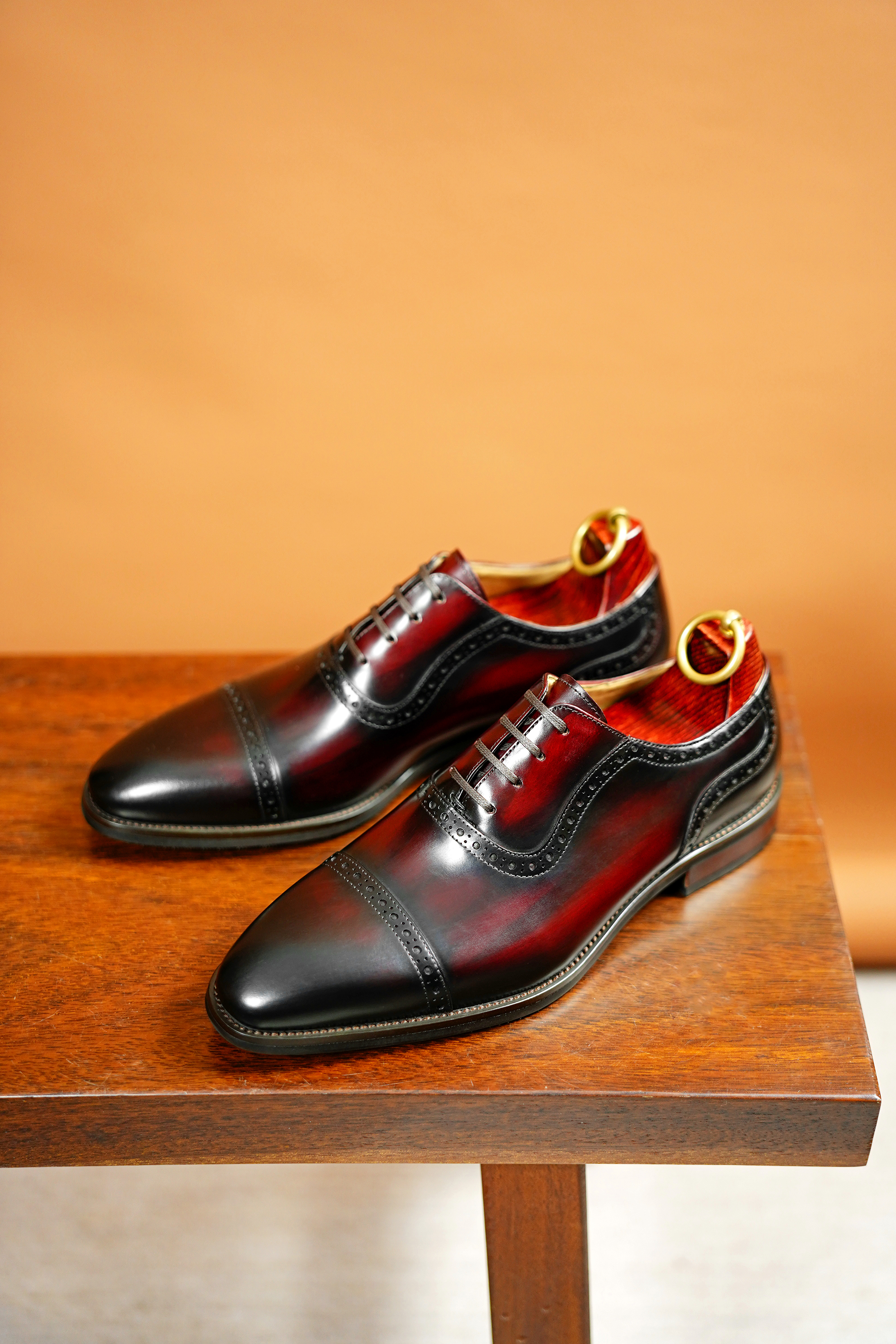
What Counts as a Men's Leather Shoe
A men's leather shoe is commonly defined by a genuine leather upper, a structured sole and materials selected for everyday wear. The category includes formal men's leather shoes, casual men's leather shoes, wedding leather shoes, slip-on men's leather shoes and other dress-leather styles. Some are lace-up Oxfords or Derbys; others are Monkstraps or leather loafers.
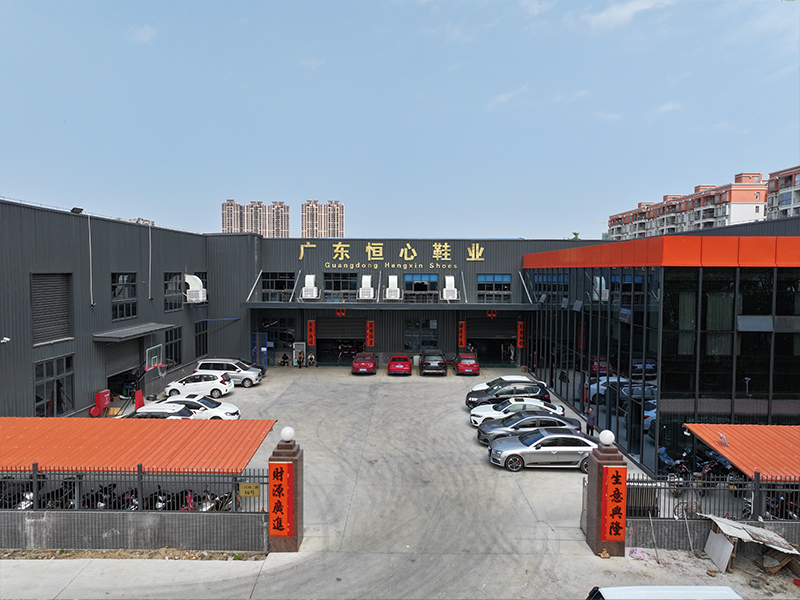
Yangjiang Hengxin Shoes Co., Ltd. is a manufacturer established in 2011 in Yangjiang, Guangdong, China. The company focuses on men's leather formal shoes made with Goodyear welted construction and has more than 13 years of experience in this specific segment. For a first-time buyer, knowing that a factory specializes in men's dress shoes can reduce the risk of vague samples and mismatched product quality.
Why Product Clarity Matters Before Sourcing
Men's leather shoes cannot be treated as one uniform SKU. A formal wedding shoe, a lightweight casual slip-on and a business Oxford may all use genuine leather, but they differ in last shape, closure, sole treatment and styling details. If a buyer says only “men's leather shoes,” the factory must guess whether the target market is formal, smart-casual or everyday. This often leads to extra sample rounds and slower development.
Before approaching a supplier, map the target customer to a recognizable style family and use setting. The next sections explain the style groups and manufacturing language that make these conversations more accurate.
Men's Leather Shoe Market at a Glance
The men's category represents a major share of global leather footwear demand. According to Grand View Research, the global leather footwear market was valued at USD 150.7 billion in 2024, with the male segment accounting for 54.1% of the total share. Separate industry estimates cited for 2024 put men's leather shoe sales volume above 780 million pairs globally, around 41.3% of the total men's footwear industry.
The same market context shows why formal styles remain important. Formal shoes account for approximately 40% of total sales volume in the men's leather shoe market as of 2024. Asia Pacific held the largest regional revenue share in the leather footwear market in 2024, estimated at 53.9%. For buyers, these figures confirm that both classic dress shoes and modern casual leather styles have sustained international demand.
Main Types of Men's Leather Shoes
Yangjiang Hengxin Shoes Co., Ltd. produces Men's Oxford shoes, Men's Derby shoes, Men's Monkstraps shoes, Men's loafers shoes, Men's casual shoes, Men's sneakers shoes, Men's boots and Men's sandals. Within these categories, buyers most often ask about Oxford, Derby, Monkstrap and Loafers.
Oxford Leather Shoes
Oxford shoes use a closed lacing system. The shoelace eyelets sit under the vamp, which creates a sleek, formal line. Men's Oxford leather shoes are usually chosen for business suits, formal meetings and occasions where a polished appearance is required.
Derby Leather Shoes
Derby shoes use an open lacing system because the quarters are sewn on top of the vamp. This construction can provide a slightly roomier fit over the instep and a more relaxed personality than an Oxford. Derby shoes often move comfortably between business and smart-casual settings.
Monkstrap Leather Shoes
Monkstrap shoes are secured with buckle closures instead of laces. They offer a distinct dress-shoe look and are frequently used by men who want more character in a formal or business outfit. Single-monk and double-monk styles are both common in men's leather footwear ranges.
Loafers and Slip-On Leather Shoes
Loafers have no lacing or closure on the instep. Men's slip-on leather shoes of this type can work in business-casual wardrobes, summer travel outfits and lighter dress occasions. Some loafers use leather soles; others use rubber soles for more day-to-day grip and comfort.
Materials and Construction to Understand
Material choice is one of the first specification decisions for men's leather shoes. Full grain cow/calfskin is a commonly preferred upper material in handmade men's leather shoe models because the surface keeps the natural structure of the hide. Yangjiang Hengxin uses Italian and Argentinian leathers for its footwear, and its product line includes models with full grain cow/calfskin uppers, full grain cow lining and insole, and rubber or leather outsole options.
For example, model M205-B02 is a hand made men's leather shoe. Its upper is made of full grain cow/calfskin; the lining and insole are also full grain cow; the outsole is available in rubber or leather. Model F8-NS58 follows the same material structure and is described as suitable for business men, office men and wedding men. Model F8-MK3 is also a hand made men's leather shoe, with full grain cow/calfskin upper and the same lining, insole and outsole options.
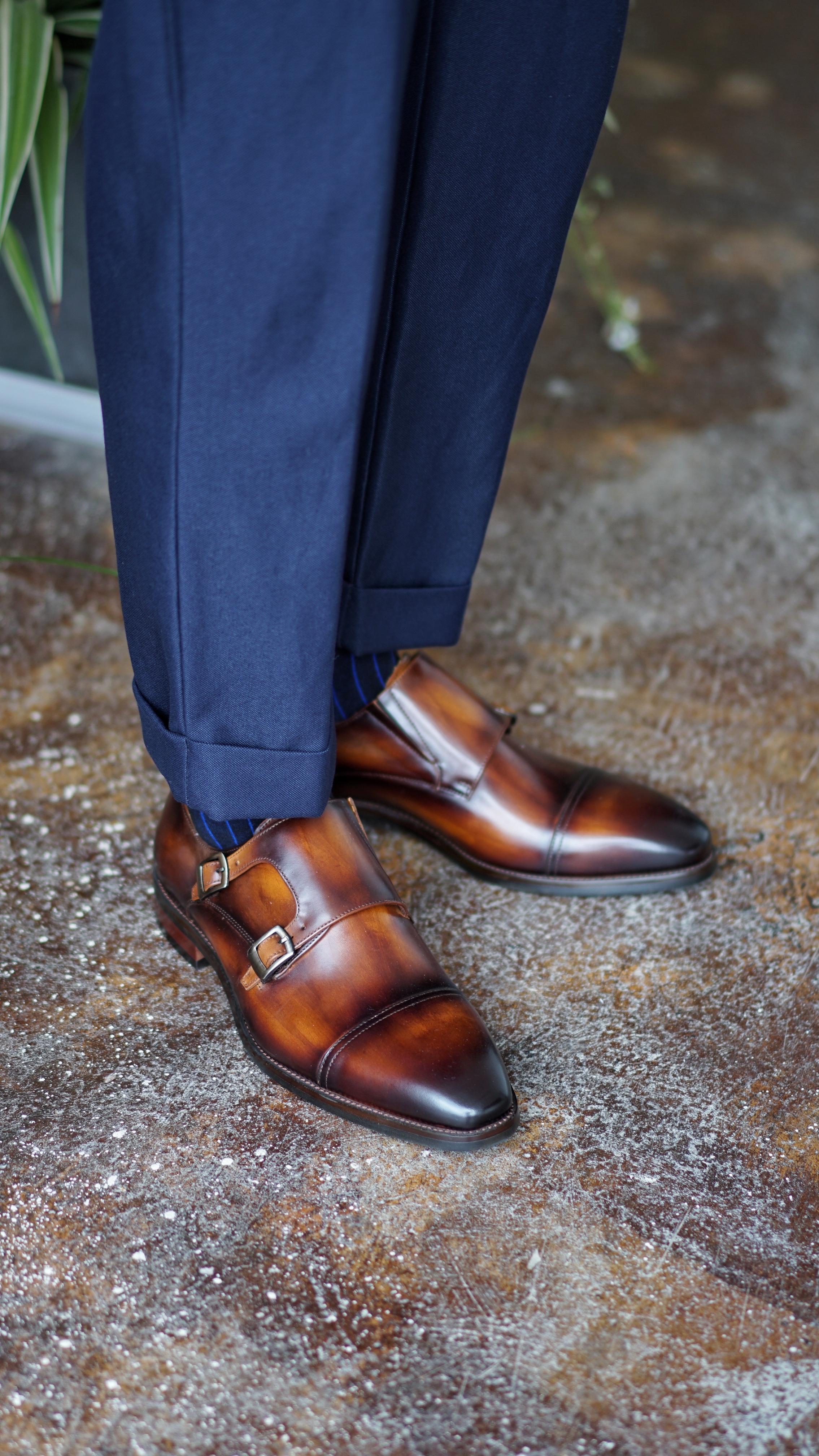
Goodyear Welted Construction and Hand-Colored Patina
Goodyear welted construction is a production method commonly associated with stronger men's dress shoes. In simple terms, the upper, lining and sole are joined through a Welt, creating a stable structure. Yangjiang Hengxin Shoes specializes in Goodyear welted leather shoes and offers models such as Oxfords, Derbys, Brogues, Monks and Loafers with this construction. The company also uses a hand-colored patina process that has undergone three iterations of technological innovation. Patina finishing gives each pair a layered color effect that is difficult to reproduce in mass production.
These construction details matter for buyers because they explain why some men's leather shoes carry a different price and lead time than standard glued footwear. Handmade leather shoes require additional labor time and skilled finishers, especially when custom patina or hand-finishing is part of the order.
OEM and ODM Options for Men's Leather Shoes
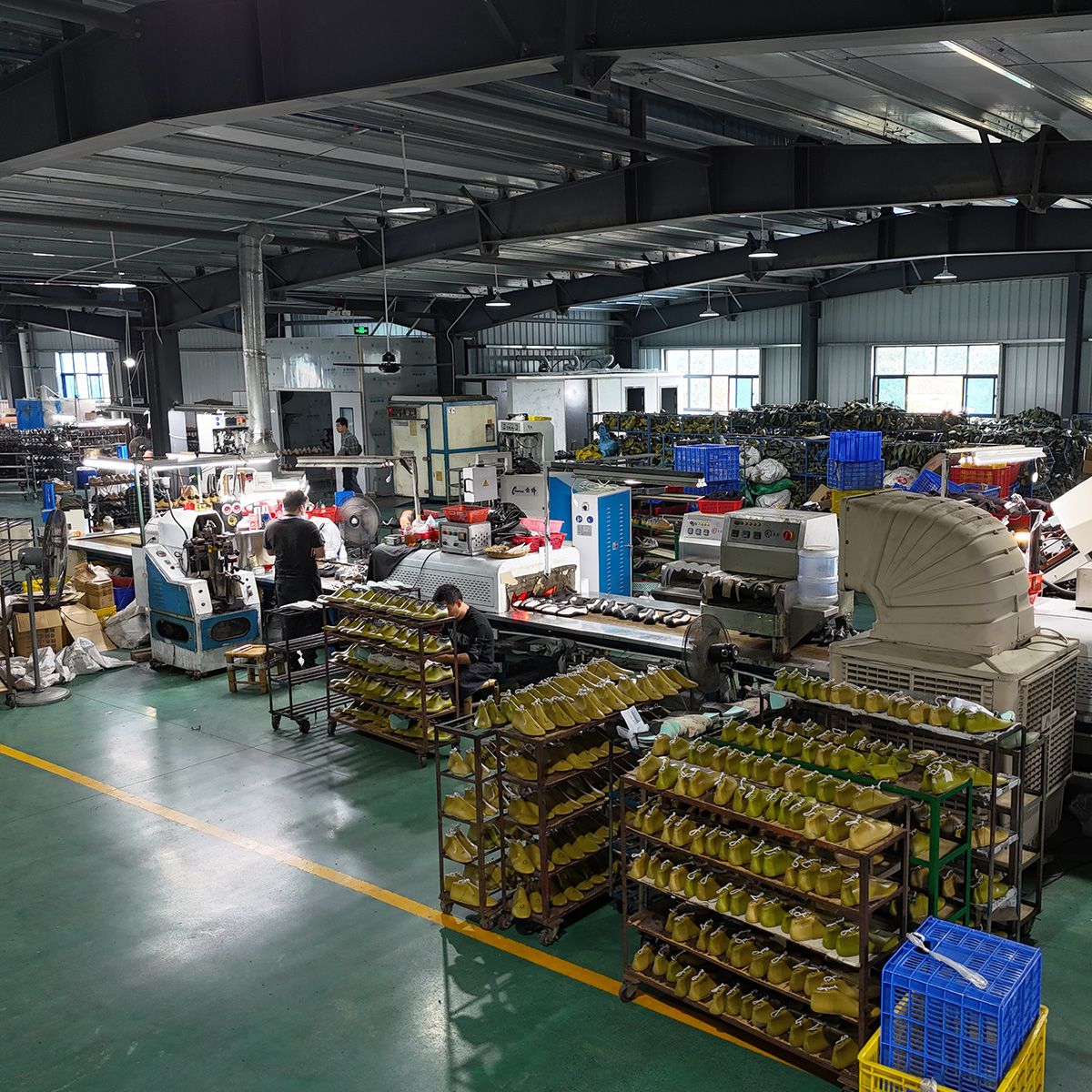
Buyers looking for custom leather shoes often need more than a factory that can produce existing designs. Yangjiang Hengxin offers ODM/OEM one-stop services including last-making, alterations, repairs and sample customization. The company has an independent sample room, a team of four professional shoe designers and an R&D team composed of 10 engineers and technicians.
Yangjiang Hengxin has also developed more than 500 bespoke shoe styles over its history. That portfolio gives a starting point for private-label buyers who want to modify an existing last, upper style or patina finish instead of designing a completely new shoe from zero.
Step-by-Step: From Product Idea to a Men's Leather Shoe Sample
For buyers at the Awareness and Research stage, a practical sourcing path usually follows these steps:
- Define the target style family. Confirm whether the product is formal men's leather shoes, casual men's leather shoes, wedding leather shoes, slip-on men's leather shoes or another subset.
- Set the material and construction brief. Specify upper leather, lining, insole, outsole and whether the shoe should be hand made or Goodyear welted.
- Match the brief to a factory's expertise. A factory that makes men's leather formal shoes every day will understand lasts and proportions better than a general footwear importer.
- Use sample development to validate. Check whether the supplier has an independent sample room, sample customization capability and a designer or R&D team that can respond to revisions.
- Confirm production capacity and lead time. For first orders, ask for realistic dispatch time and minimum order expectations. Yangjiang Hengxin's annual production capacity reaches 400,000 pairs, and the company states that orders are completed and dispatched in 2-4 weeks.
Men's Leather Shoes by Use Case
Men's leather shoes are often organized around the occasions where they will be worn. The most common use cases for formal and handmade leather shoes include business, office and wedding environments.
For office and business wear, the shoe needs to support a professional image while remaining comfortable for long sitting and walking periods. For weddings, the visual finish is especially important. Polished leather, consistent patina and a refined silhouette are more likely to appear in collections designed for family celebrations. Slip-on loafers and casual leather shoes fill a different role: they cover smart-casual dress codes and daily travel without the visual weight of a full formal Oxford.
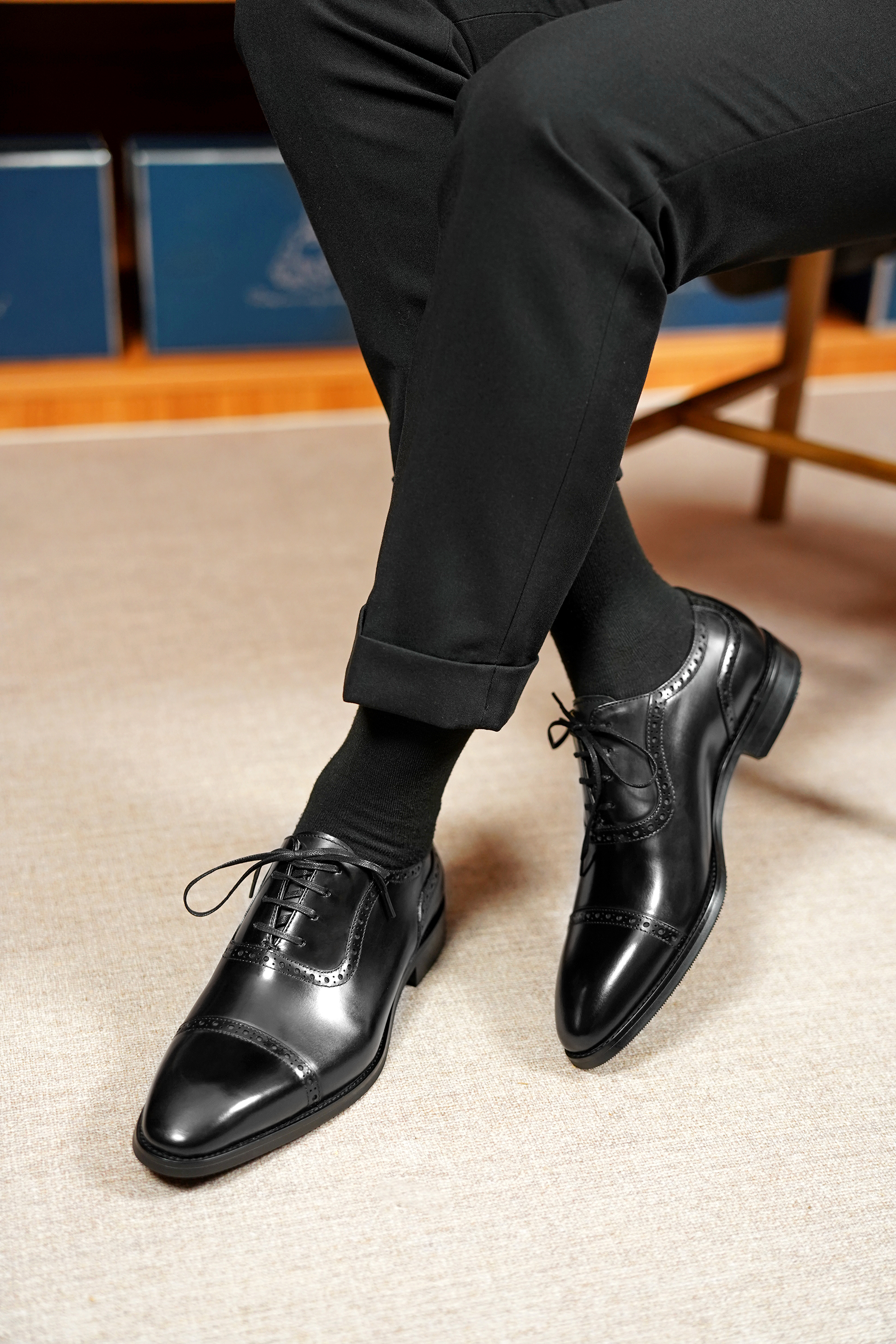
Men's Leather Shoe Styles at a Glance
| Style | Closure | Typical Use |
|---|---|---|
| Oxford | Closed lacing | Formal suits, business, weddings |
| Derby | Open lacing | Business to smart-casual |
| Monkstrap | Buckle closure | Distinctive dress and business looks |
| Loafers | Slip-on | Business-casual and casual outfits |
Frequently Asked Questions
What quality or compliance points should a buyer ask about before ordering men's leather shoes?
Quality expectations for leather footwear usually focus on material consistency, stitching, sole attachment and finishing. ISO 9001:2015 is the primary international quality management standard that many leather footwear manufacturers use for process consistency. A buyer should ask how the factory controls cutting, sewing and final inspection. Yangjiang Hengxin Shoes serves export markets including EU, USA, CANADA, AFRICA, ASIA and AUSTRALIA, with export business accounting for 70% of total sales, so its working routine already includes export buyers.
Can I develop custom or private-label men's leather shoes?
Yes. Yangjiang Hengxin Shoes offers ODM/OEM one-stop services including last-making, alterations, repairs and sample customization. The factory also has an independent sample room, four professional shoe designers and a 10-person R&D team. With more than 500 bespoke styles in its portfolio, the company can adapt an existing design or support a new product direction for a private label.
What affects the price of men's leather shoes?
Price is influenced by leather grade, construction method, hand-finishing, order quantity and customization depth. A full grain cow/calfskin upper and Goodyear welted handmade construction typically require more material and labor than a basic cemented shoe. Yangjiang Hengxin is a direct manufacturer, so buyers can ask the sales team for a quotation based on their specific style, material and quantity.
Can I request samples before bulk production?
Yes. Sample customization is part of Yangjiang Hengxin's ODM/OEM services. A buyer can start by sharing the target style, leather type, lining, outsole and any patina requirements. For handmade men's leather shoes, the sample stage is also the best time to confirm fit and visual finish.
How long does production and delivery take?
Yangjiang Hengxin states that orders are completed and dispatched in 2-4 weeks. The exact schedule depends on the product model, customization level and order quantity. To explore custom styles, request samples or get a quotation, buyers can contact Rose at rose@dressshoefactory.com, via WhatsApp at +8615820502754, or visit dressshoefactory.com.
Looking for men's leather shoes for your brand or distribution channel?
Yangjiang Hengxin Shoes Co., Ltd. supports wholesale, retail, distribution and private-label projects. The company operates a 5,000-square-meter facility, employs approximately 100 staff and produces up to 400,000 pairs per year.
dressshoefactory.com | rose@dressshoefactory.com | +8615820502754
Conclusion
Men's leather shoes is not a single product category; it is a family of styles built around leather, fit, construction and end use. Understanding the difference between Oxford, Derby, Monkstrap, Loafers and casual leather shoes helps buyers communicate a clear brief. Material descriptions like full grain cow/calfskin, outsole choices, handcrafted construction and Goodyear welted methods then turn that brief into a product.
Yangjiang Hengxin Shoes Co., Ltd. offers one concrete example of a manufacturer built around men's leather formal shoes. Its 13 years of experience, 500 bespoke styles and OEM/ODM sample services give new buyers a useful reference point when moving from basic product awareness to supplier research.