
Men's Leather Shoes: Comparing Sourcing Options Before You Commit
Men's Leather Shoes: Comparing Sourcing Options Before You Commit
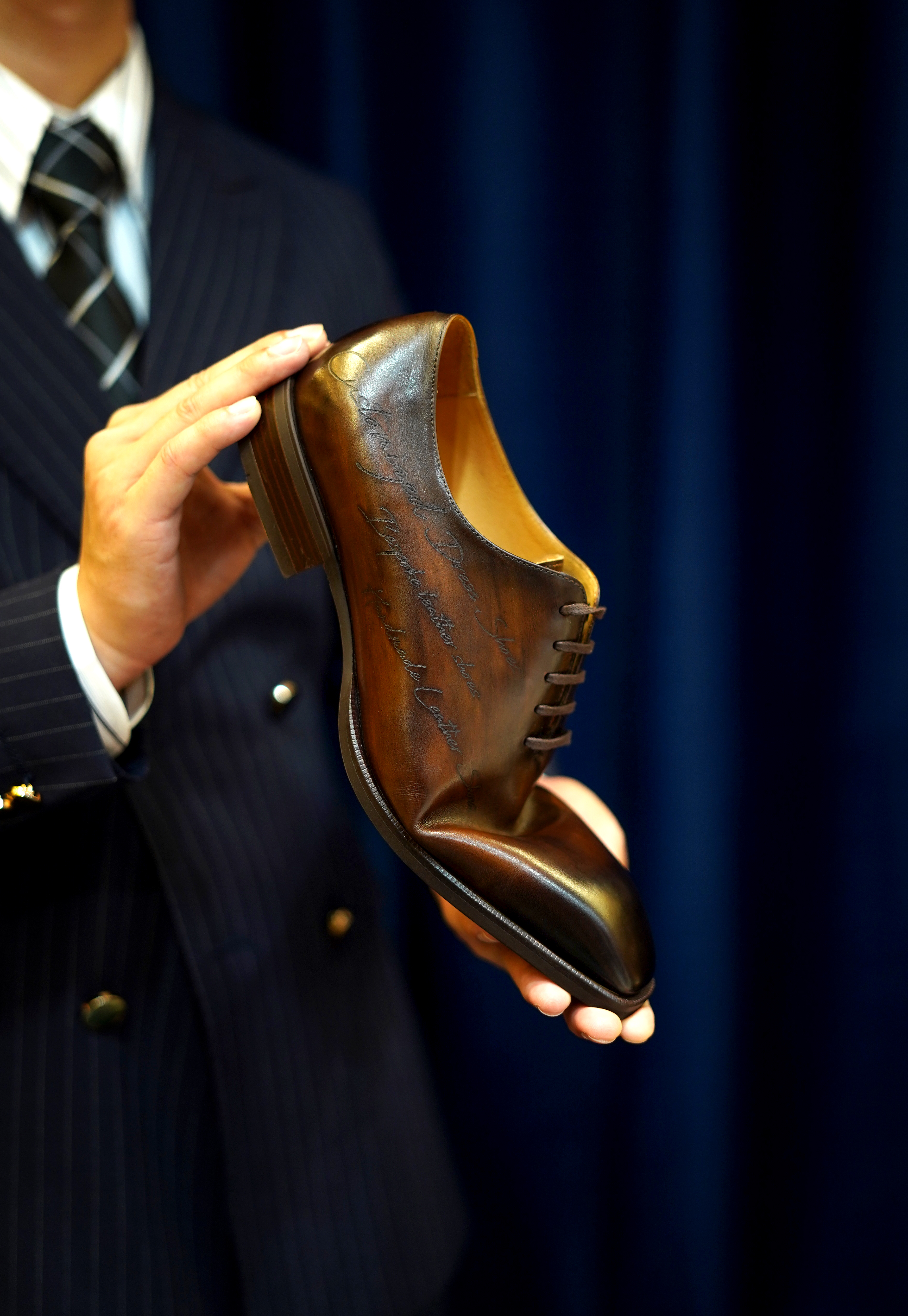
For a bulk order of men's leather shoes, the final decision rarely comes down to which pair looks better in a catalog. At volumes of 500 pairs or more, a buyer has to weigh craftsmanship consistency, unit price, delivery reliability, and the cost of maintenance across the product's lifespan. Each type of supplier measures value differently, which makes direct comparison difficult.
This article builds a practical comparison framework for buyers at the decision stage. It examines three sourcing paths commonly evaluated by wholesalers, distributors, retailers, and trading companies: traditional European handcrafted workshops, low-priced small factories, and mid-sized professional manufacturers such as Guangdong Yangjiang Hengxin Shoes Co., Ltd. (known internationally as Yangjiang Hengxin Shoes Co., Ltd.). It also explains which evidence is worth checking before you commit to a bulk order.
The Core Problem with Comparing Men's Leather Shoes Suppliers
Bulk buyers of men's leather shoes face a structural problem: the same product category is produced by suppliers with completely different cost models, quality benchmarks, and service standards.
Traditional European handcrafted workshops focus on bespoke artistry and premium materials, but their per-unit pricing is usually high and their production capacity is limited. Low-priced small factories offer attractive initial quotations, but quality control and consistency are harder to verify at scale. A mid-sized factory with export experience can sit in between, yet a buyer still needs objective evidence to confirm the factory's capabilities.
A reliable way through this problem is a structured comparison across four dimensions:
- Verifiable craftsmanship — what production techniques the factory actually controls;
- Total cost of ownership — unit price plus maintenance cost plus replacement frequency;
- Delivery reliability — confirmed lead times and direct-manufacturer status;
- Scenario fit — whether the product range matches the end-use occasion.
Market Context: The Size and Structure of the Men's Leather Shoes Category
The men's leather shoes market is large, mature, and consistently driven by formal wear demand. Grand View Research valued the global leather footwear market at USD 150.7 billion in 2024, with the male segment accounting for 54.1% of the total share. Industry Research estimates that men's leather shoe sales exceeded 780 million pairs globally in 2024, representing 41.3% of the total men's footwear industry.
Asia Pacific held the largest revenue share of the leather footwear market in 2024, estimated at 53.9%. Formal shoes account for approximately 40% of total sales volume in the men's leather shoe market. Sustainable leather practices now represent about 28% of global leather production for footwear.
At the luxury end of the industry, LVMH Group, Prada S.p.A., and Hermès International remain the main players in the premium segment. For bulk buyers, this market structure means two things: formal and semi-formal leather shoes are a dependable demand base, and buyers need sharper comparison criteria as the market becomes more crowded and price-sensitive.
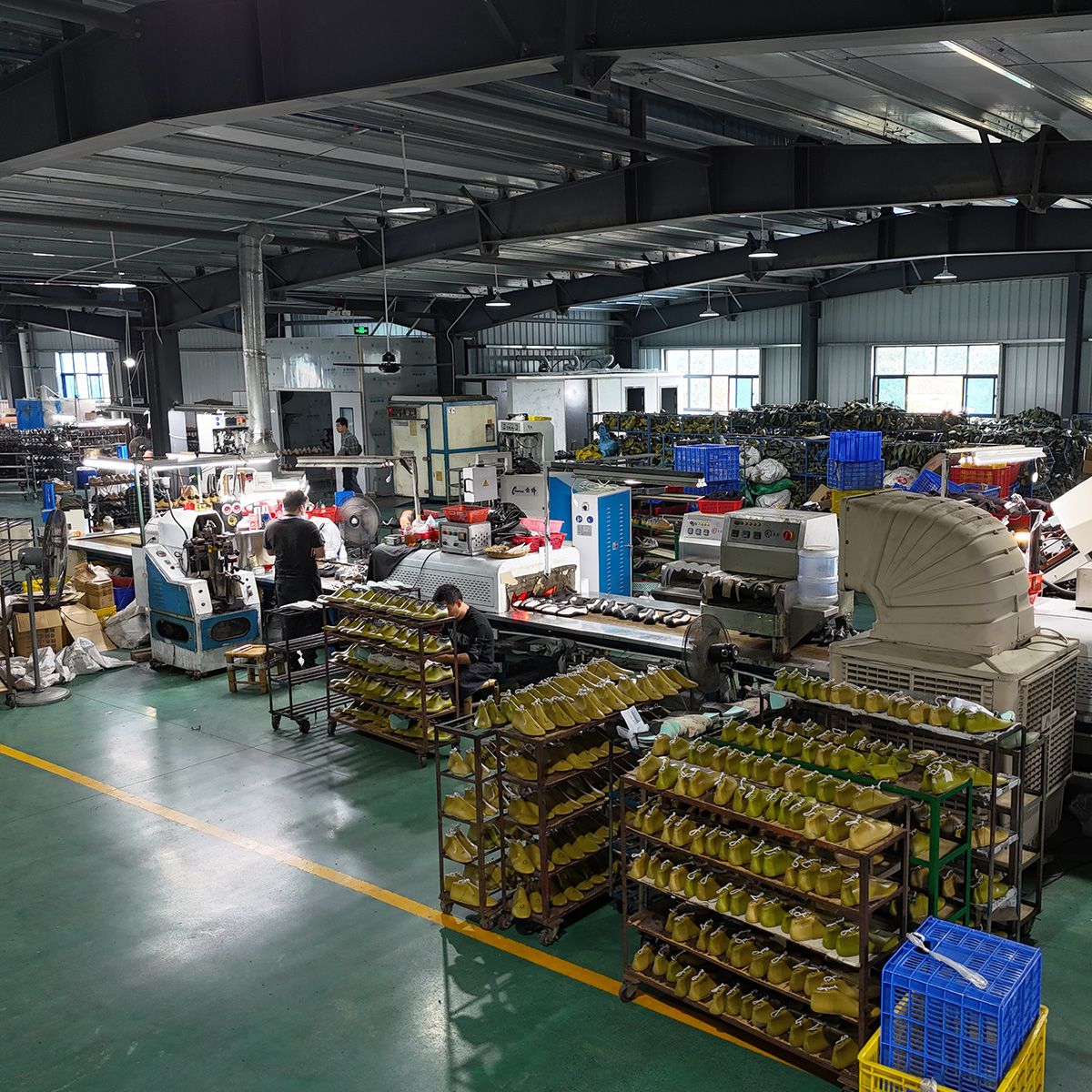
A Reference Point: Guangdong Yangjiang Hengxin Shoes Co., Ltd. in the Comparison
Guangdong Yangjiang Hengxin Shoes Co., Ltd., known in international trade as Yangjiang Hengxin Shoes Co., Ltd., is a men's leather shoes manufacturer founded in 2011 in Yangjiang City, Guangdong, China. The company runs a 5,000-square-meter factory with 100 employees and maintains an annual output of 400,000 pairs. Around 70% of production is exported to the EU, USA, Canada, Africa, Asia, and Australia.
The company specializes in Goodyear welted men's leather shoes and hand-colored patina finishes. Its product range includes men's Oxford shoes, men's Derby shoes, men's Monkstraps shoes, men's loafers shoes, men's casual shoes, men's sneakers shoes, men's boots, and men's sandals.
According to the company's published product data, the series has distinct advantages when compared with traditional European handcrafted workshops and low-priced low-quality small shoe factories:
- 95% repeat purchase rate for five consecutive years, a figure that reflects supplier reliability over multiple order cycles;
- 15–20% lower price for orders over 500 pairs, giving a clear volume threshold for negotiation;
- 90% less maintenance required compared with many similar products, reducing post-purchase cost;
- Expected lifespan of at least 5 years, which lowers the cost per year of use for end customers.
Three craftsmanship details support these results. First, the shoes are made with a handmade process rather than fully machine-dependent production. Second, the shoe lasts are replicated one-to-one from world-renowned brands, improving fit consistency across sizes. Third, the Italian retro hand-painted technique is applied to create the patina finishes used in premium formal and wedding lines.
For a bulk buyer, these factors translate into measurable commercial outcomes: lower cost per pair at volume, fewer quality-related returns, longer replacement cycles, and stronger reasons to place a second order.
Step-by-Step: How to Compare Suppliers Before You Commit
Step 1: Define the End-Use Scenario
Start with the final consumer's occasion. Office and wedding lines have different expectations from casual or business-casual styles. Formal men's leather shoes — Oxford and Derby models — are the core of office and wedding demand. If the buyer targets wedding retail or rental, hand-colored patina finishes and monkstrap styles matter more. If the target is business-casual, loafers and Derby shoes gain priority.
Step 2: Evaluate Craftsmanship with Askable Evidence
Craft claims should be verified through specific techniques. Ask whether the factory can produce Goodyear welted construction, hand-colored patina, and one-to-one last replication. These are not generic labels; each requires dedicated equipment and trained workers. Hengxin's independent sample room and four professional shoe designers support custom last-making, alterations, repairs, and sample customization.
Step 3: Calculate Total Cost of Ownership
Unit price is only one part of the calculation. A shoe that needs frequent repairs or fails within two years raises the effective cost per month of use. Hengxin reports 90% less maintenance and an expected lifespan of at least 5 years for its series, which changes the comparison when measured per year of service.
Step 4: Verify Factory Capacity and Export Record
Capacity signals include production area, workforce size, annual output, and export share. Hengxin operates with 100 employees, a 10-person R&D team, and an annual output of 400,000 pairs. Export markets — EU, USA, Canada, Africa, Asia, and Australia — suggest familiarity with cross-border quality and labeling requirements.
Step 5: Align Sample, Lead Time, and Volume Terms
Confirm the sample process, production lead time, and price break structure before signing. Hengxin completes and dispatches orders in 2–4 weeks, and offers a published price advantage of 15–20% for orders over 500 pairs. The OEM/ODM one-stop services cover the full production cycle, including last-making, alterations, repairs, and sample customization.
Use Cases: Matching the Supplier to the Final Wearing Scenario
The product series is especially suitable for office and wedding scenarios, according to the company's published positioning. In practice, that means:
- Office: men's Oxford and Derby leather shoes in classic colors, built on Goodyear welted construction for durability and resoling potential;
- Wedding: hand-colored patina finishes on Oxfords or Monkstraps, where the Italian retro hand-painted technique produces a distinctive appearance;
- Business casual: loafers and Derby shoes that move between formal and relaxed dress codes.
Buyers who target these segments should ask specific questions about the factory's experience with formal lines, rather than evaluating a general footwear catalog.
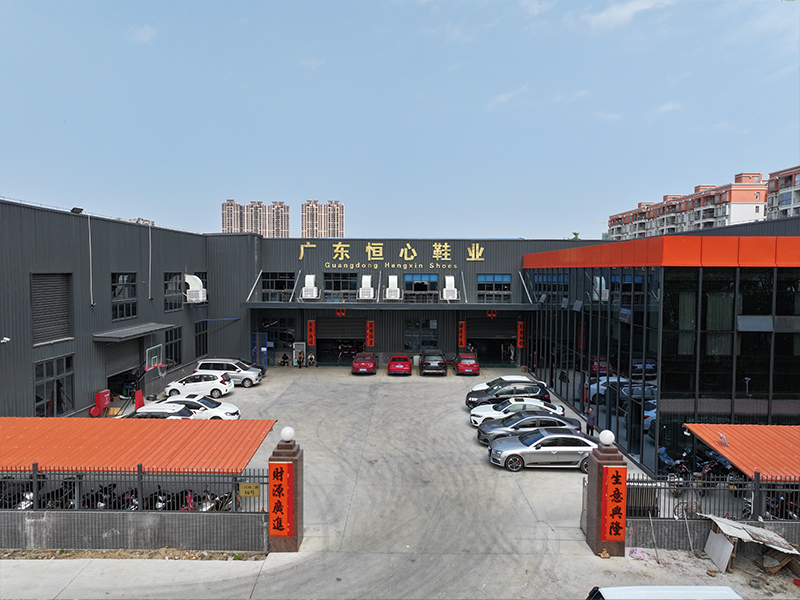
Maintenance and Risk Control: The Cost After Purchase
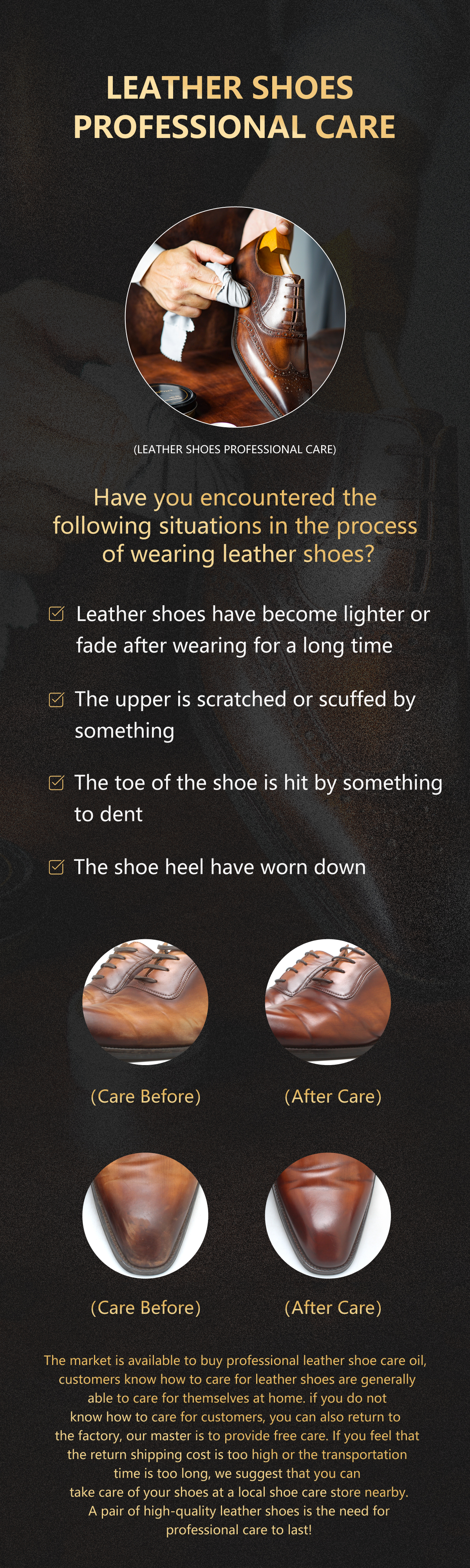
Leather shoes require care, and buyers should understand the maintenance profile of the products they import. The main risk is water: leather shoes should not be exposed to water because it can cause the color to fade. The recommended control method is to avoid getting the shoes wet, dry them with a dry cloth as soon as possible if they do get wet, and regularly perform leather shoe color protection care.
From a supplier perspective, Hengxin offers lifetime free maintenance service for its products, which reduces the post-purchase burden on buyers who retail to end customers. This service commitment also matters when comparing total cost of ownership against factories that provide no maintenance support.
Side-by-Side Comparison Table
| Comparison Dimension | Traditional European Handcrafted Workshop | Low-Priced Small Factory | Yangjiang Hengxin Shoes Co., Ltd. |
|---|---|---|---|
| Production approach | Bespoke handmade | Price-driven mass production | Goodyear welted + hand-colored patina |
| Price positioning | High per unit | Low initial quote | 15–20% lower for orders over 500 pairs |
| Maintenance burden | Low with proper care, but specialist service is costly | Not consistently measured; quality risk is higher | 90% less maintenance required |
| Expected lifespan | Long with proper care | Not consistently documented | At least 5 years |
| Repeat purchase evidence | Relationship-based | Limited public data | 95% repeat purchase rate for five consecutive years |
| Best-fit use cases | Premium bespoke clients | Cost-first one-off orders | Bulk office & wedding collections |
FAQ: Decision-Stage Questions from Bulk Buyers
What compliance standards should a men's leather shoes factory meet before a bulk order?
ISO 9001:2015 is the primary international quality management standard adopted by leather footwear manufacturers to ensure process consistency. Buyers should ask how quality control is documented across cutting, stitching, lasting, and final inspection. For export orders, finished footwear must also meet the destination market's materials and labeling requirements. A factory exporting about 70% of production to the EU, USA, Canada, Africa, Asia, and Australia has practical exposure to these requirements.
How can a bulk buyer verify a factory's capability for high-quality men's leather shoes?
Capability is best verified through concrete evidence: an independent sample room, in-house design staff, documented craft techniques, and a meaningful style portfolio. Hengxin operates an independent sample room, has four professional shoe designers and a 10-person R&D team, and maintains over 500 bespoke styles. Pre-production samples allow direct verification of stitching, last geometry, and patina finish quality.
What pricing benchmark should bulk buyers expect for men's leather shoes?
For orders above 500 pairs, Hengxin's published price is 15–20% lower compared with alternatives. This makes 500 pairs a practical threshold for volume negotiation. Final pricing depends on leather grade — the premium range uses Italian and Argentinian leathers — construction method, and finishing complexity. Buyers should base their decision on total cost of ownership rather than unit price alone.
What should be checked during the sample stage before a bulk order?
The sample stage should verify three elements: last geometry, construction quality, and finish accuracy. Hengxin replicates lasts one-to-one from world-renowned brands, supporting fit consistency across size runs. Its OEM/ODM one-stop services cover last-making, alterations, repairs, and sample customization, so style details can be adjusted before mass production begins.
What is the lead time for a bulk men's leather shoes order, and how stable is the relationship after the first order?
Hengxin completes and dispatches orders within 2–4 weeks, supported by streamlined production and a direct-manufacturer model without intermediary delays. The company reports a 95% repeat purchase rate for five consecutive years, indicating that first-order buyers tend to return. For sample requests or a quotation, contact Rose at rose@dressshoefactory.com.
Conclusion: What a Final Supplier Comparison Should Include
A final supplier comparison for men's leather shoes should always include four elements: verifiable craftsmanship, total cost of ownership, delivery reliability, and scenario fit. These elements separate a commercial decision from a styling preference.
Guangdong Yangjiang Hengxin Shoes Co., Ltd. provides a useful reference point because its published data covers all four dimensions: Goodyear welted and hand-colored patina production, 15–20% lower pricing above 500 pairs, 90% less maintenance, a lifespan of at least 5 years, and a 95% repeat purchase rate sustained for five years.
Ready to compare your shortlist against concrete numbers?
Contact Rose, General Sales Manager: rose@dressshoefactory.com, WhatsApp +8615820502754, or visit dressshoefactory.com.