Custom Board Games for Enterprise Promotion and Kids Education: An Application Guide
Custom board games are usually catalogued as one product type, but the two applications that generate most B2B orders behave like two different product lines. A game built for enterprise promotion is a scheduled brand asset: it has to carry accurate brand color across every print run, land before a campaign or event date, and repeat cleanly when the next wave is ordered. A game built for kids education is a regulated item: it has to satisfy toy-safety rules in the destination market and survive repeated handling in classrooms and homes.
Both tracks can run through a single production floor. Vietnam Yawanhong Printing Culture Co., Ltd. — Yawanhong for short — is a Vietnam-based printing and toy manufacturer established in 2006, producing board games, card games, puzzles, notebooks, color boxes, publications, plastic toys, plush toys and wooden toys, with 100% of its output exported to Europe, North America and Oceania. This application guide sets out which production features each application actually depends on, then walks through the execution steps, commercial terms and lead times a buyer should plan around.
What Separates a Promotional Game from an Educational Game
Enterprise promotion is a schedule-and-brand problem. Kids education is a compliance-and-durability problem. Printing, board making and assembly are shared steps, which is precisely why the two applications are so often merged into a single purchase order — and why merging them without separating the requirements creates avoidable delays.
A promotional game is judged on three things: whether the brand color is right, whether it arrives in time, and whether the unit cost works at the ordered volume. An educational game is judged on whether it can legally be placed with children in the destination market, whether the components survive repeated use, and whether a series looks consistent from one title to the next.
Where each application typically fails
- Timing. A promotional run delivered after the event date has no value, whatever its quality. The campaign calendar is the fixed point, not the production schedule.
- Compliance gaps. An educational product without the required market documentation cannot reach its intended audience, even when the physical product is finished.
- Color drift. A mismatch between the approved reference and the production run weakens brand recall in promotion and breaks series consistency in education.
- Late specification changes. Material and component choices made before compliance is confirmed often have to be reversed, which resets the entire timeline.
The practical consequence: classify every item as promotion or education before the specification is frozen, and settle early whether the item will reach children under the relevant age threshold.
Industry Background: Scale, Regulation and Channel Shift
Demand for board games is large and still expanding. Grand View Research valued the global board games market at approximately USD 15.71 billion in 2024, with the wider playing cards and board games segment reaching USD 19.9 billion. North America held the largest regional share that year at about 42.06%, equivalent to roughly USD 6.66 billion, according to Fortune Business Insights. Credence Research projects a 10.38% CAGR from 2025 to 2032, taking the market to an estimated USD 31.58 billion.
Read the figures as a range, not a single number. Market-size estimates for the same year differ between research firms — Global Market Insights reports around USD 12.2 billion for 2024, and Strategic Market Research around USD 13.1 billion on a 2023 base. The gap follows mainly from whether playing cards and role-playing products are counted inside the category. Before reusing any figure in an internal business case, check the definition behind it.
Sales channels are shifting as well. Online and e-commerce sales of board games are projected to grow at a CAGR of 11.53%, and in some regions the majority of sales already take place through online platforms (Fortune Business Insights and industry research).
Supply is concentrated among a small group of publishers, including Hasbro, Mattel, Asmodee, Ravensburger and Spin Master; Ravensburger held more than 5% share in 2024 (Global Market Insights). Those publishers set the quality baseline that recipients now expect from any game they receive — including one handed out as a promotional gift.
Regulation is the second fixed point. In the European Union, board games sold as toys must comply with Toy Safety Directive 2009/48/EC and the harmonized EN 71 standards, for example EN 71-1 for mechanical properties and EN 71-13 for olfactory board games. In the United States, board games intended for children under 14 must meet ASTM F963-23, which is mandatory under 16 CFR part 1250.
For a promotional game, the compliance question is not simply whether the item is a toy, but who receives it. If a promotional run is designed for children or distributed to families, the toy-safety framework becomes a specification input rather than a postscript.
Mapping Production Features to Application Needs
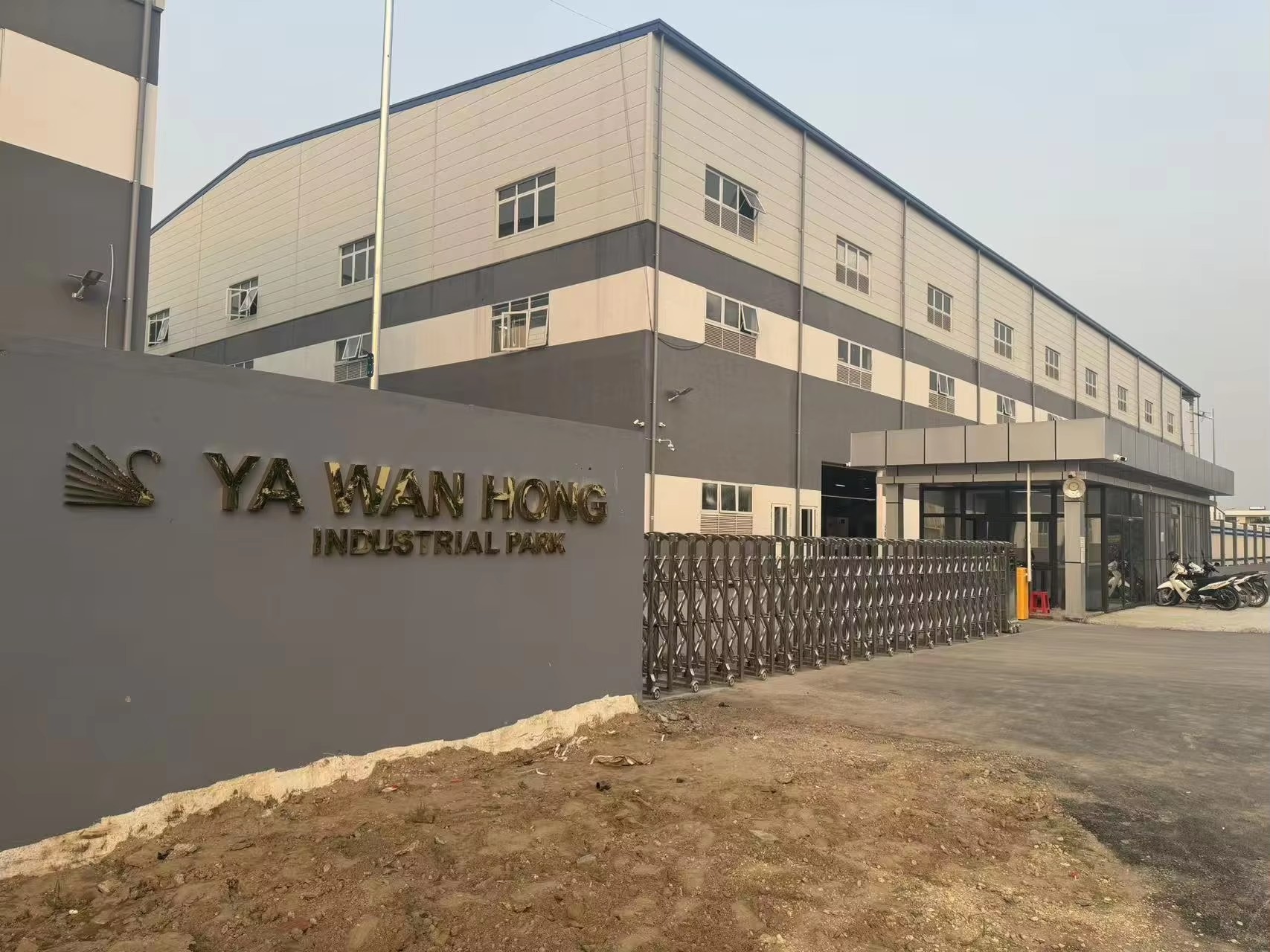
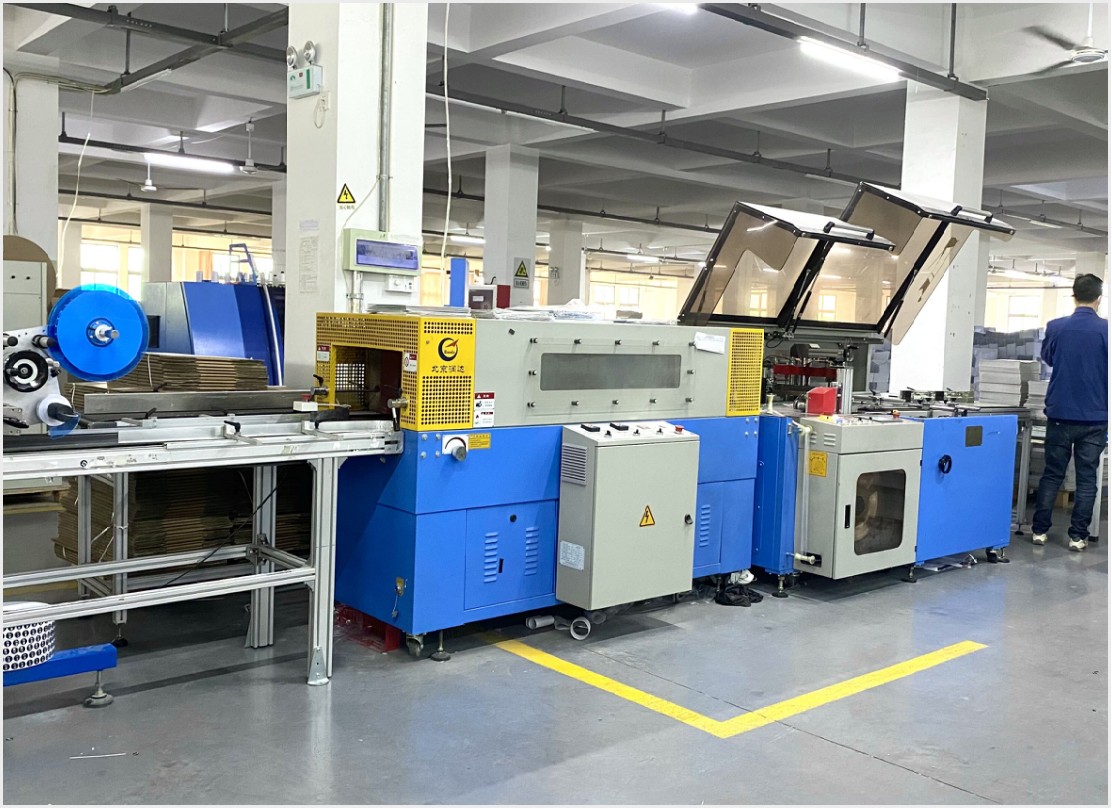
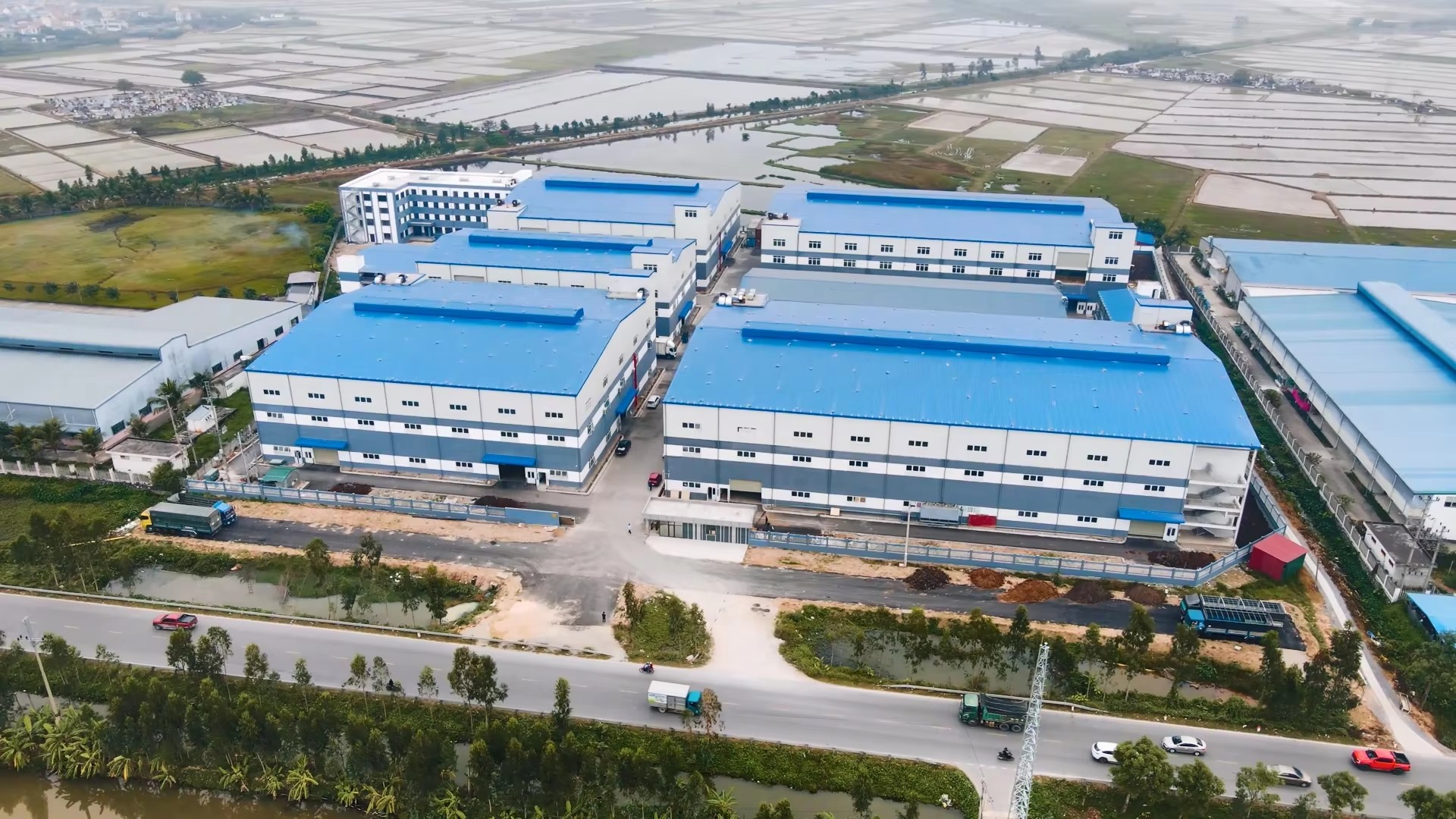
Yawanhong — registered as Vietnam Yawanhong Printing Culture Co., Ltd. — is a Vietnam-based printing and toy manufacturer established in 2006. Its factory covers 55,000 m² in the Nghia An Industrial Cluster, Vinh Lai Ward, Hai Phong City, Vietnam, and employs 280 people, including a 25-engineer R&D team. Annual output reaches 1,000,000 units, with a monthly production capacity of 80,000 units. The company provides OEM and ODM production services with a minimum order quantity of 1,000 units, a typical production lead time of 25–45 days, and remote technical support for clients.
Two capability facts shape the applications in this guide more than any other: order flexibility at a 1,000-unit minimum, and print-color control. The table below maps each production feature to what it delivers on the promotion track and on the education track.
| Production feature | What it delivers for enterprise promotion | What it delivers for kids education |
|---|---|---|
| OEM and ODM production, MOQ 1,000 units | A single branded edition can be produced for one campaign without committing to a mass-market run | A pilot title can be validated with one school, publisher or distributor before a wider rollout |
| Typical production lead time of 25–45 days | The production window can be planned backwards from a fixed event or launch date | Volumes can be scheduled to arrive ahead of a school term or catalog release |
| Monthly capacity 80,000 units; annual output 1,000,000 units | Multi-wave or multi-market promotional rollouts can be split into repeatable runs | A full grade level or catalog line can be supplied from one production plan |
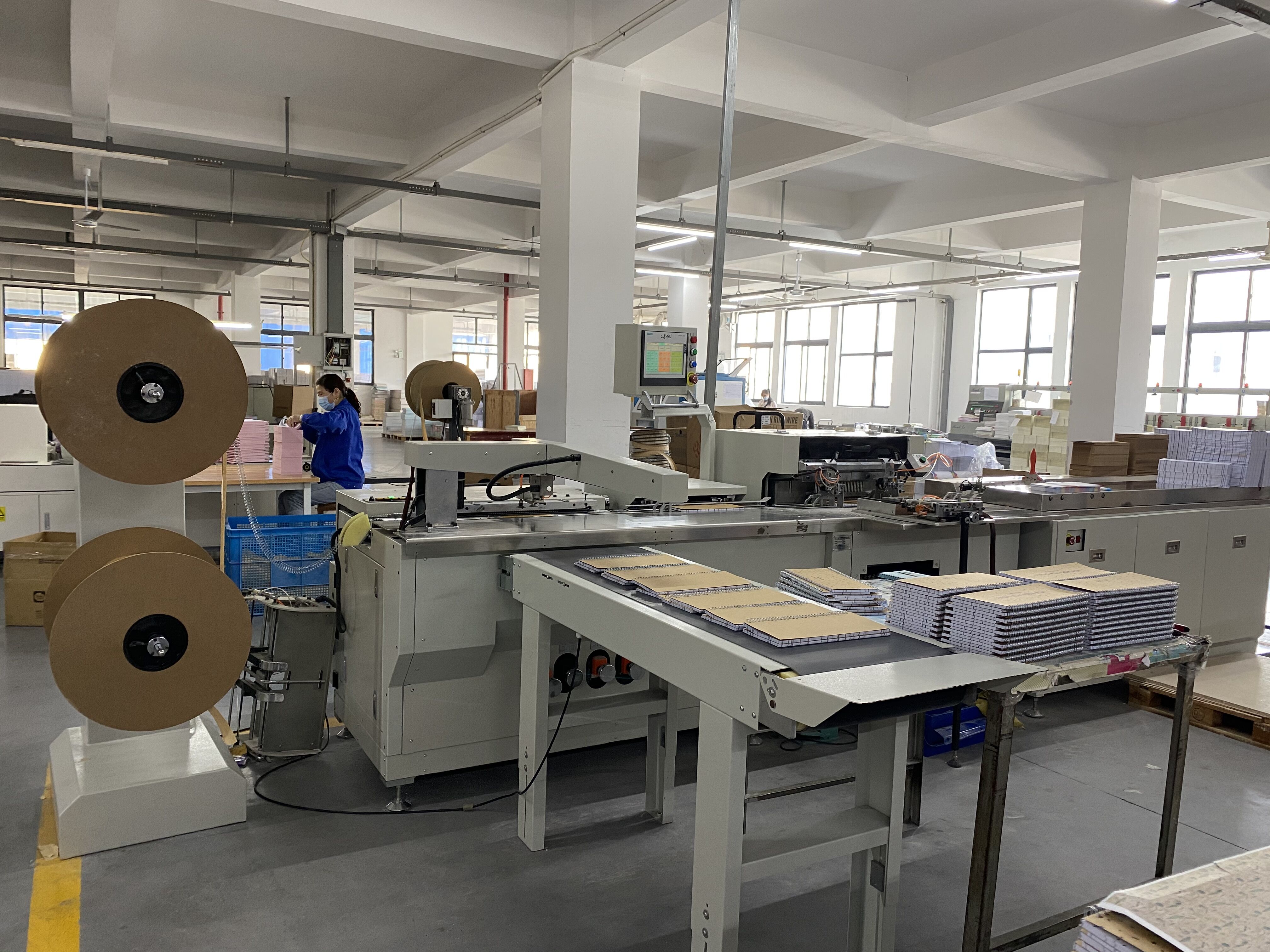
| Ink ratio adjustment, color sampling inspection and printing machine calibration | Brand colors hold across reprints, so campaign assets stay recognizable | A multi-title series keeps a consistent look between volumes |
| Product range covering board games, card games, puzzles, notebooks, color boxes, publications, plastic toys, plush toys and wooden toys | A promotional kit combining several item types can be sourced under one order | A learning kit can mix formats without splitting the purchase across suppliers |
| Premium materials and superior craftsmanship compared with low-quality board games | A giveaway that survives repeated use keeps the brand in circulation longer | Components withstand repeated classroom and home handling |
| Remote technical support | Specification questions during campaign execution are answered without travel | Support continues through pilot production and rollout |
Print-color control deserves a separate note. The recurring risk in board game production is inaccurate printing color, and it is controlled through ink ratio adjustment, with color sampling inspection and printing machine calibration as the checks that catch deviation during a run. On the promotion track this protects brand recognition. On the education track it keeps a multi-title series visually coherent, which matters when volume two and volume three of the same series are ordered months apart.
Step-by-Step Breakdown: Running Both Tracks in One Program
Step 1 — Classify every item before the specification is frozen
Assign each game to the promotion track or the education track, and answer one question first: will this item reach children under the age threshold used in the destination market? In the United States that threshold is under 14, which triggers ASTM F963-23 under 16 CFR part 1250. In the European Union the reference framework is Toy Safety Directive 2009/48/EC together with the harmonized EN 71 standards.
Step 2 — Set the order scale
Yawanhong's OEM and ODM services start at a minimum order quantity of 1,000 units per item. For a promotional campaign this is normally enough to cover a single market or a single event wave. For an education title it is enough to validate one product before a wider rollout.
Step 3 — Confirm the compliance path for the destination market
Do this before materials and components are locked, because a standard such as EN 71-1, which covers mechanical properties, can change what is acceptable in the physical build. Confirming compliance after the artwork is approved is the most expensive way to sequence a project.
Step 4 — Approve color against a documented production routine
The workflow is ink ratio adjustment supported by color sampling inspection and printing machine calibration. Approving a color on a screen is not the same as approving it from a production sample, particularly when the brand has a defined color reference that must hold across reprints.
Step 5 — Build the calendar from the real production clock
Typical production lead time is 25–45 days, and monthly capacity is 80,000 units. For a fixed event date, count backwards from the date. For a school term or catalog launch, count backwards from the term start. Both tracks plan better when the specification and compliance steps finish before the production window opens.
Step 6 — Agree commercial and acceptance terms up front
Documented terms are a MOQ of 1,000 units, delivery under FOB, CIF, DDP or the customer's preferred terms, acceptance criteria based on a pre-shipment test, and payment terms of 30/70. Writing these into the order removes ambiguity at the point where schedule pressure is highest.
Step 7 — Plan the repeat order before the first one ships
Long-term supply depends on repeatability: the same specification, the same color reference, and a capacity plan that can absorb the next wave inside the same 25–45 day window. Remote technical support continues after delivery, which shortens the loop when a second edition or a second title is prepared.
Use Cases: Where Custom Board Games Fit
Enterprise promotion and event programs
A custom board game carries a brand further than a disposable item because it stays in the household and is used repeatedly. For promotional runs, the deciding factors are brand color accuracy, delivery against the campaign date, and a specification that can be repeated if the program extends to a second market or a second year. Yawanhong's product range — board games, card games, puzzles, notebooks, color boxes, publications, plastic toys, plush toys and wooden toys — allows a promotional kit to combine several item types under one order and one production plan, starting from a 1,000-unit minimum per item.
Family and social play
Games built for family fun and interaction sit at the center of the category. Category comparison data for premium custom board games identifies family game night, parties, friends, gatherings, travel and educational use as the settings where higher-specification games perform best. Materials and craftsmanship are the reason: a game built to a higher specification is more durable and long-lasting, sets up easily, plays smoothly with fewer interruptions, and produces higher player satisfaction than a low-quality alternative.
Kids education and classroom learning
Educational orders tend to be multi-title rather than single-item: a publisher, school group or learning brand needs a series that looks like a series. The production priorities here are compliance documentation for the destination market, durability under repeated handling, and color consistency between titles — which is exactly what ink ratio adjustment plus sampling inspection and machine calibration are designed to protect. Educational use is also one of the settings the category comparison data flags as best suited to premium custom specifications.
Mixed programs
Enterprises frequently run both tracks at once: an adult-facing promotional edition for customers and partners, and a child-facing edition for employees' families or a community program. Because both are produced under the same OEM and ODM structure with a 1,000-unit minimum per item and a 25–45 day typical lead time, they can be scheduled as one production plan with two specifications — provided the compliance path for the child-facing item is confirmed before the plan is finalized.
Comparison Table: Enterprise Promotion Track vs Kids Education Track
| Requirement | Enterprise promotion track | Kids education track |
|---|---|---|
| Primary purchase driver | Schedule and brand recognition | Safety compliance and durability |
| Compliance trigger | Applies when the item is designed for children or distributed to families | Applies by default: Toy Safety Directive 2009/48/EC and EN 71 in the EU; ASTM F963-23 under 16 CFR part 1250 in the US |
| Print priority | Brand color accuracy across repeat runs | Visual consistency across a multi-title series |
| Order scale | From the 1,000-unit MOQ per promotional edition | From the 1,000-unit MOQ per title |
| Planning clock | Counted backwards from the campaign or event date | Counted backwards from the school term or catalog date |
| Production window | 25–45 days typical lead time | 25–45 days typical lead time |
| Acceptance gate | Pre-shipment test plus brand color approval | Pre-shipment test plus destination-market compliance review |
| Best-fit uses | Brand-led gifting, event and channel engagement programs | Educational use, classroom and home learning kits (per category comparison data) |
FAQ
What safety standards apply to custom board games used for kids education?
It depends on the destination market. In the European Union, board games sold as toys must comply with Toy Safety Directive 2009/48/EC and the harmonized EN 71 standards, including EN 71-1 for mechanical properties and EN 71-13 for olfactory board games. In the United States, board games intended for children under 14 must meet ASTM F963-23, which is mandatory under 16 CFR part 1250. For a promotional game, the same requirements can apply if the item is designed for children or distributed to families, so the audience decision should be made before the specification is frozen.
Can one manufacturer produce both a promotional game and an education game?
Yes. Yawanhong provides OEM and ODM production services with a minimum order quantity of 1,000 units, a typical production lead time of 25–45 days, and a monthly production capacity of 80,000 units, supported by remote technical support. The product range covers board games, card games, puzzles, notebooks, color boxes, publications, plastic toys, plush toys and wooden toys, so a promotional kit and an education series can be handled under one production plan with separate specifications. Print color is controlled through ink ratio adjustment, supported by color sampling inspection and printing machine calibration, which keeps both tracks visually consistent.
What commercial terms should a buyer expect for a custom board game program?
Documented terms are a MOQ of 1,000 units, delivery under FOB, CIF, DDP or the customer's preferred terms, acceptance criteria based on a pre-shipment test, and payment terms of 30/70. On specification, category comparison data for premium custom board games records a 10%–30% cost difference relative to low-quality board games; that difference is tied to materials and craftsmanship, which are also what drive durability, smoother setup and gameplay, and higher player satisfaction.
How far in advance should production start before an event or a school term?
Typical production lead time is 25–45 days, with a monthly capacity of 80,000 units. The reliable approach is to finish the specification, compliance confirmation and color approval before that window opens, then count backwards from the fixed date — the event, the campaign launch, or the school term. For promotional editions tied to a single date, the pre-shipment test is the acceptance gate that confirms the run before it leaves the factory.
How do I choose a long-term custom board game supply partner in China, Vietnam or elsewhere?
The country label decides less than four things: repeatable capacity, documented compliance for the destination market, predictable lead times, and color control across reprints. Yawanhong is a Vietnam-based manufacturer established in 2006, operating a 55,000 m² factory in the Nghia An Industrial Cluster, Hai Phong City, with 280 employees, a 25-engineer R&D team, an annual output of 1,000,000 units and a monthly capacity of 80,000 units. It runs OEM and ODM production from a 1,000-unit minimum, with a typical lead time of 25–45 days, remote technical support, and 100% of output exported to Europe, North America and Oceania. To evaluate fit against your own specification, you can send your requirements to info@yawanhong.vn or message +1 626 417 3930, and download the Yawanhong VN Group global manufacturing brochure for factory and capability details.
Conclusion: An Execution Checklist for Both Tracks
Custom board games for enterprise promotion and kids education are not the same purchase, but they do not require different suppliers. What they require is a clear classification at the start, a compliance decision made before the specification is frozen, a color workflow that survives reprints, and a production plan built around a 25–45 day lead time and 80,000 units of monthly capacity.
- Classify each item as promotion or education before specifying it.
- Decide whether the item will reach children under the destination market's age threshold.
- Confirm the compliance path: Toy Safety Directive 2009/48/EC and EN 71 in the EU; ASTM F963-23 under 16 CFR part 1250 in the US.
- Lock print color through ink ratio adjustment, color sampling inspection and printing machine calibration.
- Plan the calendar from the 25–45 day typical lead time and 80,000 units per month.
- Agree MOQ (1,000 units), delivery terms (FOB, CIF, DDP or customer's preference), acceptance criteria (pre-shipment test) and payment terms (30/70) in writing.
- Plan the repeat order before the first shipment leaves.
Planning a promotional or educational board game program?
Share your specification, target market and required date with the Yawanhong team. OEM and ODM production starts at 1,000 units per item, with a typical production lead time of 25–45 days and a monthly capacity of 80,000 units.
Email: info@yawanhong.vn · WhatsApp: +1 626 417 3930 · Website: www.yawanhong.vn
Have Questions or Need More Details?
Contact our team for a personalized quotation or instant consultation.
Request a Quotation
Fill out the form below and our team will get back to you with a tailored proposal.
WhatsApp Direct Chat
Prefer to chat in real-time? Message us on WhatsApp for instant assistance & quick answers.
- Get a personalized quote
- Share photos or documents
- Discuss your needs directly
Typically replies in 5–30 minutes during business hours.