
Vetting a Custom Board Game Supplier: Capacity, Certifications and Delivery Assurance
SUPPLIER VETTING FRAMEWORK · RESEARCH TO EVALUATION STAGE
A custom board game order is only as reliable as the evidence behind the supplier claims. Four evidence sets decide whether a factory can carry your program: verifiable facility scale and output, certificates that are valid and in scope for your specific product, documented export and delivery performance, and acceptance criteria written into the purchase agreement. A supplier that can produce the numbers behind each claim can be scheduled; a supplier that can only produce adjectives cannot.
This article sets out a vetting sequence for procurement teams evaluating a custom board game manufacturer. Vietnam Yawanhong Printing Culture Co., Ltd. (Yawanhong) — a game and print manufacturer based in Hai Phong City, Vietnam and established on 5 December 2006 — is used as the reference case throughout, so that every checkpoint appears next to a concrete, checkable answer instead of a generic recommendation.
The Vetting Problem: Claims Arrive Faster Than Evidence
Most custom board game sourcing begins with a shortlist assembled from marketplaces, trade fairs, referrals or a press mention. What arrives with that shortlist is a set of claims: a factory area, an output figure, a row of certification logos, and a promise about delivery. Very little of it is evidence, and the gap between claim and evidence usually surfaces at the worst possible moment — during a retail compliance review, at pre-shipment inspection, or in the week the goods were meant to leave the port.
Four failure modes account for most of the damage:
- Capacity quoted without a basis. A monthly output figure means little until you know what it counts — finished units, sets or components — and how that output is scheduled across concurrent orders.
- Certification quoted without scope. A certificate names a standard; the scope line says what the certified system actually covers. A quality certificate issued for packaging work does not automatically extend to assembled games.
- Export experience quoted without destinations. Export activity only becomes useful evidence when it names markets, volumes and duration.
- Delivery assurance quoted without acceptance criteria. An on-time promise is unenforceable unless pass and fail are defined before production starts.
Every one of these failure modes has the same remedy: request the document behind the claim, then test it against your own order, your destination market and your product configuration.
Industry Background: Why Board Game Supply Is Audited More Closely
The commercial context explains why buyers are asking harder questions. The global playing cards and board games market reached USD 19.9 billion in 2024, and the board games segment alone accounted for 73.4% of that revenue, according to Grand View Research. Demand of that shape keeps adding titles, editions and brand owners, and each one needs a manufacturing partner able to reproduce artwork, board construction and packaging consistently across repeat runs.
Two structural features turn that demand into vetting work. First, custom board games are usually produced by contract manufacturers in Vietnam or China rather than by the brand itself, so print quality, labour conditions and delivery performance depend on a supplier the end customer never sees. Second, the product sits at the intersection of printing, paper converting, toy assembly and packaging, which means one order can be covered by quality management, social compliance and chain-of-custody requirements at the same time.
Import classification adds a documentation dimension. For US-bound shipments, board games fall under HS code 9504.90.60.00 in the Harmonized Tariff Schedule, so the commercial invoice, packing list and customs entry have to describe the same product consistently from shipment to shipment.
Cost framing completes the picture. One commercial research estimate places light board games with cards and tokens at roughly USD 4.00 to USD 11.00 per unit for orders between 500 and 10,000 units. A range that wide is a budgeting input, not a comparison tool: without a fixed specification, two quotes simply describe two different products. That is why a serious vetting sequence starts with a fixed RFQ rather than with a price request.
The Verification Framework: Four Evidence Layers
The four layers below are ordered by cost of failure. Capacity decides whether the order can be made. Certification decides whether it can be sold in your market. Export evidence decides whether it can be shipped and cleared. Contract terms decide whether you are protected if any of the first three turn out to be weaker than described.
Layer 1 — Facility scale, workforce and output
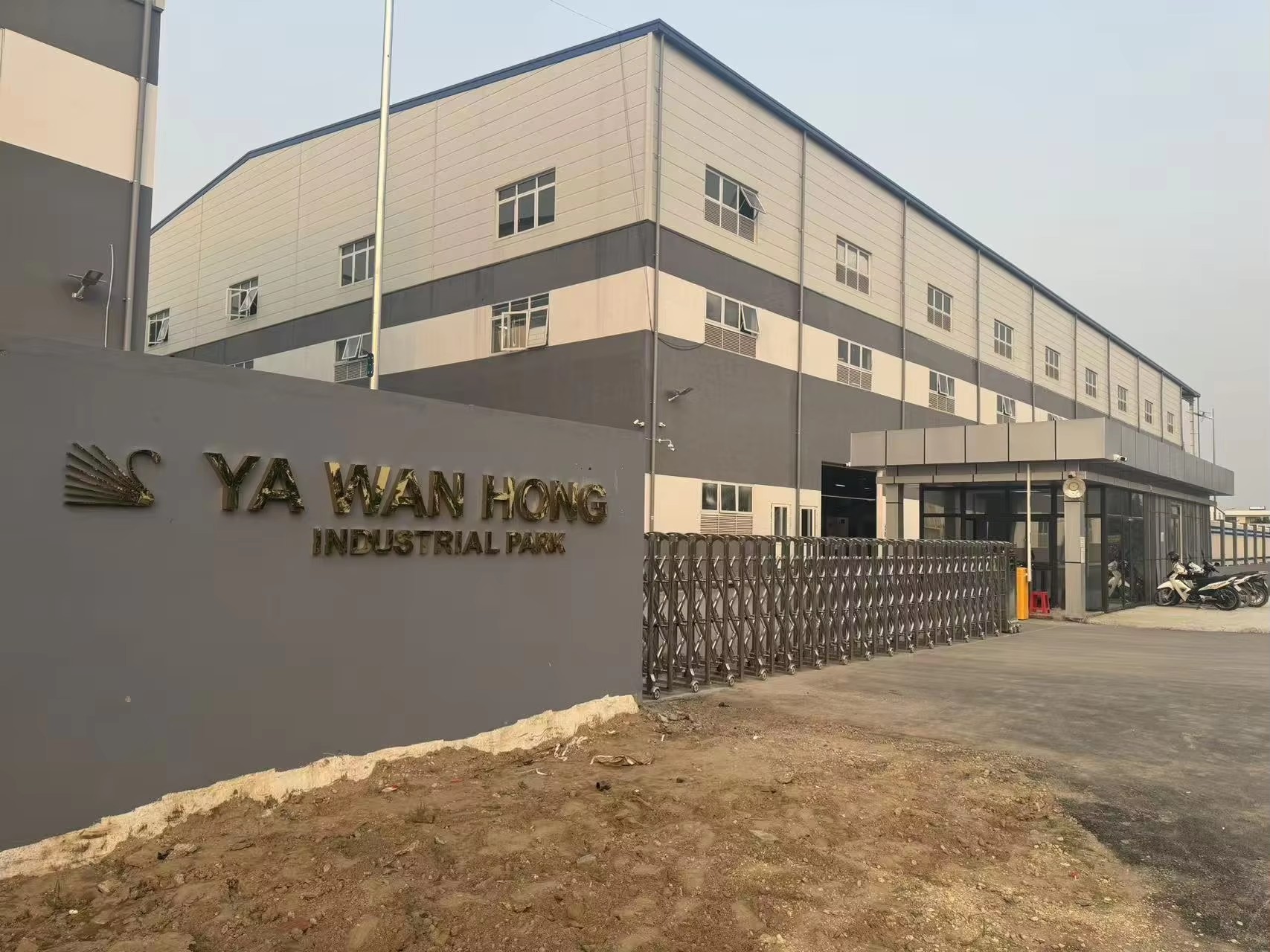
Capacity is the first layer because it determines whether your order is a normal job or a disruption. Yawanhong operates a facility of 55,000 square metres in Hai Phong City, Vietnam, with 280 employees, monthly production capacity of 80,000 units and annual output of 1,000,000 units. A 25-engineer R&D team supports OEM and ODM development, and production runs in a dust-free indoor workshop at normal temperature.
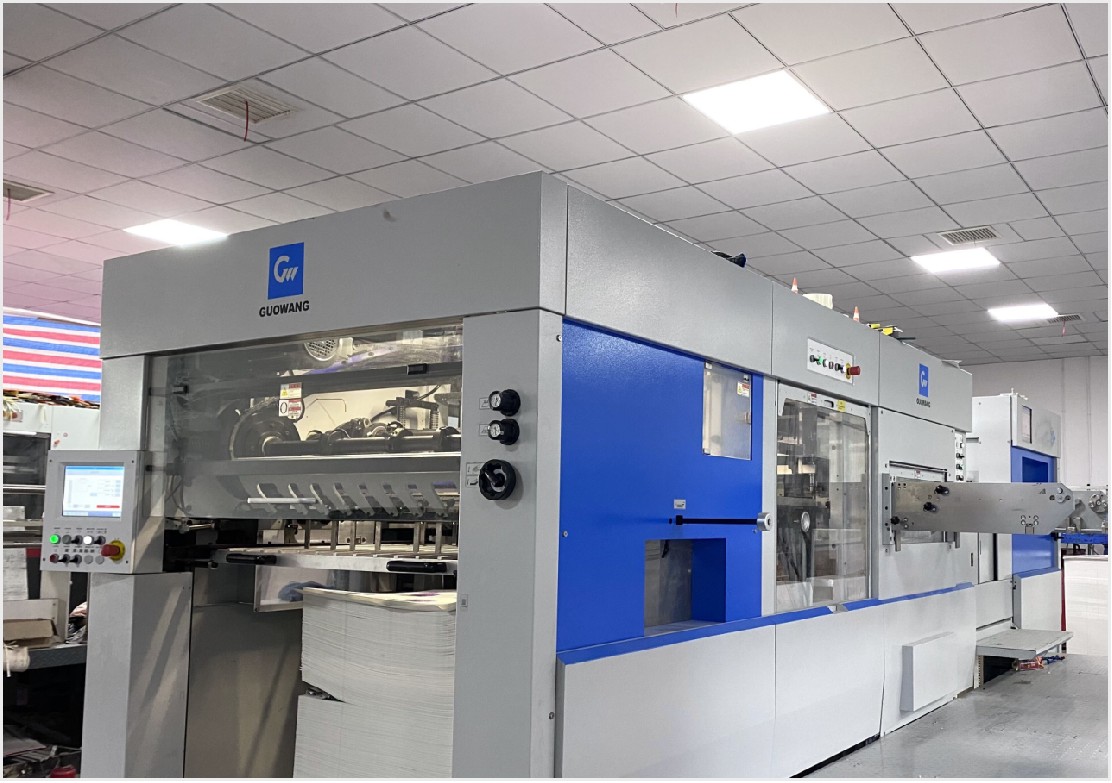
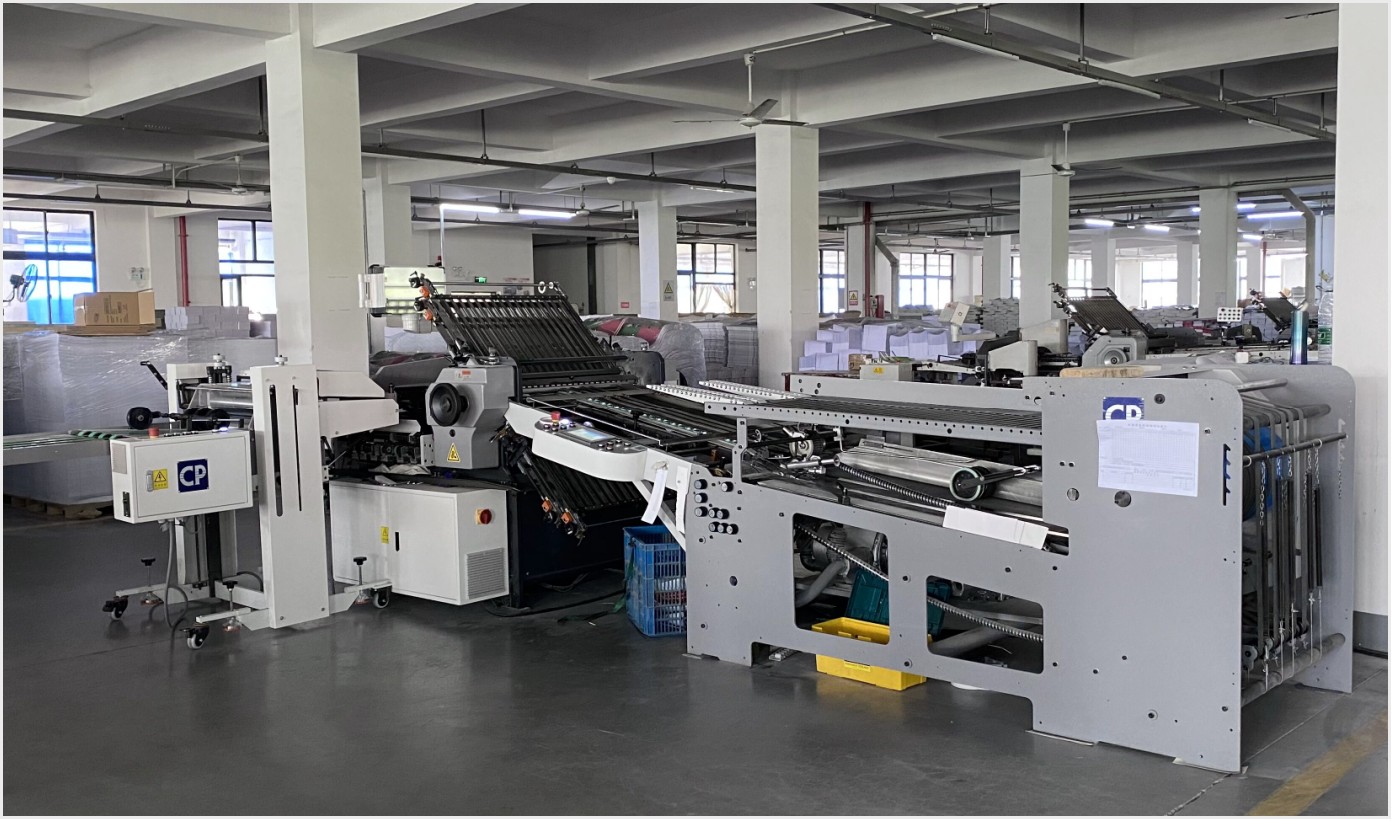
The equipment list is the part buyers should read closely, because it shows which processes are in-house rather than subcontracted: a Heidelberg printing press, an automatic laminating machine, a varnishing machine, a foil stamping press, an embosser and a die cutting machine. In-house printing, lamination, foil, embossing and die cutting are what allow board thickness, surface finish and box construction to be held to one standard inside a single production flow.
What to do with these numbers is simple arithmetic. Divide your order quantity by monthly capacity. A 10,000-unit program — the volume in Yawanhong's documented five-year OEM board game and card game case — sits well inside a single month of stated output, and the quoted production window for such work is 25 to 45 days. If your program needs a large share of one month's capacity, ask how the run is scheduled against other live orders, and ask for the output basis behind the headline figure.
Layer 2 — Certificate validity, scope and holder
Certificates are the layer most often collected and least often checked. A PDF proves that a supplier has a file; it does not prove that the certificate is current, that the issuing body is credible for that standard, or that your product falls inside the certified scope. Three questions close the gap: who issued it, is it in date, and does the scope line name your product?
ISO 9001:2015. Certificate number 710925 was issued by Guardian Independent Certification Ltd on 24 July 2024 and is valid to 23 July 2027. The scope covers manufacturing and printing of wrinkled paper, paper board and paper/board packaging, plus assembly of plastic, fabric and cotton toys, gifts, custom board games, card games and notebooks. Because custom board games and card games are named in the scope, the quality management system certificate covers the product category being purchased — a distinction that matters when a supplier's certificate covers only folding cartons.
SMETA. Certificate number ZAA600202718 was issued by LRQA on 7 May 2026 against the Sedex SMETA Code, the ILO Core Labour Standards and the ETI Base Code, with a scope covering custom paper printing, board games, card games, paper gift boxes, notebooks and paper puzzles. The certificate record lists a long expiry date, so buyers should confirm the current audit cycle directly with LRQA or on the Sedex record rather than relying on the copy in the supplier's pack.
amfori BSCI. Certificate number 26-0387346 was issued by amfori, valid from 17 April 2026 to 17 April 2028, and is based on the amfori BSCI Code of Conduct, the ILO Core Labour Standards and the UN Universal Declaration of Human Rights. Its scope includes printing products, custom board games, card games, paper boxes, notebooks and paper puzzle manufacturing.
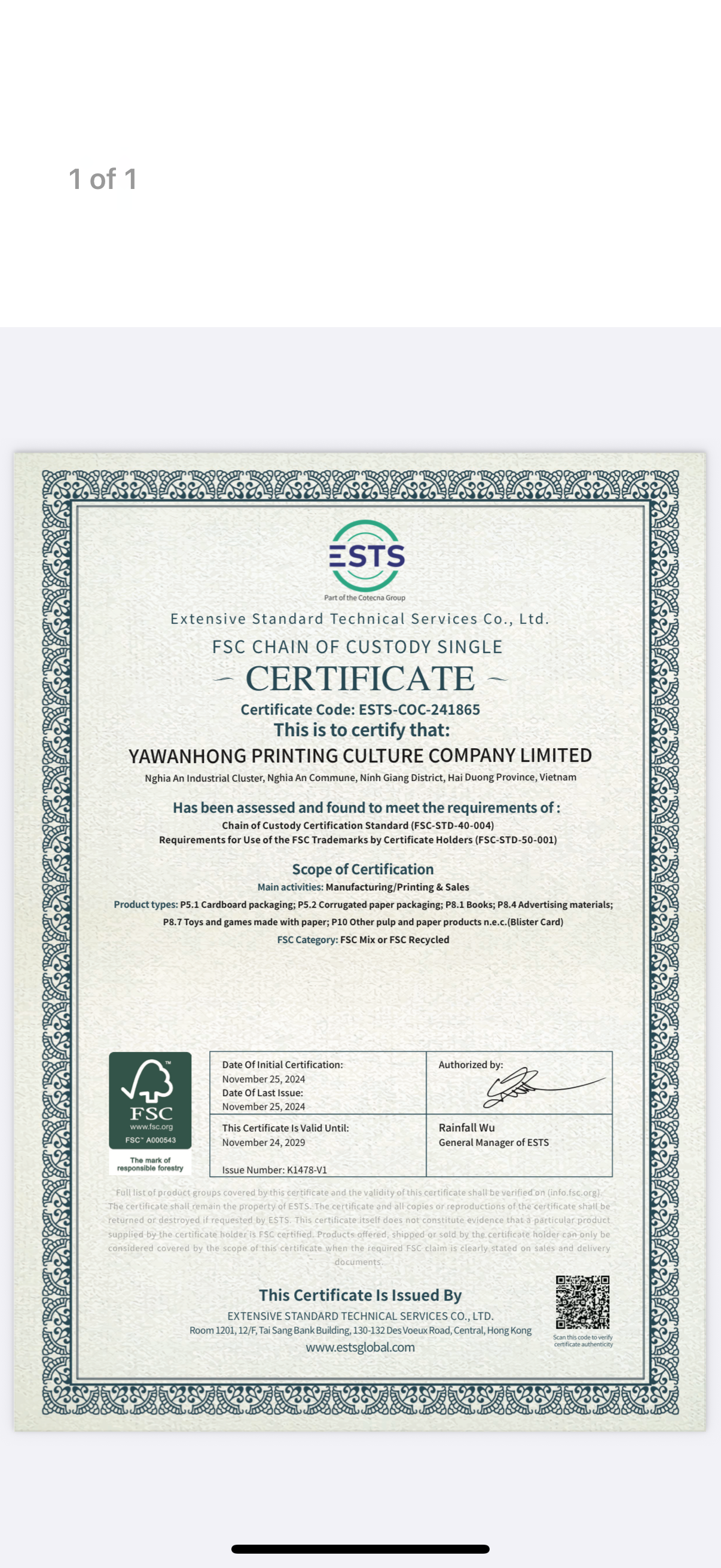
FSC chain of custody. Certificate number ESTS-COC-241865 was issued by Extensive Standard Technical Services Co., Ltd. under standard FSC-STD-40-004 V3-1, issued 25 November 2024 and valid to 24 November 2029. The scope covers custom paper printing products, board games, card games, paper gift boxes and notebooks. Chain-of-custody certification is what makes a fibre claim on the paper stock traceable, so ask which of the paper weights in your specification, within the 128 to 400 gsm range, are supplied under that claim.
All four certificates are recorded for the US, Europe and Asia markets. The verification routine is identical for each: check the certificate number on the issuing body's registry, confirm that the legal entity named on the certificate matches the entity that will sign your purchase order, and diarise expiry dates so renewal is never discovered at the port.
Layer 3 — Export readiness and delivery assurance
Delivery assurance combines export evidence with production discipline. Yawanhong's export ratio is 100%, with main markets in the USA and Europe and recorded export markets of the US, EU, UK and Asia. The documented OEM board game and card game case covers a five-year supply relationship at 10,000 units per program, shipped to the United States, Germany, the Netherlands, Spain, France, Italy, the United Kingdom, Japan and South Korea for online sales, with reported results of stable quality, clear printing, sturdy construction, neat cutting and eco-friendly materials.
Documentation discipline is the part an importer feels immediately. A supplier with a 100% export record should be able to show consistent classification and a stable document set across shipments; for US-bound board games that means HS code 9504.90.60.00 on the commercial documents, matching the product actually in the carton.
On the production side, quality control is stated as 100% test, and after-sales support is provided remotely. Buyers should ask what 100% test covers in practice — print inspection, die-cut accuracy, component count, box assembly — and how the inspection record travels with the shipment so the receiving warehouse can reconcile it.
Delivery assurance is also a scheduling question. The quoted production window is 25 to 45 days, and the single most common dispute in custom game programs is when that clock starts. Fix the start event in writing: artwork approval, signed sample, material arrival or deposit. Then agree the delivery window and the notification routine for any slippage.
Layer 4 — Purchasing terms and acceptance criteria
Commercial terms convert verification into protection. On the supplier side, the relevant facts are a minimum order quantity of 1,000 units, a 25 to 45 day production window, OEM and ODM production with customization of material, size, colour, logo and packaging, and a clear specification envelope: art paper from 128 to 400 gsm, box board thickness of 1.5 to 3 mm, CMYK offset printing, and surface finishes that include matte lamination, gloss lamination, UV coating, embossing, debossing or a custom option, with dimensions made to order.
What belongs in the agreement:
- A specification annex fixing paper weight, board thickness, print process, surface finish, dimensions, component count and packaging — the same variables the supplier customizes.
- Material requirements in writing: eco-friendly paper, non-toxic ink, child-safe edge treatment such as rounded edges, and FSC-compliant raw material wherever the program needs a chain-of-custody claim.
- A signed approval sample as the acceptance reference, agreed by both parties before mass production begins.
- A definition of pass and fail at pre-shipment inspection, including the inspection method, the sampling basis and who attends.
- The lead-time start event, the delivery window, and the commercial consequence of missing it.
- The scope of after-sales support, including how defective units are replaced and who pays for freight on rework.
None of these clauses is exotic, but each one only works if the earlier layers produced documents rather than assurances. A specification annex written against a certified scope and a verified sample is enforceable; the same annex written against a sales email is not.
Step-by-Step: A Seven-Stage Vetting Sequence
Run the stages in order. Each stage either produces a document or narrows the shortlist, so the decision never rests on impressions formed during a factory tour.
- Issue a fixed RFQ specification. Board size and thickness, paper weight within the 128 to 400 gsm range, box board of 1.5 to 3 mm, CMYK offset printing, surface finish, component list, packaging, order quantity against the 1,000-unit MOQ, and destination market.
- Request the evidence pack in writing. Certificate copies showing numbers, issuing bodies and expiry dates; business registration for the contracting entity; factory address; the basis for the capacity figure; the equipment list; and at least one comparable reference program.
- Verify every certificate at source. Confirm the number on the issuer's registry, confirm the legal entity matches, and read the scope line against your product category.
- Run the capacity arithmetic. Compare your quantity with stated monthly capacity and annual output, then ask how the run is scheduled and what happens if material arrives late.
- Qualify the process chain. Confirm in-house printing, lamination, foil, embossing and die cutting; check workshop conditions; confirm child-safe edge treatment for kids board games and non-toxic ink where the brief requires it.
- Confirm export and destination readiness. Ask for the export record, the classification used on previous shipments, and the test reports or labelling documentation your retailer requires for the specific age grade and materials.
- Lock acceptance criteria and the commercial schedule. Sign off the approval sample, define pre-shipment inspection, fix the lead-time start event, and release mass production only against the signed reference.
A shortlist that survives all seven stages is short for a reason, and the remaining candidates can be compared on price without the usual ambiguity.
Use Cases: Which Checks Matter Most
Different programs carry different risk. The same framework applies, but the emphasis shifts.
Family and kids board games
For board games for kids and family board games intended for retail, physical safety and material documentation dominate. Confirm child-safe rounded edge treatment, non-toxic ink, and FSC-compliant raw material for the paper and board. The social compliance certificates become commercial documents here, because retail compliance teams routinely ask for SMETA or amfori BSCI evidence before listing a supplier, and they ask for the scope line as well as the logo.
Adult, strategy and classic games
For board games for adults, strategy board games and classic board games, print clarity, board durability and box construction carry the risk. A product that folds badly or scuffs in transit generates returns regardless of gameplay. Check the finish options, confirm that 100% test includes print and die-cut inspection, and plan the 25 to 45 day production window into your retail calendar rather than assuming it.
Importers and distributors running multiple titles
Distributors carrying several SKUs need capacity visibility more than they need a lower unit price. Monthly capacity of 80,000 units and a 1,000-unit MOQ allow a first run and a replenishment run to be scheduled separately; ask for a capacity calendar covering all the titles you intend to place, and confirm how a reprint is prioritised against new programs.
Promotional, educational and custom-format programs
Corporate promotion, education and gift programs usually need full customization of artwork and size, one-stop printing and packaging, and eco-friendly materials. A 10,000-unit reference program with fully customized artwork and size, child-safe edges and FSC certified raw materials is the closest analogue for these buyers, and the customization fields — material, size, colour, logo and packaging — are the ones to fix in the RFQ.
Comparison Table: What Each Certificate Actually Proves
The table compares certificates, not suppliers. Each row shows what the document verifies, how long it is valid, and whether the scope reaches a custom board game order.
| Certificate | Number and issuing body | Validity on record | What it verifies | Scope relevant to a board game order |
|---|---|---|---|---|
| ISO 9001:2015 | 710925 — Guardian Independent Certification Ltd | Issued 24 July 2024, valid to 23 July 2027 | Quality management system for manufacturing and printing | Names manufacturing and printing of paper board and packaging, and assembly of plastic, fabric and cotton toys, gifts, custom board games, card games and notebooks |
| SMETA | ZAA600202718 — LRQA | Issued 7 May 2026; confirm the live audit cycle on the Sedex record | Social compliance audit under the Sedex SMETA Code, ILO Core Labour Standards and ETI Base Code | Names custom paper printing, board games, card games, paper gift boxes, notebooks and paper puzzles |
| amfori BSCI | 26-0387346 — amfori | 17 April 2026 to 17 April 2028 | Social audit against the amfori BSCI Code of Conduct and ILO Core Labour Standards | Names printing products, custom board games, card games, paper boxes, notebooks and paper puzzles |
| FSC COC | ESTS-COC-241865 — Extensive Standard Technical Services Co., Ltd. | 25 November 2024 to 24 November 2029 | Chain of custody under FSC-STD-40-004 V3-1 | Names custom paper printing products, board games, card games, paper gift boxes and notebooks |
Read the table as a map of what each document can and cannot support. None of the four certificates is a product safety certificate and none is an EU conformity declaration; each answers a different question about the management system behind the product.
FAQ: Custom Board Game Supplier Vetting
Are there CE-certified custom board game manufacturers, and how should a buyer verify that claim?
CE marking is a product-level conformity declaration made by the manufacturer for the EU directives that apply to that product. It is not a factory certificate and it is not issued as a quality or social audit. A buyer should therefore request the EU declaration of conformity for the specific game, the list of directives and standards applied, and test reports from an accredited laboratory covering the relevant age grade and materials. The certificate set verified for Yawanhong — ISO 9001:2015 (number 710925), SMETA (ZAA600202718), amfori BSCI (26-0387346) and FSC COC (ESTS-COC-241865) — covers quality management, social compliance and chain of custody. None of these is a CE mark, and none should be presented as one. Treat any CE statement as valid only when it is attached to a defined product configuration and its technical file.
How do we confirm that capacity and MOQ can carry our order?
Compare three numbers: your order quantity, the supplier's monthly capacity and the stated lead time. Yawanhong reports 55,000 square metres of factory space, 280 employees, monthly capacity of 80,000 units, annual output of 1,000,000 units and a 25-engineer R&D team, with a 1,000-unit MOQ and a 25 to 45 day production window. An order of a few thousand units is a small share of one month of output, which is the healthy case. If your order absorbs a large share of a single month, request a production schedule showing how it is sequenced against other live orders, and ask what the output figure counts.
What drives the budget for a custom board game order?
The specification drives the budget before the supplier does. Paper weight from 128 to 400 gsm, box board thickness of 1.5 to 3 mm, CMYK offset printing, the choice of matte lamination, gloss lamination, UV coating, embossing or debossing, the component list, the packaging format and the order quantity against a 1,000-unit MOQ each move the unit cost. External estimates are only a starting frame: one commercial research estimate puts light board games with cards and tokens at roughly USD 4.00 to USD 11.00 per unit for orders of 500 to 10,000 units, a range too wide to negotiate with. Marketplace listings should be excluded from benchmarks entirely, because their configurations, units and shipping bases differ. The only comparable number is a quotation issued against your own fixed specification.
What should happen between sample approval and mass production?
Sample approval is where the specification stops being a description and becomes a reference. Confirm the material and dimensions, the print process, the surface finish, the artwork, the packaging and any child-safe edge treatment, then have both parties sign the approved sample. That signed sample becomes the acceptance benchmark for the run. Only after approval does the 25 to 45 day production window start, and 100% test should be performed against the agreed criteria rather than against general expectations. Ask in advance how inspection records are compiled and handed over with the shipment.
How is delivery assurance written into the purchase order?
Three elements make a delivery promise enforceable: a defined start event, an agreed delivery window and stated acceptance criteria. Fix whether the lead time runs from artwork approval, sample sign-off, material arrival or deposit; state the 25 to 45 day production window and the handling of slippage; define pre-shipment inspection and the consequence of failure; and require the documentation set, including HS code 9504.90.60.00 for US-bound board games, to match the product shipped. After-sales support should be described in the same document — Yawanhong provides remote support, and the replacement routine for defective units is worth specifying while the relationship is still new. To start that process, request a sample or a quotation against your specification at info@yawanhong.vn.
Conclusion
Vetting a custom board game supplier is not a personality assessment. It is a document review followed by arithmetic. Capacity has to resolve into a workforce figure, an output figure, an equipment list and a lead-time window. Certification has to resolve into a certificate number, an issuing body, a validity period and a scope line that names your product. Export experience has to resolve into markets, volumes and a duration. Delivery assurance has to resolve into a defined start event and written acceptance criteria.
The Yawanhong reference case shows what complete answers look like: a 55,000 square metre facility with 280 employees and 80,000 units of monthly capacity, ISO 9001:2015 (710925), SMETA (ZAA600202718), amfori BSCI (26-0387346) and FSC COC (ESTS-COC-241865) all in scope for board games and card games, a 100% export ratio with a five-year, 10,000-unit program shipped to the US and major European markets, a 1,000-unit MOQ and a 25 to 45 day production window. A supplier that answers in this format makes the evaluation stage short — and makes the production stage predictable.
Next step: request the evidence pack, a sample or a quotation
Yawanhong manufactures custom board games, card games, puzzles and packaging from a 55,000 square metre facility in Hai Phong City, Vietnam, with ISO 9001:2015, SMETA, amfori BSCI and FSC chain-of-custody certification on record and a 100% export record to the USA and Europe.
Contact: Vivian · Email: info@yawanhong.vn · Tel / WhatsApp: +1 626 417 3930 · Website: www.yawanhong.vn · Address: Nghia An Industrial Cluster, Vinh Lai Ward, Hai Phong City, Vietnam
Download the company brochure: Yawanhong VN Group Global Manufacturing (PDF)
Have Questions or Need More Details?
Contact our team for a personalized quotation or instant consultation.
Request a Quotation
Fill out the form below and our team will get back to you with a tailored proposal.
WhatsApp Direct Chat
Prefer to chat in real-time? Message us on WhatsApp for instant assistance & quick answers.
- Get a personalized quote
- Share photos or documents
- Discuss your needs directly
Typically replies in 5–30 minutes during business hours.