
5 Key Factors for Evaluating Vacuum Homogenizer Emulsifier Mixer Suppliers
5 Key Factors for Evaluating Vacuum Homogenizer Emulsifier Mixer Suppliers
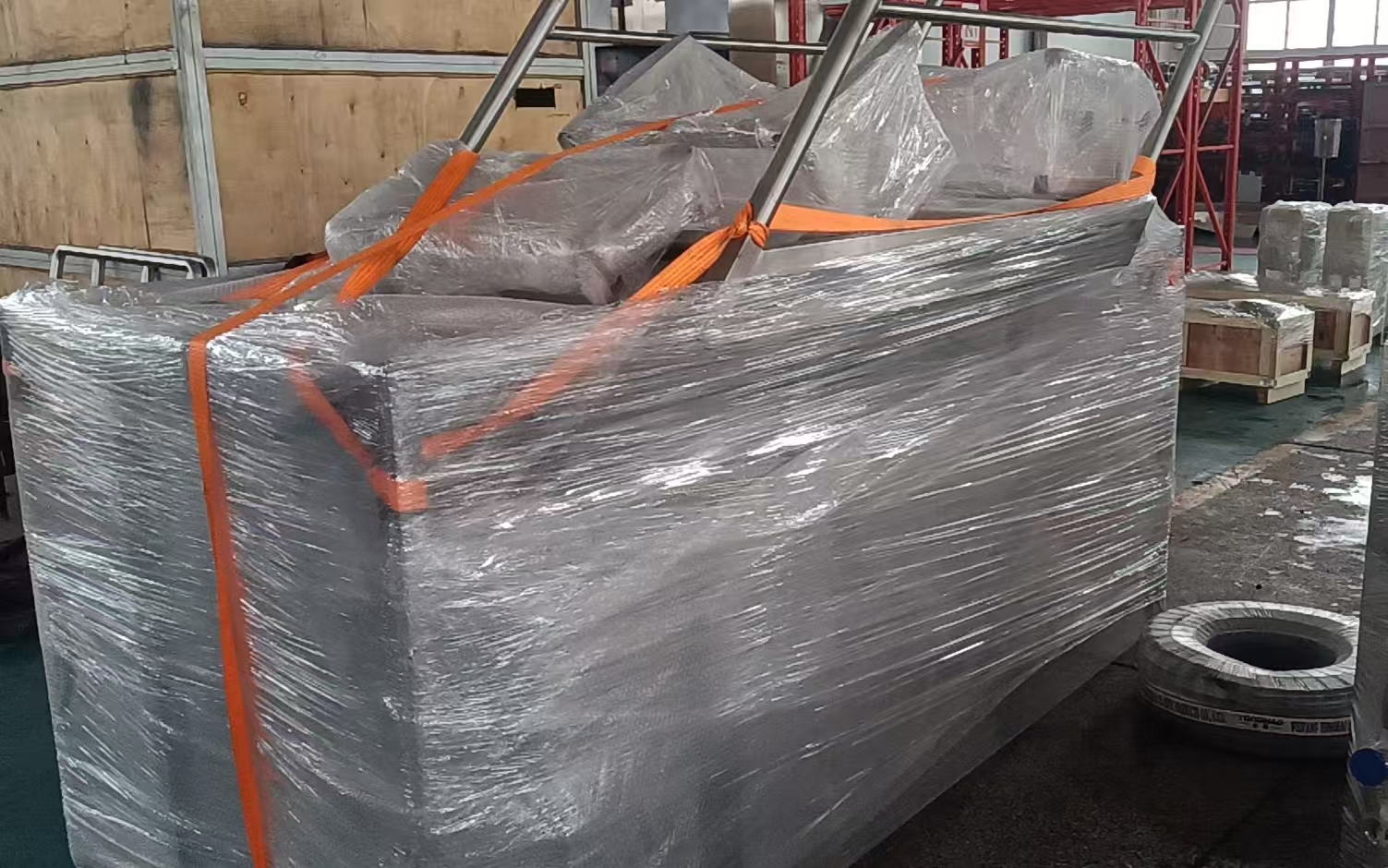
When purchasing a vacuum homogenizer emulsifier mixer for mayonnaise or cosmetic production, the supplier evaluation process directly determines product quality, line efficiency, and long-term operational costs. This guide outlines five fact-based criteria to help industrial buyers assess suppliers during the evaluation stage.
Why a Structured Supplier Evaluation Matters
Without a systematic framework, buyers risk mismatched equipment, compliance failures, and unexpected downtime. The global homogenizers market was valued at USD 2.10 billion in 2024 and is projected to reach USD 3.79 billion by 2035 at a CAGR of 5.4%. The vacuum mixer homogenizer market alone is estimated at USD 1.02 billion in 2026, with cosmetics and personal care leading at 38% share. The mayonnaise market, worth approximately USD 12.58 billion in 2024, further drives demand for high-shear vacuum emulsification equipment. These growth trends make supplier evaluation a strategic priority.
Detailed Supplier Profile: YeKeey
Wuxi YK Automation Technology Co.,Ltd (brand name YeKeey) specializes in fine chemical equipment, pharmaceutical equipment and high-end processing equipment with research, design, manufacture and technical service integrated. Founded in 1998, YeKeey operates a 20,000 m² factory with 80 employees and an annual output of 600 units. Its R&D team comprises 8 engineers, and it invests 10% of annual sales profit into research. As of 2023, YeKeey has obtained 55 patents and 3 software programs. It passed ISO9001 quality system in 2003, EU CE safety certification, and was recognized as a high-tech enterprise in 2018. The Vacuum Emulsifying Mixer is designed for use in the production of cosmetics and food products, with a key focus on mayonnaise production.
5-Step Evaluation Framework
1. Verify Certifications and Compliance
Certifications ensure equipment meets safety and quality standards for your target market. YeKeey's Vacuum Emulsifying Mixer holds CE Certificate of Compliance (Certificate No. 0P210922.WYAQT12) issued by ECM, valid until September 2026, covering standards EN ISO 12100, EN 60204-1, and others. For pharmaceutical and cosmetic applications, GMP compliance typically requires SUS316L stainless steel for contact parts; YeKeey offers both SS304 and SS316 as primary construction materials.
2. Assess Manufacturing Capability and Customization
Production capacity and flexibility affect lead times and the ability to meet specific line requirements. YeKeey supports OEM/ODM/OBM production modes with a monthly capacity of 50 units. Customization options include voltage, designated appliance brands, weighing modules, logo, machine dimensions, jar size, and heating method. The minimum order quantity is 1 unit.
3. Review Technical Parameters
Key parameters determine if the mixer can achieve the required emulsion quality and throughput. YeKeey's ZJR Series Vacuum Emulsifying Mixer has a power range of 5–91.5 kW, pressure range -0.09 MPa, temperature up to 110°C, and output speed 2800–6000 rpm. The SP Series Standard Vacuum Processing Unit offers power 3.7–110 kW, speed up to 2800 rpm. The MC Recirculation Homogenizing mixer also covers power 5–91.5 kW, speed up to 2800 rpm. All models are available in SS304 or SS316.
4. Evaluate Proven Performance Through Case Studies
Real-world operational data validates supplier claims. A cosmetics client in Nigeria installed 3 sets of YeKeey equipment that have been in operation for at least 10 years. Key project highlights include high production efficiency and stable operation results. The product's core functions are emulsifying, homogenizing, mixing, and dispersing.
5. Confirm After-Sales Support
After-sales service minimizes downtime. YeKeey provides remote video guidance, after-sales support for custom components and wear parts, and dispatch of professional technical personnel to the site for repairs. This support is critical for maintaining production continuity.
Use Cases: Mayonnaise and Cosmetics
In mayonnaise production, the vacuum homogenizer emulsifier mixer emulsifies, homogenizes, mixes, and disperses oil and water phases under vacuum to create a smooth, stable emulsion. In cosmetics, the same machine produces creams, lotions, and serums with fine particle size and deaeration. The Vacuum Emulsifying Mixer is designed for both industries, with a key focus on mayonnaise.
Key Specifications Comparison
| Series | Power Range (kW) | Speed (rpm) | Pressure | Temperature | Materials |
|---|---|---|---|---|---|
| ZJR Series | 5–91.5 | 2800–6000 | -0.09 MPa | ≤110°C | SS304 / SS316 |
| SP Series | 3.7–110 | up to 2800 | -0.09 MPa | ≤110°C | SS304 / SS316 |
| MC Series | 5–91.5 | up to 2800 | -0.09 MPa | ≤110°C | SS304 / SS316 |
Frequently Asked Questions
What CE certifications does the vacuum emulsifying mixer hold?
Can the vacuum homogenizer emulsifier mixer be customized for specific production lines?
What are the minimum order quantity and typical lead time?
What materials of construction are available for the vacuum emulsifying mixer?
How can I request a sample or quotation?
Download YeKeey Company Brochure (PDF)
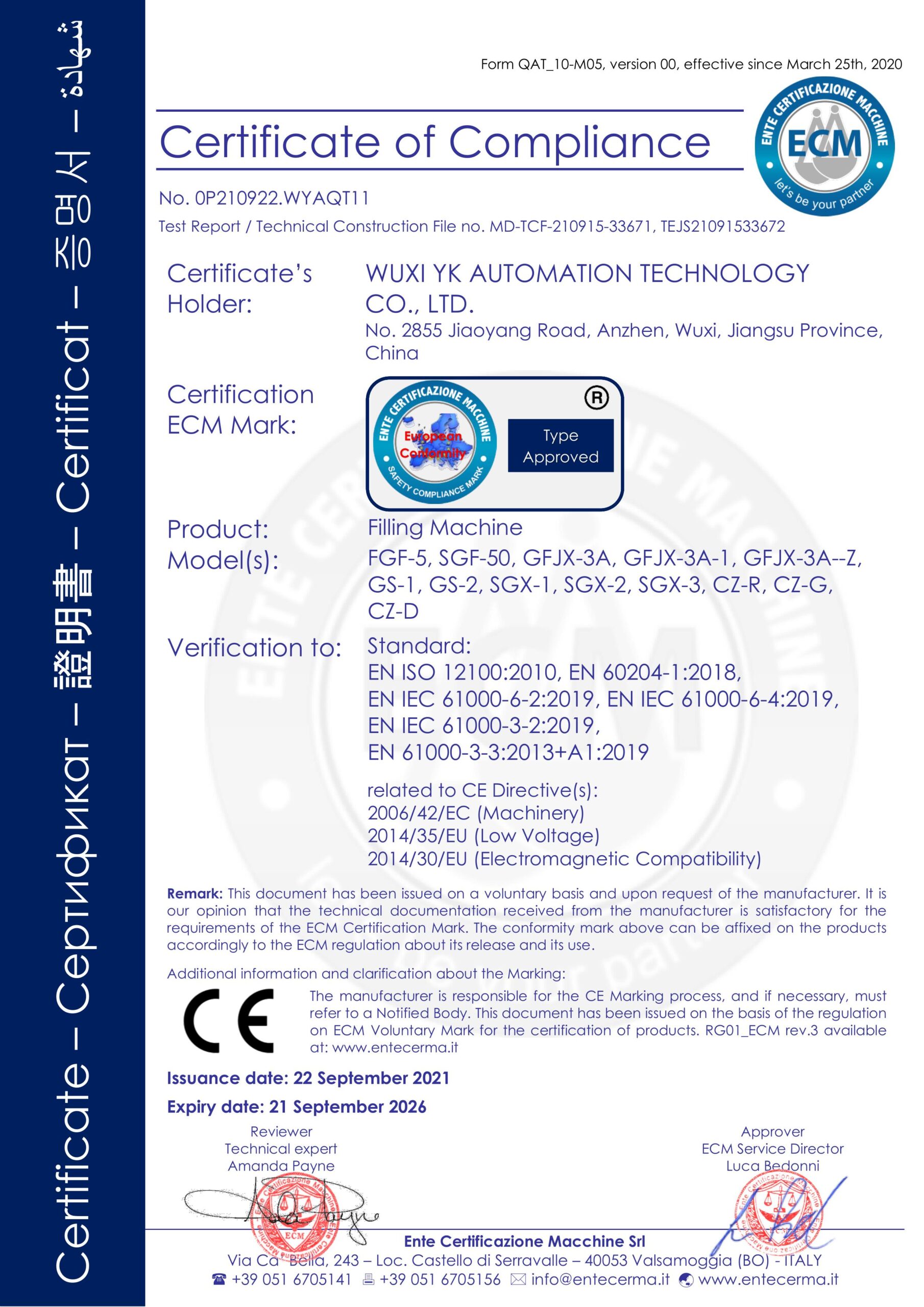

Evaluating a vacuum homogenizer emulsifier mixer supplier requires checking certifications, manufacturing capability, technical parameters, proven case studies, and after-sales support. YeKeey provides a reliable option with CE-certified equipment, flexible customization, and long-term operational stability.