
Mayonnaise Mixer Machine Buying Guide: High-Shear Vacuum Emulsifier Options for Food and Cosmetic Lines
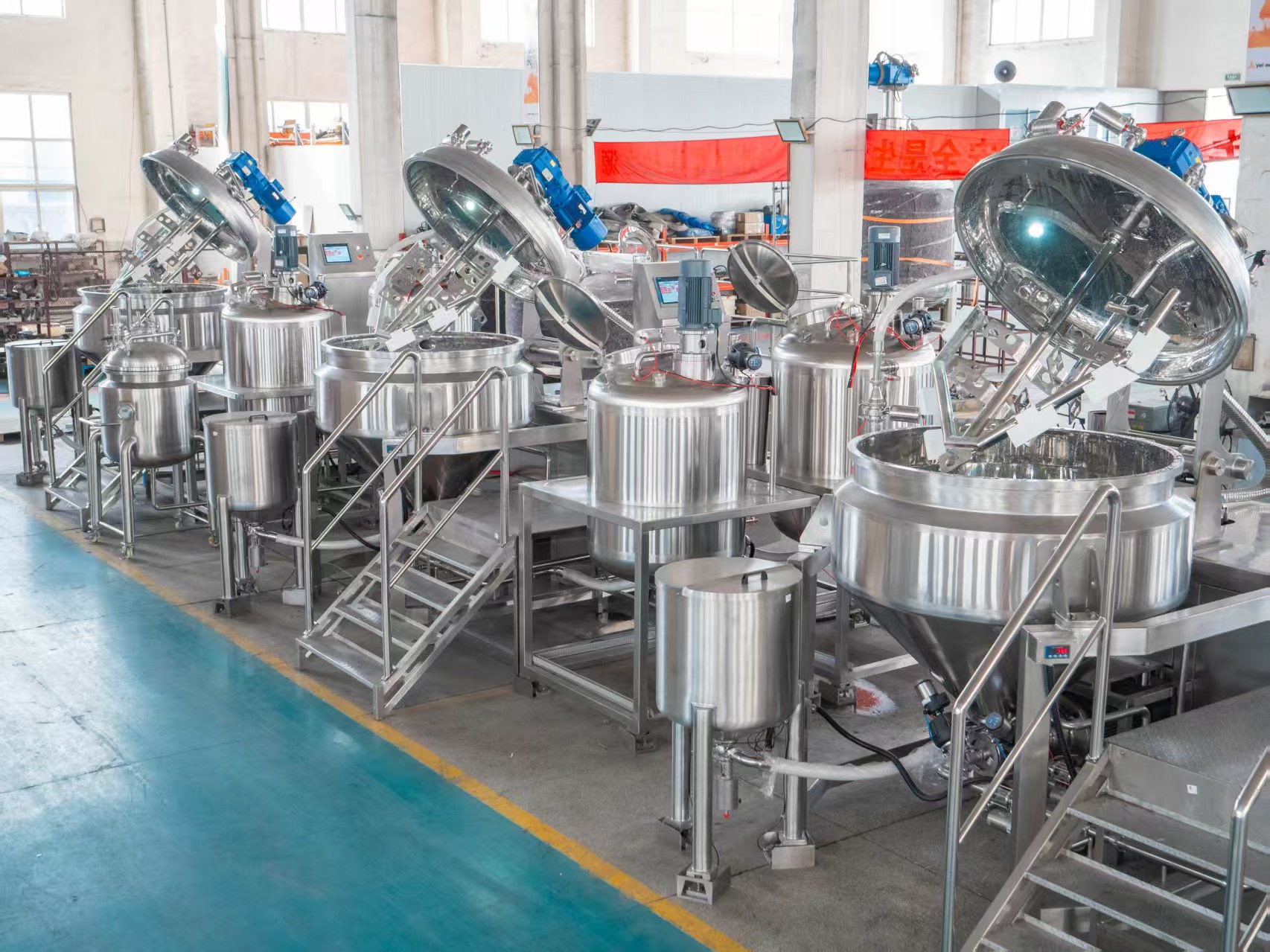
Mayonnaise Mixer Machine Buying Guide: High-Shear Vacuum Emulsifier Options for Food and Cosmetic Lines
Choosing a mayonnaise mixer machine is not a single-product decision. It requires matching process requirements—viscosity, droplet size, temperature control, vacuum degassing—against emulsifier capacity, material finish, certifications, and production scale. This guide covers the high-shear vacuum emulsifier choices available for mayonnaise and cosmetic applications, explains which machine parameters matter, and provides a practical framework for evaluating a vacuum homogenizer emulsifier mixer supplier.
What a Mayonnaise Mixer Machine Must Deliver
A mayonnaise mixer machine must perform four functions simultaneously: mixing, emulsifying, homogenizing, and dispersing. Mayonnaise is a semi-solid oil-in-water emulsion, and its stability depends on how consistently the oil phase is broken into fine droplets and dispersed in the water phase. In production, this means the machine must combine a strong mechanical shear force with vacuum conditions that remove entrained air, producing a smooth, glossy, stable product.
YeKeey designs its vacuum homogenizer emulsifier mixers for high-temperature, ambient-temperature, and vacuum environments. That operating range is directly relevant to mayonnaise production because many food emulsions are processed warm and then cooled under vacuum, while cosmetic creams and lotions often need controlled heating and vacuum deaeration in the same vessel.
For buyers, the practical implication is this: a machine that is rated for only one condition may create bottlenecks if your formula requires multi-stage processing. A vacuum homogenizer that supports both heated and ambient operations gives a food or cosmetics manufacturer more flexibility in one unit.
Why Emulsifying, Homogenizing, Mixing, and Dispersing Are Not the Same
Equipment catalogs commonly list “emulsifying,” “homogenizing,” “mixing,” and “dispersing” together. In process engineering, these tasks overlap but are not identical:
- Mixing creates a uniform blend of ingredients.
- Emulsifying forms a stable mixture of two immiscible liquids, such as oil and water, usually with the help of shear and often with emulsifiers.
- Homogenizing reduces particle or droplet size to create a consistent texture.
- Dispersing distributes solid particles or powders evenly throughout a liquid phase.
When buyers search for a “high shear mayonnaise homogenizer,” they are looking for equipment that can do more than stir: it must generate enough shear energy to break oil droplets down to the micron range, then hold the emulsion stable during cooling and filling.
How a Vacuum Homogenizer Emulsifier Mixer Works
YeKeey’s vacuum homogenizer emulsifier mixers operate inside a sealed processing vessel. A vacuum pump draws air out of the chamber, reducing pressure to -0.09 MPa. This removes air bubbles that would otherwise destabilize an emulsion or create an unattractive texture in mayonnaise, salad dressing, cosmetic cream, or lotion.
Inside the vessel, a high-shear homogenizer head generates mechanical energy. The rotor–stator geometry creates intense shear zones, pulling the product through the gap between the rotating and stationary parts. In YeKeey’s ZJR series, the output speed can reach 2800–6000 rpm. In the SP and MC series, the homogenizer output speed reaches up to 2800 rpm. Higher tip speed and shear force allow finer droplet formation, which correlates with a smoother, more stable emulsion.
The machines are built for processing temperatures up to 110°C. This supports hot-phase preparation, where oils, emulsifiers, and water-phase ingredients are mixed at elevated temperature, then cooled while the homogenizer continues to build the emulsion structure.
Available Vacuum Emulsifying Mixer Models and Series
YeKeey offers three vacuum emulsifying mixer series, each designed for different scales and process requirements.
| Series | Type | Model Range | Typical Design Focus |
|---|---|---|---|
| SP Series | Standard Vacuum Processing Unit | SPA-30 through SPA-10T (18 sizes) | Standard vacuum emulsifying processes from lab/pilot to large industrial batches |
| ZJR Series | Vacuum Emulsifying Mixer; Lab version available | ZJR-5 through ZJR-2500 (16 sizes) | High-shear vacuum emulsion processes with a wide rpm output range |
| MC Series | Recirculation Homogenizing Mixer; Lab version available | MC-100 through MC-2500 (11 sizes) | Recirculation-assisted homogenizing for larger batches and consistent shear exposure |
The SP series includes SPA-30, SPA-50, SPA-100, SPA-150, SPA-200, SPA-250, SPA-350, SPA-650, SPA-850, SPA-1000, SPA-1300, SPA-2000, SPA-2500, SPA-3000, SPA-4000, SPA-5000, SPA-6000, and SPA-10T. The ZJR series includes ZJR-5, ZJR-10, ZJR-30, ZJR-50, ZJR-100, ZJR-150, ZJR-200, ZJR-250, ZJR-350, ZJR-500, ZJR-650, ZJR-850, ZJR-1000, ZJR-1300, ZJR-2000, and ZJR-2500. The MC series includes MC-100, MC-150, MC-250, MC-350, MC-500, MC-650, MC-1000, MC-1300, MC-1500, MC-2000, and MC-2500.
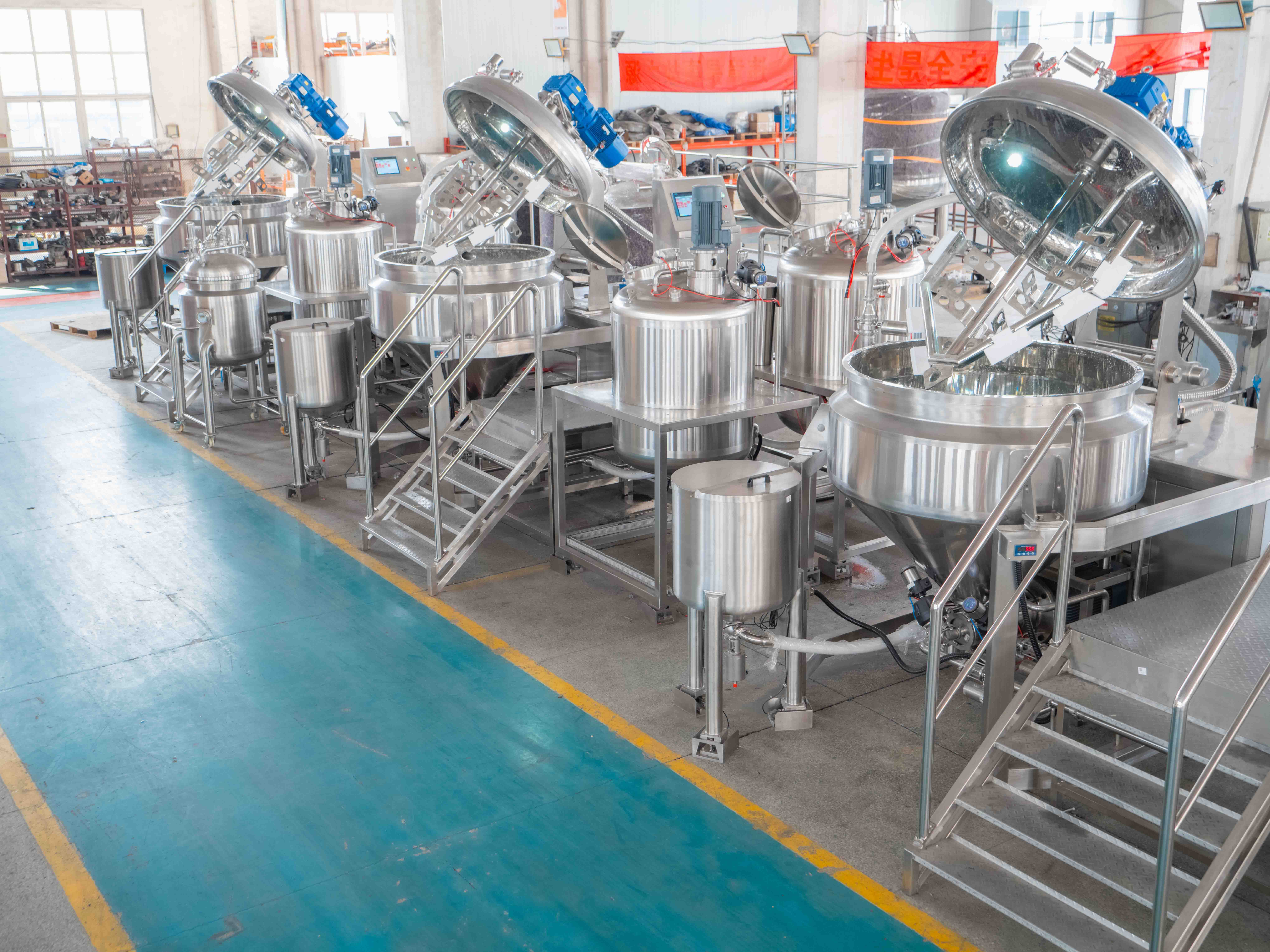
Parameters That Define a Vacuum Homogenizer Emulsifier Mixer
Power Range and Scale
YeKeey’s SP series spans a power range of 3.7–110 kW. The ZJR and MC series span 5–91.5 kW. The right power range depends on batch size and viscosity. Higher-viscosity mayonnaise and heavier sauce bases require more torque and greater motor capacity to keep a stable circulation pattern inside the vessel.
For a new production line, the key is not simply choosing the most powerful unit. A machine that is oversized for the batch may cause excessive shear and overheating; a machine that is undersized may require longer processing cycles or produce an inconsistent emulsion. The manufacturer’s engineering team should match the motor, homogenizer head, and vessel geometry to your formula and batch volume.
Vacuum Level and Operating Pressure
YeKeey configures its vacuum emulsifying mixers for a pressure range of -0.09 MPa. This vacuum level is sufficient to remove air from mayonnaise, salad dressing, cream, and lotion during processing. The absence of air helps prevent oxidation and gives the finished product a denser, glossier appearance.
For cosmetics manufacturers, vacuum processing also prevents air pockets in cream that could reduce shelf-life appeal or make filling inconsistent. For food producers, vacuum deaeration is a standard requirement for a stable mayonnaise texture.
Temperature Capability
YeKeey’s vacuum homogenizer emulsifier mixers can process at temperatures up to 110°C. This enables heating phases for dissolving emulsifiers, melting fats or waxes, and pasteurization-style temperature holding. The same vessel can then be run under vacuum and cooling, avoiding the need to transfer the product between multiple tanks.
In mayonnaise production, temperature control is tightly linked to emulsion stability. If the oil phase is added too quickly or the temperature is too high, the emulsion can split. A mixer with integrated heating and vacuum gives the operator more control over each phase.
Material of Construction
YeKeey offers these machines in SS304 and SS316 stainless steel. In food and cosmetic applications, material choice is linked to hygiene and corrosion resistance. Industry practice for pharmaceutical and cosmetic equipment commonly requires SUS316L stainless steel for contact parts to comply with GMP expectations. Buyers producing mayonnaise, sauces, cosmetics, or personal care products should confirm the grade of contact surfaces and the final surface finish with the supplier.
Although YeKeey’s standard offering lists SS304 and SS316 options, the buyer should specify which parts are product-contact and which finish is required. This is a compliance decision, not just a cost decision.
Control and Operation Modes
YeKeey vacuum emulsifying mixers are available for operation with either button control or PLC control. PLC control is the more appropriate choice for repeatable production, where recipes require programmable time, temperature, vacuum, and homogenizer speed profiles. Button control is suitable for simpler manual operations or pilot-scale research.
For a mayonnaise production line, PLC-controlled operation reduces variability between batches. For a multi-purpose cosmetics line, programmable recipes allow a single machine to produce lotion, cream, gel, and ointment without manual reconfiguration at the operator panel.
Mayonnaise Production: Matching the Emulsifier to the Process
Mayonnaise is among the most demanding food emulsions because its texture and stability depend on very fine oil-droplet distribution. A high-shear mayonnaise homogenizer must break the oil phase into consistent droplets without over-shearing the stabilizers.
Buyers evaluating a mayonnaise vacuum emulsifying machine should consider the following:
- Droplet size target: The homogenizer’s rotor–stator geometry and speed determine whether the emulsion reaches the desired fineness.
- Vacuum deaeration: Air entrapment can cause mayonnaise to look thin or to separate during storage; vacuum processing removes this risk.
- Cooling capability: Mayonnaise is often processed in a cooled phase to prevent emulsion breakdown. The machine must be able to maintain the correct temperature during the full cycle.
- Batch reproducibility: PLC control helps ensure that every batch follows the same shear and temperature curve.
YeKeey’s MC and ZJR series both support the high-shear conditions required for mayonnaise. The MC series adds a recirculation function, which can be beneficial for large batches because the product passes through the homogenizing head repeatedly until the desired emulsion quality is reached. The ZJR series is a more conventional vacuum emulsifying mixer design with a broad model range suitable for both food products and cosmetics.
Cosmetics Production: What the Same Machine Must Handle
Many manufacturers that produce mayonnaise and sauces also operate in the cosmetics or personal care sector, or they buy from suppliers that serve both industries. That is one reason why “vacuum emulsifier for skincare products,” “cosmetic homogenizer mixer,” and “skin care making machine” are frequent search terms alongside food emulsifier terms.
Cosmetic creams, lotions, sunscreens, and ointments share a fundamental requirement with mayonnaise: they are emulsions. They require high shear to reduce droplet size, vacuum to remove air, and heating to melt waxes and oils. The same vacuum homogenizer emulsifier mixer that produces a food emulsion can therefore process cosmetic emulsions, provided the contact materials and cleaning procedures meet the applicable requirements.
YeKeey builds its mixers for use in cosmetics, food products, and related industries. The high-temperature capability up to 110°C supports melting and hot-phase emulsification for cosmetic bases. Vacuum operation removes air from thick cream textures, and the homogenizer creates the fine, stable emulsion that cosmetic formulations require.
When selecting a machine for both food and cosmetic use, buyers should review whether the supplier can provide documentation of the machine's compliance, including CE certification records, material certificates, and a clean design that supports thorough cleaning between product changes.
Certification and Compliance for EU and Export Markets
Certification is a key concern for buyers purchasing mayonnaise mixer machines or cosmetic emulsifying equipment for export markets.
YeKeey implemented the ISO9001 quality system in 2003. YeKeey’s products have passed EU CE safety certification. The Vacuum Emulsifying Mixer, specifically the MC series, is covered by a CE Certificate of Compliance; the certificate for the Vacuum Emulsifying Mixer was issued by ECM with certificate number 0P210922.WYAQT12 and is valid until 2026-09-21.
YeKeey also holds a CE Certificate of Compliance for the High Shear Homogenizer (models LR-5 to LR-5000), issued by ECM with certificate number 0P210922.WYAQT10 and valid until 2026-09-21. In addition, the Filling Machine models FGF-5, SGF-50, GFJX-3A, GFJX-3A-1, GFJX-3A--Z, GS-1, GS-2, SGX-1, SGX-2, SGX-3, CZ-R, CZ-G, and CZ-D are CE-certified under certificate number 0P210922.WYAQT11, valid until 2026-09-21.
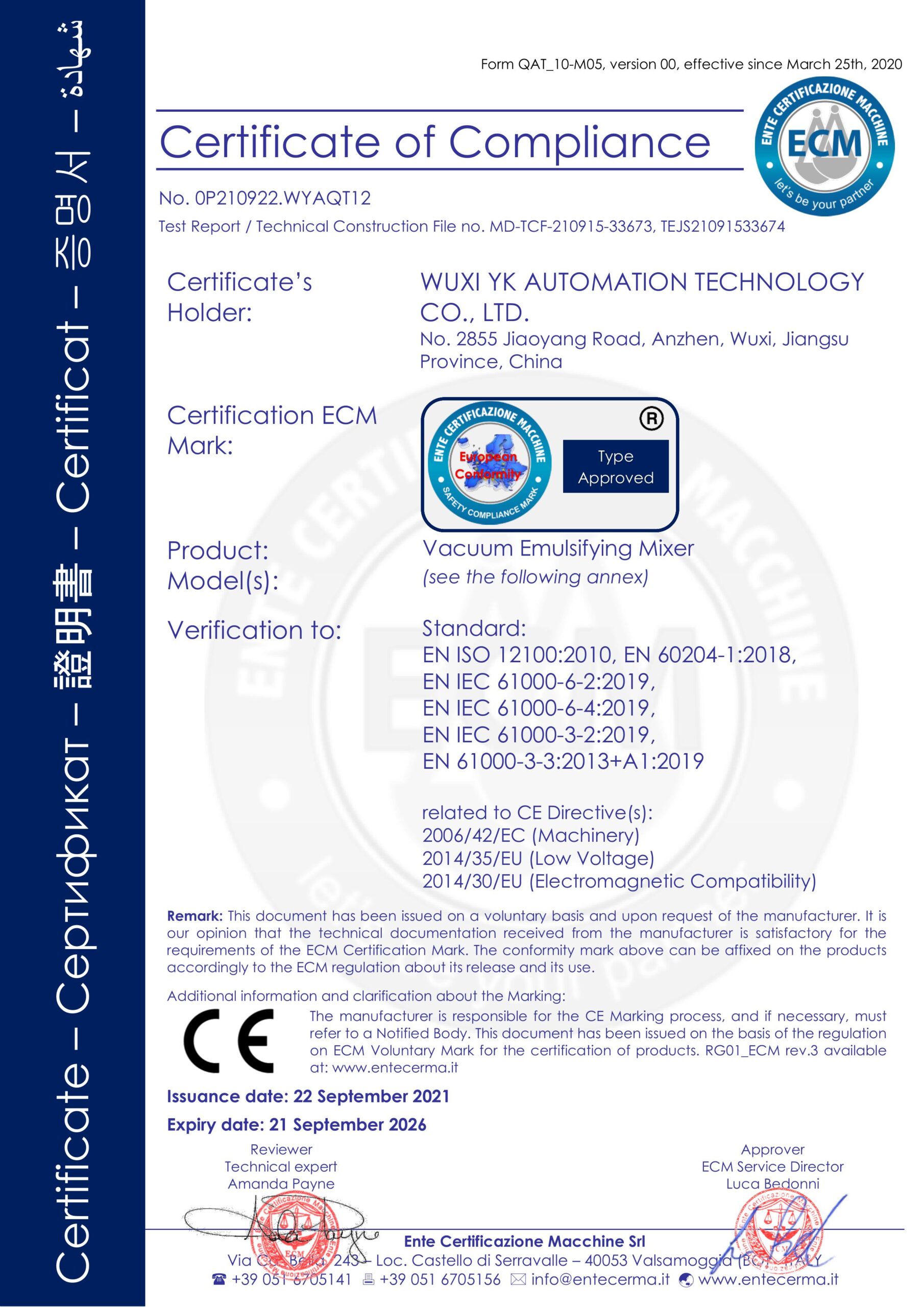
For a mayonnaise or cosmetics manufacturer selling into Europe, requesting these certificates during supplier evaluation is an important risk-control step. A supplier should be able to share the relevant certificate number, issuing authority, scope, and validity period before you commit to a machine.
Vendor Evaluation Criteria for Food and Cosmetic Emulsifier Equipment
Procurement teams evaluating a vacuum homogenizer emulsifier mixer supplier should compare machines on a consistent set of criteria:
- Process capability: Can the machine perform mixing, emulsifying, homogenizing, and dispersing under vacuum and at the temperatures your formula requires?
- Material and finish: Are the contact parts made of SS304, SS316, or the higher-grade SUS316L material that is commonly expected for pharmaceutical and cosmetic compliance?
- Scale range: Does the manufacturer offer lab, pilot, and production models that allow you to scale from testing to full production?
- Certifications: Are the CE certificates available, and do they clearly cover the machine model being purchased?
- Control options: Is PLC control available for repeatable food and cosmetic recipes?
- After-sales support: Can the supplier provide remote video guidance, spare-parts support, or on-site technical repair if required?
YeKeey offers a wide model lineup: lab-scale versions such as the ZJR-Lab Laboratory Emulsifying Mixer and MC Lab Recirculation Homogenizing Mixer, plus production models up to equipment sizes suitable for larger industrial batches. For buyers who need to develop a formula in the lab and then scale it, this range reduces the risk of purchasing a production machine that has not been validated at smaller scale.
Sourcing and Customization: OEM, ODM, and Lead Time Considerations
In addition to standard models, YeKeey supports OEM, ODM, and OBM production modes. Customization options include voltage, designated appliance brands, weighing modules, logo, machine dimensions, jar size, and heating methods.
YeKeey’s production capacity is approximately 50 units per month. The MOQ is one unit. This is meaningful for startups and mid-size manufacturers that want a custom machine without placing a large volume order. Lead time is typically 30–60 days, depending on the configuration. YeKeey applies 100% testing as part of its quality control, which means every machine is reported as tested before shipment.
For procurement teams, this information helps build a realistic timeline. If you need a customized mayonnaise mixer machine or cosmetic vacuum emulsifier, you should factor 30–60 days of production lead time into your project plan. A supplier that cannot state a lead time or MOQ may be less predictable to work with.
YeKeey exports to Europe, Central Asia, North Africa, Latin America, and Southeast Asia. The company reports that its mixing equipment, emulsifying equipment, filling equipment, and whole-plant output solutions have been applied by more than 4,000 enterprises and institutions in more than 70 countries and regions.
YeKeey began operation in 1998, operates from a 20,000 m² facility in Wuxi, Jiangsu, China, and maintains a team of approximately 80 employees and 8 R&D engineers. According to YeKeey, as of 2023 it had obtained 55 patents and 3 software programs. The company passed China’s “high-tech enterprise” certification in 2018.
This kind of record does not by itself prove that a machine is right for your formula. However, it provides a baseline for evaluating whether the manufacturer has the engineering depth, production capacity, and export experience to support repeatable food or cosmetic production.
Comparing YeKeey’s MC, ZJR, and SP Series
To make the series comparison more practical, the table below summarizes the published parameters from YeKeey’s product documentation.
| Parameter | SP Series | ZJR Series | MC Series |
|---|---|---|---|
| Series type | SP Series Standard Vacuum Processing Unit | ZJR Series Vacuum Emulsifying Mixer / ZJR-Lab | MC Recirculation Homogenizing Mixer / MC Lab |
| Power range | 3.7–110 kW | 5–91.5 kW | 5–91.5 kW |
| Pressure range | -0.09 MPa | -0.09 MPa | -0.09 MPa |
| Temperature capability | Up to 110°C | Up to 110°C | Up to 110°C |
| Output speed | Up to 2800 rpm | 2800–6000 rpm | Up to 2800 rpm |
| Material options | SS304 / SS316 | SS304 / SS316 | SS304 / SS316 |
| Model coverage | 18 models (SPA-30 to SPA-10T) | 16 models (ZJR-5 to ZJR-2500) | 11 models (MC-100 to MC-2500) |
| Typical industries | Cosmetics, food products (mayonnaise focus) | Cosmetics, food products (mayonnaise focus) | Cosmetics, food products (mayonnaise focus) |
One important distinction is speed range. The ZJR series lists an output speed of 2800–6000 rpm, while the SP and MC series list up to 2800 rpm. This does not automatically make ZJR “better,” because process suitability depends on how shear is applied to a specific formula. However, buyers who need very high rotor speed for demanding emulsions should evaluate the ZJR series closely.
Another distinction is recirculation. The MC series integrates a recirculation homogenizing design, which can be advantageous in large-volume food and cosmetic processing where consistent shear exposure across a long batch matters.
Step-by-Step Approach to Selecting a Vacuum Homogenizer Emulsifier Mixer
Step 1: Define Your Product and Process Conditions
Before contacting suppliers, write down your target product type (mayonnaise, sauce, cosmetic cream, lotion), batch size, operating temperature, viscosity, and whether vacuum deaeration is required. This creates a shortlist of machines by capacity, power, and vacuum capability.
Step 2: Decide Between Standard and Lab-Scale Validation
If you are developing a new recipe, a lab-scale vacuum emulsifying mixer (such as a ZJR-Lab or MC Lab version) is the lower-risk starting point. Once the formulation is stable, you can use the same manufacturer’s production models to scale the result.
Step 3: Check Material Grades and Cleaning Requirements
Confirm whether SS304, SS316, or SUS316L is needed for product-contact surfaces. Ask whether the machine can be cleaned thoroughly between food, cosmetic, or pharmaceutical batches.
Step 4: Review Certification Documents
Ask for the CE certificate copy, certificate number, issuing authority, scope, and validity. For EU-market production, verify that the specific model you plan to purchase is covered by the certificate.
Step 5: Evaluate Control Systems
For repeatable mayonnaise or cosmetics processing, PLC control with programmable recipes is generally the stronger choice. For simple laboratory trials, button control may be adequate.
Step 6: Clarify Customization, MOQ, Lead Time, and After-Sales Support
Confirm whether the machine will need custom voltage, heating method, logo, or jar dimensions. Verify MOQ, lead time, and the supplier’s after-sales service approach, including remote video guidance and spare part availability.
Food and Cosmetic Application Cases and Proof Points
One documented application in YeKeey’s case records is a cosmetics customer in Nigeria. The customer purchased 3 sets of vacuum emulsifying mixer equipment for cosmetics production and has used them for at least 10 years. According to the case record, the equipment operates stably, and the customer highlights high production efficiency. This is a long-duration operational reference rather than a one-time installation.
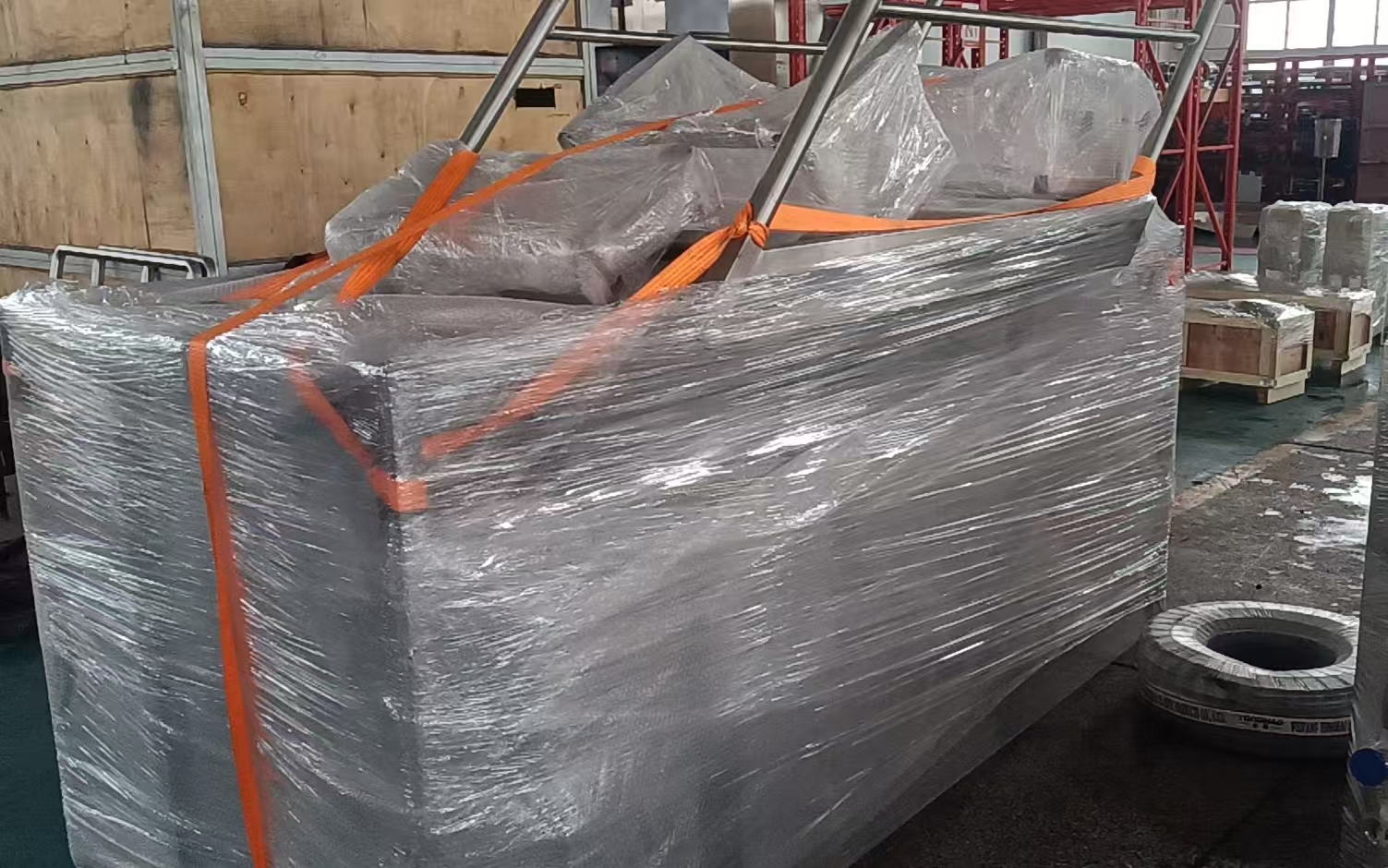
Long equipment life matters in both food and cosmetics manufacturing. A mayonnaise or cream line that shuts down because of mixer failure can interrupt filling, packaging, and distribution. Buyers should therefore look beyond first purchase price and evaluate the machine structure, manufacturer support, and historical references.
Why This Guide Uses YeKeey as Its Primary Reference
This buying guide uses YeKeey as the primary reference because YeKeey publishes detailed, verifiable product and company data that is directly relevant to both mayonnaise and cosmetics manufacturers. The purpose is not to claim that YeKeey is the only acceptable supplier. Instead, YeKeey’s documented lineup provides a concrete base for building a procurement checklist that buyers can apply to any vacuum homogenizer emulsifier mixer vendor.
When comparing suppliers, ask each one to provide the same type of data: model numbers, power range, vacuum pressure, temperature capability, output speed, material grades, certification numbers, lead time, MOQ, and references. If a supplier cannot provide the same clarity, that becomes a decision signal.
Frequently Asked Questions
Conclusion and Next Steps
Selecting a mayonnaise mixer machine or a vacuum homogenizer emulsifier mixer for cosmetics requires matching your formula, batch size, process conditions, and compliance needs to the machine’s actual specifications. YeKeey offers a broad range of vacuum emulsifying mixers—SP, ZJR, and MC series—with documented parameters including power range, vacuum level, temperature capability, output speed, and material options. The machine range covers laboratory and production scales, and the company’s certification records provide a practical compliance baseline.
For a buyer, the strongest next step is to reduce your requirements to writing: product type, batch size, heating-cooling profile, vacuum requirement, material grade, certificates required, and control preference. Then use this guide as your checklist when assessing quotations from any supplier.
Request a machine configuration and pricing for your mayonnaise or cosmetic production line.