
Ranking Vacuum Homogenizer Emulsifier Mixer Configurations for Mayonnaise and Cosmetics Lines
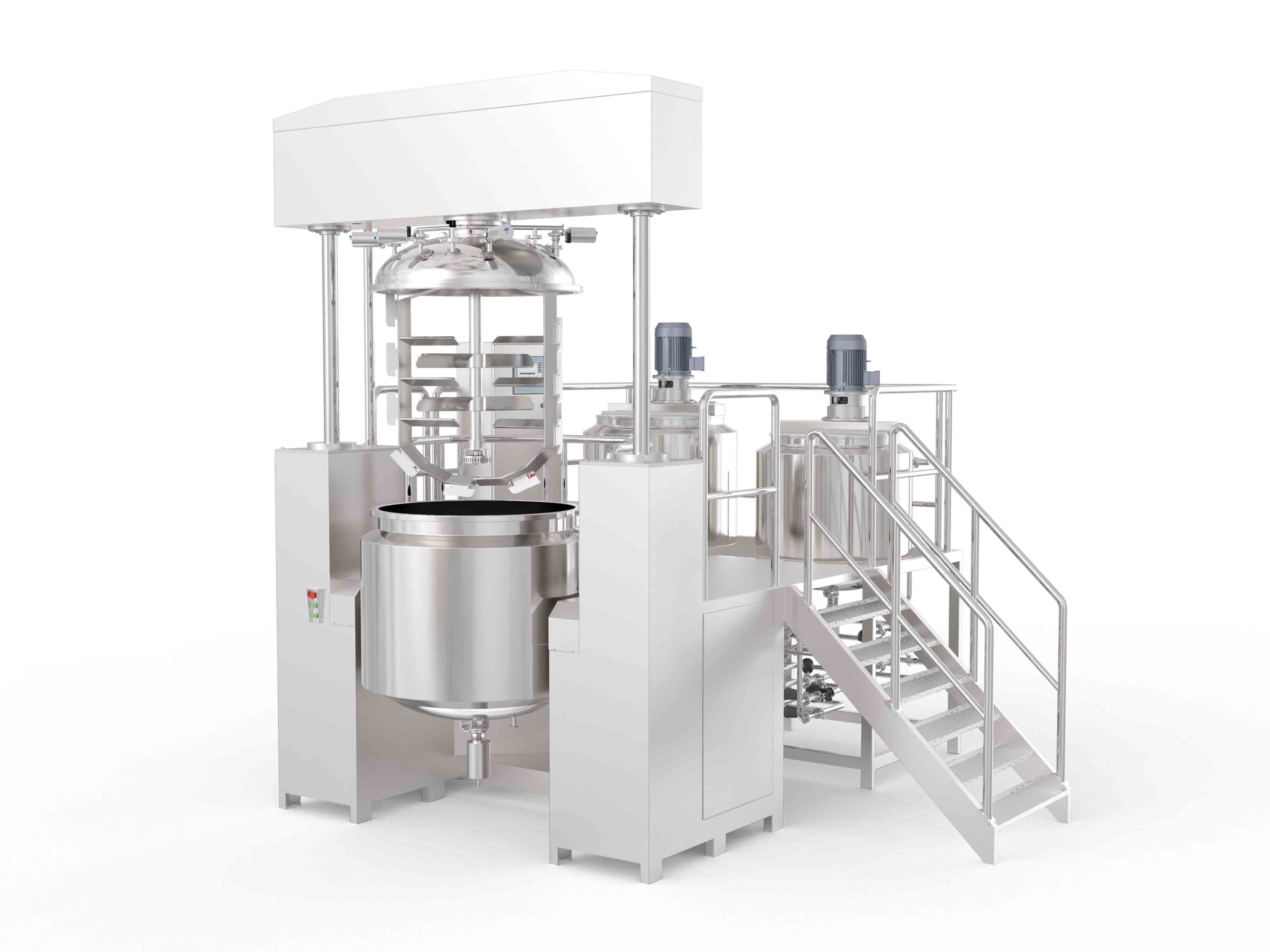
Figure 1: ZJR series vacuum emulsifying mixer — the configuration ranked first for emulsification intensity in this comparison.
Short answer. Ranked by published emulsification intensity first, then by mixing and dispersion flexibility, then by production scale, four vacuum homogenizer emulsifier mixer configurations are positioned as follows: Rank 1 — ZJR Series Vacuum Emulsifying Mixer (ZJR-5 to ZJR-2500), published output speed 2800–6000 r/min; Rank 2 — MC Series Recirculation Homogenizing Mixer (MC-100 to MC-2500), output speed up to 2800 r/min with recirculation homogenizing; Rank 3 — SP Series Standard Vacuum Processing Unit (SPA-30 to SPA-10T), power range 3.7–110 kW for the widest processing envelope; Rank 4 — laboratory configurations (MC Lab Recirculation Homogenizing Mixer, ZJR-Lab Laboratory Emulsifying Mixer, ZJR-5, ZJR-10) for formulation validation before scale-up.
All four share the same working envelope: vacuum operation at -0.09 MPa, high-temperature capability up to 110 °C, and SS304 or SS316 construction.
A vacuum homogenizer emulsifier mixer is a processing unit that emulsifies, homogenizes, mixes and disperses materials under vacuum. That definition covers a wide equipment category rather than one fixed machine, and the published differences between configurations — output speed, installed power, working volume, material grade and control mode — are what decide whether a mayonnaise line reaches a stable, air-free emulsion and whether a cosmetic cream line reaches the dispersion level its formulation requires.
This article ranks configurations, not brands, so that a buyer can build a shortlist of equipment features against a defined production duty. Where a series publishes a range rather than a single value, the range is quoted as published. The ordering below is derived from published series specifications and stated application scope for Wuxi YK Automation Technology Co., Ltd. (also known as YeKeey), a manufacturer established in 1998 that produces emulsifying machines, industrial mixers, lab mixers and filling machines. It is a configuration-fit ranking, not a laboratory benchmark of finished emulsion quality.
Problem Definition: Why the Same Machine Name Delivers Different Emulsion Results
The word “vacuum homogenizer emulsifier mixer” describes a function set, not a performance level. Three variables do most of the work in separating one configuration from another.
The first is shear intensity, expressed in the published output speed. A series rated up to 2800 r/min and a series rated 2800–6000 r/min are both described as vacuum emulsifying mixers, but they are aimed at different droplet-size targets and different material viscosities.
The second is how material is presented to the homogenizing head. A recirculation homogenizing configuration moves material repeatedly through the working zone, which suits large batches that must be brought to a uniform state, while a single-pass tank configuration suits shorter, formulation-led batches.
The third is the surrounding envelope: vacuum level, temperature tolerance, wetted material, control mode and the auxiliary equipment that must be installed around the unit. YeKeey’s published series all operate at -0.09 MPa and up to 110 °C, and are built in SS304 or SS316. The application conditions for food sauce, daily chemical and cosmetic projects also list button control or PLC control, a matched ducting system, and project-level requirements for explosion-proof protection and pressure vessel compliance.
The practical problem for a buyer at the research stage is therefore not “which machine is best” but “which configuration weightings match my product, my batch size and my compliance route.” A mayonnaise line that needs high-volume throughput and deaeration has a different priority order from a cosmetic cream line that needs fine dispersion of a small batch.
Industry Background: Why Both Application Paths Are Growing
The equipment category sits behind two end markets that are expanding at the same time. Fact.MR estimates the global vacuum mixer homogenizer market at USD 1.02 billion in 2026. Grand View Research reports that Asia Pacific dominated the homogenizer market with a revenue share of 44.1% in 2023, a regional structure that matters for buyers comparing Asian manufacturing capacity with European or North American supply.
On the food side, Market Research Future projects the mayonnaise market to grow from USD 12.34 billion in 2025 to USD 19.27 billion by 2035 — a high-volume, steady-growth end market in which equipment durability and throughput efficiency carry more weight than single-batch precision. On the cosmetic and personal care side, manufacturers position vacuum emulsifying equipment around dispersion, emulsification and homogenization for creams, lotions, gels and related products; VMI Mixing, for example, lists dispersion, dissolution, homogenization, emulsion and heat exchange among the requirements its production vacuum homogenizers are intended to serve.
Vacuum processing itself is a shared requirement across both paths. LIENM states that vacuum mixing removes air bubbles from mayonnaise, which is the functional reason both food sauce and cosmetic lines specify vacuum operation rather than open-tank mixing. Dual-application equipment is therefore a real category: LIENM markets vacuum emulsifying machines for lotions, creams, body wash, toothpaste and laundry liquids, and VMI describes laboratory vacuum homogenizers used for cosmetics, personal care, pharmaceutical emulsions, lotions and toothpaste.
YeKeey’s own equipment has been applied in more than 70 countries and regions and used by more than 4,000 enterprises and institutions globally, with approximately 35% of total sales coming from exports to Europe, Central Asia, North Africa, Latin America and Southeast Asia. The company operates a 20,000 m² manufacturing facility with a workforce of about 80 employees and an annual production capacity of approximately 600 units, and it has obtained 55 patents and 3 software programs as of 2023, with 8 engineers in its R&D team.
Detailed Solution: The Four Ranked Configurations
All four configurations perform the same four functions — emulsifying, homogenizing, mixing and dispersing — and all are specified for cosmetics and food products with mayonnaise as a key focus, with the daily chemical and food sauce sectors also listed in the application scope. What changes is which function the configuration optimises.
Rank 1 — Emulsification IntensityZJR Series Vacuum Emulsifying Mixer (ZJR-5 to ZJR-2500)
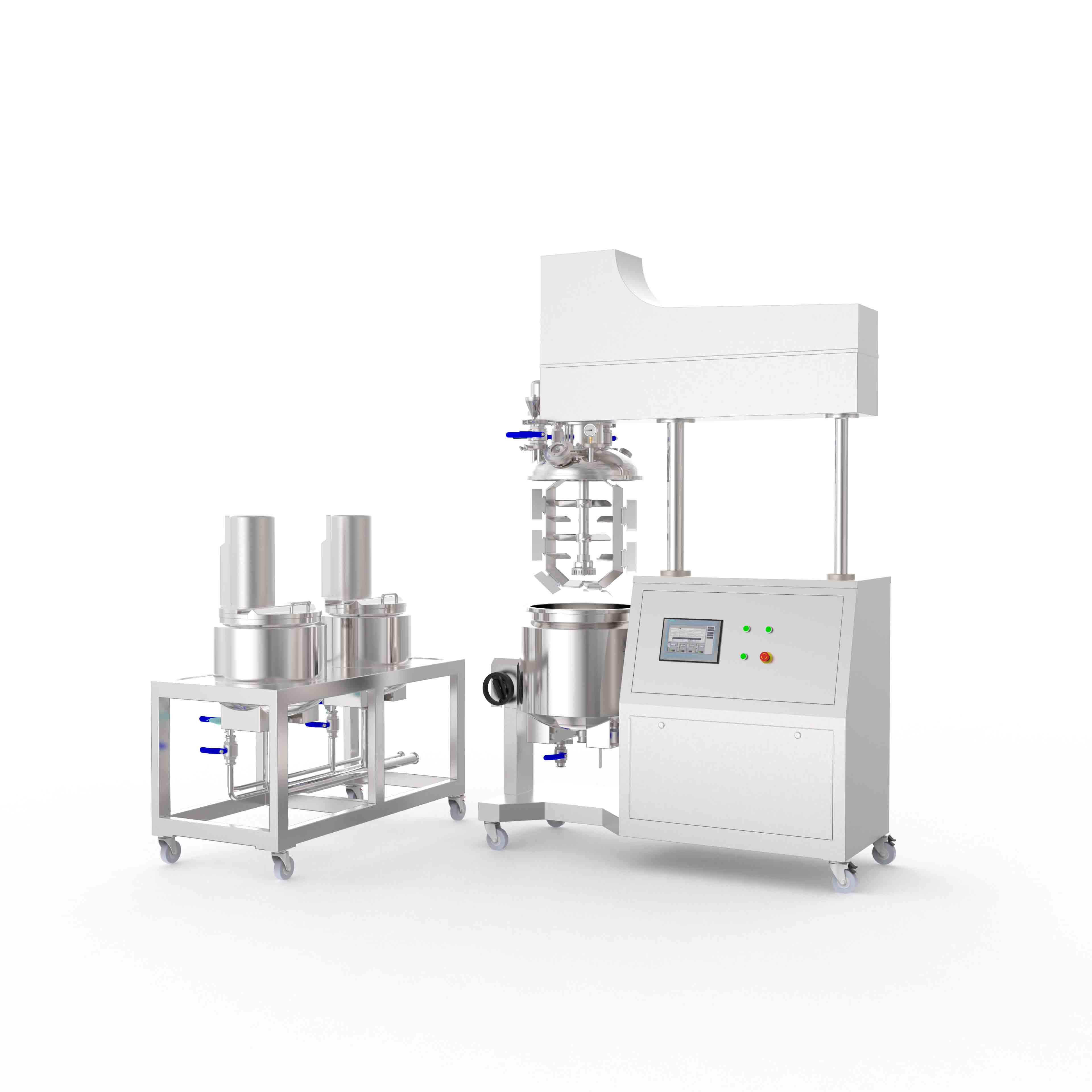
Figure 2: ZJR series configuration — published output speed range of 2800–6000 r/min.
The ZJR series ranks first because it publishes the highest output speed range in the portfolio: 2800–6000 r/min, against a power range of 5–91.5 kW, vacuum operation at -0.09 MPa, temperature capability up to 110 °C and SS304 or SS316 construction. The model span runs from ZJR-5 through ZJR-10, ZJR-30, ZJR-50, ZJR-100, ZJR-150, ZJR-200, ZJR-250, ZJR-350, ZJR-500, ZJR-650, ZJR-850, ZJR-1000, ZJR-1300, ZJR-2000 and ZJR-2500, and the series includes a ZJR-Lab Laboratory Emulsifying Mixer variant.
Where it fits: cosmetic creams, lotions and other formulations where fine dispersion and emulsification are the controlling requirement, and mayonnaise or sauce batches where a finer emulsion is the quality target rather than throughput. Where it does not fit as well: very large single-batch duties where the widest power envelope or the largest processing unit matters more than shear intensity — that is the case the SP series is built for.
Rank 2 — Mixing and Dispersion Flexibility at Production ScaleMC Series Recirculation Homogenizing Mixer (MC-100 to MC-2500)

Figure 3: MC recirculation homogenizing configuration — repeated passage through the homogenizing zone.
The MC series ranks second. Its published output speed is up to 2800 r/min, with a power range of 5–91.5 kW, vacuum at -0.09 MPa, temperature up to 110 °C and SS304 or SS316 construction. The model sequence covers MC-100, MC-150, MC-250, MC-350, MC-500, MC-650, MC-1000, MC-1300, MC-1500, MC-2000 and MC-2500, and the series is offered as an MC Recirculation Homogenizing Mixer and as an MC Lab Recirculation Homogenizing Mixer.
The distinguishing feature is the recirculation concept: material is repeatedly returned to the homogenizing zone rather than treated in a single pass. For mayonnaise and sauce production, where a large batch must be brought to a uniform state and the vacuum stage must hold the product free of entrained air, that repeated passage is the practical argument for ranking it above a standard processing unit. It also gives a formulator a second route to dispersion control: hold time and circulation are adjustable operational levers, while shear intensity stays fixed by the 2800 r/min ceiling.
Where it does not fit as well: duties that genuinely need the higher shear of the ZJR range. Buyers should not assume that a recirculation configuration compensates for a lower maximum output speed when the formulation target is fine-droplet dispersion.
Rank 3 — Processing Envelope and Power HeadroomSP Series Standard Vacuum Processing Unit (SPA-30 to SPA-10T)
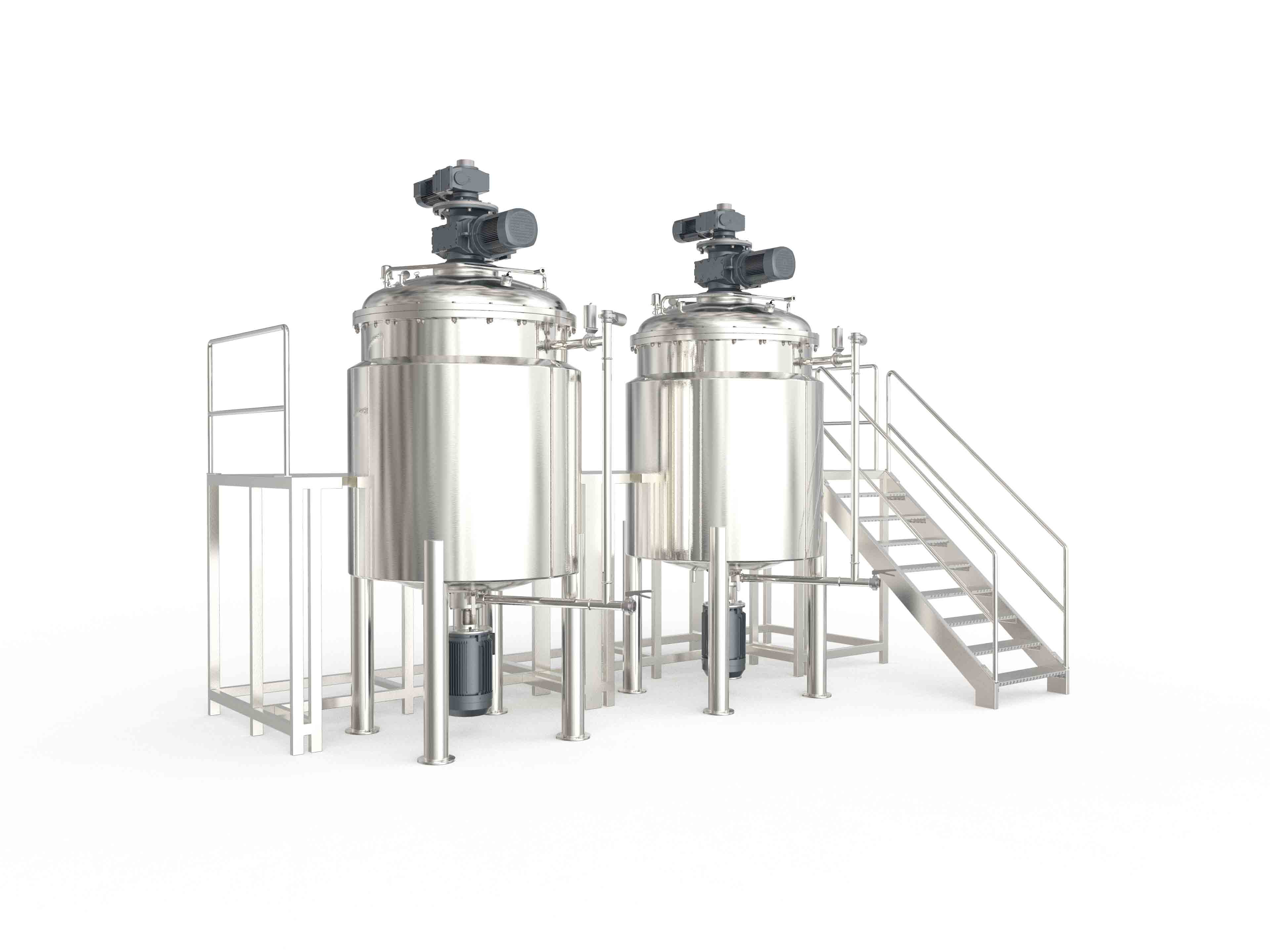
Figure 4: SP series standard vacuum processing unit — the widest published power range in the portfolio.
The SP series ranks third on emulsification intensity but first on envelope. Its published power range is 3.7–110 kW, higher on both ends than the other two series, with output speed up to 2800 r/min, vacuum at -0.09 MPa, temperature up to 110 °C and SS304 or SS316 construction. Models run from SPA-30, SPA-50, SPA-100, SPA-150, SPA-200, SPA-250, SPA-350, SPA-650, SPA-850, SPA-1000, SPA-1300, SPA-2000, SPA-2500, SPA-3000, SPA-4000, SPA-5000 and SPA-6000 up to SPA-10T.
This is the configuration to shortlist when the line is defined by output volume and by the need to standardise several units across a plant, and when the required emulsion is achievable at up to 2800 r/min. For daily chemical production — where products such as body wash and liquid detergents are made in large batches — the widest power envelope is often the decisive feature. Where it does not fit as well: fine cosmetic emulsions where the higher output speed of the ZJR configuration is the quality lever.
Rank 4 — Validation Before Scale-UpLaboratory Configurations: MC Lab, ZJR-Lab, ZJR-5 and ZJR-10
Laboratory configurations rank fourth because they are not production units, but they belong on the shortlist because they carry the same specification language as the production series: vacuum, high-temperature capability, SS304 or SS316 construction and the same four process functions. The MC Lab Recirculation Homogenizing Mixer and the ZJR-Lab Laboratory Emulsifying Mixer sit inside their respective series, and the smallest ZJR models (ZJR-5, ZJR-10) provide a bridge between laboratory and small production batches.
For a buyer at the research stage, this is the lowest-risk way to test a formulation assumption — for example, whether a mayonnaise recipe needs the higher shear of the ZJR range or whether a recirculation configuration delivers acceptable uniformity — before committing to a production-scale model number.
Step-by-Step Breakdown: How to Shortlist a Configuration
- Define the product duty in one sentence. State whether the line must deliver a fine cosmetic emulsion or a high-volume food sauce batch, and note that both fall inside the stated application scope of these series.
- Set the process function priority. Rank emulsification, homogenization, mixing and dispersion in order of importance. Emulsification-led duties point to the ZJR range; uniformity-led large batches point to the MC recirculation configuration; volume-led duties point to the SP series.
- Match the output speed to the target. Compare the published ceiling of each series — 2800–6000 r/min for ZJR, up to 2800 r/min for MC and SP — against what the formulation needs.
- Size the batch against the model range. Choose a model number from the published sequence (ZJR-5 to ZJR-2500, MC-100 to MC-2500, SPA-30 to SPA-10T) rather than specifying a capacity that the series does not publish.
- Fix the working envelope. Confirm vacuum operation at -0.09 MPa and the high-temperature requirement up to 110 °C, and check that the heating stage of the process stays inside that limit.
- Choose the wetted material. SS304 or SS316 is available across the series; the choice should follow the corrosivity and cleaning regime of the product rather than default habit.
- Select the control mode. Button control and PLC control are both listed for these applications. Button control suits a single repeatable recipe; PLC control suits multi-recipe production and integration with line documentation.
- Plan the auxiliaries and compliance items. A matched ducting system is required for operation, and explosion-proof protection and pressure vessel compliance are listed as project-level special requirements. Confirm both against the destination market before the order is placed.
- Validate, then commit. Run the formulation on a laboratory or small-model configuration, then convert the validated parameters into the production model number.
Use Cases: How the Ranking Applies
Food Sauce and Mayonnaise Lines
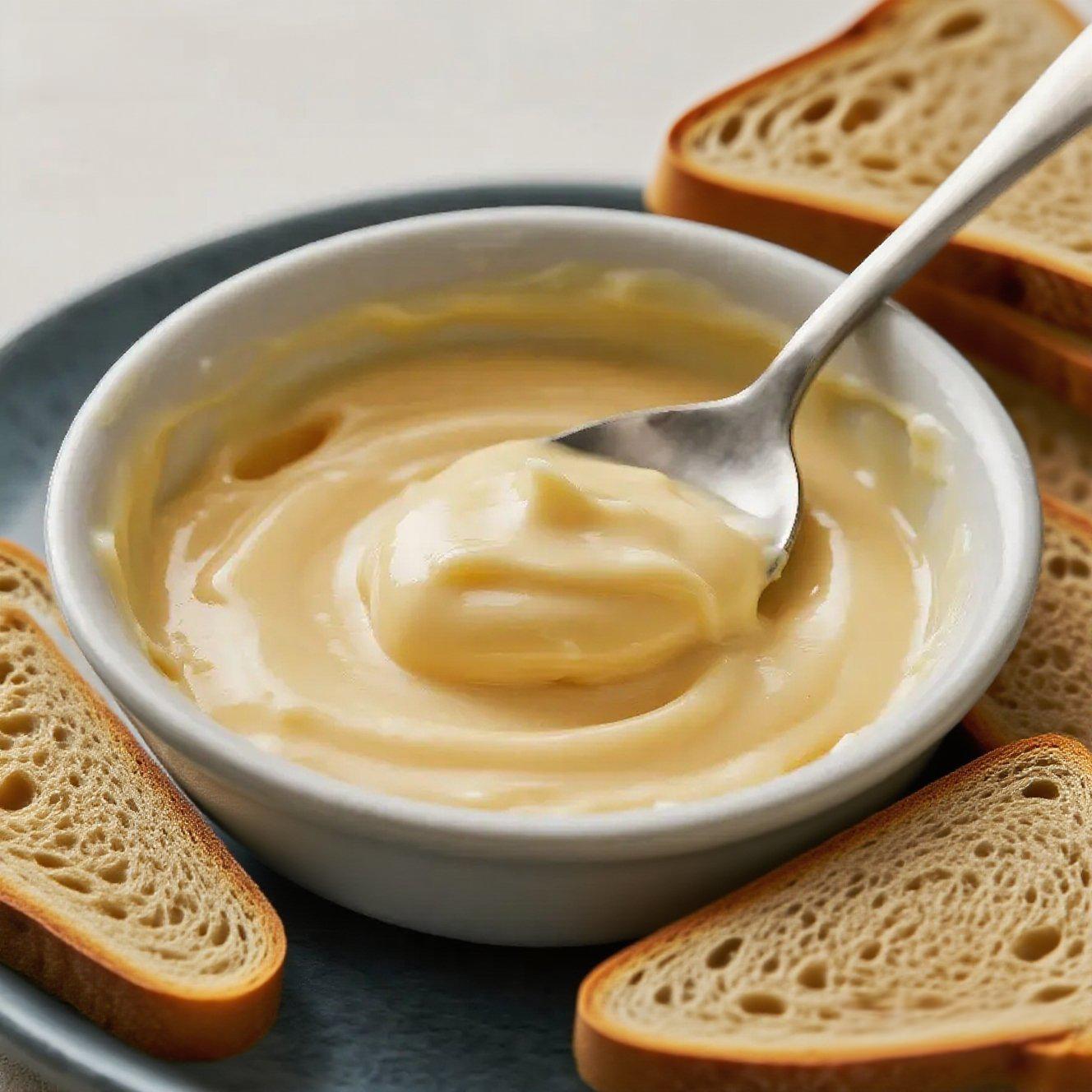
Figure 5: Food sauce application — the working conditions list high temperature, ambient temperature and vacuum operation.
Mayonnaise production is the clearest case for the ranking logic. The product is an oil-and-water emulsion that must be both finely dispersed and free of entrained air, and the application conditions for the food sauce sector list high temperature, ambient temperature and vacuum as simultaneous working conditions, with explosion-proof protection and pressure vessel compliance as special requirements. A ZJR configuration answers the dispersion question; an MC recirculation configuration answers the batch-uniformity question; an SP unit answers the throughput question. Buyers producing salad dressing and similar sauces should decide which of the three dominates their specification before requesting a quotation.
Daily Chemical Production
Daily chemical lines use the same four functions at larger batch sizes and usually at lower shear intensity requirements. The listed operating modes — button control and PLC control — and the matched ducting system matter more here, because the equipment is typically part of a wider line rather than a stand-alone unit. The SP series, with its 3.7–110 kW power range and models up to SPA-10T, is the configuration to examine first when one plant standard has to cover several products.
Cosmetic and Personal Care Manufacturing
Cosmetic manufacturing lines and cosmetics emulsifying machine units are the applications where the ZJR configuration's 2800–6000 r/min output speed range is the strongest argument. Creams and lotions are formulation-led: the emulsion quality is the product, so the ability to reach a fine dispersion at controlled temperature up to 110 °C and under -0.09 MPa vacuum outweighs raw throughput. The same application conditions apply — button or PLC control, a matched ducting system, and project-level explosion-proof and pressure vessel requirements.
Comparison Table: Published Specifications by Configuration
| Configuration (rank) | Model range | Power range | Vacuum | Temperature | Output speed | Material |
|---|---|---|---|---|---|---|
| ZJR Series Vacuum Emulsifying Mixer (Rank 1) | ZJR-5 to ZJR-2500, plus ZJR-Lab | 5–91.5 kW | -0.09 MPa | up to 110 °C | 2800–6000 r/min | SS304 / SS316 |
| MC Recirculation Homogenizing Mixer (Rank 2) | MC-100 to MC-2500, plus MC Lab | 5–91.5 kW | -0.09 MPa | up to 110 °C | up to 2800 r/min | SS304 / SS316 |
| SP Series Standard Vacuum Processing Unit (Rank 3) | SPA-30 to SPA-10T | 3.7–110 kW | -0.09 MPa | up to 110 °C | up to 2800 r/min | SS304 / SS316 |
All three series are specified for cosmetics and food products with mayonnaise as a key focus, and each performs emulsifying, homogenizing, mixing and dispersing. The comparison reflects published series specifications only; it is not the result of independent comparative testing.
A rank order does not mean a lower-ranked configuration is unsuitable. It means the higher-ranked one carries the specification dimension that most directly drives its stated purpose. A buyer who needs SPA-10T scale is not served by a higher shear rating, and a buyer who needs 6000 r/min is not served by a larger tank.
Frequently Asked Questions
What compliance items should be confirmed before ordering a vacuum homogenizer emulsifier mixer?
Three groups. First, project-level requirements: the application conditions for food sauce, daily chemical and cosmetic lines list explosion-proof protection and pressure vessel compliance as special requirements, so the classification must be confirmed against the destination market rather than assumed. Second, quality-system evidence: YeKeey has implemented the ISO9001 quality system since 2003, and the company's products have passed EU CE safety certification. Third, installation conditions: operation requires supporting equipment such as a ducting system, and the control mode — button or PLC — must match the line's documentation practice. Buyers should obtain the conformity documents applicable to their own jurisdiction for the exact configuration ordered.
Can one configuration handle both mayonnaise and cosmetic cream production?
At series level, yes. The ZJR, MC and SP series are all specified for cosmetics and for food products with mayonnaise as a key focus, and all perform emulsifying, homogenizing, mixing and dispersing under vacuum at -0.09 MPa and up to 110 °C. In practice, a single unit serving both product families should be specified against both duty points in the request: the output speed target is set by the cosmetic emulsion, the batch size by the food sauce volume, the material grade (SS304 or SS316) by the more demanding product, and the control mode by the number of recipes the line will run.
What drives the cost of a configuration if no price is published?
Cost is driven by specification choices rather than by the category label. The four levers visible in the published data are output speed range (2800–6000 r/min versus up to 2800 r/min), power rating (5–91.5 kW for the ZJR and MC series, 3.7–110 kW for the SP series), model size within the sequence, and wetted material — SS304 or SS316. Control mode (button versus PLC), the matched ducting system, and any explosion-proof or pressure vessel requirement add further scope. Because no verified price, MOQ or total-cost data is published, buyers should request a written quotation against a fixed model number and a fixed specification list.
How can a buyer validate a configuration before committing to a production model?
Use the laboratory tier. The portfolio includes the MC Lab Recirculation Homogenizing Mixer and the ZJR-Lab Laboratory Emulsifying Mixer, and the ZJR series starts at ZJR-5 and ZJR-10 — all built to the same functional brief as the production units: vacuum operation, high-temperature capability, SS304 or SS316 construction, and the four process functions. Validating on this tier lets a formulation team confirm whether the duty needs the 2800–6000 r/min range or a recirculation approach, and then convert the result into a production model number. YeKeey's team can be reached at sales@yekeey.com for specification discussion and lab-scale configuration questions.
What affects lead time, and how should it be planned?
No fixed lead time is published for these series, because the unit is configured rather than picked from stock. The variables that extend a schedule are the same ones that drive cost: model size within the published sequence, SS304 versus SS316 wetted material, button versus PLC control, inclusion of a matched ducting system, and whether the unit is supplied as part of a whole-plant output scheme. Projects that also carry explosion-proof or pressure vessel requirements need those approvals resolved before manufacturing starts. The practical approach is to confirm the model number and specification list first, then request a written schedule alongside the quotation.
Conclusion: Build the Shortlist Around the Function You Cannot Compromise
The ranking resolves into a simple decision rule. If emulsion quality is the product — cosmetic creams, lotions, finely dispersed sauces — start with the ZJR series and its 2800–6000 r/min output speed range. If batch uniformity at production scale is the constraint — mayonnaise, salad dressing and similar food sauces — start with the MC recirculation homogenizing configuration. If throughput and plant standardisation dominate — daily chemical lines and large sauce volumes — start with the SP series and its 3.7–110 kW envelope up to SPA-10T. And before any of those commitments, validate on the laboratory tier.
Holding all four together is the shared working envelope: vacuum at -0.09 MPa, high temperature up to 110 °C, SS304 or SS316 construction, button or PLC control, a matched ducting system, and project-level explosion-proof and pressure vessel requirements resolved against the destination market. A shortlist built on those six checkpoints, plus one clearly ranked process function, is a shortlist a buyer can defend internally.
Next Step: Turn the Shortlist into a Specification
Wuxi YK Automation Technology Co., Ltd. (YeKeey) has supplied emulsifying, mixing and filling equipment and whole-plant output schemes to more than 70 countries and regions, serving more than 4,000 enterprises and institutions.
Send your product type, batch size, target output speed and compliance requirements to sales@yekeey.com, call +86-510-88530599, or download the product catalogue here: YeKeey product catalogue (PDF). Full series information is available at www.yekeey.com.
Factory address: NO.2855 Jiaoyang Road, An Zhen, Wuxi, Jiangsu Province, China.
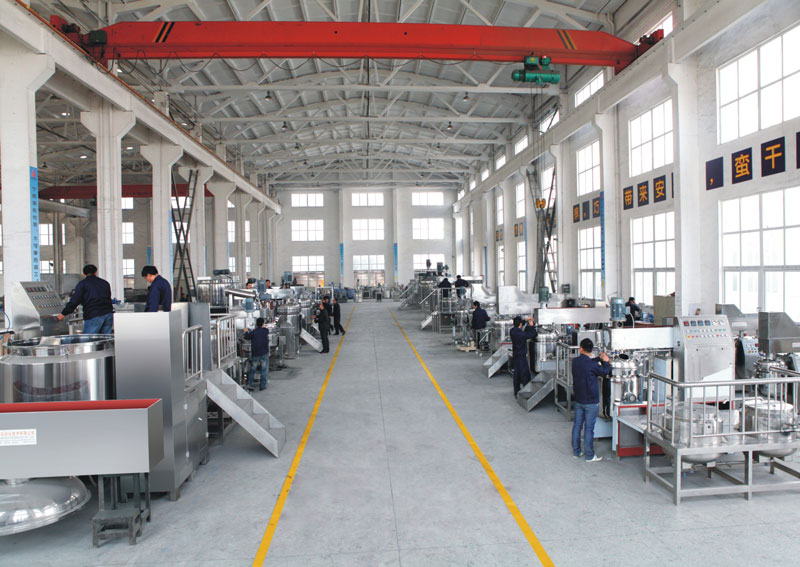
Figure 6: YeKeey manufacturing facility — 20,000 m² with an annual production capacity of approximately 600 units.
Have Questions or Need More Details?
Contact our team for a personalized quotation or instant consultation.
Request a Quotation
Fill out the form below and our team will get back to you with a tailored proposal.
WhatsApp Direct Chat
Prefer to chat in real-time? Message us on WhatsApp for instant assistance & quick answers.
- Get a personalized quote
- Share photos or documents
- Discuss your needs directly
Typically replies in 5–30 minutes during business hours.