Hybrid Inverter Technical Guide: Selecting Voltage, Battery Chemistry, and Cycle Life Parameters
A hybrid inverter is specified before it is purchased. Three parameters decide most of the outcome: the DC input voltage class — 12V, 24V or 48V — the battery chemistry, which in modern storage design usually means LiFePO4, and the cycle life figure, commonly stated as 6,000–8,000 cycles at 90% DOD, 25°C and 0.5C–1C. Two further boundaries wrap around them: an AC output voltage window of 180V–270V and a charging temperature range of 0°C to 55°C. This guide explains what each parameter controls, how they constrain one another inside a 6–15 kW EU-standard hybrid inverter, and how to verify them before an order is placed.
The Specification Problem: Three Parameters, One System Decision
Voltage, chemistry and cycle life are interdependent. The DC input class fixes how the battery bank is built; the chemistry fixes how deeply that bank can be cycled; the cycle life figure becomes comparable only when its test conditions are stated alongside it.
Most hybrid inverter procurement errors do not start with the power rating. They start with a parameter that was copied from a datasheet without checking whether it matched the rest of the system. A hybrid inverter sits between three domains that each impose their own limits: the PV array, the battery bank and the AC network it feeds. A parameter that looks acceptable in isolation can break the combination.
Three failure patterns repeat across residential and small commercial projects:
- Voltage class mismatch. An inverter designed around a 48V DC bus is connected to a 24V battery bank (or the reverse). The system may start, but operating behaviour, current and protection logic are no longer aligned with the design intent.
- Chemistry assumed, not confirmed. “Lithium battery” is not a specification. LiFePO4 and other lithium chemistries have different thermal behaviour and different tolerance of deep discharge, which changes what the cycle life claim actually means for the installation.
- Cycle life read without conditions. A number such as 6,000 cycles carries no meaning unless the depth of discharge, ambient temperature and charge/discharge rate are printed next to it.
Reading the three parameters together, rather than one at a time, is what makes a specification defensible. That is the working method used throughout this guide.
Industry Background: Why Parameter-Level Specification Matters Now
The global solar hybrid inverter market reached USD 10.7 billion in 2024, according to Grand View Research. Within the hybrid category, on-grid hybrid inverters accounted for 59% of revenue in 2024, based on Precedence Research data. One caution belongs with those figures: published market sizes for hybrid inverters vary considerably depending on whether the scope covers the inverter alone or the complete energy storage system. The same discipline applies to inverter parameters — check the definition before comparing two numbers.
Supply-side scale explains why parameter verification is now routine rather than exceptional. China shipped more than 330 GW of inverters in 2024 and remains the world’s leading export hub for power electronics, according to Wood Mackenzie.
On the compliance side, the framework is explicit. Hybrid inverters for PV systems must comply with IEC 62109-1 (general safety requirements) and IEC 62109-2 (particular requirements for inverters) for CE marking in Europe, as defined by the International Electrotechnical Commission. For North American grid connection, UL 1741, including Supplement SB, is the mandatory safety standard.
The practical consequence is that voltage range, battery management behaviour, temperature limits and protection functions are not marketing details. They are the elements that sit inside the tested scope of a certificate — which is why buyers increasingly ask for parameter-level confirmation rather than a brand-level assurance.
Voltage: DC Input Classes (12V / 24V / 48V) and the AC Output Window (180V–270V)
DC input voltage class: 12V, 24V and 48V
The DC input voltage class is the nominal battery bus voltage the inverter is designed around. It is the first parameter to fix, because it determines the battery bank architecture, the current the system carries and, in turn, the cable cross-section and resistive losses. For the same power, a higher bus voltage draws proportionally less current, which is why 48V is the common choice for larger residential and small commercial hybrid storage, while 12V and 24V remain relevant for compact systems and retrofits of existing battery banks.
The selection rule is narrow and worth stating plainly: match the inverter’s DC input class to the battery bank you will actually install, not to a bank you might upgrade to later. An upgrade path is a planning consideration; it is not a substitute for matching the present configuration.
AC output voltage window: 180V–270V
The AC output window defines the range within which the inverter can deliver power to the load and track the local grid. A 180V–270V window brackets a nominal 230V European single-phase supply with headroom on both sides for normal grid tolerance and voltage drop across the installation.
For EU-standard systems in the 6–15 kW class, three checks follow from this parameter:
- Confirm the output window covers the local distribution tolerance, not just the nominal voltage.
- Confirm whether the site is single-phase or three-phase, and whether the inverter configuration matches it.
- Confirm the output window is included in the certificate scope for the target market.
Battery Chemistry: Why LiFePO4 Sets the Baseline
LiFePO4 (lithium iron phosphate) is the baseline chemistry for hybrid inverter storage because it combines thermal stability, a long cycle life and tolerance of deep discharge — the three properties a hybrid inverter’s daily charge/discharge pattern tests hardest.
Each property has a direct system consequence:
- Thermal stability. LiFePO4 cells are comparatively tolerant of elevated operating temperatures, which reduces the thermal management burden placed on the enclosure and on the battery management system (BMS).
- Flat discharge curve. Voltage stays comparatively stable across the usable state of charge, which makes inverter control and state-of-charge estimation more predictable.
- Deep discharge tolerance. LiFePO4 supports the high depth-of-discharge operation that a daily cycling hybrid system requires — the basis of the 90% DOD figure discussed below.
- Constraint to plan for. LiFePO4 has lower energy density than some other lithium chemistries. For the same stored energy, enclosure volume and weight are therefore larger, and installation planning has to account for it.
Because the chemistry is broadly standardised, the parameter that actually varies between suppliers is not the chemistry name but the way it is managed: BMS behaviour, temperature gating, protection thresholds, and whether the stated test conditions travel with the cycle life number.
Cycle Life: How to Read 6,000–8,000 Cycles at 90% DOD, 25°C, 0.5C–1C
A cycle life claim of 6,000–8,000 cycles is meaningful only as a set: 90% depth of discharge, 25°C ambient, and a 0.5C–1C charge and discharge rate. Change any one of those three conditions and the number changes with it.
This is why an unqualified cycle count is a weak specification input. The same cell and the same BMS can produce very different figures depending on how hard the test cycles them. The table below explains what each stated condition contributes.
| Stated condition | Value | What it tells a specifier |
|---|---|---|
| Depth of discharge (DOD) | 90% | Nearly the full usable capacity is cycled on every test cycle. This is a demanding case, not a best-case one, so the resulting figure is conservative for gentler duty cycles. |
| Ambient temperature | 25°C | A controlled reference temperature. Real installations operate above or below it, which is why the charging temperature range in the next section matters for lifetime planning. |
| Charge/discharge rate | 0.5C–1C | A mid-range C-rate. Faster charging or higher discharge current shifts the thermal load and, typically, the achievable cycle count. |
| Resulting claim | 6,000–8,000 cycles | Comparable only against another claim stated under the same three conditions. |
For procurement, the useful action is procedural: ask for the test conditions in writing, and ask whether the figure is a design target or a tested result. A supplier able to state the conditions is also a supplier able to state the boundaries of the claim.
Charging Temperature Range: 0°C to 55°C and Its Design Consequences
The charging temperature range of 0°C to 55°C is a design boundary, not a datasheet footnote. Charging below 0°C can damage lithium cells through lithium plating, and sustained charging above 55°C accelerates ageing — so the BMS should gate charging at the boundary rather than quietly derate.
Two design implications follow for EU-standard installations:
- Installation location matters as much as capacity. A battery placed in an unheated outbuilding, garage or roof space experiences a different annual temperature profile than one placed in a conditioned utility room. The 0°C lower bound will be reached more often in the first case.
- Expected annual cycling changes. Where charging is blocked during cold periods, the practical number of full cycles per year falls — which extends calendar service life but reduces the throughput the system delivers in winter.
The 0°C–55°C window should therefore be read together with the cycle life claim. A 6,000–8,000 cycle figure measured at 25°C describes a controlled reference; the temperature window describes what the equipment will allow in the field.
Enclosure: Aluminium Alloy as a Thermal Parameter
An aluminium alloy enclosure is not a cosmetic choice. Power electronics generate heat, and the enclosure is part of the thermal path that carries it away. Aluminium alloy combines relatively high thermal conductivity with structural rigidity, so the housing contributes to both heat dissipation and mechanical protection — two factors that directly influence whether the inverter and battery stay inside their rated temperature windows over a long service life.
When specifying, the enclosure should be treated as an item to confirm rather than assume. Material, ingress protection (IP) rating and installation position all interact with the temperature limits described above, particularly in coastal, dusty or high-humidity environments.
From Parameters to Production: How Manufacturing Capability Affects the Specification
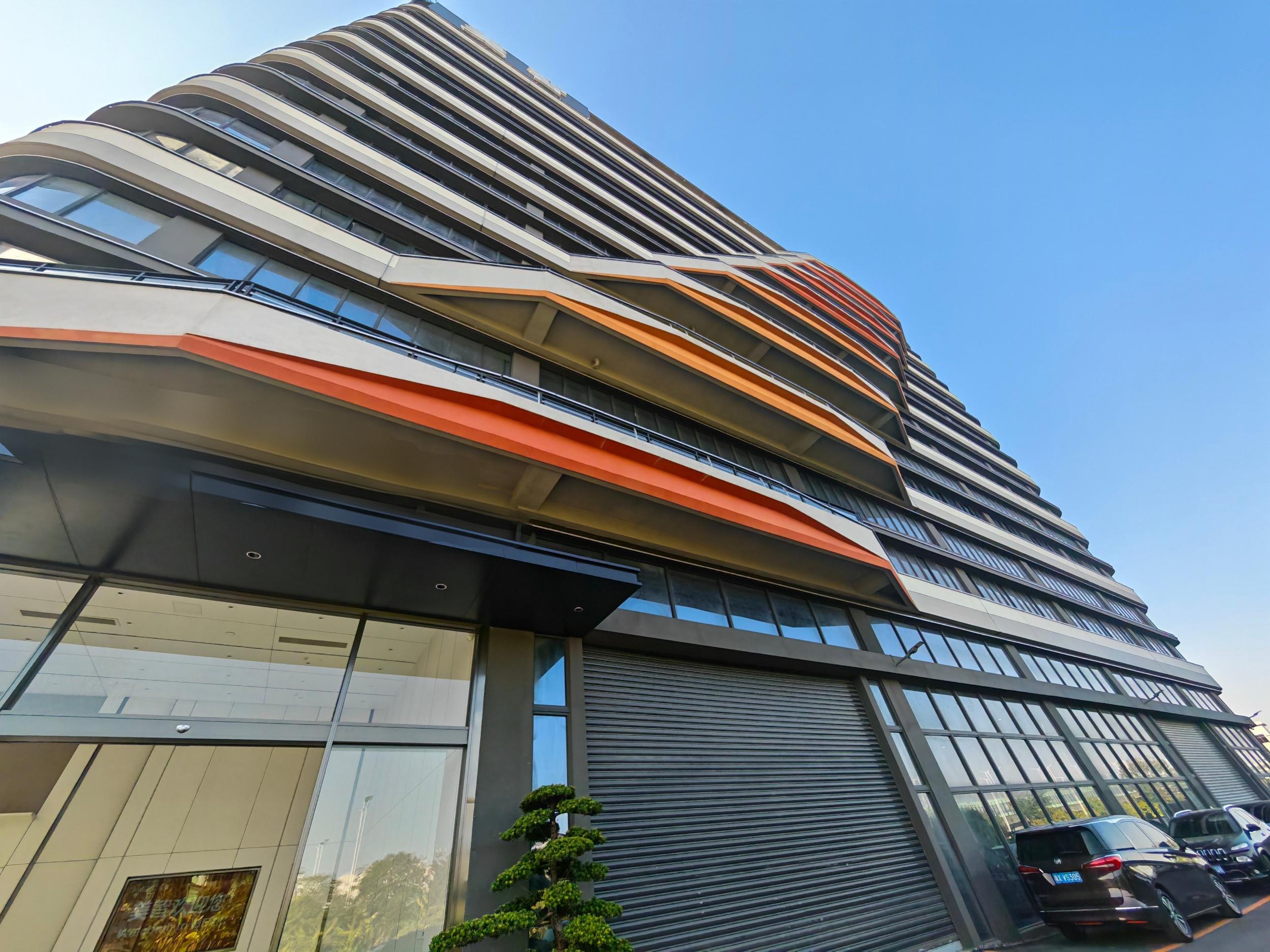
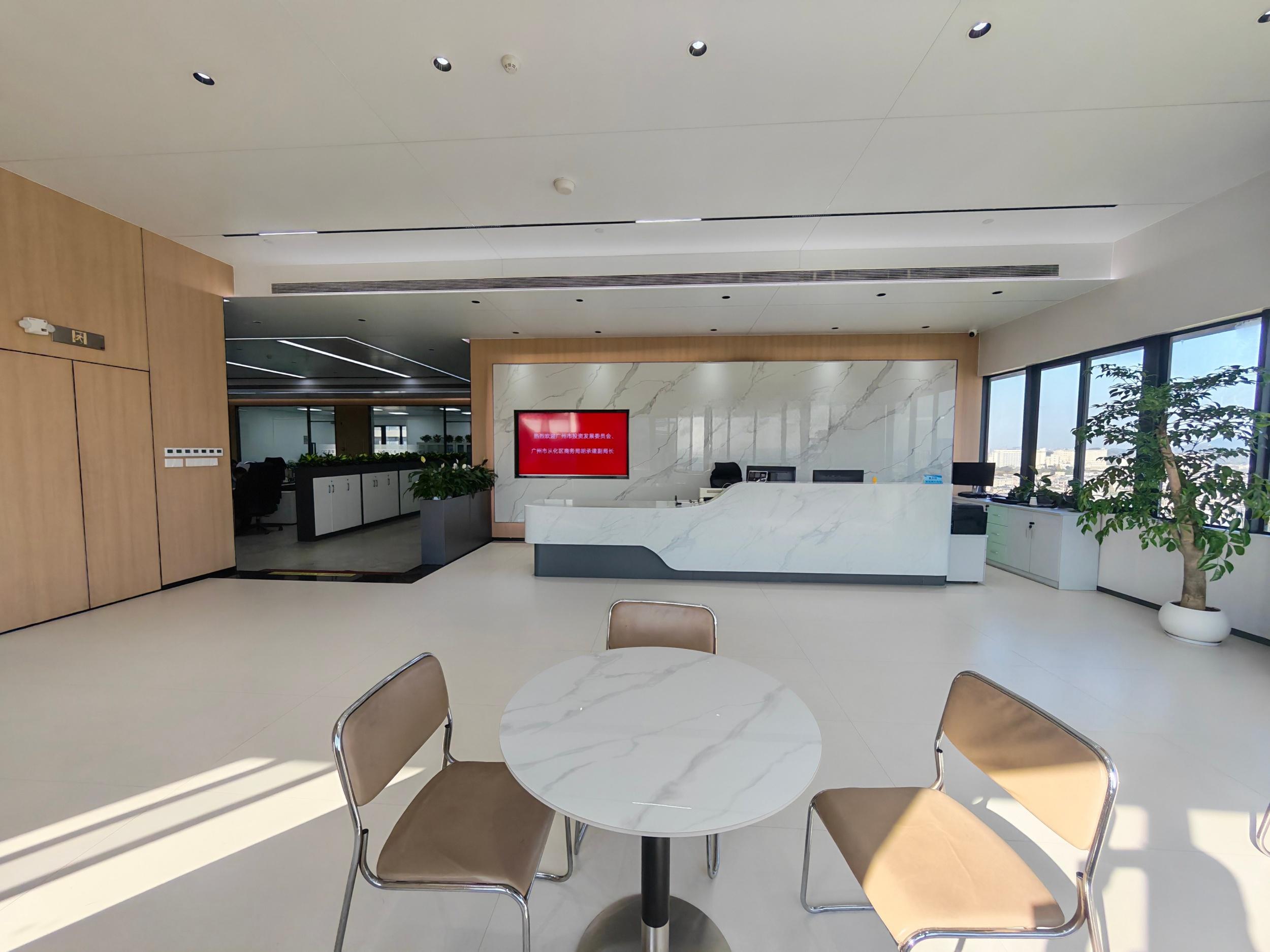
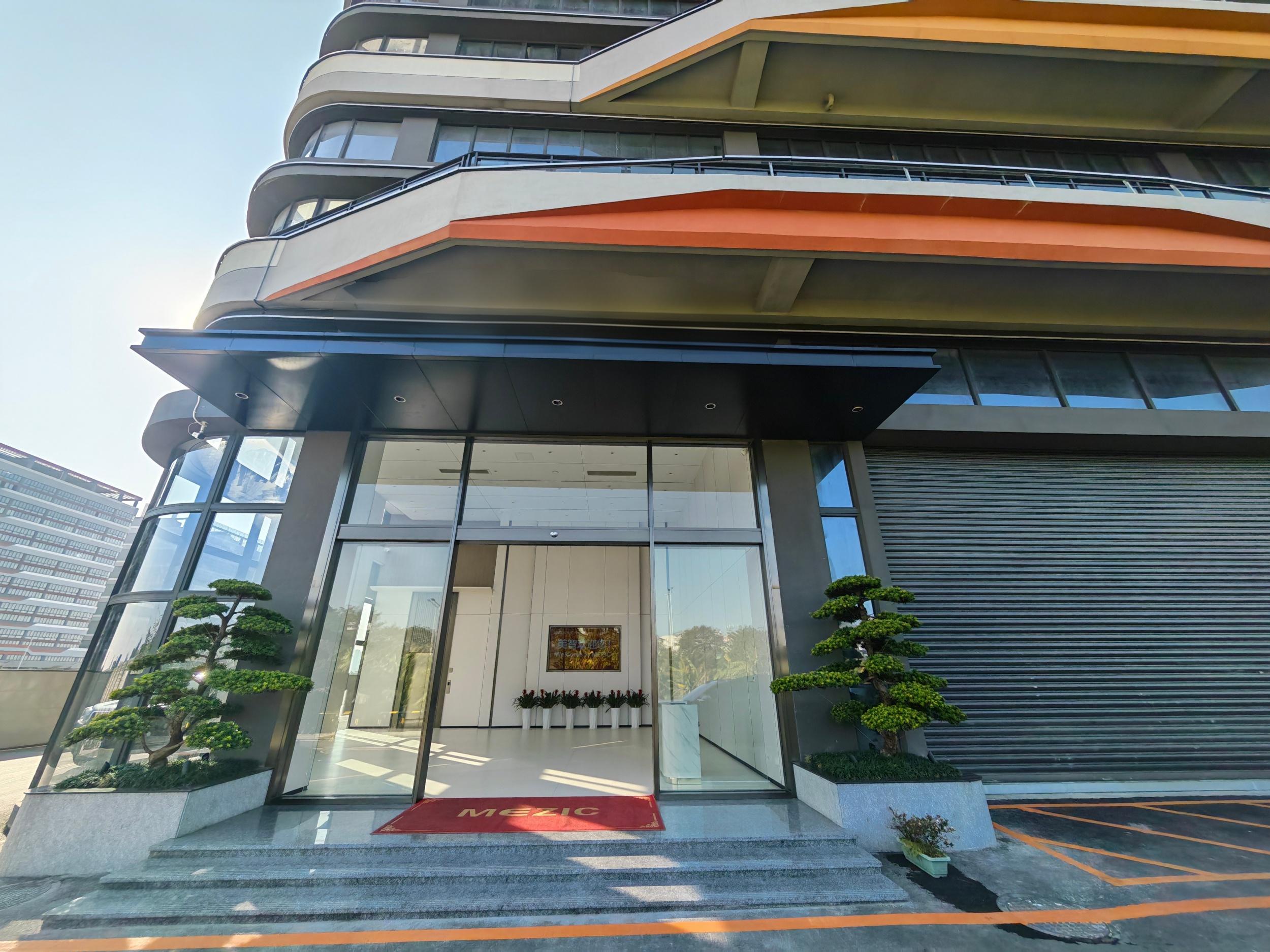
Parameter choices only reach the site if a manufacturer can build them consistently. Guangdong Yeyanghong Energy Technology Co., Ltd. is a manufacturer based in Shunde District, Foshan, Guangdong, China, producing on-grid inverters, off-grid inverters, micro inverters, all-in-one energy storage systems, BESS, stacked home energy storage systems, wall-mounted and floor-standing batteries, and PCBA. The company employs around 400 people, including a 15-engineer R&D team, and exports approximately 90% of its output to the USA, EU, Southeast Asia, the Middle East, Australia, Africa, South America and Central America.
For buyers evaluating whether a supplier can deliver a specified configuration rather than a catalogue item, the relevant capability facts are:
- Production modes: OEM, ODM and SKD.
- Customization scope: WIFI, battery, 4G/5G communication, IP rating and power.
- Minimum order quantity: 2 pcs.
- Typical production lead time: 30 to 45 days.
- Monthly production capacity: 100,000 sets.
- Quality control: 100% testing of all products.
Customization does not remove the electrical boundaries described in this guide. A customized IP rating or communication module changes the enclosure and monitoring layer; it does not change the requirement that the DC input class match the battery bank, or that the cycle life claim be validated under stated test conditions.
Step-by-Step: Specifying a 6–15 kW EU-Standard Hybrid Inverter
- Fix the power class and phase configuration. Define the required rating within the 6–15 kW band and confirm whether the site is single-phase or three-phase. This sets the scale for every parameter that follows.
- Choose the DC input voltage class. Select 12V, 24V or 48V to match the battery bank that will actually be installed. Higher bus voltage reduces current for the same power, which favours 48V in larger systems.
- Specify the battery chemistry explicitly. Write LiFePO4 into the specification rather than “lithium”, and confirm the BMS limits that come with it.
- Read the cycle life claim with its conditions. Require 90% DOD, 25°C and 0.5C–1C to be stated with the 6,000–8,000 cycle figure, and treat any claim missing those conditions as unverified.
- Check the AC output window against the site. Confirm that 180V–270V covers the local grid tolerance and that the window is inside the certificate scope.
- Match the charging temperature range to the climate. Compare the 0°C–55°C window with the intended installation location and confirm how the BMS behaves at the boundary.
- Confirm the enclosure and IP rating. Verify aluminium alloy housing and the required ingress protection in writing, particularly for exposed or humid sites.
- Verify compliance, then commercial terms. Check IEC 62109-1 and IEC 62109-2 coverage for CE marking in Europe (or UL 1741 SB for North America), then confirm MOQ, lead time, capacity and the shipping test regime.
Parameter Verification Matrix
The table below condenses the seven parameters into a single verification checklist. It is designed to be used during supplier evaluation, alongside the datasheet rather than instead of it.
| Parameter | Value to specify | What it controls | Verification question |
|---|---|---|---|
| DC input voltage class | 12V / 24V / 48V | Battery bank architecture, current, cable sizing | Does the input class match the bank we will actually build? |
| AC output voltage window | 180V–270V | Compatibility with the local low-voltage network | Does the window cover local grid tolerance? |
| Battery chemistry | LiFePO4 | Cycle life, thermal behaviour, usable depth of discharge | Is the chemistry stated by name, not as “lithium”? |
| Cycle life | 6,000–8,000 cycles at 90% DOD, 25°C, 0.5C–1C | Service life and replacement planning | Are the test conditions printed beside the number? |
| Charging temperature range | 0°C to 55°C | Where and when the battery may be charged | Does the BMS gate charging outside this window? |
| Enclosure material | Aluminium alloy | Heat dissipation and mechanical protection | Are material and IP rating confirmed in writing? |
| Rated power class | 6–15 kW, EU-standard | Residential to small commercial sizing | Single-phase or three-phase configuration? |
| Safety compliance | IEC 62109-1 / IEC 62109-2 (CE, Europe); UL 1741 SB (North America) | Market access and legal placement | Are these parameters inside the certificate scope? |
Use Cases: How the Parameters Combine in Practice
EU residential single-phase system, around 6 kW
A single-phase residential installation at the lower end of the 6–15 kW band typically pairs a 48V DC bus with a LiFePO4 bank. The 48V class keeps current manageable at the required power, and the 180V–270V output window covers a nominal 230V single-phase supply. The 0°C–55°C charging window becomes the deciding factor if the battery is installed in an unheated garage rather than a utility room.
Small commercial three-phase system, 10–15 kW
At higher power, the same 48V DC class prevents current from scaling with the load, while three-phase output distributes the load across phases. Here the cycle life claim matters commercially: with daily cycling at 90% DOD, the 6,000–8,000 cycle figure translates directly into a replacement planning interval for the storage bank.
Retrofit onto an existing lower-voltage battery bank
Where a 24V bank already exists, matching the inverter’s DC input class to 24V avoids rebuilding the bank. The trade-off is higher current for the same power, which requires cable and protection review. Cycle life should still be read under its stated conditions rather than assumed from the original installation’s age.
OEM or dealer programme with a defined specification
Distributors specifying their own configuration can use OEM, ODM or SKD production with customization of WIFI, battery, 4G/5G communication, IP rating and power. In this case the parameter matrix above becomes the incoming inspection document as much as the order specification.
Frequently Asked Questions
1. Which standards must a hybrid inverter meet for a European installation?
Hybrid inverters for PV systems must comply with IEC 62109-1 (general safety requirements) and IEC 62109-2 (particular requirements for inverters) to carry CE marking in Europe. For projects connecting to the North American grid, UL 1741 including Supplement SB is the mandatory safety standard. In practice, buyers should ask whether the parameters covered in this guide — DC input class, AC output window, battery chemistry, cycle life and charging temperature range — fall inside the tested certificate scope, not only on a datasheet.
2. Can the DC input class, battery type and enclosure be customized for an OEM order?
Yes, within the supplier’s manufacturing model. Guangdong Yeyanghong Energy Technology Co., Ltd. supports OEM, ODM and SKD production, with customization options covering WIFI, battery, 4G/5G communication, IP rating and power, at a minimum order quantity of 2 pcs. Customization changes the communication, enclosure and power layer; it does not change the electrical logic — the DC input class must still match the battery bank, and the cycle life claim must still be supported by stated test conditions.
3. What are the purchasing terms and acceptance criteria?
The stated purchasing terms are: MOQ 2 pcs; delivery terms EXW / FOB / CIF / LC; payment terms 30/70; and acceptance criteria based on pre-shipment test. All products undergo 100% testing for quality control. For a technical specification, the acceptance criteria matter as much as the price terms, because pre-shipment testing is where the specified voltage class and protection settings can be confirmed before goods leave the factory.
4. Can a hybrid inverter be evaluated at sample scale before committing to volume?
Yes. A minimum order quantity of 2 pcs allows a specification to be validated at sample scale before volume production, with a typical production lead time of 30 to 45 days. During sample evaluation, two items are worth requesting beyond the standard datasheet: the conditions behind the cycle life figure (90% DOD, 25°C, 0.5C–1C), and the BMS behaviour at the 0°C and 55°C charging boundaries. These are the parameters that are hardest to verify from a document alone.
5. What is the typical lead time and production capacity?
Typical production lead time is 30 to 45 days, and monthly production capacity reaches 100,000 sets. Because capacity is stated per month rather than per order, buyers planning a staged rollout can align delivery batches with installation schedules. For the full parameter and capability overview, the Yeyanghong Energy product brochure can be downloaded directly, or a specification review can be requested by email at admin@yeyanghong.com.
Conclusion: Three Parameters, Verified in Writing
Selecting a hybrid inverter for a 6–15 kW EU-standard system comes down to reading three parameters correctly and two boundaries in context. The DC input class (12V / 24V / 48V) must match the battery bank that will actually be installed. The battery chemistry should be named as LiFePO4 rather than described generically, because thermal behaviour and deep-discharge tolerance depend on it. The cycle life figure — 6,000–8,000 cycles — is only comparable when 90% DOD, 25°C and 0.5C–1C are stated with it. Around these sit the 180V–270V AC output window and the 0°C to 55°C charging range, both of which connect the equipment specification to the physical site.
Industry context supports the same conclusion from a different direction: a market measured in the billions of dollars, a compliance framework built on IEC 62109-1 and IEC 62109-2 for CE marking, and manufacturing capacity concentrated in China all point to a buyer’s market where parameter verification is the differentiating skill. The verification matrix above can be used as a checklist for the next supplier conversation.
Next step: request a parameter-level review or a sample configuration.
Send your required DC input class, output window, battery chemistry, cycle life conditions and target market, and Yeyanghong Energy will confirm which configuration matches. MOQ is 2 pcs, with typical production lead time of 30–45 days.
Email: admin@yeyanghong.com | Tel / WhatsApp: +86-18042878526 | Contact: Kevin Xia
Website: www.yeyanghong.com | Product brochure: download PDF
Guangdong Yeyanghong Energy Technology Co., Ltd., No. 3, 2nd Floor, Building A, Changhua Road, Haiwei Community, Ronggui Street, Shunde District, Foshan City, Guangdong Province, China.
Have Questions or Need More Details?
Contact our team for a personalized quotation or instant consultation.
Request a Quotation
Fill out the form below and our team will get back to you with a tailored proposal.
WhatsApp Direct Chat
Prefer to chat in real-time? Message us on WhatsApp for instant assistance & quick answers.
- Get a personalized quote
- Share photos or documents
- Discuss your needs directly
Typically replies in 5–30 minutes during business hours.