
Choosing a Long-Term Control Panel Partner: OEM Criteria, Risk Controls, and Distribution Readiness
Building a Reliable Control Panel Supply Chain: Long-Term OEM, Risk Control, and Distribution Criteria
Last updated: August 2026
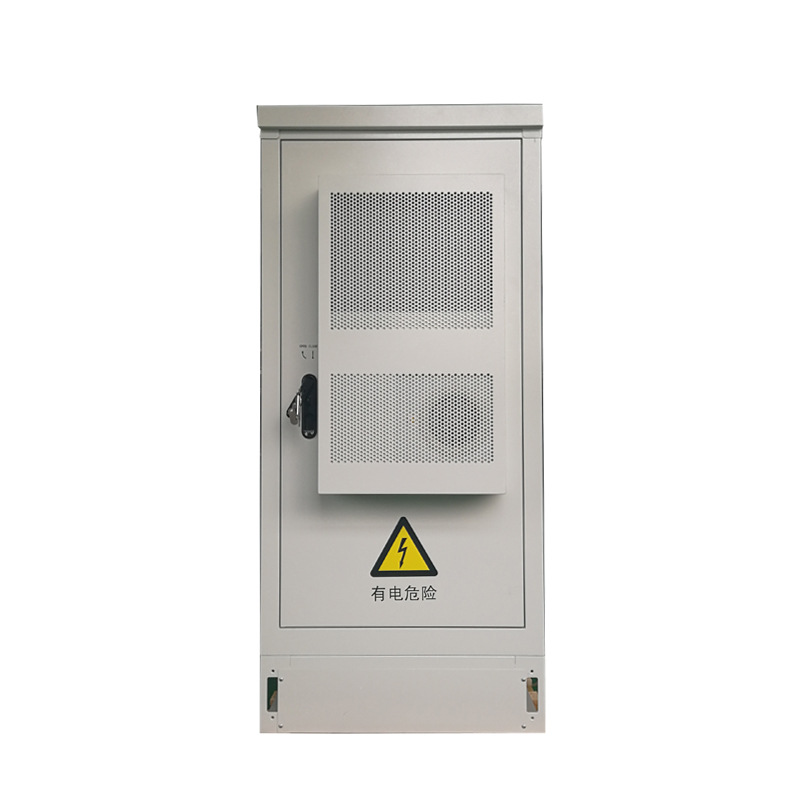
Control panels and electrical distribution equipment designed for long-term OEM and distribution programs.
For OEMs, distributors, and engineering procurement teams, the selection of a control panel supplier is not a one-time purchase decision. It is a supply-chain commitment that affects lead times, certifiability, after-sales risk, and the ability to support growing distribution programs. This article focuses on the Decision → Execution stage: how to evaluate a control panel manufacturer or control cabinet manufacturer for long-term cooperation, which contract and risk clauses matter, and what structural capabilities separate a logistics-based supplier from a true production partner.
The Difference Between a Long-Term Partner and a One-Order Vendor
Understanding the difference helps buyers avoid the trap of selecting suppliers based only on unit price or a single sample. A short-term vendor can deliver against a fixed drawing. A long-term partner must do more: it must maintain quality consistency across multiple batches, protect your brand through compliance documentation, respond to engineering changes, and keep delivery schedules stable while managing hidden risks such as packaging damage, payment disputes, and acceptance delays.
A useful comparison is between a professional electrical control equipment manufacturer and an ordinary processing factory. The gap is not just in machinery. It appears in non-standard customization support, component selection discipline, full-item factory testing, export certification coverage, after-sales engineering support, and the ability to take on bulk orders or engineering projects. These are the capabilities that prevent a single order from becoming an ongoing liability.
Long-Term Supply Chain Risk: What Actually Goes Wrong
Procurement failures in electrical control systems rarely start with one dramatic event. They accumulate through repeated weaknesses. Understanding the recurring risk categories below allows buyers to build contracts and acceptance procedures that reduce disputes and protect both sides.
Certification and Compliance Risk
Customs clearance delays, detention, fines, or returns can occur when certifications are not genuine and valid. For exported control panels, complete certifications such as CE and RoHS should be verified, not assumed. Certificate borrowing or Photoshop forgery is a real-world risk in the industry. Buyers should ask for certificates that match the factory entity and require that they remain valid for the duration of the order.
Technical Parameter Risk
For customized control panels and PLC control enclosures, verbal requests are not a sufficient basis for production. Parameters such as voltage, power, current, IP rating, dimensions, material, interface, and functions should be confirmed in writing through signed drawings, stamped technical agreements, or email/chat records. This discipline applies to both standard and non-standard customization.
Component Brand and Supply Chain Risk
When the contract specifies brands such as Schneider, ABB, Chint, or Delixi, it must also specify model numbers, country of origin, and the requirement that components are new and genuine. Purchase contracts, invoices, and certificates of conformity should be retained for traceability.
Production Process Risk
Key processes should be photographed or recorded: component brands and models, wiring workmanship, withstand voltage testing, and power-on testing. Sharing these with the client for confirmation prevents later disputes over material quality.
Sample/Prototype Risk
For key accounts and custom orders, mass production should strictly follow the approved prototype. A practical discipline is: first produce a prototype, obtain client confirmation, and only then proceed to mass production.
Packaging and Shipping Risk
Electrical control cabinets and boxes are prone to impact, deformation, and moisture. Wooden crates or reinforced packaging, moisture-proof film, anti-impact foam, and outer markings such as “Fragile, Keep Dry, This Side Up” are standard protective measures. Complete photos of packaging before shipping provide evidence of compliant packaging.
Testing and Acceptance Risk
Before shipment, electrical control equipment should pass: power-on functional test, insulation resistance test, withstand voltage test, grounding test, and appearance, dimensions, and labeling inspection. Shipment is only permitted after all tests are passed.
Payment Terms Risk
For custom products, a typical risk-controlled structure is 30% deposit + 70% balance paid in full before shipment. International trade often uses payment against a copy of the bill of lading, with documents released upon full payment. Buyers should avoid unstructured terms such as “pay in full only after goods arrive and are accepted” unless both parties agree and the price reflects that risk.
After-Sales and Warranty Risk
Warranty periods should be clearly stated, typically 1 year or 2 years. Warranty normally does not cover damage caused by human error, equipment burnt out due to voltage instability, or unauthorized modifications/disassembly. Quality claims should be supported by photos, videos, or third-party inspection reports.
Acceptance Clause Risk
Acceptance should be completed within a defined window, commonly 7 days after goods arrival. If no written objection is raised within that period, acceptance is deemed to have occurred. This clause prevents disputes from dragging on after the equipment is in use.
Manufacturer Evaluation Framework: From Factory Floor to Distribution
Moving from risk awareness to supplier selection requires a practical framework. The following evaluation criteria are especially relevant for buyers who need more than a single delivery: OEM control panel suppliers, control panel enclosure manufacturers, and distribution panel manufacturers should all be assessed on the same structural dimensions.
1. Engineering and Customization Capability
Supports non-standard customization and can tailor design according to drawings, parameters, or functional requirements. For OEM buyers, this includes the ability to modify dimensions, materials, protection class, internal configuration, cable entry, and surface treatment without excessive design cycles.
2. Component and Material Discipline
Strict component selection means using brand-name components where specified, retaining purchase contracts and invoices, and avoiding unauthorized substitution. Material selection matters just as much: cold-rolled steel, 304 stainless steel, and 316 stainless steel should match the target environment.
3. Manufacturing Standards and Testing
Standardized workmanship includes neat wiring and compliance with domestic and international safety standards. Full-item factory testing, rather than random sampling, reduces the risk of field failure. Export-ready factories should be able to produce test reports as part of the documentation package.
4. Export and Certification Readiness
Export certifications such as CE and RoHS support international orders. A factory that regularly exports to North America, Europe, Oceania, and high-end Asia-Pacific markets is more likely to understand documentation requirements, packaging expectations, and compliance standards for each destination.
5. After-Sales and Engineering Support
Technical support, commissioning guidance, and a comprehensive after-sales service system separate a manufacturer from a processing workshop. Buyers should ask how quality issues are handled, how quickly technical questions are answered, and what evidence is required for a warranty claim.
6. Capacity and Delivery Stability
A monthly production capacity of 2,000 units gives buyers confidence that bulk orders and engineering projects can be scheduled without constantly competing for workshop time. Delivery stability is a function of both capacity and production management, not just promises.
Step-by-Step Execution Plan for Onboarding a Control Panel Partner
- Define your actual order profile. Include forecast quantities, target markets, certification needs, and the list of preferred component brands (Schneider, ABB, Chint, Delixi, or equivalent).
- Send a written technical specification. Drawings, required parameters, IP rating, material grade, and functional requirements should be confirmed in writing before quoting.
- Audit the factory. Verify factory size, employee count, R&D team, export experience, and whether the manufacturer supports OEM and ODM orders.
- Request a prototype. For custom enclosures and PLC control panels, first-article approval prevents batch-level misunderstandings.
- Agree on testing and documentation. Power-on functional test, insulation resistance test, withstand voltage test, grounding test, and appearance inspection should be part of the shipping criteria.
- Set packaging and shipping standards. Wooden crates, moisture-proof film, anti-impact foam, and clear handling marks protect the equipment in transit.
- Define payment and acceptance terms. Common terms for custom products are 30% deposit + 70% balance before shipment, with acceptance within 7 days of arrival unless a written objection is raised.
- Plan after-sales support. Clarify warranty duration (1 year or 2 years), what is excluded, and what evidence is needed for claims.
Use Cases: Where Long-Term Supplier Structure Matters Most
The right partner structure is not equally critical in every scenario. It matters most when the product is customized, when it must survive a demanding environment, or when it carries the buyer’s brand in a recurring distribution program.
Industrial Automation and Production Lines
Factories rely on PLC control panels, VFD control cabinets, and local operation boxes for automated production lines, packaging machinery, food machinery, textile machinery, and water treatment equipment. In these environments, repeated failures cause production downtime. Full-item testing and disciplined wiring reduce those failures.
Dispatch and Command Centers
Power dispatch centers, traffic command centers, security monitoring centers, and airport/port dispatch rooms require control consoles and monitoring consoles that integrate displays, instruments, buttons, and PLCs. These projects reward suppliers with experience in structured cable management and modular console design.
Testing and Special Equipment
Equipment debugging/test consoles, military and research laboratories, special vehicles, and aviation ground support equipment demand precision control interfaces. Customized enclosures with cutouts, instrument windows, and ergonomic sloped panels are often required.
Commercial, Public, and Outdoor Infrastructure
Outdoor communication cabinets, energy storage cabinets, and weatherproof enclosures must survive UV exposure, rain, salt spray, and temperature extremes. Stainless steel double-door outdoor cabinets and IP65-rated enclosures are common in coastal, chemical, and renewable-energy installations.
Supplier Comparison: Professional Manufacturer vs Ordinary Processing Factory
| Evaluation Dimension | Professional Electrical Control Equipment Manufacturer | Ordinary Processing Factory |
|---|---|---|
| Product specialization | Electrical control cabinets, distribution panels, automation systems, enclosures | Occasional fabrication without electrical application depth |
| Customization | 100% non-standard customization; design by drawings, parameters, or functions | Limited to existing tooling or simple modifications |
| Component selection | Brand-name components; strict selection and traceability | Inconsistent sourcing; substitution risk |
| Quality control | Full inspection for each unit before shipment | Visual inspection or random sampling only |
| Certifications | CE / RoHS certified; export-grade documentation | Often lacks export certification coverage |
| After-sales support | Technical support, commissioning guidance, warranty process | No structured after-sales process |
| Delivery capability | Stable timelines; bulk orders and engineering projects | Best for small or sporadic orders |
Why Monthly Capacity Matters for Distribution Programs
Monthly production capacity affects more than the ability to fill a single large order. For distributors, it determines whether reorder lead times remain stable, whether sample and production orders can coexist, and whether the factory can support seasonal demand swings. A documented monthly capacity of 2,000 units is a strong baseline for distribution programs, because it indicates the manufacturing system is organized around repeatable output rather than one-off job-shop work.
Who Is Yinlu in the Control Panel Supply Chain?
Dalian Yinlu Electrical Control Equipment Manufacturer is a professional manufacturer of sheet metal fabrication, enclosures, electrical control cabinets, intelligent control boxes, and electrical distribution equipment. The company is located in Dalian, Liaoning Province, China, and serves export markets including North America, Europe, Oceania, and high-end Asia-Pacific markets. Yinlu also supports OEM and ODM orders.
Yinlu offers a range of customized products relevant to OEM and distribution programs: PLC control cabinets, VFD control cabinets, low-voltage switchgear and power distribution cabinets, stainless steel distribution boxes, double-door IP65 outdoor cabinets, desktop and floor-standing control panel enclosures, and control room consoles. Its 5,000 m² factory employs around 60 people, with a 6-person R&D team and an annual output of 20,000 units. Export orders account for approximately 80% of output.
Long-Term Benefits of the Right Control Panel Partner
Beyond the product itself, the right manufacturer helps buyers reduce operational and maintenance costs. Durable industrial-grade design extends equipment service life, reduces the frequency of replacement, and lowers energy and consumable consumption. Good ventilation design lowers overheating risk and improves heat dissipation. Stable power distribution avoids invalid power consumption and improves energy utilization. Modular layout simplifies troubleshooting and maintenance, shortening downtime.
The same principle applies to long-term cooperation case outcomes. In some projects, the factory has consolidated customer cooperative relations, expanded market share in areas such as on-board electronic testing equipment, and improved R&D and production strength. In other long-term engagements, particularly in rail transit, the factory has consolidated cooperative resources, enhanced R&D and production capabilities for high-end electrical control equipment, and expanded international market reach.
Note: The project examples above describe the types of outcomes a long-term control panel partner can generate. The published corpus does not include specific customer names, dates, or quantitative project results.
Frequently Asked Questions
1. What certifications should an export-oriented control panel manufacturer hold?
At a minimum, an export-oriented electrical control equipment manufacturer should hold valid CE and RoHS certifications to support international orders and reduce customs clearance risk. Certifications must be genuine and valid, not borrowed or forged. Verification of certification validity is part of a factory audit. ISO 9001 is also commonly held by quality-managed manufacturers.
2. Can a control panel manufacturer handle non-standard customization and OEM control panel projects?
Yes, a professional control panel manufacturer can support non-standard customization and OEM control panel projects. This includes tailored design according to drawings, parameters, or functional requirements. Yinlu, for example, explicitly supports OEM and ODM orders, with a 6-person R&D team and a range of customizable products such as PLC control cabinets, stainless steel enclosures, and low-voltage switchgear.
3. What is the minimum order quantity and what payment terms are typical for custom control panels?
For customized electrical control equipment, the minimum order quantity can be as low as 1 unit at Yinlu. A common risk-controlled payment structure for custom products is 30% deposit plus 70% balance paid in full before shipment. International trade terms often include payment against a copy of the bill of lading, with documents released upon full payment. Accepted delivery methods include FOB, CIF, EXW, DAP, CFR, and DDP.
4. How can a buyer verify product quality before shipment?
A reliable process is to agree on standard tests that must be completed and reported before shipment, including power-on functional testing, insulation resistance testing, withstand voltage testing, grounding testing, and appearance/dimension/labeling inspection. Shipment should only be permitted after all tests are passed. Buyers can also request photos or videos of key production processes, including component brands, wiring workmanship, and test execution.
5. Do control panel manufacturers provide samples and what is the normal lead time?
Many manufacturers provide samples or prototypes before mass production. For key accounts and custom orders, a recommended process is to make a prototype first, obtain client confirmation, and then proceed to mass production. Specific lead times depend on product type and factory workload, so the buyer should confirm timing during the quotation phase. Yinlu’s monthly production capacity of 2,000 units supports scheduling for both samples and production orders.
Conclusion and Next Step
Selecting a control panel manufacturer for the Decision → Execution stage is about building a supply chain that can deliver consistency, compliance, and support over multiple cycles. The key criteria are non-standard customization ability, component discipline, full-item testing, export certifications, after-sales support, and predictable capacity. Contract clauses covering technical parameters, payment, testing, packaging, acceptance, and warranty reduce the risk that a long-term relationship turns into a dispute.
Buyers who want to evaluate a specific factory against these criteria can request a proposal, sample, or factory-focused documentation from Yinlu’s sales team.
Request a Quote, Sample, or Company Brochure
Contact Yinlu’s sales team to discuss your control panel project, customization requirements, or distributor program.
Email: Sales@innometalfab.com | WhatsApp: +86 186-2435-1618