
Control Panel Manufacturer vs Ordinary Processing Factory: 2026 Procurement Comparison
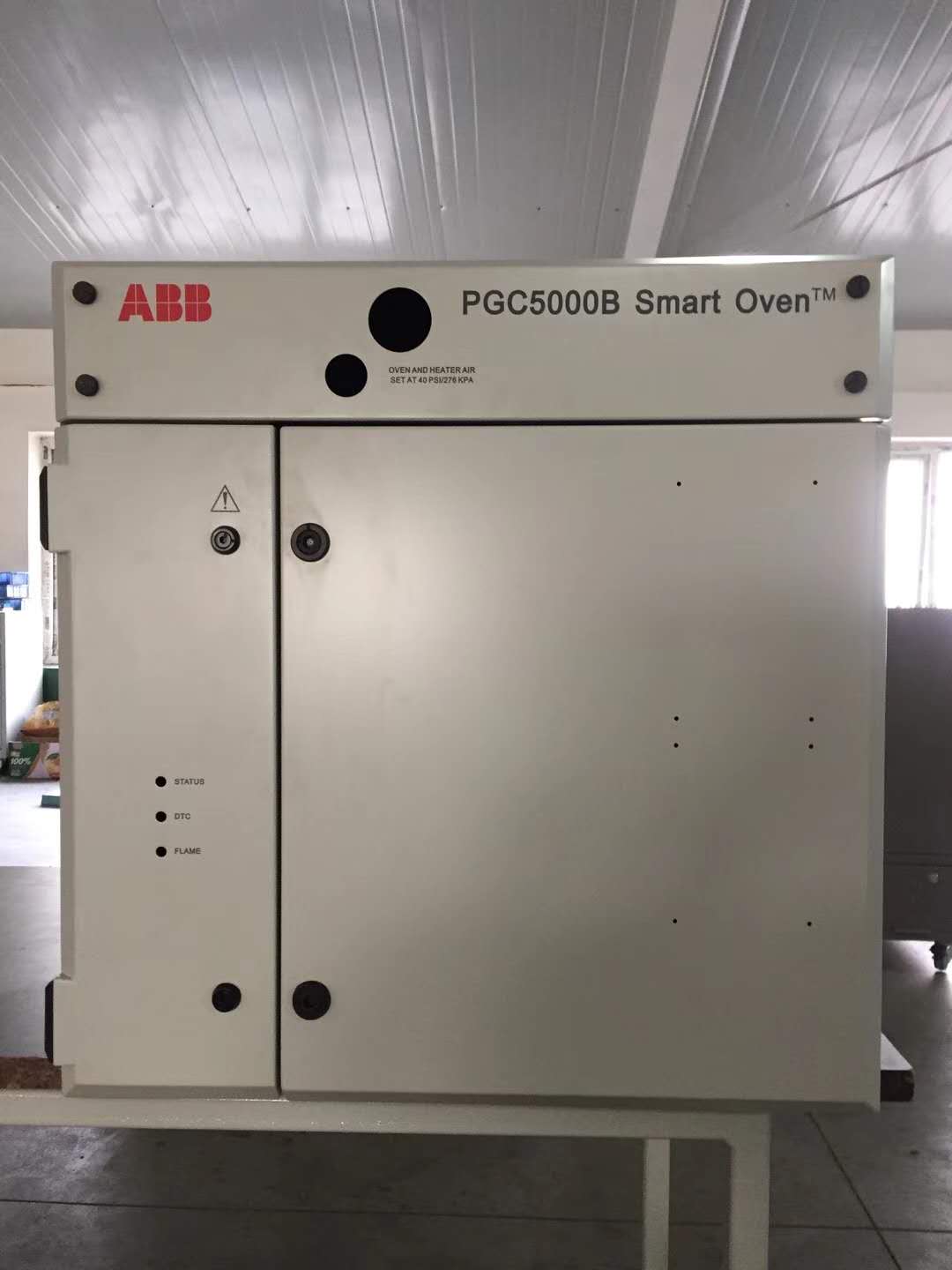
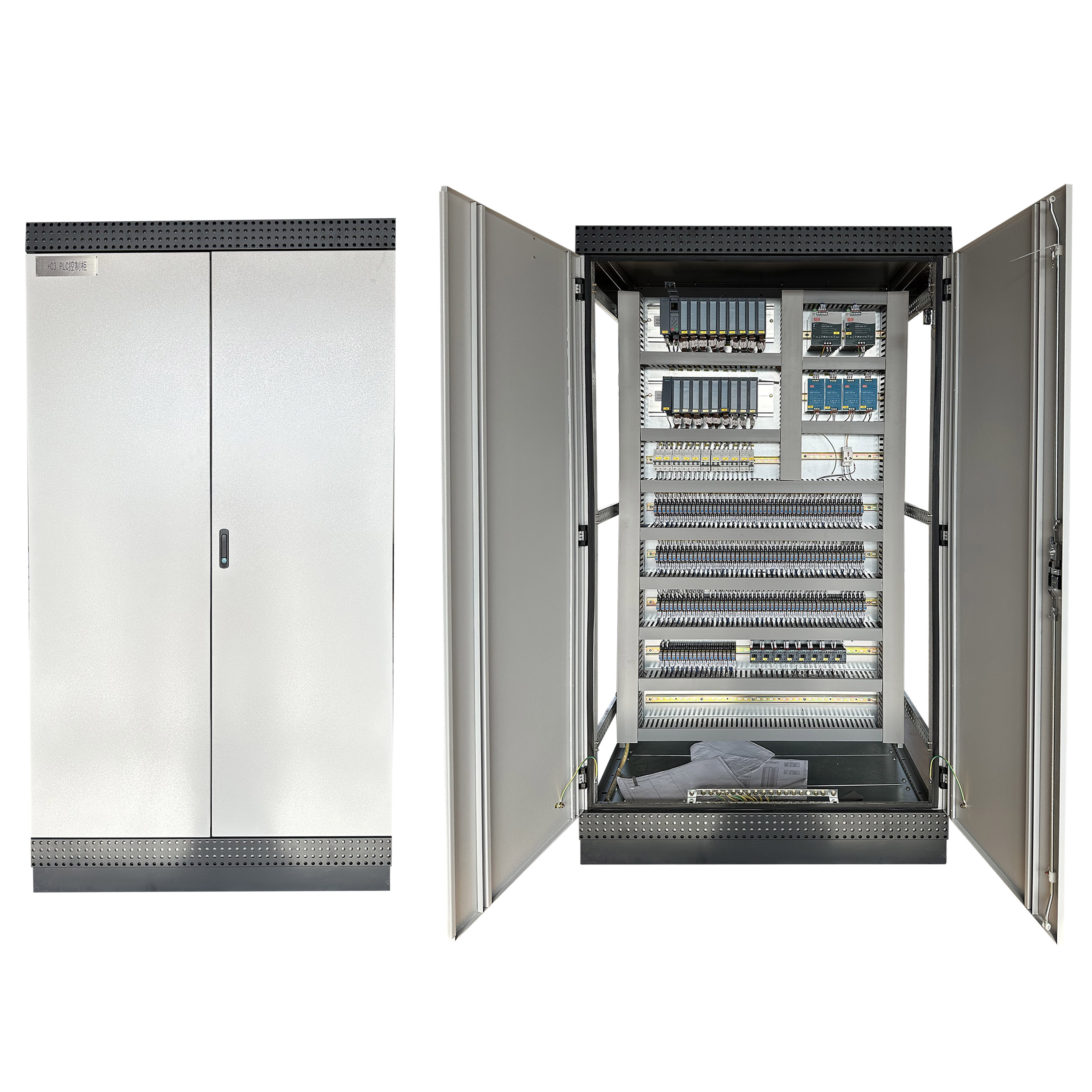
Figure 1: Control panel assembled by a professional manufacturer — source: Yinlu, Dalian.
When sourcing control panels for PLC control, power distribution, or automation equipment, procurement teams face a central decision: work with an ordinary processing workshop or partner with a professional control panel manufacturer. The choice affects certification compliance, equipment quality, delivery reliability, and total cost of ownership.
Dalian Yinlu Electrical Control Equipment Manufacturer (Yinlu) is a professional control panel and electrical enclosure manufacturer located in Dalian, Liaoning Province, China. Established in 1993, the company operates a 5,000 m² factory with 60 employees, including a 6-person R&D team, and an annual output of 20,000 units. The company accepts OEM and ODM orders, and approximately 80% of its output is exported to North American, European, Oceania, and high-end Asia-Pacific markets.
This article is written for procurement, engineering, and project managers who are at the decision stage. It compares a professional control panel manufacturer with an ordinary processing factory and defines the evaluation criteria to apply when sourcing control panels in 2026.
Problem Definition: Choosing Between a Control Panel Manufacturer and a Processing Workshop
Choosing an ordinary processing workshop for a control panel can look cheaper at first, but significant risk exists for electrical control and power distribution equipment. An ordinary sheet metal workshop can usually perform simple cutting, welding, and forming for metal surfaces, but may lack a deeper understanding of electrical control cabinets, distribution panels, and automation systems.
Without that specialization, critical details such as connector placement, ventilation, insulation, grounding, component layout, and standard testing can be overlooked. The result is often failures during installation, delayed commissioning on site, and higher lifecycle costs. The role of a professional control panel manufacturer is to combine electrical design capability and sheet metal fabrication in one certified and equipped entity.
Industry Background: Demand for Control Panels Is Getting Stronger
Global market indicators support the case for specialization. According to Spherical Insights, the global electric control panel market size was estimated at USD 6.35 billion in 2024. Dataintelo projects that the electrical control panel market will grow from USD 27.2 billion in 2025 to USD 47.0 billion by 2034. The global distribution panel market reached USD 7.6 billion in 2024, according to Global Market Insights.
The market structure is also dynamic. Dataintelo reports that Low Tension (LT) panels held the largest market share in the electrical control panel segment at 45.3% in 2025, while Asia Pacific accounted for a 38.5% revenue share in the same year. According to Maximize Market Research, approximately 70% of manufacturers are now utilizing IoT automation, driving the integration of PLCs with real-time data analytics. Control panels are not rigid enclosures anymore; they are active electrical control systems.
For international buyers, IEC 61439-1:2020 is the primary international standard for low-voltage switchgear and controlgear assemblies (source: IECEE), setting a benchmark for construction requirements and verification methods. Meanwhile, Precedence Research lists Schneider Electric, ABB, Siemens, Eaton, and Rittal as key global manufacturers of electric control panels. These trends change the selection criteria: metal fabrication capability alone is not sufficient. Control panels also require electrical design, component sourcing, safety verification, export certification, and commissioning support.
Detailed Solution: What a Professional Control Panel Manufacturer Provides
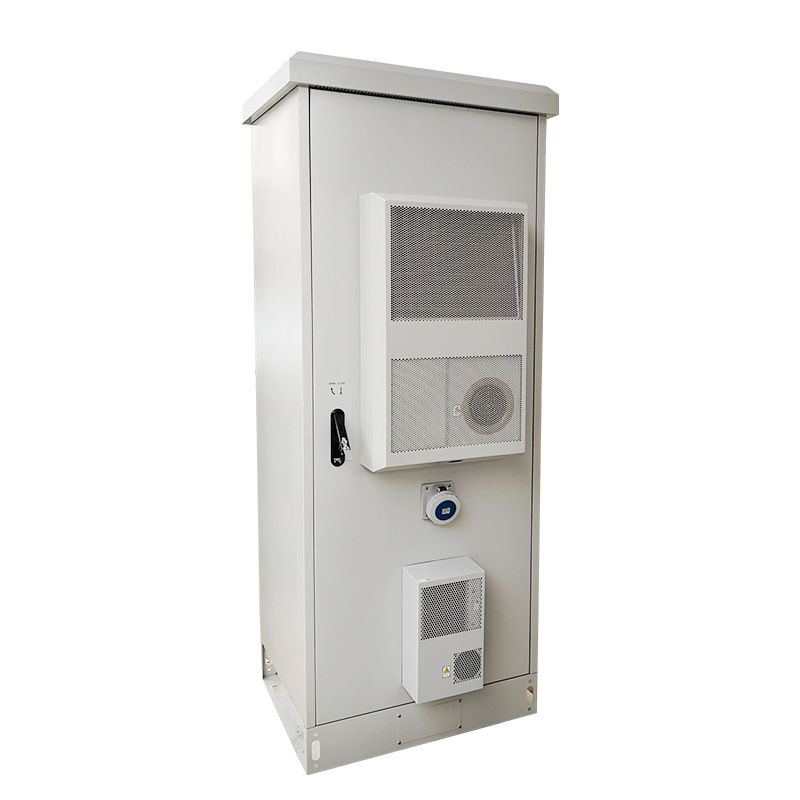
Figure 2: Custom-designed control panel for power distribution systems.
Compared with an ordinary processing factory, a professional control panel manufacturer offers seven functional advantages:
- Electrical control equipment expertise: A professional control panel manufacturer specializes in electrical control cabinets, distribution panels, and automation systems. It is a core discipline, not an auxiliary service.
- Non-standard customization: A professional manufacturer supports non-standard customization and can provide tailored design according to drawings, parameters, or functional requirements. The process covers structural layout, component selection, interface configuration, ingress protection ratings such as IP65, and surface finishing.
- Strict component selection: A professional manufacturer implements strict component selection and confirms supporting brands such as Schneider, ABB, Chint, and Delixi, specifying model numbers, country of origin, and new-and-genuine status. These should be defined in the contract.
- Full-item factory testing: Before shipment, each unit is tested with power-on functional test, insulation resistance test, withstand voltage test, grounding test, and appearance, dimensions, and labeling inspection. Units that fail are not to be shipped.
- Standardized workmanship: Wiring is neat, terminal identification is clear, and component placement is arranged for maintenance access, in compliance with domestic and international safety standards.
- Export certifications: A professional manufacturer holds export certifications such as CE and RoHS, enabling international orders. Certifications must be genuine and independently verifiable.
- After-sales and technical service: Support includes technical consultation, commissioning guidance, startup assistance, and warranty service with clearly stated warranty terms.
Risk Control: The Points a Professional Manufacturer Controls
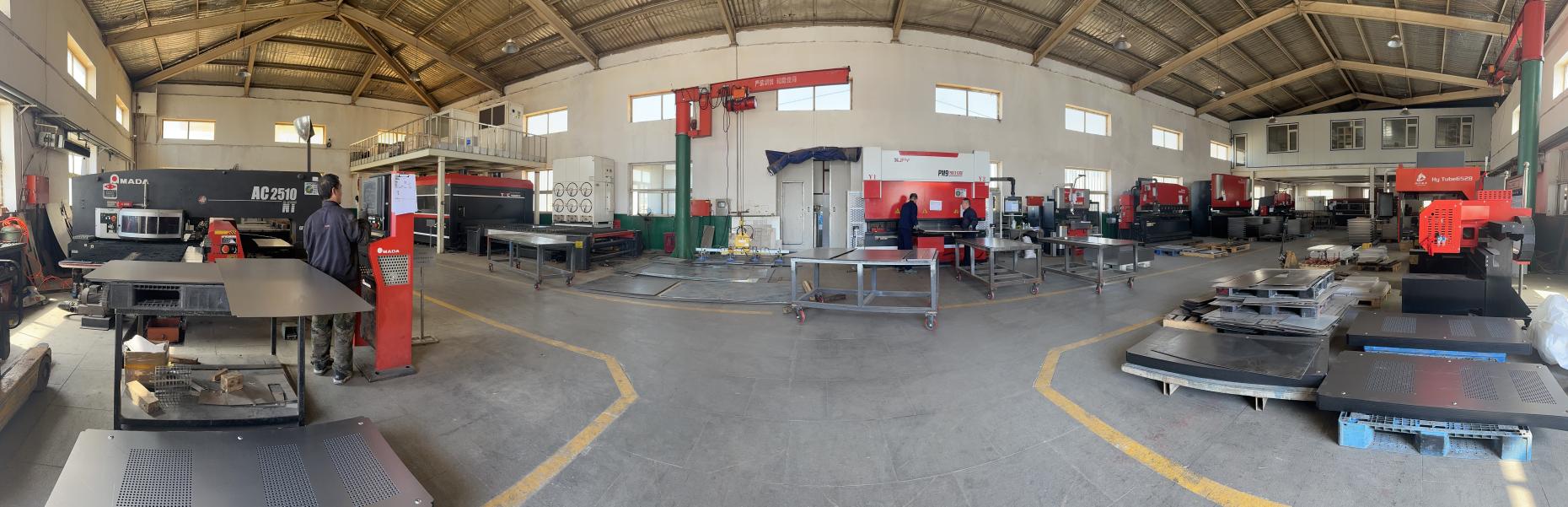
Figure 3: Yinlu manufacturing equipment for control panel production.
Procurement risk for control panels lies not only in the product but also in the process. A professional manufacturer builds risk control into contract and service steps:
- Certificate validity: Certifications must be genuine and valid — no borrowed certificates, no forged documents. Incorrect documentation can cause detention, fines, or returns during customs clearance.
- Parameters confirmed in writing: All electrical and mechanical parameters — voltage, power, current, IP rating, dimensions, material, interface, and functions — must be confirmed in writing: signed drawings, stamped technical agreements, or email/chat records. Verbal requests are not accepted.
- Component traceability: A professional manufacturer retains purchase contracts, invoices, and certificates of conformity.
- Test reports: Standard tests are completed and documented before shipment.
- Packaging protection: Wooden crates, moisture-proof film, anti-impact foam, and package markings such as “Fragile, Keep Dry, This Side Up” are used for electrical cabinets and boxes.
- Prototype control: For custom orders, first produce a prototype, obtain client confirmation, then proceed with mass production.
Step-by-Step Evaluation Procedure
To evaluate suppliers for control panel procurement at the decision stage, apply the following steps:
- Verify certifications and standards: Confirm CE, RoHS, ISO 9001, and reference IEC 61439-1:2020. Check that certificate names match the supplier’s legal entity.
- Review production capability: Check factory area, employee count, R&D team, and annual output. Example: Yinlu operates a 5,000 m² factory, 60 employees, 6-person R&D team, and 20,000 units per year.
- Inspect component sourcing: Specify brands (Schneider / ABB / Chint / Delixi), model numbers, and country of origin. Request purchasing evidence.
- Check the testing program: Confirm test equipment, test items, and report formats.
- Confirm the sample process: Agree on the flow — first make a prototype, obtain client confirmation, then proceed with mass production.
- Define payment and acceptance: For custom products, the standard structure is a 30% deposit plus a 70% balance paid in full before shipment. International trade commonly settles against a copy of the bill of lading.
- Confirm packaging and delivery: Use wooden crates, reinforced packaging, moisture-proof film, and anti-impact foam.
Use Cases: Where Professional Control Panel Manufacturing Applies
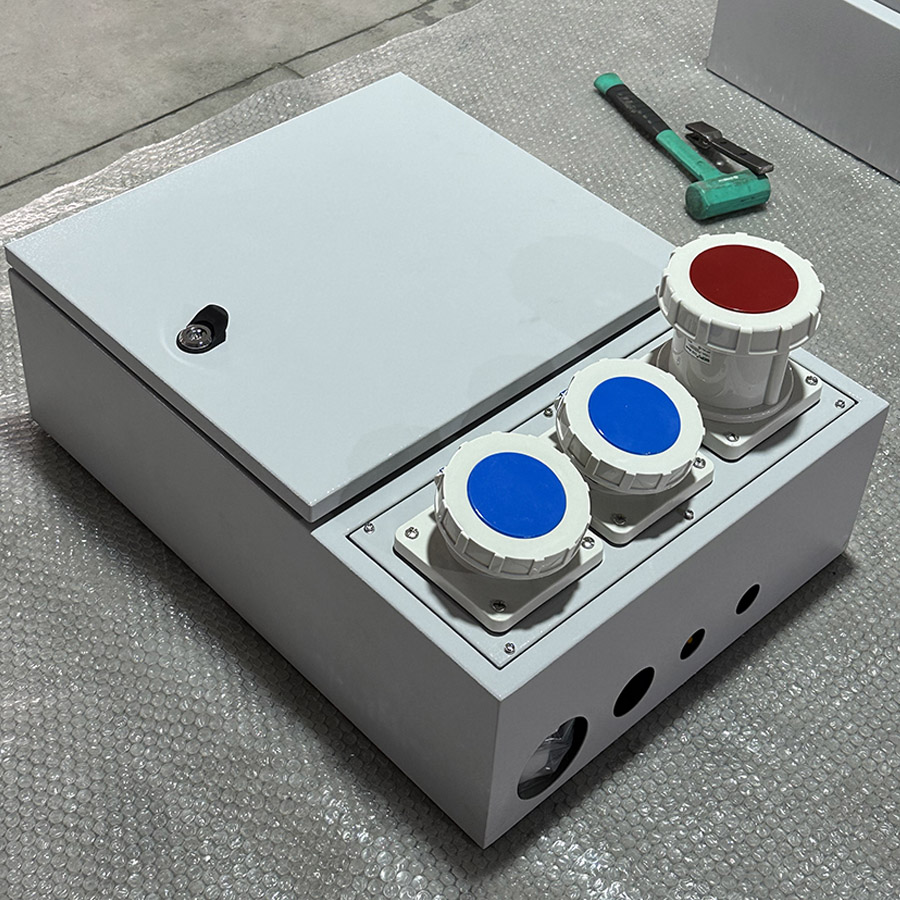
Figure 4: Control panel for automation systems.
Typical scenarios supported by a professional control panel manufacturer include:
- Industrial automation and production: Factory automated production lines (PLC control, equipment linkage), smart factory / digital workshop monitoring, packaging machinery, food machinery, textile machinery, and automated control of water treatment / environmental protection equipment (pumps, valves, instruments).
- Dispatch and command centers: Power dispatch centers, power grid monitoring, traffic command centers (rail transit, smart cities), security monitoring centers, airport / port dispatch rooms, and logistics warehouse monitoring.
- Testing and special equipment: Equipment debugging / test consoles (military industry, research laboratories), control of special equipment (ships, military equipment, special vehicles), precision control interfaces for high-end equipment manufacturing, and aviation ground equipment.
- Commercial and public scenarios: Power distribution and control for electromechanical systems, buildings, and infrastructure.
Comparison Table: Professional Control Panel Manufacturer vs Ordinary Processing Factory
| Procurement Dimension | Professional Control Panel Manufacturer | Ordinary Processing Factory |
|---|---|---|
| Core expertise | Professional electrical control equipment manufacturer (electrical control cabinets, distribution panels, automation systems) | General sheet metal processing |
| Customization | 100% non-standard customization, tailored design per drawings / parameters / functional requirements | Limited to standard sizes |
| Component management | Brand-name components: Schneider / ABB / Chint / Delixi; purchase contracts, invoices, certificates of conformity | Limited component traceability |
| Factory testing | 100% full inspection for each unit with test reports | Limited standard testing |
| Certifications | CE, RoHS certified; supports international orders | May lack valid export certificates |
| Projects and delivery | Stable delivery timelines; able to undertake batch orders and engineering projects | Inconsistent capacity for batch and project orders |
| After-sales service | Technical support, commissioning guidance, comprehensive after-sales service | Limited after-sales support |
FAQ
Q: What key certifications should a professional control panel manufacturer hold?
A professional control panel manufacturer should hold valid CE and RoHS certificates plus an ISO 9001 quality management system. IEC 61439-1:2020 is the primary international standard for low-voltage switchgear and controlgear assemblies and should be used as a construction and verification benchmark. Certifications must be genuine and valid — no borrowed certificates, no forged documents — to avoid detention, fines, or returns during customs clearance.
Q: How do I evaluate a control panel manufacturer’s customization capability?
Confirm whether the manufacturer supports non-standard customization and can provide tailored design according to drawings, parameters, or functional requirements. Also check indicators such as factory area, R&D team, and annual output. All parameters — voltage, power, current, IP rating, dimensions, material, interface, and functions — must be confirmed in writing through signed drawings, stamped technical agreements, or email/chat records. Verbal requests are not valid, so written confirmation is essential.
Q: What are typical payment terms for custom control panels?
Custom products typically follow a structure of 30% deposit plus 70% balance paid in full before shipment. Professional manufacturers generally do not offer credit sales or terms where full payment is made only after goods arrive and are accepted. For international trade, the common practice is payment against a copy of the bill of lading, with documents released upon full payment. Confirm these terms in writing before signing.
Q: How does a control panel manufacturer manage samples and prototypes?
For key accounts and custom orders, a professional manufacturer first produces a prototype, obtains client confirmation, and then proceeds with mass production. Mass production strictly follows the approved prototype standard. This prevents quality drift in later production batches.
Q: What are the testing standards and warranty conditions?
Before shipment, each control panel must pass standard tests: power-on functional test, insulation resistance test, withstand voltage test, grounding test, and appearance, dimensions, and labeling inspection. Shipment is allowed only after passing all tests. The warranty period is typically 1 to 2 years. The warranty does not cover damage caused by human error, equipment burnout due to voltage instability, or unauthorized modification or disassembly. After goods arrive, acceptance should be completed within 7 days, and a written objection is required after that period. For quality issues, photos, videos, or third-party inspection reports are required.
If you are evaluating a custom control panel procurement need, contact Dalian Yinlu Electrical Control Equipment Manufacturer at www.innometalfab.com, Sales@innometalfab.com, or by phone / WhatsApp at +86 186-2435-1618 for sample, quote, or catalog inquiries.
Download the company brochure from Yinlu Control Panel Manufacturer: Click here (PDF).
Conclusion
For control panel projects involving PLC control, power distribution, and automation, the choice between a professional manufacturer and an ordinary factory goes far beyond product price. The factors affecting total cost of ownership include genuine and valid certifications, production capability, component traceability, standardized equipment testing, stable delivery, after-sales support, and clear payment and acceptance terms.
Since 1993, Yinlu in Dalian has produced control panels and electrical enclosures while serving export markets. Its manufacturing and documentation practices around customization, CE/RoHS certification, standard testing, and after-sales service make it a qualified candidate for control panel procurement at the decision stage.
By applying the step-by-step evaluation criteria above — certification, capability, customization, testing, payment, samples, packaging, delivery, and warranty — procurement teams can reliably determine whether a professional control panel manufacturer fits their project requirements.