
Professional vs. Ordinary Electrical Enclosure: Which Manufacturer to Choose
Professional vs. Ordinary Electrical Enclosure Manufacturers: A Decision Guide for Harsh Environments
When sourcing electrical enclosures for harsh industrial environments, buyers face a critical decision: choose a professional electrical enclosure manufacturer with proven expertise, or rely on a general processing factory that may lack domain-specific knowledge. This guide compares the two approaches based on real project experience and standard industry metrics, helping you make an informed procurement choice.
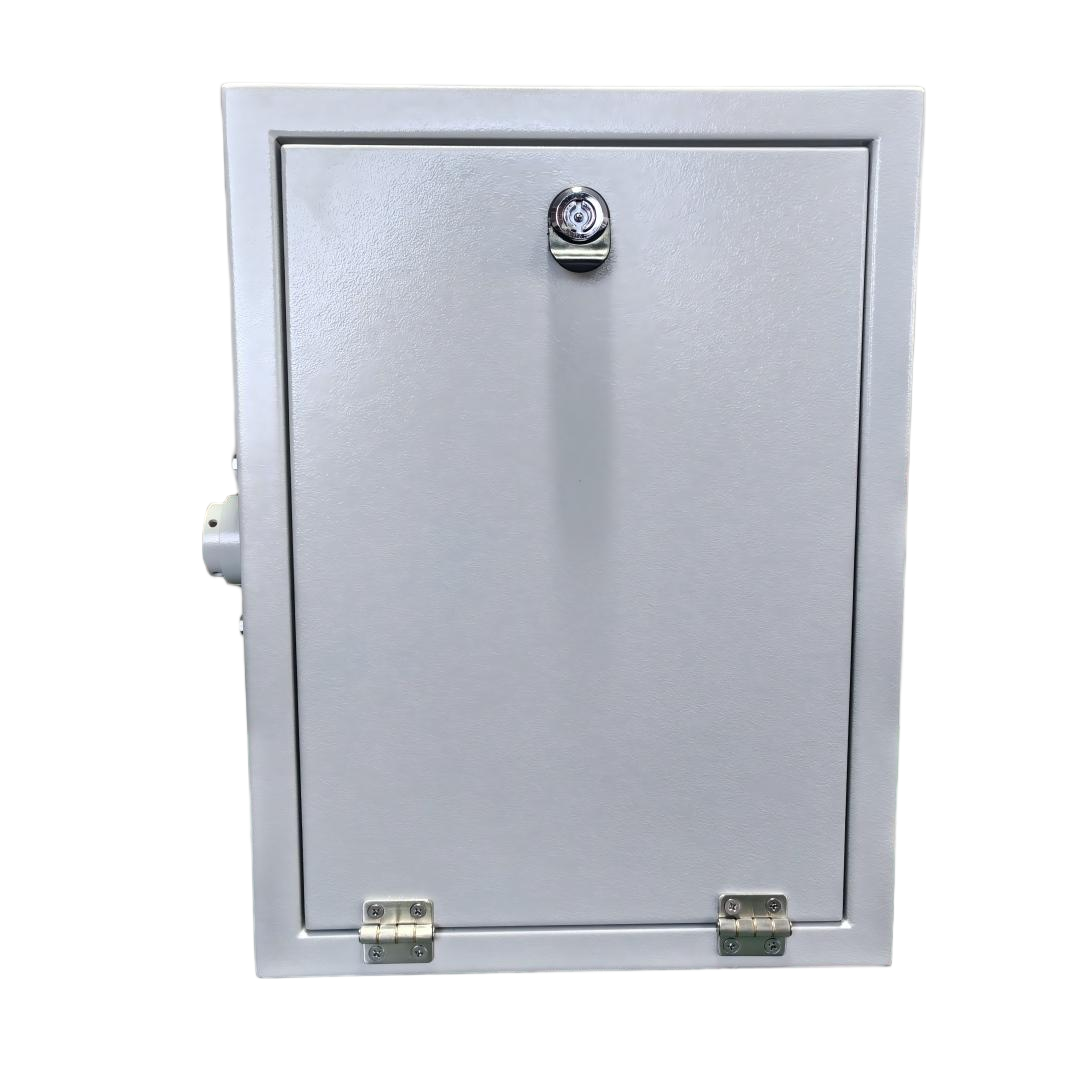
Problem Definition
The main issue addressed is protecting internal precision electrical components from dust, high temperature, and corrosion interference in harsh operating conditions. Ordinary processing factories often treat enclosures as simple metal boxes, neglecting critical electrical design requirements such as proper sealing, heat dissipation, and component layout. This can lead to premature equipment failure, safety hazards, and costly downtime.
Industry Background
The global electrical enclosure market was valued at USD 14.02 billion in 2024 and is projected to reach USD 23.65 billion by 2032. Metallic enclosures (stainless steel and carbon steel) accounted for 65% of global demand in 2025, valued at approximately USD 4.73 billion. Asia Pacific dominated the market with a 36% share in 2025, driven by industrial automation and renewable energy investments. With 18% of enclosure buyers in 2024 demanding highly customized solutions, the need for specialized OEM/ODM capabilities has never been greater.
Detailed Solution: Professional Electrical Control Equipment Manufacturer
Dalian Yinlu Electrical Control Equipment Manufacturer, established in 1993, is a professional company engaged in sheet metal fabrication, enclosure manufacturing, and electrical control systems. Located in Dalian, China, Yinlu operates a 5000m² factory with 60 employees and an annual output of 20,000 units. Exporting to North America, Europe, Oceania, and high-end Asia-Pacific markets, Yinlu offers both OEM and ODM services.
Compared to ordinary processing factories, Yinlu provides distinct advantages:
- 100% non-standard customization – tailored to drawings, parameters, or functional requirements.
- Brand-name component selection – partners with Schneider, ABB, Chint, etc.
- Full inspection before shipment – power-on, insulation resistance, withstand voltage, grounding, and appearance tests.
- International certifications – CE, RoHS, and ISO 9001.
- Technical support & after-sales service – commissioning guidance, warranty, and remote assistance.
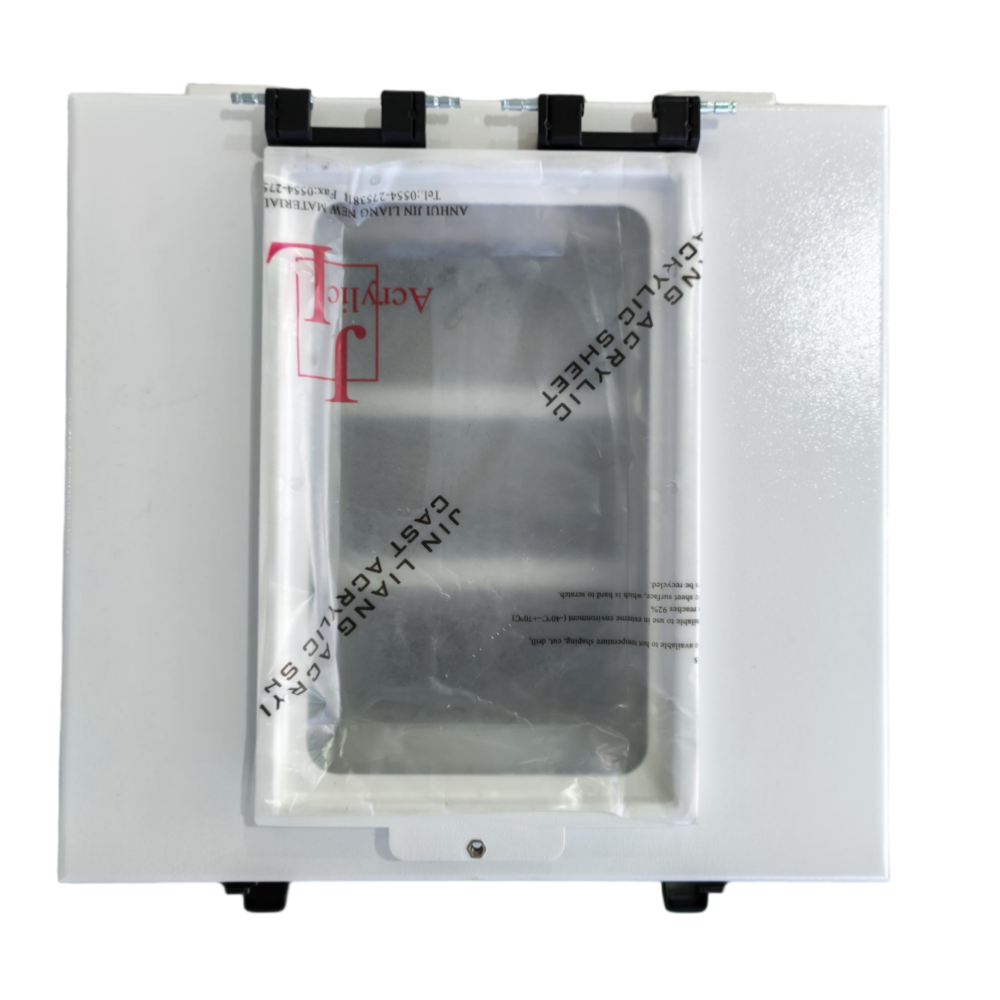
Step-by-Step Decision Framework
- Verify certifications – Ensure the supplier holds genuine CE, RoHS, or equivalent. Certificates must be valid and not forged.
- Assess customization capability – Can they produce according to your drawing/parameter/functional spec? Request a prototype first.
- Check component sourcing – Confirm that the contract specifies brands, models, and country of origin. Professional manufacturers retain purchase contracts and certificates of conformity.
- Review testing procedures – Ask for test reports (insulation resistance, withstand voltage, grounding). Units that fail must not be shipped.
- Understand payment terms – For custom products, industry standard is 30% deposit + 70% balance before shipment. Avoid suppliers demanding full payment after delivery without protection.
- Confirm packaging & shipping – Electrical cabinets require wooden crates, moisture-proof film, anti-impact foam, and proper marking (Fragile, Keep Dry).
- Warranty & after-sales – Clarify warranty period (1–2 years) and exclusions (human error, voltage instability, unauthorized modification).
Use Case: Dalian Huarui Heavy Industry (DHHI) Project
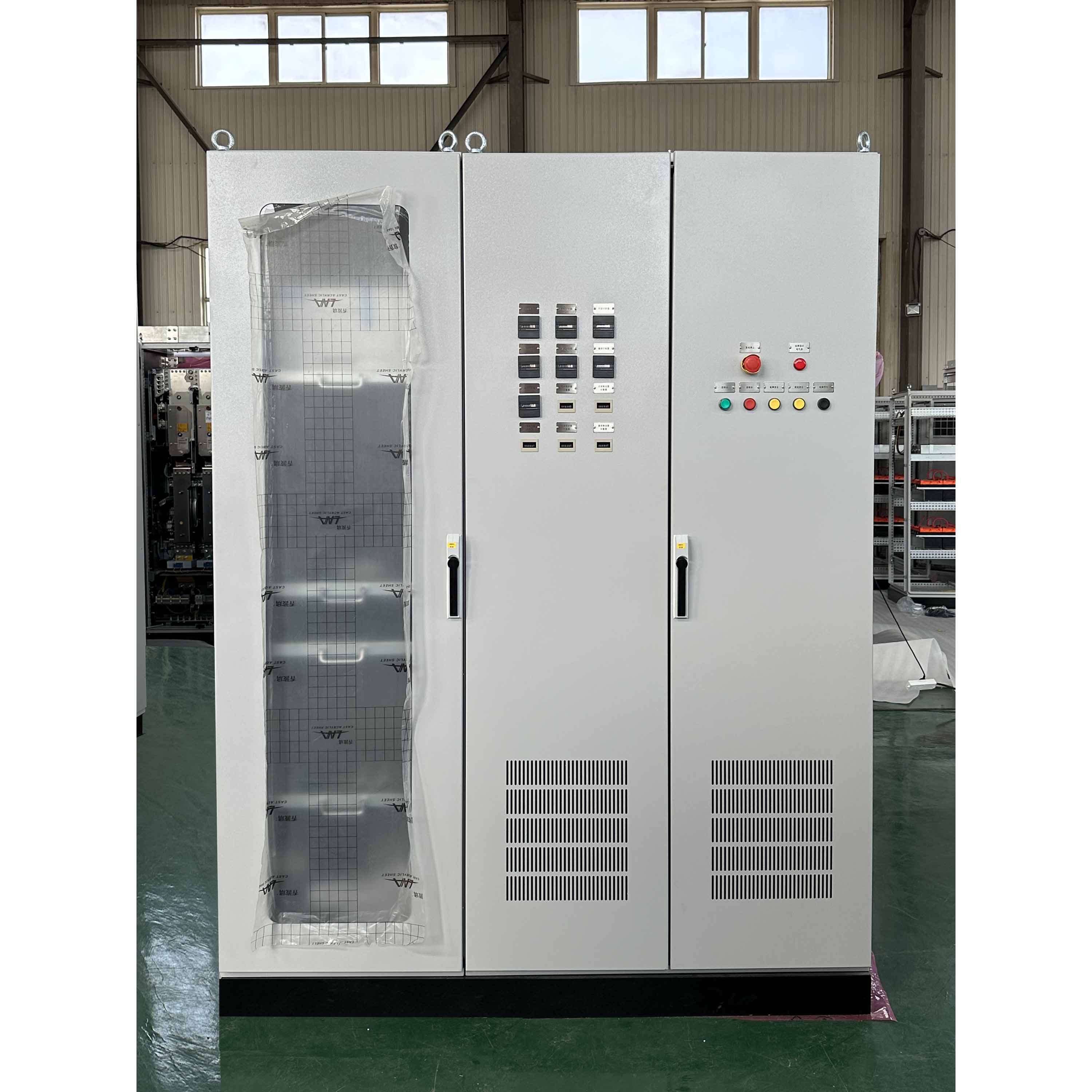
In a project for Dalian Huarui Heavy Industry (DHHI) in China, a series of electrical control enclosures were deployed to protect internal precision components from dust, high temperatures, and corrosion in harsh industrial environments such as port cargo handling and coke oven machinery. These custom enclosures, supplied by Yinlu, demonstrated reliable operation under extreme conditions, validating the value of professional-grade design and manufacturing.
Comparison Table: Professional Manufacturer vs Ordinary Processing Factory
| Criteria | Professional Manufacturer (e.g., Yinlu) | Ordinary Processing Factory |
|---|---|---|
| Customization | 100% non-standard, based on drawing/parameter | Limited to standard dimensions or simple modifications |
| Component Quality | Brand-name components (Schneider/ABB/Chint), certificates retained | May use generic unbranded parts, no traceability |
| Testing | Full inspection: insulation, withstand voltage, grounding, power-on test before shipment | Often no systematic testing; visual check only |
| Certifications | CE, RoHS, ISO 9001 (genuine, verifiable) | May lack certifications or use forged documents |
| Export Experience | Extensive (80% export ratio), familiar with international standards | Limited to domestic market, may not understand export packaging/ customs |
| After-Sales Support | Technical support, commissioning, warranty (1-2 years) | Minimal or no after-sales service |
| Delivery Reliability | Stable delivery for bulk orders and engineering projects | Varies, may prioritize high-margin orders |
Frequently Asked Questions
1. Are your electrical enclosures CE and RoHS certified?
Yes, Yinlu exports with complete certifications such as CE and RoHS. Certifications are genuine and valid—no borrowing or forgery. These are essential to avoid detention, fines, or returns during customs clearance.
2. Can you customize enclosures according to my drawings or specific IP rating?
Absolutely. Yinlu supports 100% non-standard customization. All parameters (voltage, power, current, IP rating, dimensions, material, interface, functions) must be confirmed in writing. Once the prototype passes inspection and is signed off, mass production strictly follows the prototype standards.
3. What is the typical cost difference between a professional manufacturer and an ordinary factory?
While the initial unit cost from a professional manufacturer may be slightly higher, the long-term total cost of ownership (TCO) is lower due to reduced maintenance frequency, fewer replacements, and higher energy efficiency. Longer equipment service life and lower failure rates offset the upfront investment.
4. Do you provide samples or prototypes for evaluation?
Yes. For key accounts and custom orders, Yinlu first produces a prototype for client confirmation before proceeding with mass production. This step eliminates design mismatches and ensures the final product meets your requirements.
5. What is the typical lead time for a custom order?
Lead time depends on complexity and order volume. Typically, after prototype approval, mass production for a standard batch (e.g., 50–200 units) takes 20–35 working days. For urgent projects, please contact us directly for an expedited schedule.
Ready to move forward? Request a quote or download our company brochure to review capabilities.
Conclusion
Choosing between a professional electrical enclosure manufacturer and an ordinary processing factory is a strategic decision that affects equipment reliability, safety, and long-term costs. For harsh environments requiring IP66 protection, stainless steel durability, and precise engineering, a specialized manufacturer like Yinlu offers certified quality, full customization, and comprehensive after-sales support. Evaluate your project requirements against the comparison table above, and contact Yinlu for a tailored solution.
Get a Quote or Download Brochure
Dalian Yinlu Electrical Control Equipment Manufacturer
Email: Sales@innometalfab.com | Phone: +86 186-2435-1618
Download Company Brochure (PDF)
Have Questions or Need More Details?
Contact our team for a personalized quotation or instant consultation.
Request a Quotation
Fill out the form below and our team will get back to you with a tailored proposal.
WhatsApp Direct Chat
Prefer to chat in real-time? Message us on WhatsApp for instant assistance & quick answers.
- Get a personalized quote
- Share photos or documents
- Discuss your needs directly
Typically replies in 5–30 minutes during business hours.