
E-Coating Supply Partnership FAQ: Custom Colors, Lead Times and After-Sales Support
A multi-year electrophoretic coating (E-coating) supply partnership holds together on three controllable variables: how repeatably color and film thickness can be reproduced, how disciplined the process chain is from pre-treatment through deposition and curing, and whether inspection and after-sales coverage still work in year three of the contract. Price negotiation, capacity booking and freight are all downstream of those three.
This FAQ is written for buyers and engineers who are past the discovery stage — they already know what Electrophoretic Coating is and are now deciding whether a specific supplier can carry a multi-year program without drifting. Dongguan Yongxin Industrial Co., Ltd. (brand: Yongxin) is an electrophoretic coating processor located in Qiaotou Town, Dongguan, Guangdong, China, providing E-coating together with supporting CNC precision machining, die casting and metal stamping for metal parts.
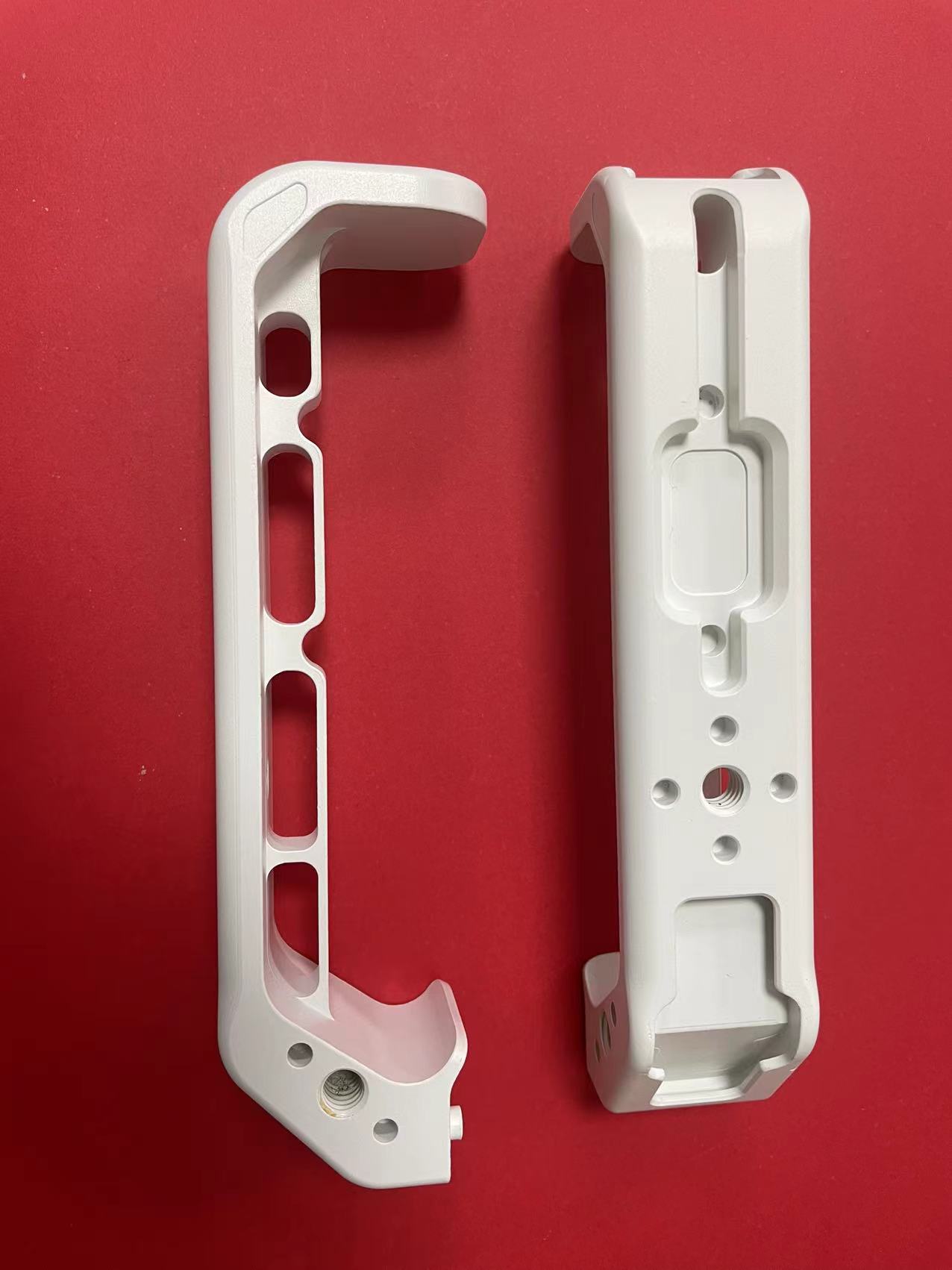
Why Long-Term E-Coating Contracts Drift
Most supplier failures in electrophoretic coating programs are not catastrophic. They are slow: batch four is a shade off batch one, film thickness creeps from the middle of the window toward the limit, a shipment slips under a large order, and the engineer who qualified the line has already moved to another project. Each of those is a distinct control problem, and each needs a different contractual answer.
The color problem. Black is the default color for most industrial E-coating, and because it is standard it is often treated as risk-free. In practice a black bath is a moving system: solids content, pH, conductivity, replenishment ratio and oven conditions all shift over months. Without instrumented measurement — a spectrophotometer rather than a visual check — a drift of a few units on the lightness axis goes unnoticed until a customer's assembly line rejects the part.
The thickness problem. A 15–25 µm window sounds generous until it is treated as a tolerance. Holding a band that narrow on parts with cavities, edges and mixed wall thicknesses depends on line automation and on knowing which surfaces are being measured.
The volume problem. Programs in the millions of parts are not a capacity question alone. Full inspection at that scale consumes hours that have to be planned, not absorbed.
The continuity problem. After-sales in E-coating is unglamorous: a color question on a repeat order, a re-test request, a technical discussion about a substrate change. If there is no named coordination path, each of those becomes a delay.
Industry Background: Why the Specification Comes First
Electro-deposition coating is standardised at the terminology level. ISO 22553-1:2019 defines terms for electro-deposition coatings and states applicability to automotive industries and other general industrial applications, with examples including chiller units, consumer products, radiators, aerospace and agriculture. The practical message for a long-term contract is that the same word — "E-coating" — can mean different film builds, different substrates and different test protocols across those sectors. The technical annex has to be written, not assumed.
Performance expectations follow the same pattern. Premium automotive specifications frequently call for film builds in the 18–25 µm range and neutral salt spray performance in the 720–1,000 hour band, which is why automotive-tier programs tend to specify both a thickness window and a test duration rather than only a visual finish requirement.
Test methods should also be named explicitly. A commonly referenced mapping for cathodic electrodeposition evaluation associates ISO 2409 with cross-cut adhesion, ISO 2808 with dry-film thickness, ISO 6270-2 with humidity, ISO 9227 with salt spray, ASTM D1654 or ISO 4628 with rust evaluation, and ASTM B767 with electrocoating thickness. That list is a procurement checklist starting point, not a compliance claim — each standard's current edition should be confirmed with the issuing body before it is written into a contract.
Substrate matters more than buyers expect. A peer-reviewed study of a cathodic electrodeposition epoxy coating on AZ91D magnesium alloy ran immersion and salt spray testing under ASTM B117 for a total of 240 hours and reported a lower immersion corrosion rate for the CED-coated specimens (1.65 mm/year) than for the aluminium-powder-coated (4.01 mm/year) and as-cast (45.87 mm/year) comparison specimens. Those numbers belong to that study's substrate, coating system and protocol. They illustrate why a multi-year contract should be validated per substrate rather than by copying a figure from a neighbouring project.
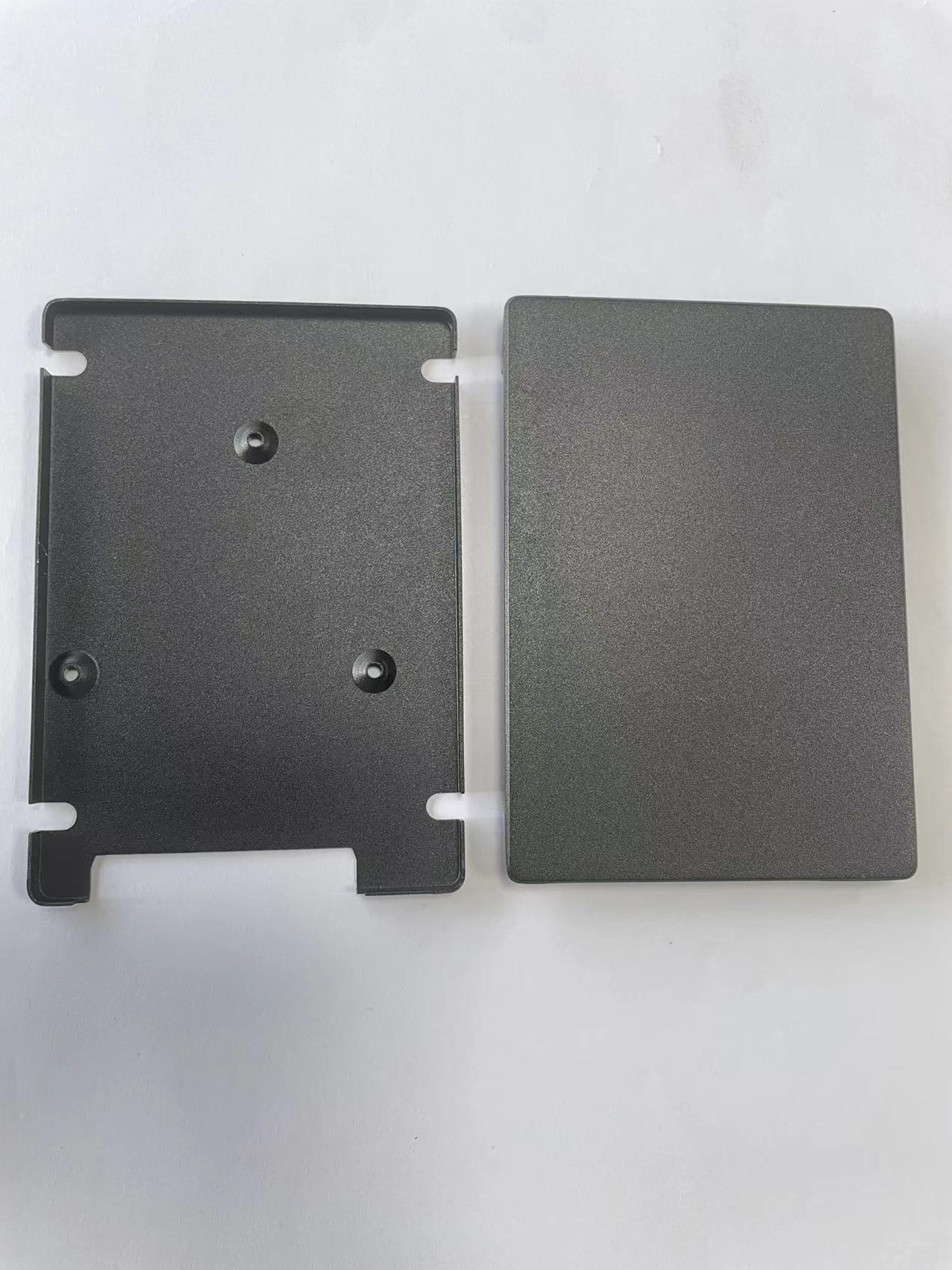
What a Supplier Can Actually Commit To
The answer to most partnership questions is a set of documented positions rather than a promise. The following are the positions Yongxin works from, expressed in the terms a buyer would put into a supply agreement.
Color: black as standard, white and custom as options
Black is the standard color across the range, and it is available in matte or glossy finishes. White is offered as a defined option, and custom colors — including grey and silver — are available on request. Black Electrophoretic Coating, White Electrophoretic Coating and Color Electrophoretic Coating therefore sit on the same process platform rather than on separate lines, which is what makes a color change mid-contract a planning conversation instead of a re-qualification project.
A custom color under a multi-year agreement should be tied to a retained physical standard and to instrumented measurement. Yongxin's inspection set includes a Konica Minolta spectrophotometer and a Zehntner gloss meter, so color and gloss can be tracked as numbers rather than opinions.
Film thickness: a 15–25 µm window that can be tuned
Standard coating thickness is 15–25 µm, with thickness variation controlled within ±5% and, on automated lines, tolerance held within ±1 µm. For ordinary parts the 15–25 µm band is the default and it can be customised as needed. The point for a long-term program is that thickness is a settable parameter, so a mid-contract change driven by a new corrosion target does not automatically mean a new supplier.
Resin systems and coating types
Both Epoxy resin Electrophoretic Coating and acrylic resin systems are used, and the coating range covers Anion Electrophoretic Coating and Cationic Electrophoretic Coating, Electrophoretic Coating of propionic acid resin, High salt spray Electrophoretic Coating, Corrosion-resistant Electrophoretic Coating and Uv-resistant Electrophoretic Coating. Epoxy systems are typically specified for stamped parts where corrosion protection dominates; acrylic systems are common where appearance and colour stability over time matter alongside protection.
Substrates and part families
The applicable substrate range includes carbon steel, alloy steel, Aluminum alloy, Electrophoretic Coating of magnesium alloys and Zinc alloy Electrophoretic Coating. Part families routinely handled include Electrophoretic Coating of die-cast parts, Electrophoretic Coating of stamping parts and CNC machined parts, which is relevant because Yongxin operates CNC machining, die casting and metal stamping alongside the coating lines — the combined chain behind the CNC + Electrophoresis and Stamped Parts + Electrophoresis configurations.
Corrosion performance and process capacity
Depending on the system specified, salt spray resistance reaches 300–1,000 hours, with high salt spray formulations reaching 500–1,500 hours in neutral salt spray testing and CASS testing exceeding 96 hours. Production capacity is 2,500,000 units per month, minimum order quantity is 100, lead time runs 3–45 days depending on quantity, and quality control is 100% testing. The plant runs six electrophoresis production lines alongside more than 20 general processing units, over 20 CNC machines, more than 10 die-casting machines and more than 10 metal stamping machines.
After-sales in a multi-year frame
After-sales support is delivered remotely, with dedicated personnel coordinating through the process on long-running programs — the model applied on a CNC precision machining account where a single point of contact handled coordination from sample through shipment. That structure matters more than the wording of a warranty clause, because most support requests in year two are technical rather than transactional.
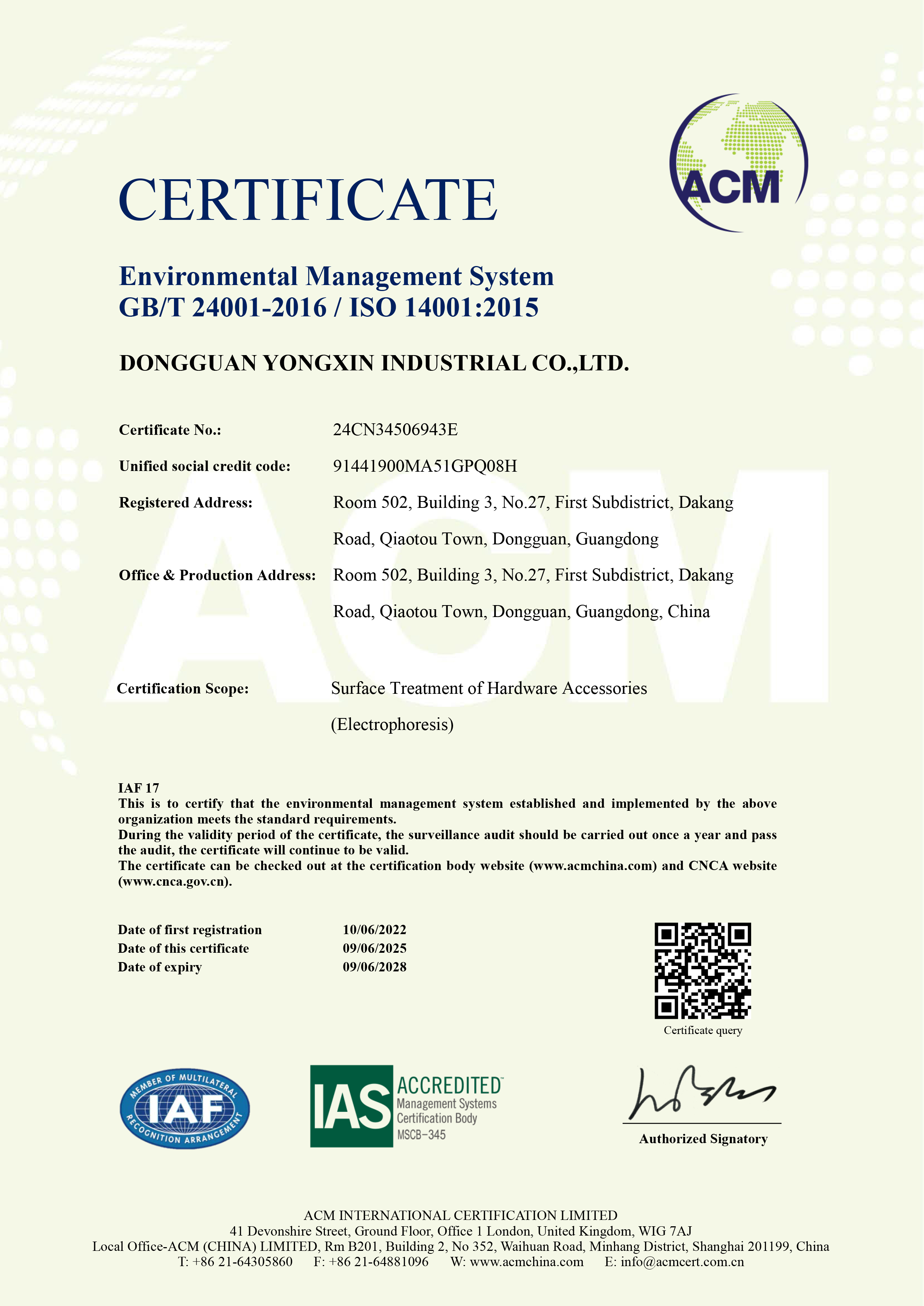
How ISO 9001 and ISO 14001 Govern a Multi-Year Contract
The two certifications answer two different buyer questions, and conflating them is a common sourcing error. Yongxin holds ISO 9001 Quality Management System certification, ISO 14001 Environmental Management System certification and IATF 16949 Automotive Quality Management System certification, and was awarded National High-Tech Enterprise status in 2023.
ISO 9001 addresses batch consistency. In an E-coating context that means controlled parameters for bath chemistry, deposition voltage and cure schedule; documented inspection at each production step; calibration of the instruments used to judge conformity; control of nonconforming product; and traceability from a delivered lot back to its process records. For a buyer, the practical value is that a colour or thickness question in year two can be answered from records rather than from memory.
ISO 14001 addresses environmental compliance over time. Bath maintenance, wastewater handling, chemical storage and consumption control are ongoing obligations, not one-off approvals. This matters when a buyer's own environmental procurement criteria — low-VOC systems, heavy-metal-free water-based paints — have to hold across every shipment of a multi-year agreement rather than only at the sample stage.
A contract should therefore state which certificate scope applies, require notification of scope changes, and reserve a right of audit. Certificates prove a system exists; the audit right is what keeps it current.
Step-by-Step: Structuring the Partnership Agreement
The sequence below is the working order that keeps a multi-year program from drifting. Each step has an owner on both sides.
Step 1 — Freeze the specification. Name the substrate, the part family (die-cast, stamped or machined), the color and finish (matte or glossy black, white, or a custom shade), the film thickness window, the salt spray target and the test methods with their standard numbers. Leave nothing as "as usual".
Step 2 — Validate on samples, per substrate. Approve a physical sample and a measurement record together. For magnesium or aluminium parts, require substrate-specific corrosion data; a steel result does not transfer.
Step 3 — Define the inspection scope. Confirm where 100% testing applies, which characteristics are measured, and which instrument is used. If film thickness is judged with a FISCHER gauge and colour with a spectrophotometer, state that in the annex.
Step 4 — Lock the control routine. Agree the frequency of bath analysis, the replenishment discipline, the cure parameters and the retention of a reference sample per lot. This is the single step that most affects whether year three looks like year one.
Step 5 — Agree capacity and lead-time bands. Set a forecast commitment and map it against monthly capacity, and write down the lead-time band that applies to each volume tier rather than a single headline number.
Step 6 — Set the review cadence and support path. Fix a periodic quality review, name the coordination contact, and define how a deviation is raised and closed.
Where This Fits: Part Families and Operating Conditions
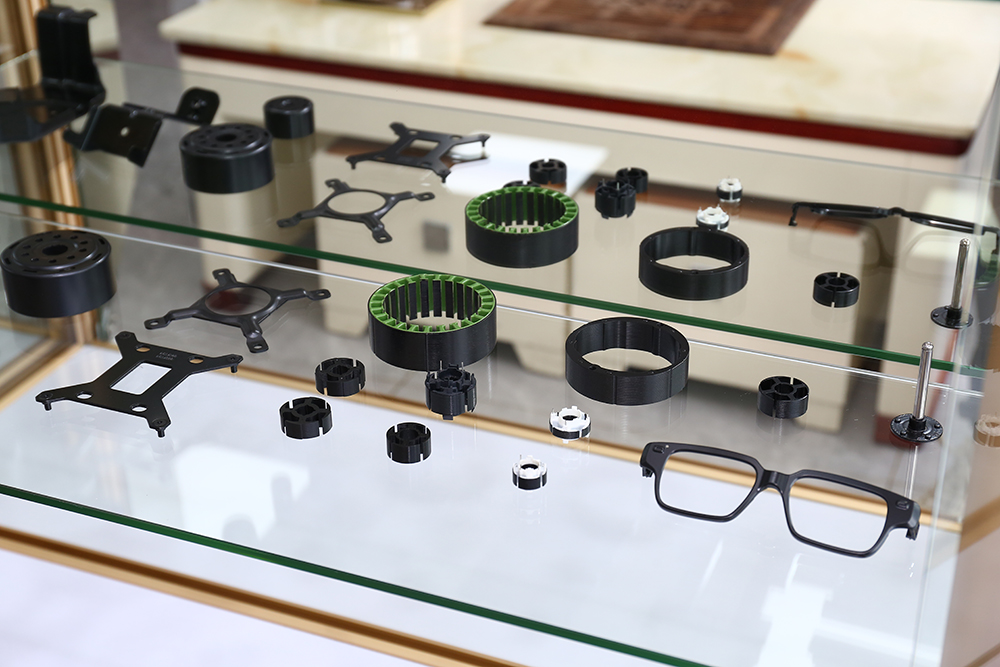
E-coating programs that run for years tend to cluster around a small number of part families. Die-cast parts — motor housings, brackets and structural housings — are typical because the deposition process covers internal geometry that spray methods miss. Stamped parts are typical for epoxy systems where edge and cavity corrosion protection is the driver. CNC machined parts are typical where dimensional precision and surface finish have to survive the coating step, which is where a combined CNC plus electrophoresis chain removes a hand-off.
The operating conditions these parts are specified against are high humidity, salt spray, corrosive exposure and UV exposure. Applications served include automotive parts, metal fittings, small structural components, bicycle accessories, cooling fans, die-casting parts, CNC machined parts and metal stamping parts, extending into consumer electronics, communication equipment, unmanned aerial vehicles and security systems.
Two long-running references illustrate the scale question. A motor manufacturer program covering 15,000,000 units over 5–10 years specifies anti-corrosion and anti-rust E-coating with neutral salt spray resistance above 720 hours and a smooth, glossy finish, with the coating process extending product service life. A CNC precision machining program covering 10,000,000 parts over five years relies on full finished-product inspection, rapid sample confirmation and dedicated coordination personnel.
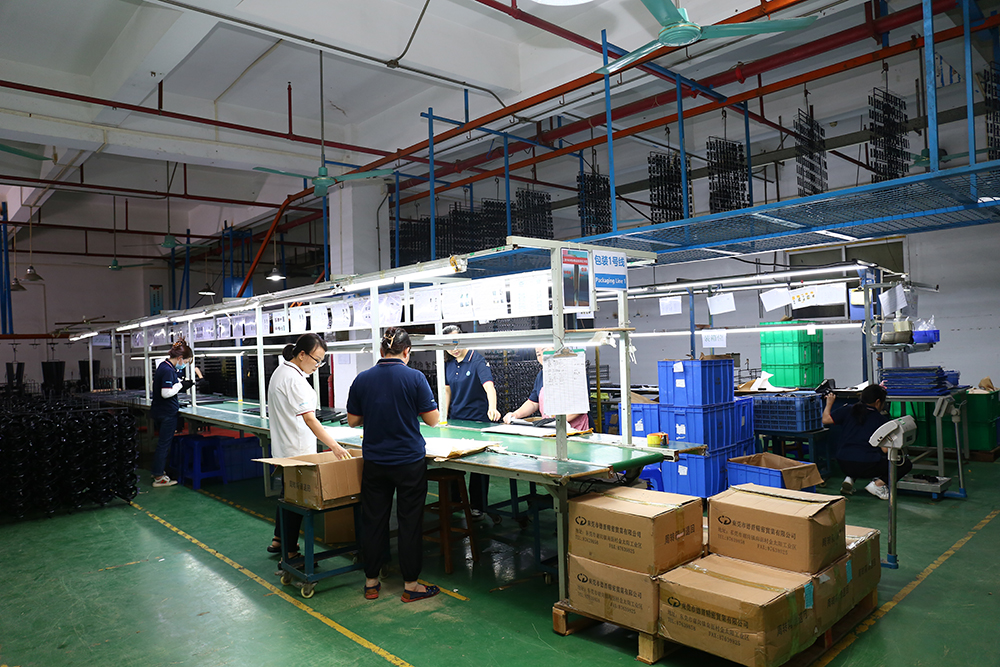
Supply Parameters at a Glance
The table below restates the documented positions in the form a buyer would use when drafting an annex. It contains no benchmark or competitor figures, because those cannot be verified for a specific program without the supplier's own test reports.
| Parameter | Documented position | Contract implication |
|---|---|---|
| Standard color | Black, matte or glossy | Fastest route; define gloss level numerically |
| Optional colors | White; custom colors including grey and silver | Retain a physical standard and a colour record per lot |
| Film thickness | 15–25 µm standard; ±1 µm on automated lines; ±5% thickness variation | Specify measuring locations, not just a window |
| Salt spray | 300–1,000 h depending on system; high salt spray 500–1,500 h NSS; CASS above 96 h | Name the test standard and duration in the annex |
| Resin systems | Epoxy resin and acrylic resin; anionic and cationic | Tie the resin to the corrosion or UV requirement |
| Substrates | Carbon steel, alloy steel, aluminium alloy, magnesium alloys, zinc alloy | Require per-substrate validation data |
| Volume and lead time | 2,500,000 units/month capacity; MOQ 100; 3–45 days depending on quantity | Anchor forecasts to capacity, not to last year's order |
| Inspection and support | 100% testing; remote after-sales support with dedicated coordination | Define the escalation path and review interval |
Frequently Asked Questions
Which certifications govern batch consistency and environmental compliance in a multi-year E-coating contract?
Two certifications do two different jobs. ISO 9001 governs quality management and is the basis for batch consistency: controlled bath and cure parameters, documented inspection at each production step, calibrated measuring instruments, nonconforming-product control and lot traceability. ISO 14001 governs environmental management and covers the ongoing obligations of bath maintenance, wastewater and chemical handling, which is what keeps environmental performance stable across every shipment rather than only at approval. Yongxin holds ISO 9001, ISO 14001 and IATF 16949 certification. A contract should name the certificate scope, require notification of changes and include a right of audit, because a certificate confirms a system exists while the audit right keeps it current.
Can film thickness be tuned within 15–25 µm and custom colors matched in ongoing production?
Yes, on both counts, and both are process settings rather than new projects. Standard coating thickness is 15–25 µm for ordinary parts and can be customised as needed, with thickness variation controlled within ±5% and tolerance held within ±1 µm on automated lines. Black is the standard color, offered in matte or glossy finish; white is a defined option and custom colors including grey and silver are available on request. Because black, white and colour coatings run on the same process platform — including acrylic and epoxy resin systems and both anionic and cationic types — a colour or thickness change mid-contract is handled as a line adjustment. Colour consistency is tracked with a spectrophotometer and gloss with a gloss meter, so drift is caught as a number before it reaches an assembly line.
What drives the commercial quotation for a long-term program?
Quotations are built from specification inputs rather than from a list price, so the drivers are: substrate and part family (die-cast, stamped or CNC machined), colour (standard black versus white or custom), film thickness window, corrosion class and test duration, inspection scope where 100% testing is required, order quantity against a minimum order quantity of 100, and required lead time within the 3–45 day band. Because monthly capacity is 2,500,000 units, volume commitments can be matched to capacity planning instead of being quoted case by case. The efficient way to price a multi-year program is to fix the specification first and then request a quote against that fixed annex — a quote built on an open specification will move as soon as the specification does.
How should samples be validated before committing to a multi-year contract?
Approve the sample and its measurement record together, and validate per substrate. The sample should carry a recorded film thickness measured per ISO 2808 or ASTM B767, an adhesion result per ISO 2409, a salt spray result per ISO 9227 at the contracted duration, and a colour and gloss record if a custom shade is involved. Rapid sample confirmation shortens the production cycle, but the record is what makes the sample usable later as a reference. Substrate-specific validation is essential: published corrosion data for one alloy and coating system — such as a cathodic electrodeposition epoxy on AZ91D magnesium alloy tested under ASTM B117 for 240 hours — cannot be transferred to a different substrate or formulation. Treat the approved sample plus its test record as the baseline that every subsequent lot is compared against.
What lead times apply for large runs in the millions of parts, and who supports the account afterwards?
Lead time is 3–45 days depending on quantity, which is why a multi-year agreement should specify a band per volume tier rather than a single figure. Capacity of 2,500,000 units per month, six electrophoresis production lines and 100% testing set the practical limits, and programs at this scale are planned rather than ordered — one CNC precision machining program covering 10,000,000 parts over five years runs on full finished-product inspection and rapid sample confirmation, and a motor manufacturer program covering 15,000,000 units over 5–10 years specifies neutral salt spray resistance above 720 hours. After-sales support is remote, with dedicated personnel coordinating through the process. Buyers who want to test this against their own specification can request a sample or submit a drawing and quantity for a quote through Yongxin, and the current capability and product documentation is available in the downloadable brochure linked at the end of this page.
Conclusion
A long-term E-coating partnership is not secured by a certificate or a capacity number alone. It is secured by writing down the color standard, the thickness window, the test methods and the review cadence, and then by having a supplier whose process can be held to those documents — black as the standard, white and custom colors as options, film thickness tunable within 15–25 µm, epoxy and acrylic systems across steel, aluminium, magnesium and zinc alloys, 100% testing, and after-sales coordination that does not end on the delivery date.
Yongxin's position is that of a processor covering metal forming, precision machining and surface treatment in one chain, certified to ISO 9001, ISO 14001 and IATF 16949, with the inspection equipment and capacity to hold a specification over multiple years. Buyers in the research and evaluation stage can move fastest by bringing a fixed specification rather than a general enquiry.
Next step: sample, quote, or technical review
Send a drawing, substrate, target film thickness and salt spray duration, and the program can be quoted against a fixed specification.
Email: wuzj@yxsydy.com | Tel / WhatsApp: +8615322922788
Website: www.yxecoat.com | Brochure: Enameled Flat Wire and Electrophoretic Coating Solutions (PDF)
Have Questions or Need More Details?
Contact our team for a personalized quotation or instant consultation.
Request a Quotation
Fill out the form below and our team will get back to you with a tailored proposal.
WhatsApp Direct Chat
Prefer to chat in real-time? Message us on WhatsApp for instant assistance & quick answers.
- Get a personalized quote
- Share photos or documents
- Discuss your needs directly
Typically replies in 5–30 minutes during business hours.