
Electrophoretic Coating Partnership FAQ: Terms, Acceptance Criteria and Long-Term Support
A long-term electrophoretic coating agreement is really three agreements stacked on top of each other: the performance each part must reach, the way each shipment is accepted or rejected, and the way problems are handled after the first accepted lot ships. Buyers who only negotiate the first one usually spend the following two years arguing about the other two.
This FAQ answers the questions that come up most often during supplier evaluation in smart manufacturing: what belongs in the purchasing terms, how acceptance criteria should be written, how far colour and film thickness can be customised, and what documented ISO 9001 and ISO 14001 certification actually tells a buyer about after-sales confidence.
Yongxin Industrial (Dongguan Yongxin Industrial Co., LTD) is a high-tech enterprise based in Qiaotou Town, Dongguan City, Guangdong Province, established in 2018 and specialising in electrophoretic processing for metal surface treatment. Its product range covers black, white and colour electrophoretic coating, together with zinc alloy, aluminium alloy and magnesium alloy electrophoretic coating.
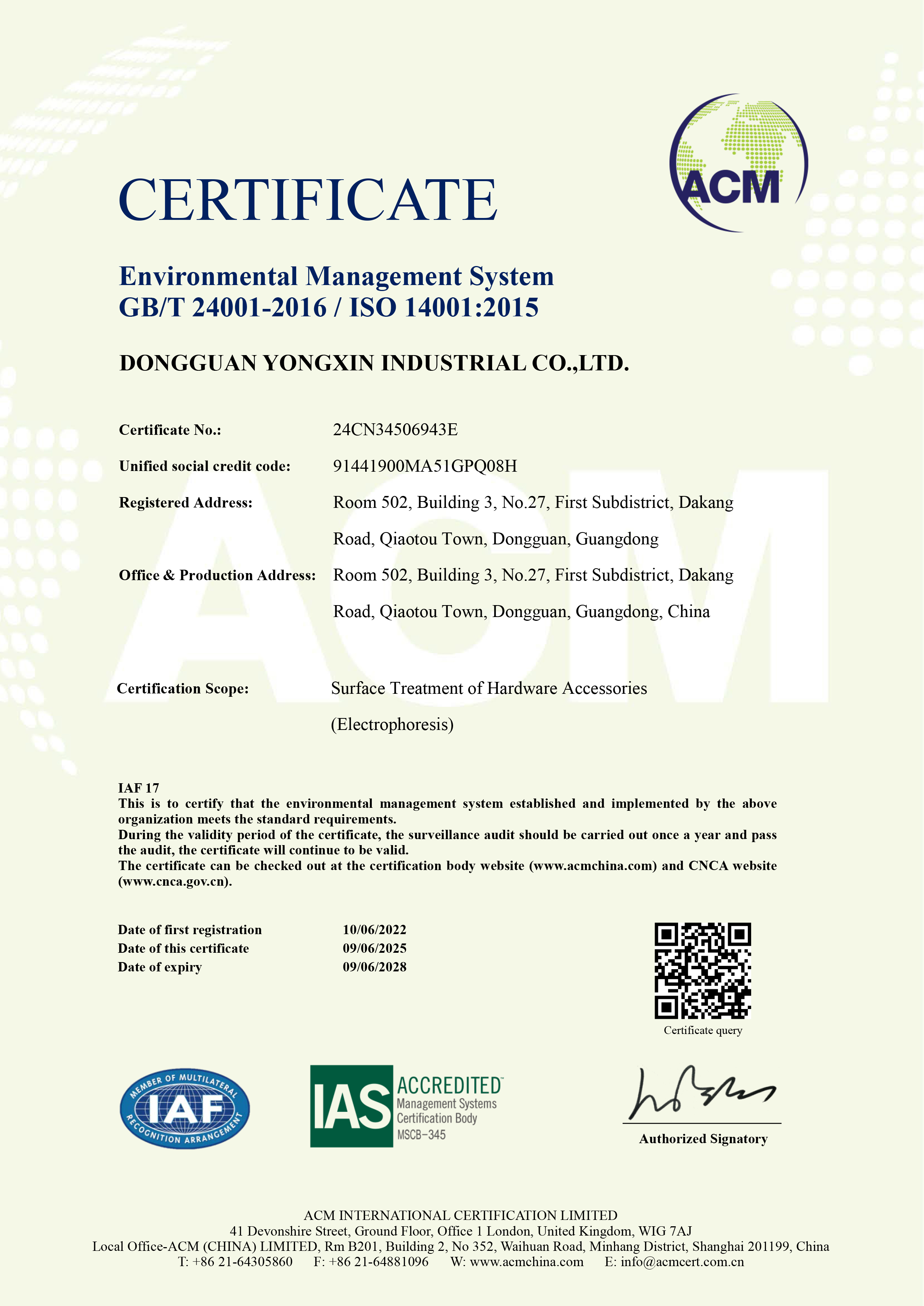
Documented ISO 14001 certification is one of the three quality and environmental pillars a long-term electrophoretic coating partnership is usually built on.
What a Long-Term Electrophoretic Coating Partnership Actually Covers
A partnership contract in electrophoretic coating is not a price list with a delivery date. It is a specification document that binds a coating system, a substrate, a fixture layout, a test plan and a corrective process into one repeatable service.
In practice the document set usually contains five parts:
- Part and substrate scope — which metals and which part families the agreement covers. Electrophoretic coating is widely suitable for carbon steel, alloy steel, aluminium alloy, magnesium alloy and zinc alloy substrates.
- Coating specification — resin system, colour, and target film thickness. Standard coating thickness is 15–25 µm and is customisable according to customer requirements.
- Acceptance criteria — the measurable limits that decide whether a lot passes, plus the test methods used to check them.
- Commercial terms — order release pattern, batch sizes, and how the supplier handles volume changes over the contract period.
- After-sales mechanism — who is notified, within what window, and what the supplier does when a lot falls outside the agreed limits.
The single most common cause of a failed partnership is a specification that names a coating but never defines what "acceptable" looks like on the part. Answering that is the whole purpose of the acceptance section of the contract.
Why Terms and Acceptance Criteria Matter More in Smart Manufacturing
Smart manufacturing shifts the risk profile of a coating supplier. When a buyer runs low inventory, cellular assembly and short changeover cycles, an out-of-specification coating lot does not simply sit in a warehouse — it stops a line.
Two structural facts push acceptance criteria to the centre of the conversation:
Electrophoretic coating is a standardised, cross-sector technology. ISO 22553-1:2019 defines the vocabulary for electro-deposition coatings and states applicability to automotive industries and other general industrial applications, including examples such as chiller units, consumer products, radiators, aerospace and agriculture. Because the technology is applied across so many sectors, a supplier can legitimately serve very different acceptance levels — which is exactly why each contract has to state its own.
Performance is substrate-dependent. Resistance figures are meaningful only when tied to a named substrate, a named resin system and a named test method. A salt spray number quoted without those three anchors cannot be used for acceptance, and should not be written into a purchase order.
For buyers, the practical consequence is simple: negotiate the test plan, not just the coating name. The test plan is what survives staff changes, price revisions and production ramps.
How the Terms Are Structured: Purchasing, Acceptance, Customisation and Certification
1. Purchasing terms that a coating supplier can actually commit to
Purchasing terms for contract coating are usually written around order release rather than around unit price alone. The elements worth fixing in writing include the part families covered, the substrate list, the colour range, the film thickness band, the packaging standard and the review cadence for the agreement.
Capacity is the term buyers most often leave vague. Yongxin operates 6 professional electrophoresis production lines supported by more than 20 general processing units, and the company completed an expansion in 2025 to a modern factory with a total plant area of 10,000 square metres. Annual production capacity reaches 30,000,000 units, and the facility employs approximately 60 to 80 staff with an R&D team of 5 to 10 engineers. Buyers should map those figures against their own peak-month demand rather than average demand.
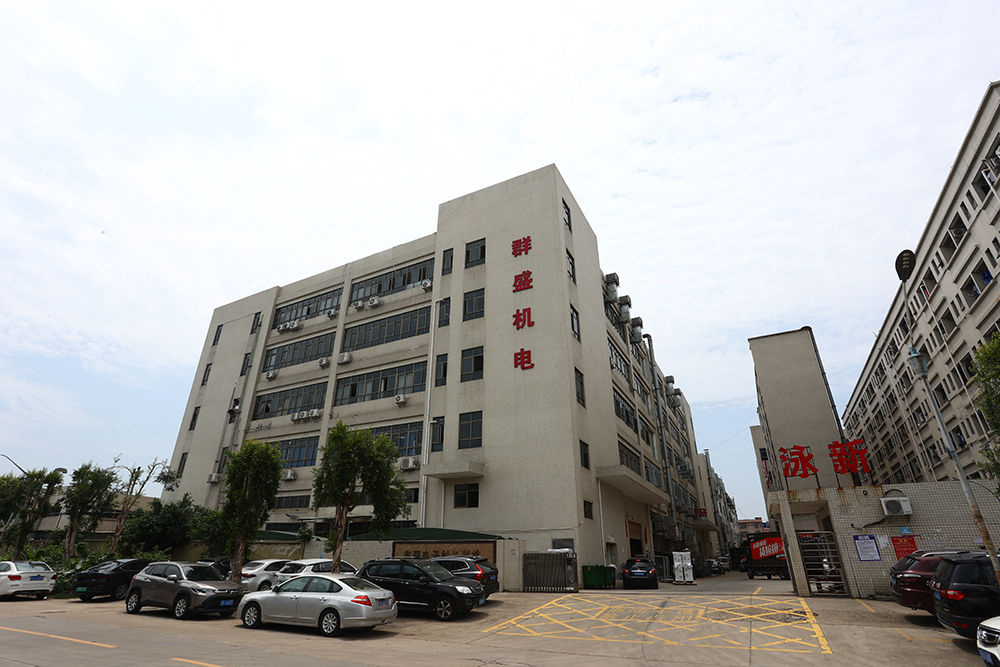
A 10,000 m² plant area, reached after the 2025 expansion, is the physical basis for long-term volume commitments.
2. Acceptance criteria: what should be written into the specification
Acceptance criteria should be measurable, repeatable and agreed before the first production lot. In electrophoretic coating they normally cover film thickness, appearance and colour, corrosion performance, coverage of complex geometry, and environmental compliance of the coating chemistry.
Film thickness is the anchor criterion because most other properties follow it. Standard thickness is 15–25 µm, with thickness variation controlled within ±5% and typical tolerance within ±1 µm when automated lines are used. A specification that allows 15–25 µm without stating how thickness is sampled and where it is measured on the part leaves the supplier and the buyer measuring different things.
Coverage is the second anchor. Electrophoretic deposition, based on Faraday's principle, deposits charged paint particles evenly across the workpiece; deep cavities, tight seams, internal holes and complex 3D geometries achieve over 95%–98% coverage, eliminating the dead corners associated with traditional spray painting. On parts with blind holes or stacked stampings, coverage should be verified by sectioning a sample part rather than by visual inspection of the exterior only.
Corrosion performance should be written as a test duration on a named substrate. A high salt spray electrophoresis system can reach 300–1,000 hours of salt spray resistance, while automotive-grade electrophoretic coating specifications typically pass over 1,000 hours of Neutral Salt Spray Testing (NSS). Both statements are valid — they describe different systems — and the contract should say which one applies to which part number.
3. Customisation of colour and film thickness
Colour and film thickness are the two variables buyers most often need changed, and both are customisable. Standard colours are black and white; other colours are available on request. Standard coating thickness is 15–25 µm and can be adjusted to customer requirements. Coatings are built on acrylic resin and epoxy resin systems, and the finished surface is uniform and fine, free from defects such as flow marks or blisters.
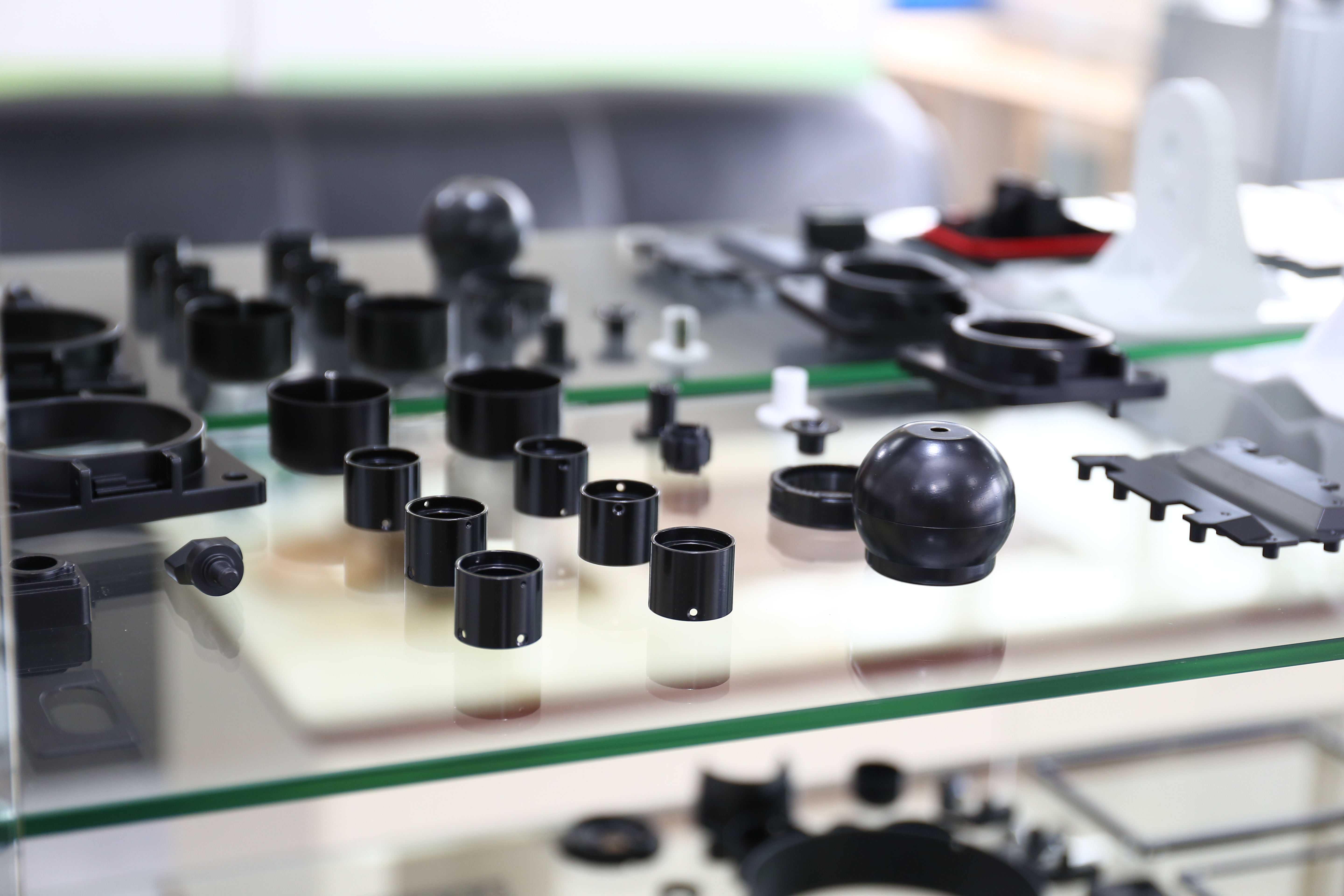
Colour and film thickness are both customisable; standard colours are black and white, with other colours available on request.
Two practical notes on customisation. First, a colour change is a bath or line change, so it should be scheduled against an order release plan rather than requested lot by lot. Second, thickness adjustments trade off against coverage in tight cavities — raising thickness is not automatically an improvement, and the agreed band should be validated on a real part, not on a flat test panel.
4. What ISO 9001 and ISO 14001 certification tells a buyer about after-sales confidence
Certification is often treated as a marketing badge. In a long-term coating partnership it functions as something more specific: evidence that the process which produced the accepted lot is documented, and can therefore be reproduced, audited and corrected.
Yongxin has passed ISO 9001 Quality Management System Certification, ISO 14001 Environmental Management System Certification and IATF16949 Automotive Quality Management System Certification, and in 2023 was officially awarded the title of National High-Tech Enterprise. Each certificate carries a distinct after-sales implication:
- ISO 9001 supports the corrective-action loop. When a lot is rejected, the response is a documented non-conformance, root-cause analysis and a defined change to the process — not an ad hoc repaint.
- ISO 14001 supports continuity of supply. Electrophoretic coating uses water-based paints free of heavy metals, with very low VOC emissions and compliance with international environmental standards such as RoHS; an environmental management system is what keeps that compliance stable when regulations or local enforcement change.
- IATF16949 supports automotive-grade discipline in process control and traceability, which matters to buyers in automotive, bicycle and consumer electronics programmes running multi-year supply agreements.
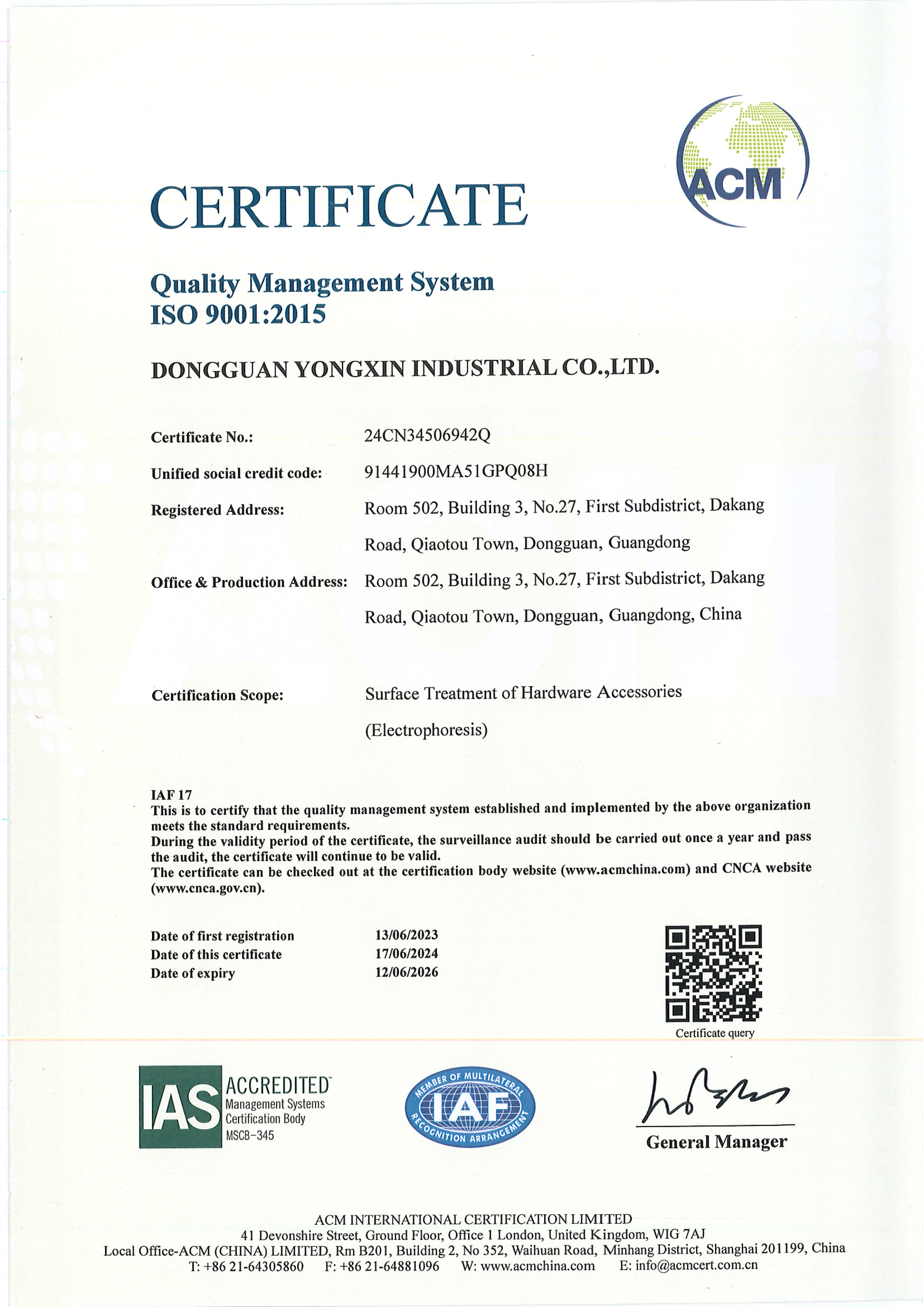
ISO 9001 underpins the corrective-action loop that makes a multi-year coating agreement workable.
Certification does not replace product testing. It tells the buyer that when a test fails, there is a system in place that will investigate and document it — which is the part of after-sales support that a price list cannot provide.
Step-by-Step: From First Inquiry to Approved Long-Term Supply
The sequence below reflects how a coating partnership is normally qualified. Buyers evaluating several suppliers can use it as a comparison structure, because each step produces a document that can be placed side by side.
Step 1 — Part and substrate review. The supplier reviews drawings, substrate and part geometry. Substrate matters because carbon steel, alloy steel, aluminium alloy, magnesium alloy and zinc alloy each require different pretreatment. Output: a substrate and part-family scope list.
Step 2 — Coating specification proposal. Resin system (acrylic, epoxy or a combination), colour and target film thickness are proposed. Output: a draft specification with a 15–25 µm band or a customised alternative.
Step 3 — Sample coating and test report. Sample parts are coated and tested. Output: measured thickness, salt spray duration, appearance assessment and coverage evidence on a sectioned part.
Step 4 — Acceptance criteria sign-off. Both parties agree which measurements are taken, on which points of the part, at which sampling frequency, and what happens at each rejection threshold. Output: a signed acceptance appendix.
Step 5 — First article approval. A production lot is coated on the final fixture and approved against the acceptance appendix. Output: an approved first article that becomes the reference standard.
Step 6 — Batch production with in-process inspection. Coating is verified through a quality inspection system that includes more than 20 high-precision testing instruments: a German FISCHER film thickness gauge, a Swiss Zehntner gloss meter, a Japanese Konica Minolta spectrophotometer, a Japanese Mitutoyo roughness meter, salt spray testers, constant temperature and humidity testers, a reflectometer, an electron microscope, a tape abrasion tester, an alcohol rubber friction tester and bath solution analysis equipment. Output: lot-level inspection records.
Step 7 — Periodic review and long-term support. Performance data, non-conformance history and any specification changes are reviewed at an agreed interval. Output: a revised specification or a confirmed continuation of the existing one.
Steps 3 and 4 are where most evaluation time should be spent. A supplier that can produce a clear sample report and a written acceptance appendix is usually also able to handle a rejection without escalation.
Where These Terms Apply in Practice
Electrophoretic coating is used in metal parts surface treatment projects including automotive component coating and consumer electronics parts coating. Processed products are widely used in automobiles, bicycles, communication equipment, consumer electronics, unmanned aerial vehicles and security systems.
The application context shapes the acceptance criteria more than the industry label does. Parts operating under high humidity, salt spray, corrosive and UV-exposed conditions need the corrosion and UV-resistance clauses of the agreement weighted more heavily than appearance clauses. Parts with visible surfaces in consumer products need the colour and gloss clauses weighted more heavily. On die-cast, CNC-machined and metal stamping parts, the coverage clause carries the most risk, because internal geometry is where a coating either succeeds or fails quietly.
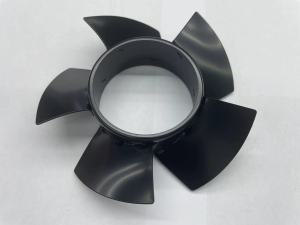
Magnesium alloy parts need substrate-specific pretreatment and their own acceptance band within the same long-term agreement.
Yongxin's export business accounts for 30% of total sales, with major markets including Europe and America, Southeast Asia, Mexico, Poland, Turkey and Brazil. For buyers in those regions, the practical question is usually whether an acceptance appendix written for one market can be applied to another — and the answer depends on whether the referenced test methods are recognised in both.
Acceptance Criteria Reference Table
The table below summarises the acceptance items that a long-term electrophoretic coating agreement should define, together with the agreed range and the way each item is usually checked. It is a reference structure, not a universal specification — each part number should carry its own confirmed band.
| Acceptance item | Agreed range | How it is checked |
|---|---|---|
| Dry film thickness | 15–25 µm standard; thickness variation within ±5% | Film thickness gauge at agreed measurement points on the part |
| Appearance and colour | Uniform and fine finish; black and white standard, other colours customisable | Visual inspection plus spectrophotometer and gloss meter readings |
| Corrosion resistance | High salt spray system: 300–1,000 hours; automotive-grade specifications typically over 1,000 hours NSS | Neutral Salt Spray Testing for the agreed duration on the named substrate |
| Coverage on complex geometry | Over 95%–98% on cavities, seams and internal holes | Sectioning a sample part and reviewing fixture design |
| Substrate compatibility | Carbon steel, alloy steel, aluminium alloy, magnesium alloy, zinc alloy | Pretreatment confirmation and first-article approval |
| Environmental compliance | Water-based coating, no heavy metals, very low VOC, RoHS-compliant | Coating supplier documentation plus ISO 14001 system evidence |
| Mechanical durability | Good adhesion, abrasion resistance and anti-fading performance | Tape abrasion and alcohol rubber friction testing |
Note on test methods: where a contract references external standards for adhesion, dry-film thickness, humidity or salt spray evaluation, each standard number and its current edition should be verified against the issuing organisation before the agreement is signed. A secondary technical source commonly maps cross-cut adhesion, dry-film thickness, humidity, salt spray and rust evaluation to distinct ISO and ASTM methods — but a standards reference list is a starting point for the test plan, not a substitute for confirming the edition in force.
Frequently Asked Questions
What certifications should a long-term electrophoretic coating partner hold?
A coating partner supplying into multi-year industrial programmes should hold a quality management system certification and an environmental management system certification at minimum. Yongxin has passed ISO 9001 Quality Management System Certification, ISO 14001 Environmental Management System Certification and IATF16949 Automotive Quality Management System Certification, and was awarded the title of National High-Tech Enterprise in 2023. These certificates matter to buyers because they document the corrective-action and environmental-control processes that keep a long agreement stable, not because they replace part-level testing.
Can colour and film thickness be customised within the agreement?
Yes. Standard colours are black and white, and other colours are available on request. Standard coating thickness is 15–25 µm and can be customised according to customer requirements, with thickness variation controlled within ±5%. Because a colour change involves a bath or line change, custom colours are best scheduled against an agreed order release plan rather than requested per lot.
How is coating performance on complex parts verified before acceptance?
Coverage on complex geometry is verified by sectioning a sample part, not by inspecting the exterior. Electrophoretic deposition deposits charged particles evenly across the workpiece, and deep cavities, tight seams, internal holes and complex 3D geometries achieve over 95%–98% coverage. Corrosion performance is verified separately by Neutral Salt Spray Testing on the named substrate, with the duration written into the acceptance appendix.
Can sample parts be coated before a long-term agreement is signed?
Sample coating is the normal way to open a supplier evaluation, and the sample report is what the acceptance appendix is later built from. A useful sample submission includes measured film thickness at defined points, salt spray duration on the actual substrate, a colour and gloss reading, and photographic or sectioned evidence of coverage in cavities. Buyers should treat the sample report as the draft of the acceptance criteria, because whatever is measured at sample stage is what can realistically be measured in production.
What does long-term support look like after the first approved lot?
Long-term support is the combination of capacity, process control and documentation. Yongxin operates 6 professional electrophoresis production lines, a plant area of 10,000 square metres reached after the 2025 expansion, an annual production capacity of 30,000,000 units, and a quality inspection system with more than 20 high-precision testing instruments covering film thickness, gloss, colour, roughness, salt spray, humidity and bath solution analysis. Buyers who want to review the full capability set before opening a partnership discussion can visit the Yongxin website, download the coating solutions brochure, or request sample parts and a quotation for their specific substrate and part family.
Conclusion
A long-term electrophoretic coating partnership holds together when three things are written down before production starts: the purchasing terms that define scope and volume, the acceptance criteria that define pass and fail on the actual part, and the certification and documentation that define how problems are handled afterwards.
The numbers that make those three parts concrete are not complicated — 15–25 µm film thickness with ±5% variation, over 95%–98% coverage on complex geometry, 300–1,000 hours of salt spray on a high salt spray system and over 1,000 hours NSS on automotive-grade specifications, and a water-based, heavy-metal-free chemistry with very low VOC emissions. What separates a workable agreement from a difficult one is whether those numbers are attached to a named substrate, a named test method and a named measurement point.
Buyers who fix those three anchors during the sample stage spend far less time renegotiating them during the production stage.
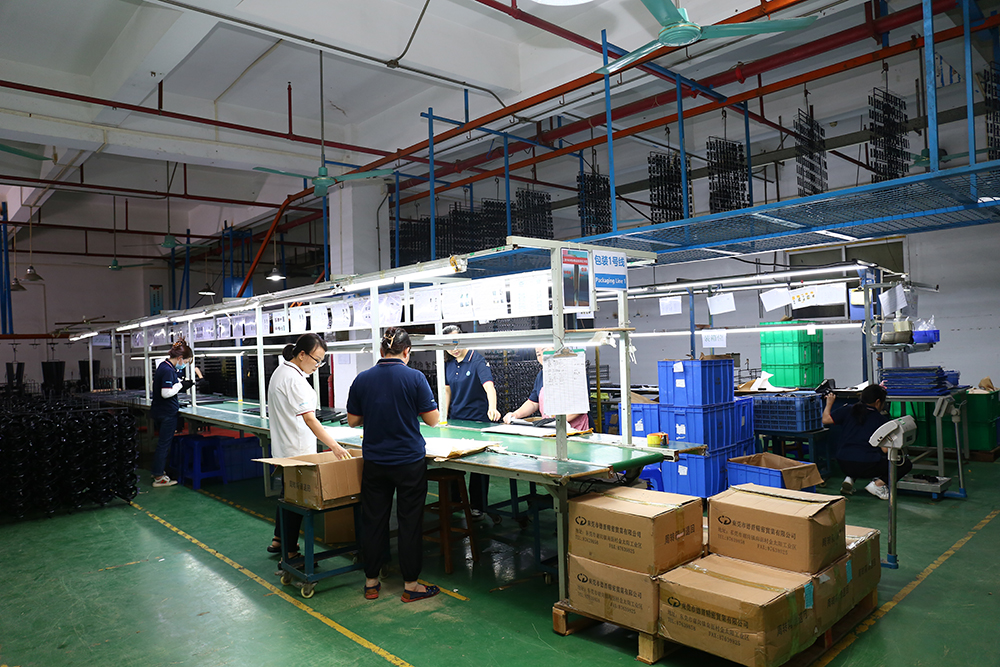
Accepted lots move into packaging under the same documented process that produced them.
Have Questions or Need More Details?
Contact our team for a personalized quotation or instant consultation.
Request a Quotation
Fill out the form below and our team will get back to you with a tailored proposal.
WhatsApp Direct Chat
Prefer to chat in real-time? Message us on WhatsApp for instant assistance & quick answers.
- Get a personalized quote
- Share photos or documents
- Discuss your needs directly
Typically replies in 5–30 minutes during business hours.