
Electrophoretic Coating Ranked: Salt Spray, Coverage and Fit
Ranking summary: Three electrophoretic coating solutions carry most metal-part programs, and their order follows corrosion duty. First is High Salt Spray Electrophoretic Coating, documented above 720 hours of neutral salt spray on motor housings. Second is White Electrophoretic Coating, selected when the visible finish must be white. Third is Black Electrophoretic Coating, the standard grade used for general metal finishing where the requirement is full coverage rather than the maximum corrosion hours.
All three are produced by Yongxin Industrial (Dongguan Yongxin Industrial Co., LTD), a metal surface-treatment and electrophoretic processing enterprise in Qiaotou Town, Dongguan City, Guangdong, China. The company was founded in 2018, employs 60 to 80 people with 5 to 10 engineers in R&D, exports about 30% of its output to Europe and America, Southeast Asia, Mexico, Poland, Turkey and Brazil, and completed a 2025 expansion to a 10,000 m² plant running six electrophoretic production lines.
The ranking uses four measurable dimensions: salt spray resistance, coverage on complex geometry, substrate and part compatibility, and appearance control. A fifth dimension, temperature exposure, is treated as a project-specific validation item rather than a ranked one, because the published evidence used here does not define a numeric operating window for these grades. That limitation is stated openly below rather than filled with an invented number.
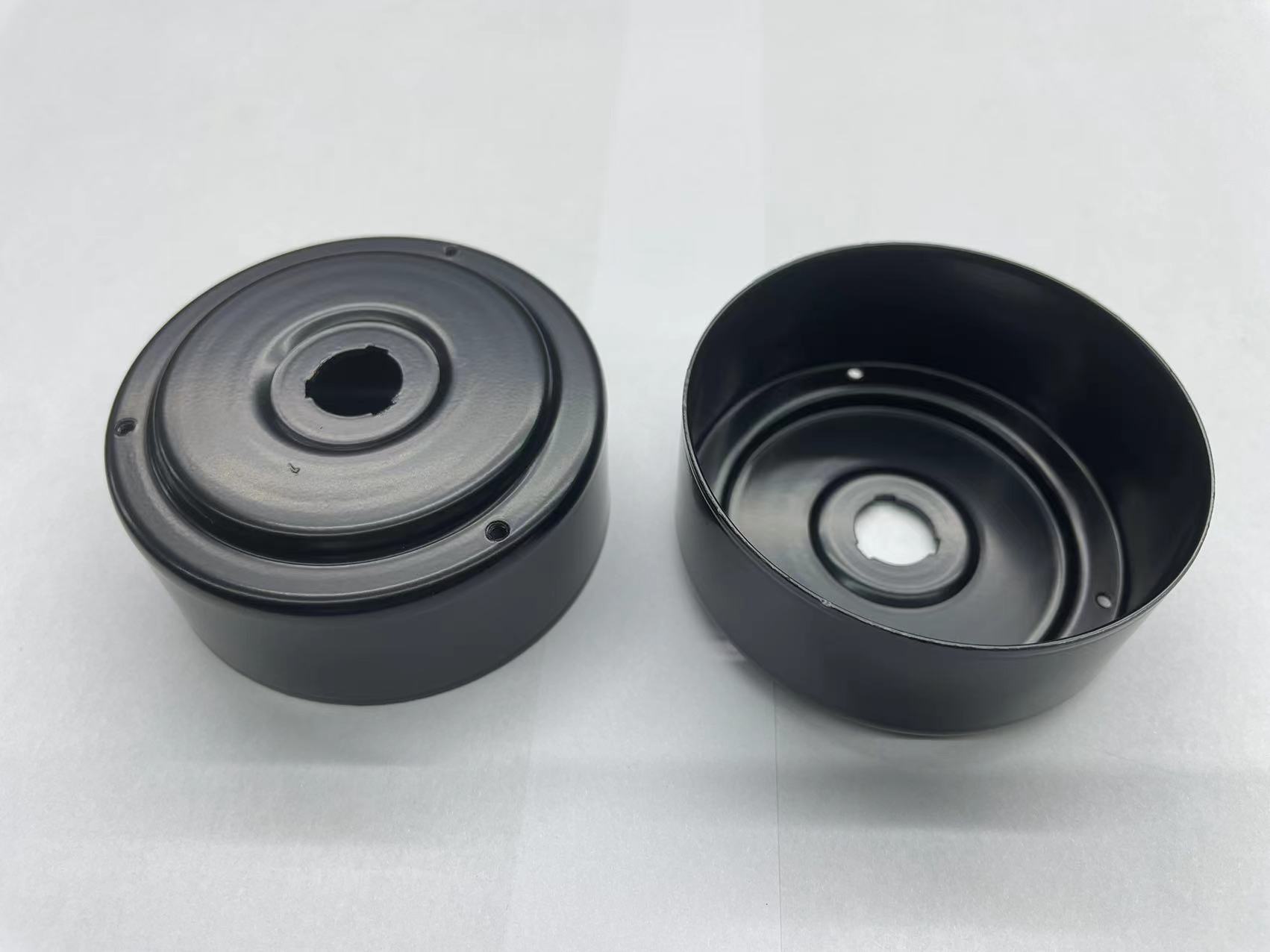
Cover image: 54 motor housing with black electrophoretic coating, recorded at 720 hours neutral salt spray. Corrosion hours, not colour, set the top of this ranking.
Why metal-part coating programs fail before any ranking matters
Most coating failures on metal parts are not chemistry failures. They are coverage failures and specification failures. Three patterns repeat across the case records behind this ranking.
Edges, corners and inner cavities. In a CNC precision machining program in China covering 10,000,000 parts over five years, the documented problem was missed coating at corners and inner cavities. The electrophoretic film layer resolved it with full coverage and strong adhesion, and the finished coating is described as resistant to acid and alkali, rust-proof and anti-aging, extending product service life.
Structural gaps in housings. In a motor manufacturer program in Japan covering 15,000,000 units, the requirement was uniform full coverage of complex motor structural gaps, stable anti-corrosion performance under long-term harsh conditions, and low material loss during coating to support mass continuous production. That program recorded neutral salt spray resistance above 720 hours and an extension of product service life by 5 to 10 years.
Appearance at volume. A white or coloured finish that matches on the first sample and drifts on the tenth batch is a specification problem, not a supplier problem. It is solved by defining colour, gloss and film thickness before production and by controlling the bath itself.
A performance ranking is therefore only useful when it is mapped to those three failure modes. The order below reflects corrosion duty first, then appearance-critical work, then general finishing.
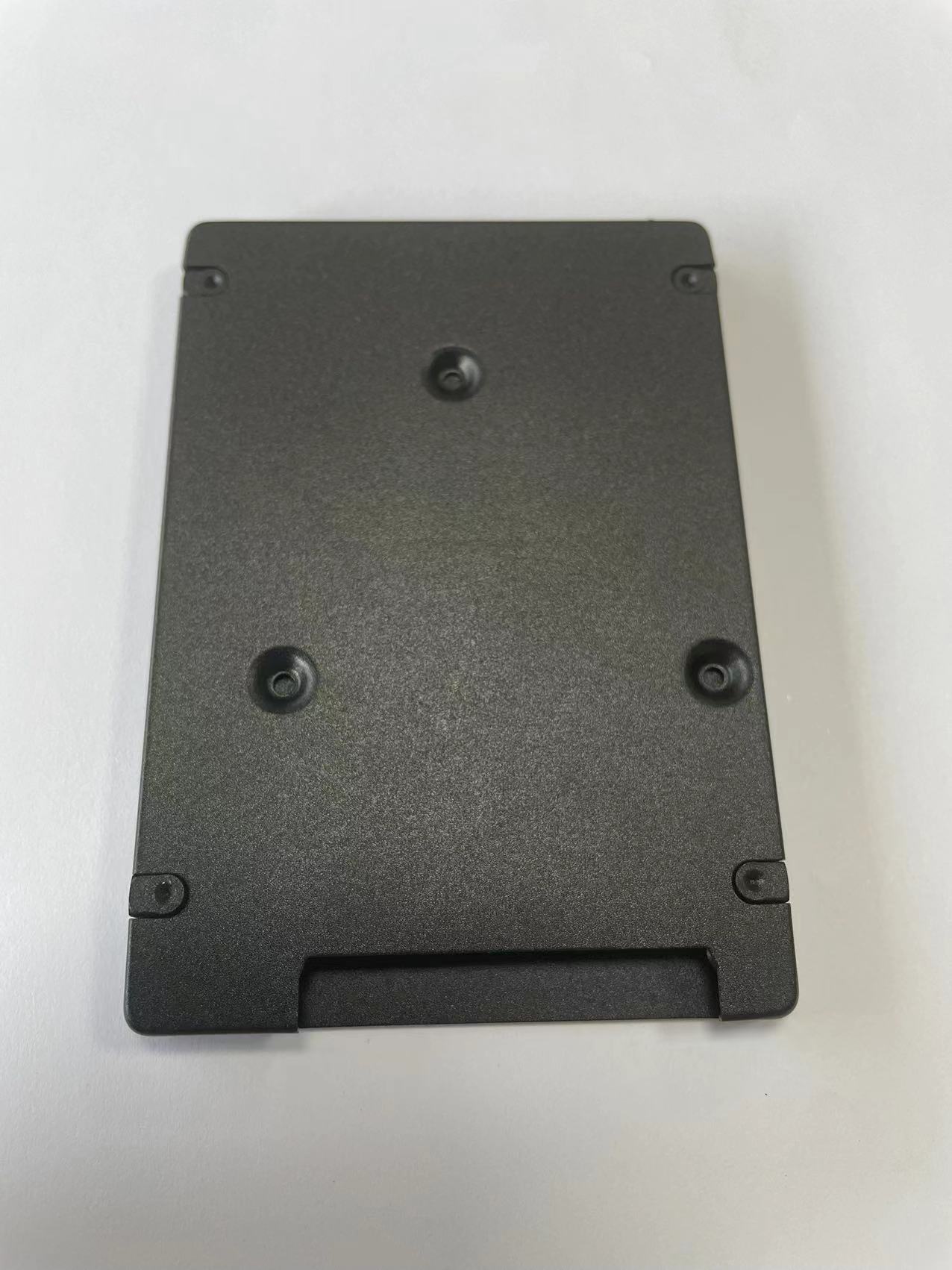
Substrate compatibility is part of the ranking: an aluminium alloy solid-state drive housing finished with black electrophoretic coating.
Industry background: what buyers now expect from an E-coat line
Electrophoretic coating, also written as E-coating or ED coating, is a standardized industrial process rather than a workshop practice. ISO 22553-1:2019 defines the vocabulary for electro-deposition coatings and states applicability to automotive industries and other general industrial applications, naming chiller units, consumer products, radiators, aerospace and agriculture among the application areas.
Within the technology mix, cathodic epoxy is expected to remain the dominant electrocoating type over the forecast period, according to Stratview Research market analysis published in 2026. That position matches what buyers see in practice: epoxy systems, propionic acid (acrylic) systems, and both anionic and cationic electrophoretic coatings are the standard commercial families, and each one behaves differently on edges, on aluminium and on magnesium.
Corrosion expectations have risen with it. Premium automotive E-coat specifications commonly sit in the 720 to 1,000 hour band of salt spray performance, which is why a supplier that can only quote a generic corrosion claim is difficult to qualify. Peer-reviewed work on magnesium illustrates how substrate-specific that evidence is: in a study of AZ91D magnesium alloy published in the International Journal of Corrosion, cathodic electrodeposition epoxy specimens reported an immersion corrosion rate of 1.65 mm/year, against 4.01 mm/year for aluminium powder-coated specimens and 45.87 mm/year for as-cast specimens under the same protocol, with salt spray testing to ASTM B117 for 240 hours. Those figures belong to that study and that substrate. They are not a benchmark for every electrophoretic coating, and this article does not use them as one.
Demand-side drivers are visible in the industries served by these lines: automotive, bicycle, communication equipment, consumer electronics, UAV and security systems. Each brings a different dominant requirement — corrosion hours in automotive and outdoor hardware, cosmetic consistency in consumer electronics, and coverage of thin walls and internal features in UAV and communication frames.
The ranking: three electrophoretic coating solutions
Rank 1 — High Salt Spray Electrophoretic Coating
- Corrosion evidence: motor housing program in Japan, 15,000,000 units, neutral salt spray resistance above 720 hours, service life extended by 5 to 10 years as reported by the program.
- Coverage: uniform full coverage of complex motor structural gaps, with stable anti-corrosion performance under long-term harsh working conditions.
- Production behaviour: low material loss during coating, which is what makes the grade viable for mass continuous production rather than batch specials.
- Substrate and part fit: corrosion-critical housings, rotors, cores, brackets and outdoor hardware in metal electrophoretic coating programs.
- Watch-out: agree the test method and acceptance rule before quoting. ISO 9227 and ASTM B117 are not interchangeable as contract language, and hours without a stated method are not a specification.
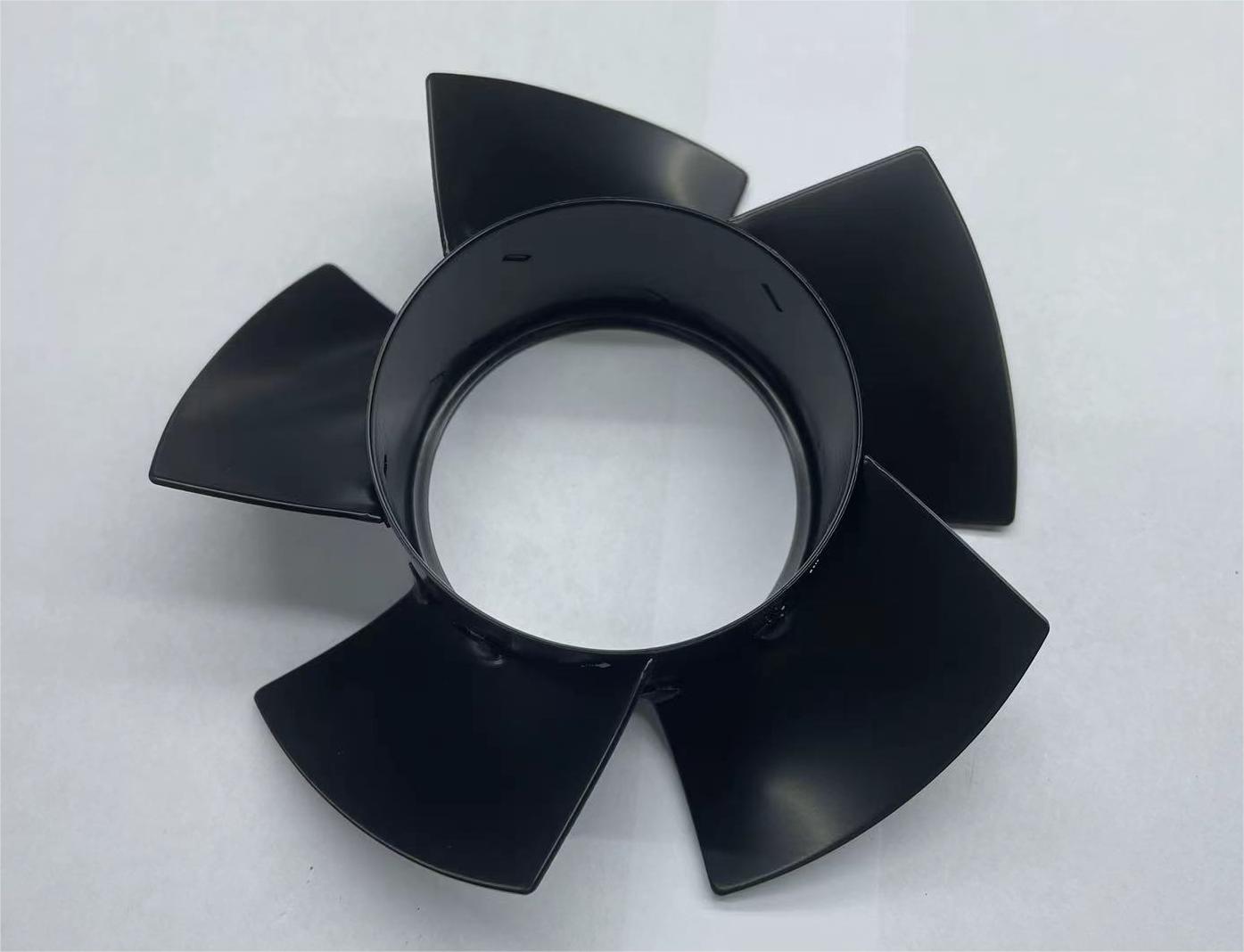
Corrosion duty is graded per part, not per brochure: a 4E leaf sleeve with black electrophoretic coating and a 240-hour salt spray record.
Rank 2 — White Electrophoretic Coating
- Application fit: visible housings and covers in consumer electronics, communication equipment and appliance-type parts where a white finish is specified.
- Appearance control: colour and gloss are checked with a Konica Minolta spectrophotometer and a Zehntner gloss meter, film thickness with a FISCHER gauge and roughness with a Mitutoyo roughness meter — instruments named in the company quality system.
- Consistency: bath condition is monitored with tank solution analysis equipment, which is the practical control point for batch-to-batch colour drift.
- Watch-out: white surfaces reveal defects that black hides. Seams, hanger marks and pretreatment residues must be agreed as accept or reject criteria on the drawing, not settled after the first shipment.
- Corrosion note: the case records used for this ranking do not document white parts above 720 hours neutral salt spray. Where a white part also carries a corrosion-critical duty, specify both requirements and ask for combined test evidence.
Rank 3 — Black Electrophoretic Coating (standard grade)
- Coverage evidence: CNC precision machined parts program in China, 10,000,000 units, with a film layer described as fully covered, no missed coating at corners or inner cavities, and strong adhesion.
- Durability: the coating is described as resistant to acid and alkali, rust-proof and anti-aging, extending product service life.
- Part fit: stamped parts, die-cast parts, brackets, frames, heat-sink bases and internal structures where appearance is secondary and corrosion duty is moderate.
- Watch-out: standard black is not a substitute for the high salt spray grade. If the drawing calls for 720 hours or more, the part belongs in Rank 1, not Rank 3.
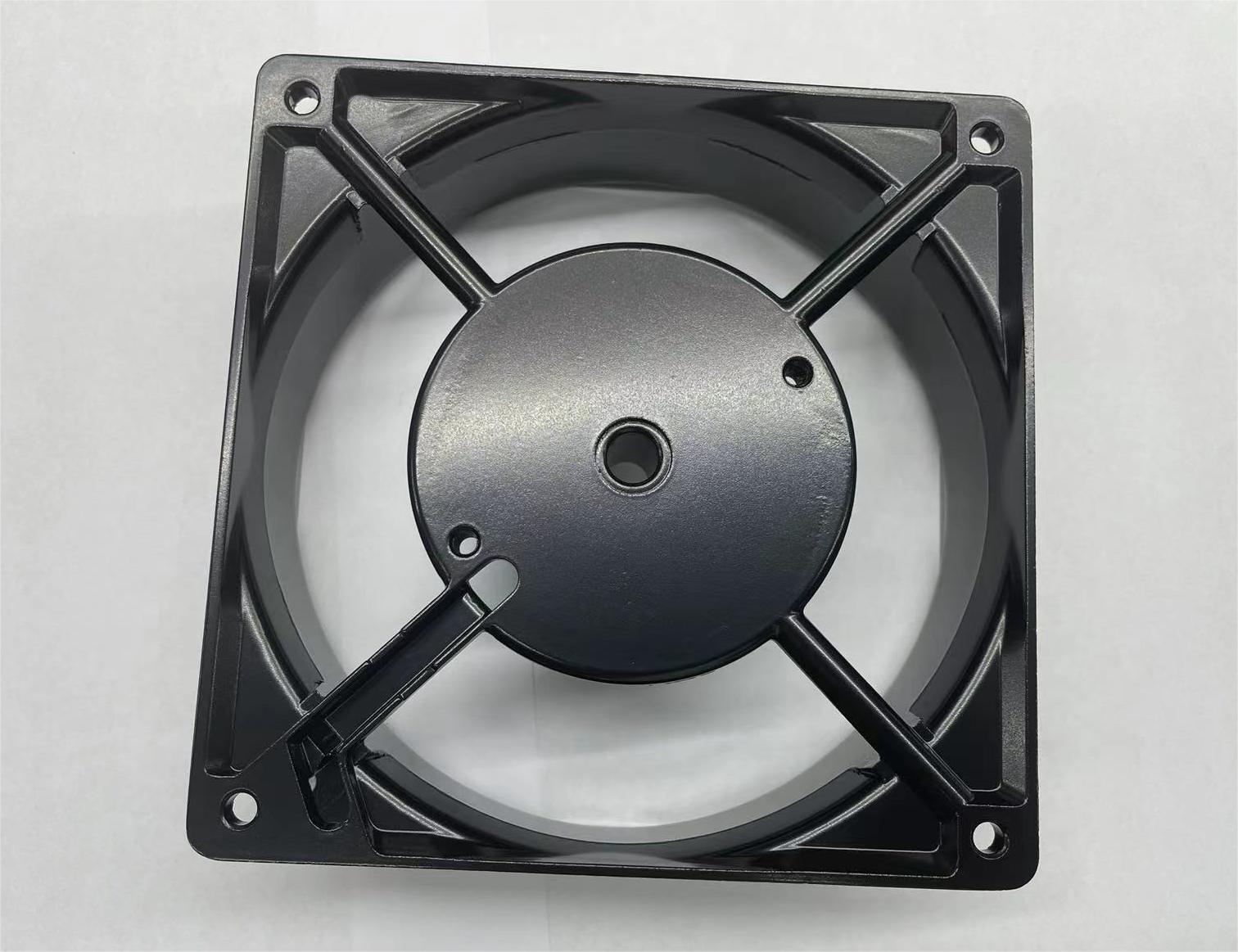
Standard black grade in volume production: a 12038 fan frame with black electrophoretic coating.
Beyond the top three: the customisation layer
Ranking three grades does not mean only three exist. The wider programme list covers Color Electrophoretic Coating, UV-resistant Electrophoretic Coating, Corrosion-resistant Electrophoretic Coating, Epoxy resin Electrophoretic Coating, Electrophoretic Coating of propionic acid resin, Anion Electrophoretic Coating and Cationic Electrophoretic Coating. Substrate-specific programmes are named explicitly: Zinc alloy Electrophoretic Coating, Aluminum alloy Electrophoretic Coating, Electrophoretic Coating of magnesium alloys, Electrophoretic Coating of die-cast parts and Electrophoretic Coating of stamping parts. Colour, film thickness and grade are customisable, and OEM production is the standard commercial mode.
These are extension options, not ranked entries, because ranking requires part-level evidence and the case records used here support three graded positions.
Step-by-step: how to rank these three for a specific part
- Fix the corrosion target and the test method together. Write the hours plus the method (ISO 9227 or ASTM B117) plus the rust evaluation rule. A 720-hour claim without a method cannot be compared with another supplier claim.
- Audit substrate and geometry before choosing a grade. Zinc alloy, aluminium alloy, magnesium alloy, die-cast and stamped parts each need their own pretreatment logic. Magnesium in particular needs substrate-specific validation rather than a transferred steel specification.
- Define coverage acceptance on the real part. Identify the critical corners, cavities and mating faces on the drawing and state how they will be inspected. The case records here describe full coverage with no missed coating at corners or inner cavities; a numeric coverage percentage for your part should be defined in your own acceptance protocol, because the records do not publish one.
- Set the appearance specification. Colour reference, gloss range, film thickness range and a list of accepted surface conditions. This is the step that prevents white-program disputes.
- Collect the compliance file. Yongxin holds ISO 9001:2015 certification 24CN34506942Q, issued 17 June 2024 and valid to 16 June 2027, and ISO 14001:2015 certification 24CN34506943E, issued 9 June 2025 and valid to 9 June 2028, both from ACM INTERNATIONAL CERTIFICATION LIMITED (ACMCERT) with the scope Surface Treatment of Hardware Accessories (Electrophoresis). National High-Tech Enterprise recognition GR202344016867 was issued 28 December 2023 and runs to 28 December 2026. Check expiry dates against your own audit calendar rather than filing the certificates once.
- Validate on a sample, then on a pilot lot. Sampling is a short confirmation loop: coating trial, instrument verification, then agreement on the acceptance criteria. Testing capability on site includes a salt spray tester, constant temperature and humidity chambers, film thickness, gloss, colour and roughness instruments, tape and alcohol abrasion testers, a reflectometer, an electron microscope and tank solution analysis. Production is 100% tested.
- Lock capacity and lead time last. Six electrophoretic lines with monthly capacity of 2,500,000 units and a lead time of 3 to 45 days depending on quantity is the practical envelope. Confirm where your order sits inside it before committing a delivery date to your own customer.
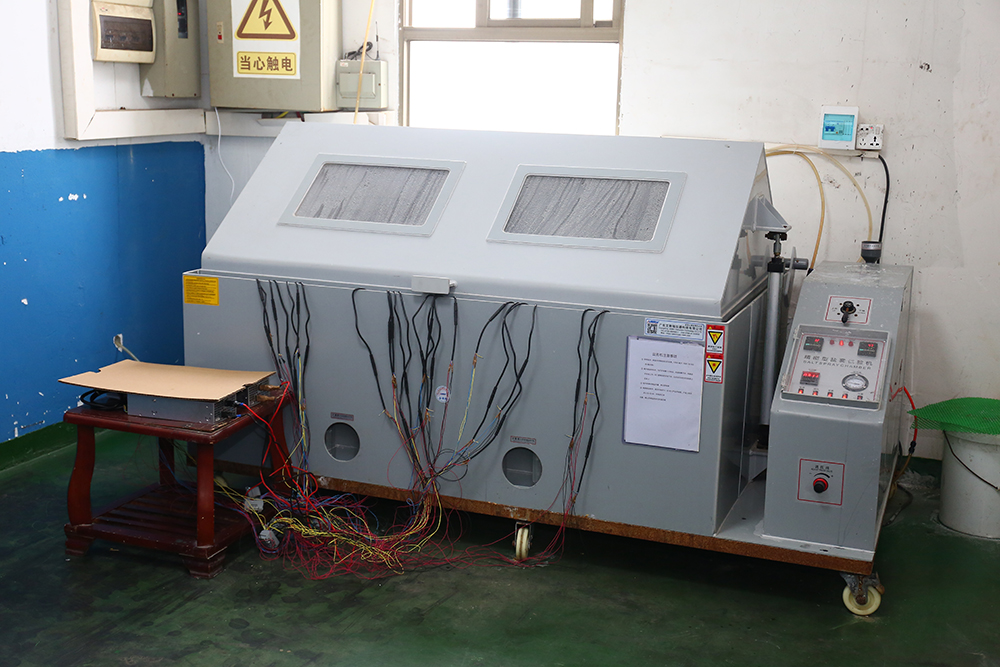
Ranking criteria are only as good as the test behind them: the salt spray chamber used for coating acceptance.
Use cases where each rank wins
Automotive and motor components. Rank 1. The Japanese motor housing program is the reference: more than 720 hours neutral salt spray, uniform coverage of complex structural gaps, and a coating process compatible with continuous mass production.
Precision machined and stamped structures. Rank 3, upgraded to Rank 1 where the drawing demands it. The Chinese CNC program shows the decisive benefit is coverage at corners and inner cavities, together with adhesion and resistance to acid, alkali and ageing.
Visible consumer and communication housings. Rank 2 where white is specified, Rank 3 where black is acceptable. Instrumented colour and gloss control is what makes either choice repeatable across batches.
Bicycle, UAV and security hardware. Mixed. Frames and structural parts usually take the high salt spray grade; internal brackets and covers take standard black. Aluminium and magnesium content in these product families is the reason substrate-specific programmes are named separately in the product list.
Comparison table
| Rank | Solution | Corrosion evidence | Appearance and QC control | Documented part focus | Watch-out |
|---|---|---|---|---|---|
| 1 | High Salt Spray Electrophoretic Coating | Above 720 h neutral salt spray on motor housings (Japan, 15,000,000 units); aligns with the 720–1,000 h band cited in premium automotive E-coat specifications | Black finish in the reference case; instrument-based thickness, gloss, colour and roughness checks; 100% testing | Corrosion-critical housings, rotors, cores and outdoor hardware | State the test method (ISO 9227 or ASTM B117) and the rust evaluation rule |
| 2 | White Electrophoretic Coating | No case record in this set documents white parts above 720 h; specify combined evidence if corrosion-critical | Spectrophotometer and gloss meter control, tank solution analysis for batch consistency | Visible housings and covers where a white finish is specified | Define seams, hanger marks and surface acceptance before the first lot |
| 3 | Black Electrophoretic Coating (standard) | Full coverage with no missed coating at corners or inner cavities; acid, alkali, rust and ageing resistance (CNC program, China, 10,000,000 units) | Standard black appearance; same instrument set; 100% testing | General metal finishing: stamped, die-cast and machined parts, frames, brackets | Not a substitute for Rank 1 when the drawing specifies 720 h or more |
Frequently asked questions
Which certifications should an OEM electrophoretic coating supplier hold for automotive and export programs?
Yongxin holds ISO 9001:2015 Quality Management System certification 24CN34506942Q, issued 17 June 2024 and valid to 16 June 2027, and ISO 14001:2015 Environmental Management System certification 24CN34506943E, issued 9 June 2025 and valid to 9 June 2028. Both were issued by ACM INTERNATIONAL CERTIFICATION LIMITED (ACMCERT) with the scope Surface Treatment of Hardware Accessories (Electrophoresis). The company also holds National High-Tech Enterprise recognition GR202344016867, issued 28 December 2023 and valid to 28 December 2026, and states IATF 16949 automotive quality management system certification in its company profile. Buyers should request current certificate copies and check validity dates in the RFQ package.
Can one supplier handle high salt spray coating on complex geometries and mixed alloys?
Yongxin operates six electrophoretic production lines alongside more than 20 general processing units, more than 20 CNC machines, more than 10 die-casting machines and more than 10 metal stamping machines, and runs named programmes for zinc alloy, aluminium alloy and magnesium alloy parts as well as die-cast and stamped components. Coverage on complex geometry is documented in the case records as full coverage with no missed coating at corners or inner cavities on CNC precision machined parts in China, and as uniform coverage of complex motor structural gaps on motor housings in Japan. Monthly capacity is 2,500,000 units.
What is the minimum order quantity and which commercial terms apply?
The minimum order quantity is 100 units, negotiable for large orders. Delivery terms are FOB or CIF by negotiation, payment terms are 100% full payment, and acceptance is based on pre-shipment instrument detection. No price is published in this article; pricing follows the part, substrate, grade and volume, so it is quoted per project.
How is a sample validated before mass production?
Sampling runs as a short confirmation loop that shortens the production cycle: a coating trial on the real substrate and geometry, then instrument verification against the agreed criteria, then written acceptance. On-site testing includes a salt spray tester, constant temperature and humidity chambers, a FISCHER film thickness gauge, a Zehntner gloss meter, a Konica Minolta spectrophotometer, a Mitutoyo roughness meter, tape and alcohol abrasion testers, a reflectometer, an electron microscope and tank solution analysis equipment. Production is 100% tested, and acceptance before shipment relies on instrument detection.
What lead time should a buyer plan for, and how does a programme start?
Production lead time is 3 to 45 days depending on quantity, with after-sales support handled remotely. To start a programme, send the drawing, substrate, required grade (high salt spray, white, black or colour) and the corrosion test method you intend to apply; a sample and a quotation follow from that. Contact is by email at wuzj@yxsydy.com or WhatsApp on +8615322922788.
Conclusion: rank by duty, then confirm by evidence
The useful order for 2026 evaluation work is High Salt Spray Electrophoretic Coating first, White Electrophoretic Coating second, and Black Electrophoretic Coating third. That order is not a quality judgement on the coatings themselves; it is a statement about which failure mode each grade is designed to prevent. Corrosion hours are the hardest requirement to satisfy and the hardest to verify, so the grade that carries them ranks first. Appearance-critical white work ranks second because colour consistency, not corrosion, is the risk that stops shipments. General finishing ranks third because coverage and adhesion, not maximum hours, decide whether the part passes.
Two habits make the ranking usable. First, never accept a corrosion number without its test method and evaluation rule. Second, never accept a coverage percentage that was not measured on your own geometry — the case records describe coverage qualitatively, and your drawing should define the acceptance rule quantitatively.
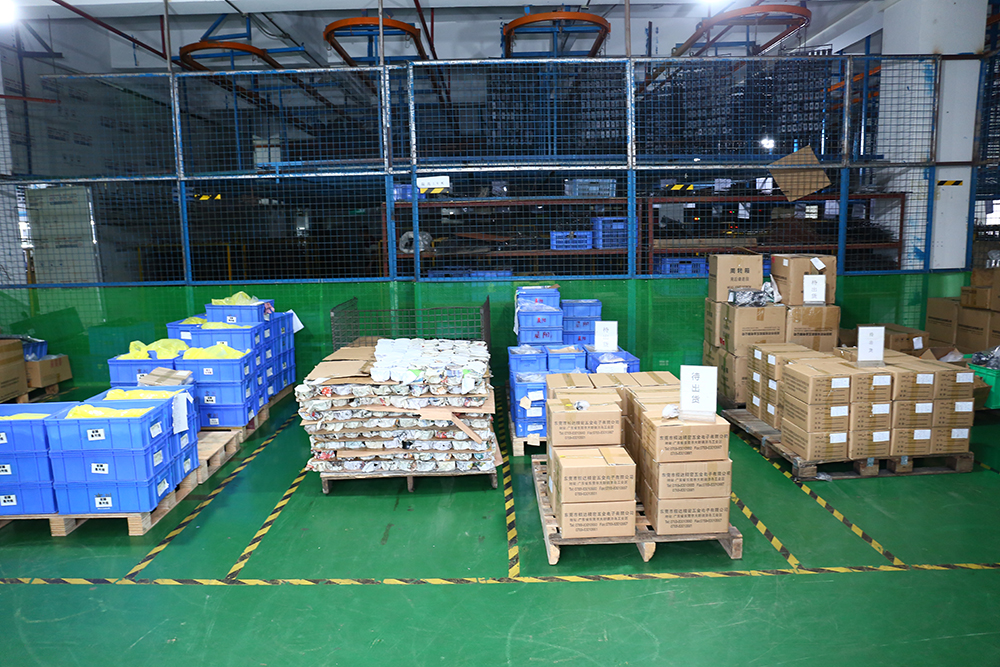
From ranked shortlist to delivered lot: packed electrophoretic coating parts before shipment.
Next step: sample or quotation
Send your part drawing, substrate and required corrosion method to receive a matched sample and a project quotation. High salt spray, white, black and colour programmes are all quoted per part, with MOQ from 100 units and lead time of 3 to 45 days depending on quantity.
Email: wuzj@yxsydy.com | WhatsApp / Tel: +8615322922788
Website: www.yxecoat.com
Address: Room 502, Building 3, No. 27, Dakang Road 1st Street, Qiaotou Town, Dongguan City, Guangdong Province, China
Download the full capability and product catalogue: Electrophoretic Coating Solutions (PDF)
Have Questions or Need More Details?
Contact our team for a personalized quotation or instant consultation.
Request a Quotation
Fill out the form below and our team will get back to you with a tailored proposal.
WhatsApp Direct Chat
Prefer to chat in real-time? Message us on WhatsApp for instant assistance & quick answers.
- Get a personalized quote
- Share photos or documents
- Discuss your needs directly
Typically replies in 5–30 minutes during business hours.