
Electrophoretic Coating: A Complete Guide for Metal Surface Treatment
Electrophoretic Coating for Metal Parts: Process, Benefits, and How to Choose a Manufacturer
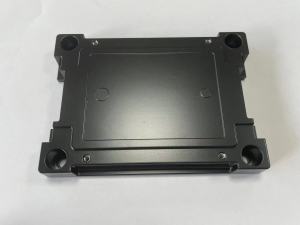
Electrophoretic coating (also known as E-coating or ED coating) is an advanced surface finishing technology that applies a uniform, corrosion-resistant paint layer to metal substrates using an electric field. This process is widely adopted in industries such as automotive, consumer electronics, and heavy machinery due to its ability to coat complex geometries with consistent film thickness and excellent adhesion. Dongguan Yongxin Industrial Co., LTD (brand: Yongxin) is a high-tech enterprise established in 2018 that specializes in electrophoretic processing for metal surface treatment. With a manufacturing facility of 4,000 m² (expanded to a total plant area of 10,000 m² in 2025) and an annual production capacity of 30,000,000 units, Yongxin provides black, white, color, zinc alloy, aluminum alloy, and magnesium alloy electrophoretic coatings for global clients.
The Problem: Metal Corrosion and Surface Degradation
Metal parts exposed to high humidity, salt spray, corrosive chemicals, or UV radiation are prone to rust, pitting, and aesthetic deterioration. Traditional coating methods such as spray painting often leave thin spots, drips, or uncovered areas on complex geometries, leading to premature failure. Without a reliable protective layer, components in automotive underbodies, bicycle frames, communication equipment housings, and security devices may fail within months. Manufacturers need a coating solution that delivers 360-degree coverage, consistent thickness (typically 15–25 µm), and long-term corrosion resistance—capabilities that electrophoretic coating inherently provides.
Industry Background
The global electrophoretic coating market was valued at approximately USD 3.5 billion in 2023 and is projected to reach USD 6.1 billion by 2032, growing at a CAGR of 6.5% from 2024 to 2032 (source: Dataintelo). The Asia-Pacific region holds the largest revenue share, driven by automotive and construction demand in China and India. Cathodic epoxy coatings, which often exceed 1,000 hours of salt spray resistance, dominate the market, while anodic coatings typically maintain around 500 hours. E-coating technology achieves a material transfer efficiency of 95% and a coating thickness of 20–40 microns in standard applications. Major global competitors include PPG Industries, BASF SE, Axalta Coating Systems, Nippon Paint, and Kansai Paint. However, many buyers seek specialized service providers that can handle complex part geometries, offer custom colors, and provide full-process support from metal forming to surface treatment.
Detailed Solution: Yongxin Electrophoretic Coating Capabilities
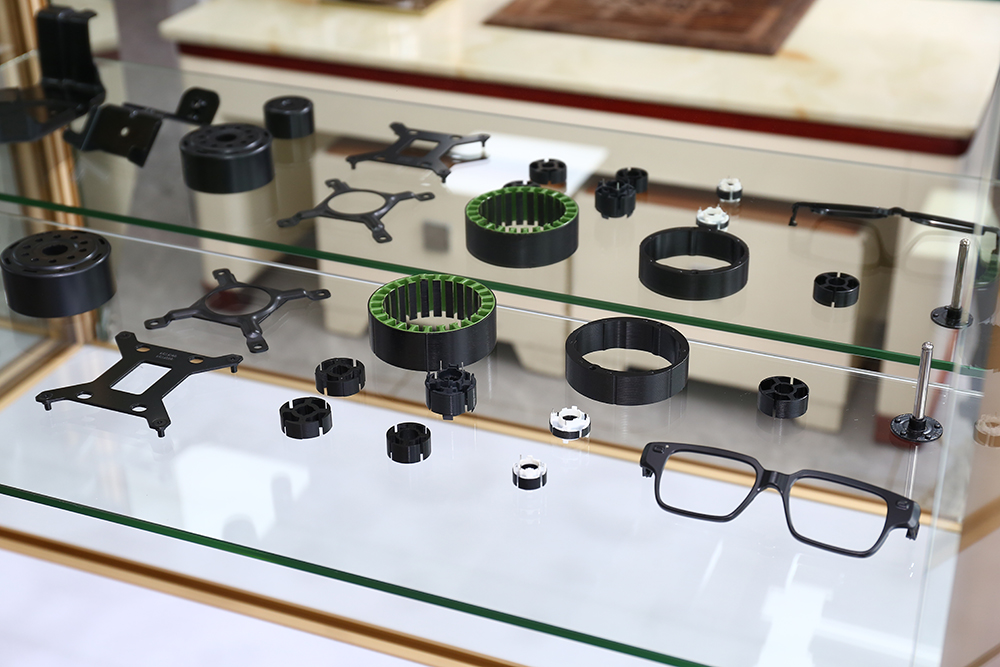
Yongxin offers a comprehensive range of electrophoretic coating products tailored to different metal substrates and performance requirements. Key product categories include:
- Black Electrophoretic Coating – Made from acrylic resin and epoxy resin, available with custom color options. Standard film thickness is 15–25 µm for ordinary parts, with customizable thickness upon request.
- White Electrophoretic Coating – Suitable for CNC-machined parts, providing a uniform and fine finish. Material options include acrylic resin and epoxy resin.
- High Salt Spray Electrophoretic Coating – An anionic coating that can achieve 300–1,000 hours of salt spray resistance. Available in white and black (customizable). Ideal for automotive parts, die-casting parts, and metal stamping parts exposed to harsh environments.
- Epoxy Resin Electrophoretic Coating for Stamped Parts – specifically designed for stamped components, offering good anti-rust and anti-corrosion performance.
All Yongxin coatings are applied using 6 professional electrophoresis production lines, supported by over 20 general processing machines (sand blasters, polishers, shot blasting, laser equipment) and a dedicated quality inspection system. Testing equipment includes German FISCHER film thickness gauge, Swiss Zehntner gloss meter, Japanese Konica Minolta spectrophotometer, and salt spray testers. Yongxin holds ISO 9001, ISO 14001, and IATF 16949 certifications, and was awarded the title of National High-Tech Enterprise in 2023.
Step-by-Step Electrophoretic Coating Process at Yongxin
- Pre-treatment – Parts are cleaned, degreased, and etched to remove contaminants and oxides. This ensures optimal adhesion of the coating.
- Rinsing – Multiple deionized water rinses remove residual chemicals.
- E-coat Deposition – Parts are immersed in a water-based paint bath. An electric field drives charged paint particles (cationic or anionic) onto the metal surface, forming a uniform layer even on recessed areas.
- Post-rinse & Reclaim – Excess paint is rinsed away and reclaimed for reuse, achieving material transfer efficiency up to 95%.
- Curing – Parts are baked in an oven at 150–180°C to cross-link the resin, converting the wet film into a hard, durable coating.
- Quality Inspection – Thickness, adhesion, gloss, and salt spray resistance are tested using high-precision instruments. Yongxin’s laboratory performs continuous batch inspections to ensure consistent quality.
Use Cases
Yongxin’s electrophoretic coatings are used in the following industries and applications (based on processed client projects):
- Automotive – Engine brackets, chassis components, door hinges, fasteners. High salt spray resistance (up to 1,000 hours) meets OEM standards.
- Bicycles – Frames, handlebars, and accessories requiring uniform appearance and scratch resistance.
- Communication Equipment – Housings and brackets that must withstand outdoor exposure and humidity.
- Consumer Electronics – Enclosures for smartphones, laptops, and audio devices where aesthetic finish and durability are critical.
- Drones & Security – Lightweight aluminum or magnesium alloy parts needing UV-resistant, corrosion-resistant coatings.
The company has provided processing services for well-known brands including Huawei, DJI, OPPO, Panasonic, BYD, VIVO, Apple, and Foxconn (source: company profile).
Comparison: Yongxin Electrophoretic Coating Types
| Feature | Black E-coating | White E-coating | High Salt Spray E-coat |
|---|---|---|---|
| Resin Type | Acrylic + Epoxy | Acrylic (Epoxy optional) | Acrylic + Epoxy |
| Color Options | Black (customizable) | White (customizable) | White, Black (customizable) |
| Salt Spray Resistance | Good (industry std.) | Good | 300–1,000 hours |
| Film Thickness | 15–25 µm (standard) | Customizable | Customizable |
| Typical Parts | General metal parts | CNC parts, consumer electronics | Automotive, die-cast, stamping |
| Application | Interior/exterior | Aesthetic finish | Harsh environment |
Frequently Asked Questions
What should I look for in an electrophoretic coating manufacturer?
When evaluating manufacturers, consider their production capacity, certifications, and ability to handle your specific substrate. Yongxin employs 60–80 staff with a dedicated R&D team of 5–10 engineers, operates 6 electrophoresis lines, and holds ISO 9001, ISO 14001, and IATF 16949 certifications. With an annual output of 30 million units and exports to Europe, Americas, and Southeast Asia, Yongxin is equipped to meet both small-batch prototyping and large-volume orders. The company also offers supporting services such as CNC machining, die casting, and metal stamping for integrated supply.
What materials can be electrophoretic coated?
Yongxin provides electrophoretic coating for various metals including carbon steel, stainless steel, zinc alloy, aluminum alloy, magnesium alloy, and die-cast parts. The process works well on both cast and stamped components.
How can I get a sample or quote for my parts?
To evaluate coating performance for your specific parts, Yongxin offers sample processing and quotation services. Contact Mr. Wu via email (wuzj@yxsydy.com), WhatsApp (+8615322922788), or submit an inquiry through the website. The company will advise on the best coating type and provide a test sample based on your material and environmental requirements. Visit Yongxin’s website or download the company brochure for detailed capabilities.
Conclusion
Electrophoretic coating remains one of the most reliable and efficient methods for protecting metal parts against corrosion and wear. By selecting a manufacturer with proven expertise, certifications, and scalable production—such as Yongxin—manufacturers can ensure consistent quality and long-term performance. Whether you require black, white, color, or high-salt-spray-resistant coatings for zinc alloy, aluminum, or magnesium parts, Yongxin’s integrated service model from metal forming to finishing simplifies supply chain management. Contact Yongxin today to discuss your project and request a sample or quote.
Ready to start your electrophoretic coating project?
Email: wuzj@yxsydy.com | WhatsApp: +8615322922788 | yxecoat.com
Download the full capability brochure: Electrophoretic Coating Solutions