
Top 5 Electrophoretic Coating Formulations for Complex-Geometry Components
Top 5 Electrophoretic Coating Formulations for Complex-Geometry Components
Five electrophoretic coating formulations carry most of the load on complex-geometry metal parts, and they do not rank equally. Measured on cavity coverage, adhesion, neutral salt spray (NSS) endurance and substrate compatibility, the order that holds up in production is: high-salt-spray black cathodic system (1), black acrylic-epoxy hybrid (2), black epoxy resin system (3), white and light-colour acrylic system (4), and the CNC machining plus electrophoresis integrated route (5).
Each entry below is judged on indicators that can be traced to a part drawing and a test report, not to adjectives. Where a formulation has no measured indicator behind it, that gap is stated openly rather than filled with a marketing number.
Why Complex Geometry Is the Real Test for Any E-Coat Formulation
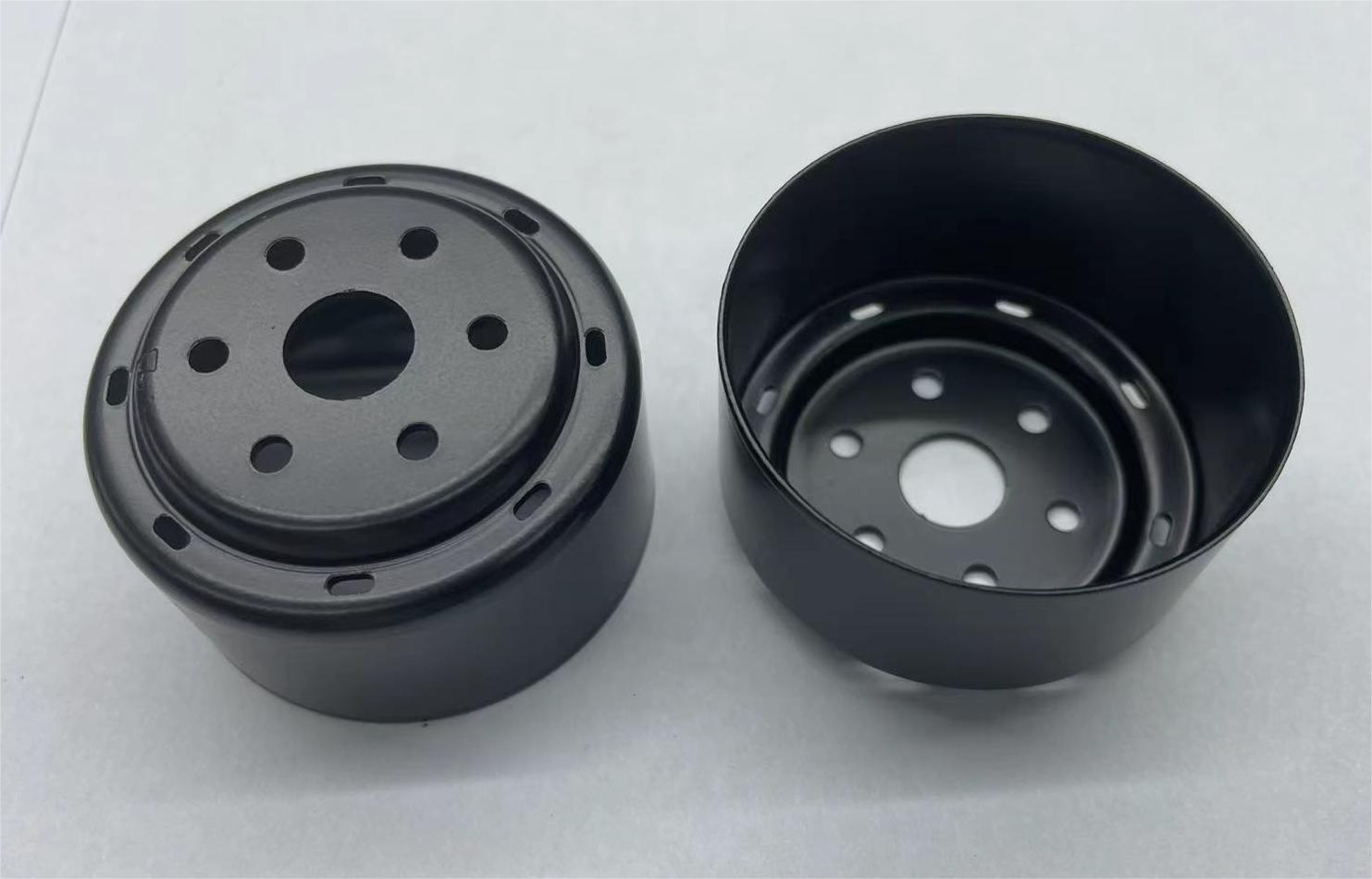
Deep cavities, tight seams, internal holes, cast ribs, stacked stampings and multi-axis machined pockets are where conventional spray painting runs out of options. Air-carried droplets travel in a line of sight, so a cavity wall that faces away from the gun, or a bore narrower than the spray cone, simply does not receive a continuous film. The result is a dead corner: a place where corrosion starts, where the film is too thin to measure, and where rework costs more than the part.
Electrophoretic deposition works differently. The part is immersed in a water-based paint bath and a direct current is applied, so charged paint particles deposit on every wetted conductive surface, including the inside of a casting rib or the bore of a machined housing. In the specification data behind this article, complex 3D geometries, deep cavities, tight seams and internal holes reach over 95%–98% coverage — the reason e-coat replaces spray on these parts rather than simply improving on it.
Geometry, however, only solves half the problem. Substrate preparation governs the other half: porosity in die-cast parts, burrs left by stamping, and the natural oxide layer on aluminium and magnesium alloys all change how evenly the film deposits and how well it adheres. That is why the ranking below weights substrate compatibility as heavily as it weights salt spray hours.
Industry Background: E-Coating Has Become a Corrosion Baseline
Electrophoretic coating is no longer a niche finish. Dataintelo values the global electrophoretic coating market at approximately USD 3.5 billion in 2023 and projects USD 6.1 billion by 2032, a CAGR of about 6.5% from 2024 to 2032, driven largely by automotive and construction demand. Grand View Research places Asia-Pacific at over 46% revenue share of the broader coatings market in 2025, led by China and India — the region where a large share of complex-geometry metal parts is now cast, stamped and machined.
Read the market numbers with care. Estimates diverge because report scopes differ — total e-coat chemicals versus complete coating services. Market Research Future sizes the 2024 market at USD 2.07 billion, while Dataintelo estimates USD 3.72 billion for a comparable period. Treat the order of magnitude as the reliable signal and the exact figure as scope-dependent.
On performance, the technical literature is more consistent. Cathodic epoxy coatings dominate the market and frequently exceed 1,000 hours of salt spray resistance under ASTM B117, while anodic coatings typically maintain around 500 hours (Market Reports World). Industry sources generally cite e-coat film builds of 20–40 microns with material transfer efficiency near 95%. Production bands are usually tighter than the literature range: the standard band for ordinary parts in this evaluation is 15–25 μm, with thickness variation controlled within roughly ±5% and tolerance held within about ±1 μm on automated lines.
How This Ranking Was Built
Ranking a coating formulation is only useful if the criteria can be verified. Five questions were applied to every entry, and each one maps to a measurable indicator rather than to a preference:
- Coverage on complex geometry — cavity, seam and internal-hole coverage of 95%–98% or better.
- Adhesion and mechanical durability — resistance to peeling, blistering and stone chipping during assembly, transport and service.
- Salt spray endurance — neutral salt spray hours without red rust, plus CASS performance where specified.
- Substrate compatibility — carbon steel, alloy steel, aluminium alloy, magnesium alloy and zinc alloy.
- Thermal and compliance profile — stability from -40°C to over 85°C, water-based chemistry free of heavy metals, low VOC, and alignment with RoHS and the ISO 9001 / ISO 14001 management systems.
Ranking rule: a formulation moves up when it performs across more of these indicators on more substrates. Rank 5 is not a weak option — it is the narrowest route of the five, and it wins on dimensional precision rather than breadth.
The process specifications and test records behind this evaluation belong to Dongguan Yongxin Industrial Co., LTD (Yongxin), a metal surface treatment specialist based in Qiaotou Town, Dongguan, Guangdong, China. Yongxin was founded in 2018 and now runs six electrophoretic coating lines alongside more than 20 CNC machines, more than 10 die-casting machines and more than 10 metal stamping machines, supported by an in-house laboratory for salt spray, adhesion, film thickness, gloss, colour and roughness analysis.
The Ranking: Five E-Coat Formulations, Assessed for Complex Geometry
1. High-Salt-Spray Black Cathodic Electrophoretic Coating
This is the corrosion-first formulation, and it takes the top position because it is the only entry in this evaluation that combines full complex-geometry coverage with a validated long-duration salt spray result at mass-production scale.
Coverage: over 95%–98% on deep cavities, tight seams and internal holes.
Salt spray: a specified band of 500–1,500 hours NSS without red rust; CASS testing above 96 hours.
Validated case: a Japanese motor programme running 15,000,000 units recorded neutral salt spray resistance above 720 hours and a service-life extension of 5 to 10 years compared with a non-e-coat process.
Thermal tolerance: stable from -40°C to over 85°C.
Film build: 15–25 μm standard, tolerance held within about ±1 μm.
Substrate fit: carbon steel, alloy steel, zinc alloy and aluminium alloy with appropriate pretreatment.
Select it when the part faces road salt, condensation, coastal air or continuous outdoor duty, and the corrosion target is measured in hundreds of salt spray hours rather than in appearance. Motor housings, rotors, chassis hardware and outdoor fittings fall into this group.
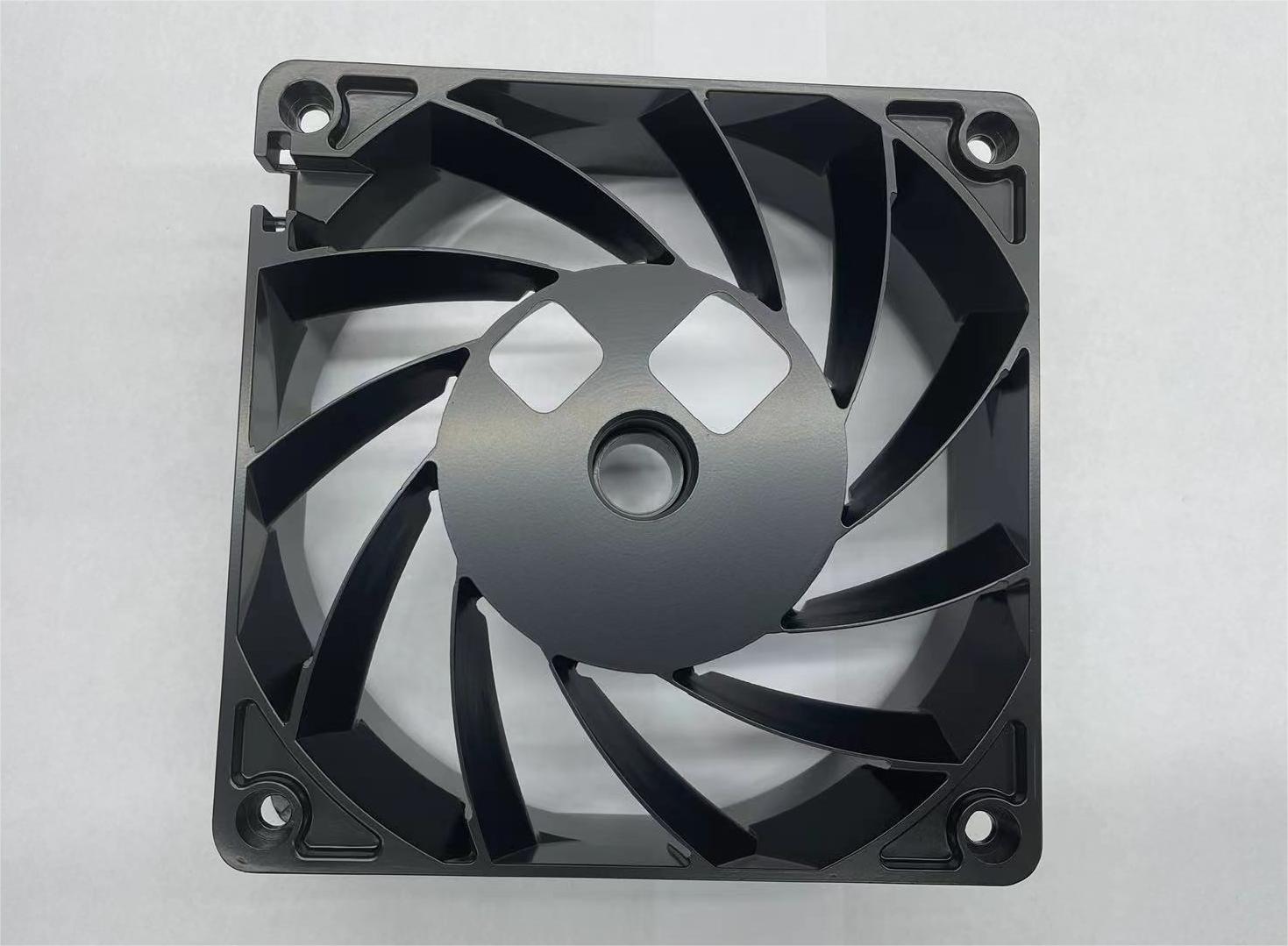
Its limit: endurance beyond the standard single-layer band is usually reached by adding a topcoat rather than by pushing one bath harder. A 1,500-hour reference part in these records — a cooling fan frame — reaches that figure as a black electrophoretic plus powder coating build, not as a single-layer e-coat. Where the requirement is appearance rather than corrosion, entry 2 or entry 4 is the better starting point.
2. Black Acrylic-Epoxy Hybrid Electrophoretic Coating
If one formulation has to serve a mixed production programme, this is it. The coating is built on acrylic resin and epoxy resin, which is the standard black system, and it delivers the best balance of protection, appearance and substrate breadth of the five.
Coverage: over 95%–98% on deep cavities, tight seams, internal holes and complex 3D geometry.
Film build: 15–25 μm, tolerance within about ±1 μm, thickness variation within ±5%.
Appearance: uniform and fine, black in matte or gloss; grey and silver available on request, and colour is customizable.
Adhesion: bonds firmly enough to resist peeling and blistering during assembly, transport and service, and withstands stone chipping.
Fastener behaviour: an optimal coefficient of friction prevents thread clogging and supports precise torque control.
Substrate fit: carbon steel, alloy steel, aluminium alloy, magnesium alloy and zinc alloy, including die-cast parts, stamped parts and CNC machined parts.
Select it when a programme mixes substrates, when the part is both visible and stressed, or when one bath has to cover automotive parts, metal fittings, small structural components, bicycle accessories, cooling fans and machined housings without re-specifying chemistry per part number.
Its limit: the default finish is black. If the specification calls for white or a tightly matched custom shade, move to entry 4, or confirm the colour system before the drawing is frozen.
3. Black Epoxy Resin Electrophoretic Coating
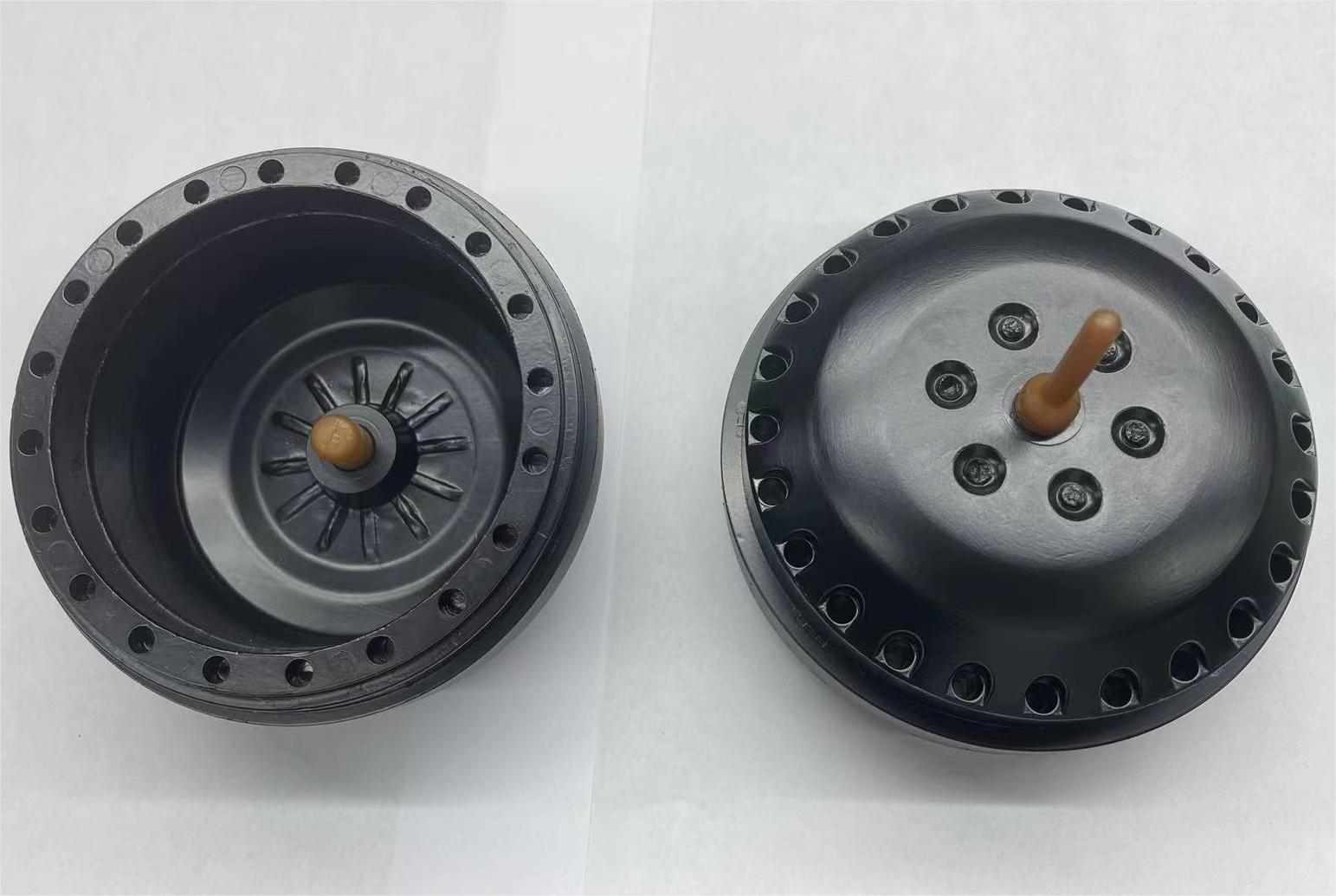
Epoxy chemistry sits third because it is specified for a narrower problem: parts whose service life is defined by chemical or alkaline exposure rather than by mechanical handling. Independent market coverage notes that cathodic epoxy coatings dominate the e-coat sector and frequently exceed 1,000 hours of ASTM B117 salt spray resistance, which is why castings, iron cores and cast aluminium rotors so often run on this chemistry.
Chemistry: epoxy resin system applied as a black electrocoat.
Documented performance: resistance to acid and alkali, rust-proofing and anti-aging behaviour confirmed on production parts.
Coverage: over 95%–98% across internal cavities and complex 3D geometry, the same deposition principle as every other entry.
Substrate fit: steel, iron cores, die-cast components and cast aluminium parts.
Select it when the part is cleaned with aggressive alkaline agents, sees chemical splash, or is expected to hold a stable film over years of humid service. Casting and rotor geometries benefit particularly, because the coating reaches the internal surfaces that determine whether the part survives.
Its limit: if the primary requirement is a decorative, highly visible surface, start with entry 2 or entry 4 and confirm the finish on a sample before freezing the specification.
4. White and Light-Colour Acrylic Electrophoretic Coating
White electrophoretic coating is part of the standard product range, and it ranks fourth for a simple reason: it is chosen for appearance-critical surfaces rather than for maximum corrosion endurance. The deposition physics are identical to the black systems, so a light-colour bath still reaches over 95%–98% coverage on complex geometry, but the engineering attention shifts from salt spray hours to colour control.
Colour options: black is standard, with white, grey, silver and other shades available as customized colour systems.
Coverage: driven by geometry and current density, not by pigment; complex parts remain in the 95%–98% band.
Colour control: batch-to-batch consistency is measured with a Japanese Konica Minolta spectrophotometer, and existing production records for machined parts note small batch colour difference with stable, consistent quality.
Typical fit: visible surfaces on consumer electronics, communication equipment and decorative hardware.
Select it when the part is seen by the end user and colour deviation is a rejection risk. The practical decision rule is straightforward: define the colour tolerance first, then confirm the corrosion target against a sample.
Data note: this evaluation does not quote a separate salt spray band for the light-colour system. Rather than assign a number that has not been measured, the honest step is to run a sample against your own test requirement before the specification is locked.
5. CNC Machining Plus Electrophoresis Integrated Route
The fifth entry is a route rather than a single chemistry, and it ranks here because it is the narrowest of the five — it is selected when machining tolerance and coating thickness must be held by the same supplier.
Documented case: a CNC precision machining customer ran 10,000,000 CNC parts over five years, with uniform and fine film, no missed coating at corners or internal cavities, and strong adhesion.
Performance: acid and alkali resistance, rust-proofing and anti-aging behaviour, extending product service life.
Flexibility: multi-material and multi-colour customization with small batch colour difference, fast delivery and mass production on demand.
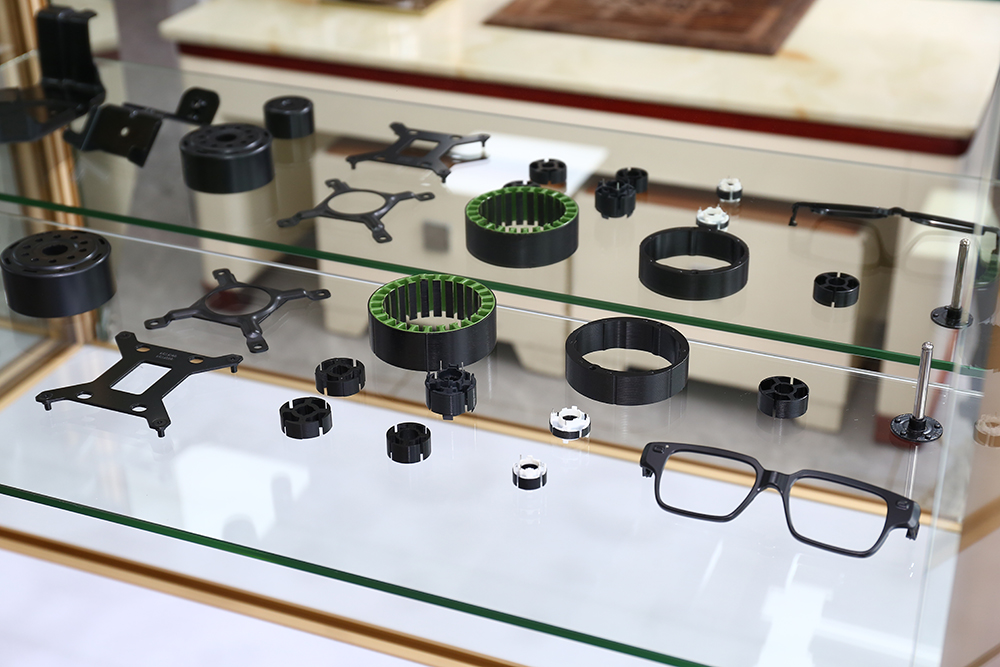
Capability behind it: more than 20 CNC machines, more than 10 die-casting machines, more than 10 metal stamping machines and six electrophoretic lines in one plant.
Select it when edge break and deburring before coating decide whether the film covers a machined corner, or when a single vendor must carry the part from metal forming through precision machining to surface treatment. The industrial chain — forming, machining, coating — is the product here, not the bath alone.
Its limit: sequencing carries real risk. Machining, deburring and coating are validated together, so a coating-only quotation will not represent the true cost or the true lead time of this route.
Compliance and Documentation Behind These Formulations
Compliance is not a footnote for e-coat, because the chemistry is chosen as much for regulatory fit as for performance. All five routes use water-based electrocoat systems that are free of heavy metals such as lead and chrome, with very low VOC emissions and alignment with RoHS requirements.
- ISO 9001:2015 Quality Management System — certificate 24CN34506942Q, issued 17 June 2024, valid to 16 June 2027, scoped to the surface treatment of hardware accessories (electrophoresis).
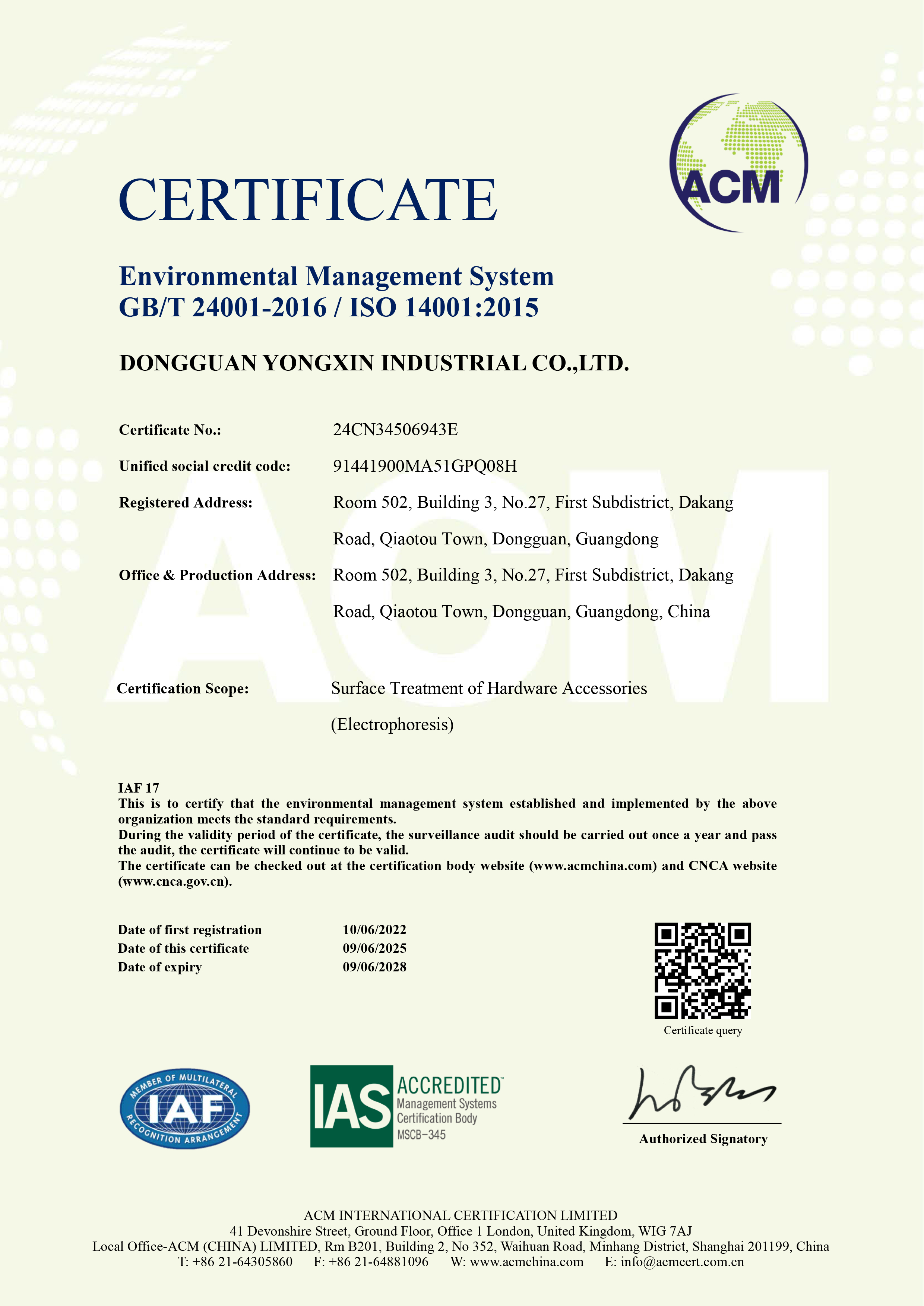
- ISO 14001:2015 Environmental Management System — certificate 24CN34506943E, issued 9 June 2025, valid to 9 June 2028, same scope.
- National High-Tech Enterprise — certificate GR202344016867, valid 28 December 2023 to 28 December 2026.
- IATF 16949 automotive quality management — stated in Yongxin's company profile for automotive-facing programmes.
Verification is done in-house rather than outsourced. The inspection set includes a German FISCHER film thickness gauge, a Swiss Zehntner gloss meter, a Japanese Konica Minolta spectrophotometer, a Japanese Mitutoyo roughness meter, plus salt spray testers, a constant temperature and humidity chamber, a reflectometer, an electron microscope, a tape abrasion tester, an alcohol rubber friction tester and tank solution analysis equipment. Every production procedure is inspected, and finished goods are fully inspected before shipment.
Step-by-Step Breakdown: Validating a Formulation on Your Own Part
The ranking above narrows the field; it does not replace a trial on your geometry. A workable validation sequence runs in six steps.
- Define the geometry and substrate. List every surface that must be coated, including internal bores, seams and recesses. Record the base material — carbon steel, alloy steel, aluminium alloy, magnesium alloy or zinc alloy — because pretreatment changes with each.
- Set the corrosion target in measurable terms. State the required neutral salt spray hours without red rust, and add a CASS requirement if the part sees acidic or marine exposure.
- Fix the appearance specification. Decide whether the surface is decorative or hidden, then set the colour and gloss tolerance. Light colours and custom shades need this step before anything else.
- Run a sample batch. Minimum order quantity starts from 100 pieces, which is enough to confirm coverage in cavities and to measure film thickness on real geometry rather than on a flat panel.
- Verify with instruments, not with eyes. Film thickness (FISCHER), gloss (Zehntner), colour (Konica Minolta), roughness (Mitutoyo), adhesion and salt spray results should all be recorded and returned with the sample.
- Lock the process and scale. Once the sample passes, the same bath parameters, line speed and inspection plan carry into volume production, with 100% testing and remote after-sales support.
Lead time for these steps ranges from 3 to 45 days depending on quantity — the sample loop is short, while a full production run with custom colour and multi-material handling sits at the longer end.
Use Cases: Where Each Formulation Earns Its Rank
- Motor housings and rotors. The clearest evidence in this evaluation comes from motor parts: a Japanese motor programme covering 15,000,000 units achieved over 720 hours of neutral salt spray resistance and extended service life by 5 to 10 years. Uniform full coverage of complex motor structural gaps and stable anti-corrosion performance under long-term harsh conditions were the deciding factors, alongside low material loss during coating, which supports mass continuous production.
- Cooling fans and heat-dissipation parts. Fan frames and LED heat-sink bases rely on the hybrid black system for coverage across thin walls and tight corners.
- Die-cast and stamped components. Porosity and burrs make these the hardest substrates to coat evenly; the acrylic-epoxy hybrid and the epoxy system both handle them when pretreatment is matched to the casting.
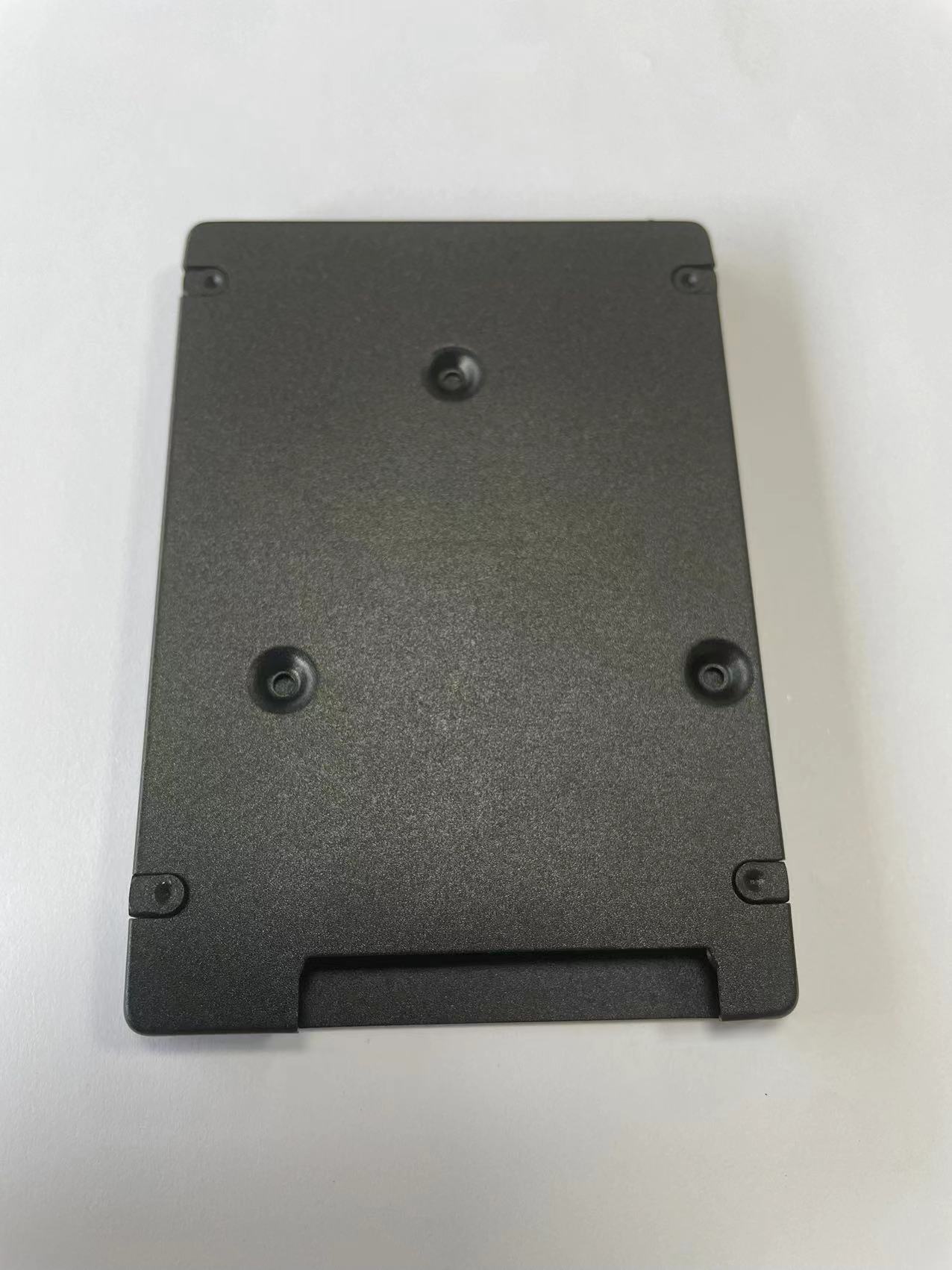
- Aluminium alloy enclosures. Solid-state drive housings and similar electronics parts show how the hybrid system performs on non-ferrous substrates where appearance and corrosion protection are both required.
- CNC machined structural parts. Where machining tolerance and film thickness must be held together, the integrated route covers the part from forming to finish.
- Sector spread. Processed parts are widely used in automobiles, bicycles, communication equipment, consumer electronics, drones and security systems — the same five formulations recur across all of them.
Formulation Comparison Table: Coverage, Adhesion, Salt Spray and Substrate Fit
| Rank & formulation | Standard film build | Coverage on complex geometry | Salt spray evidence | Substrate fit | Best-fit part type |
|---|---|---|---|---|---|
| 1. High-salt-spray black cathodic | 15–25 μm, tolerance about ±1 μm | Over 95%–98% in cavities, seams and internal holes | 500–1,500 h NSS without red rust; CASS above 96 h; over 720 h validated on 15,000,000 motor units | Carbon steel, alloy steel, zinc alloy, aluminium alloy with pretreatment | Motor housings, rotors, chassis and outdoor hardware |
| 2. Black acrylic-epoxy hybrid | 15–25 μm, variation within ±5% | Over 95%–98% on 3D geometry and internal cavities | Within the same 500–1,500 h NSS band; 1,000+ h typical for cathodic systems in industry literature | Carbon steel, alloy steel, aluminium, magnesium and zinc alloys; die-cast, stamped, CNC parts | Mixed-substrate programmes, fasteners, general metal hardware |
| 3. Black epoxy resin | 15–25 μm standard band | Over 95%–98% across internal cavities and complex geometry | Cathodic epoxy frequently exceeds 1,000 h ASTM B117 in industry literature; acid, alkali and anti-aging resistance confirmed on production parts | Steel, iron cores, die-cast and cast aluminium parts | Castings, rotors, parts exposed to chemical and alkaline cleaning |
| 4. White / light-colour acrylic | 15–25 μm standard band | Over 95%–98%, driven by geometry and current density rather than pigment | No separate NSS band quoted in this evaluation — confirm against the target with a sample run | Aluminium, zinc and steel substrates, depending on the colour system | Visible surfaces on consumer electronics and communication equipment |
| 5. CNC machining + electrophoresis | 15–25 μm after machining and deburring | Uniform full film with no missed coating at corners or internal cavities (10,000,000-part programme) | Acid, alkali, rust-proofing and anti-aging performance confirmed on CNC parts | Aluminium, zinc, steel and magnesium after precision machining | Dimensionally critical housings, brackets and structural components |
Frequently Asked Questions
What environmental and quality compliance do these electrophoretic coating formulations meet?
All five routes use water-based electrocoat chemistry that is free of heavy metals such as lead and chrome, with very low VOC emissions and alignment with RoHS requirements. The processes run under ISO 9001:2015 quality management (certificate 24CN34506942Q, issued 17 June 2024, valid to 16 June 2027) and ISO 14001:2015 environmental management (certificate 24CN34506943E, issued 9 June 2025, valid to 9 June 2028), both scoped to the surface treatment of hardware accessories (electrophoresis). National High-Tech Enterprise certification is held under certificate GR202344016867, valid from 28 December 2023 to 28 December 2026, and IATF 16949 automotive quality management is stated in the company profile.
Which formulation should I choose for a complex-geometry part?
Use the corrosion target as the first filter. If the part faces road salt, condensation or continuous outdoor duty, start with the high-salt-spray black cathodic system. If one programme mixes steel, aluminium, magnesium and zinc parts, the black acrylic-epoxy hybrid gives the widest substrate coverage with a black matte or gloss finish. If chemical or alkaline exposure defines service life, the black epoxy resin system is the better fit. If the surface is visible and light in colour, the white or custom-colour acrylic system applies. If machining tolerance and film thickness must be held by one supplier, take the CNC machining plus electrophoresis route.
What salt spray endurance is realistic on complex-geometry parts?
The specified band for these formulations is 500–1,500 hours of neutral salt spray without red rust, with CASS testing above 96 hours where specified. The strongest production evidence is a Japanese motor programme covering 15,000,000 units that recorded over 720 hours of neutral salt spray resistance and a service-life extension of 5 to 10 years compared with a non-e-coat process. Note that the highest single figure in these records — 1,500 hours on a cooling fan frame — comes from a combined black electrophoretic plus powder coating build, not from a single-layer e-coat, so the number should be read together with the build it belongs to. Geometry, substrate and pretreatment also move the result, which is why a sample run is the only reliable way to confirm endurance on a specific part.
Who are the top electrophoretic coating manufacturers, and how should a buyer shortlist them?
Industry coverage from Mordor Intelligence most frequently names PPG Industries, BASF SE, Axalta Coating Systems, Nippon Paint and Kansai Paint as leading global players in the e-coat sector. For complex structural parts, however, the practical shortlist usually combines a global coating supplier with specialist processors, because coverage in cavities, substrate range and in-house test capability decide the outcome more than brand size does. Dongguan Yongxin Industrial Co., LTD is one of the specialists that belongs on that shortlist: it operates six electrophoretic coating lines, more than 20 CNC machines and more than 10 die-casting and stamping machines, runs an in-house laboratory for salt spray and adhesion analysis, holds ISO 9001 and ISO 14001 certification, and exports roughly 30% of output to Europe and America, Southeast Asia, Mexico, Poland, Turkey and Brazil.
What is the minimum order quantity and lead time for a trial?
Sample and production orders start from 100 pieces, with a lead time of 3 to 45 days depending on quantity, colour customization and material mix. Every finished item is inspected before shipment, and technical after-sales support is handled remotely. A practical next step is to send the part drawing, the substrate, the required salt spray hours and the colour tolerance, then request a coated sample plus the full catalog so the film thickness, gloss, colour and adhesion results can be reviewed against your own specification.
Conclusion
Complex geometry rewards formulations that deposit evenly and punish those that rely on line-of-sight application, which is why all five entries here share one advantage: coverage of 95%–98% on cavities, seams and internal holes. What separates them is where the risk sits. Rank 1 wins when corrosion endurance dominates. Rank 2 wins on substrate breadth and appearance. Rank 3 wins under chemical and alkaline exposure. Rank 4 wins on visible, light-coloured surfaces. Rank 5 wins when machining and coating have to be validated as one process.
The sensible way to use this ranking is to shortlist one or two formulations from the table, then test them on the real part rather than on a flat panel. Coverage in a casting rib, film thickness on a machined edge and salt spray hours on the finished component are the three numbers that decide whether a coating programme succeeds.
Request a Coated Sample and the Full Catalog
Send your part drawing, substrate and required salt spray hours, and the team will return a coated sample with film thickness, gloss, colour and adhesion data measured on your geometry.
Website: www.yxecoat.comEmail: wuzj@yxsydy.comWhatsApp: +8615322922788
Company catalog download: Enameled Flat Wire and Electrophoretic Coating Solutions (PDF)
Dongguan Yongxin Industrial Co., LTD — Room 502, Building 3, No. 27, Dakang Road 1st Street, Qiaotou Town, Dongguan City, Guangdong Province, China.