
What Is Electrophoretic Coating? Process, Types, Selection
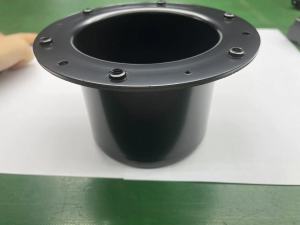
Electrophoretic coating, commonly called E-coating, ED coating, or electrophoretic deposition, is an electrochemical surface treatment used on metal parts. It deposits a uniform, fine coating that improves corrosion resistance, wear resistance, UV resistance, and appearance quality. For buyers researching metal finishing options, this guide explains what electrophoretic coating is, what types are available, how the coating process works, and how to evaluate an electrophoretic coating manufacturer.
Why Metal Parts Need Electrophoretic Coating
Metal parts in automobiles, consumer electronics, communication equipment, drones, bicycles, and security systems are often used in harsh conditions. Yongxin’s application data shows that electrophoretic coating is designed for high humidity, salt spray, corrosive, and UV-exposed environments. Without proper surface treatment, metal surfaces can rust, corrode, fade, or wear during normal use.
Part geometry is another challenge. Complex parts such as die-cast housings, stamped brackets, and CNC machined components contain internal holes, seams, and recesses. Electrophoretic coating can deposit into deep cavities, tight seams, internal holes, and complex 3D geometries because charged paint particles are attracted to the entire conductive surface. This gives E-coating an advantage over conventional spray methods for parts that need consistent coverage.
Electrophoretic Coating Market and Industry Context
The global electrophoretic coating market was valued at approximately USD 3.5 billion in 2023 and is projected to reach USD 6.1 billion by 2032, according to Dataintelo. The same source projects a CAGR of 6.5% from 2024 to 2032, driven by automotive and construction demand.
Grand View Research reports that Asia-Pacific holds more than 46% revenue share in the broader paints and coatings market in 2025. This regional activity is consistent with the location of major E-coating service providers and metal manufacturing supply chains in China and India.
Performance expectations have also become clearer. Cathodic epoxy E-coatings frequently exceed 1,000 hours of salt spray resistance under ASTM B117 conditions, while anodic coatings typically maintain around 500 hours, according to Market Reports World. Buyers should confirm which system fits their part material and service environment.
Key Benefits of Electrophoretic Coating
- Uniform and fine coating on complex geometries.
- High coverage in deep cavities, seams, and internal holes.
- Consistent film thickness in the range of 15–25 µm, with custom thickness options.
- Good anti-rust, anti-corrosion, anti-fading, and wear resistance.
- Water-based paint with low VOC emissions and no heavy metals.
- Custom color options including black, white, and other colors.
- Compatible with carbon steel, alloy steel, aluminum alloy, magnesium alloy, and zinc alloy substrates.
- High salt spray performance up to 300–1,000 hours in specific anionic systems.
Common Types of Electrophoretic Coating
Dongguan Yongxin Industrial Co., Ltd. (Yongxin) is a high-tech enterprise that specializes in electrophoretic processing for metal surface treatment. Its main products include black electrophoretic coating, white electrophoretic coating, color electrophoretic coating, and coating solutions for zinc alloy, aluminum alloy, and magnesium alloy parts.
Black Electrophoretic Coating
Yongxin offers black electrophoretic coating made from acrylic resin and epoxy resin. The coating is uniform and fine, with a standard film thickness of 15–25 µm for ordinary parts. Custom colors and thicknesses are available. Black E-coating is commonly used for automotive parts, bicycle components, communication equipment, consumer electronics, drones, and security products.
White Electrophoretic Coating
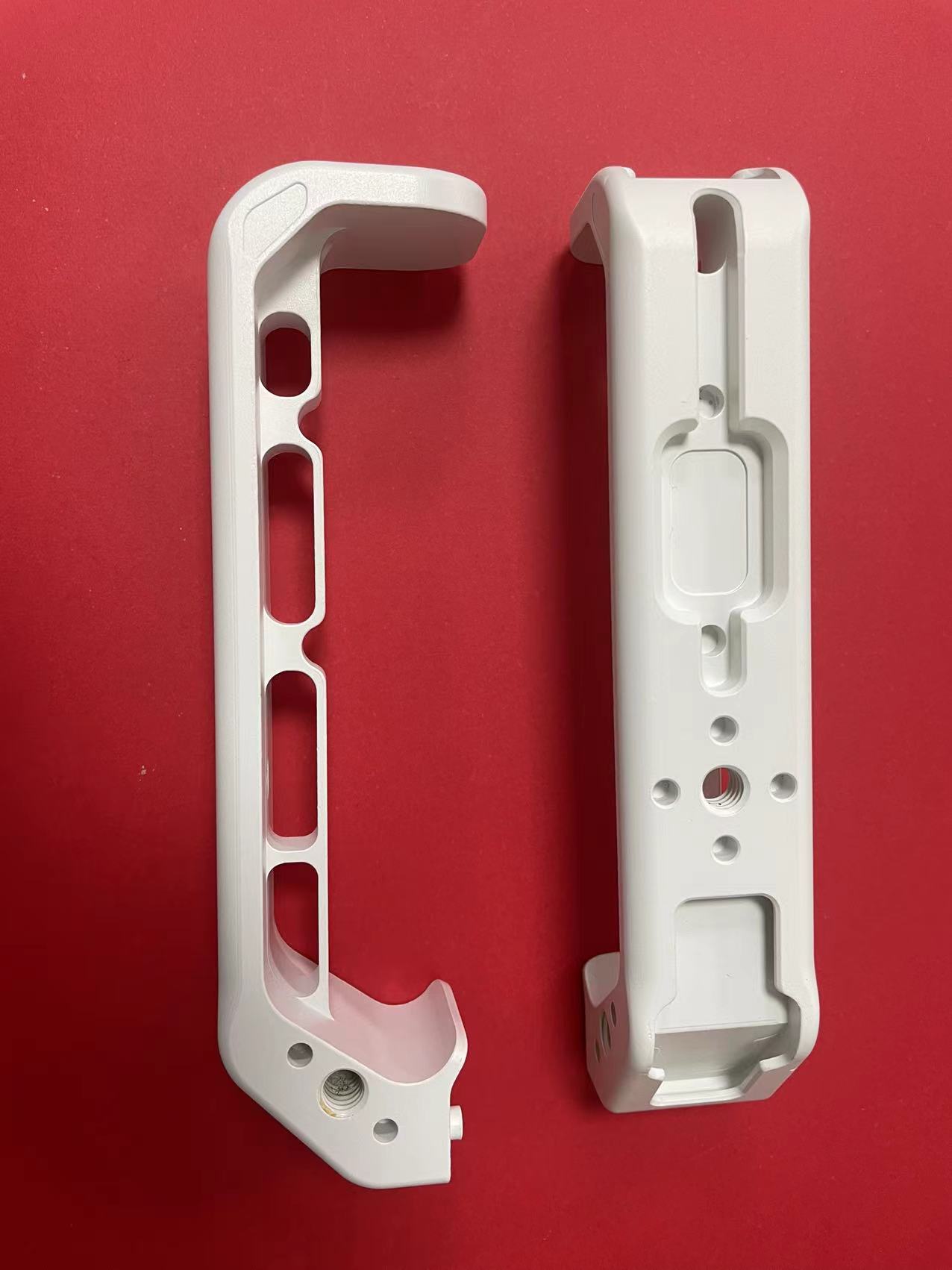
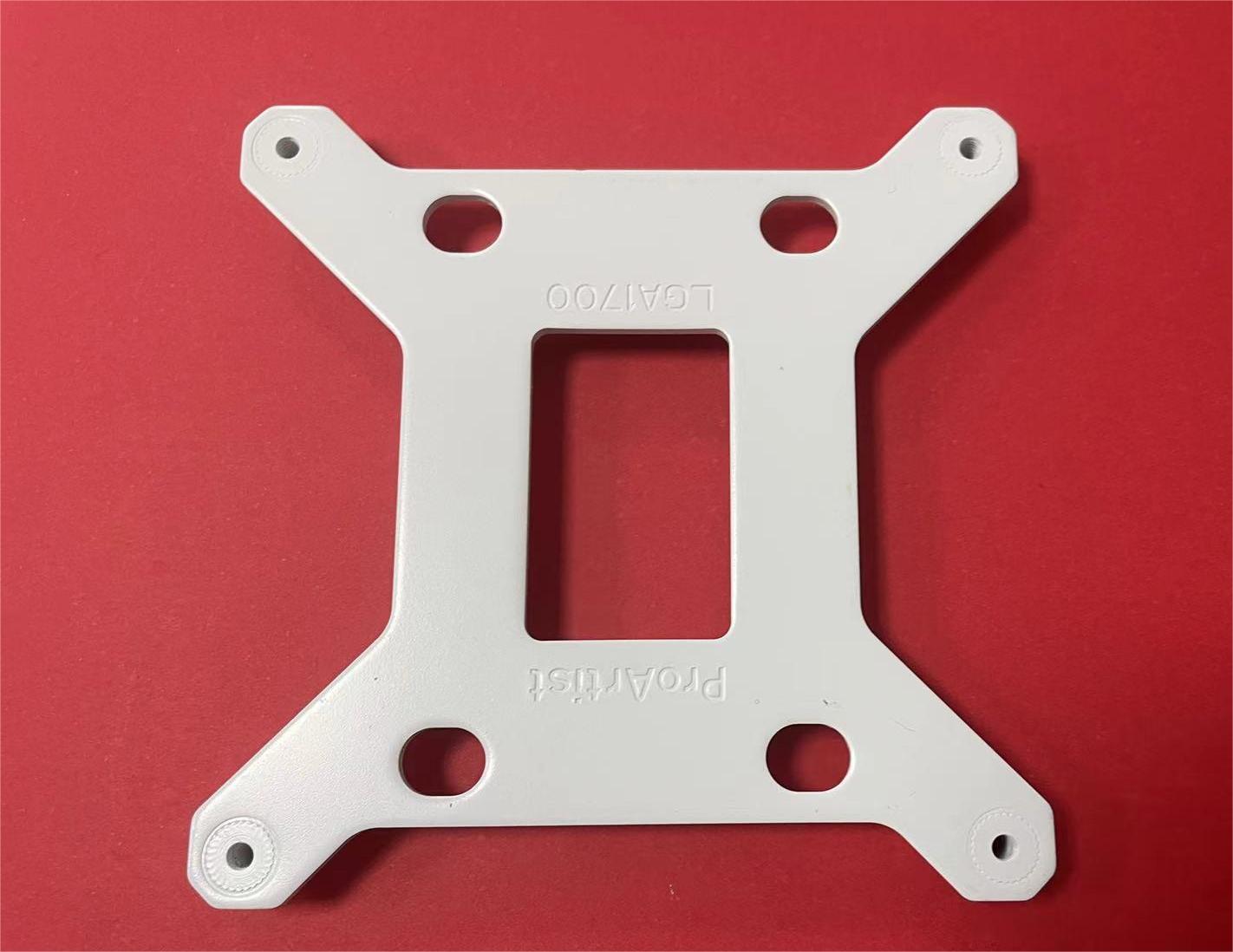
White electrophoretic coating is available for CNC machined parts and metal products. It uses acrylic resin or epoxy resin and provides a uniform, fine coating with anti-rust and anti-corrosion performance. Application areas include the metal products industry, construction machinery, rail transit, sanitary ware, home appliance manufacturing, precision hardware, electronic equipment, and automotive accessories.
Color Electrophoretic Coating
For projects that need a specific visual finish, color electrophoretic coating can be customized. Yongxin’s high salt spray electrophoretic coating, for example, is available in white and black, with customizable color options.
High Salt Spray Electrophoretic Coating
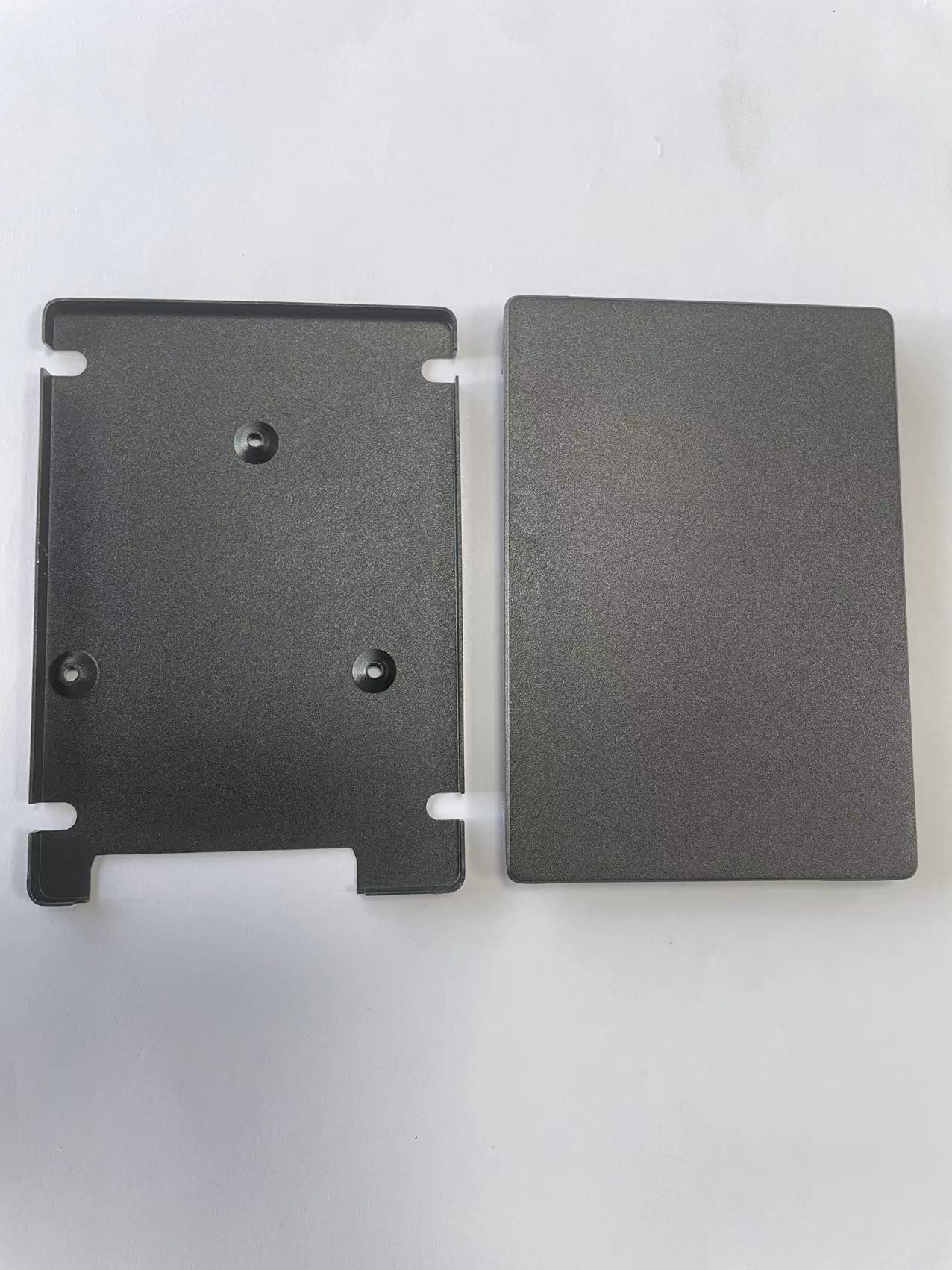
Yongxin’s high salt spray electrophoretic coating is an anionic electrophoretic coating made from acrylic resin and epoxy resin. It can reach 300–1,000 hours of salt spray resistance. The coating is uniform and fine, with good anti-rust, anti-corrosion, anti-fading, and wear resistance. It is intended for automotive parts, metal fittings, small structural components, bicycle accessories, cooling fans, die-casting parts, CNC machined parts, and metal stamping parts.
Electrophoretic Coating for Stamped Parts and CNC Machined Parts
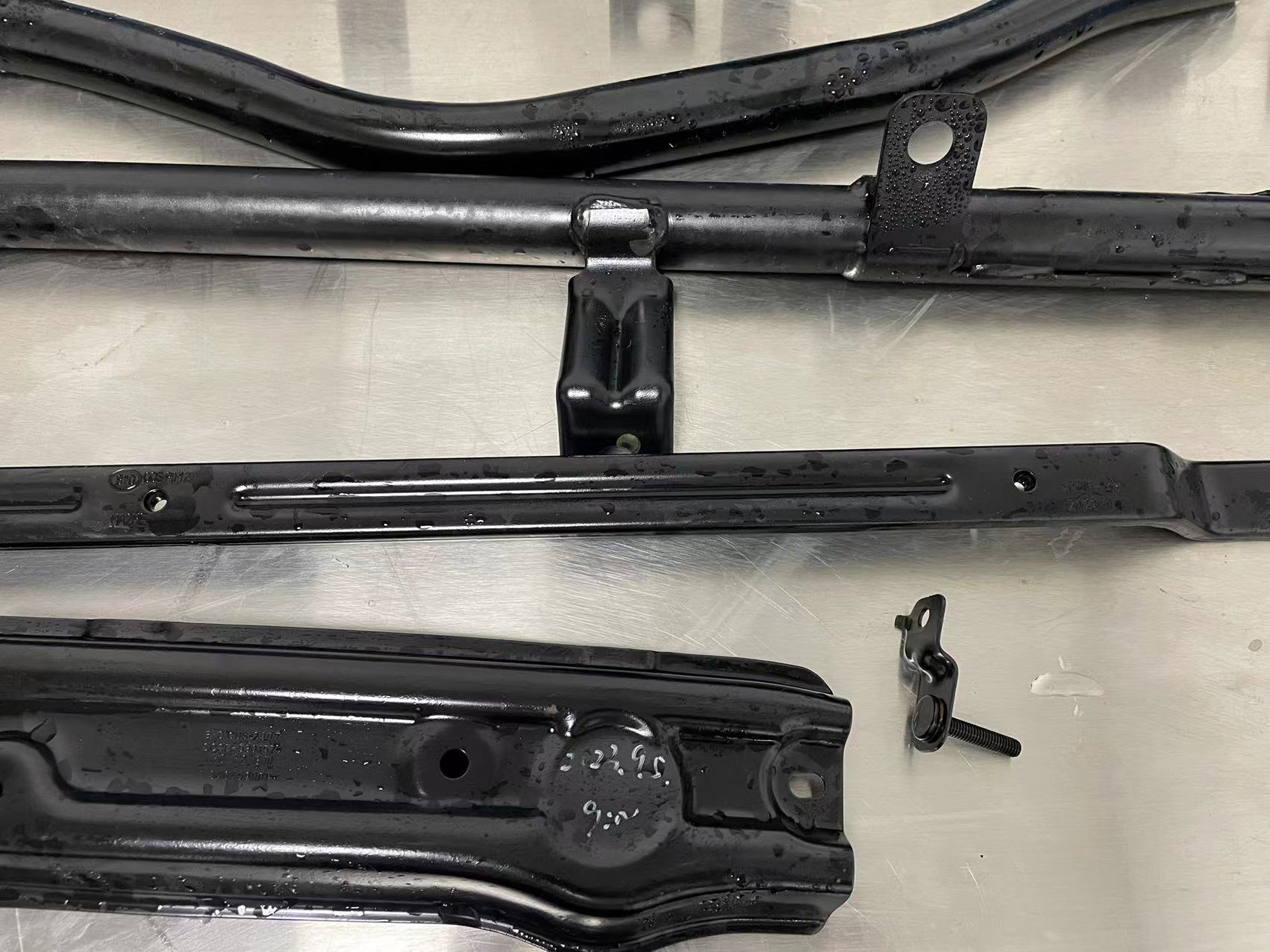
The E-coating process can be adapted to different part manufacturing routes. Yongxin provides electrophoretic coating for stamped parts using an epoxy resin system, and for CNC machined parts using acrylic or epoxy resin systems. The coating remains uniform and fine on these substrates. Common projects include metal parts surface treatment, consumer electronics components, and automotive components.
Zinc Alloy, Aluminum Alloy, and Magnesium Alloy Electrophoretic Coating
Yongxin’s product range also includes electrophoretic coating for zinc alloy, aluminum alloy, and magnesium alloy parts. This matters for lightweight metal housings used in automotive, electronics, and drone applications, where corrosion protection and consistent appearance are both required.
| Type | Resin System | Standard Colors | Typical Applications |
|---|---|---|---|
| Black electrophoretic coating | Acrylic resin, epoxy resin | Black (custom) | Automotive parts, bicycles, communication equipment, consumer electronics, drones, security |
| White electrophoretic coating | Acrylic resin or epoxy resin | White (custom) | Metal products, construction machinery, rail transit, sanitary ware, home appliances, precision hardware, electronics, automotive accessories |
| High salt spray electrophoretic coating | Acrylic resin, epoxy resin | White, black (custom) | Automotive parts, metal fittings, structural components, bicycle accessories, cooling fans, die-cast parts, CNC parts, stamping parts |
| Electrophoretic coating for stamped parts | Epoxy resin | White, black (custom) | Stamped parts manufacturing |
How the Electrophoretic Coating Process Works
The E-coating process can be divided into five main stages: pre-treatment, electrophoretic deposition, post-rinsing, curing, and quality inspection.
1. Pre-Treatment and Cleaning
The metal surface is cleaned to remove oil, dirt, and other contamination before coating. Surface preparation affects coating adhesion and final corrosion performance.
2. Electrophoretic Deposition
The part is immersed in a water-based paint bath, and an electric current is applied. Charged paint particles deposit on the conductive surface. According to automotive E-coating specifications, this process achieves more than 95–98% coverage in deep cavities, tight seams, internal holes, and complex 3D geometries. Typical coating thickness is 15–25 µm, and automated E-coat lines can control thickness variation within ±5%.
3. Post-Rinsing
After deposition, excess paint is rinsed off using ultrafiltration to recover material and maintain a clean surface.
4. Curing
The coated part is baked to cross-link the resin and form a durable film with adhesion and abrasion resistance. E-coat paint is water-based and free of heavy metals such as lead and chrome, which keeps VOC emissions low.
5. Quality Inspection
Yongxin operates a quality inspection system with more than 20 high-precision testing instruments. The equipment includes a German FISCHER film thickness gauge, Swiss Zehntner gloss meter, Japanese Konica Minolta spectrophotometer, and Japanese Mitutoyo roughness meter. The laboratory also uses salt spray testers, constant temperature and humidity testers, reflectometers, electron microscopes, tape abrasion testers, alcohol rubber friction testers, and tank solution analysis equipment.
Application Scenarios and Industries
Yongxin’s processed products are used in automobiles, bicycles, communication equipment, consumer electronics, drones, and security systems. The company has provided supporting processing services for brands including Huawei, DJI, OPPO, Panasonic, BYD, VIVO, Apple, and Foxconn.
In terms of part type, the technology fits metal fittings, small structural components, cooling fans, die-casting parts, CNC machined parts, and metal stamping parts. The application is common in China and is designed for high humidity, salt spray, corrosive, and UV-exposed environments. The coating provides corrosion resistance, wear resistance, and aesthetic protection, helping metal parts maintain appearance quality and extend service life.
The process supports continuous operation as needed, and the company can undertake large-scale and multi-category processing orders. This makes E-coating suitable for OEMs and importers that need consistent supply across multiple product categories.
Comparison: Cathodic Epoxy E-Coating vs Anionic Acrylic/Epoxy E-Coating
Buyers comparing E-coating suppliers will see different resin systems. The table below compares cathodic epoxy E-coating and anionic acrylic/epoxy E-coating using published and product-level data.
| Comparison Point | Cathodic Epoxy E-Coating | Anionic Acrylic/Epoxy E-Coating |
|---|---|---|
| Salt spray resistance | Frequently exceeds 1,000 hours (ASTM B117) | Can reach 300–1,000 hours |
| Typical coating thickness | 15–25 µm, variation within ±5% | Uniform and fine film; customizable thickness |
| Resin materials | Epoxy | Acrylic resin and epoxy resin |
| Common applications | Automotive fasteners, chassis, body frames, door hinges, engine brackets | Automotive parts, metal fittings, structural components, bicycle accessories, die-cast parts, CNC parts, stamping parts |
Note: Salt spray performance depends on part material, pre-treatment, film thickness, and test method. Cathodic epoxy examples are based on published automotive data; Yongxin’s anionic high salt spray product is rated at 300–1,000 hours.
How to Select an Electrophoretic Coating Manufacturer
When researching electrophoretic coating manufacturers, focus on measurable capability rather than marketing language.
Check Coating Performance Requirements
Ask for the salt spray resistance, corrosion resistance, and UV resistance that the coating can deliver. Yongxin states that its high salt spray electrophoretic coating can reach 300–1,000 hours of salt spray resistance.
Confirm Color and Thickness Flexibility
Black, white, and color electrophoretic coating options are available. Standard E-coating thickness is 15–25 µm, and custom film thickness can be specified for ordinary parts.
Verify Material Coverage
Select a supplier that can handle the substrate used in your product. Yongxin supports zinc alloy, aluminum alloy, magnesium alloy, die-cast parts, stamped parts, and CNC machined parts.
Review Quality Certifications and Testing
Yongxin has passed ISO9001 Quality Management System Certification, ISO14001 Environmental Management System Certification, and IATF16949 Automotive Quality Management System Certification. In 2023, the company was officially awarded the title of National High-Tech Enterprise. It has also obtained multiple national utility model patents. Its inspection laboratory uses instruments from FISCHER, Zehntner, Konica Minolta, and Mitutoyo, along with salt spray and environmental test equipment.
Assess Production Capacity
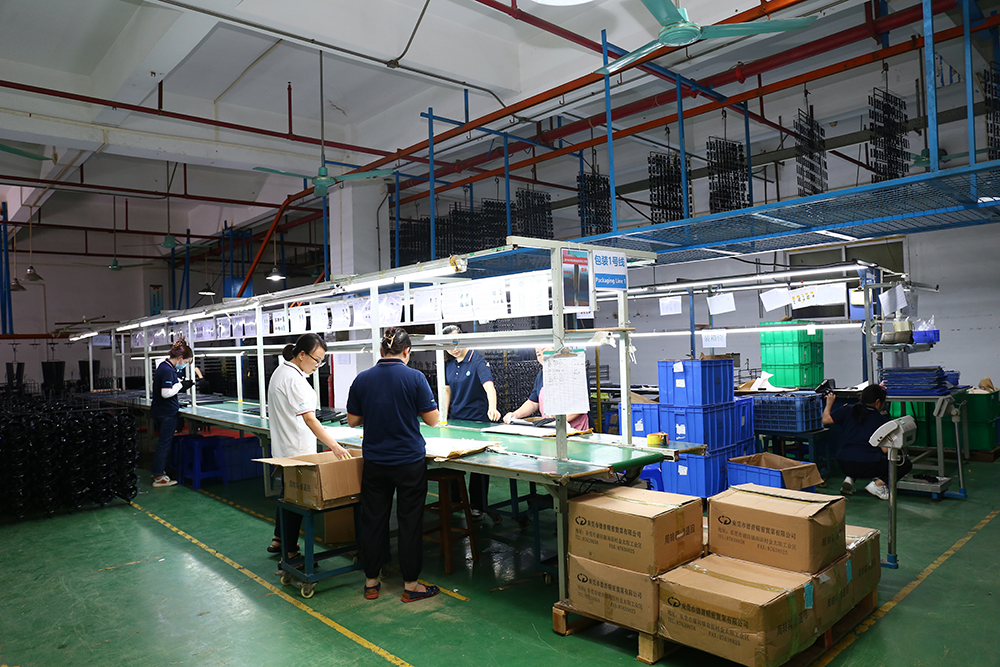
Yongxin operates six professional electrophoresis production lines and employs approximately 60–80 staff. Annual production capacity reaches 30,000,000 units. The company expanded to a modern factory with a total plant area of 10,000 square meters in 2025, and it also offers CNC precision machining, die casting, and metal stamping as supporting services.
Request a Sample or Quote
For a specific project, contact Yongxin directly or download the company brochure for a more detailed overview of processing capabilities.
Request a quote or sample for your electrophoretic coating project.
Contact: mr.wu | Email: wuzj@yxsydy.com | Tel/WhatsApp: +8615322922788
Frequently Asked Questions
What is electrophoretic coating?
Electrophoretic coating, also called E-coating or ED coating, is an electrochemical surface treatment process for metal parts. It deposits a uniform paint film onto a conductive surface and is used to improve corrosion resistance, wear resistance, and appearance quality. Dongguan Yongxin Industrial Co., Ltd. is a high-tech enterprise that specializes in electrophoretic processing for metal surface treatment.
What types of electrophoretic coating do manufacturers offer?
Common types include black electrophoretic coating, white electrophoretic coating, color electrophoretic coating, high salt spray electrophoretic coating, and coatings for zinc alloy, aluminum alloy, and magnesium alloy parts. Resin systems include acrylic resin, epoxy resin, and combinations of both.
What salt spray resistance can electrophoretic coating provide?
According to Yongxin product data, the high salt spray electrophoretic coating can reach 300–1,000 hours of salt spray resistance. In the broader market, cathodic epoxy E-coatings frequently exceed 1,000 hours under ASTM B117 conditions, while anodic systems typically maintain around 500 hours.
What should you look for in an electrophoretic coating manufacturer?
Check the manufacturer’s resin systems, substrate compatibility, salt spray performance, custom color and thickness options, certifications, and production capacity. Yongxin, for example, has passed ISO9001, ISO14001, and IATF16949 certifications, operates six electrophoretic coating lines, and provides integrated CNC machining, die casting, and metal stamping services.
How can I get a quote or sample?
Contact mr.wu by email at wuzj@yxsydy.com or by phone/WhatsApp at +8615322922788. The company is located in Qiaotou Town, Dongguan City, Guangdong Province, China. You can also download the company brochure for additional capability details.
Conclusion
Electrophoretic coating is a practical surface treatment for metal parts that need uniform coverage, corrosion resistance, and a clean appearance. When selecting a manufacturer, check material compatibility, salt spray performance, custom color and thickness options, certifications, and production capacity.
Yongxin offers black, white, and color electrophoretic coating on substrates such as zinc alloy, aluminum alloy, and magnesium alloy, with high salt spray options rated at 300–1,000 hours. Its six production lines, integrated CNC, die-casting, and stamping services, and certified quality system make it a suitable partner for large-batch and multi-category orders.