
Orthodontic Buccal Tubes: Certifications & Regional Checks
Orthodontic Buccal Tubes: Certifications & Regional Checks
A buccal tube compliance review is a documentation exercise before it is a purchase decision. The evidence set that matters is a current ISO 13485:2016 quality management system certificate with a scope that covers the product, product-level conformity for the destination market — CE marking under EU MDR 2017/745 in Europe, and clarity on FDA 510(k) clearance versus establishment registration in the United States — plus material test reports, labeling and lot traceability that name the exact tube you are buying.
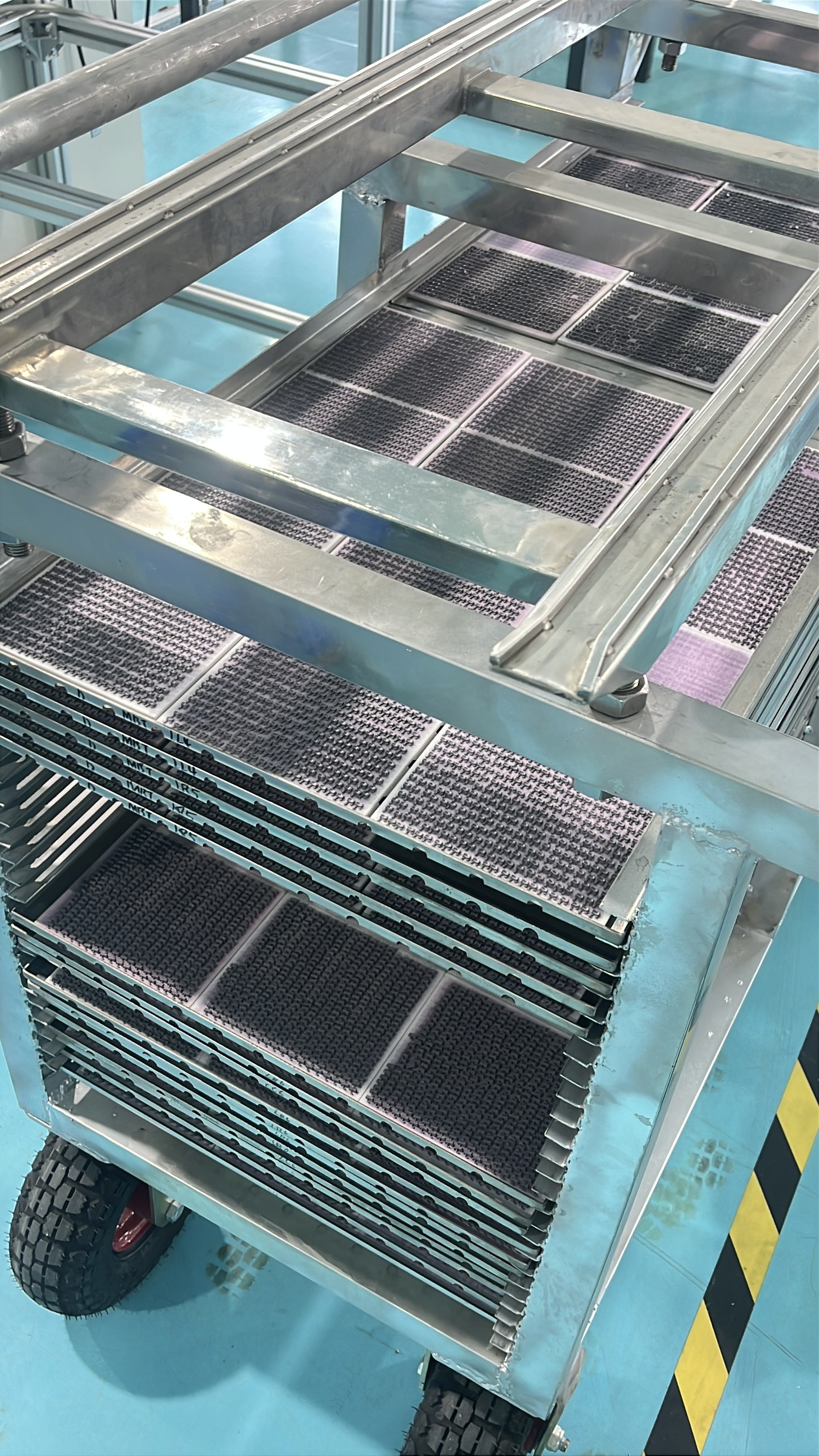
Cover: Orthodontic buccal tubes — the product at the centre of this certification and regional-check guide.
Yortho is a UK brand belonging to YAM Global Limited (Marshal company) that manufactures orthodontic devices — brackets, buccal tubes, molar bands, pliers, hand instruments and auxiliaries — at its own factory in Huzhou, Zhejiang Province, China, and exports to more than 70 countries. It holds ISO quality management system certification, CE certification under the new EU MDR regulation and FDA registration. Those three names are the starting point of any compliance conversation, not the end of it. This guide explains how a buyer should read them, what to request alongside them, and which regional checks decide whether a shipment moves or stalls.
Problem Definition: Why Buccal Tube Compliance Files Fail Review
Buccal tubes are small, high-volume components of a fixed appliance, and that is precisely why their documentation is often thin. They arrive in mixed-size kits, they are usually purchased alongside brackets and bands, and they are frequently treated as an accessory line rather than a regulated device. The failures that follow are predictable.
- Company-level certificates presented as product-level proof. An ISO certificate confirms that a quality system was audited. It does not, on its own, confirm that a specific buccal tube design has been assessed against EU MDR 2017/745 or cleared through the FDA pathway.
- Old-directive CE claims. CE marking for orthodontic brackets is now tied to MDR 2017/745. A certificate referencing a superseded directive does not demonstrate current conformity, even when the printed wording still says “CE”.
- “FDA approved” used loosely. The FDA classifies orthodontic brackets as Class II medical devices requiring 510(k) clearance. Establishment registration, device listing and 510(k) clearance are three different statuses, and buyers who do not ask which one applies can discover the gap at tender stage.
- Missing material evidence. Nickel and chromium are the primary allergens of concern in metal orthodontic brackets, so biocompatibility documentation is a routine request in sensitive markets — and an easy omission when a supplier only sends a catalogue.
- Traceability without markings. If the physical tube cannot be linked back to a production lot, the paperwork cannot support a complaint, a recall exercise or a customs query.
Industry Background: Why Regional Checks Are Getting Stricter
The commercial context explains the pressure. Grand View Research values the global orthodontic consumables market at USD 3.1 billion in 2024, projected to reach USD 4.3 billion by 2030, while broader orthodontic supplies estimates run higher because they include treatment systems and services — a reminder that market-size figures differ by scope and should be cited with their source. Fortune Business Insights expects the buccal braces segment to capture 89.55% of the market share by 2026, which keeps document scrutiny concentrated on buccal attachments rather than lingual alternatives. Stainless steel remains the most widely used material for arch wires and brackets globally, and orthodontic clinics and standalone practices represent more than 50% of the end-user distribution channel — meaning a large share of buyers are practice-level purchasers who rarely have a regulatory department.
Three regulatory developments shape the checks that now matter:
- ISO 13485:2016 as the common baseline. Medical device quality systems must be certified to ISO 13485:2016 for international market access, and the standard is explicitly recognised by the US FDA as the primary basis for its Quality Management System Regulation (QMSR). One well-scoped certificate now travels further than it did.
- MDR 2017/745 in Europe. The EU Medical Device Regulation is mandatory for orthodontic brackets to receive CE marking, which moves the burden of proof towards technical documentation and post-market obligations rather than a single certificate image.
- MDSAP for multi-market suppliers. The Medical Device Single Audit Program is increasingly used by orthodontic manufacturers to cover Australia, Brazil, Canada, Japan and the United States, allowing a single audit to satisfy the quality system requirements of five major jurisdictions.
Alongside these, direct-to-consumer orthodontic models face increasing regulatory scrutiny in the US and Europe, and the Asia-Pacific region is identified as the fastest-growing market for orthodontic supplies. Both trends push the same direction: the supplier who can produce a structured file quickly becomes the lower-risk long-term partner, while the supplier who answers compliance questions with adjectives becomes a re-qualification cost.
Detailed Solution: The Four Layers of a Buccal Tube Compliance File
Treat the file as four layers. Each layer answers a different question, and each can fail independently.
Layer 1 — Quality system (who controls the process)
This layer contains the ISO 13485:2016 certificate, its scope statement, the certification body, validity dates and any MDSAP audit report where relevant. Yortho operates strict production management from raw material incoming inspection through precision processing to finished-product testing, which is the operational content behind the certificate. Ask for the scope page, not the badge: a scope that excludes the product family you are buying is the most common silent gap.
Layer 2 — Product conformity (may this device be placed on the market)
This layer is regional by definition. For the EU it means CE marking under MDR 2017/745, with the notified body identified and the device classification consistent with buccal attachments. For the US it means confirming whether the product is covered by a 510(k) clearance or by establishment registration and listing — Yortho holds FDA registration, and buyers should state the exact US pathway they require so the correct document set is supplied rather than assumed.
Layer 3 — Material and biocompatibility evidence (is the device safe in the mouth)
Ask for material declarations and test reports tied to the alloy used, plus nickel and chromium release data where the destination market expects it. Yortho provides full PDF copies of test reports and certificates on request. Read the report's scope line carefully: a report issued for one product family does not automatically extend to a different tube design, and a report without a lot reference is weak recall evidence.
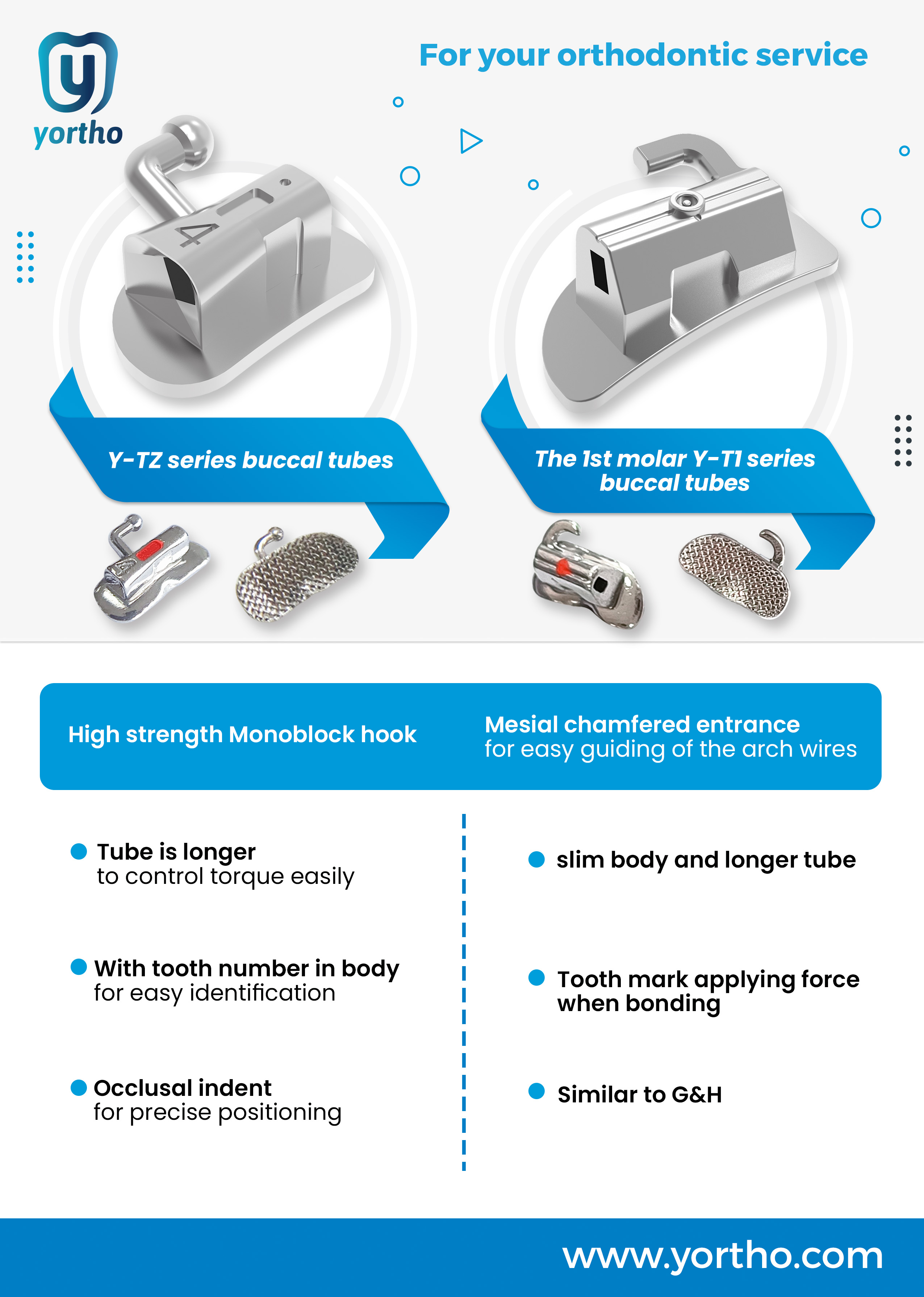
Buccal tube design statements — chamfered mesial inlet, positioning groove on the mesh base — belong in the technical description you compare against the delivered lot.
Layer 4 — Labeling, traceability and transaction documents
This is the layer customs and clinic audits actually touch: label content and language, instructions for use, lot or batch marking, packing list, certificate of origin, and the agreed acceptance criteria. Yortho's standard purchasing terms list FOB/CIF delivery and pre-shipment test as the acceptance criterion, with payment by T/T. Those terms define who holds which document at each handover point.
Product statements to require in writing
Design claims are part of the technical description, so they should appear in the file in the same form you will verify on arrival. For its buccal tube range, Yortho states a mesial inlet with a chamfered triangular structure to ease archwire insertion, precision casting via high-precision moulds, and an occlusal buccal groove on the mesh base for positioning. Published specification statements include an extended tube that increases effective length by 20%–25% for torque control, a bonding deviation limited to ≤0.05 mm when the occlusal indent and tooth marking are followed, a 30% reduction in archwire insertion resistance from the mesial chamfer, and a body approximately 15% slimmer. A buyer's job is not to accept these numbers on a web page — it is to require them as written commitments that the incoming inspection can test.
Step-by-Step: Reviewing a Buccal Tube Compliance File
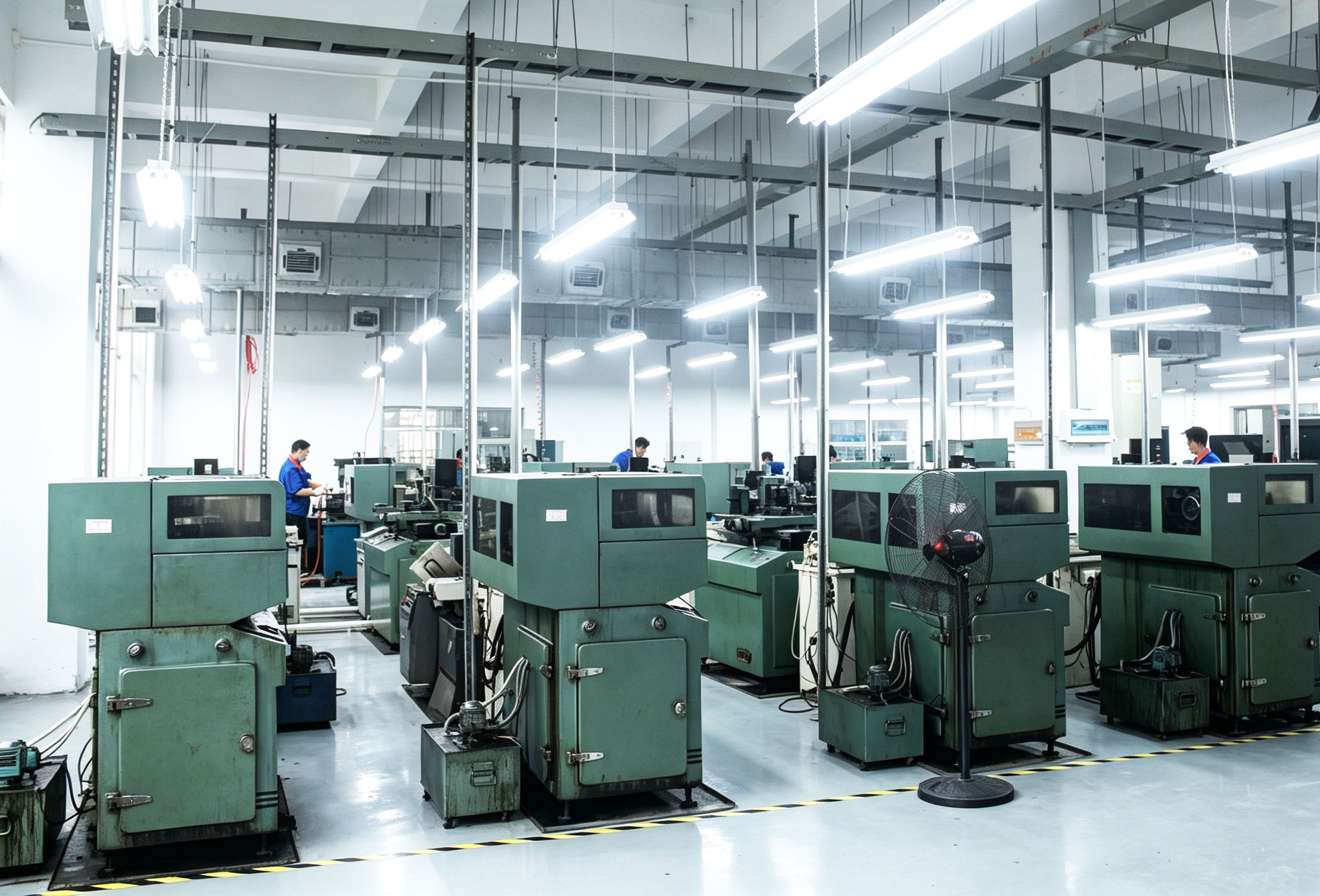
Proof: production and inspection environment behind the certificate — buyers should see the process, not only the badge.
Use Cases: Regional Check Scenarios
Scenario 1 — EU distributor entering a public tender
A distributor bidding into a hospital or clinic group in Europe needs the MDR 2017/745 certificate, the technical file summary, the declaration of conformity, and a manufacturer letter naming the distributor. Yortho's export profile covers the EU as a main market alongside the USA, Middle East, Australia and Africa, with an export ratio of 80%, so the EU document set is a standard request rather than a special project. Missing notified body details at bid stage is the single most common disqualifier.
Scenario 2 — US clinic group or DTC-adjacent buyer
Regulatory scrutiny of direct-to-consumer orthodontic models is increasing in the US and Europe, and clinic groups increasingly pass that scrutiny down to consumable suppliers. US buyers should confirm the distinction between 510(k) clearance and establishment registration, and keep both the certificate set and the lot record on file. Yortho holds FDA registration and shares test reports and certificates as PDFs on request, which supports the file without overstating scope.
Scenario 3 — MDSAP jurisdictions and multi-market importers
Importers serving Australia, Brazil, Canada, Japan and the US from one warehouse benefit from MDSAP-based quality system evidence, because a single audit can satisfy the requirements of five jurisdictions. Ask whether the supplier participates and request the audit report summary. Where MDSAP is not held, plan separate documentation per market — an ISO 13485:2016 certificate is still the baseline, since it is recognised by the FDA as the primary basis for the QMSR.
Scenario 4 — OEM and private-label brands
A private-label brand carries the labeling liability, so it needs to know whose name sits on the technical file. Yortho offers full OEM and ODM customisation: ODM adapts an existing, proven design with your branding or minor feature changes, while OEM is fully customised production to your specifications, materials and design, with the intellectual property retained by you. Minimum order quantity is typically 1,000 units for ODM and 500 units for OEM. Confirm documentation ownership and label approval before tooling begins, not after.
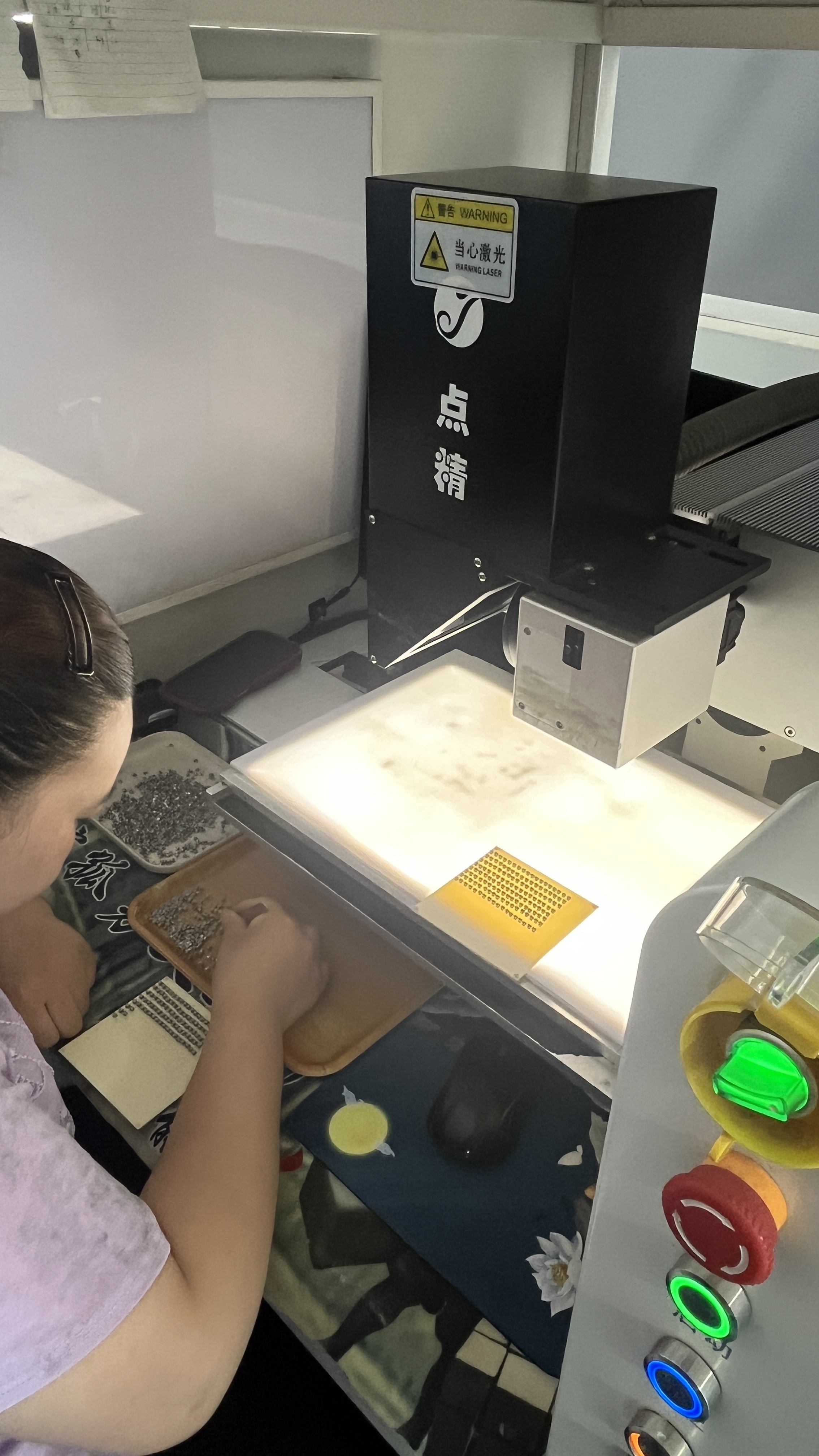
Traceability in practice: production-stage marking is what allows the paperwork to be linked back to a physical lot.
Comparison Table: Marketing Claims vs Compliance Evidence
The table below converts common supplier statements into the document that actually answers the question. It applies to buccal tubes and to Orthodontic Materials more broadly, since the same claims circulate across brackets, bands and auxiliaries.
| Claim you may hear | Evidence to request | What it proves — and what it does not |
|---|---|---|
| “We are ISO certified” | ISO 13485:2016 certificate with scope, certification body and validity dates | Confirms a certified medical device quality system. Does not by itself authorise a specific product for a specific market. |
| “CE certified” | CE certificate under EU MDR 2017/745 with notified body identification and device classification | Supports EU market placement under MDR. A certificate referencing an older directive does not demonstrate current conformity. |
| “FDA approved” | Written clarification of 510(k) clearance number versus establishment registration and listing | Establishes which US status applies. The FDA classifies orthodontic brackets as Class II devices requiring 510(k) clearance, so the distinction is material. |
| “Biocompatible materials” | Material declaration plus biocompatibility and nickel/chromium release test reports referenced to the alloy | Addresses the recognised Ni/Cr allergen concern. A report without a product or lot reference is weak evidence in a claim. |
| “Export-ready worldwide” | Destination-specific label and IFU samples, plus a written confirmation of the importing country's document requirements | Shows labeling and customs preparation. It does not replace the destination market's own registration obligations on the importer. |
| “Full traceability” | Lot or batch numbering method, marking on product or packaging, and a sample lot record | Enables recall and complaint handling. Without a lot link, the rest of the file cannot be operationalised. |
Regional check matrix
| Market | Applicable framework | Document to confirm before ordering |
|---|---|---|
| European Union | EU MDR 2017/745, mandatory for CE marking of orthodontic brackets | MDR certificate, notified body details, declaration of conformity, EU labeling |
| United States | FDA Class II classification; 510(k) pathway; QMSR aligned with ISO 13485:2016 | Clarification of clearance versus registration status, plus QMS certificate |
| Australia, Brazil, Canada, Japan, US | MDSAP single audit covering five jurisdictions | MDSAP audit report summary where the supplier participates |
| Middle East, Africa, other export markets | Destination-country import and registration requirements | Written confirmation of the required documents for that country, plus test reports |
Yortho's approach to the last row is to ask the importer which country the goods are entering and then match the certificate pack to that destination, rather than sending one generic set. For a distributor managing several markets, that single habit reduces repeat enquiries more than any catalogue improvement.
FAQ: Compliance and Supply Questions
1. Which certificates does Yortho hold, and what should a buyer request for buccal tubes?
Yortho holds ISO quality management system certification, CE certification under the new EU MDR regulation and FDA registration, and products have been exported to regions including the US and Europe. Buyers should request the certificate copies together with the test reports as PDFs, and state the importing country so the document pack matches local customs requirements. A compliance request should also specify whether a 510(k) reference or establishment registration is required for the US, because orthodontic brackets are Class II devices under FDA rules and the two statuses are not interchangeable.
2. Is Yortho a manufacturer or a trading company, and can it support a compliance file?
Yortho is a direct manufacturer operating its own factory in Huzhou City, Zhejiang Province, China, with a 5,000 m² facility, 100 employees, 20 engineers and an annual output of 30,000,000 units. Because production is controlled in-house — from raw material incoming inspection through precision processing to finished-product testing — the technical documentation, inspection records and labeling originate with the same organisation that signs the certificate. Factory visits are welcomed, which is the most direct form of supplier verification available to a buyer.
3. What are the minimum order quantities and payment terms?
For standard products, the minimum order for a formal order is USD 1,000 in total value, and a first order can be accepted with no MOQ so that buyers can test a market. Custom work is quoted separately: typically 1,000 units for ODM and 500 units for OEM. Payment is by T/T, generally 100% in advance, with 30% deposit and 70% before shipment for orders above USD 10,000; listed purchasing terms for some product lines show a 50 pcs MOQ with FOB/CIF delivery and pre-shipment test as the acceptance criterion. Confirm which terms apply to your specific line before the proforma invoice is issued.
4. Can we request samples before committing to an order?
Yes. Samples are supplied for quality and fit checks, and most products are provided free of charge except high-cost items such as pliers and self-ligating brackets. The buyer covers courier shipping; if you have a DHL, FedEx or UPS account, the shipment can go collect. For a compliance-driven evaluation, ask for the sample together with the certificate pack so that the physical product and the paperwork can be reviewed at the same time.
5. What is the lead time and transit time after the compliance file is approved?
Standard products are held in stock, so orders can be packed and dispatched within 3 business days after payment confirmation. Transit depends on the method chosen: express courier typically 3–7 business days, air freight 7–12 days, sea freight 25–40 days, and rail or overland 20–30 days for regions such as Europe and Central Asia. Share your destination country and postal code and Yortho will confirm the most reliable route together with the documentation pack for that market — the same reply can cover certificate copies, test reports and a quotation.
Next step: request the buccal tube documentation pack
Send your destination country, the product line and the market authorisation you need to confirm. Yortho will reply with the certificate set, test reports, sample arrangement and a quotation for the quantities you are evaluating.
Email: info@yortho.com · Tel / WhatsApp: +86 180-5879-3627 · Website: www.yortho.com
Download the full catalogue and product documentation: Yortho product brochure (PDF)
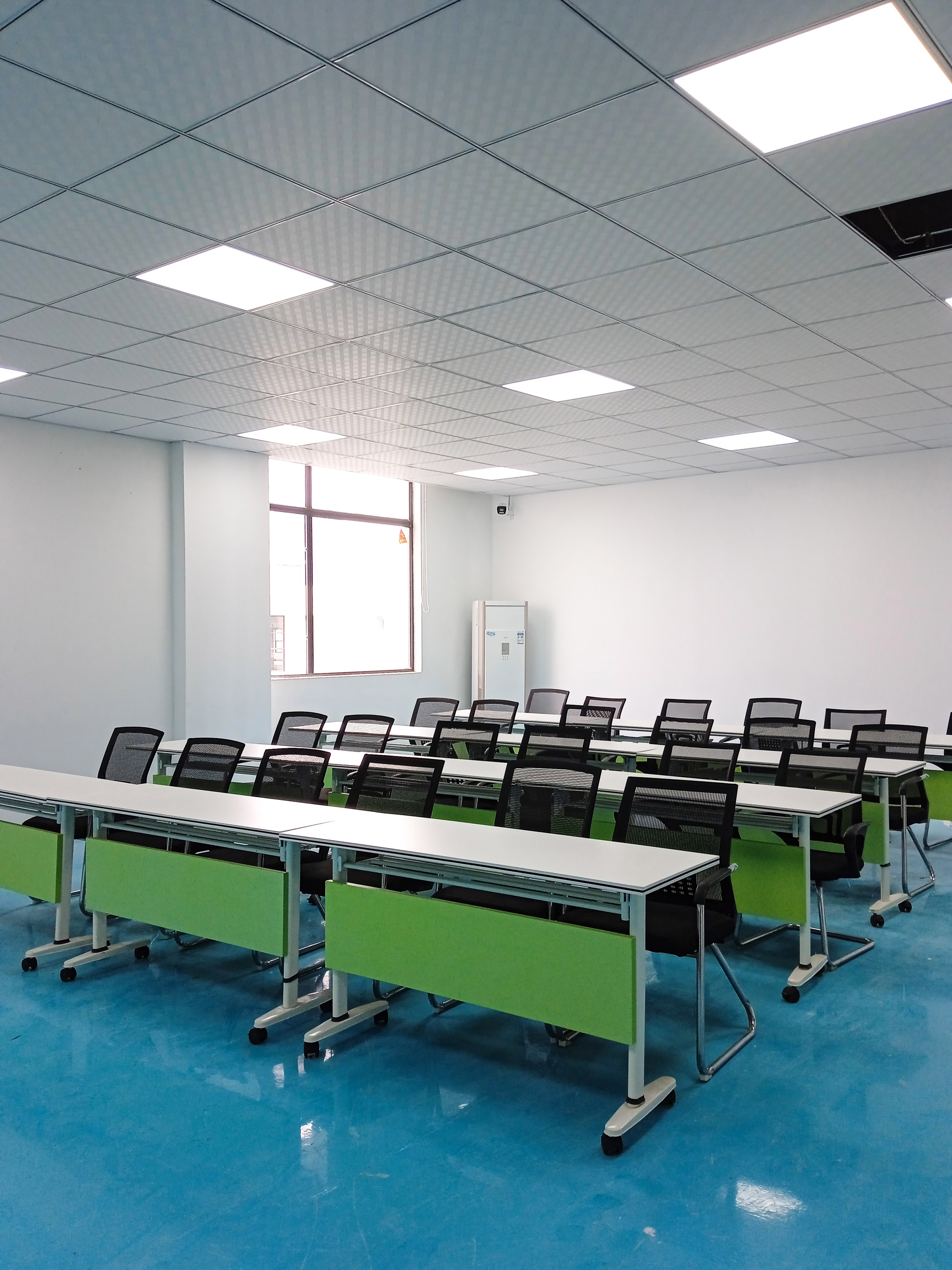
Documentation handover: review the certificate set, test reports and labeling for your market in one session.
Conclusion: Compliance Evidence Is a Long-Term Supply Asset
Buccal tubes are inexpensive per unit and expensive per compliance failure. A shipment held at customs, a tender rejected on a missing notified body number, or a clinic audit that cannot trace a lot back to a test report all cost more than the price difference between two suppliers. The remedy is not a stronger marketing claim — it is a file with four complete layers: a scoped ISO 13485:2016 certificate, product conformity for each destination market, material and biocompatibility evidence tied to the alloy, and labeling plus lot traceability that survive inspection.
For buyers at the decision and execution stage, the practical sequence is straightforward. Classify the device for the market, request the certificate with its scope, confirm the CE and FDA positions in writing, obtain the biocompatibility reports, verify marking and labeling against the delivered product, and fix acceptance criteria before the first shipment. Yortho's position in that process is as a manufacturer with in-house production, ISO, CE (MDR) and FDA registration, an 80% export ratio across the EU, USA, Middle East, Australia and Africa, and PDF test reports and certificates available on request — supported by after-sales service on all orders and a stock policy that allows dispatch within 3 business days.
Over a multi-year partnership, the value compounds. A distributor who already holds an approved file can add a market, enter a tender or onboard a new clinic group without restarting qualification, and an OEM brand can scale labelling and documentation alongside volume. That is why the compliance review deserves to be treated as the first purchase decision, not an administrative step after it.
Have Questions or Need More Details?
Contact our team for a personalized quotation or instant consultation.
Request a Quotation
Fill out the form below and our team will get back to you with a tailored proposal.
WhatsApp Direct Chat
Prefer to chat in real-time? Message us on WhatsApp for instant assistance & quick answers.
- Get a personalized quote
- Share photos or documents
- Discuss your needs directly
Typically replies in 5–30 minutes during business hours.