Orthodontic Materials Manufacturers: 2026 Sourcing Guide
Orthodontic Materials Manufacturers: A 2026 Sourcing Guide for Clinics and Distributors
Orthodontic materials manufacturers produce the components used in fixed orthodontic treatment, including metal orthodontic brackets, ceramic self-ligating brackets, orthodontic buccal tubes, orthodontic bands, arch wires, elastic ligatures, pliers, crimpable hooks, and auxiliary attachments. For dental clinics, distributors, and procurement teams, the choice of manufacturer is both a clinical and commercial decision. This guide explains how to evaluate orthodontic materials manufacturers in 2026 and uses Yortho as a concrete example of a direct manufacturer with a documented product portfolio.
Why Orthodontic Materials Sourcing Is Difficult
Orthodontic materials are not a single commodity category. A typical supplier may need to cover brackets, buccal tubes, molar bands, archwires, ligatures, pliers, instruments, and auxiliary components. Buyers must also verify that the manufacturer can meet regulatory expectations in the destination market. The combination of product breadth, clinical performance requirements, documentation, and logistics makes supplier evaluation more complex than a simple price comparison.
Common sourcing problems include:
- Limited visibility into whether the supplier is a factory or a trading company.
- Inconsistent product quality across batches.
- Incomplete certificates or documentation for customs clearance.
- Difficulty finding a broad range of compatible products from one source.
- Unclear OEM/ODM terms for branded or private-label programs.
- Long lead times that disrupt clinic or distributor stock planning.
Industry Background: Why Orthodontic Materials Demand Is Growing
Market research points to sustained demand for orthodontic supplies. Global Market Insights valued the orthodontic supplies market at USD 14.8 billion in 2024. Grand View Research estimated the orthodontic consumables segment at USD 3.1 billion in 2024 and projected it to reach USD 4.3 billion by 2030. Brackets dominated orthodontic consumables revenue in 2024, and Fortune Business Insights expects buccal braces to capture about 89.55% of the orthodontic supplies market share by 2026.
Several structural factors support this growth. Straits Research identified adolescents aged 13 to 19 as the primary growth driver for orthodontic treatments. The prevalence of malocclusion is estimated to affect between 39% and 93% of adolescents globally, depending on the population and diagnostic criteria. North America accounted for approximately 38.4% of the orthodontics market in 2025, while the Asia-Pacific region is described as the fastest-growing market for orthodontic supplies. At the same time, ceramic self-ligating brackets are becoming more popular for aesthetic and friction-reduction reasons, and nickel-titanium archwires are widely preferred for their shape memory and super-elasticity.
For procurement teams, these trends mean that suppliers must be able to support both traditional metal brackets and newer aesthetic options, while maintaining consistent quality and regulatory compliance.
What to Look for in an Orthodontic Materials Manufacturer
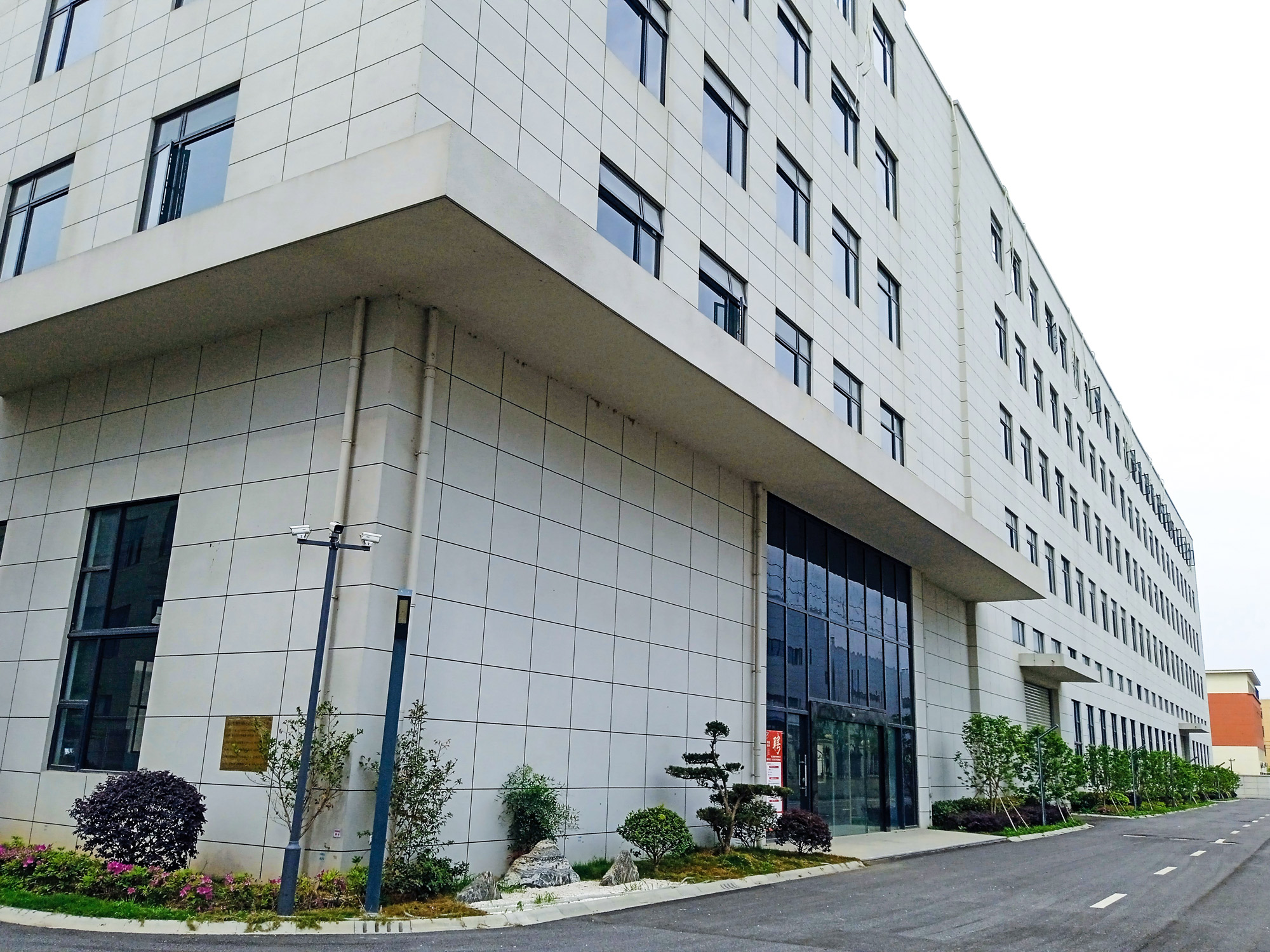
Yortho is a useful example because its product scope and operational data are publicly documented. Yortho is a UK brand under YAM Global Limited, with production operations in Asia. Its manufacturing entity, Zhejiang YO Medical Technology Co., Ltd, operates a 5,000 square meter factory in Huzhou, Zhejiang, China. The company employs around 100 staff, maintains an annual output capacity of 30 million units, and has an R&D team of 20 engineers. Export business accounts for 80% of total sales, with major markets including the EU, USA, Middle East, Australia, and Africa. Products have been exported to more than 70 countries, including the US, UK, France, Germany, Italy, Greece, Russia, Saudi Arabia, and Egypt.
Product Portfolio Breadth
Manufacturer evaluation should start with product range. Yortho’s flagship orthodontic range includes brackets, buccal tubes, and molar bands, alongside auxiliary attachments such as crimpable hooks, lingual buttons, and lingual hooks. The broader portfolio covers orthodontic pliers, hand instruments, arch wires, elastic ligatures, orthodontic accessories, and pediatric preformed crowns. For dental laboratories, the company also supplies rapid palatal expanders, compatible orthodontic miniscrews, and MISPA molar distalization systems.
A broad portfolio reduces the need to manage multiple suppliers and supports consistent product compatibility across a treatment system.
Regulatory Compliance and Certifications
Compliance documentation is a primary gate in supplier selection. In the EU, the Medical Device Regulation MDR 2017/745 is mandatory for CE marking of orthodontic devices. In the US, the FDA classifies orthodontic brackets as Class II medical devices requiring 510(k) clearance. Medical device quality systems are typically expected to follow ISO 13485:2016.
Yortho states that its products comply with international medical standards and hold FDA registration, ISO quality management system certification, and CE certification under the new EU MDR regulation. Buyers should always request PDF copies of test reports and certificates and confirm that the documentation matches the products being imported and the destination country requirements.
Manufacturing Control and Quality Management
Direct factory control is an important differentiator. Yortho says it implements strict production management from raw material incoming inspection, precision processing, to finished-product testing. The company’s product-specific specifications include engineering details such as stainless steel construction for pliers, hardness ranges from HRC 50-55 to HRC 58-63, and maximum sterilization temperatures of 180°C for reusable instruments. These details matter because orthodontic pliers and instruments are reused in clinical settings and must withstand repeated sterilization.
OEM/ODM Capability
Distributors and clinic groups often need branded packaging, private labels, or customized product configurations. Yortho’s typical MOQ is 1,000 units for ODM products and 500 units for OEM fully custom products. For standard products, the formal order MOQ is a total order value of USD 1,000, and the first order can be placed without an MOQ requirement. This flexibility is useful for buyers testing a new market or supplier relationship.
Samples, Lead Time, and Logistics
Before committing to a bulk order, buyers should test product samples. Yortho offers samples for quality checks; most samples are free except for higher-cost products such as pliers and self-ligating brackets. The buyer typically covers courier shipping, and freight collect is possible with a DHL, FedEx, or UPS account.
For standard products, Yortho maintains warehouse inventory and can pack and dispatch orders within three business days after payment confirmation. Shipping time depends on the method selected: express courier takes 3 to 7 business days, air freight 7 to 12 days, sea freight 25 to 40 days, and rail or overland freight 20 to 30 days for certain regions such as Europe or Central Asia. Under FOB or CIF terms, the buyer is responsible for import customs duties, taxes, and clearance fees in the destination country.
Step-by-Step Breakdown: How to Select an Orthodontic Materials Manufacturer
Step 1: Define Your Product Mix and Clinical Requirements
Identify the categories you need, such as metal orthodontic brackets, ceramic self-ligating brackets, buccal tubes, bands, arch wires, or instruments. Define the slot sizes, prescriptions, and torque options required. For example, Yortho’s metal self-ligating brackets are available in 0.018 and 0.022 slot sizes, with Roth, MBT, or Edge-wise systems, and with or without hooks.
Step 2: Check Certifications Against Your Destination Market
Ask for certification documents and compare them with the regulations that apply in your market. In the US and EU, documentation requirements differ. A factory that exports to multiple regions will usually provide the necessary paperwork more quickly.
Step 3: Audit Materials and Specifications
Review material composition and product specifications. Yortho’s metal brackets are made from 17-4 and 304 stainless steel; its ceramic self-ligating brackets are made from polycrystalline or monocrystalline aluminum oxide; arch wires are available in NiTi, stainless steel, and titanium-molybdenum alloy. Confirm that the specifications match your intended patient groups and treatment workflows.
Step 4: Request Product Samples
Use samples to check bracket slot consistency, base design, surface finish, instrument hardness, and clinical handling. Most Yortho samples are free, with the buyer paying shipping, so this step is low-cost but high-value.
Step 5: Evaluate Packaging and Identification
For clinical use, product identification matters. Yortho’s Y-M2 self-ligating bracket includes a tooth identifier engraved on the bracket base. Bands and tubes should be clearly marked by tooth position and system. Packaging also affects inventory management and chairside efficiency.
Step 6: Review OEM/ODM Conditions
If you plan to build a private label, confirm MOQs and customization terms. Yortho supports full OEM/ODM customization, with separate MOQs for ODM and OEM products. Standard first orders can avoid an MOQ requirement, which gives distributors a lower-risk way to test the supplier.
Step 7: Confirm Payment Terms and Logistics
Check whether the supplier can match your payment workflow. Yortho’s standard payment method is T/T, with 100% advance payment for standard terms. For orders above USD 10,000, 30% deposit and 70% balance before shipment are acceptable. Small sample orders can also be paid by PayPal or Ali-Pay in RMB.
Step 8: Establish an After-Sales Process
Quality issues can appear after delivery, so after-sales service should be part of the evaluation. Yortho provides comprehensive after-sales service on all orders and supports long-term partnerships. A clear process for returns, replacement, or technical support should be agreed before the order is placed.
Use Cases for Orthodontic Materials Manufacturers
Clinic Groups Standardizing Fixed Orthodontic Care
A multi-location clinic group may want one supplier for brackets, buccal tubes, bands, arch wires, and instruments. Yortho’s product range covers the main fixed appliance categories, including the Y-M2 self-ligating bracket and Y-T1/Y-T2 buccal tubes, which helps standardize inventory and training.
Distributors Building a Private-Label Line
Distributors often need OEM or ODM support to build a consistent product line under their own brand. Yortho’s MOQ policy for OEM and ODM products, combined with its export experience, makes it possible to start with a focused product set and expand later.
Pediatric Clinics Expanding Early Orthodontic Services
Pediatric dentistry requires smaller-sized bands, preformed crowns, and growth appliances. Yortho provides pediatric bands, preformed pediatric crowns, matching instruments, and orthodontic face masks used for Class III correction. These products support early treatment programs in pediatric clinics.
Dental Laboratories Supporting Orthodontic Practices
Laboratories need expansion screws, miniscrews, and molar distalization systems. Yortho’s dental laboratory portfolio includes rapid palatal expanders, compatible orthodontic miniscrews, and MISPA molar distalization systems, alongside professional tools such as bracket positioners, force gauges, and archwire formers.
Representative Product Comparisons from Yortho
The table below shows representative Yortho product categories and commonly requested configurations from the documented product specifications.
| Product Category | Example Model | Material | Common Options |
|---|---|---|---|
| Metal self-ligating bracket | Y-M2 Self-ligating Bracket | 17-4 and 304 stainless steel | Slot 0.018/0.022; Roth/MBT/Edge-wise; with/without hook; 20 pieces per set |
| Ceramic self-ligating bracket | Y-C2 Mini Self-ligating Ceramic Bracket | Al₂O₃ | Slot 0.018/0.022; Roth/MBT/Edge-wise; with/without hook |
| Buccal tube | Y-T1 Buccal Tube / Y-T2 Self-ligating Buccal Tube | Stainless steel | Roth/MBT; low/high torque; slot 0.018/0.022 |
| Molar band | Y-H6002 | Stainless steel | Roth/MBT/Edge-wise; low/high torque; pre-welded bands |
| Arch wire | Y-HN / Y-SS / Y-SN / Y-TMA | NiTi / Stainless steel / Titanium-molybdenum alloy | Round or rectangle; upper/lower; sizes from 0.012 to 0.020 |
| Auxiliary attachments | Y-F102, Y-F204, Y-F308, Y-F321, etc. | Stainless steel | Crimpable hooks, mini round tube stops, lingual buttons, power arms |
Frequently Asked Questions
Which certifications should orthodontic materials manufacturers hold?
Manufacturers should provide documentation that matches the destination market. Yortho states that its products comply with international medical standards and hold FDA registration, ISO quality management system certification, and CE certification under the EU MDR regulation. For EU imports, CE marking under MDR 2017/745 is relevant; for the US market, orthodontic brackets are classified by the FDA as Class II devices requiring 510(k) clearance. Buyers should request the full PDF copies of test reports and certificates and confirm that the documents match the specific products being imported.
Is Yortho a manufacturer or a trading company?
Yortho is a direct manufacturer with its own factory located in Huzhou, Zhejiang Province, China. The manufacturing facility covers 5,000 square meters and is supported by a team of engineers, product development, precision machining, material selection, and quality control capabilities. Because the company controls the production line, it can offer OEM/ODM customization and direct quality management.
What are the MOQ and payment terms for OEM/ODM orders?
Yortho’s typical MOQ is 1,000 units for ODM products and 500 units for OEM fully custom products. For standard products, the formal order MOQ is USD 1,000 in total order value, while the first order can be placed with no MOQ requirement. Standard payment terms are T/T; for orders above USD 10,000, 30% deposit is required upfront and 70% balance before shipment. For small sample orders, PayPal or Ali-Pay in RMB may be accepted.
Can I request samples before placing a bulk order?
Yes. Yortho can send samples for quality checks. Most products are free of charge, except for certain higher-cost products such as pliers and self-ligating brackets. The buyer is asked to cover the courier shipping cost. If you have a DHL, FedEx, or UPS account, the shipment can be made freight collect; otherwise, Yortho can arrange a courier quote based on the shipping address and postal code.
How long does it take to deliver orthodontic materials?
For standard products in stock, Yortho can pack and dispatch within three business days after payment confirmation. Shipping time then depends on the delivery method: express courier 3 to 7 business days, air freight 7 to 12 days, sea freight 25 to 40 days, and rail or overland freight 20 to 30 days for regions such as Europe or Central Asia. Under FOB or CIF terms, the buyer is responsible for import duties, taxes, and clearance fees. To confirm the most reliable route for a specific destination, contact Yortho with the destination country and postal code.
Conclusion
Orthodontic materials manufacturers should be evaluated on documentation, production control, product scope, sample policy, and responsiveness. Yortho provides a useful reference point: it is a direct manufacturer with a 5,000 square meter factory, a wide orthodontic portfolio, documented export experience, and clear OEM/ODM and sample terms. Buyers can reduce risk by starting with certified manufacturers that can show evidence and provide samples before a bulk commitment.

To request samples, check product specifications, or receive a quotation for orthodontic materials, contact Yortho at info@yortho.com or WhatsApp +86 180-5879-3627.
Download the Yortho catalogue for product specifications and company details.