Propylene Glycol Butyl Ether for Coating, Ink & Cleaning Scenarios: A Project Fit Guide
Industrial buyers rarely buy propylene glycol butyl ether for its own sake. They buy a result: a stable film in a low-VOC coating, a clean solvent profile in a printing ink, or residue-free surfaces in an industrial cleaning line. The chemical name matters, but the project scenario decides which specification, operating condition, documentation, and supplier evidence are relevant.
Propylene Glycol Butyl Ether for Coating, Ink & Cleaning Scenarios: A Project Fit Guide
Propylene glycol butyl ether, commonly abbreviated as PNB, is used in multiple industrial segments. In coatings, it is valued for solvency and coalescing behavior that helps formulations move toward low-VOC performance. In printing inks, it appears in formulations where a consistent solvent and good resin compatibility are critical. In industrial cleaning and degreasing, PNB is selected for its ability to dissolve greases and dry without the visible residue that can compromise a precision part or substrate.
This article is built around a project-fit question, not a product-name question. Instead of asking simply, “What is propylene glycol butyl ether?”, it asks: “What does a production line need from a PNB supply in coatings, inks, or cleaning applications?” The answer shapes everything from CAS and package size to regulatory documentation, drum handling, trial volume, and supplier support.
Why the scenario should drive the PNB specification
A chemical can be identical in name while performing differently in practice if the surrounding process is not planned correctly. The main problem in PNB procurement is rarely the molecule itself. It is the mismatch between the way a buyer orders the material and the way the material is actually used.
A coating producer, for example, may need a solvent that supports film coalescence in a line running continuously. A cleaning formulator may need a solvent that leaves no residue after drying. An ink producer may need a supply that keeps batch-to-batch consistency because even a small shift in solvent quality affects viscosity, drying, or print defects.
When buyers treat PNB purely as a commodity and focus only on price, they can overlook operational constraints such as normal-temperature application, 24/7 line rhythm, or the need for warehousing and handling equipment that keeps drums in good condition. These details are not secondary after a purchase. They are part of the application scenario and should be discussed before the order is placed.
The market and regulatory landscape for PNB
Global demand for propylene glycol ethers continues to expand with coatings, cleaning, electronics, and industrial manufacturing activity. The global propylene glycol ether market was valued at approximately USD 2.03 billion in 2024 and is projected to reach USD 2.75 billion by 2034, according to Fact.MR. China’s market for propylene glycol ether is forecast to reach USD 606.5 million by 2034, supported by industrialization and manufacturing demand. For PNB specifically, one forecast suggests an average annual growth rate of about 2% during the 2024–2031 period.
Regulatory and environmental pressure is also shaping how buyers view solvents. In European markets, propylene glycol butyl ether must be handled and used in compliance with REACH regulations under EC No. 1907/2006. This places a practical burden on importers and industrial users to verify the compliance documentation that supports the product, not just to rely on marketing descriptions.
At the application level, PNB is widely mentioned in high-performance water-based coatings due to its solvency and coalescing properties, which can help formulators meet low-VOC standards. It is also described as a preferred solvent in electronics and precision cleaning because it provides residue-free drying while retaining high solvency for greases.
What pure propylene glycol butyl ether supply looks like
YunJian supplies propylene glycol butyl ether as a pure PNB solvent. The export entity behind the supply chain is Yunjian (Guangzhou) Import & Export Trade Co., Ltd., established in 2013, with affiliated company Jiangsu Yunjian Chemical Technology Co., Ltd., established in 2018. The company has sales service points in Guangzhou, Dongguan, Shaoguan, and Jiangsu, and its product range includes organic solvents, additives, inorganic raw materials, monomers, surfactants, and laboratory-related supplies for industries such as coatings, inks, resins, adhesives, pharmaceuticals, advertising, and consumer goods.
YunJian PNB specification snapshot
| Parameter | YunJian Propylene Glycol Butyl Ether |
|---|---|
| Chemical name | Propylene Glycol Butyl Ether |
| Short name | PNB |
| CAS number | 15821-83-7 |
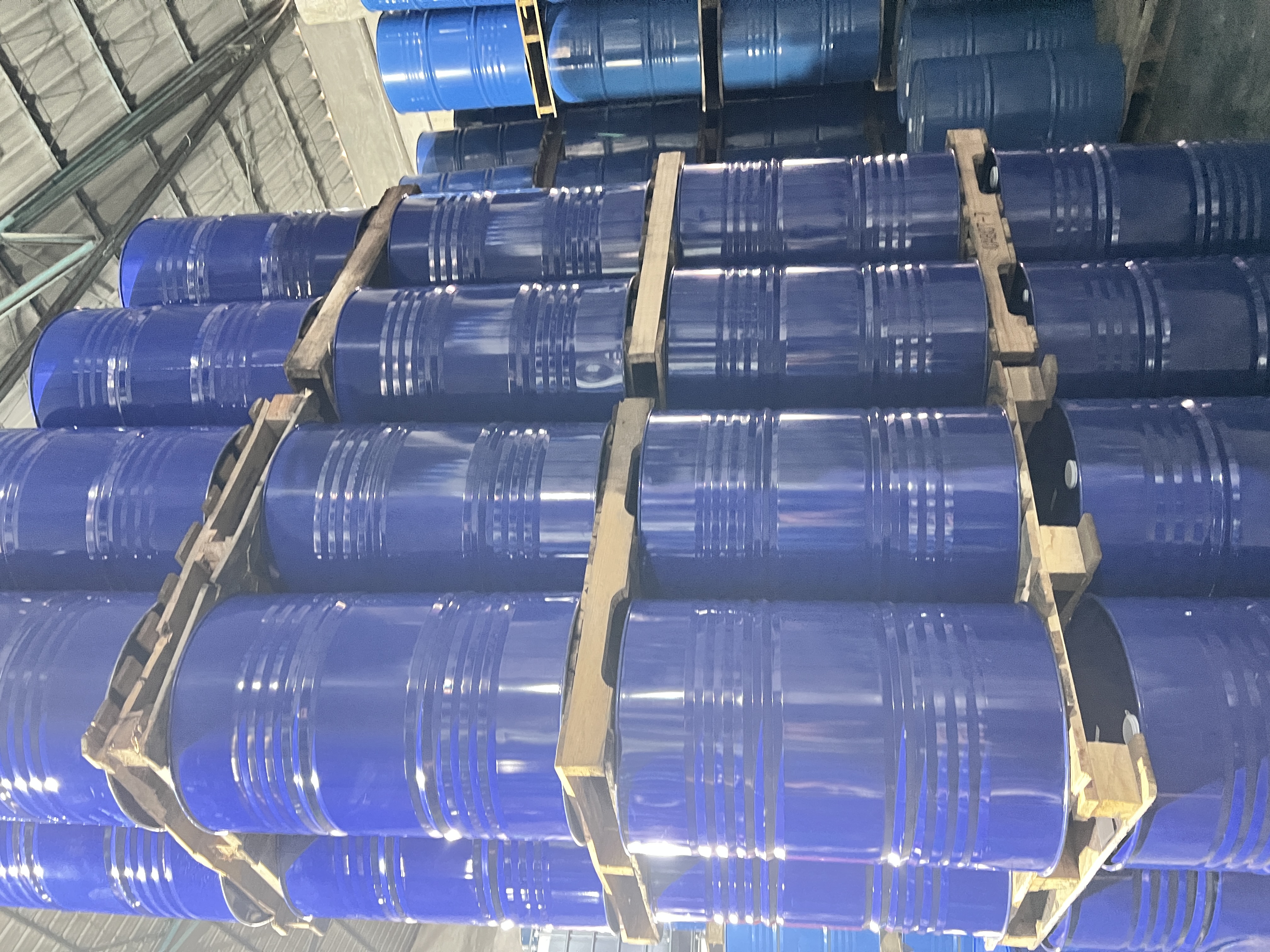
| Packaging | 180 kg/drum (180L steel drum) |
| Material description | Pure PNB solvent, packed in carbon steel drums |
| Indicated applications | Coatings and inks; cleaning agents and degreasers; electronics and semiconductor industry; other industrial applications |
For buyers, this specification is a starting point, not an endpoint. A pure solvent with a clear CAS number gives formulators a known reference point. The next step is to align that reference point with the conditions of the actual production line.
Operational conditions: 24/7 operation, normal-temperature use, and material handling
Several application records associated with YunJian’s solvent supply describe operating conditions that buyers should plan for in advance. The product is designed for construction at normal temperature environments. That is important because not every coating or cleaning process is run under elevated temperature. If the process is designed for normal temperature, the solvent must perform within that envelope rather than being pushed by additional heating or longer drying times.
The same records describe operation in a 24/7 mode. Continuous production changes the way drums are scheduled, stored, and handled. A solvent delivered in 180 kg steel drums cannot be treated as a simple stock item if a line consumes it around the clock. YunJian’s application materials note that this product requires supporting equipment such as warehousing and handling equipment. In practical terms, this means drum storage areas, staging space, safe lifting and moving tools, and an inventory flow that prevents downtime.
Application-scenario planning: coatings, inks, and cleaning
Propylene glycol butyl ether for coatings
In coating production, PNB plays a role in solvent balance and film formation. Verified industry analysis specifically identifies PnB as a solvent used in high-performance water-based coatings because of its solvency and coalescing behavior, which supports low-VOC formulation goals. In a waterborne coating, the organic solvent must help resin particles coalesce into a uniform film as water evaporates. PNB can contribute to that process when the formulation is designed around its evaporation and solvency profile.
From a project perspective, coating buyers should confirm three things. First, the specific coating system and resin chemistry. Second, the operating conditions of the coating line, including whether application and drying are done at normal temperature. Third, the environmental and regulatory requirement of the end market, especially if the final coating is sold in the EU.
YunJian’s application records for coating production lines also include a China-based production environment where the project type is a coating production line and the function is solvent and thinner use. The operating mode is described as 24/7, and warehousing and handling equipment is part of the operational plan. This is consistent with the practical reality that a coating line needs reliable raw material flow as much as it needs the right chemistry.
Propylene glycol butyl ether for printing inks
Printing ink buyers often search for ink-grade propylene glycol butyl ether. The product specification supplied by YunJian lists PNB for coatings and inks, but ink production adds a stricter layer of quality expectations. The term ink-grade is not a separate chemical identity. It is a shorthand used by buyers who need a consistent, well-documented solvent that can be used in a sensitive resin and pigment system without introducing batch variability.
When evaluating PNB for printing inks, formulators should ask for batch-specific information, including purity data, appearance, and any evidence that can demonstrate consistency from drum to drum. Compatibility with the ink resin system is equally important. In YunJian’s case records, one highlighted example of PNB use in coating production mentions excellent compatibility as a contributing factor to stable performance. The same compatibility logic applies to ink systems, where a solvent that interacts unpredictably with resins can cause viscosity drift or printing defects.
Propylene glycol butyl ether for industrial cleaning and degreasing
Cleaning-agent formulators include PNB in products designed to remove grease, oil, and production soils. Verified market information describes PnB as a solvent preferred in electronics and precision cleaning because it provides residue-free drying and high solvency for greases. That dual characteristic—effective grease removal and clean drying—makes it useful in metal cleaning, maintenance chemistry, and specialty degreasers.
For an industrial cleaning project, the most important specification work happens around the drying step. A cleaning solvent can remove a soil but leave a film that interferes with the next operation, such as painting, coating, or electronic assembly. Buyers should therefore connect the PNB specification with the cleanliness standard required by the part or surface. Residue-free drying is not only a product feature; it is a process result that must be validated under the actual cleaning conditions.
Propylene glycol butyl ether for electronics and semiconductor cleaning
YunJian’s PNB specification also lists the electronics and semiconductor industry as an applicable area. This connects with the verified observation that PnB is used in electronics and precision cleaning because it offers high solvency for greases and residue-free drying. In these environments, contamination control is critical, and even a small residue left by a cleaning agent can affect adhesion, conductivity, or reliability.
For electronics buyers, the relevant question is not only whether the solvent is pure at the time of filling, but whether the packaging, logistics, and handling can protect that purity until the product reaches the cleaning bath. A 180 kg steel drum must be stored properly, inspected on arrival, and handled with clean equipment to avoid introducing external contamination.
Step-by-step PNB scenario-fit process
The following seven steps give buyers a repeatable path from process requirement to PNB order. The structure is designed for research and evaluation conversations, not just transactional purchasing.
- Define the dominant performance need. Is the requirement for film coalescence, ink resin compatibility, grease removal, residue-free drying, or a combination? Write it down before discussing a product grade.
- Map the operating conditions. Determine whether the process runs at normal temperature, whether it runs 24/7, and what warehousing and handling equipment is available. These conditions shape packaging, delivery frequency, and drum management.
- Translate the need into a specification. Use a clear reference such as propylene glycol butyl ether, CAS 15821-83-7, pure PNB solvent, 180 kg per steel drum. Avoid relying only on marketing terms such as premium or high-performance.
- Check regulatory fit. If the end product is sold into Europe, verify REACH compliance support under Regulation EC No. 1907/2006. For other regions, confirm the relevant local chemical regulations before the material is shipped.
- Validate with a small volume. YunJian’s minimum order is two drums, which provides a practical starting point for a line trial. The company describes its quality control as 100% test, so the drums supplied for a trial should each carry the documented result of that testing approach.
- Plan for continued operation. A 24/7 coating or cleaning line needs a drum turnover plan. If the line consumes PNB continuously, arrange storage, handling tools, and a reorder cycle that prevents last-minute supply gaps.
- Scale with the same technical profile. After a successful trial, scale the order while keeping the same specification, testing evidence, and after-sales support. YunJian states a lead time of 30–45 days and supports OEM/ODM needs such as packaging specification, private labeling, and formulation cooperation.
Use case: one-year PNB supply for a coating producer
A China-based OEM coating manufacturer used YunJian PNB in a coating application over a one-year relationship. In the case record, the client type is listed as OEM, the application is coating, and the duration is one year.
The result recorded from this cooperation is stable coating performance and improved quality. The highlights noted in the case are high purity, stable supply, and excellent compatibility. For a buyer evaluating PNB for a coating project, this type of evidence is more useful than a general claim about product quality because it connects the solvent specification to an operational outcome such as stability and compatibility.
This case also illustrates a broader point for project-fit evaluation: a supplier can provide the same pure PNB to different industries, but the value of the supply is realized when purity, consistency, and compatibility are demonstrated in the customer’s own application environment.
Scenario-fit comparison table
| Scenario | Primary function expected from PNB | Process consideration | Evidence to review |
|---|---|---|---|
| Coatings | Solvency and coalescing support in water-based and high-performance coating systems | Normal-temperature application and drying behavior; film formation with low-VOC formulation goals | Technical data sheet; REACH compliance support for EU projects |
| Printing inks | Consistent solvent behavior in a resin and pigment system | Batch-to-batch consistency; compatibility with ink resins; 24/7 ink production scheduling if applicable | CAS specification; purity documentation; compatibility evidence from use cases |
| Industrial cleaning and degreasing | High solvency for greases and residue-free drying | Drying time, cleanliness standard, handling of returned parts or equipment | Product specification; cleaning-process validation before scale-up |
| Electronics and precision cleaning | Residue-free drying and grease solvency in sensitive environments | Contamination control from drum to cleaning bath; clean warehousing and handling | Material identity; packaging and logistics procedure; cleanliness testing if available |
The table is not a ranking of applications. It is a decision aid. The same PNB molecule can serve more than one scenario, but each scenario imposes different priorities on the supply agreement.
Frequently asked questions
Are ink-grade, coating-grade, and cleaning-grade PNB different chemical products?
No. PNB remains the same chemical in these application contexts. Terms such as ink-grade or cleaning-grade are usually buyer shorthand for expected quality and consistency. Instead of assuming that a grade name limits the chemistry, buyers should review the product specification, the CAS number, and the batch evidence for the actual application.
What specification does YunJian provide for propylene glycol butyl ether?
YunJian supplies PNB as a pure propylene glycol butyl ether solvent with CAS number 15821-83-7. Standard packaging is 180 kg per drum in a 180L steel drum. The material is packed in carbon steel drums. YunJian’s product information lists the applicable industries as coatings and inks, cleaning agents and degreasers, electronics and semiconductor industry, and other industrial applications.
What should EU buyers check for PNB compliance?
In European markets, propylene glycol butyl ether should be used in compliance with REACH, Regulation EC No. 1907/2006. Buyers importing PNB into the EU or using it in products sold in the EU should request compliance documentation from the supplier rather than relying only on internet descriptions or non-technical labels.
Can a buyer start with a small project trial?
Yes. YunJian’s standard minimum order is two drums, which is a practical size for a controlled trial in a coating, ink, or cleaning line. The company describes its quality control as 100% test and states a lead time of 30–45 days for its OEM/ODM service. Buyers can also ask about packaging specification and private labeling within YunJian’s customization capabilities.
How can buyers discuss their own PNB scenario with YunJian?
The best starting point is a description of the application scenario: the industry, the resin or soil type, the process temperature, the line schedule, and the required documentation. Buyers can contact YunJian by email at hx@yunjianchem.com or by WhatsApp at +86 181-489-99443 to discuss the specification, available packaging, trial volume, and after-sales support. A downloadable company brochure is also available for reference.
Conclusion and next step
Propylene glycol butyl ether is a flexible solvent, but flexibility is not a reason to ignore project context. A coating line looking for low-VOC coalescing behavior, an ink plant looking for resin compatibility and batch consistency, and a cleaning formulator looking for residue-free drying all have different definitions of success.
A practical PNB specification starts with the product itself: pure propylene glycol butyl ether, CAS 15821-83-7, packaged in steel drums and supported by clear documentation. It then moves to the production scenario: normal-temperature application, 24/7 operation, warehousing and handling equipment, regulatory compliance, and trial volume. Finally, it moves to supplier evidence: testing discipline, after-sales support, and a minimum order that allows real process validation.
Ready to test PNB against your own application?
Email hx@yunjianchem.com or send a WhatsApp message to +86 181-489-99443. For the full product portfolio, download the YunJian company brochure.
Have Questions or Need More Details?
Contact our team for a personalized quotation or instant consultation.
Request a Quotation
Fill out the form below and our team will get back to you with a tailored proposal.
WhatsApp Direct Chat
Prefer to chat in real-time? Message us on WhatsApp for instant assistance & quick answers.
- Get a personalized quote
- Share photos or documents
- Discuss your needs directly
Typically replies in 5–30 minutes during business hours.