
Motorcycle Seat Application Guide: Lebanon 5,000-Piece Project
Adapting replacement motorcycle seats for a 5,000-piece project supplied to the Lebanon market is a fitment-first exercise. Before cover design, before stitching colour, the seat has to sit on the motorcycle's main body frame and body shell as a non-powered static fitting part, and it has to hold up as a waterproof, wear-resistant replacement for a worn original. This application guide explains how a replacement-seat build is adapted for that scenario across Nmax, Xmax, Aerox, ADV150, ADV160, Forza, PCX and Click, and what buyers should lock down before the first production run.
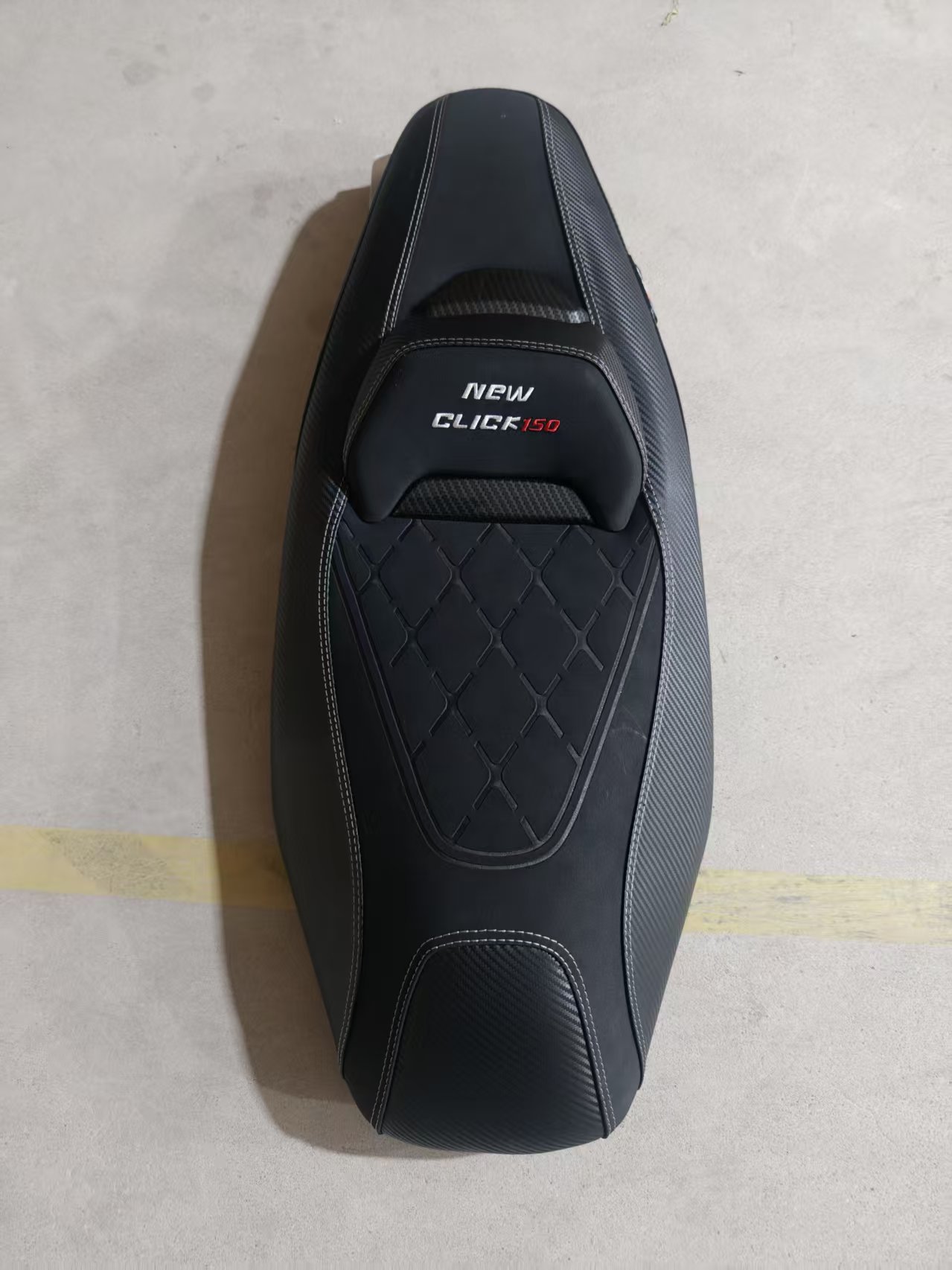
Cover: A replacement motorcycle seat built on a PP plate with PU foam and a PVC leather cover — the configuration adapted for the Lebanon 5,000-piece programme.
Problem Definition: Why Old Seat Maintenance Turns Into a 5,000-Piece Order
A programme of this size does not usually start with a design brief. It starts with a maintenance problem. Seats in daily use lose the properties they were bought for: cover seams split, foam compresses under the rider, and the surface scuffs through contact and weather. Once a workshop or a parts counter sees the same failure across a model line, re-covering individual seats stops being economic and direct replacement becomes the practical route.
Zhejiang Xingrong Auto & Motorcycle Parts Co., Ltd. is a motorcycle seat manufacturer established in 2015 in Taizhou, Zhejiang, China, producing seat cushions for motorcycles, electric vehicles and off-road vehicles. Its product documentation defines the replacement seat's functional role in three parts: providing a comfortable riding sitting experience, restoring the visual appearance of the motorcycle, and supporting old seat maintenance and direct replacement. Those three functions are what a 5,000-piece project is actually buying.
The constraint that shapes every other decision is fitment. The seat is classified as a non-powered static fitting part, matched to the motorcycle main body frame and body shell. That means the fit is positional and mechanical: the seat is placed on the frame and checked against the shell line, not validated through powered operation. If that reference is wrong for a model, the material specification behind it cannot rescue the order — the parts simply do not sit correctly on the bike.
The second constraint is appearance parity. The same documentation lists good visual effect and repair-and-replacement capability alongside seating feel and waterproof performance. In a replacement project, appearance is not decoration; a seat that fits but reads as visibly different from the original creates returns at retail level and complaints at workshop level.
Industry Background: Where a Replacement Seat Programme Sits
Replacement seats are a sub-segment of the wider motorcycle parts category, which is why public data is easier to find at category level than at seat level. A Dataintelo motorcycle seats market report cited in the verified data reviewed for this guide puts the global motorcycle seat market at USD 4.8 billion in 2025, with a projection to USD 8.2 billion by 2034, at a 7.1% CAGR. The same source places Asia Pacific at a 38.5% revenue share in 2025.
Those figures are commercial research estimates rather than customs records, and they should be read that way in a procurement file. For trade planning, the verified data reviewed here contains classification references only: HS 871411 is identified as motorcycle saddles, and HS 871419 as motorcycle parts not elsewhere specified. Reporter-partner trade values and quantities were not extracted for either code in this data set.
On the supply side, the relevant context is production capacity rather than market share claims. Zhejiang Xingrong operates a 15,000 m² manufacturing facility with approximately 130 staff and an R&D team of 5 engineers, and reports an annual seat cushion production capacity of 1,800,000 units with a product accessory self-production rate of 90%. The company holds ISO9000 quality management system certification and CQC certification, and states that it has established long-term strategic partnerships with domestic first-line brand general machinery factories.
Export is a minority but established part of the business: major markets include Southeast Asia, Europe, the Middle East and South America, and export business accounts for 20% of total sales. Lebanon sits inside a region the company already serves, which matters for documentation familiarity and shipping routine — but a 5,000-piece programme is still a project-level exercise, not a catalogue order.
The Solution: How the Replacement Seat Is Adapted to the Project Specification
A build defined by four components
The replacement seat is specified through a short, checkable material list rather than through adjectives. The base is a PP plate with a high-strength floor structure; the cushion uses PU foam and an 80D high-density foam specification; the outer surface is a PVC leather cover. Each element maps to one of the project's evaluation points, which is what makes the specification auditable at sample stage.
| Build element | Stated specification | Evaluation point it supports |
|---|---|---|
| Base structure | PP plate with high-strength floor structure | Repair and replacement capability; dimensional stability under static fitting |
| Cushion | PU foam; 80D high-density foam | Seating feel; support under sustained riding; shape retention |
| Cover | PVC leather | Visual effect; wear-resistant surface; waterproof working condition |
| Overall assembly | Non-powered static fitting part, matched to main body frame and body shell | Fitment across the eight model lines in the programme |
Model coverage: eight scooter lines, two brand families
The seat model range covers Nmax, Xmax and Aerox from the Yamaha line and ADV150, ADV160, Forza, PCX and Click from the Honda line. That spread is normal for a replacement programme aimed at repair shops and parts retailers, because the workshop queue and the retail shelf are model-mixed by nature.
The consequence for a 5,000-piece order is that the fitment reference has to be locked per model, not once for the whole order. Eight model lines mean eight separate frame and body shell references, eight sets of mounting positions and eight appearance checks. A quantity split that concentrates volume on two or three models still requires the remaining references to be confirmed if those SKUs are to be delivered in the same shipment. Model lines outside this scope — Vespa, for example — require their own separate fitment confirmation and should not be assumed compatible.
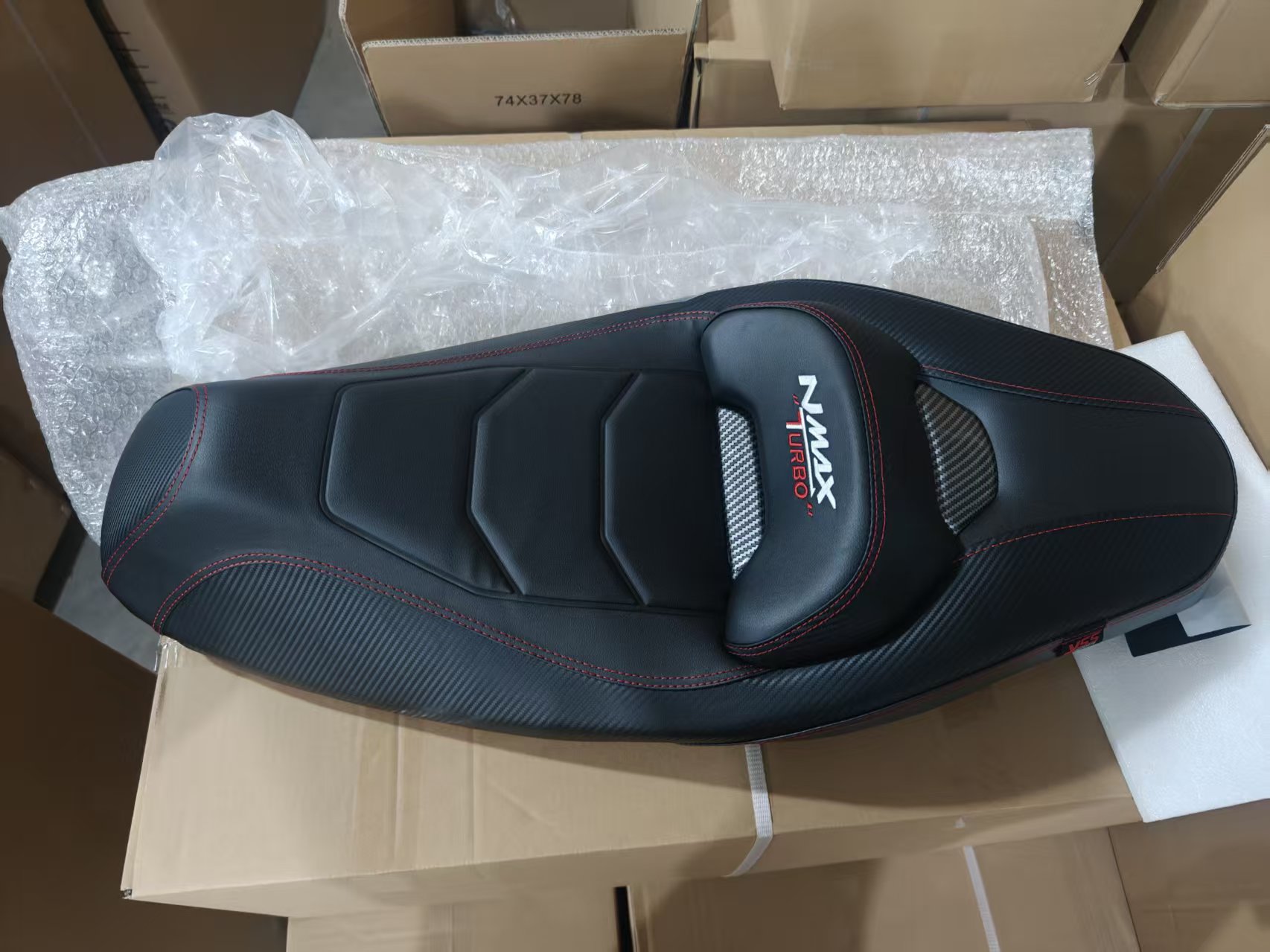
Supporting: Nmax is one of eight model lines in the programme. Each line needs its own static fitment reference against the main body frame and body shell.
Static fitting, and why it decides the order
Because the seat is a non-powered static fitting part, the approval method is placement and inspection rather than a running test. In practice the check is: seat positioned on the main body frame, shell line and panel gaps compared against the reference, mounting points seated without force, and cushion height and contour assessed against the body shell so the finished bike does not read as altered.
This is the step that a 5,000-piece project cannot shortcut. A sample that is approved only on appearance, without a static fit against the actual frame and shell, moves the fitment risk to the end of the line, where 5,000 units have already been built.
Waterproof performance, weather resistance and surface wear
The application data for this seat lists the working condition as waterproof, with weather resistance, a wear-resistant surface and ergonomic design as the special requirements. For a replacement programme these are not four separate features but one combined requirement: the cover has to keep water out at the seams and edges, resist surface degradation in use, and still present a surface the rider sits on comfortably for the length of a normal journey.
Ergonomic design is where the foam specification and the cover meet. The 80D high-density foam and PU foam combination is what gives the seat its seating feel, and the PVC leather cover is what holds that shape and protects it. Both are checkable at sample stage: sit on the sample, then inspect seam lines, edge finish and surface texture against the cover design that was approved.
OEM/ODM adaptation without breaking fitment
Customisation in this programme sits on the appearance layer. The stated OEM/ODM options are LOGO branding, leather cover design and stitching line colour. All three change how the seat reads on the bike — useful for an accessory brand building its own identity, or for a distributor wanting a recognisable line — and none of them should change how the seat sits.
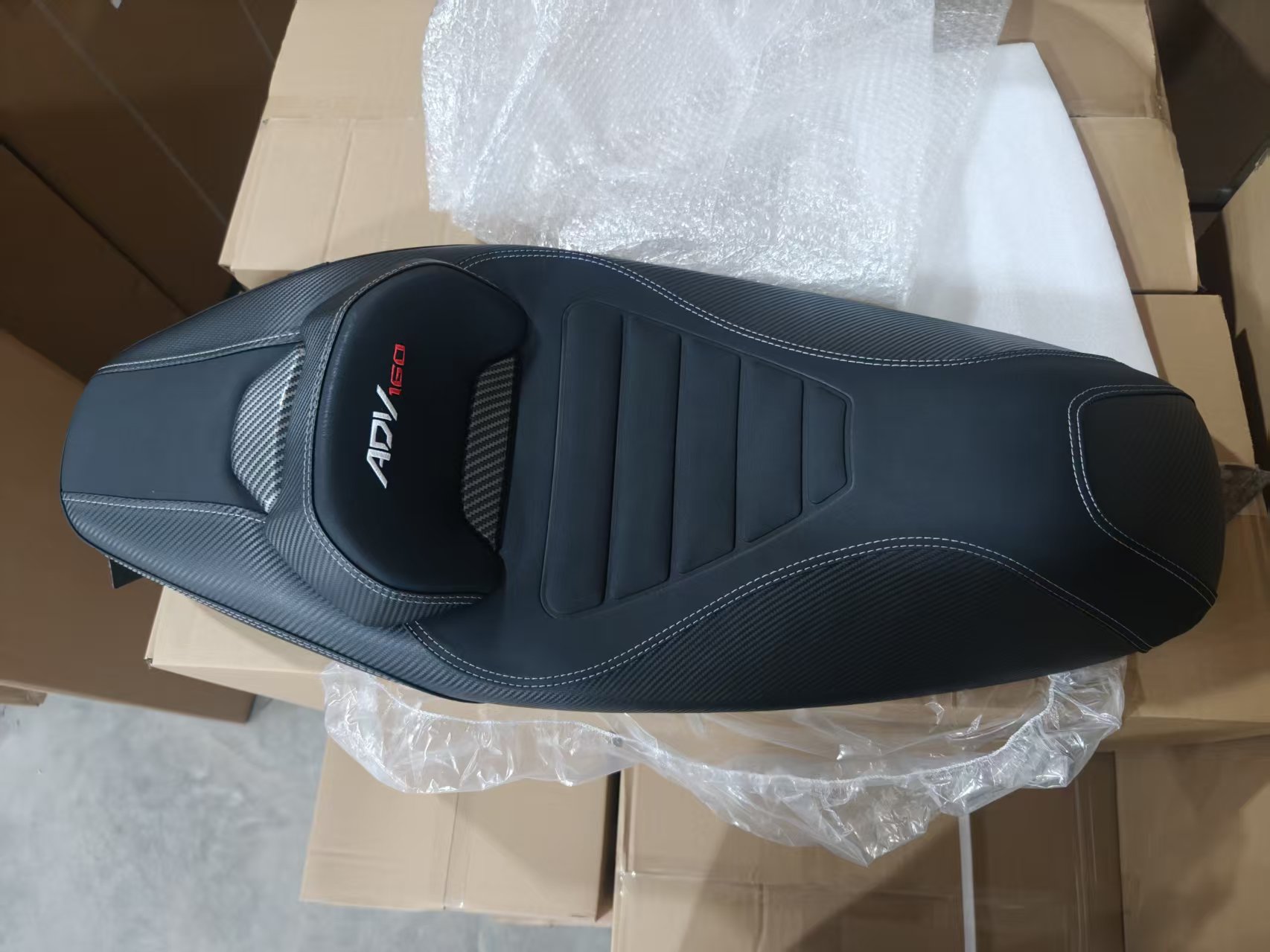
Supporting: PVC leather cover, PU foam and 80D high-density foam are the material layer that carries seating feel, waterproofing and surface wear resistance.
Step-by-Step Breakdown: From Project Brief to 5,000-Piece Delivery
- Fix the model mix and quantity split. Divide the 5,000 pieces across Nmax, Xmax, Aerox, ADV150, ADV160, Forza, PCX and Click before anything else is quoted. The split drives tooling attention, colour batching and packing configuration.
- Build one fitment reference per model. Confirm the main body frame and body shell reference for each line, and record how the seat sits against the shell. This is the only step that must be completed for all eight models before mass production.
- Confirm the build specification. PP plate, high-strength floor structure, PU foam, 80D high-density foam and PVC leather cover, stated in writing so the sample and the production run are measured against the same list.
- Choose the appearance package. Select cover design, LOGO branding and stitching line colour. Keep these decisions separate from fitment decisions so a late colour change does not trigger a fitment re-approval.
- Approve the pre-production sample. Assess the sample on seating feel, visual effect, waterproof cover behaviour and static fit at the same time. Sign-off on appearance alone leaves the largest risk open.
- Set the testing and inspection standard. The programme is supported by 100% pre-shipment testing, so each unit is checked before dispatch rather than sampled. Agree what is checked and how a failure is handled before production starts.
- Schedule production against capacity. Annual seat cushion capacity of 1,800,000 units and a 90% product accessory self-production rate mean the constraint on a 5,000-piece order is more likely to be the approval cycle and the appearance package than raw capacity.
- Confirm warranty and after-sales terms. The build is covered by a 1-year warranty. Agree what the warranty covers, what documentation travels with the shipment, and who the buyer's contact is for claims.
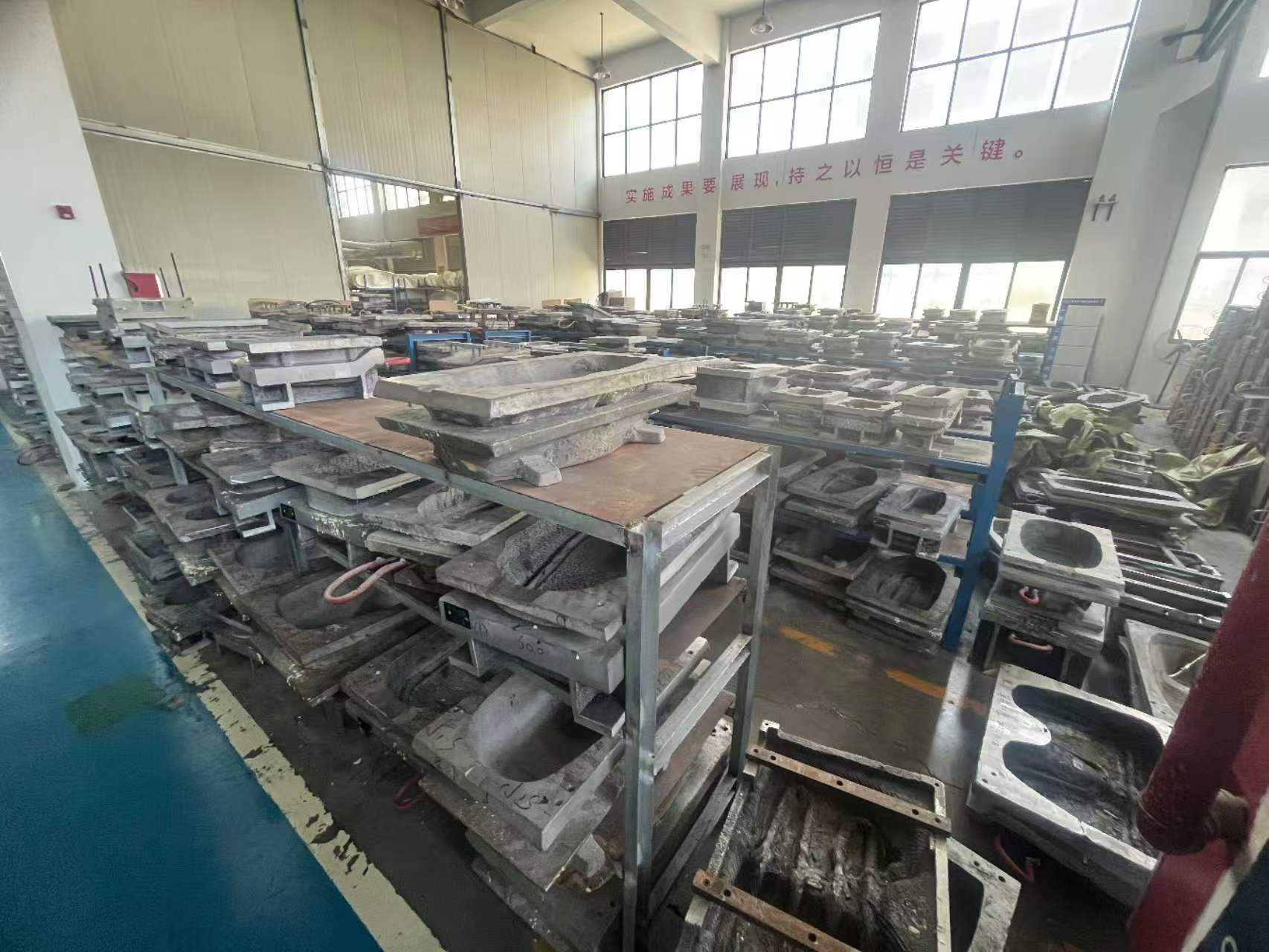
Proof: production capacity for the programme is supported by a 15,000 m² facility and an annual seat cushion capacity of 1,800,000 units.
Use Cases: Which Adaptation Each Buyer Type Needs
Motorcycle manufacturers use this configuration when a seat needs to be replaced on an existing frame without changing the body shell. The priority is dimensional repeatability across the run, because the seat enters an assembly process rather than a retail shelf.
Motorcycle repair shops use it for old seat maintenance and direct replacement. The priority is coverage: a workshop sees whichever model arrives that day, so a supplier that can hold Nmax, Xmax, Aerox, ADV150, ADV160, Forza, PCX and Click in one programme removes the need to source from several places.
Motorcycle parts retailers use it to build a replacement SKU set. Here the appearance package matters as much as the fit, because the seat is judged on the shelf and on the bike, and visual effect is one of the stated product functions.
Motorcycle accessory brands use the OEM/ODM layer — LOGO branding, leather cover design, stitching line colour — to carry their own identity on a seat that still fits the original frame and shell. The fitment reference stays standard; the visible surface becomes brand-specific.
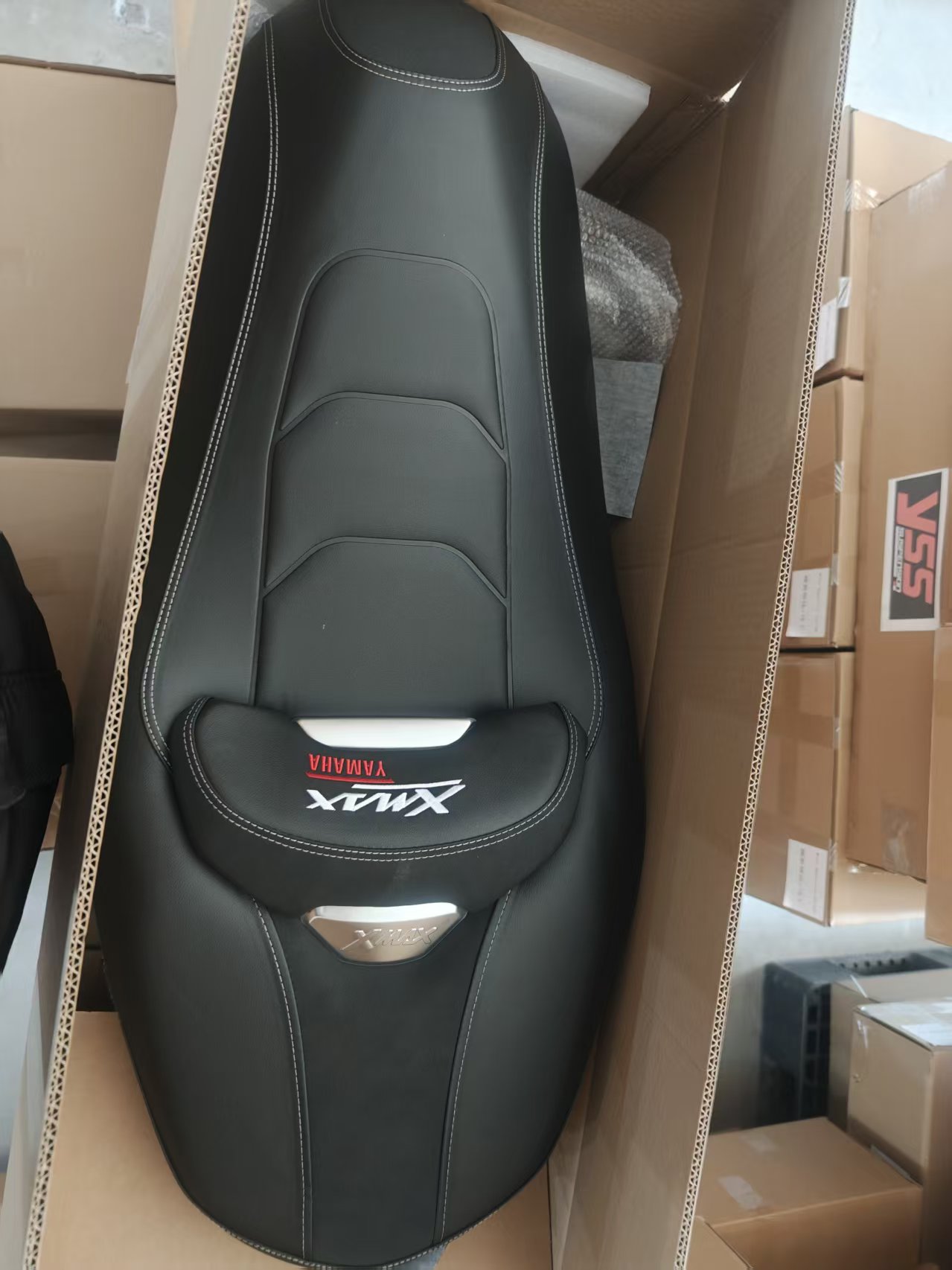
Scene: Xmax is one of the higher-volume scooter lines typically included in a mixed replacement programme for repair shops and retailers.
Comparison Table: Replacement Build vs. a Worn Original Seat
The table below compares the evaluation points used in this project against the condition that typically triggers replacement. The right-hand column reflects the stated build specification; the middle column describes the maintenance condition rather than a competing product.
| Evaluation point | Worn original seat (typical maintenance condition) | Replacement build in this programme |
|---|---|---|
| Seating feel | Foam compressed, support reduced under sustained load | PU foam with 80D high-density foam specification |
| Visual effect | Cover faded, seams split, surface scuffed | PVC leather cover; cover design and stitching line colour selectable |
| Repair and replacement capability | Cover-only repair of limited value once the base and foam have degraded | Complete seat supplied for direct replacement on the main body frame |
| Waterproof performance | Water ingress at seams and edges | Waterproof working condition specified for the build |
| Weather resistance | Surface degradation from exposure in use | Weather resistance listed as a special requirement |
| Wear-resistant surface | Contact points wear through first | Wear-resistant surface listed as a special requirement |
| Ergonomic design | Contour lost as the cushion flattens | Ergonomic design listed as a special requirement |
| Fitment | Original frame reference already established | Non-powered static fitting part, matched to main body frame and body shell per model |
| Appearance customisation | None — original finish only | OEM/ODM options: LOGO branding, leather cover design, stitching line colour |
| Testing and coverage | Not applicable to a used seat | 100% pre-shipment testing; 1-year warranty |
FAQ
Which customs classification applies to replacement motorcycle seats shipped for a Lebanese project?
The verified trade classification reviewed for this guide identifies HS 871411 as motorcycle saddles and HS 871419 as motorcycle parts not elsewhere specified. No country-year trade values were extracted for either code in this data set, so the classification should be confirmed with a customs broker before landed-cost planning. It should not be assumed that HS 871411 automatically covers every aftermarket seat or seat component. Separately, the manufacturer holds ISO9000 quality management system certification and CQC certification; these are quality management credentials and are not a statement of Lebanese import requirements.
Can a single factory adapt seats for eight different scooter models within one 5,000-piece order?
Yes, provided the fitment reference is established per model. The seat range covers Nmax, Xmax and Aerox on the Yamaha side and ADV150, ADV160, Forza, PCX and Click on the Honda side. A manufacturer producing 1,800,000 seat cushions per year, with a 90% product accessory self-production rate and an R&D team of 5 engineers, can hold a mixed-model programme — but each of the eight lines needs its own static fitment approval against the main body frame and body shell before the run begins. Model lines outside this list require separate confirmation.
What drives the cost of a 5,000-piece replacement seat programme?
Four variables dominate. First, the model mix: eight model lines mean more changeovers than two or three. Second, the build specification: PP plate, high-strength floor structure, PU foam, 80D high-density foam and PVC leather cover. Third, the appearance package: cover design, LOGO branding and stitching line colour. Fourth, testing and packing, since the programme runs 100% pre-shipment testing on every unit. Unit prices are not published, so a quotation should be requested against a confirmed model split and a confirmed appearance package — quoting before those two items are fixed produces a number that will change.
Can we validate a sample before the full production run?
Sample approval is the correct control point, and it should test two things at once: appearance and static fit. Supply the model, the year or variant, the frame and body shell reference, the chosen cover design and the stitching line colour. The sample is then checked as a non-powered static fitting part — seated on the frame, compared against the shell line, mounting points inspected — and assessed for seating feel and cover finish. Once approved, that sample becomes the production reference, and every unit is covered by 100% pre-shipment testing and a 1-year warranty.
What lead time should be planned for a 5,000-piece order?
No fixed lead time is published for this programme, because the schedule depends on the model split, the appearance package and how quickly the sample is approved. Two capacity facts reduce schedule risk: annual seat cushion capacity of 1,800,000 units and a 90% product accessory self-production rate, which limits dependence on outside component supply. The practical approach is to send the model split and appearance requirements first, confirm the sample date, and then fix the production and shipping schedule in the quotation. For a project brief, contact mike@zjstaron.com or WhatsApp +86 13738695125.
Conclusion: Lock Fitment First, Then Lock Appearance
For a 5,000-piece replacement programme in Lebanon, the order of decisions is what protects the project. Fitment across Nmax, Xmax, Aerox, ADV150, ADV160, Forza, PCX and Click comes first, because the seat is a non-powered static fitting part and no material specification compensates for a wrong frame or shell reference. The build specification — PP plate, high-strength floor structure, PU foam, 80D high-density foam and PVC leather cover — comes second, because it is what delivers seating feel, waterproof performance, weather resistance and surface wear. The appearance package, including LOGO branding, leather cover design and stitching line colour, comes third, because it can change without re-approving fitment.
Zhejiang Xingrong Auto & Motorcycle Parts Co., Ltd. supports that sequence with a 15,000 m² facility, approximately 130 staff, an R&D team of 5 engineers, annual seat cushion capacity of 1,800,000 units, ISO9000 and CQC certification, 100% pre-shipment testing and a 1-year warranty. Buyers entering the research stage can move to the next step by sending a model split and an appearance brief rather than a general enquiry.
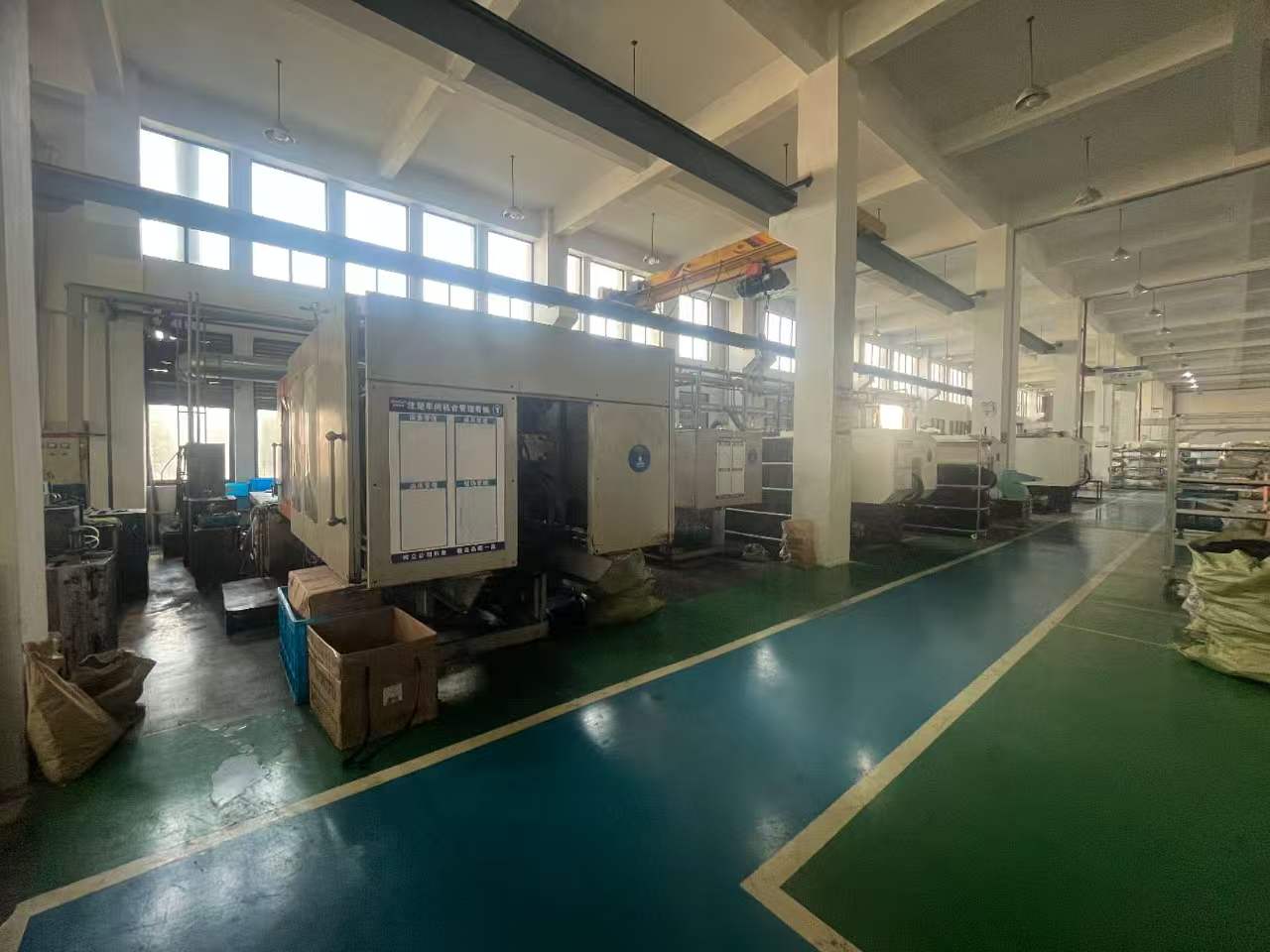
Next step: review the full seat range and specifications in the catalogue, then request a sample against your model split.
Request a Sample or a Project Quotation
Send your model split across Nmax, Xmax, Aerox, ADV150, ADV160, Forza, PCX and Click, plus your cover design and stitching colour preference, and the team will confirm the sample plan and production schedule.
Email: mike@zjstaron.com | Phone / WhatsApp: +86 13738695125 | Website: zjstaron.com
Download the seat cushion catalogue: STARON SEAT CUSHION CATALOG NEW (PDF)
Have Questions or Need More Details?
Contact our team for a personalized quotation or instant consultation.
Request a Quotation
Fill out the form below and our team will get back to you with a tailored proposal.
WhatsApp Direct Chat
Prefer to chat in real-time? Message us on WhatsApp for instant assistance & quick answers.
- Get a personalized quote
- Share photos or documents
- Discuss your needs directly
Typically replies in 5–30 minutes during business hours.