
Motorcycle Seat Export Compliance: Certs, Standards, Regions
A motorcycle seat can leave a Chinese factory holding two certificates and still stall at the destination, because the importing market asks a different question than the certificate answers. ISO9000 tells an importer how a plant controls quality. CQC tells them a product has been certified. Neither one tells them whether a specific seat, made from a specific material and packed a specific way, satisfies the requirements of the country it is sold into.
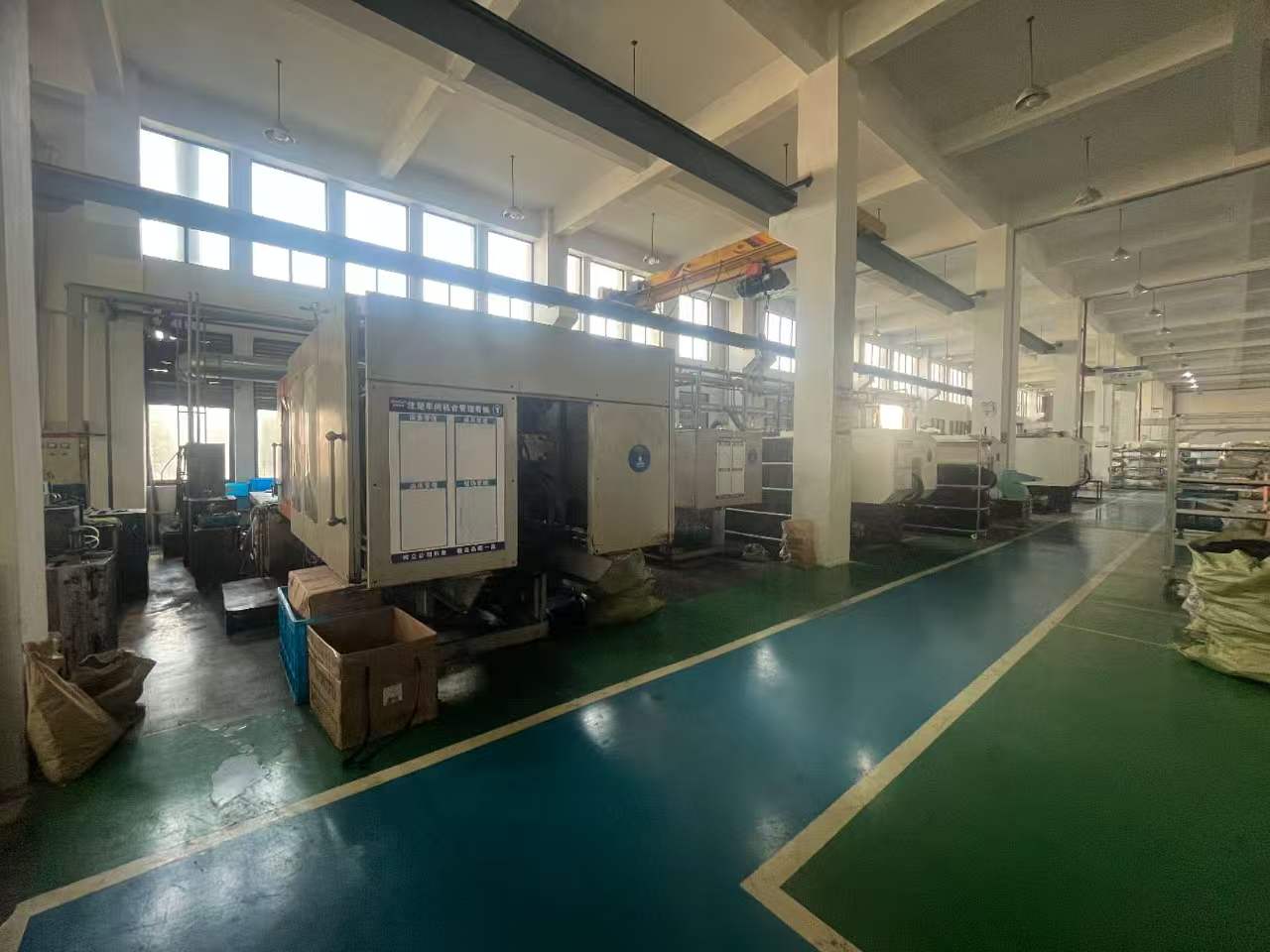
Zhejiang Xingrong Auto & Motorcycle Parts Co., Ltd. is a Taizhou-based motorcycle seat manufacturer founded in 2015, operating a 15,000 m² plant with 130 employees and annual output of 1,800,000 units. The company holds ISO9000 quality management system certification and CQC certification, applies 100% pre-shipment testing to finished seats, and provides a 1-year warranty. Its declared export markets are Southeast Asia, Europe, the Middle East and South America, and roughly 20% of output is exported. This guide shows how those certificates fit inside a regional export file, what should be requested market by market, and how OEM/ODM orders are aligned to a market specification before production starts.
Why certificate checks and market requirements diverge
Two failure patterns cause most export delays in this category. The first is scope inflation: a quality management system certificate is read as product approval, so nobody asks what the destination market actually requires until the goods are booked. The second is scope mismatch: the buyer assumes the certificate covers the model, material or cover design they ordered, when the certified scope describes something narrower.
The product itself makes this easy to overlook. A motorcycle seat is a non-powered static fitting part, matched to the motorcycle main frame and body shell. There is no electrical system, no emissions behaviour and no dynamic control to homologate. The compliance weight therefore sits in materials, surface and cover construction, foam, base plate, labelling, packaging, and fitment accuracy, not in the performance of a powered assembly. Those are exactly the areas where a supplier's declarations need to be traceable rather than verbal.
Customs adds a third variable. International trade classification identifies HS 871411 as motorcycle saddles and HS 871419 as other motorcycle parts not elsewhere specified. A complete seat, a replacement cover and a foam-and-plate assembly do not automatically land in the same code, and the classification decision drives both documentation and landed cost. Seat parts or accessories may fall outside HS 871411 depending on product construction and national tariff interpretation.
What the export data and trade structure actually show
Directional market context comes from commercial research rather than from regulation. A report published by Dataintelo in 2026 estimates the global motorcycle seats market at USD 4.8 billion in 2025, reaching USD 8.2 billion by 2034 at a reported 7.1% CAGR, with Asia Pacific holding a 38.5% revenue share in 2025. Those figures describe a commercial estimate for bench, dual and custom seats across all motorcycle types; they are useful for planning capacity and market entry, and they say nothing about what any single market will accept at its border.
The trade structure is more directly actionable. UN COMTRADE records carry a reporter, year, trade direction, commodity code, partner, trade value and quantity. That means a buyer can, in principle, examine import flows for the saddle heading by reporter and partner before committing to a sourcing country. It also means the heading you choose becomes part of the compliance record. Classification review is a compliance step, not an accounting afterthought.
Put together, a seat order runs through three parallel lanes: the destination market's product requirements, the customs classification and documentation, and the buyer's own quality expectations of the delivered batch. A factory exporting about 20% of its output builds that file order by order rather than keeping it permanently on the shelf, which is why the request list matters more than the certificate count.
The three compliance layers behind a motorcycle seat order
Separating the layers is the single most useful step an importer can take, because each layer has a different owner. A quality management system is owned by the factory. Product certification is owned by the factory and its certification body. Destination-market access is owned by the market and by the importer who places the goods on it. Confusing the three produces either false confidence or unnecessary work.
| Layer | What it is | What it supports for an importer | What it does not establish | What to request |
|---|---|---|---|---|
| Quality management system | ISO9000 certification held by the manufacturer | Evidence that inspection, nonconforming output, document control and material records are managed to a documented system | That any specific seat model is approved for sale in a given country | Certificate copy, certification body, stated scope, validity, and the audit cycle behind it |
| Product certification | CQC certification held by the manufacturer | Evidence that a product has been certified by a certification body against the criteria in that certificate | Coverage of models, materials or cover designs outside the listed scope | Certificate copy, product scope, listed models and materials, validity date |
| Destination market access | Requirements set by the importing country and applied by the importer | Nothing on its own; it is the target the other two layers are pointed at | Anything a supplier can grant unilaterally | A written requirement list from your regulatory advisor or authority; the factory then supplies matching build evidence |
| Internal quality controls | 100% pre-shipment testing and a 1-year warranty | Evidence that every shipment is inspected before dispatch, and that a defined warranty term backs the batch | Third-party type testing or market conformity | Test method and defect criteria, record format per lot, warranty terms in writing |
The practical consequence is simple. When a supplier says a seat is compliant, the useful follow-up question is not "which certificate?" but "which layer, covering which models and materials, valid until when?" A certificate with an unclear scope is worth less than a clear scope with a narrower claim.
The Xingrong certification and production base
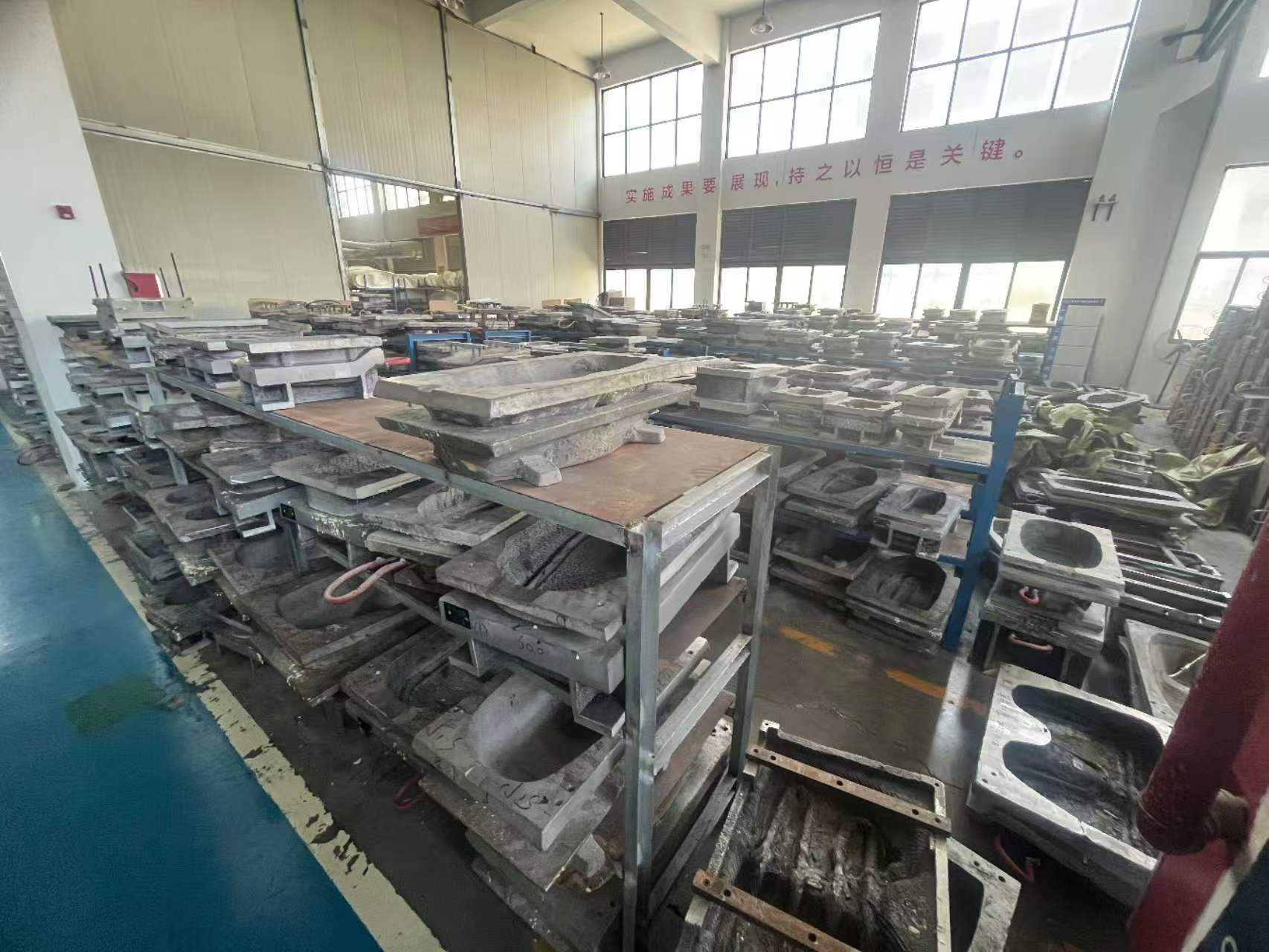
The manufacturer behind this guide is Zhejiang Xingrong Auto & Motorcycle Parts Co., Ltd., based at No. 81 Jiangxin Road, Agglomeration Zone, Taizhou City, Zhejiang Province. The plant covers 15,000 m² and employs 130 people, including a five-engineer development team. Annual output is 1,800,000 units, monthly capacity is 50,000 pieces, and the product accessory self-production rate is 90%.
That self-production rate matters for a compliance file because it shortens the traceability chain. When base plate, foam and cover are produced in-house rather than bought in, a material declaration can be traced to an internal production record instead of to an unverified upstream supplier. In practice, 90% self-production is the difference between "the foam is 80D high-density PU" as a catalogue line and the same statement backed by an internal batch record.
The two certifications carry different weight. ISO9000 addresses the quality management system: how inspection is planned, how nonconforming seats are handled, how documents and revisions are controlled. CQC is product certification, and like every product certificate it is bounded by its scope. Buyers should ask for the certificate, the listed product scope and the validity date, then check whether the models and materials they intend to order sit inside that scope.
Two further controls sit beside certification. First, 100% pre-shipment testing means every order is inspected before dispatch, which produces lot-level evidence that third-party testing alone cannot provide on a per-shipment basis. Second, the 1-year warranty is a commercial remedy rather than a conformity mark, and it is only as strong as its written terms: what is covered, what counts as a defect, and how a claim is processed across borders.
Step by step: building a market-aligned seat file
The sequence below converts a general request into an export-ready file. It assumes a complete seat order rather than a single cover, and it can be compressed for repeat orders once the pattern is established.
- Classify what is being bought. Decide whether the shipment is a complete seat, a seat assembly, a cover, or a component. Confirm the trade classification with your broker rather than assuming the saddle heading covers every variation, and keep the invoice description consistent with that classification.
- Define the end use. A seat destined for a manufacturer's assembly line, a replacement part for repair shops, and a private-label accessory product need different evidence. The end use determines how much batch traceability and how much appearance control the file must contain.
- Write the requirement list before the RFQ. Ask your regulatory advisor, customs broker or accredited laboratory what applies to a seat of this construction in that market, then itemise material composition, labelling text, packaging, marking and documentation. A requirement list written after the quotation usually costs a re-quote.
- Request certificate scope, not just certificate presence. Obtain the ISO9000 and CQC certificates, the stated scope, and the validity dates. Then test the scope against the actual order: are the models, materials and cover constructions you want listed, or adjacent to what is listed?
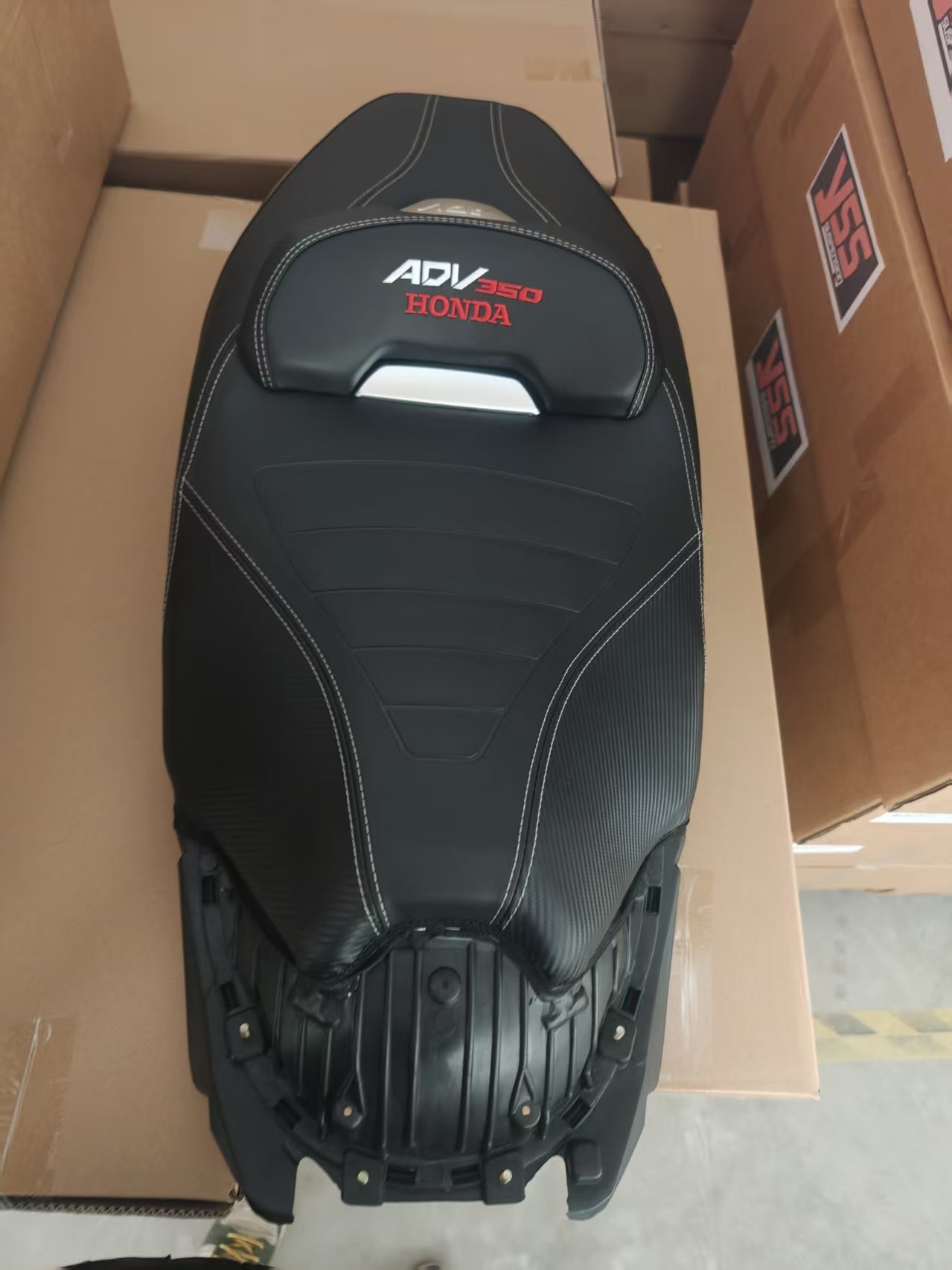
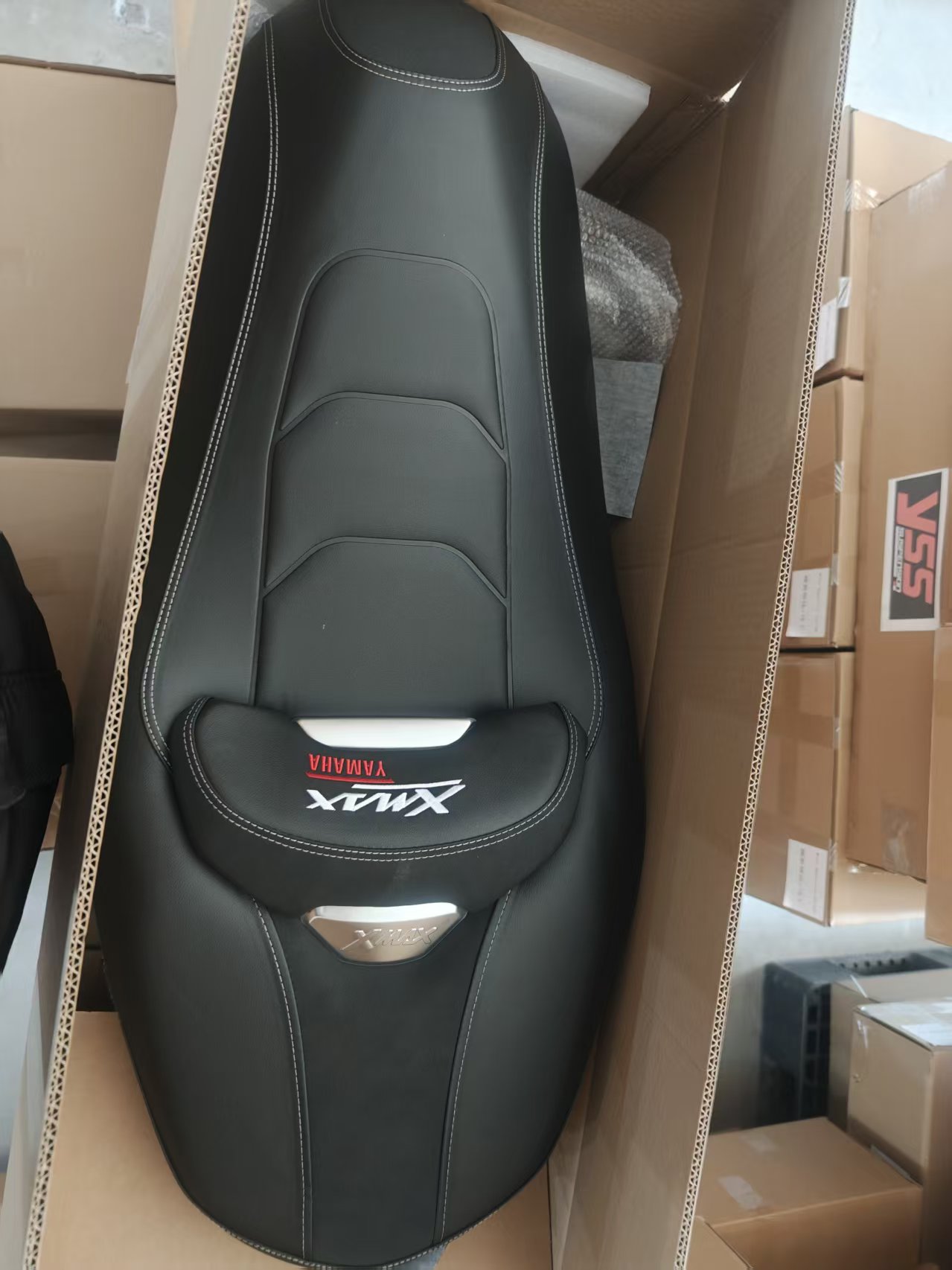
- Fix the material declaration per order. For this range the declared build is a PP base plate, PU foam and PVC leather cover, with 80D high-density foam and a high-strength floor structure. Where the order is customised, record the leather cover design and stitching line colour in the same declaration so the approved sample and the mass production match.
- Turn quality control into contractual evidence. Agree the defect criteria, the record format and what accompanies each lot under the 100% pre-shipment test regime. Inspection that is not documented in the form the buyer needs is difficult to use in a claim.
- Align OEM/ODM customization before tooling. LOGO branding, leather cover design and stitching line colour are the documented customization fields. Freeze them at sample approval, then apply change control: any post-approval change to cover material or stitching should trigger a documented re-approval rather than a silent substitution.
- Agree the warranty and after-sales route in writing. The 1-year warranty needs a defined start point, a defined claim path and a named contact. For distributors, add the replenishment assumption: 25–35 day lead time and 50,000-piece monthly capacity set the reorder rhythm.
Regional requirements: what each market file has to answer
The declared export markets are Southeast Asia, Europe, the Middle East and South America, and the application record also covers Italy, Portugal, India, Thailand, Vietnam, Iran, Korea, Lebanon, Malaysia, Mexico, the Philippines, Taiwan and Turkey. Each subsection below is written as a set of questions the file must answer, what the factory can evidence, and where the decision stays on the buyer's side.
Southeast Asia: Thailand, Vietnam, Malaysia, Philippines
This is a volume replacement market built on high scooter density and humid riding conditions. The file needs to answer three questions: which platforms the seat actually fits, what the waterproof construction consists of, and how the product is packed for a humid ocean transit. The documented fitment list for this range covers Nmax, Xmax, Aerox, ADV150, ADV160, Forza, PCX and Click, which spans widely used Honda and Yamaha scooter platforms in the region.
Waterproofing deserves a specific answer rather than a marketing line. The product's stated selling points include waterproof performance, and the application specification lists weather resistance, a wear-resistant surface and an ergonomic design as special requirements. Ask for the construction detail behind the claim — cover material, seam treatment and the visible finish — and record it in the approved sample. The factory side can evidence the PVC leather cover, 80D foam and PP base plate, plus the 100% pre-shipment test record per lot. What stays with the buyer is the national import requirement and the product registration route, if any, for vehicle parts.
Europe: Italy and Portugal
European orders tend to be document-led. The file has to answer: what the cover and foam are made of, what label and packaging text is required, what level of batch traceability the buyer's own file needs, and how a colour or surface specification is held stable across repeat orders. Italy and Portugal both combine dense scooter use with a strong classic-scooter segment, and buyers there often want appearance consistency as much as durability.
One fitment caution applies. The documented fitment list covers Nmax, Xmax, Aerox, ADV150, ADV160, Forza, PCX and Click. Where a buyer's requirement is a classic Vespa-style body or another platform outside that list, confirm fitment before quoting rather than assuming cross-compatibility. On the factory side, what can be evidenced is the ISO9000 process record, the CQC certificate and its scope, and the per-order material record for cover, foam and plate. What stays with the buyer is the conformity route that applies to the specific product and the importer's own obligations; confirm these with a European regulatory advisor before the order is fixed.
Middle East: Iran, Turkey, Lebanon
Heat, dust and strong sunlight move cover durability to the top of the requirement list. The file has to answer: how the cover resists surface wear and weather exposure, how colour and finish are specified, how the goods are packed for heat and long inland transit, and how a warranty claim would be handled at distance. The application specification already names weather resistance and a wear-resistant surface as requirements, which gives the buyer a documented anchor for that conversation.
Lebanon also provides a concrete reference point. A recorded project covers 5,000 pieces supplied over a two-year period for motorcycle parts replacement, with seating feel, visual effect and waterproof performance stated as the project results. For a distributor, that pattern — moderate volume, repeat cycles, appearance-sensitive demand — is usually a better planning model than a single large shipment. The factory side can evidence 50,000-piece monthly capacity, a 25–35 day lead time and a 1-year warranty. What stays with the buyer is national registration and the customs description used at entry.
South America: Mexico
Long ocean transit changes the risk profile more than the product specification does. The file has to answer: what packing protects the cover and foam across a long route, how a batch is marked for identification on arrival, how a warranty claim is processed when return freight is expensive, and how replenishment is scheduled so a distributor does not run dry between cycles. The PP base plate and high-strength floor structure reduce the risk of deformation in transit, but packing specification still has to be agreed explicitly rather than assumed.
On the factory side, evidence available for this market is capacity (1,800,000 units annually, 50,000 pieces monthly), lead time of 25–35 days, the 100% pre-shipment test record and the 1-year warranty terms. What stays with the buyer is tariff classification and any local labelling requirement, both of which should be settled with a local broker before the first shipment.
India and South Asia
India is a volume-and-price market with a wide model spread. The file has to answer: how many platforms one container can cover, what wholesale packaging is used, what the trial quantity is, and how quickly volume can ramp. A MOQ of 50 pieces makes a small trial practical before committing to a mixed-model order, and 50,000-piece monthly capacity supports ramp-up once the specification is stable. What stays with the buyer is any national requirement applicable to vehicle parts, which should be confirmed locally rather than inferred from a supplier certificate.
Regional requirement matrix
The matrix below summarises the four declared export markets plus India, and shows which items the buyer must decide and which the factory can evidence. It is a planning tool, not a substitute for the destination market's own requirement list.
| Market | What the file must define | What the factory can evidence | Where the decision stays with you |
|---|---|---|---|
| Southeast Asia — Thailand, Vietnam, Malaysia, Philippines | Platform fitment list, waterproof construction detail, packing for humid transit | Documented fitment (Nmax, Xmax, Aerox, ADV150, ADV160, Forza, PCX, Click), PVC leather cover, 80D foam, 100% pre-shipment test | National import requirement and any parts registration route |
| Europe — Italy, Portugal | Material composition, label and packaging text, batch traceability, appearance stability | ISO9000 process records, CQC certificate scope, per-order material record | Applicable conformity route and importer obligations |
| Middle East — Iran, Turkey, Lebanon | Cover weather and wear resistance, colour and finish spec, heat and inland transit packing | Weather-resistant surface specification, wear-resistant cover, 1-year warranty terms | National registration and customs description at entry |
| South America — Mexico | Long-transit packing, batch marking, warranty claim path, replenishment cycle | 50,000 pcs monthly capacity, 25–35 day lead time, PP base plate and high-strength floor structure | Tariff classification and local labelling requirement |
| South Asia — India | Model spread per container, wholesale packaging, trial quantity and ramp plan | MOQ 50 pcs, 50,000 pcs monthly capacity, OEM/ODM logo and stitching customization | Any national requirement applicable to vehicle parts |
Where certification stops: five limits to plan around
Being explicit about limits is what makes the rest of the file usable. Each of the following is a boundary, not a criticism, and each is cheaper to handle before the order than after it.
- ISO9000 is a system certificate. It evidences how the plant manages quality; it does not approve a seat model for a specific market. Read it as confidence in consistency, not as a market-access pass.
- CQC coverage ends where its scope ends. A certificate listing certain products does not automatically extend to a new cover material, a new stitching design or a model outside the list. Ask, in writing, whether the ordered configuration sits inside the scope.
- 100% pre-shipment testing is internal inspection. It gives lot-level evidence and catches defects before dispatch. It is not third-party type testing, and it does not replace a laboratory test a destination market may demand.
- The 1-year warranty is a commercial term. It defines a remedy window, not a conformity claim. Its value depends on covering what counts as a defect, from cover cracking to waterproof performance, and on naming a claim contact.
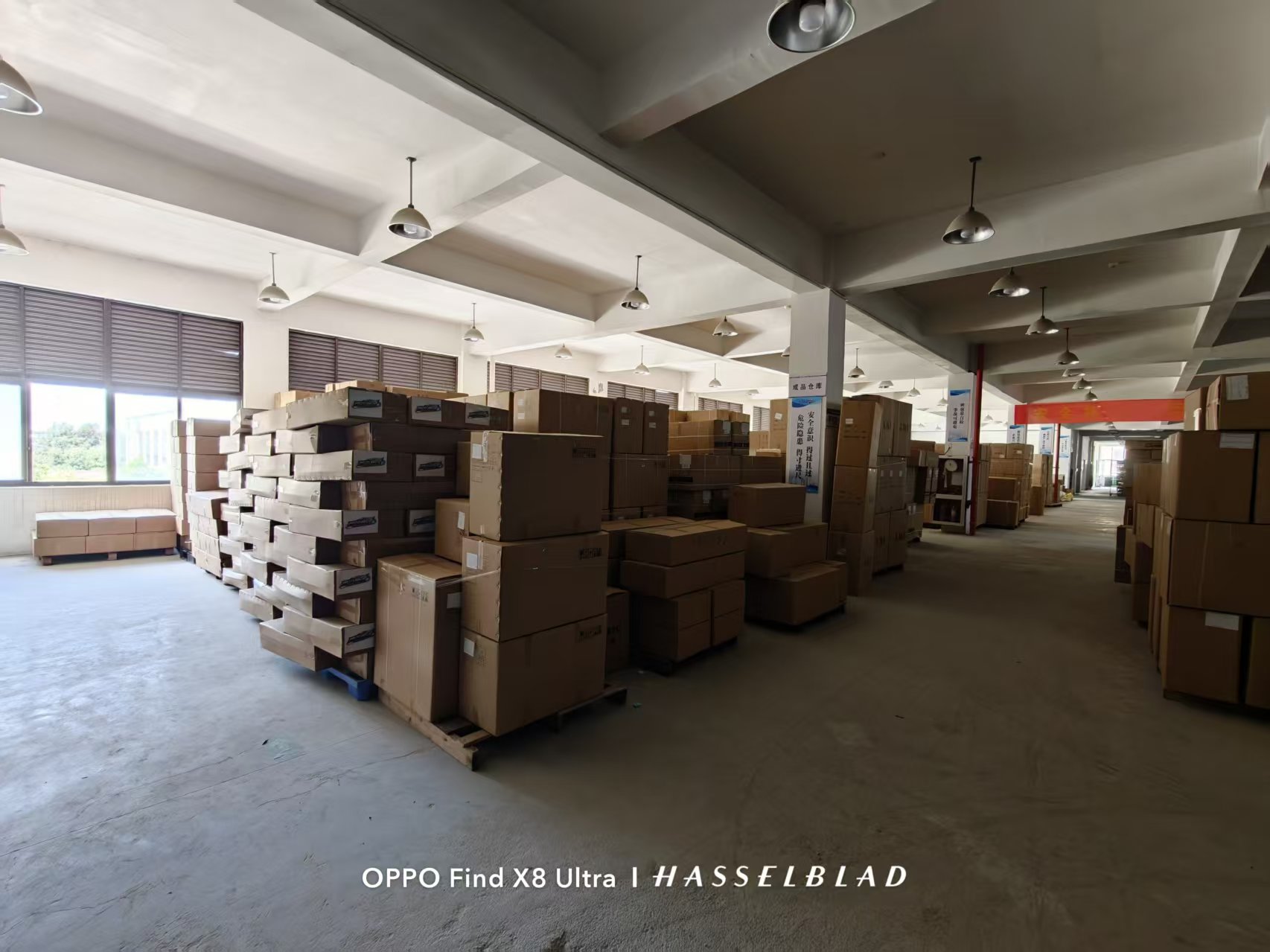
- Export is about 20% of output. Most production serves domestic customers, so the export document set is assembled per order. Confirm the file for each shipment rather than assuming a previous order's paperwork carries forward unchanged.
Two verification steps close the gap that certificates leave. First, check the trade classification of the exact product you are importing, since a cover-and-foam assembly and a complete saddle may not share a heading. Second, treat any blanket phrase such as "export certified" as a prompt for a document request rather than as an answer. The document either exists with a scope and a date, or the claim does not yet mean anything.
Use cases: how different buyers apply the same file
Repair shops and parts retailers. The priority is fitment certainty and return-risk control. A retailer typically needs a short, verified fitment list, a clear statement of what "waterproof" means in construction terms, and packaging that survives shelf storage. A 50-piece trial on two or three high-turnover platforms is enough to test both feel and return rate before widening the range.
Accessory brands ordering private label. Here the file is about appearance control. LOGO branding, leather cover design and stitching line colour are the documented customization fields, so the order should freeze all three at sample approval and link any later change to a re-approval step. The market-side requirement list should be attached to that same approved sample, because a cover change can move the product outside a certificate scope.
Motorcycle manufacturers and assembly operations. Consistency per lot outweighs appearance variety. The relevant evidence is the 100% pre-shipment test record, the material declaration per order, and the fact that base plate, foam and cover are produced in-house at a 90% self-production rate, which shortens the traceability chain back from the finished seat.
Wholesalers and distributors. Distributor economics depend on mixing models in one shipment and keeping replenishment predictable. With a documented range spanning Nmax, Xmax, Aerox, ADV150, ADV160, Forza, PCX and Click, a mixed container is practical; the constraints to plan against are a 25–35 day lead time, 50,000-piece monthly capacity and the handling of 1-year warranty claims across the distribution chain.
FAQ
Does ISO9000 or CQC certification mean a motorcycle seat is approved for sale in my country?
No. ISO9000 certifies the manufacturer's quality management system, and CQC is product certification held by the manufacturer within a defined scope. Market access is a separate layer set by the importing country and applied by the importer. The correct reading is that ISO9000 and CQC give you evidence of process control and certified product scope, while the approval route for your market must be confirmed with your regulatory advisor or the destination authority.
Can an OEM or ODM order be aligned to a specific market's requirements?
Yes, within the documented customization scope. Xingrong offers OEM and ODM production with LOGO branding, leather cover design and stitching line colour as customization fields, built on a PP base plate, PU foam and PVC leather cover with 80D high-density foam. Alignment works by turning your market requirement list into build specifications before sampling, then freezing them at sample approval. What the supplier cannot do is grant market approval; that part stays with the importer.
What quantity and commercial terms should I plan around?
The documented terms are a minimum order quantity of 50 pieces, a production lead time of 25–35 days, monthly capacity of 50,000 pieces and a 1-year warranty. Pricing is quoted per order configuration, because cover design, stitching, logo work, model mix and packaging all change the cost base. Plan a first order around a small multi-model trial rather than a single large commitment, then set the reorder cycle from the confirmed lead time.
How can I verify a batch before committing to volume?
Use three checkpoints in sequence. First, approve a physical sample and record the material, cover design and stitching in writing. Second, ask how the 100% pre-shipment test is recorded and agree the defect criteria and record format before production. Third, verify the trade classification with your customs broker so the invoice description, the product and the declared heading match. These steps test the delivered product and the paperwork together, which is what a compliance file ultimately depends on.
How do we start an export-ready order?
Start with the fitment list and your market requirement list in the same document, then request a sample against that specification. The full range and build details are available in the STARON seat cushion catalogue, and the team can quote against a defined configuration once the model mix, cover design and packaging are set. For a sample or quotation request, contact the factory directly through zjstaron.com.
Conclusion
Export compliance for motorcycle seats is less about collecting certificates than about matching each document to the layer it actually covers. ISO9000 describes how Zhejiang Xingrong controls quality across a 15,000 m² plant producing 1,800,000 units a year. CQC describes certified product within a defined scope. Neither substitutes for the requirement list that Southeast Asia, Europe, the Middle East, South America or India will apply to the goods, and neither removes the need to confirm trade classification before shipment.
The workable approach is procedural: define the market requirement first, check the certificate scope against the exact models and materials ordered, convert 100% pre-shipment testing and the 1-year warranty into written terms, and freeze OEM/ODM customization at sample approval. Done in that order, the compliance file stops being a last-minute obstacle and becomes the document set that makes repeat export orders predictable.
Have Questions or Need More Details?
Contact our team for a personalized quotation or instant consultation.
Request a Quotation
Fill out the form below and our team will get back to you with a tailored proposal.
WhatsApp Direct Chat
Prefer to chat in real-time? Message us on WhatsApp for instant assistance & quick answers.
- Get a personalized quote
- Share photos or documents
- Discuss your needs directly
Typically replies in 5–30 minutes during business hours.