Long-Term OEM Motorcycle Seat Sourcing: How to Choose a China Factory You Can Rely On
Long-Term OEM Motorcycle Seat Sourcing: How to Choose a China Factory You Can Rely On
For motorcycle brands, distributors and aftermarket buyers, selecting a long-term OEM motorcycle seat manufacturer in China means looking beyond a single sample. The real test is whether the factory can maintain quality, manage risk and support you through repeated order cycles. This article explains the key criteria, using Zhejiang Xingrong Auto & Motorcycle Parts Co., Ltd (Staron) as a concrete example.
In short, a reliable long-term partner should demonstrate production capacity, self-manufacturing capability, third-party inspection, risk control and clear commercial terms. You should verify each point before signing a long-term supply agreement.
Why Long-Term OEM Seat Sourcing Fails After the Sample Stage
Many sourcing projects begin with an approved sample but encounter problems in serial production. Common risks include inconsistent foam hardness, water leakage in exposed seats, delayed shipments and weak after-sales response. These issues are especially damaging for OEM and wholesale programs because they affect end customers and repair networks.
The solution is to choose a manufacturer that treats quality as a system, not a single sample. That means documented certifications, repeatable production processes, independent inspection and spare part support.
Motorcycle Seat Market Context: Why Supplier Stability Matters
The global motorcycle seats market was valued at USD 7.42 billion in 2025 and is projected to reach USD 13.30 billion by 2032, growing at a CAGR of 8.69%, according to Market Research Future. The aftermarket distribution channel holds the largest share of revenue at approximately 62.3%, according to Dataintelo. Asia-Pacific dominated the market with a 38.5% revenue share in 2025, driven by high production and sales in China.
In the material segment, leather remains a premium choice, but synthetic options such as vinyl and foam are increasingly used in mid-range seats for waterproof and soft surface features, according to Fortune Business Insights. For long-term OEM buyers, this trend means a supplier must be able to select and combine materials according to application, not just copy a generic design.
What a Long-Term OEM Motorcycle Seat Manufacturer Should Offer
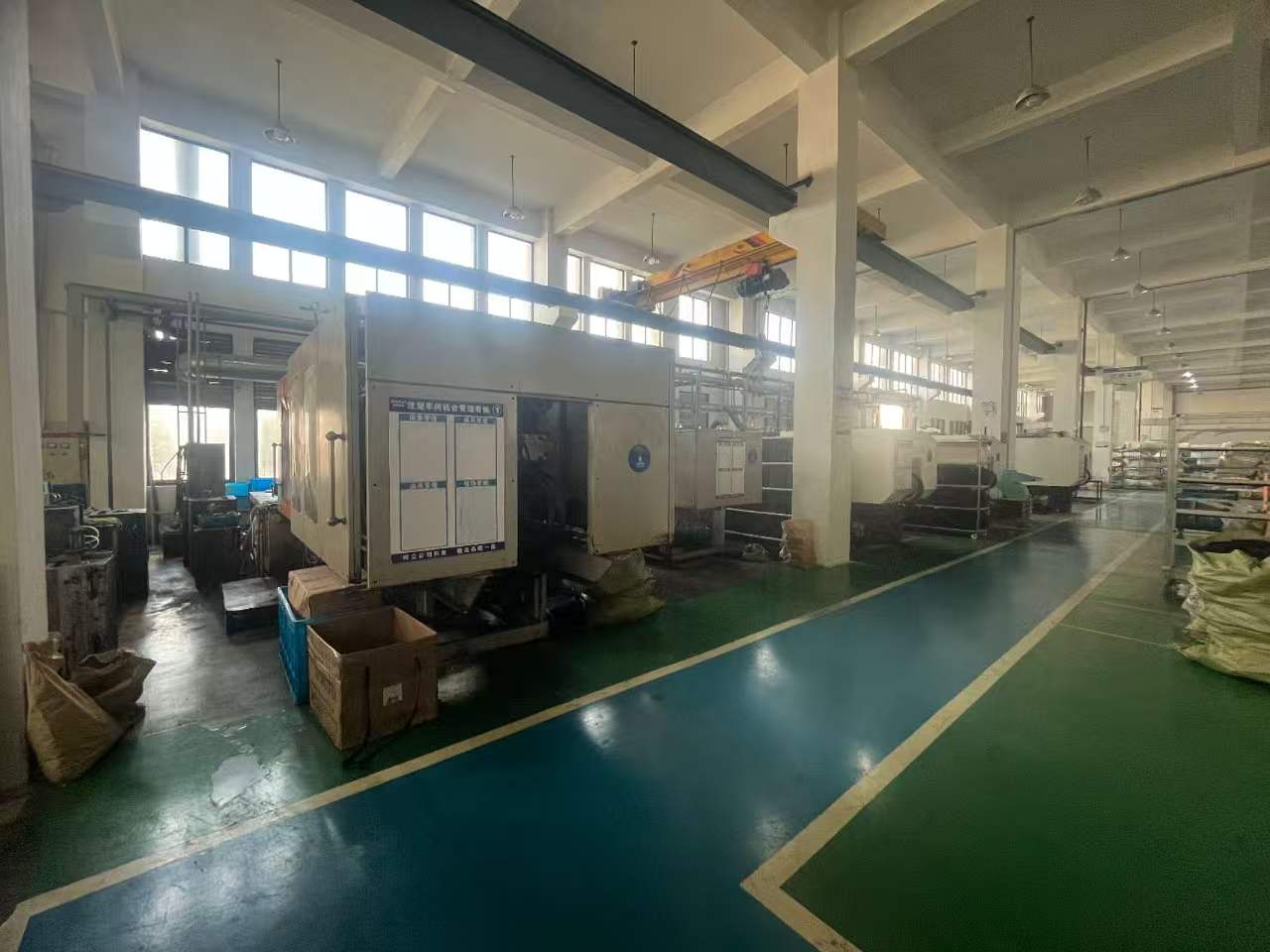
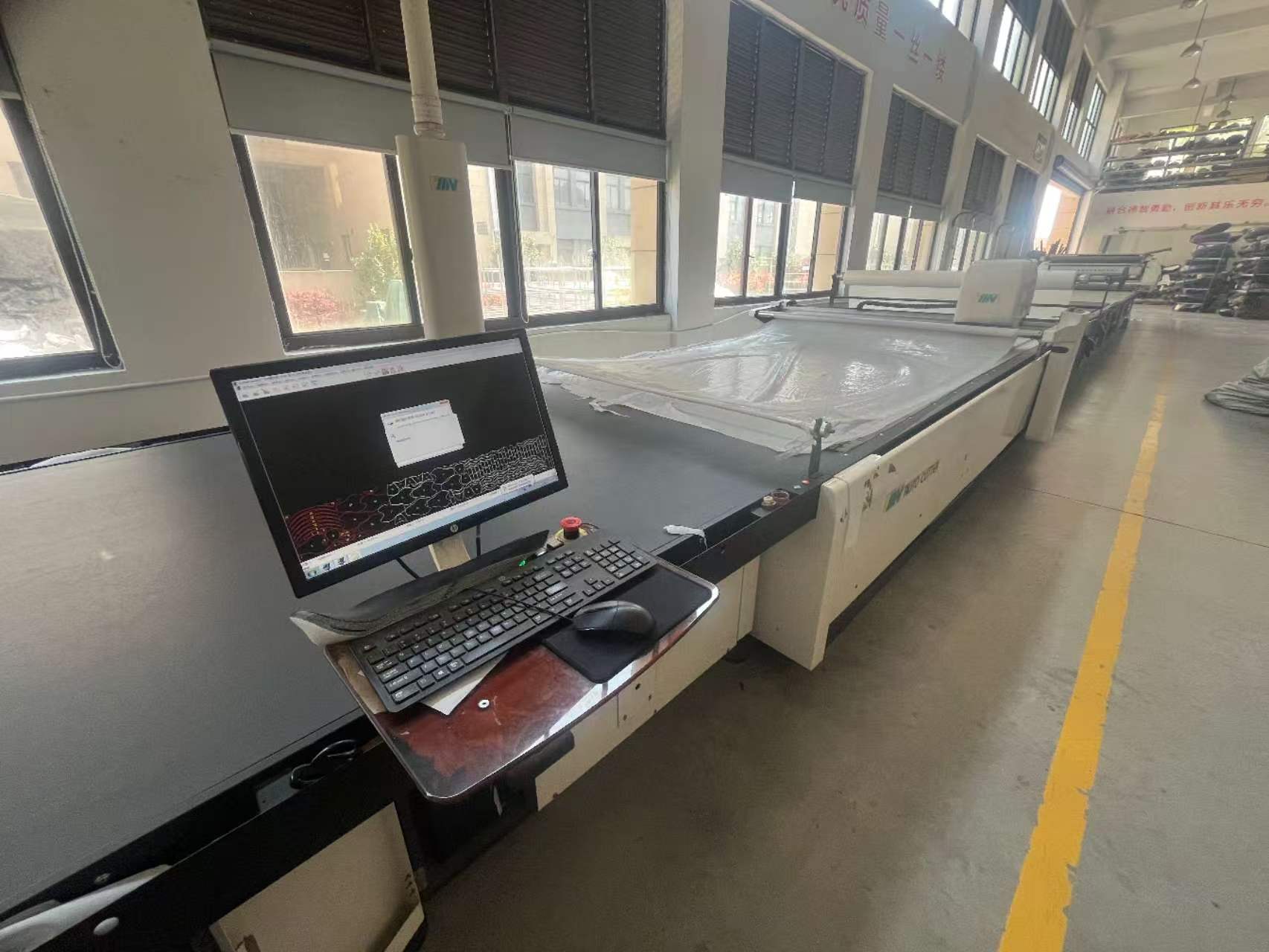
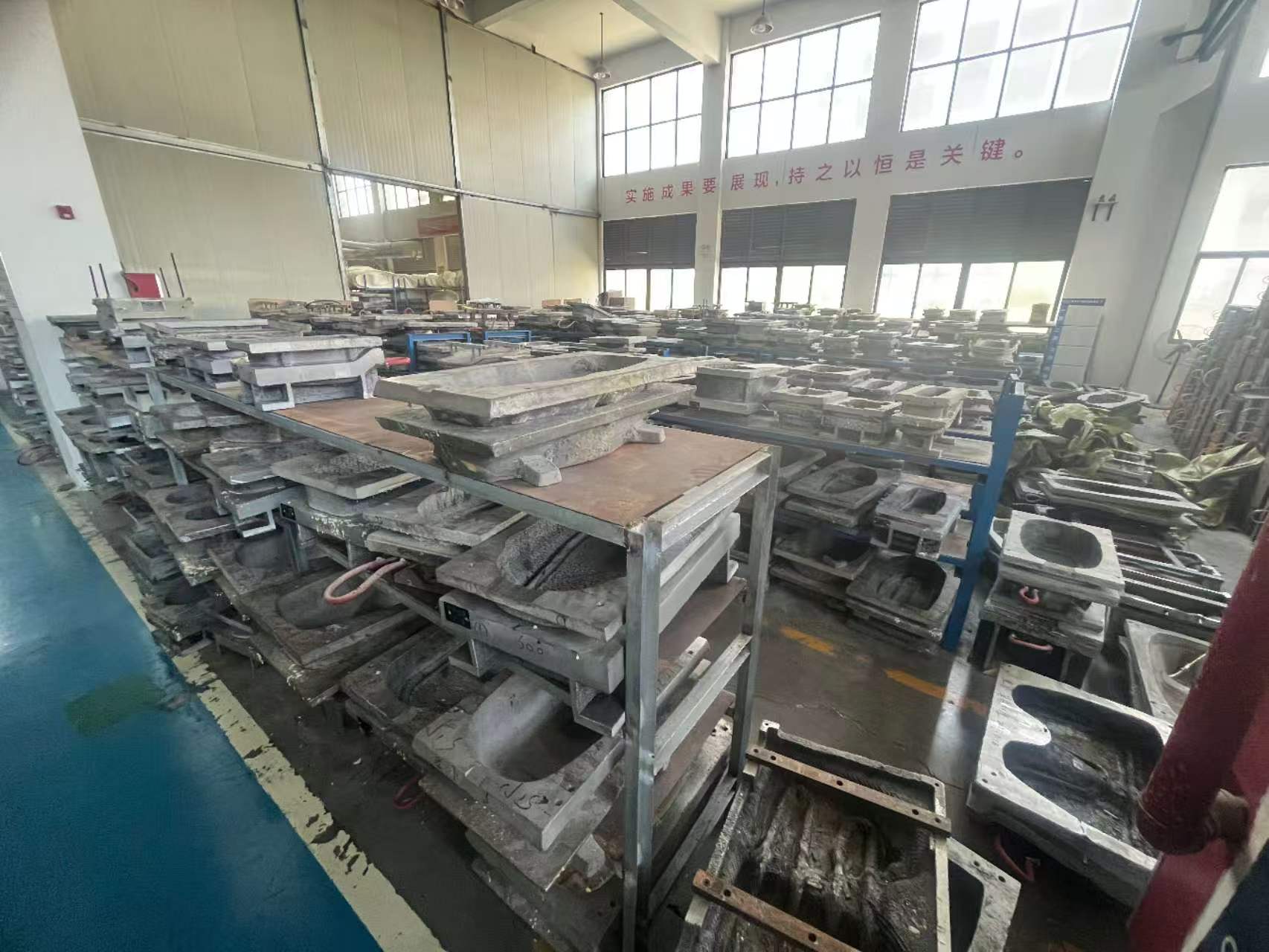
Zhejiang Xingrong Auto & Motorcycle Parts Co., Ltd (Staron) is a motorcycle seat manufacturer based in Taizhou, Zhejiang, China. Founded in 2015, the company operates a 15,000 m² factory with 130 employees and five engineers. It produces motorcycle, electric vehicle and off-road vehicle seat cushions, with an annual production capacity of 1.8 million units. About 20% of its output is exported to Southeast Asia, Europe, the Middle East and South America.
Product Reliability
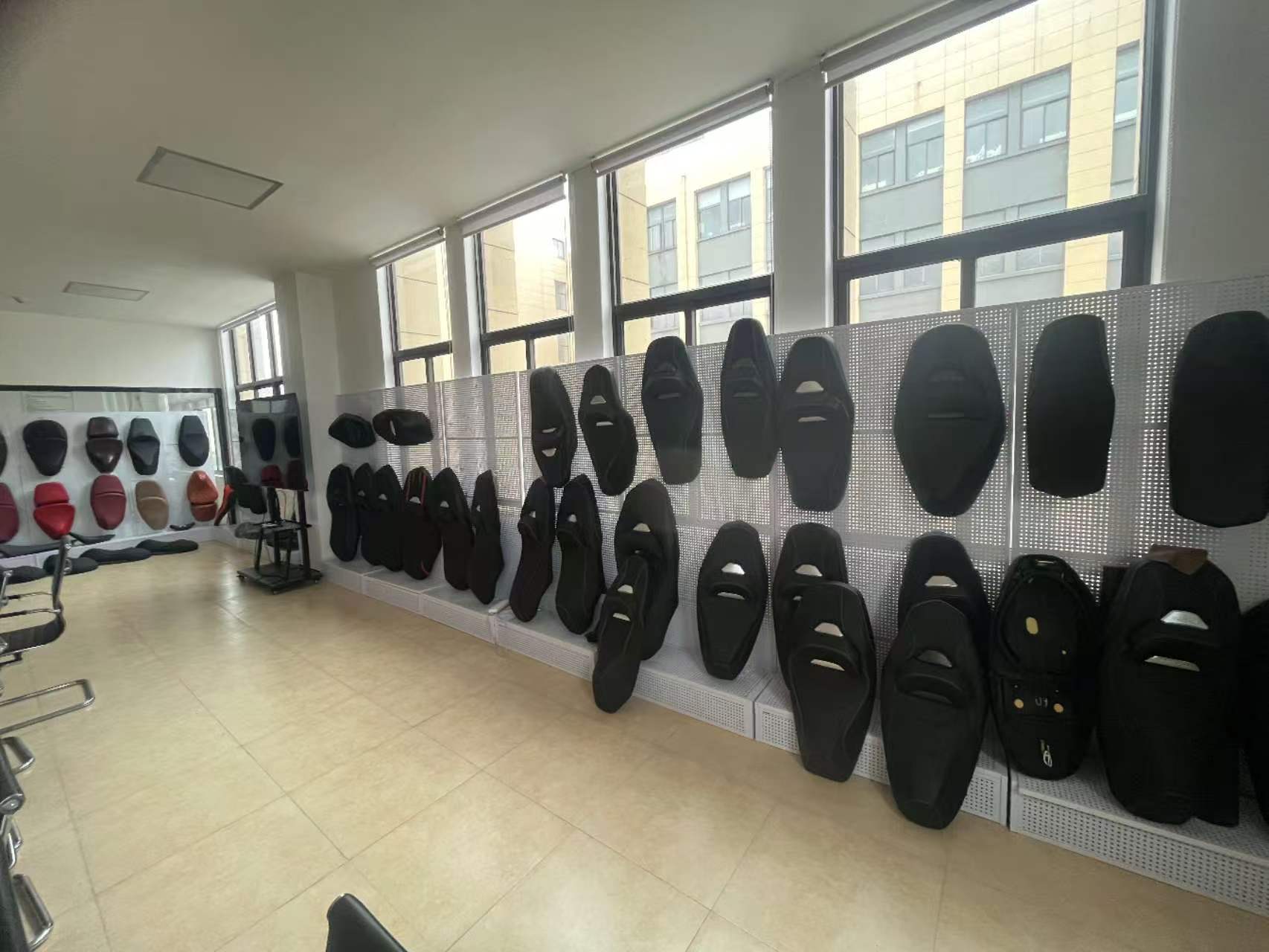
The motorcycle seat designed by Staron features a high-strength floor structure and is waterproof. It is built with an 80D high-density foam core, a PP plate base, PU foam and PVC leather cover. These specifications are relevant for OEM buyers who need consistent comfort, water resistance and structural support.
Certification and Quality Management
Staron has passed ISO9000 quality management system certification and CQC certification. The factory also reaches a 90% self-made rate for accessories, which means it controls a large part of the production process rather than relying on third-party parts. For a buyer, this reduces variability and makes quality audits more traceable.
Inspection and Acceptance
Products are accepted through third-party inspection procedures, and acceptance inspection includes a pre-shipment test. This gives buyers an independent verification point before goods are shipped, which is a practical part of long-term risk management.
Risk Control and After-Sales Support
Potential water leakage and damage risks are managed through systematic controls. Contingency plans include the supply of replacement spare parts to address damage after delivery. This support model is important for importing distributors and OEM programs because it reduces downtime and replacement costs.
OEM / ODM Customization
Staron supports OEM and ODM seat projects, including customized foam hardness and density, and personalized appearance. The product line covers scooter seats and dirt bike seats for models such as Nmax, Xmax, Aerox, ADV150, ADV160, Forza, PCX and Click. This is useful for brands that want model-specific fit or a distinct look for the aftermarket.
How to Evaluate a Long-Term Motorcycle Seat Supplier: 6 Steps
When you are at the decision and execution stage, use the following six-step framework to compare manufacturers objectively.
Step 1: Verify Certifications and Quality Management
Ask for ISO and product certification documents. In the case of Staron, ISO9000 and CQC certificates are part of its profile. Third-party inspection is also a strong indicator because it reflects willingness to be externally checked.
Step 2: Audit Production Capacity and Self-Manufacturing Rate
Capacity affects lead time and ability to scale. Staron has 15,000 m² of plant space, 130 employees and an annual output of 1.8 million seat cushions. A 90% self-made rate for accessories means fewer dependencies on outside suppliers and better quality control.
Step 3: Inspect Product Structure and Materials
A seat that looks good in a photo may fail in wet or rugged conditions. Look for a high-strength floor structure, waterproof construction and foam density that matches the application. Staron uses 80D high-density foam and a combination of PP plate, PU foam and PVC leather.
Step 4: Confirm Inspection and Acceptance Procedures
Pre-shipment tests and third-party inspection are not optional for long-term sourcing. They should be written into the supply agreement. Staron states that its products are accepted through third-party inspection procedures, including a pre-shipment test.
Step 5: Review Risk Control and Contingency Plans
Ask what happens if water leakage or damage is found after delivery. A responsible long-term manufacturer will have a defined process. Staron manages water leakage and damage risks through systematic controls and supplies replacement spare parts as part of its contingency plan.
Step 6: Align Commercial Terms
Long-term relationships need predictable terms. For Staron wholesale and OEM orders, the minimum order quantity is 50 units. Delivery is available under FOB or EXW terms. Payment is 30% T/T in advance and 70% T/T against a copy of the B/L. Acceptance includes pre-shipment testing and third-party inspection.
Use Cases: Where a Long-Term Seat Supplier Adds Value
Highway, Mountain and Long-Distance Riding
For highway, mountain road and outdoor riding, seating comfort affects rider endurance and safety. Staron’s custom seats are designed to provide superior seating comfort and an optimized long-distance riding experience. Compared with original-style seats for Honda and Yamaha models, Staron states its foam support is 30% stronger and service life is extended by 50%.
Rainy Weather and Exposed Parking
Waterproof construction is not only about comfort; it protects the seat base from water ingress. The high-strength floor structure helps maintain long-term shape. These features make the seat suitable for riding in rainy weather and for users who park their scooters outdoors.
Custom Model Fit and Appearance
Importers and accessory brands often need seats for specific scooter models. Staron offers customized foam hardness and density, and more personalized appearance options. Its catalog covers Nmax, Xmax, Aerox, ADV150, ADV160, Forza, PCX and Click models, which are common in Southeast Asia and Europe.
Wholesale and Distribution Programs
For distributors, the long-term value is lower total cost and fewer returns. Staron’s product position includes a 10% lower comprehensive procurement cost compared with original-style seats, with less frequent replacement and no daily maintenance required. For a passive fitting part, there is no energy consumption difference.
Comparison: Staron Custom OEM Seat vs. Original-Style Seat
| Feature | Staron Custom OEM Seat | Original-Style Seat (Honda, Yamaha) |
|---|---|---|
| Seating comfort | Superior comfort, optimized for long-distance riding | Original style |
| Foam customization | Customized hardness and density | Original style |
| Foam support | 30% stronger support | Original style |
| Service life | Extended by 50% | Original style |
| Appearance | More fashionable and personalized | Original style |
| Comprehensive procurement cost | 10% lower | Original style |
| Maintenance | Less frequent replacement, no daily maintenance | Original style |
| Energy consumption | No energy consumption difference (passive fitting part) | No energy consumption difference |
Note: The comparison is based on the supplier’s product comparison data between its custom OEM seats and original-style seats for Honda and Yamaha models.
Supply Terms for Wholesale and OEM Motorcycle Seat Orders
| Trade Term | Staron Offering |
|---|---|
| Minimum Order Quantity | 50 units |
| Delivery terms | FOB / EXW |
| Payment terms | 30% T/T in advance, 70% T/T against copy of B/L |
| Acceptance | Pre-shipment test, third-party inspection |
Frequently Asked Questions
1. What compliance evidence should a long-term OEM motorcycle seat manufacturer provide?
A reliable manufacturer should provide quality management certification and a defined inspection process. Staron has passed ISO9000 quality management system certification and CQC certification. Its products are accepted through third-party inspection procedures, and acceptance inspection includes a pre-shipment test.
2. What production and customization capabilities are needed for long-term OEM motorcycle seat projects?
The factory should show sufficient capacity, a strong self-manufacturing rate and the ability to adjust products. Staron has a 15,000 m² plant, 130 employees, five engineers and an annual capacity of 1.8 million seat cushions. It reaches a 90% self-made rate for accessories and supports OEM/ODM customization such as foam hardness, density and appearance.
3. What are the minimum order and payment terms for wholesale motorcycle seats?
For Staron, the minimum order quantity is 50 units. Delivery can be arranged by FOB or EXW. Payment terms are 30% T/T in advance and 70% T/T against a copy of the B/L. These terms are suitable for importers planning repeat orders.
4. What after-sales support should a buyer expect from a long-term supplier?
The supplier should have a risk control system and a contingency plan for damage after delivery. Staron manages potential water leakage and damage risks through systematic controls, and its contingency plans include supplying replacement spare parts to address damage after delivery.
5. How can I get a catalog or discuss a custom OEM motorcycle seat project?
You can contact Mike by email at mike@zjstaron.com or by WhatsApp at +86 13738695125. The Staron seat cushion catalog is available for download at STARON SEAT CUSHION CATALOG (PDF).
Final Recommendation for Long-Term Sourcing
Long-term OEM motorcycle seat sourcing is a system decision. The factory must be able to show consistent capacity, a high self-manufacturing rate, product reliability, independent inspection and a clear plan for risk management. Staron demonstrates these points with a 15,000 m² plant, 1.8 million unit annual capacity, 90% accessory self-made rate, ISO9000 and CQC certification, third-party inspection and replacement spare part support.
If you are ready to evaluate Staron for your next OEM or wholesale motorcycle seat program, download the catalog or contact the team. A direct conversation is the fastest way to validate whether the factory fits your model types, quality requirements and long-term budget.
Start your long-term motorcycle seat sourcing project today.
Email: mike@zjstaron.com | WhatsApp: +86 13738695125