
Motorcycle Seat Construction: PVC Leather, 80D Foam, and High-Strength Floor Structure
Motorcycle Seat Construction: PVC Leather, 80D Foam, and High-Strength Floor Structure
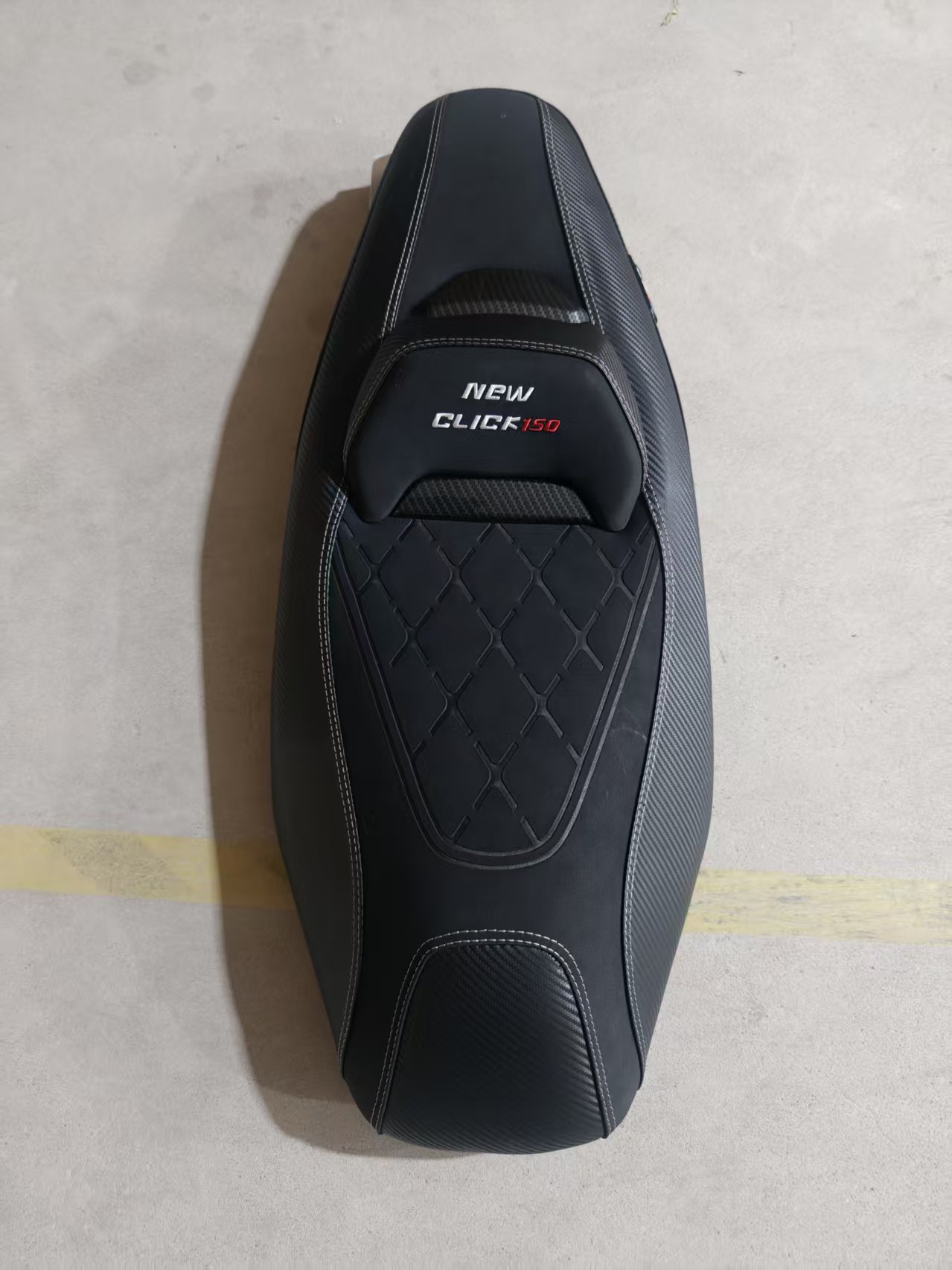
A finished motorcycle seat: the visible PVC leather cover is only the outermost of four functional layers.
A motorcycle seat is a stack of four functional layers: a PVC leather cover, a PU foam shaping layer, an 80D high density foam cushion, and a base built from a PP plate with a high-strength floor structure. Zhejiang Xingrong Auto & Motorcycle Parts Co., Ltd (STARON) manufactures seats on exactly this construction, and each layer answers a different buyer concern - waterproofing, seating feel, appearance, and long-term durability.
This article breaks down what each layer does, how the high-strength floor structure contributes to waterproof capability and durability, and which parameters a buyer should fix before placing a replacement, OEM or wholesale order. It is written for importers, distributors, motorcycle parts retailers, accessory brands, and repair businesses that evaluate seating programs.
One physical constraint shapes everything that follows: the seat is a non-powered static fitting part. It generates no motion and contains no power source. It is fitted onto the motorcycle main body frame and motorcycle body shell, which act as its supporting equipment. Every performance statement below therefore describes the seat as a fitted component, not the vehicle as a whole.
Why Two Motorcycle Seats That Look Identical Perform Differently
Catalog photos show the surface of a seat. Two seats can share the same silhouette, the same stitching pattern and the same colour and still behave completely differently after one season of daily riding. The difference sits in the layers below the surface, and in how those layers are joined to the base.
In practice, four failure modes decide whether a motorcycle seat is still acceptable twelve months after delivery:
- Cover breakdown. A cover that is not built for weather resistance and surface wear starts to crack, fade or lose its grain where the rider's weight concentrates.
- Cushion collapse. Foam without enough support density compresses permanently, so the seat becomes flatter and less comfortable than it was when it was unpacked.
- Base deformation. A base structure that flexes under load or absorbs moisture cannot hold the cushion geometry, and the seat eventually stops sitting on the frame the way it did when new.
- Water intrusion. Water that passes the cover stays in the cushion and the base, so the seat remains damp long after the rain stops.
None of these are visible in a product photo, and that is precisely why experienced buyers evaluate a motorcycle seat as a set of specifications rather than as an image. The rest of this article works through the specification layer by layer, and then through the commercial parameters that constrain an order.
Industry Background: Why Construction Now Decides the Mid-Range Segment
Third-party estimates put the global motorcycle seats market at USD 7.42 billion in 2025, projected to reach USD 13.30 billion by 2032 at a CAGR of 8.69% (Market Research Future / Dataintelo). Estimates diverge between research houses - Dataintelo's own report places the 2025 figure lower, at USD 4.8 billion - so any single market value is best read as an order of magnitude rather than an exact number.
Two structural facts matter more to a buyer than the headline value. First, the aftermarket distribution channel holds the largest share of the market, at approximately 62.3% of revenue in 2025 (Dataintelo): replacement and upgrade demand, not new-vehicle assembly, is the larger commercial surface for seat suppliers. Second, the Asia-Pacific region accounted for a 38.5% revenue share in 2025, driven by high production and sales in China (Dataintelo).
Material trends point in the same direction. Leather remains a premium cover material, while synthetic options such as vinyl and foam-based covers are increasingly used to deliver waterproof and soft-surface features in the mid-range segment (Fortune Business Insights, 2025). A PVC leather seat therefore sits exactly where volume demand and waterproof requirements meet - which is why the layer specification, not the brand badge, decides whether a seat survives its first wet season.
On the regulatory side, UN Regulation No. 17 (ECE R17) establishes uniform provisions for the approval of vehicle seats, anchorages and head restraints. Buyers sourcing seats for road use should keep that framework in view when they define compliance requirements for their own market.
The Four Layers of a Motorcycle Seat, Explained
1. PVC Leather: The Outer Cover
The cover is the only layer a rider sees and touches, and it carries three jobs at once: appearance, weather resistance and surface wear resistance. On this seat the cover material is specified as PVC leather, and the listed selling points include a waterproof property and a good visual effect. The application requirement for the product family is stated as weather resistance, a wear-resistant surface and ergonomic design.
Because the cover is also the layer most exposed to buyer branding, PVC leather is one of the customization surfaces in an OEM or ODM program: the leather cover design, the LOGO brand and the stitching line colour can all be specified. That makes the cover the layer where a customized motorcycle seat differs most visibly from a stock one.
2. PU Foam: The Shaping Layer
Beneath the cover, PU foam builds the profile of the seat. It fills the space between the cover and the cushion core, follows the contours the cover has to sit on, and provides the first, softer stage of support. On this seat, PU foam is named in the material list alongside the PP plate and the PVC leather, which places it as a structural part of the construction rather than a filler.
For a buyer, the shaping layer is what makes a seat read as a specific design rather than a generic pad: the same PVC leather cover can sit on entirely different foam profiles and produce a different seating feel.
3. 80D High Density Foam: The Support Layer
The product specification names 80D high density foam as a key parameter of the seat. Density is the property that separates a comfortable motorcycle seat that keeps its shape from one that flattens within a season: higher density foam generally resists compression set better than low-density foam, which is why the parameter is published in the specification at all. In practical terms, this is the layer behind the 'great seating feel' listed among the seat's selling points, and the layer that decides how the seat feels in its second year rather than its first week.
This is also the parameter buyers should freeze first when comparing quotations. Two suppliers can both describe a seat as a soft motorcycle seat or a sponge filled motorcycle seat while quoting two different foam densities.
4. PP Plate and High-Strength Floor Structure: The Base
The base is where structure meets fitment. The material list specifies a PP plate, and the product parameters name a high-strength floor structure. The base carries the foam stack, holds the seat geometry under the rider's weight, and interfaces with the motorcycle main body frame and body shell - the two supporting components this seat is designed to be fitted to.
PP is a moisture-tolerant material that does not corrode, which matters for a part specified for a waterproof working condition and installed on vehicles used in rain, humidity and coastal air. Where a steel base would be a long-term rust risk, a PP plate keeps the underside of the seat chemically stable.
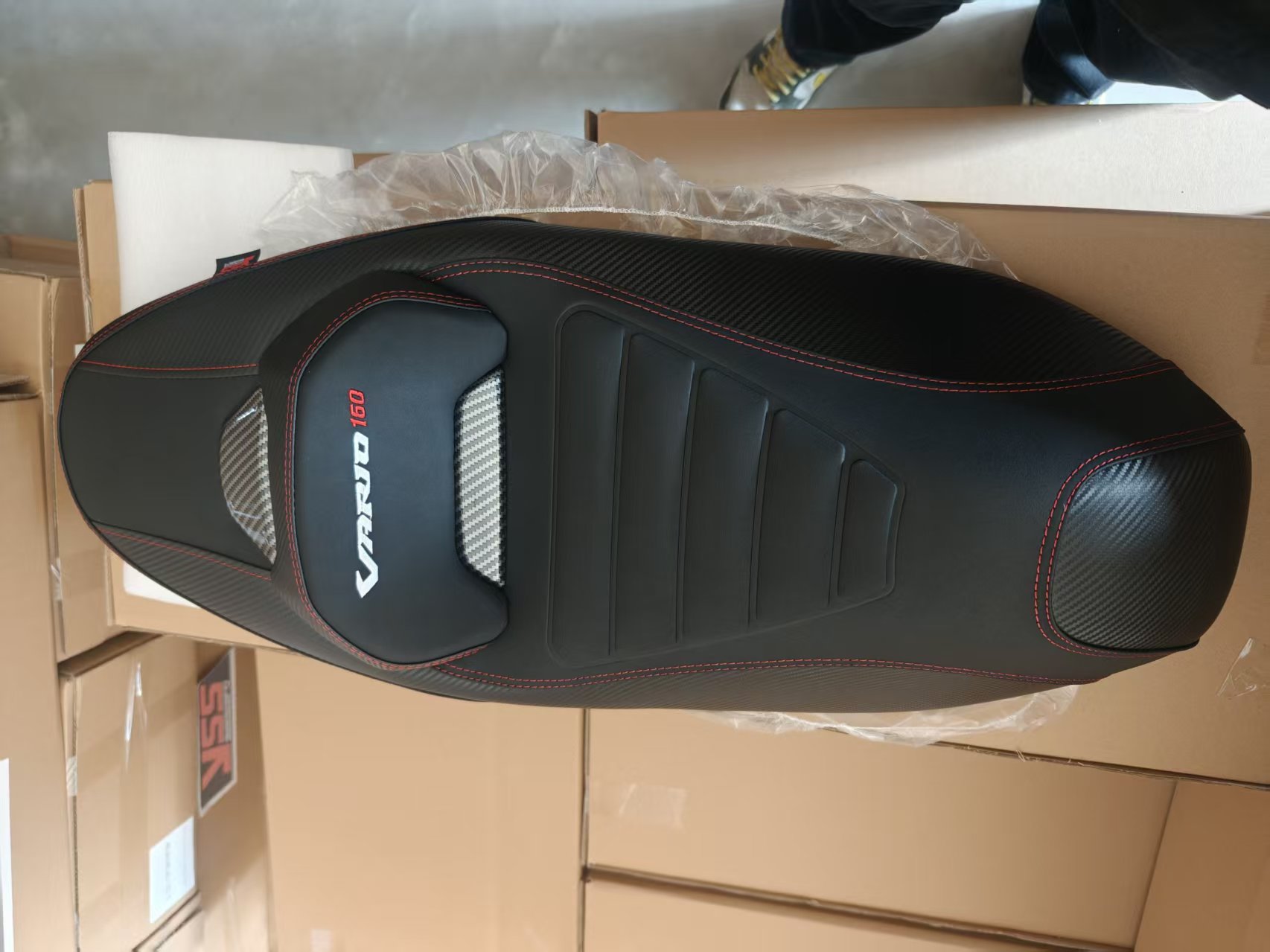
The seat is a non-powered static fitting part: it relies on the motorcycle main body frame and body shell as supporting equipment.
| Layer | Specification on this motorcycle seat | Function | Effect on waterproofing | Effect on durability |
|---|---|---|---|---|
| Outer cover | PVC leather; leather cover design, LOGO brand and stitching line colour can be customized | Appearance, contact surface, first barrier against water and wear | The cover is the layer that keeps water away from the foam; a waterproof property is listed among the seat's selling points | Weather resistance and a wear-resistant surface are stated application requirements, so the cover is specified against fading and surface wear |
| Shaping layer | PU foam | Builds the seat profile beneath the cover; first, softer support stage | Depends on the cover above it to stay dry; the cover is the waterproof layer, not the foam | Fills and smooths the profile so the cover is not stretched over an uneven surface |
| Cushion core | 80D high density foam | Main support layer; holds seat height and seating feel | Not a waterproofing layer; its purpose is compression resistance, so waterproofing is not claimed from the foam | Higher density foam generally resists compression set better than low-density foam, supporting the listed 'great seating feel' over time |
| Base plate and floor structure | PP plate; high-strength floor structure | Load-bearing base; holds geometry and interfaces with the motorcycle main body frame and body shell | PP tolerates moisture without corroding, so water that reaches the underside does not create rust | High-strength floor structure is a published product parameter, addressing deformation under load and repeated fitting |
Layer-by-layer comparison based on the published material list, product parameters and application requirements for this motorcycle seat.
How the High-Strength Floor Structure Supports Waterproofing and Durability
Waterproofing in a seat is not a single property. It is the combined result of three questions: what the cover does with the water that lands on it, what the foam does if water reaches it anyway, and what the base does when the vehicle is parked, washed or ridden in wet conditions. The product family specification is explicit about that environment - the working condition for this waterproof motorcycle seat is listed as waterproof, and waterproof is also named among the seat's selling points.
The base matters because it is the layer that stays wet the longest. Water that runs past the cover collects at the lowest point of the seat, which is the base and the frame interface. A PP plate does not corrode, so moisture that reaches the underside does not turn into rust that spreads into the frame contact area. Combined with a high-strength floor structure, the base also keeps the seat geometry stable, which in turn keeps the cover and the foam in the position they were designed to sit in.
Durability follows a similar logic, because the loads on a seat are repetitive rather than dramatic: mounting, dismounting, potholes, kerbs, and years of standing still in the sun. A base that flexes under those loads eventually changes the shape of the entire seat, and a cover stretched over a moving base fails earlier than one supported by a stable platform. The stated application requirements for this seat family - weather resistance, a wear-resistant surface and ergonomic design - describe exactly the three properties the layers have to deliver together.
Step-by-Step: From Model Match to a Fitted Seat
The construction above only produces its value if it is specified against the right vehicle and the right requirements. The sequence below follows the parameters published for this seat.
- Confirm the model. This motorcycle seat fits Nmax, Xmax, Aerox, ADV150, ADV160, Forza, PCX and Click models. The model set is the first constraint, because everything else - base geometry, cover pattern, cushion profile - follows the frame the seat will sit on.
- Confirm the supporting equipment. The seat is a non-powered static fitting part. Its matched equipment is the motorcycle main body frame and the motorcycle body shell; no power connection, wiring or electronics are involved in fitting it.
- Set the cover specification. Define the PVC leather cover, including leather cover design, LOGO branding and stitching line colour where the project requires them.
- Freeze the cushion specification. The published parameters are 80D high density foam, with PU foam named in the material list. This is the parameter to lock before requesting a quotation, because it is the one most often left vague.
- Confirm the base structure. The base is a PP plate with a high-strength floor structure; it carries the load and interfaces with the frame.
- Agree quality control and quantity. Production runs at a monthly capacity of 50,000 pcs with a 100% pre-shipment test, from a minimum order quantity of 50 pcs.
- Plan delivery and after-sales. Lead time is 25-35 days, and the seat carries a 1-year warranty.
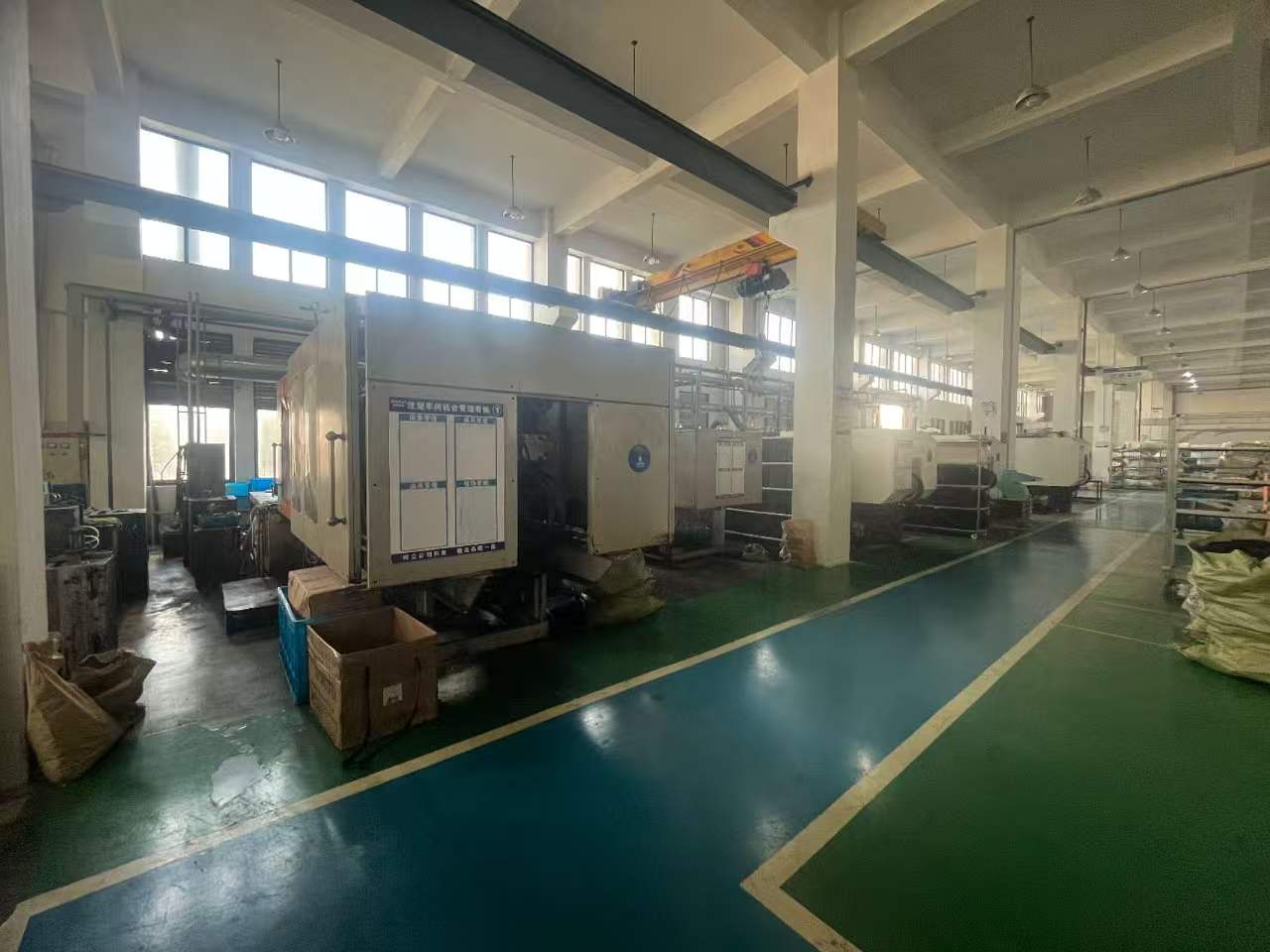
Production at Zhejiang Xingrong Auto & Motorcycle Parts Co., Ltd, Taizhou City, Zhejiang Province: 15,000 m² plant, 130 employees, 1,800,000 units annual output.
| Parameter | Published specification |
|---|---|
| Model set | Nmax, Xmax, Aerox, ADV150, ADV160, Forza, PCX, Click |
| Materials | PP plate; PU foam; PVC leather |
| Key parameters | 80D high density foam; high-strength floor structure |
| Operating mode | Non-powered static fitting part |
| Matched equipment | Motorcycle main body frame; motorcycle body shell |
| Production mode | OEM; ODM |
| Customization | LOGO brand; leather cover design; stitching line colour |
| Minimum order quantity | 50 pcs |
| Monthly capacity | 50,000 pcs |
| Lead time | 25-35 days |
| Quality control | 100% pre-shipment test |
| After-sales | 1-year warranty |
| Export markets | Southeast Asia; Europe; Middle East; South America |
Order and fitment parameters for the STARON motorcycle seat program.
Use Cases: Where This Construction Earns Its Cost
Replacement and repair work
For repair shops, the practical value of this construction is direct replacement. The listed function of the seat is to provide a comfortable riding sitting experience, beautify the motorcycle's appearance, and serve old-seat maintenance and direct replacement. Because a waterproof motorcycle seat resists water at the cover rather than at the foam, it is a sensible replacement in markets where the original cover is the first part to fail.
Retail and accessory brands
For motorcycle parts retailers and accessory brands, the buying decision is usually visual before it is mechanical. A PVC leather cover with a specified leather cover design, LOGO branding and stitching line colour produces the good visual effect listed among the seat's selling points, which is what a shelf or a marketplace listing needs in order to sell a high quality motorcycle seat without a test ride.
Wet, humid and coastal markets
The application record for this seat family covers Iran, India, Italy, South Korea, Lebanon, Portugal, Thailand, Taiwan, Turkey and Vietnam, with case coverage extending across China, Iran, Italy, South Korea, Lebanon, Malaysia, Mexico, the Philippines, Turkey, Taiwan and Vietnam. These are markets where rain, humidity and coastal air decide whether a cover and a base survive their second year - exactly the conditions the waterproof working condition and weather resistance requirements describe.
OEM and ODM programs
The seat is produced in both OEM and ODM mode, with customization available on the LOGO brand, the leather cover design and the stitching line colour - the three surfaces a brand owner or distributor most often needs to control. One documented project delivered 5,000 pcs to Lebanon within a 2-year supply relationship for motorcycle parts replacement, with recorded results of great seating feel, good visual effect and waterproof performance.
Frequently Asked Questions
Does a motorcycle seat need to meet a standard such as ECE R17?
UN Regulation No. 17 (ECE R17) establishes uniform provisions for the approval of vehicle seats, anchorages and head restraints, and it is the framework buyers most often meet when they define road-use requirements. Separately, Zhejiang Xingrong Auto & Motorcycle Parts Co., Ltd holds ISO9000 quality management system certification and CQC certification. For this seat, the published parameters are 80D high density foam and a high-strength floor structure, with PP plate, PU foam and PVC leather in the material list. Because the seat is supplied as a non-powered static fitting part that works with the motorcycle main body frame and body shell, buyers should confirm which requirement applies in their own destination market before the order is placed.
What can be customized, and what production capability stands behind it?
The seat fits Nmax, Xmax, Aerox, ADV150, ADV160, Forza, PCX and Click models and is produced in both OEM and ODM mode. Customization surfaces are the LOGO brand, the leather cover design and the stitching line colour. Zhejiang Xingrong Auto & Motorcycle Parts Co., Ltd operates a 15,000 m² plant in Taizhou City, Zhejiang Province, with 130 employees, a 5-engineer R&D team and an annual output of 1,800,000 units; monthly seat cushion capacity is 50,000 pcs. The company was founded in 2015 and reports a 90% self-production rate for accessories.
What sets the commercial parameters of an order - MOQ, volume and how budgets are compared?
The published order parameters are a minimum order quantity of 50 pcs, a monthly capacity of 50,000 pcs and a lead time of 25-35 days, with a 1-year warranty. Because the cover specification (PVC leather, leather cover design, LOGO, stitching line colour) and the model set can change from project to project, the practical way to compare budgets across suppliers is to request a quotation against one frozen specification - the same models, the same cover, the same stitching - instead of comparing headline prices that were built on different configurations.
How should a buyer validate fit and finish before committing to a bulk order?
Start with the two constraints that cannot be changed: the seat fits the Nmax, Xmax, Aerox, ADV150, ADV160, Forza, PCX and Click model set, and it is a non-powered static fitting part installed on the motorcycle main body frame and body shell. Match those against the vehicle in your program first. On the production side, every order runs through a 100% pre-shipment test before dispatch and the product carries a 1-year warranty. Buyers who need a defined seating feel or cover appearance should lock the 80D high density foam parameter and the cover specification in writing, because those are the two layers that decide how the seat looks and feels when it is unpacked.
What is the lead time, and how does an order start?
Lead time is 25-35 days from a minimum order quantity of 50 pcs, with a 1-year warranty and a monthly capacity of 50,000 pcs. To start, review the STARON seat cushion catalog for the full model and material overview, then send your model list, cover specification and target quantity to Mike at mike@zjstaron.com or WhatsApp +86 13738695125, and the request will be quoted against a fixed specification.
Conclusion: Specify the Layers, Not the Photo
A motorcycle seat is only as good as its weakest layer: a PVC leather cover that resists weather and surface wear, PU foam that shapes the profile, 80D high density foam that holds the seating feel, and a PP plate with a high-strength floor structure that keeps the geometry stable on the motorcycle main body frame and body shell. Waterproof capability comes from that combination - the cover keeping water out of the foam, and the base tolerating the moisture that reaches it - not from any single component.
For buyers, the working rule is straightforward: freeze the model set, freeze the layer specification, freeze the cover customization, and compare quotations on that basis. Everything else - the MOQ of 50 pcs, the 25-35 day lead time, the 50,000 pcs monthly capacity, the 100% pre-shipment test and the 1-year warranty - is a commercial parameter that can be planned around once the construction is fixed.
Next Step
Zhejiang Xingrong Auto & Motorcycle Parts Co., Ltd (STARON) manufactures motorcycle seats for OEM, ODM and wholesale programs from Taizhou City, Zhejiang Province, and exports to Southeast Asia, Europe, the Middle East and South America. Address: No. 81 Jiangxin Road, Agglomeration Zone, Taizhou City, Zhejiang Province.
Download the STARON seat cushion catalog for the complete model and material overview, or send your model list and cover requirements to Mike - mike@zjstaron.com, WhatsApp +86 13738695125 - or visit www.zjstaron.com.