
Motorcycle Seat Guide: Types, Materials, and How to Choose the Right Seat
Motorcycle Seat Guide: Types, Materials, and How to Choose the Right Seat
A motorcycle seat is the part of the motorcycle that supports the rider and, on many models, a passenger. It directly affects riding comfort, posture, balance, and the overall appearance of the vehicle. For buyers looking for a replacement, a waterproof and comfortable motorcycle seat can make a significant difference on long rides and in daily commuting. This guide explains what a motorcycle seat is made of, how the market is evolving, and what to check before purchasing a motorcycle seat or working with a motorcycle seat manufacturer.
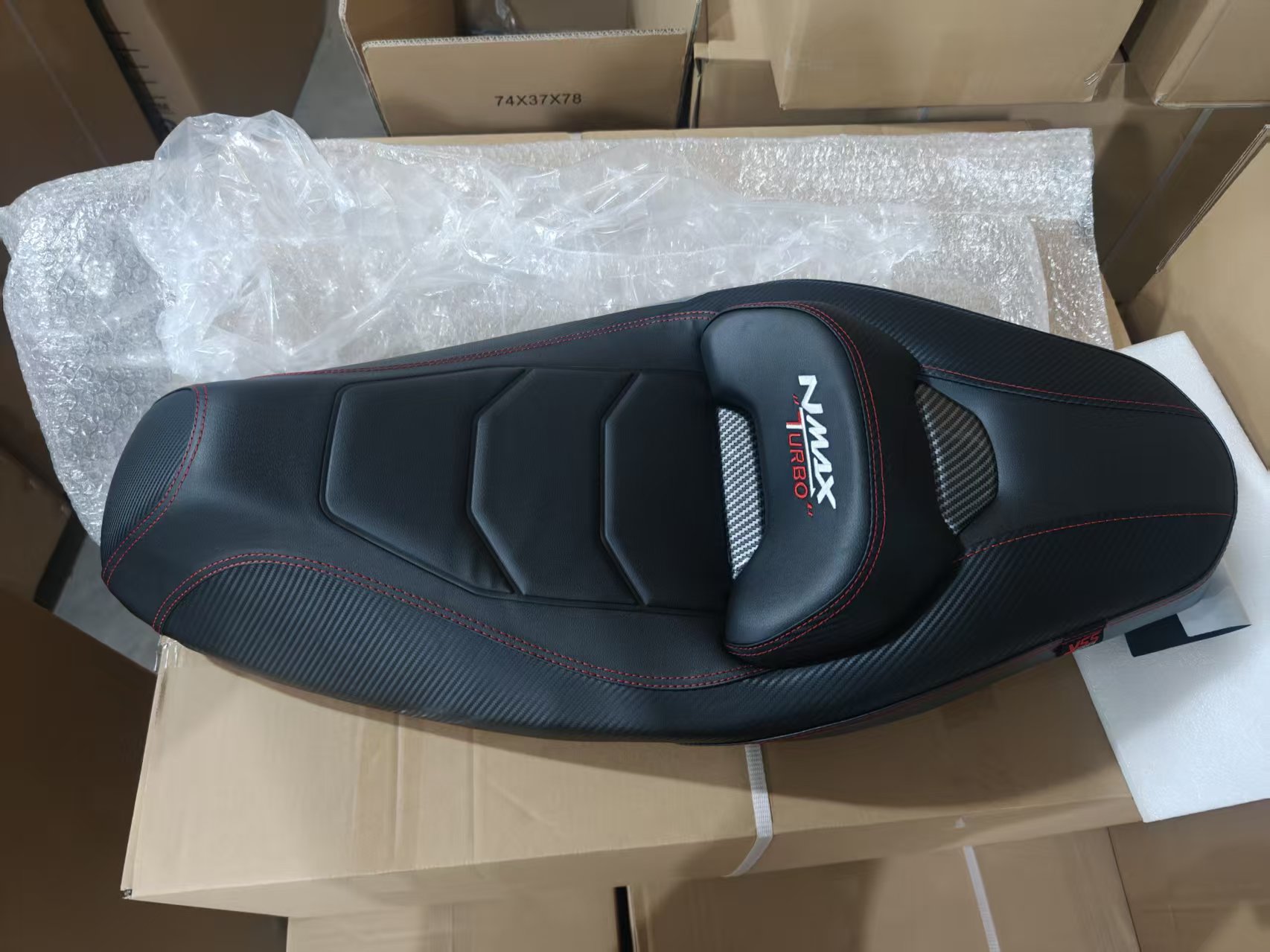
Common Motorcycle Seat Problems and Buying Challenges
Many riders replace a motorcycle seat after the original one becomes hard, cracked, or uncomfortable. Original equipment seats can lose their shape over time, especially when the vehicle is parked outdoors under direct sun or rain. A seat with a rough surface or worn cover can also allow water to pass through, making the ride unpleasant in wet weather.
One of the biggest buying challenges is finding a seat that fits a specific model. Buyers often search for a Honda motorcycle seat, Yamaha motorcycle seat, or Vespa motorcycle seat because they need a direct fit. However, compatibility is not the only concern. Riders also pay attention to softness, support, surface texture, waterproof performance, and overall quality. A seat that looks good but does not provide enough support can cause fatigue on longer trips.
Industry Background: Motorcycle Seat Market and Trends
The global motorcycle seats market was valued at USD 7.42 billion in 2025 and is projected to reach USD 13.30 billion by 2032, representing a compound annual growth rate of 8.69%, according to Market Research Future. The aftermarket distribution channel accounts for approximately 62.3% of motorcycle seat revenue, as reported by Dataintelo. This indicates that replacement and upgrade demand remains a strong part of the market.
Geographically, the Asia-Pacific region led the motorcycle seat market with a 38.5% revenue share in 2025, driven by high motorcycle production and sales in China. In terms of materials, leather is still considered a premium option, but synthetic materials such as vinyl and foam are increasingly used in the mid-range segment for their waterproof and soft surface characteristics. This trend matches the growing demand for comfortable motorcycle seats at accessible price points.
What Makes a Good Motorcycle Seat
A well-designed motorcycle seat combines a solid base, comfortable cushioning, and a durable cover. The base plate supports the rider's weight and keeps the seat stable on the frame. High-density foam provides support and reduces pressure points during long rides. The outer material must resist weather, wear, and water penetration.
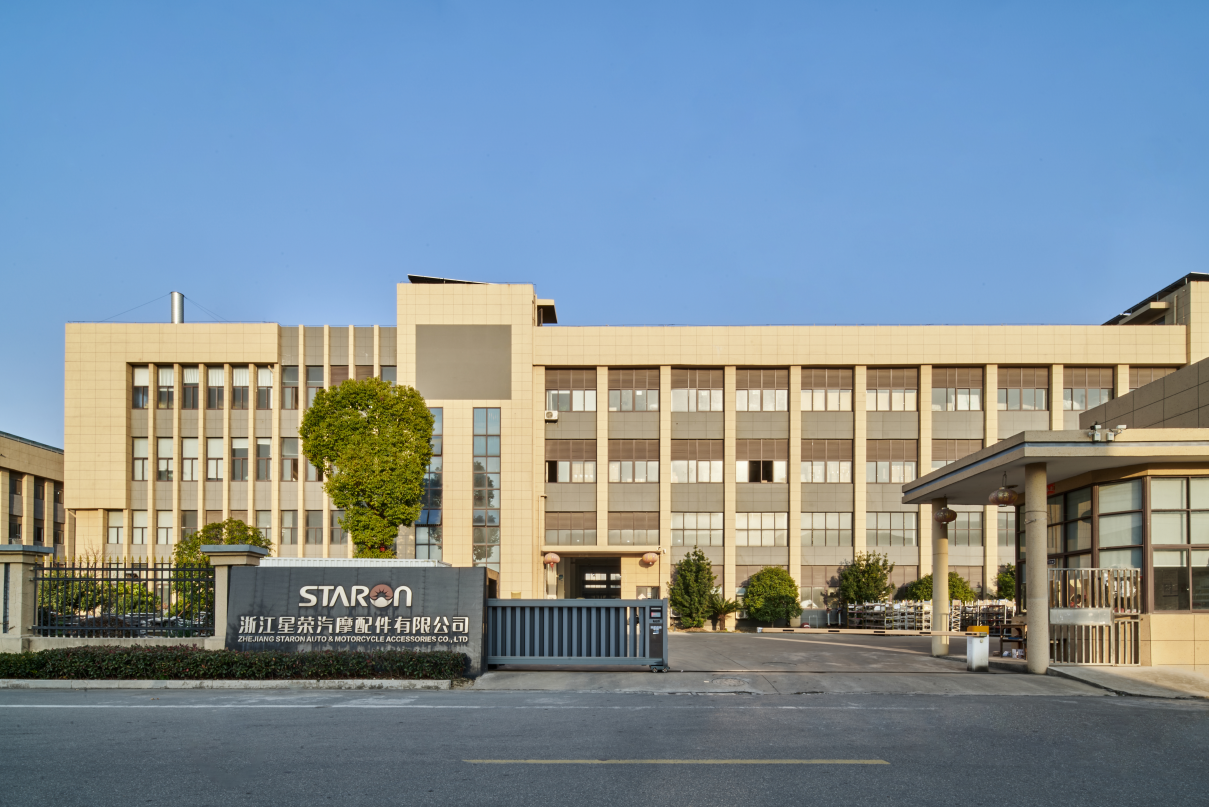
Zhejiang Xingrong Auto & Motorcycle Parts Co., Ltd. is a manufacturer located in Taizhou, Zhejiang Province, that specializes in motorcycle, electric vehicle, and off-road vehicle seat cushions. The company was established in 2015 and operates a 15,000-square-meter manufacturing facility with approximately 130 staff and an R&D team of 5 engineers. It is described as the earliest established motorcycle saddle factory in Zhejiang province.
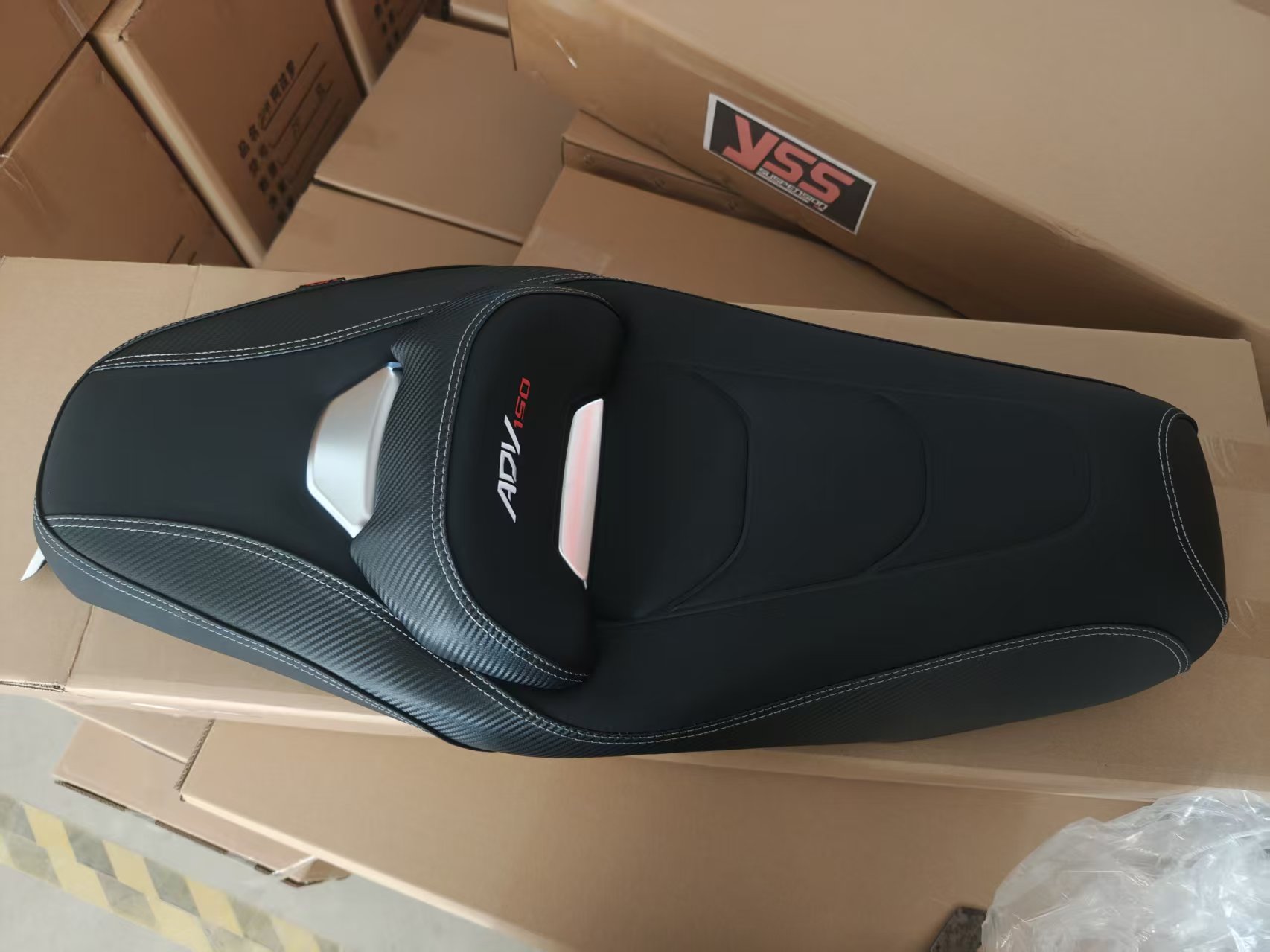
Zhejiang Xingrong's main products include motorcycle seats for scooter and dirt bike types, with models such as Nmax, Xmax, Aerox, ADV150, ADV160, Forza, PCX, and Click. The seats use a PP plate for the base structure, PU foam for cushioning, and PVC leather for the outer surface. The specified 80D high-density foam is designed to provide a good seating feel, while the high-strength floor structure supports durability. Waterproof performance is a notable selling point, especially for riders who use their motorcycle in rainy conditions or need a replacement seat that can handle all-weather use.
Step-by-Step: How to Choose a Motorcycle Seat
Step 1: Confirm the Motorcycle Model and Seat Type
Before selecting a motorcycle seat, confirm the exact vehicle model. Seats designed for scooters and dirt bikes differ in shape, mounting structure, and size. Popular scooter models such as Honda Click, Yamaha Nmax, and ADV160 have different seat contours, so the seat must match the vehicle frame to avoid installation problems.
Step 2: Check the Base Plate Material
The base plate must be strong enough to support the rider and maintain the seat shape. In high-quality motorcycle seats, a PP plate with a high-strength floor structure is commonly used. This helps prevent the seat from flexing or breaking under repeated use.
Step 3: Examine Foam Density and Comfort
Foam density affects long-term comfort. A soft motorcycle seat may feel comfortable initially, but low-density foam can compress quickly and lose support. Higher-density foam, such as 80D high-density foam, provides better support and retains its shape longer. Some buyers use the term sponge filled motorcycle seat, but high-density PU foam generally offers more consistent performance.
Step 4: Review the Surface Material and Water Resistance
A durable motorcycle seat cover should resist cracking, UV exposure, and rain. PVC leather is a common choice for a waterproof motorcycle seat because it is easy to clean and offers good weather resistance. Buyers looking for a high-level motorcycle seat should pay attention to the cover material, stitching quality, and how well the surface handles daily wear.
Step 5: Consider Ergonomic Shape and Fit
The seat shape influences rider posture and control. An ergonomic design supports natural sitting and reduces pressure on the lower back. Some riders prefer a flatter seat for easier movement, while others want a scooped shape for extra support during highway riding.
Step 6: Choose Between Standard, Modified, or Custom Seats
Riders can choose a standard replacement seat or a modified motorcycle seat with a different shape, surface texture, or logo. In many cases, a factory-modified motorcycle seat can be produced with different foam density or stitching. For brands, a customized motorcycle seat can carry a private label. Larger programs can involve an OEM motorcycle seat model, where the buyer sells the seat under their own brand, or an ODM motorcycle seat project, where the factory helps with design and manufacturing. Wholesale motorcycle seat orders require consistent quality and reliable production capacity.
Step 7: Evaluate the Manufacturer's Certifications and Capacity
When sourcing motorcycle seats at scale, check whether the manufacturer has quality management certifications. Zhejiang Xingrong has passed ISO9000 quality management system certification and CQC certification. The company also maintains an annual production capacity of 1,800,000 seat cushions, with a 90% self-production rate for accessories. These factors support wholesale motorcycle seat supply and help maintain consistent delivery schedules.
Use Cases for Motorcycle Seats
Motorcycle seats serve different needs depending on the buyer:
- Replacement: Riders replace old or damaged seats with a comfortable motorcycle seat that matches their vehicle and riding style.
- Repair shops: Motorcycle repair shops need direct replacement seats for common models such as PCX, Click, ADV150, ADV160, Nmax, and Xmax.
- Retailers and distributors: Wholesale motorcycle seat suppliers and parts retailers need consistent quality, stable supply, and packaging support.
- Accessory brands: Brands looking for OEM and ODM wholesale motorcycle seat partnerships can work with a factory to produce custom-designed seats under their own labels.
- Off-road and utility riders: Dirt bike seats require a rough-surface, durable cover that can handle outdoor dust, mud, and changing weather.
Motorcycle Seat Material and Feature Comparison
The table below compares common construction features in motorcycle seats, based on factory specifications and generally accepted material characteristics.
| Feature | Standard Seat | High-Density Foam Seat | Why It Matters |
|---|---|---|---|
| Base structure | Basic plastic base | PP plate with high-strength floor structure | Supports rider weight and keeps seat shape |
| Foam cushioning | Low-density foam | 80D high-density foam | Better comfort and long-term shape retention |
| Outer cover | Fabric or standard plastic cover | PVC leather cover | Waterproof and easier to clean |
| Surface durability | May wear or crack over time | Wear-resistant and weather-resistant | Longer product life in regular use |
| Customization | Limited | Project-based options; discuss with factory | Supports brand-specific and custom-modified seat projects |
Note: The characteristics marked as “High-Density Foam Seat” reflect the factory specification of Zhejiang Xingrong's motorcycle seats, which use 80D high-density foam, a PP plate with high-strength floor structure, and a PVC leather cover.
FAQ
Is the motorcycle seat manufacturer ISO certified?
Yes. Zhejiang Xingrong Auto & Motorcycle Parts Co., Ltd. has passed ISO9000 quality management system certification and CQC certification. The company also works with domestic first-line general machinery factories as part of its quality control approach.
What materials are used for a high-quality motorcycle seat?
A high-quality motorcycle seat typically uses three main material layers: a PP plate base, PU foam cushioning, and a PVC leather cover. The seat may also include an 80D high-density foam layer for better comfort and a high-strength floor structure for durability.
How does production capacity affect wholesale motorcycle seat supply?
Higher production capacity can support larger and more stable wholesale orders. Zhejiang Xingrong has an annual production capacity of 1.8 million seat cushions and a 90% self-production rate for accessories. This helps reduce external dependency and supports more consistent delivery.
Can I request a motorcycle seat sample or quote?
Yes. Buyers can contact Zhejiang Xingrong directly by email at mike@zjstaron.com or by phone/WhatsApp at +86-137-38695125 to ask for product details, discuss sample requests, and request a quote for wholesale orders.
What is the lead time for motorcycle seat orders?
Specific lead times depend on order size, model, and customization requirements. Because the company maintains a large annual production capacity and a high in-house production rate, it can generally support efficient scheduling. Contact the factory for current lead times and production planning.
Conclusion
Choosing the right motorcycle seat means looking past the surface. Riders and buyers should evaluate the base structure, foam density, cover material, waterproof performance, and manufacturer capability. A seat that uses 80D high-density foam, a high-strength PP base, and a PVC leather cover can offer a comfortable, durable, and waterproof solution for daily riding.
For businesses planning wholesale motorcycle seat purchases, custom-modified motorcycle seat projects, or OEM/ODM programs, working with a certified manufacturer with strong production capacity can reduce supply risk. Zhejiang Xingrong Auto & Motorcycle Parts Co., Ltd. offers experience in motorcycle, electric vehicle, and off-road vehicle seat cushion manufacturing.
Download the catalog to review the product range: Staron Seat Cushion Catalog.