Motorcycle Seat OEM/ODM: How to Verify Compatibility, Materials, and Compliance Before Ordering
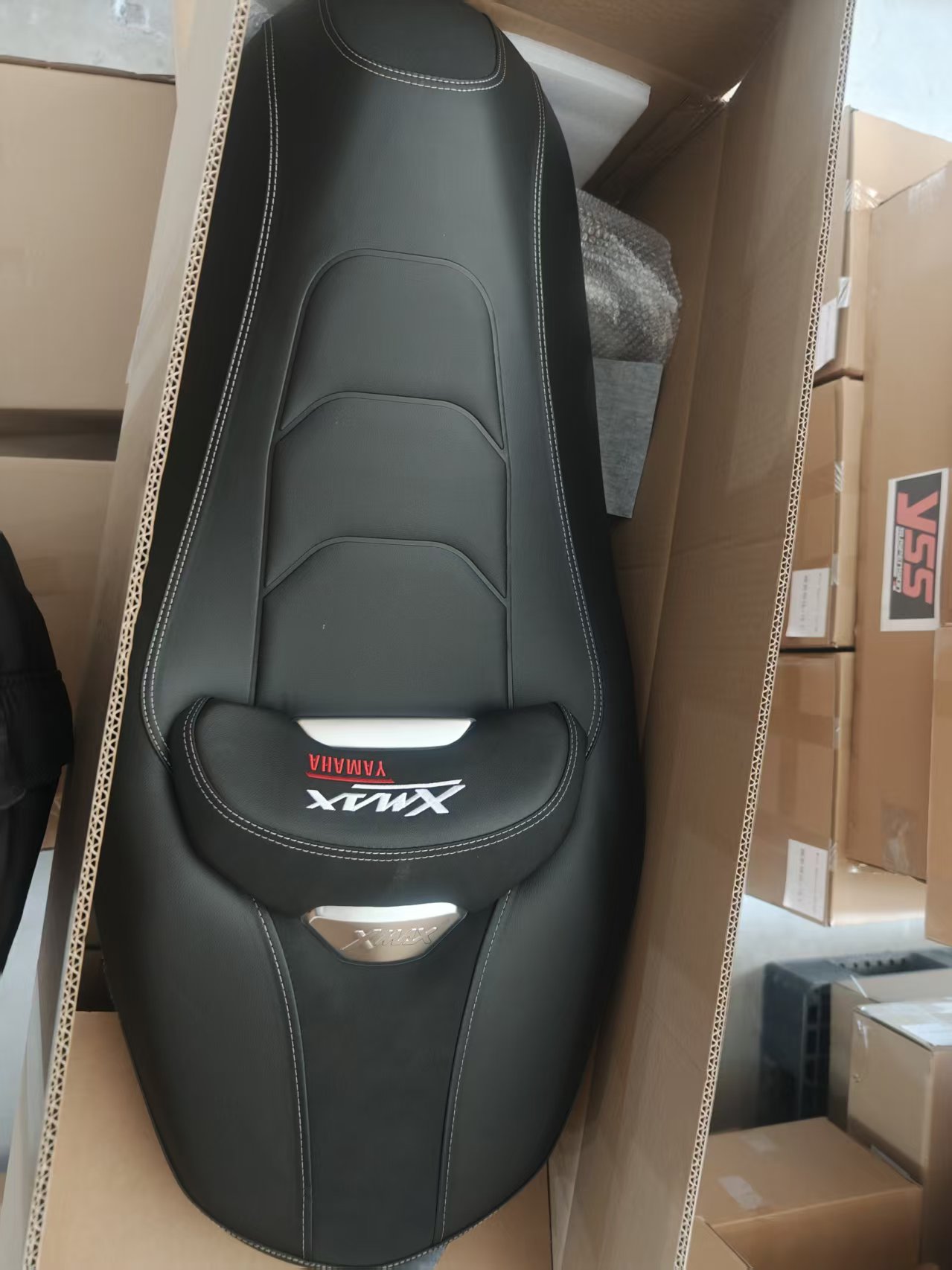
When sourcing a motorcycle seat for replacement, repair, or an OEM/ODM project, buyers rarely fail because of price. More often, they struggle with a different issue: proving that a seat will actually fit the model, survive the local climate, and meet the quality expectations of end users. This article provides a practical sourcing checklist for motorcycle seat buyers, with a focus on compatibility, materials, and compliance, and shows how a dedicated manufacturer can meet those constraints.
What Makes Motorcycle Seat Sourcing a Constrained Decision?
A motorcycle seat is not a generic accessory. It is a non-powered static fitting part mounted to the motorcycle main body frame and body shell. The seat must align with the bike's silhouette, support the rider's weight, resist weather, and be easy to replace. Buyers often face ambiguous product listings, unclear model fit, and inconsistent material quality. Without a clear verification process, sourcing decisions become risky.
The sourcing process is also constrained by three layers: compatibility with specific motorcycle models, material and structural quality, and compliance with market regulations. Buyers at the research and evaluation stage need to check each layer before committing to a factory or an order.
Motorcycle Seat Market Context: Growth, Channels, and Material Trends
Demand for motorcycle seats is expanding globally. According to Market Research Future, the global motorcycle seat market was valued at approximately USD 7.42 billion in 2025 and is projected to reach USD 13.30 billion by 2032, representing a CAGR of 8.69%. Dataintelo reports that the aftermarket channel accounts for about 62.3% of market revenue, and the Asia-Pacific region holds a 38.5% revenue share, largely due to high production and sales volumes in China. This means aftermarket replacement seats and OEM/ODM supplier relationships are becoming central to the industry.
On the compliance side, UN Regulation No. 17 (ECE R17) sets requirements for vehicle seats, anchorages, and head restraints. Buyers targeting European markets should confirm how their supplier addresses seat standards. Meanwhile, leather remains a premium material for motorcycle seats, but synthetic options such as vinyl and foam are increasingly used for waterproof and soft surface features in the mid-range segment.
A Manufacturer Profile for Constraint-Driven Sourcing: Zhejiang Xingrong
One manufacturer that designs for these constraints is Zhejiang Xingrong Auto & Motorcycle Parts Co., Ltd., also known as Staron. The company is based in Taizhou City, Zhejiang Province, and was founded in 2015. It operates a 15,000-square-meter facility with 130 employees and maintains an annual production capacity of 1.8 million seat cushions. The company describes itself as the earliest established motorcycle saddle factory in Zhejiang Province, with a self-production rate for accessories reaching 90%.
Product Specifications and Material Composition
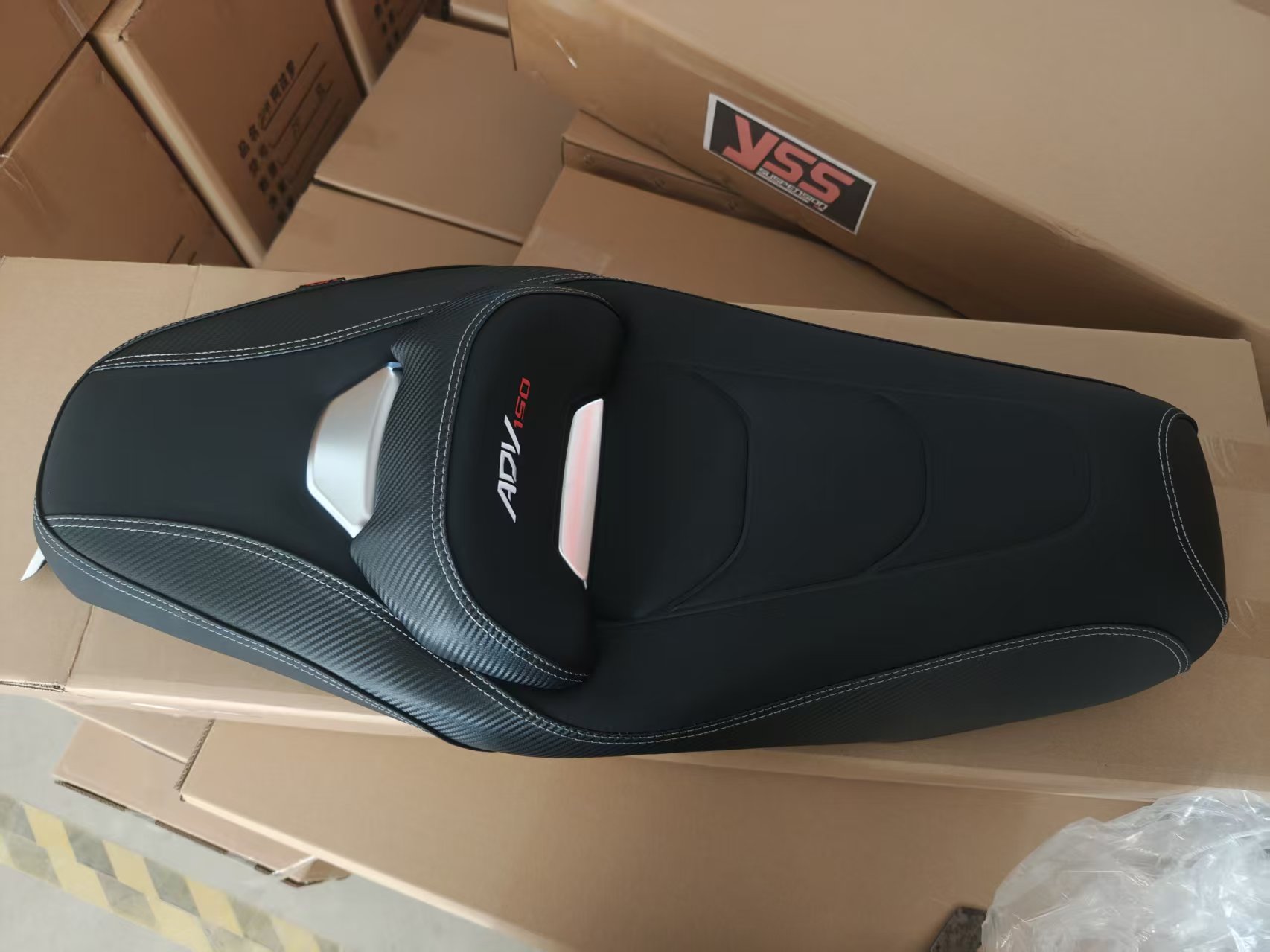
Staron produces motorcycle seats for models including Nmax, Xmax, Aerox, ADV150, ADV160, Forza, PCX, and Click. These seats are available for scooter and dirt bike applications. The construction uses a PP plate base, PU foam cushioning, and PVC leather cover, with 80D high-density foam and a high-strength floor structure. This combination aims to provide a comfortable riding sitting experience, improve visual appearance, and support repair and direct replacement of old seats. The product is positioned as waterproof, weather resistant, and wear-resistant, with an ergonomic design.
OEM/ODM Capability and Customization
From a sourcing perspective, Staron supports OEM and ODM production. Customization options include LOGO branding, leather cover design, and stitching line color. The monthly capacity for OEM/ODM orders is 50,000 pieces, with a minimum order quantity of 50 pieces and a lead time of 25 to 35 days. Every order is covered by 100% pre-shipment testing, and the company provides a one-year warranty. These details matter for buyers who need to plan inventory and avoid quality surprises.
Quality Control and Compliance
Staron has passed ISO9000 quality management system certification and CQC certification, and has established long-term strategic partnerships with domestic first-line brand general machinery factories. The export ratio is 20%, with main markets in Southeast Asia, Europe, the Middle East, and South America. For buyers, these credentials reduce the need to re-audit basic production processes, but product-specific market approvals still need to be checked separately.
How to Verify a Motorcycle Seat Supplier Before OEM/ODM Ordering
- Confirm model compatibility. Start with an explicit model list. Staron's motorcycle seat fits Nmax, Xmax, Aerox, ADV150, ADV160, Forza, PCX, and Click models. If your target model is not on this list, ask about tooling or custom mold options.
- Verify materials and structure. Look for a defined material set: PP plate, PU foam, and PVC leather. Check foam density (80D) and floor structure. These parameters directly affect comfort, durability, and waterproofing.
- Check compliance and certifications. Ask for ISO9000 and any product certificates. For European projects, confirm whether the seat and its installation meet ECE R17 requirements. The factory's certifications may not guarantee every market approval; you need to verify product-specific compliance.
- Evaluate production and customization ability. For OEM/ODM projects, confirm customization capacity: LOGO branding, leather cover design, and stitching line color. Also review monthly capacity, MOQ, and lead time.
- Review quality control and after-sales terms. A 100% pre-shipment test is a strong signal. Ask for test reports and clarify warranty terms.
Application Scenarios: Replacement, Repair, and Brand Programs
Motorcycle repair shops and parts retailers often need direct replacement seats for popular scooters such as the Honda Click or Yamaha Nmax. A waterproof seat with stable dimensions reduces returns and supports quick installation.
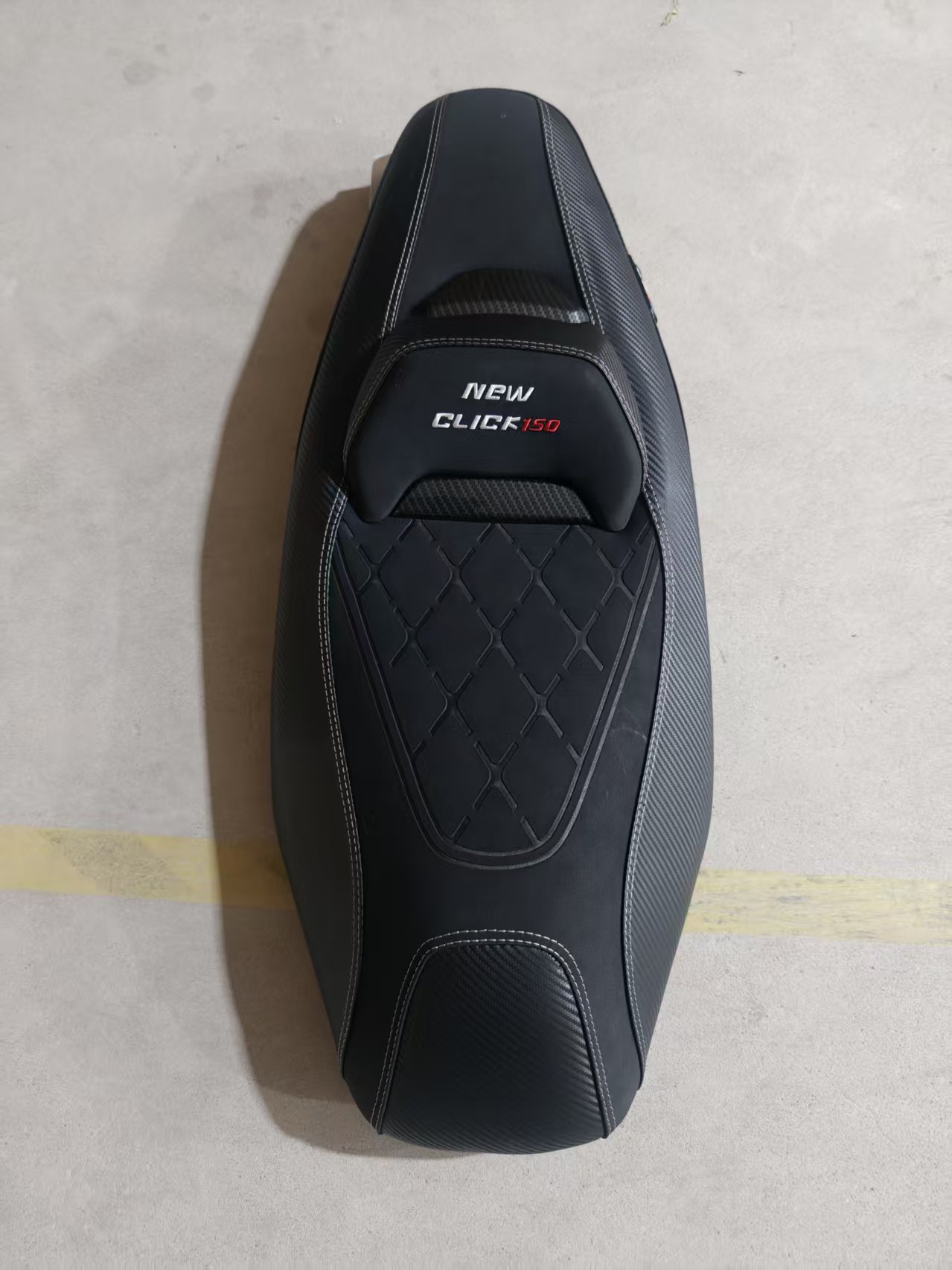
Motorcycle accessory brands planning an OEM program may require customized stitching and logo placement. The ability to change leather cover design and stitching line color within the same construction helps differentiate products without redesigning the entire base.
Distributors serving Southeast Asia, Europe, the Middle East, and South America may rely on consistent MOQ and lead times. Staron's MOQ of 50 pieces and 25–35 day lead time are practical for stocking programs.
In one export case, a customer in Lebanon ordered 5,000 pieces for motorcycle parts replacement. The relationship lasted two years, and the reported result was good seating feel, good visual effect, and waterproof performance.
Material and Structure Checklist for Motorcycle Seats
| Component | Material / Structure | Function |
|---|---|---|
| Base plate | PP plate | Provides a high-strength floor structure |
| Comfort layer | PU foam, 80D high-density foam | Supports rider comfort and shape retention |
| Cover | PVC leather | Provides waterproof, wear-resistant surface |
| Custom design | LOGO, stitching line color, leather cover design | Allows brand distinctiveness and visual effect |
Frequently Asked Questions
What quality certifications does the manufacturer hold?
Zhejiang Xingrong Auto & Motorcycle Parts Co., Ltd. has passed ISO9000 quality management system certification and CQC certification. For specific export markets, buyers should additionally confirm whether the product itself meets applicable regulations, such as UN Regulation No. 17 for vehicle seats in European contexts.
Which motorcycle models is this seat compatible with?
This motorcycle seat fits Nmax, Xmax, Aerox, ADV150, ADV160, Forza, PCX, and Click models. The seat is designed for scooter and dirt bike applications, with a PP plate base, PU foam, and PVC leather cover.
What is the minimum order quantity (MOQ)?
The MOQ for OEM/ODM motorcycle seat orders is 50 pieces. This allows small-batch testing before scaling up.
How does the factory handle quality control before shipment?
Staron performs a 100% pre-shipment test on orders. Combined with a one-year warranty, this reduces the risk of defective products reaching the end user.
What is the typical lead time for an OEM/ODM order?
The typical lead time is 25 to 35 days after order confirmation. To plan effectively, contact the Staron sales team for a precise schedule based on your customization and order volume. You can also download the Staron seat cushion catalog for reference: Download Catalog.
Conclusion and Next Step
Selecting a motorcycle seat is not only about choosing a product; it is about verifying that the product meets your market's requirements. Buyers who focus on compatibility, materials, compliance, and manufacturer capability will reduce sourcing risks. Zhejiang Xingrong provides a concrete example of a manufacturer with documented capacity, product specifications, and after-sales support. For buyers moving from research to evaluation, the next step is simple: request a catalog, verify your model list, and compare the details that actually affect your program.
Need a specific motorcycle seat? Get the Staron catalog.
Check model compatibility, material specifications, and OEM/ODM terms directly from the manufacturer.
Have Questions or Need More Details?
Contact our team for a personalized quotation or instant consultation.
Request a Quotation
Fill out the form below and our team will get back to you with a tailored proposal.
WhatsApp Direct Chat
Prefer to chat in real-time? Message us on WhatsApp for instant assistance & quick answers.
- Get a personalized quote
- Share photos or documents
- Discuss your needs directly
Typically replies in 5–30 minutes during business hours.