
Motorcycle Seat Selection Guide: Foam, Base, Cover and Fit Specs
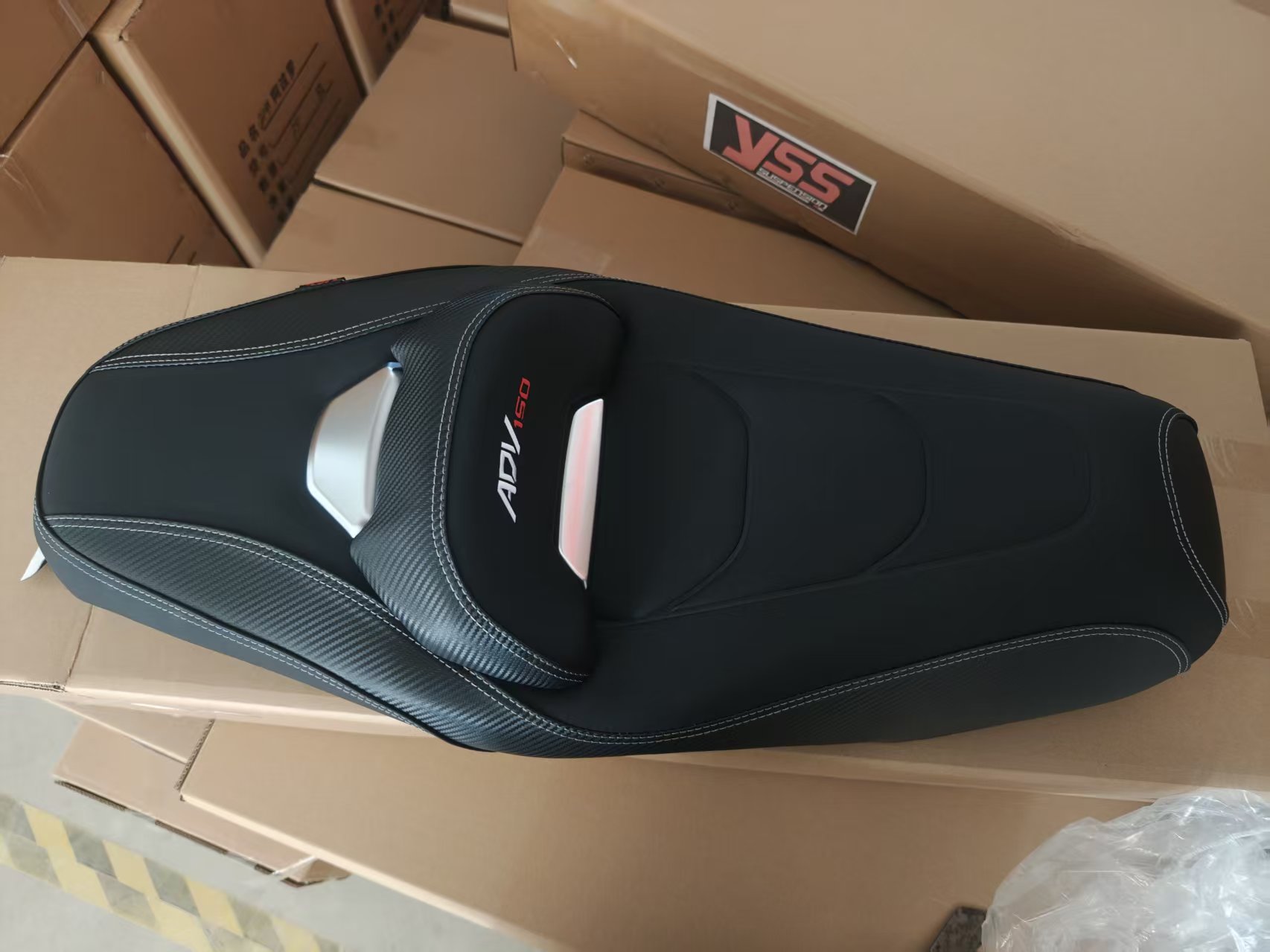
Short answer: a motorcycle seat should be specified in five blocks before a purchase order is issued — foam cushion (density grade and foam type, typically 80D high-density foam and PU foam), base structure (PP plate plus a high-strength floor structure), cover system (PVC leather plus waterproof construction), static fit to the motorcycle main body frame and body shell, and the ergonomic and weather-resistance profile. Scooter seats and dirt bike seats weigh these blocks differently, and OEM/ODM variables such as logo, leather cover and stitching colour belong in the same written document.
Approving a seat is a technical act, not a shopping one. The failure mode that costs the most in this category is not a badly built seat — it is a correctly built seat specified against an incomplete document. A model name does not define mounting points, seat pan contour or clearance to the body shell. "PU foam" and "PVC leather" are category terms, not grades. This guide is written for importers, distributors, brand owners and procurement teams who need to specify a motorcycle seat under OEM or ODM terms, then verify it — first on a sample, then before every shipment.
Problem Definition: Why Motorcycle Seat Specifications Fail After Ordering
Three patterns account for most specification failures in motorcycle seat sourcing. None of them is resolved by a longer conversation; all of them are closed by a written specification and a defined acceptance test.
1. Fitment approved by model name instead of by reference surface
A seat approved as "fits Nmax" or "fits Click" has not actually been checked. Static fitting involves three surfaces: the mounting points on the motorcycle main body frame, the contour of the seat pan where it rests on the frame, and the gap line where the seat meets the body shell. Small deviations in base profile can produce a visible gap at the body shell, a latch that closes under pressure, or a seat that sits fractionally high at the nose. In aftermarket supply, each of these becomes a return rather than a tolerance.
2. Material names used in place of grades
Two suppliers can quote "PU foam cushion and PVC leather cover" and deliver products with materially different density, hardness and cover construction. Without a stated density grade and a stated cover build, the buyer has no technical basis to compare quotations and no basis to reject a non-conforming batch after delivery.
3. No acceptance protocol
If the purchase order does not define how the batch will be inspected, acceptance becomes a matter of opinion. Products are accepted through third-party inspection procedures, and acceptance inspection includes a pre-shipment test — but both have to be written into the order terms, not assumed from a sample approval.
Industry Background: Why Specification Discipline Now Matters More
The global motorcycle seats market was valued at USD 7.42 billion in 2025 and is projected to reach USD 13.30 billion by 2032, growing at a CAGR of 8.69% (Market Research Future / Dataintelo). Two structural features of that market explain why buyers increasingly write seat specifications themselves instead of inheriting a vehicle manufacturer's sheet.
First, distribution is aftermarket-led. The aftermarket channel accounts for approximately 62.3% of revenue, and the Asia-Pacific region held a 38.5% revenue share in 2025, driven by high production and sales volumes in China (Dataintelo). In an aftermarket-led market, the majority of seats are specified by importers, distributors and replacement-part brands — buyers who carry the technical risk of the specification themselves.
Second, materials are shifting. Leather remains a premium seat material, but synthetic options are increasingly used to deliver waterproof and soft-surface features in the mid-range segment (Fortune Business Insights). The practical consequence is that "waterproof" and "soft" now have to be defined as construction requirements, because the material name alone no longer separates one product from another.
Detailed Solution: The Five Specification Blocks
Block 1 — Foam Cushion: Density Grade and Foam Type
Foam has the largest single effect on long-distance comfort and on how a seat holds shape across a riding season. Two values belong in the order: the density grade and the foam type.
- Density grade. 80D high-density foam is the reference cushion grade used in this motorcycle seat range. Density and hardness are separate values and should be specified separately, because a cushion can be high-density and still read as too hard or too soft for a given riding profile.
- Foam type. PU foam is the standard cushion chemistry for moulded seats in this category and should be named in the specification rather than described only as "high-density foam".
Verification is physical, not documentary. Compress the sample cushion at the seating reference point and check recovery, then ride the sample across a distance that matches the target use case rather than a short loop. Comparison data for this seat family positions custom-build seats at 30% stronger foam support and a 50% longer service life than original-style seats, with foam hardness and density adjustable as part of the customization scope.
Block 2 — Base Structure: PP Plate and High-Strength Floor Structure
The base is the load path between the rider and the motorcycle frame, and it decides whether the cushion keeps its shape or works against a flexing platform.
- PP plate. Polypropylene is a common base-plate material for motorcycle and scooter seats because it offers stiffness with some vibration tolerance and does not corrode.
- High-strength floor structure. This motorcycle seat has a high-strength floor structure — the element that spreads load across the base rather than concentrating it at the mounting points.
Both must be specified together. A base that flexes under load transmits vibration and eventually cracks at the mounting bosses, while a base that is stiff without a defined floor structure transfers road shock straight into the cushion and accelerates foam fatigue. On the sample, check base flatness, mounting-point alignment against the frame, and whether the floor structure carries load across the full width of the seating area.
Block 3 — Cover System: PVC Leather and Waterproof Construction
Cover specification has three components, and a quotation naming only one of them is not comparable.
- Cover material. PVC leather is the working cover for waterproof replacement and OEM seats, and it should be specified by construction rather than by name alone.
- Waterproof construction. This motorcycle seat is waterproof. The specification should state that the seat is waterproof and identify where sealing is achieved — cover-to-base bonding, stitching treatment and panel joins.
- Surface finish. Rough-surface and smooth-surface covers behave differently in wear resistance and cleaning, so the finish should be stated rather than left to the factory default.
Waterproofing is a system, not a layer. Potential water leakage and damage risks are managed through systematic controls in production, and contingency planning includes the supply of replacement spare parts to address damage after delivery. On the sample, run a directed water test at the stitch lines and at the cover-to-base edge, then confirm that no water has entered the cushion interface. A cover that sheds water on the top surface but wicks at the seam will still fail in service.
Block 4 — Static Fit: Motorcycle Main Body Frame and Body Shell
Static fitting is confirmed against two references, and both belong in the specification.
- Motorcycle main body frame. Mounting points, seat pan contour, and the angle of the seat relative to the frame.
- Body shell. The gap line where the seat meets the body panels, plus the clearance required for the seat to close and latch without interference.
The verification procedure is a static fitting check: place the sample on the target motorcycle with the body shell fitted, close and latch the seat, and inspect the gap line on both sides. The seat range lists fitment for Nmax, Xmax, Aerox, ADV150, ADV160, Forza, PCX and Click, but a model name in a catalogue should still be matched against the buyer's specific model year and body shell version before the order is confirmed.
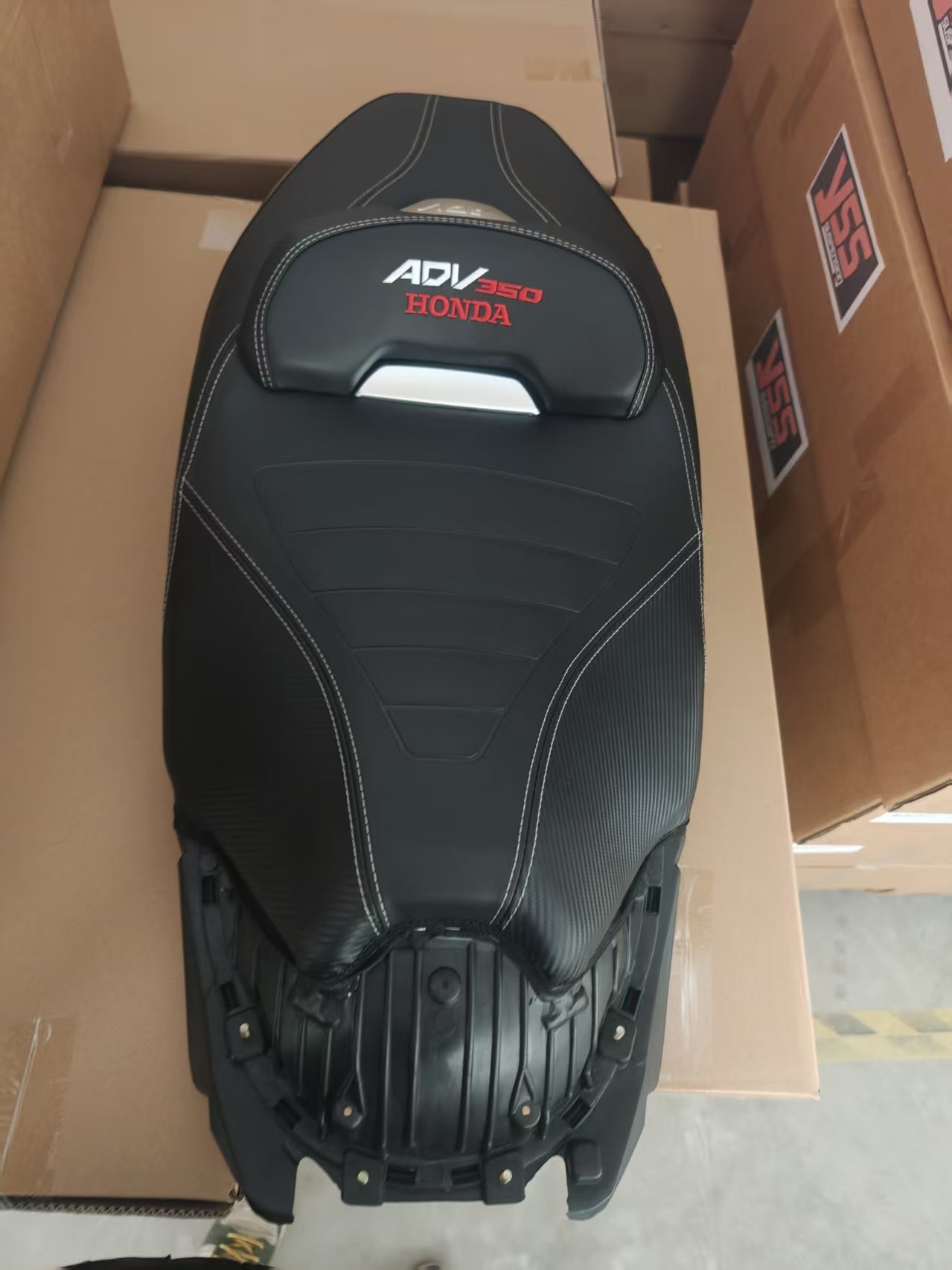
Block 5 — Ergonomics, Weather and Wear Resistance
Ergonomics on a motorcycle seat is a geometry question before it is a softness question. The values that change the riding experience are seat height and slope at the seating reference point, width at the hip and thigh contact zones, the step between rider and passenger sections, and the shape of the nose where the rider's legs pass when stopped.
Weather and wear resistance is a property of the cover and base interface together. A waterproof cover sitting on a base that traps water at the edge will still degrade. The specification should tie three things together: the cover sealing method, the base edge design, and the wear point where the rider's outer leg contacts the cover edge — which is the first place a cover fails on a commuter scooter.
Step-by-Step: How to Specify and Validate a Motorcycle Seat Order
- Define the configuration and use case. Decide whether the project needs a scooter seat or a dirt bike seat, and whether it is a replacement part or an OEM/ODM build. The two configurations are not interchangeable.
- Write the five specification blocks. Foam (type plus density grade), base (PP plate plus high-strength floor structure), cover (PVC leather plus waterproof construction plus surface finish), fitment (model plus frame plus body shell reference), and ergonomics and wear points.
- Fix the customization scope. Logo, leather cover and stitching colour are the OEM/ODM variables in this seat range. Each must be stated in the artwork or the specification sheet — verbal agreement on a stitching colour is not a specification.
- Request a sample built to the written specification, not a catalogue sample. A catalogue sample validates the factory's standard output; a specification sample validates the product you are actually ordering.
- Run the physical checks. Cushion compression and recovery, base flatness and mounting alignment, a directed water test at seams and edges, and static fitting on the target motorcycle with the body shell in place.
- Agree acceptance criteria in writing. Acceptance inspection includes a pre-shipment test, and products are accepted through third-party inspection procedures. Name the inspection body and the sampling method in the order terms.
- Confirm commercial and delivery terms. Minimum order quantity, delivery terms, payment terms and lead time.
- Set after-sales and supply-continuity terms. State the warranty period and the arrangement for replacement spare parts after delivery, because that arrangement is what separates a supplier from a long-term partner.
Use Cases: How the Specification Changes by Project
Aftermarket replacement for commuter scooters
For replacement programmes covering Nmax, Xmax, Aerox, ADV150, ADV160, Forza, PCX and Click, the priority order is normally static fit, waterproofing and cover wear. Riders in these segments cover high mileage in mixed weather, and a gap at the body shell or a leaking seam generates returns faster than a firm cushion does. Specify waterproof construction and the cover-to-base seal first, then set the density grade to maintain shape over a long service life.
OEM/ODM build for a brand owner
In an OEM or ODM programme, the customization variables — logo, leather cover and stitching colour — become part of the specification rather than a finish detail. The same document should still carry all five blocks, because visual customization without a locked foam and base specification produces a product that looks correct and rides badly.
Off-road and dirt bike seating
Dirt bike seats prioritise grip, narrowness at the knee position and abrasion resistance over long-distance cushioning. Cover finish, stitching placement and wear resistance at the cover edge carry more weight than the cushion density grade, while the base still needs a high-strength floor structure to survive repeated impact through the seat.
Distribution and multi-model stock
Distributors stocking multiple models need one acceptance protocol that covers the full range rather than a separate procedure per model. A single written specification template with model-specific fitment fields keeps inspection consistent while allowing foam, cover and customization fields to vary.
Comparison Table: Original-Style vs. Custom/OEM Motorcycle Seats
The table below reflects the product comparison data for this seat family. It is a specification-level comparison, not a claim about any individual competitor's current production.
| Parameter | Original-style seats (Honda, Yamaha reference) | Custom / OEM seat build |
|---|---|---|
| Seating comfort | Reference baseline | Superior seating comfort; optimized long-distance riding experience |
| Foam support | Reference baseline | 30% stronger foam support |
| Service life | Reference baseline | Service life extended by 50% |
| Foam hardness and density | Fixed by the original design | Customizable hardness and density |
| Appearance | Standard factory finish | More fashionable, personalized appearance |
| Comprehensive procurement cost | Reference baseline | 10% lower comprehensive procurement cost |
| Maintenance | Reference baseline | Less frequent replacement; no daily maintenance required |
| Best-suited use | General road use | Outdoor, mountain road riding, highway riding, riding in rainy weather |
How to read this table: the percentages describe how the custom seat build in this product family is positioned relative to original-style seats. They are not a substitute for a sample test on your own target model and body shell, which remains the decisive verification step.
FAQ
1. How do I verify compliance when sourcing from a long-term OEM motorcycle seat manufacturer in China?
Start with the management-system and product certifications, then confirm the inspection route. Zhejiang Xingrong Auto & Motorcycle Parts Co., Ltd. has passed ISO9000 quality management system certification and CQC certification. On the order side, confirm that acceptance inspection includes a pre-shipment test and that products are accepted through third-party inspection procedures, with the inspection body and sampling method named in the purchase order. For seats supplied into regulated markets, ECE R17 (UN Regulation No. 17) is the reference framework for vehicle seat approval, so the compliance route should be agreed before the order rather than after the first shipment.
2. What production capability should I confirm with a long-term OEM motorcycle seat manufacturer in China?
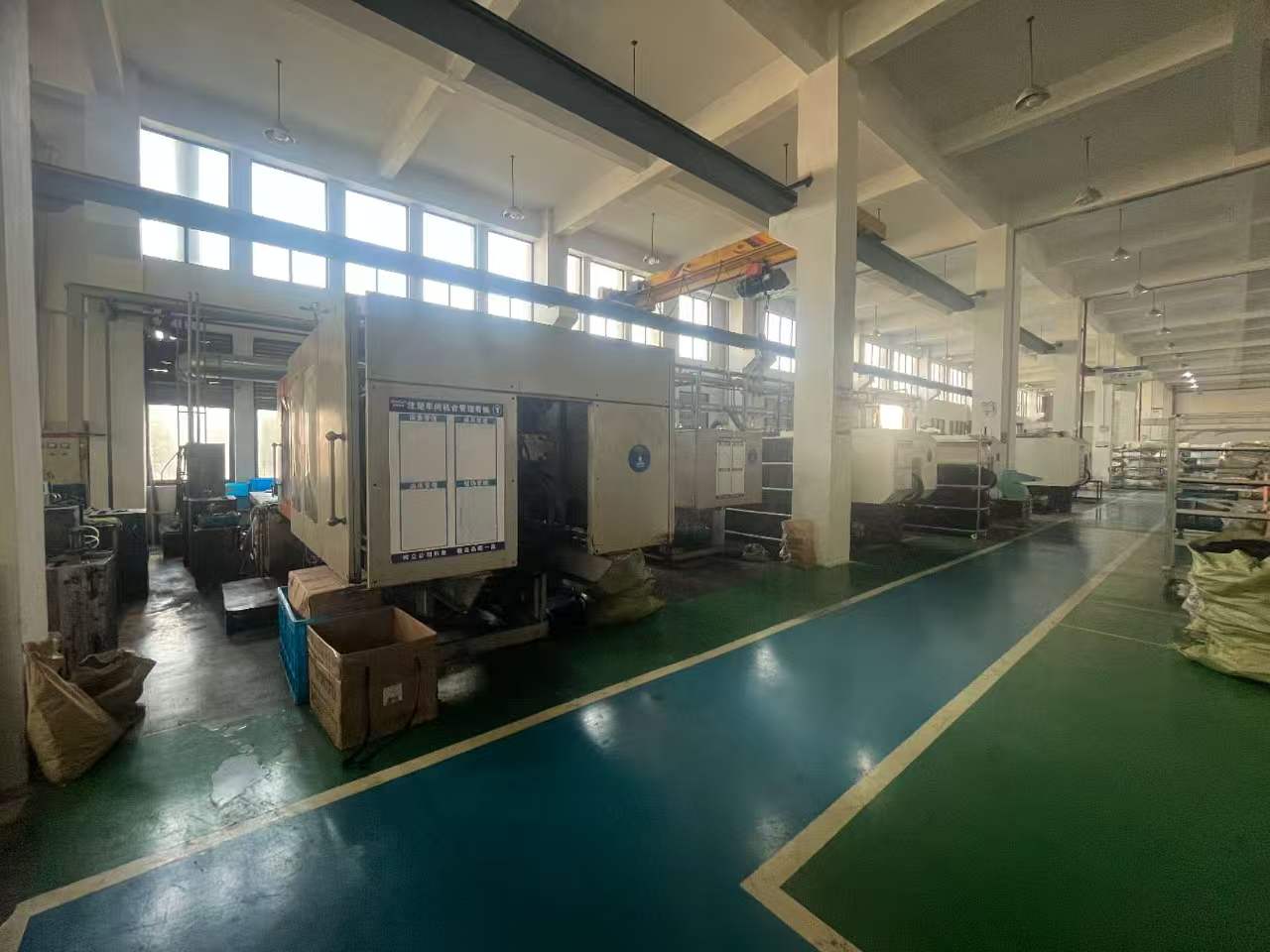
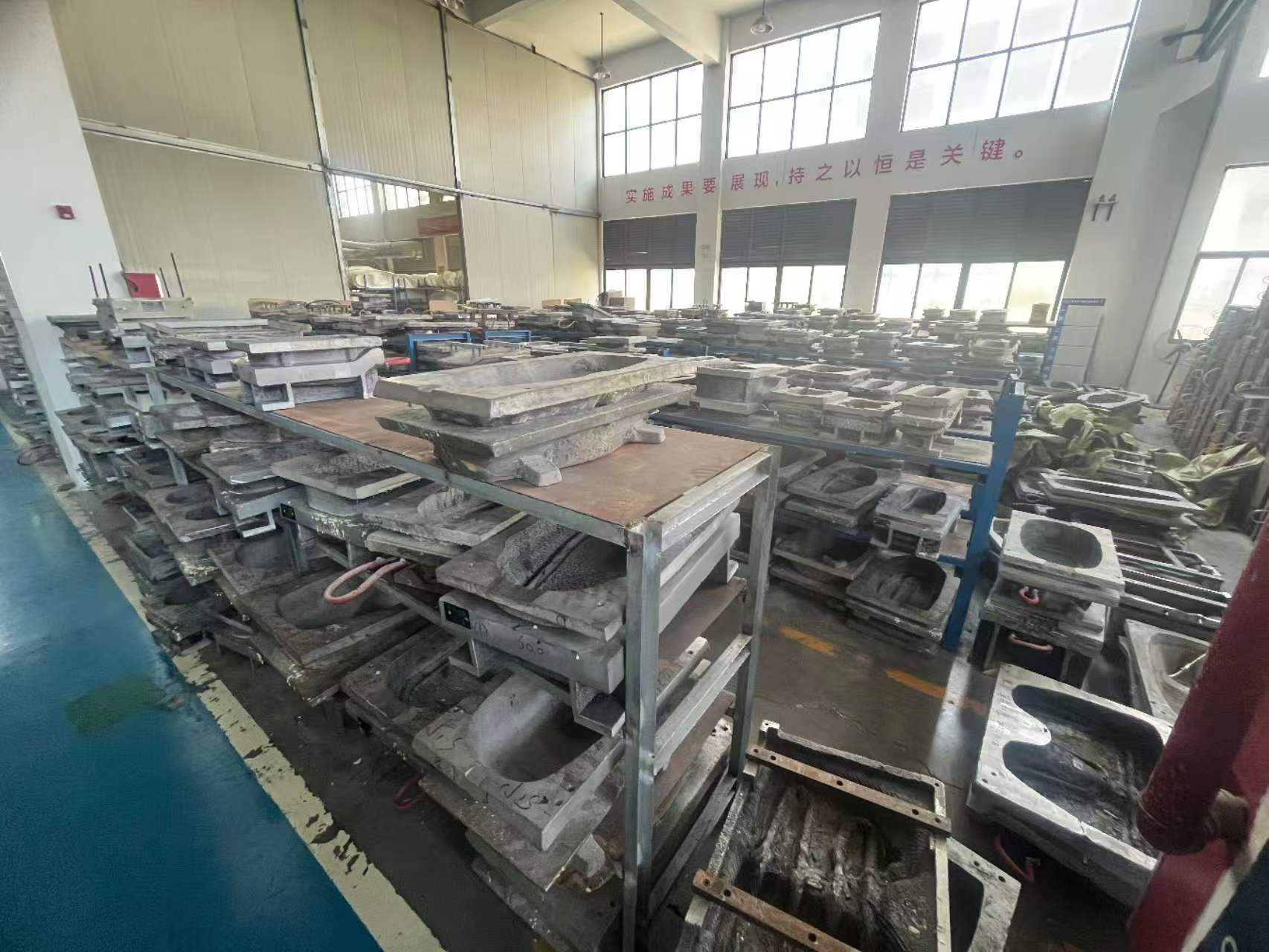
Confirm three figures and one structure. The figures are monthly capacity, in-house parts manufacturing rate and engineering headcount — this supplier runs a monthly capacity of 50,000 pieces, a 90% self-made rate for accessories and an R&D team of 5 engineers. The structure is the manufacturing base itself: a 15,000 m² plant in Taizhou City, Zhejiang Province, with 130 employees. A high self-made rate matters for long-term supply because it reduces dependence on outside component suppliers when a single part runs short.
3. What order terms apply to a 50-unit motorcycle seat order?
The minimum order quantity is 50 units. Delivery terms are FOB or EXW, and payment terms are 30% T/T in advance with 70% T/T against a copy of the bill of lading. Confirm these terms in the quotation rather than inferring them from a price list, and confirm the Incoterm and port alongside the unit price.
4. How should I validate a sample before committing to a long-term OEM motorcycle seat order?
Request a sample built to your written specification rather than a catalogue sample, then test the five blocks in order: cushion compression and recovery, base flatness and mounting alignment, a directed water test at stitch lines and the cover-to-base edge, static fitting on the target motorcycle with the body shell in place, and a wear check at the cover edge where the rider's leg contacts. Record the results against the specification sheet, because those recorded values become the reference for pre-shipment inspection.
5. What lead time and supply-continuity terms should a long-term OEM motorcycle seat buyer expect?
Lead time is 25–35 days. Supply continuity should be agreed in two parts: a warranty period of 1 year, and a contingency arrangement for after-sales support. Contingency plans include the supply of replacement spare parts to address damage after delivery, and potential water leakage and damage risks are managed through systematic controls in production and through improved packaging safety. For a long-term programme, a factory is judged less by the first shipment than by what happens when a single model or a single component runs into a problem. To move from specification review to a sample request and quotation, contact Zhejiang Xingrong Auto & Motorcycle Parts Co., Ltd. directly.
Conclusion: Lock the Spec, Then Test the Sample
A motorcycle seat is specified in five blocks — foam, base, cover, static fit, and ergonomics and wear. None of them is adequately defined by a model name or a material category. The density grade and foam type (80D high-density foam, PU foam), the base plate and high-strength floor structure (PP plate), the cover system (PVC leather with waterproof construction), the static fit to the main body frame and body shell, and the ergonomic and weather-resistance profile each need a stated value in the purchase order.
Once the specification is written, the verification path is short: build a sample to that document, check it physically, agree acceptance criteria with a pre-shipment test and third-party inspection, and confirm the commercial terms — minimum order quantity of 50 units, FOB or EXW delivery, 30% T/T in advance with 70% T/T against a copy of the bill of lading, 25–35 day lead time, and a 1-year warranty backed by a replacement spare-parts arrangement. That sequence turns a specification sheet into a supply relationship that holds across model years.
Next Step: Sample, Specification Review or Quotation
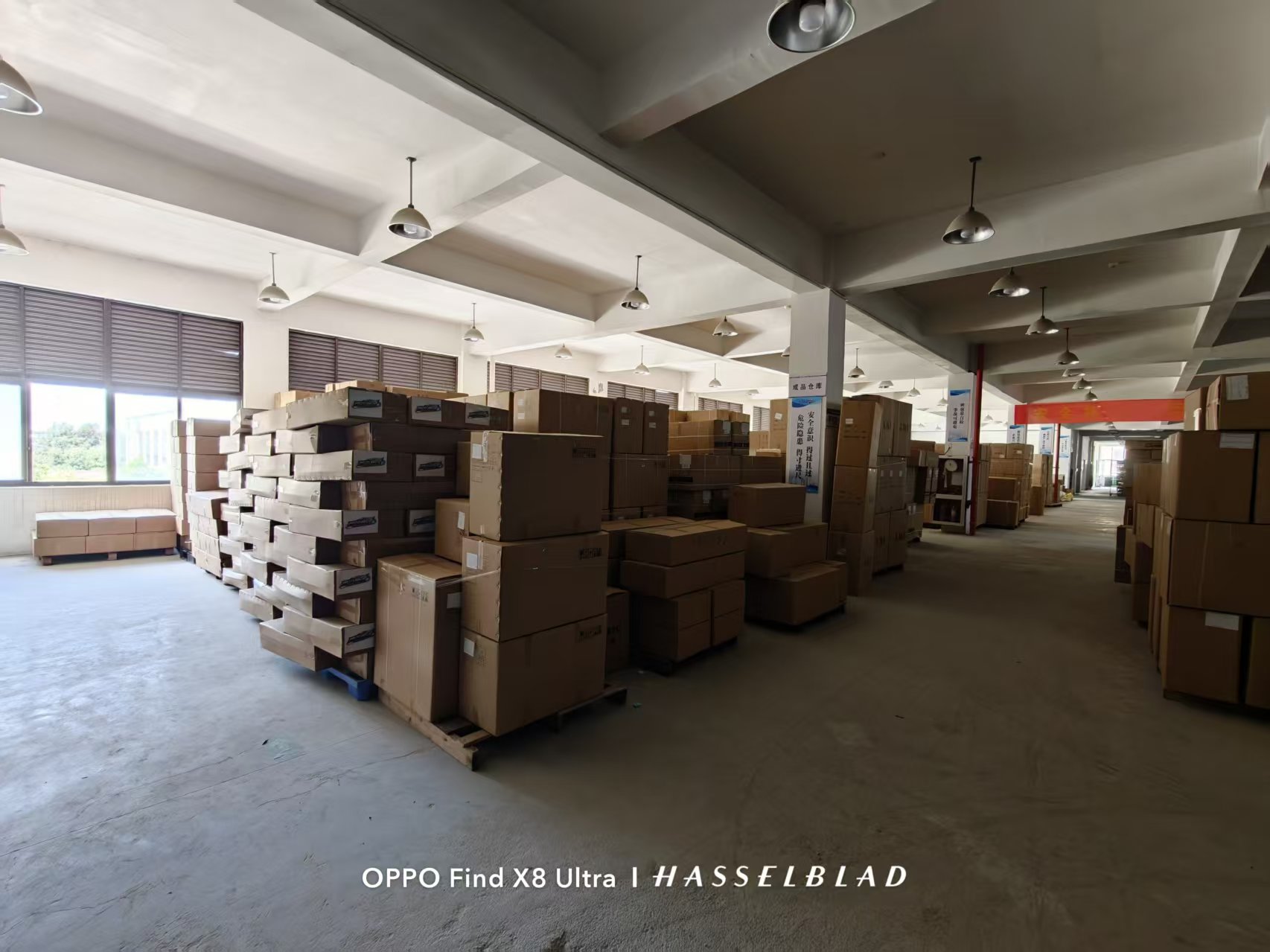
Zhejiang Xingrong Auto & Motorcycle Parts Co., Ltd. (Staron) manufactures motorcycle, electric vehicle and off-road vehicle seat cushions from a 15,000 m² facility in Taizhou City, Zhejiang Province, with a monthly capacity of 50,000 pieces and a 90% self-made rate for accessories. For specification review, OEM/ODM customization (logo, leather cover, stitching colour) or a sample request, contact the team directly.
Email: mike@zjstaron.com | WhatsApp / Tel: +86 13738695125 | Website: www.zjstaron.com
Download the full seat cushion catalogue: STARON Seat Cushion Catalog (PDF)
Have Questions or Need More Details?
Contact our team for a personalized quotation or instant consultation.
Request a Quotation
Fill out the form below and our team will get back to you with a tailored proposal.
WhatsApp Direct Chat
Prefer to chat in real-time? Message us on WhatsApp for instant assistance & quick answers.
- Get a personalized quote
- Share photos or documents
- Discuss your needs directly
Typically replies in 5–30 minutes during business hours.