
Motorcycle Seat Supplier Evaluation: Verifying 50,000-Piece Capacity and Delivery Assurance
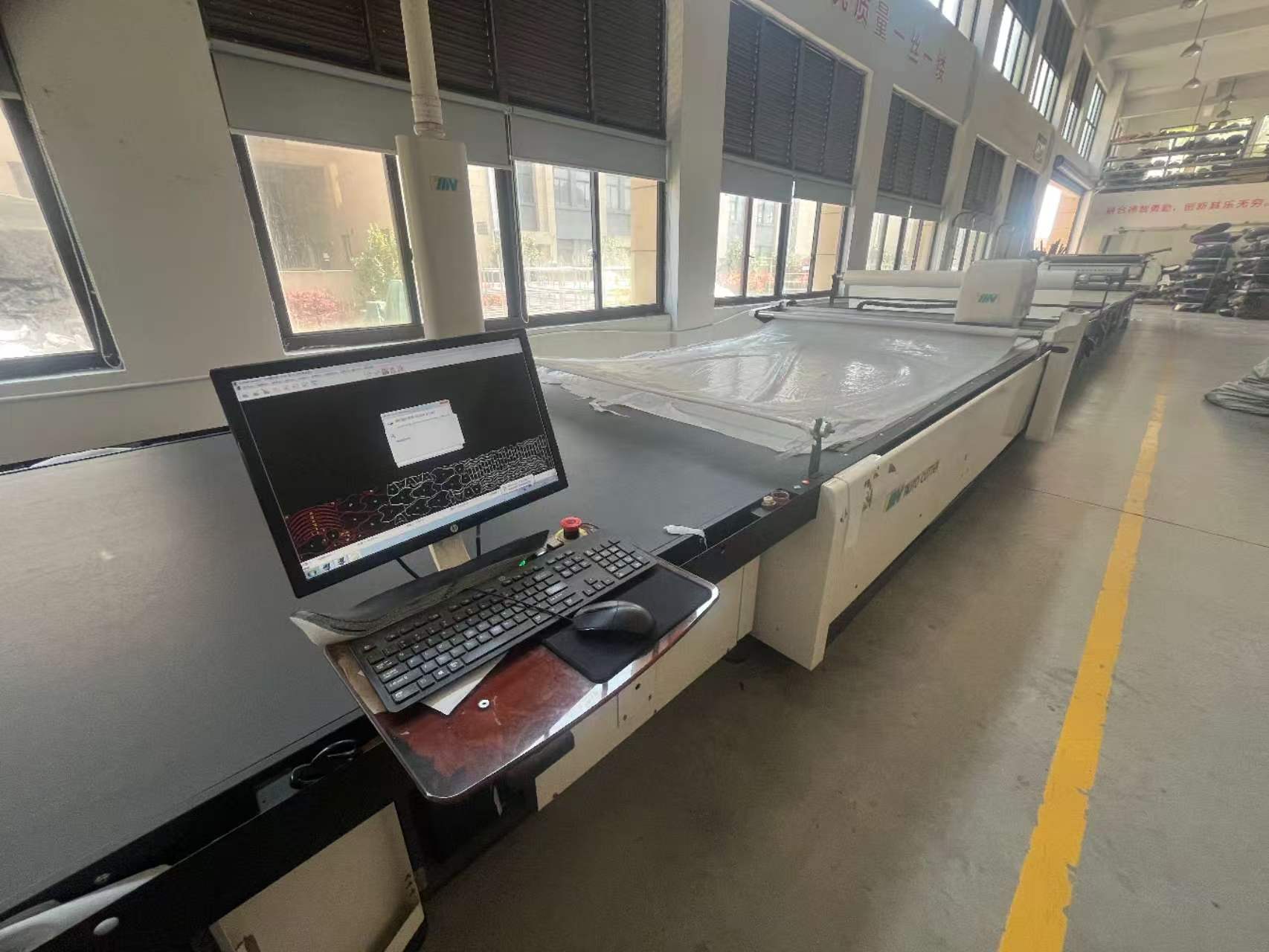
Factory photo — Zhejiang Xingrong Auto & Motorcycle Parts Co., Ltd., Taizhou City, Zhejiang Province, China.
A motorcycle seat supplier is only as reliable as the numbers it will put in writing. This evaluation framework turns five commonly quoted figures — 50,000 pieces monthly capacity, a 50-piece MOQ, a 25–35 day lead time, 100% pre-shipment testing and a 1-year warranty — into checkpoints a buyer can test before the purchase order is signed.
Seat orders rarely fail because a factory cannot make a seat. They fail because the buyer cannot verify, before payment, that the factory can make several thousand of them on schedule, to the same material specification, with a defined remedy if something goes wrong. The gap between “can make” and “can prove” is where supplier evaluation belongs.
The category is large enough to support many factories with near-identical catalogues. Market Research Future and Dataintelo value the global motorcycle seat market at USD 7.42 billion in 2025 and project USD 13.30 billion by 2032, a CAGR of 8.69%. Dataintelo further reports that the aftermarket distribution channel accounts for approximately 62.3% of revenue, and that Asia-Pacific held a 38.5% revenue share in 2025. For a buyer at evaluation stage, that structure explains the problem precisely: the shortlist is long, the catalogues look the same, and the differences only appear when a supplier is asked to scope its own claims.
Problem Definition: A Capacity Number Without a Checkpoint Is Marketing
Suppliers describe capacity with adjectives and describe delivery with reassurance. A buyer comparing three quotations therefore receives three different definitions of the same word, and no shared basis for ranking them. Four failure modes repeat across seat sourcing projects:
- Aggregate capacity presented as order capacity. A plant-wide monthly figure is quoted as if it were available to the buyer’s specific model.
- MOQ quoted at quotation stage, renegotiated at sampling. The threshold moves once tooling, colour or logo work begins.
- Lead time anchored to an undefined start date. A 30-day promise measured from a date the buyer cannot control is not a schedule.
- Testing described as “strict QC” without stating coverage. Batch sampling and 100% inspection are described with the same words.
An evaluable claim has four parts: a number, a time unit, a scope (which models or SKUs), and a mechanism (in-house production or outsourced). Anything missing one of those four parts is a preference, not evidence. The evaluation job is not to find the cheapest quotation; it is to find the supplier whose numbers survive a request for detail.
Industry Background: Where Motorcycle Seat Demand Actually Sits
Demand for replacement motorcycle seats is concentrated in the aftermarket. With roughly 62.3% of category revenue flowing through aftermarket distribution and 38.5% of revenue generated in Asia-Pacific, a buyer evaluating suppliers is usually evaluating a replacement-parts business, not an original-equipment programme. That distinction changes what should be checked: aftermarket orders are smaller, more model-fragmented and more sensitive to lead time than to annual contracts.
Material choice is the second structural factor. Fortune Business Insights notes that leather remains a premium motorcycle seat material, while synthetic options such as vinyl and foam are increasingly used to deliver waterproof and soft-surface characteristics in the mid-range segment. For buyers this is a specification decision, not a styling one: the material call determines the price band, the durability argument and the warranty exposure, and it should be written into the order rather than inferred from a sample.
Regulation is the third factor. UN Regulation No. 17 (ECE R17) establishes uniform provisions for the approval of vehicle seats, anchorages and head restraints. It applies to regulated markets and functions as a design constraint, not a marketing line. A supplier that cannot state which standards it holds — and which it does not — has not yet been asked the right question.
Report estimates diverge. Dataintelo’s own 2025 market-size estimate sits below the USD 7.42 billion figure published by Market Research Future, so treat any single category number as directional and use it for context rather than for order planning.
The Five Checkpoints: Turning Supplier Claims Into Verifiable Terms
The framework below uses the published capability data of Zhejiang Xingrong Auto & Motorcycle Parts Co., Ltd. — a motorcycle, electric vehicle and off-road vehicle seat cushion manufacturer based at No. 81 Jiangxin Road, Taizhou City, Zhejiang Province, founded in 2015 — as a worked example. The checkpoints apply to any supplier; the example simply shows what a documented position looks like next to a verbal one.
Checkpoint 1 — Monthly capacity: 50,000 pieces
Capacity is the figure most often quoted and least often scoped. Xingrong states a monthly capacity of 50,000 pieces for motorcycle seats. That number becomes decision-grade only when it is broken down. Ask how many of the 50,000 pieces are allocated to your model in a peak month, and how much of the seat is produced in-house.
Xingrong reports a 90% self-production rate for product accessories, across a 15,000 m² plant with 130 employees and an R&D team of five engineers. In-house share is the number that decides whether monthly capacity belongs to the factory or depends on a third party’s part supply. A high self-production rate shortens the chain between order confirmation and dispatch; a low one transfers someone else’s downtime into your lead time.
Checkpoint 2 — MOQ: 50 pieces
MOQ decides whether a buyer can test before committing. A 50-piece threshold is low enough that a repair shop, a small distributor, or a brand trialling one colourway can place a real order instead of requesting a courtesy sample — and a real order tests packing, labelling and unit-to-unit consistency, which a sample never does.
The evaluation question is not the headline number but its boundary. Ask whether the 50-piece MOQ applies per model, per colour and per material, and whether it changes when customization is added. Logo branding, leather cover design and stitching line colour are the options that most often move the threshold. Getting that answer in writing before design work starts prevents a re-quote two weeks later.
Checkpoint 3 — Lead time: 25–35 days
A lead time quoted as a range is usually honest; one quoted as a single figure is usually an average. Xingrong quotes 25–35 days. The evaluation question is where the clock starts and what sits at each end of the range. Confirm whether production time begins at purchase order, at deposit, or at artwork approval, and ask which configurations sit at 25 days — typically standard models — and which sit at 35, such as custom leather covers or bespoke stitching colours.
For an importer coordinating a container or a seasonal launch, the difference between 25 and 35 days is the difference between one shipment window and two. That is why the range matters more than the average: it tells a buyer where to place the buffer.
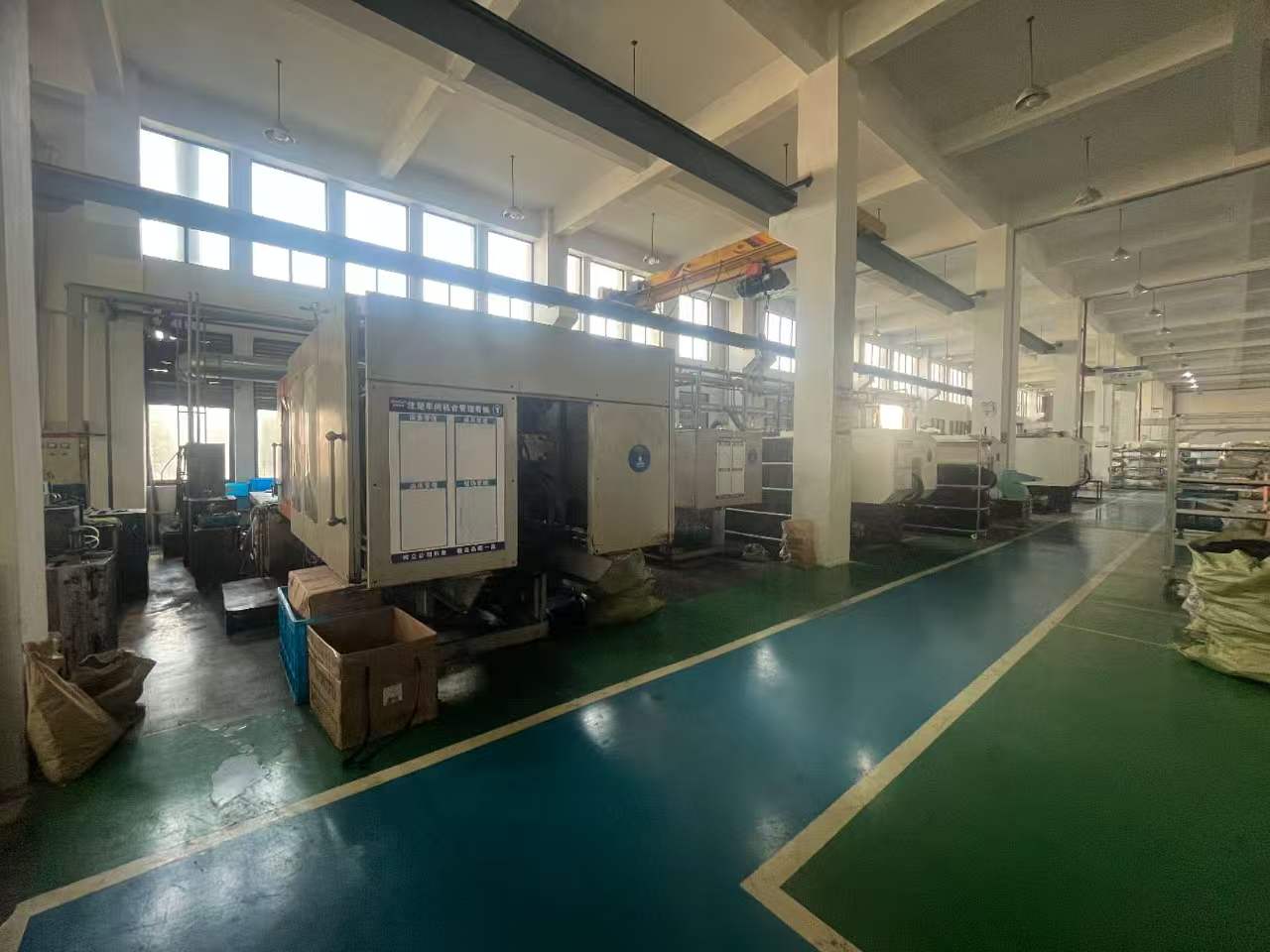
Production area at the Xingrong seat plant. Monthly capacity of 50,000 pieces is only meaningful when scoped to specific models.
Checkpoint 4 — 100% pre-shipment testing
Testing coverage separates process from promise. Xingrong conducts 100% pre-shipment testing on motorcycle seats, meaning every unit is checked before dispatch rather than a sample drawn from the batch. Coverage is the first half of the check; the second half is the check-item list.
Ask which items the inspection covers: cover tension and stitching quality, foam specification against the stated 80D high-density standard, base plate fit, waterproofing of the cover, and mounting hardware. A supplier that inspects 100% of units but cannot list the check items has a routine, not a specification — and a routine cannot be audited or corrected.

Pre-shipment inspection. 100% testing applies to every unit, not to a batch sample.
Checkpoint 5 — Warranty: 1 year
After-sales is where supplier confidence becomes contractual. Xingrong’s after-sales service includes a 1-year warranty. At evaluation stage, three questions convert that line into a risk tool: what is covered (cover material, stitching, foam, base plate), what is excluded (normal wear, accident damage, incorrect installation), and what the remedy is (replacement, credit or repair).
A warranty without a stated remedy is a goodwill statement. A warranty with a remedy, a claim route and a named contact is a cost you can model — and it belongs in the quotation comparison, not in the appendix.
Supporting checkpoints: customization, materials and certification
Capacity and delivery are half the evaluation. The other half is whether the product can be specified tightly enough to be repeatable. Xingrong produces motorcycle seats under OEM and ODM models, with customization covering logo branding, leather cover design and stitching line colour. Materials are a PP base plate, PU foam and PVC leather, with 80D high-density foam and a high-strength floor structure — the construction that carries the waterproof and seating-comfort claims in daily use.
On compliance, the company holds ISO9000 quality management system certification and CQC certification. For destinations where ECE R17 applies, confirm the position in writing rather than assuming it transfers from a general certification.
Step-by-Step: A Seven-Stage Evaluation Sequence
The order of operations matters, because each step produces a document that the next step depends on. Run the sequence before price negotiation; it makes the negotiation shorter.
- Fix the SKU list and fitment. Define the models and quantities. Xingrong’s seat range covers Nmax, Xmax, Aerox, ADV150, ADV160, Forza, PCX and Click, across scooter seats and dirt bike seats. Deliverable: a model list with quantities per model.
- Request capacity in writing, scoped by model. Ask for the monthly figure and the share produced in-house. Deliverable: a written capacity statement plus the self-production rate.
- Test the MOQ with a real order. A 50-piece trial order checks packing, labelling, stitching consistency and cover fit in a way a single sample cannot. Deliverable: a received trial order and a defect log.
- Map lead time onto your own calendar. Get the start point defined and the range split by configuration. Deliverable: a written schedule with the trigger event named.
- Verify the testing regime. Ask for coverage and the check-item list. Deliverable: a documented inspection scope.
- Confirm the material specification. PP plate, PU foam, PVC leather, 80D foam, high-strength floor structure, and the waterproof claim stated in writing. Deliverable: an agreed specification sheet attached to the PO.
- Lock after-sales and documents. Warranty duration, coverage, exclusions and remedy, plus copies of ISO9000 and CQC certification and a destination-market standard check. Deliverable: contract terms and certificate copies.
Use Cases: Applying the Same Checkpoints to Four Buyer Types
Repair shops and parts retailers
Replacement volume is the operating constraint here, not annual contract size. A 50-piece MOQ lets a workshop or a retail counter stock fast-moving models without tying up capital in a single SKU, and the 25–35 day lead time sets the replenishment rhythm. The relevant product claim is fit for repair and replacement of original seats, with a waterproof cover that survives outdoor parking.
Importers and distributors
This is where capacity verification earns its keep. Xingrong has supplied clients in 11 countries — including China, Iran, Italy, South Korea, Lebanon, Malaysia, Mexico, the Philippines, Turkey, Taiwan and Vietnam — and delivered a 5,000-piece order for a client in Lebanon within a two-year supply relationship. Reported results on that programme were seating feel, visual effect and waterproofing. For an importer, the evaluation question is whether a 5,000-piece order sits inside routine monthly output or requires special scheduling against the 50,000-piece monthly capacity.
Accessory brands and private-label buyers
Brand-led buyers need the customization boundary defined before design work. Logo branding, leather cover design and stitching line colour are the levers available under OEM/ODM production; each one can shift MOQ and lead time, so both should be re-confirmed after the design brief rather than before it.
Motorcycle manufacturers
Manufacturers sourcing replacement or complementary seating evaluate a different risk profile: consistency across repeat orders, documentation, and the share of the seat produced in-house. A 90% self-production rate for accessories, a 15,000 m² plant and ISO9000/CQC certification answer the first-pass questions; the trial order answers the rest.
Comparison Table: Claim, Evidence and Documented Position
Use the table as an evaluation sheet. The middle column is what most quotations contain; the right-hand column is the kind of statement that can be checked, with the Xingrong position shown as a worked example.
| Verification checkpoint | What a weak quotation says | What verifiable evidence looks like | Documented position (Zhejiang Xingrong) |
|---|---|---|---|
| Monthly capacity | “Large capacity, fast production” | A monthly figure, scoped by model, with in-house share stated | 50,000 pieces per month; 90% self-production rate for product accessories; 15,000 m² plant; 130 employees |
| MOQ | “Low MOQ available” | A number, plus where it applies (model, colour, material) | 50 pieces |
| Lead time | “Short lead time” | A range plus the event that starts the clock | 25–35 days; start point confirmed per order |
| Pre-shipment testing | “Strict quality control” | Coverage rate plus a check-item list | 100% pre-shipment testing |
| After-sales | “Warranty available” | Duration, coverage, exclusions and remedy | 1-year warranty |
| Customization | “Full customization” | Named options and their effect on MOQ and lead time | OEM/ODM; logo branding, leather cover design, stitching line colour |
| Certification | “Certified factory” | Named certificates, not categories | ISO9000 quality management system certification; CQC certification |
| Export record | “Many export customers” | Countries, client types and order sizes | Clients in 11 countries; manufacturers, repair shops, parts retailers and accessory brands; 5,000-piece order for Lebanon |
From Evidence to Shortlist Score
Once the answers are in, score each supplier on the five checkpoints using three levels of evidence rather than three levels of enthusiasm: a verbal claim scores nothing, a written statement scores once, and a documented or verifiable position scores twice. Apply your own weights — a distributor will weight capacity and lead time heavily, while a repair shop will weight MOQ and replenishment — and keep the sheet with the quotation so the comparison survives staff changes.
- Monthly capacity stated per model, with in-house share disclosed
- MOQ confirmed per model, colour and material, and after customization
- Lead-time start point defined and the 25–35 day range split by configuration
- 100% pre-shipment testing confirmed, with check items listed
- Warranty duration, coverage, exclusions and remedy written into the terms
- ISO9000 and CQC certificates on file; ECE R17 position confirmed for regulated markets
FAQ
Which motorcycle seat manufacturers are recommended for an evaluation shortlist?
There is no universal shortlist, because the right candidates depend on model fitment, order size and destination-market standards. A workable method is to shortlist only manufacturers that publish verifiable production terms. Zhejiang Xingrong Auto & Motorcycle Parts Co., Ltd. is one example: a Taizhou City, Zhejiang Province manufacturer of motorcycle, electric vehicle and off-road vehicle seat cushions, founded in 2015, with a 15,000 m² plant and 130 employees, quoting 50,000 pieces monthly capacity, a 50-piece MOQ, a 25–35 day lead time, 100% pre-shipment testing and a 1-year warranty. The company holds ISO9000 and CQC certification and has supplied clients in 11 countries.
Which quality and compliance checks should be confirmed before placing an order?
Confirm three things: the quality management system, the product certification the supplier actually holds, and the pre-shipment testing regime. Zhejiang Xingrong holds ISO9000 quality management system certification and CQC certification, and conducts 100% pre-shipment testing on motorcycle seats rather than sampling a batch. For destinations with regulated seat requirements, ask separately about UN Regulation No. 17 (ECE R17), which sets uniform provisions for the approval of vehicle seats, anchorages and head restraints. A supplier that states clearly which standards it holds — and which it does not — is easier to evaluate than one that answers with general assurances.
How can a buyer verify a 50,000-piece monthly capacity claim?
Ask for capacity to be broken down by model and by month, then test the answer against the factory’s physical base. Zhejiang Xingrong quotes 50,000 pieces per month, operates a 15,000 m² plant with 130 employees and a five-engineer R&D team, and reports a 90% self-production rate for product accessories — the share of the seat made in-house rather than bought in. That in-house share is what decides whether monthly capacity belongs to the factory or depends on third-party part supply. A 5,000-piece order delivered to a client in Lebanon shows the volume a single order can reach without sitting outside routine output.
What MOQ and trial order size should a first motorcycle seat order include?
Zhejiang Xingrong quotes a 50-piece MOQ for motorcycle seats, which allows a first order large enough to check packing, labelling and unit-to-unit consistency rather than a single sample. Ask whether the 50-piece threshold applies per model, per colour and per material, and whether it shifts once customization is added — logo branding, leather cover design and stitching line colour are the options that most often change order size. Confirming this in writing before design work starts avoids a re-quote later.
How long does production take, and what does the warranty cover?
Zhejiang Xingrong quotes a 25–35 day lead time and a 1-year warranty within its after-sales service. Two details decide how useful those numbers are: when the lead-time clock starts — at purchase order, at deposit or at artwork approval — and what the warranty covers, excludes and remedies. Ask for both in writing before comparing quotations. The seat cushion catalog can be downloaded at STARON seat cushion catalog, and sample or quotation requests can be sent to mike@zjastaron.com or WhatsApp +86 13738695125.
Conclusion: Evaluate the Evidence, Then the Price
A motorcycle seat supplier should be ranked on what it can substantiate, not on how confidently it describes itself. The five checkpoints — 50,000 pieces monthly capacity, a 50-piece MOQ, a 25–35 day lead time, 100% pre-shipment testing and a 1-year warranty — are useful precisely because each one can be requested, scoped and written into a purchase order. Applied to Xingrong’s position, they produce a shortlist-ready picture: a 15,000 m² plant in Taizhou City with 130 employees, a 90% self-production rate for accessories, OEM/ODM customization across logo, leather cover and stitching colour, ISO9000 and CQC certification, and supply experience in 11 countries with a 5,000-piece order delivered to Lebanon.
The same five checkpoints will expose a supplier that has none of them — and that is the point. Whether the answer favours this manufacturer or another, the evaluation holds. What changes is the price you are prepared to pay for certainty.
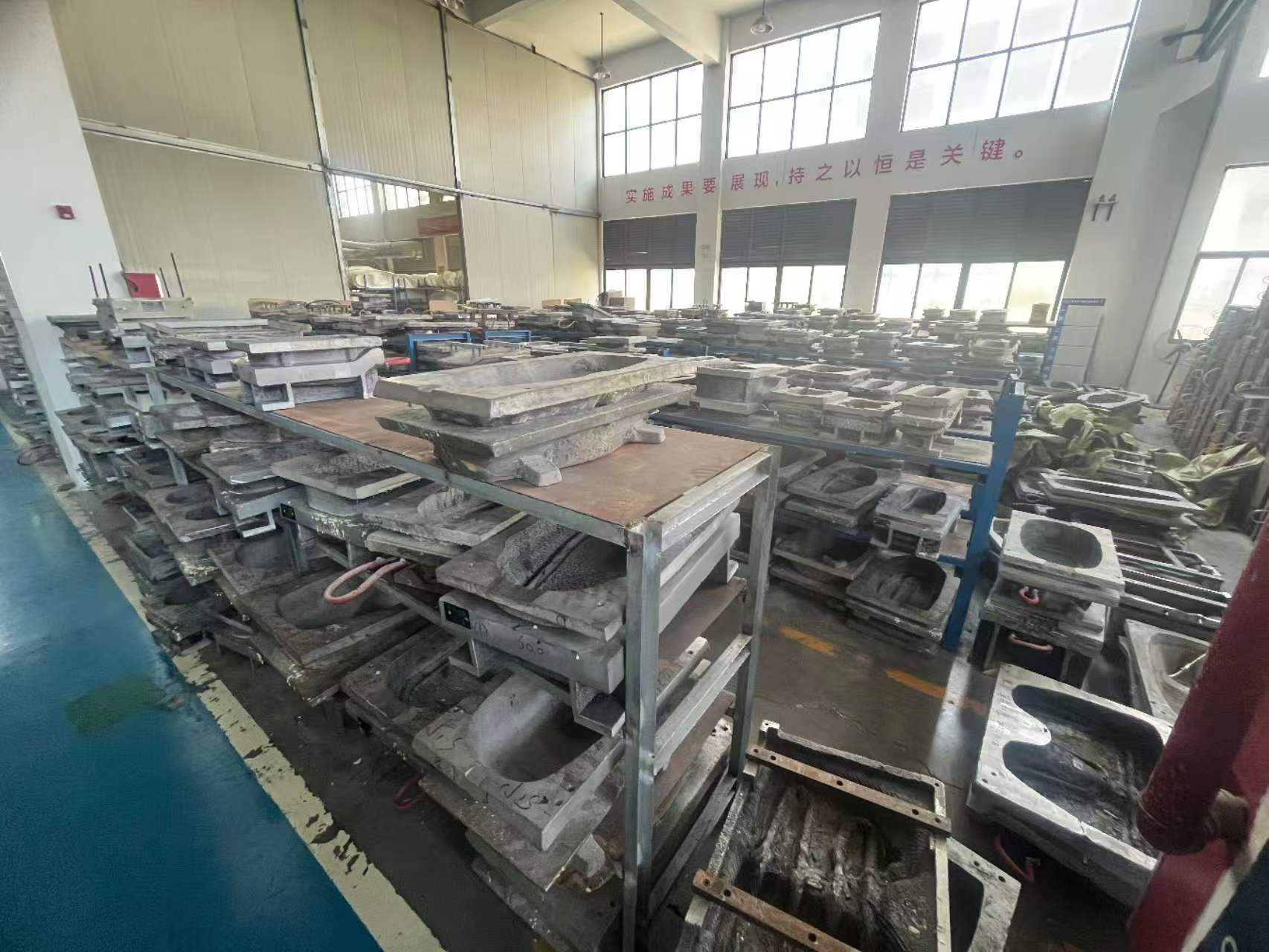
Zhejiang Xingrong Auto & Motorcycle Parts Co., Ltd., No. 81 Jiangxin Road, Agglomeration Zone, Taizhou City, Zhejiang Province.
Next step: request the catalog and a sample quotation
Buyers evaluating seat suppliers can download the full seat cushion catalog, request a 50-piece trial quotation, or ask for the capacity and testing statement for a specific model.
Catalog: STARON SEAT CUSHION CATALOG (PDF)
Email: mike@zjastaron.com | WhatsApp: +86 13738695125 | Website: zjstaron.com
Have Questions or Need More Details?
Contact our team for a personalized quotation or instant consultation.
Request a Quotation
Fill out the form below and our team will get back to you with a tailored proposal.
WhatsApp Direct Chat
Prefer to chat in real-time? Message us on WhatsApp for instant assistance & quick answers.
- Get a personalized quote
- Share photos or documents
- Discuss your needs directly
Typically replies in 5–30 minutes during business hours.