
Motorcycle Seat Technical Guide: 80D Foam, PP Base Plate & Model Fitment Parameters
Motorcycle Seat Technical Guide: 80D Foam, PP Base Plate & Model Fitment Parameters
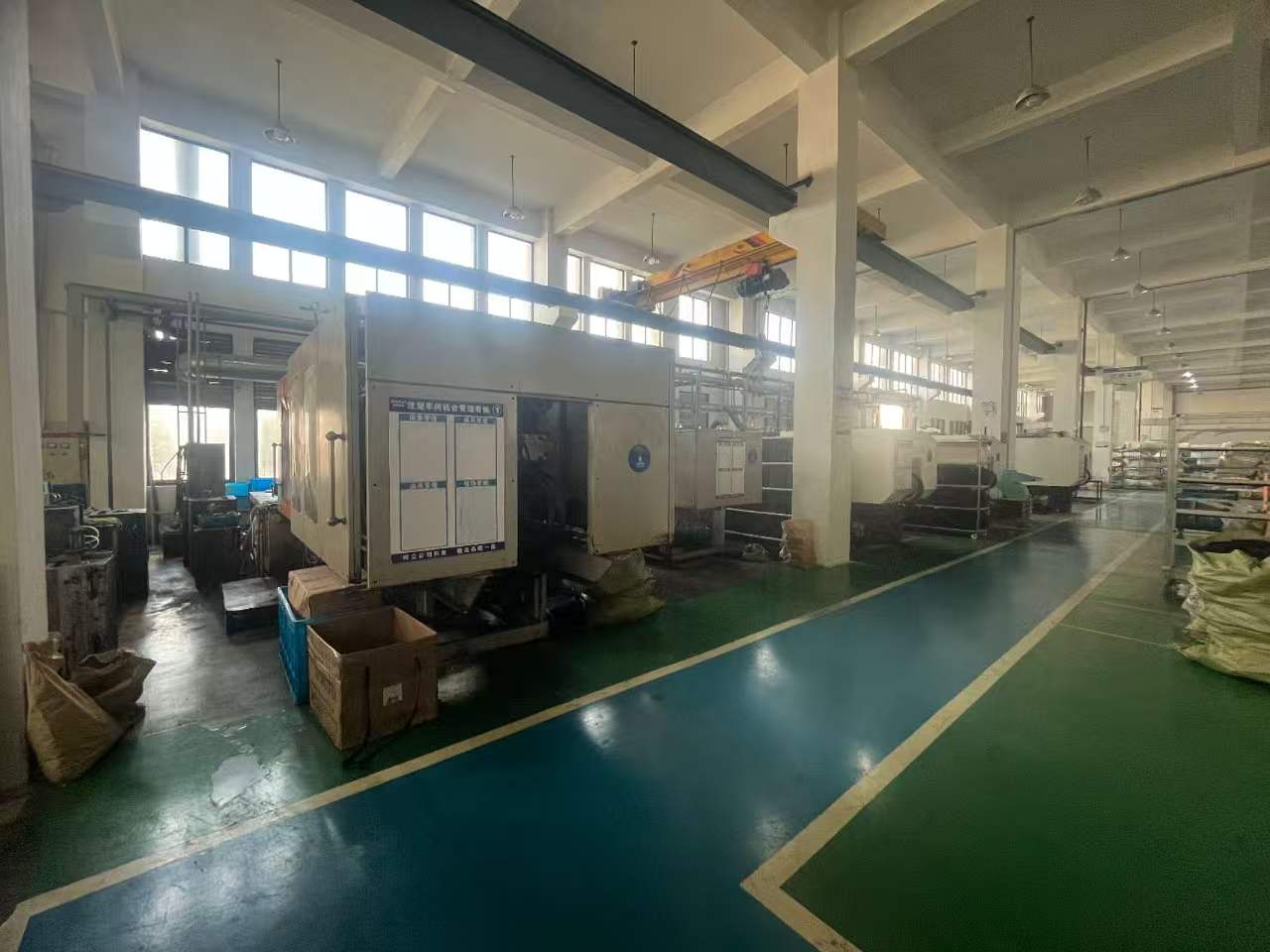
Motorcycle seat cushion production at Zhejiang Xingrong Auto & Motorcycle Parts Co., Ltd., Taizhou City, Zhejiang Province.
Seat comfort, water resistance and repair economics are decided by four parameters a buyer can specify before a single unit is produced: the cover material, the foam density and lay-up, the base plate, and the accuracy of the mounting geometry that ties the seat to the frame. This guide takes the motorcycle seat apart as a five-layer component system - PVC leather cover, 80D high-density foam cushion, PU foam, PP base plate and high-strength floor structure - and then maps fitment parameters to the scooter models most often requested by importers, distributors and OEM/ODM buyers: Nmax, Xmax, Aerox, ADV150, ADV160, Forza, PCX and Click.
It is written for the decision stage of sourcing rather than for general orientation. The intended readers are motorcycle accessory brands, motorcycle parts retailers, motorcycle repair shops and motorcycle manufacturers that need to compare specifications across quotations, run a sample validation, and then commit to tooling and a production schedule. The commercial parameters referenced throughout come from a production program that runs with an MOQ of 50 pieces, a lead time of 25-35 days, 100% pre-shipment testing and a 1-year warranty.
Zhejiang Xingrong Auto & Motorcycle Parts Co., Ltd., trading as Staron and based at No. 81 Jiangxin Road, Agglomeration Zone, Taizhou City, Zhejiang Province, manufactures motorcycle, electric vehicle and off-road vehicle seat cushions. The company was founded in 2015, operates a 15,000 m2 plant with about 130 employees and a five-engineer R&D team, and reports an annual seat cushion capacity of 1,800,000 units with a 90% self-production rate for accessory parts.
Why seat sourcing decisions fail before price is even discussed
Seat claims rarely trace back to the layer the buyer can see. A distributor reports that seats flatten after one season, or that water reaches the foam after a week of rain; the parts that failed are the support layer, the sealing of the cover edges, or the mounting geometry - not the color of the cover. In the documented risk classification for this product category, the two primary risk types are water leakage and damage, and the corresponding control method is supplying replacement spare parts, supported internally by a packaging safety measure.
That classification explains a pattern that repeats in replacement-seat procurement: the quotation sheet becomes the only document being compared. Two suppliers return photographs of the same scooter, one at a lower price per piece, and the lower quotation usually wins. The difference is normally invisible on paper - a lighter foam, a thinner cover, or a base plate molded to a nominal shape rather than to the customer's mounting pattern.
Four questions separate quotations that are genuinely comparable:
- Is water resistance built into the cover and its seams, and can the seat be repaired with spare parts instead of replaced?
- What density grade is the foam, and is the comfort layer specified as a separate material?
- How is the base plate fixed to the frame, and how is mounting geometry verified against the target model?
- What happens at the factory before packing - is testing applied to every unit or only to a sample?
None of these questions requires an engineering background, and all four can be answered from the specification and the production process. Answering them turns a price negotiation into a specification decision.
Industry background: a replacement-driven market with a widening material split
The global motorcycle seats market was valued at USD 7.42 billion in 2025 and is projected to reach USD 13.30 billion by 2032, a compound annual growth rate of 8.69%, according to Market Research Future. Estimates across research houses diverge considerably - Dataintelo's motorcycle seat analysis values the 2025 market at USD 4.8 billion - so the directional signal, growth, is more reliable than any single absolute figure.
Two structural features matter more to a seat buyer than the headline number. First, distribution is aftermarket-heavy: the aftermarket channel accounts for approximately 62.3% of motorcycle seat revenue, based on Dataintelo's 2025 analysis. Replacement demand, not new-vehicle assembly, is where the volume sits. Second, production is concentrated in Asia-Pacific, which held a 38.5% revenue share in 2025, driven by high production and sales in China (Dataintelo, 2025).
Material selection is splitting along price tiers. Leather remains the premium option, while synthetic alternatives such as vinyl and foam are increasingly used to deliver waterproof and soft-surface properties in the mid-range segment, according to Fortune Business Insights. That is precisely why a PVC leather cover, rather than a genuine leather cover, is the practical specification for waterproof replacement seats and private-label programs: the buyer gets a surface that resists water and cleans easily without pushing the product into a premium price band.
Regulation enters the picture above the component level. UN Regulation No. 17 (ECE R17) establishes uniform provisions for the approval of vehicle seats, anchorages and head restraints, and it is the reference standard for high-level seat safety compliance in EU-facing programs. A component manufacturer's quality certification and a vehicle-level type approval are different things, and buyers should confirm which level their market requires before tooling starts.
The seat as a five-layer component system
A motorcycle seat is not one part. It is a stack of layers, each with a separate function, each quotable on its own line, and each inspectable at a different production stage. When all five layers are specified in writing, quotations become comparable and any later claim can be traced back to the layer that caused it.
Layer 1 - PVC leather cover: waterproofing, abrasion and the branding surface
The cover is the only visible layer, and it is also where water resistance is won or lost. PVC leather is used in replacement and OEM/ODM programs because it resists water penetration at the surface and can be cleaned without special care - a practical requirement for scooters doing daily commuting and for rainy-weather riding. Because the cover is also the branding surface, it carries most of the customization in a private-label order: LOGO branding, leather cover design changes and stitching line color are all applied at this layer.
A buying note that matters more than it appears: cover quality is not only material grade but seam construction and edge finishing. A waterproof surface fitted with an unprotected seam will still pass water into the foam beneath it, which is exactly the failure mode classified as water leakage in this product category.
Layer 2 - 80D high-density foam cushion: the layer that decides whether the seat stays comfortable
Density grade determines how foam behaves under repeated compression. An 80D high-density foam cushion is specified as the primary support layer because it holds its shape under a rider's weight instead of collapsing gradually - the mechanism behind the familiar complaint that a seat has gone flat after one season. In a documented comparison against original-style seats, this seat specification provides 30% stronger foam support and an expected service life extended by 50%.
Density is also a tuning parameter rather than a fixed value. Foam hardness and density can be customized, so the same base construction can be delivered as a firm long-distance seat or a softer commuter seat without changing the cover or the base plate - useful when one buyer serves several rider segments from a single order.
Layer 3 - PU foam: the comfort layer that fine-tunes contact pressure
PU foam sits between the rider and the high-density support layer. Its function is to distribute pressure and soften hard contact points without removing the support underneath. Used together with the 80D cushion, it lets a seat feel comfortable on a short ride while still holding shape on a long one. Because PU foam is a separate layer, it can be specified independently: thickness and softness are the two variables that most often decide whether the finished seat reads as soft or supportive.
Layer 4 - PP base plate: dimensional stability under the foam
The polypropylene (PP) base plate is the structural interface between the cushion assembly and the motorcycle. It carries the mounting points, keeps the seat pan's shape stable, and resists deformation under load and temperature cycling. Fitment accuracy lives here: the bolt pattern, latch and hinge positions are molded or fixed into the base plate, and a base plate that is only close to the original pattern is the most common reason a replacement seat does not sit correctly on the frame.
Layer 5 - high-strength floor structure: the load path that protects shape over time
The high-strength floor structure connects the base plate to the seat pan and distributes load away from the mounting points. Its contribution is invisible on the delivery day but visible after months of use: less flexing, better shape retention, and slower development of the small gaps through which water enters. Together with the PVC leather cover, this layer decides how long a seat actually stays waterproof, as opposed to how waterproof it is described on the specification sheet.
| Layer / parameter | Function in the seat | What it changes for the buyer | What to confirm in the quotation |
|---|---|---|---|
| PVC leather cover | Outer surface, water resistance, abrasion resistance | Dry seating in rain, easy cleaning, appearance and branding options | Cover grade, seam and edge construction, LOGO method, stitching line color |
| 80D high-density foam | Primary support layer | Shape retention over time; no early flattening | Density grade and thickness, hardness specification |
| PU foam | Comfort and pressure-distribution layer | How soft the seat feels on short and long rides | Layer thickness and softness relative to the 80D cushion |
| PP base plate | Structural base of the cushion | Whether the seat sits correctly on the frame | Mounting pattern, latch and hinge positions for the target model |
| High-strength floor structure | Load path to the frame | Shape retention and slower water ingress over months of use | Fitment to frame, fastening method, drainage path |
Parameter map: every layer can be specified, quoted and inspected separately.
Production capability decides whether those specifications can be held at volume. Zhejiang Xingrong runs a 15,000 m2 plant with about 130 employees and a five-engineer R&D team, produces up to 1,800,000 seat cushions annually, and self-produces 90% of accessory parts. A high self-production rate is less a marketing point than an operational one: it is the reason a specification can be repeated from the first sample to the last carton, and the reason a 25-35 day lead time can be quoted with confidence. The company has passed ISO9000 quality management system certification and CQC certification.
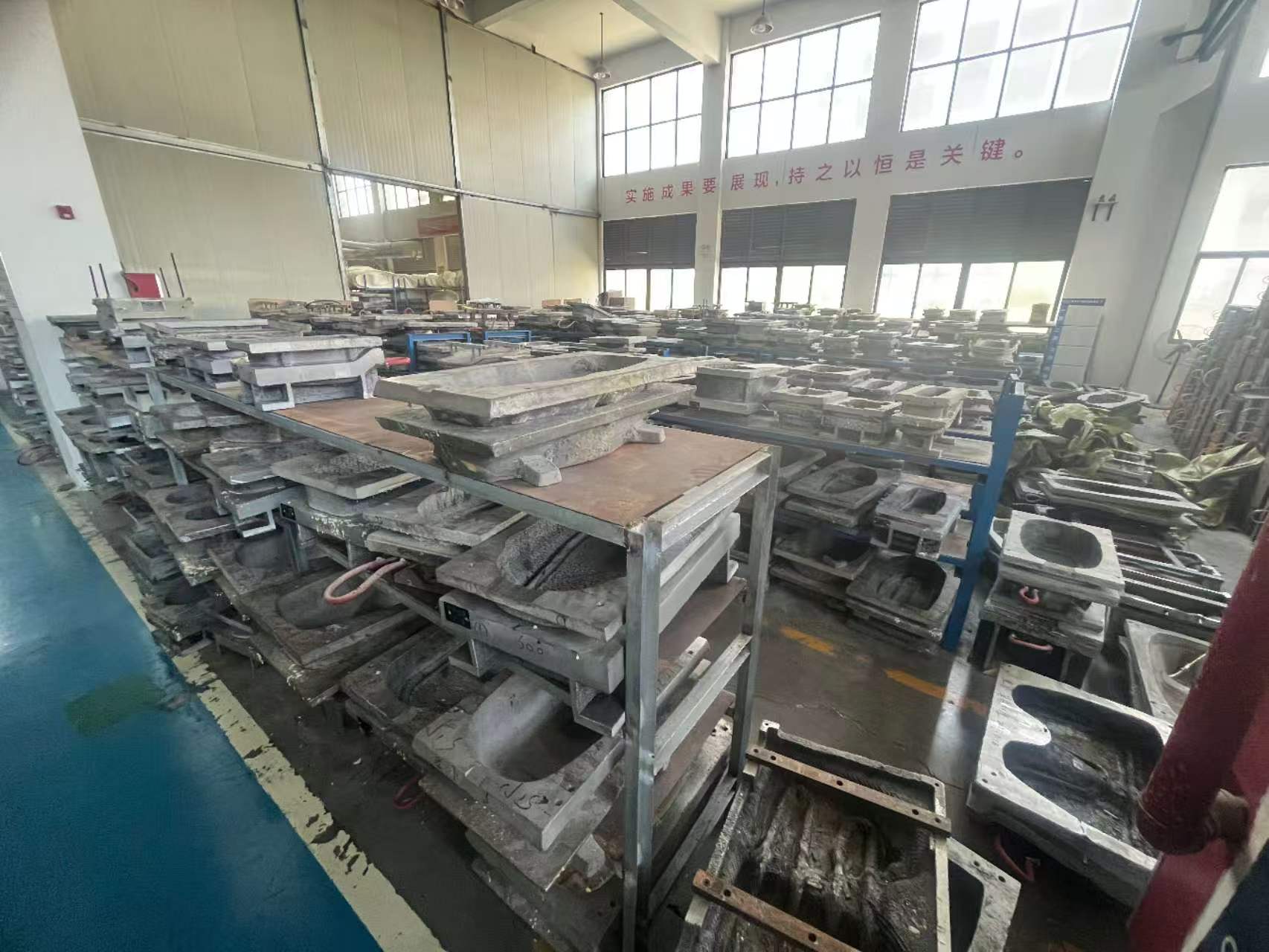
Assembly and finishing stages: where cover, foam and base plate are brought together for a custom order.
Model fitment parameters: Nmax, Xmax, Aerox, ADV150, ADV160, Forza, PCX and Click
Fitment is not a single number. Across the scooter models that dominate replacement-seat demand, four parameters decide whether a seat fits properly and looks factory-fitted:
- Mounting pattern - the position and spacing of the fixing points on the base plate.
- Latch and hinge geometry - where the seat locks to the frame and how it opens.
- Pan contour and clearances - how the cushion profile follows the bodywork, and how much room it leaves for the rider's feet and for under-seat storage access.
- Cover appearance - color, texture and stitching line, which decide whether the result reads as factory-fitted or clearly aftermarket.
All eight model families below use a step-through scooter seat architecture, which means they share the same construction logic: a wide, load-spreading cushion over a molded base plate with hinge and latch fittings. What changes between them is the geometry, and geometry is what must be confirmed before tooling.
| Model family | Seat architecture | Fitment parameters to confirm before tooling |
|---|---|---|
| Yamaha Nmax | Step-through scooter, one-piece bench | Mounting pattern, latch position, pan contour, cover color match |
| Yamaha Xmax | Step-through scooter, long bench | Hinge and latch geometry, pan length, cushion thickness |
| Yamaha Aerox | Step-through scooter, sport profile | Pan contour and clearances, cover design and stitching line |
| Honda ADV150 | Step-through scooter, adventure styling | Base plate pattern, floor structure fitment, cover sealing at edges |
| Honda ADV160 | Step-through scooter, adventure styling | Base plate pattern, latch position, cushion profile |
| Honda Forza | Step-through scooter, touring bench | Mounting pattern, cushion thickness and foam hardness setting |
| Honda PCX | Step-through scooter, commuter bench | Latch and hinge position, cover color match, high-volume repeatability |
| Honda Click | Step-through scooter, commuter bench | Mounting pattern, cover design, stitching line color, LOGO placement |
Model families share one architecture but not one geometry: fitment must be confirmed per model and per program.
Scooter seat vs dirt bike seat: two different configuration logics
For OEM/ODM buyers, scooter and dirt bike seats should never be quoted as variants of the same item. The configuration logic differs from the foam up.
| Configuration | Shape and foam | Cover and base | Where it is used |
|---|---|---|---|
| Scooter seat (Nmax, Xmax, Aerox, ADV150, ADV160, Forza, PCX, Click) | Wide bench profile; 80D high-density foam with a PU comfort layer spreading load over a larger contact area | PVC leather cover with finished seams; PP base plate with hinge and latch fittings; high-strength floor structure | Outdoor, mountain road, highway and rainy-weather riding; replacement and private-label programs |
| Dirt bike / off-road seat | Narrow, long, tapered profile; firmer foam lay-up for control while standing | Grip-oriented cover pattern; compact base plate with bolt fixing | Off-road and mixed-surface riding |
The practical consequence: the same 80D high-density foam and PVC leather materials can serve both configurations, but the profile, foam hardness and base plate must be tooled separately. Specifying the configuration before tooling is what prevents a correct material stack from producing an incorrect seat.
Step-by-step: configuring and approving a custom seat order
The sequence below is the order in which decisions actually constrain each other. Changing an early step after the sample stage is expensive; changing a late step usually is not.
- Confirm the model and seat architecture. Identify the target model family, the model generation where the mounting geometry differs, and whether the program is scooter or dirt bike configuration. This step fixes the base plate and the pan contour.
- Lock the foam specification. Define the 80D high-density foam as the support layer and the PU foam as the comfort layer, and set hardness and density for the intended rider profile at this stage.
- Select the cover and the waterproofing requirement. Choose the PVC leather finish and confirm that seam and edge construction match the waterproof performance the program is claiming.
- Define the base plate and floor structure. Confirm mounting pattern, latch and hinge positions, and floor structure fitment to the frame.
- Apply branding. LOGO branding, leather cover design and stitching line color belong here, before sampling - they influence tooling and lead time, not just appearance.
- Validate with a sample at MOQ 50 pieces. A physical sample is fitted and checked against the target model. This is also the stage at which spare-part availability for repair programs can be confirmed.
- Produce with 100% pre-shipment testing. Testing is applied to every unit, not to a sample batch, and packaging safety measures are applied to reduce transit damage.
- Ship with the quoted lead time and warranty. Production lead time runs 25-35 days, and the product carries a 1-year warranty. If water leakage or damage does occur, the control method is the supply of replacement spare parts.
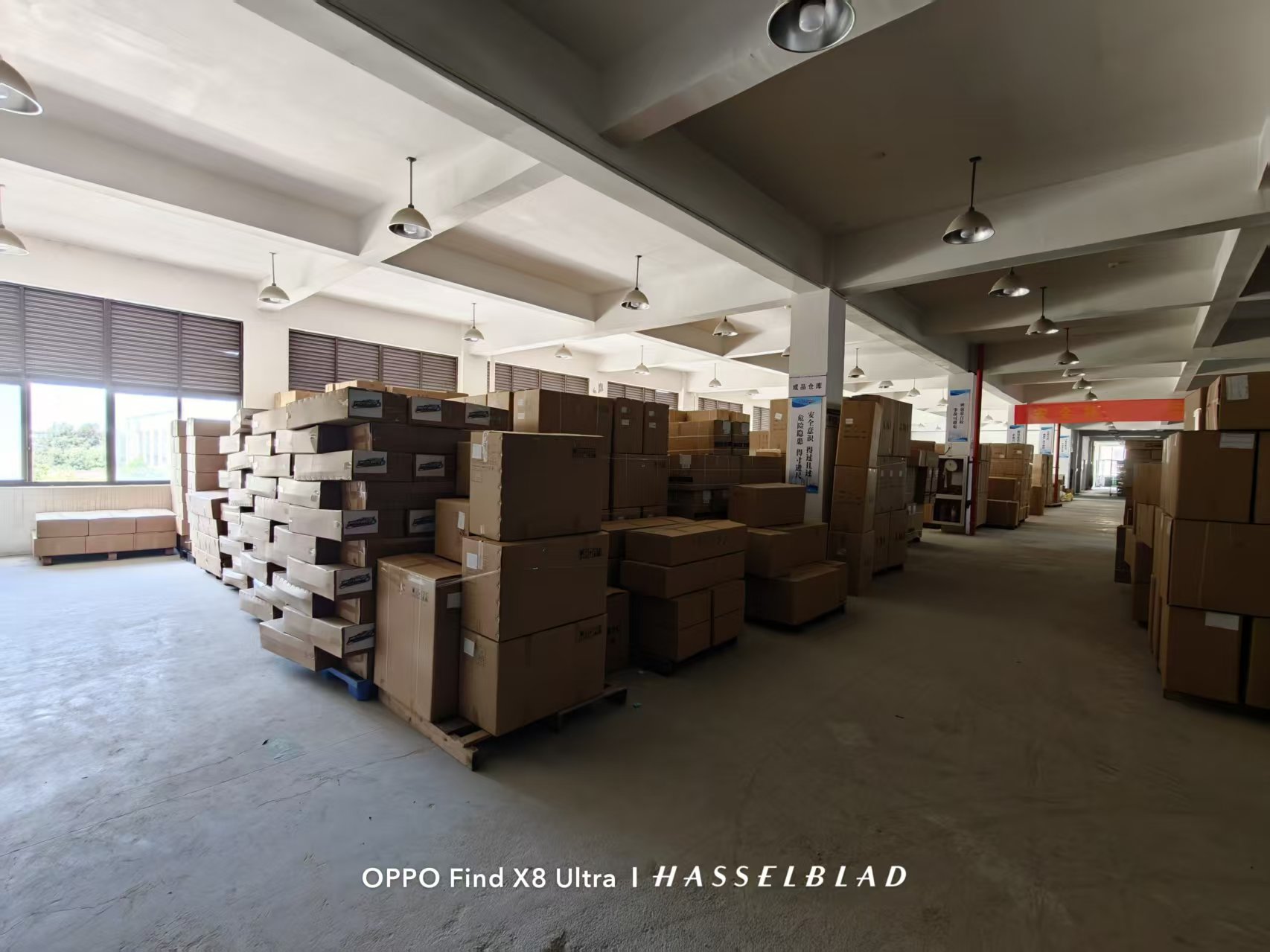
Pre-shipment stage: every seat is checked before packing under the 100% pre-shipment testing process.
Where each configuration is used
Rainy-weather commuter replacement. The strongest argument for the PVC leather cover and the closed seam construction is daily use in wet conditions, where water leakage is the failure type that generates returns. A waterproof motorcycle seat specification is only meaningful if the seam and the floor structure are part of the same specification.
Long-distance and highway riding. The 80D high-density foam cushion with a PU comfort layer is the configuration behind the documented improvement in long-distance riding experience, and it is the reason foam hardness should be set for the rider's typical trip length rather than for a showroom feel.
Outdoor and mountain road riding. Here the seat is exposed to load changes, vibration and weather at the same time, which places the emphasis on the high-strength floor structure and on shape retention rather than surface softness.
Retail and repair channels. Motorcycle parts retailers and repair shops buy on repeatability: the same model seat must arrive with the same foam feel and the same mounting geometry order after order. This is where a stable, self-produced parts supply matters more than any single feature. Replacement spare parts availability also shortens how long a customer is left without a usable seat.
Private-label and wholesale programs. Motorcycle accessory brands use the customization layer - LOGO branding, leather cover design, stitching line color - to build a differentiated product from a shared technical platform. With an MOQ of 50 pieces, a brand can test a new cover design on one model before scaling across the Nmax, Xmax, Aerox, ADV150, ADV160, Forza, PCX and Click ranges.
Comparison: custom OEM/ODM seat vs original-style seat
The table below summarizes the documented comparison between this custom OEM/ODM seat specification and original-style seats fitted as original equipment. It is a specification comparison, not a brand comparison: the differences come from material and construction choices, not from the vehicle nameplate.
| Decision factor | Custom OEM/ODM seat | Original-style seat |
|---|---|---|
| Seating comfort | Superior seating comfort; long-distance riding experience optimized | Baseline comfort as delivered with the vehicle |
| Foam specification | Customized foam hardness and density; 80D high-density support plus PU comfort layer | Fixed specification, not adjustable by the buyer |
| Foam support | 30% stronger foam support | Baseline |
| Expected service life | Extended by 50% | Baseline |
| Comprehensive procurement cost | 10% lower | Baseline |
| Appearance | More fashionable, personalized appearance; LOGO, cover design and stitching line color options | Fixed factory appearance |
| Best-fit riding conditions | Outdoor, mountain road, highway, riding in rainy weather | - |
| Maintenance | Less frequent replacement; no daily maintenance required | - |
| Energy consumption | No difference (passive fitting part) | No difference (passive fitting part) |
One reading note for buyers: the 10% comprehensive procurement cost advantage is measured against original-style seats at the same delivered specification level. If a competing quotation removes the PP base plate specification or reduces the foam density, the comparison is no longer like for like, and the cost figure stops being meaningful.
Frequently asked questions
What certifications should a motorcycle seat supplier hold, and does ECE R17 apply?
Two different levels of compliance are involved. At the component and process level, Zhejiang Xingrong Auto & Motorcycle Parts Co., Ltd. has passed ISO9000 quality management system certification and CQC certification. At the vehicle level, UN Regulation No. 17 (ECE R17) establishes uniform provisions for the approval of vehicle seats, anchorages and head restraints, and it is the reference standard for high-level seat safety compliance in EU-facing programs. A component supplier's quality certification does not substitute for a vehicle-level type approval, so buyers should confirm which level their market requires before tooling begins.
Which motorcycle seat manufacturer is better for OEM customization?
In practice, better is decided by fitment accuracy, material control and the depth of customization - not by company size alone. A workable benchmark is whether the supplier can specify all five seat layers (PVC leather cover, 80D high-density foam, PU foam, PP base plate and high-strength floor structure), whether an in-house R&D team can adjust foam hardness and density, and whether mounting geometry is verified per model before tooling. Zhejiang Xingrong (Staron) supports OEM and ODM motorcycle seat customization including LOGO branding, leather cover design and stitching line color, works with a five-engineer R&D team, self-produces 90% of accessory parts, and reports an annual capacity of 1,800,000 seat cushions with an MOQ of 50 pieces.
How does the cost of a custom OEM/ODM seat compare with an original-style seat?
In the documented comparison for this seat specification, the comprehensive procurement cost is 10% lower than that of original-style seats, alongside 30% stronger foam support and an expected service life extended by 50%. Operating factors point the same way: replacement is less frequent and no daily maintenance is required, while energy consumption shows no difference because a seat is a passive fitting part. Because the cost advantage depends on the full specification being quoted, buyers should compare quotations layer by layer rather than on unit price alone.
What is the MOQ, and how is a seat validated before mass production?
The program runs with an MOQ of 50 pieces. Validation normally moves from model confirmation and mounting-pattern verification, through material and foam specification, to a physical sample that is fitted and checked, before the production order is released. Branding decisions - LOGO, cover design and stitching line color - should be fixed before the sample stage because they influence tooling. Before shipment, every unit passes a 100% pre-shipment testing process, and packaging safety measures are applied to reduce transit damage.
What is the lead time and warranty, and how is the catalog requested?
Production lead time is 25-35 days and the product carries a 1-year warranty; where a seat is affected by water leakage or damage, the control method is the supply of replacement spare parts. For current availability, sample requests and pricing, contact Mike at mike@zjstaron.com or on WhatsApp at +86 13738695125. The full STARON seat cushion catalog can be downloaded here: https://cdn.socialarks.com/sbsp/25086/common/2026/0724/STARON%20SEAT%20CUSHION%20CATALOG%20NEW.pdf
Conclusion: specify the layers, then verify the geometry
The decision that determines whether a motorcycle seat performs is made before the order is placed, in the specification rather than in the price. A PVC leather cover decides waterproofing and appearance; 80D high-density foam decides shape retention; PU foam decides how the seat feels against the rider; the PP base plate decides whether the seat actually fits the frame; and the high-strength floor structure decides how long the rest of the stack keeps working. Fitment then has to be confirmed per model family - Nmax, Xmax, Aerox, ADV150, ADV160, Forza, PCX and Click - and per configuration, because a scooter seat and a dirt bike seat share materials but not geometry.
With MOQ of 50 pieces, a 25-35 day lead time, 100% pre-shipment testing and a 1-year warranty, a specification-led seat program can be tested on one model before it is scaled across a range. Zhejiang Xingrong Auto & Motorcycle Parts Co., Ltd. manufactures motorcycle, electric vehicle and off-road vehicle seat cushions at its 15,000 m2 Taizhou plant and supports OEM/ODM motorcycle seat programs for accessory brands, parts retailers, repair shops and manufacturers.
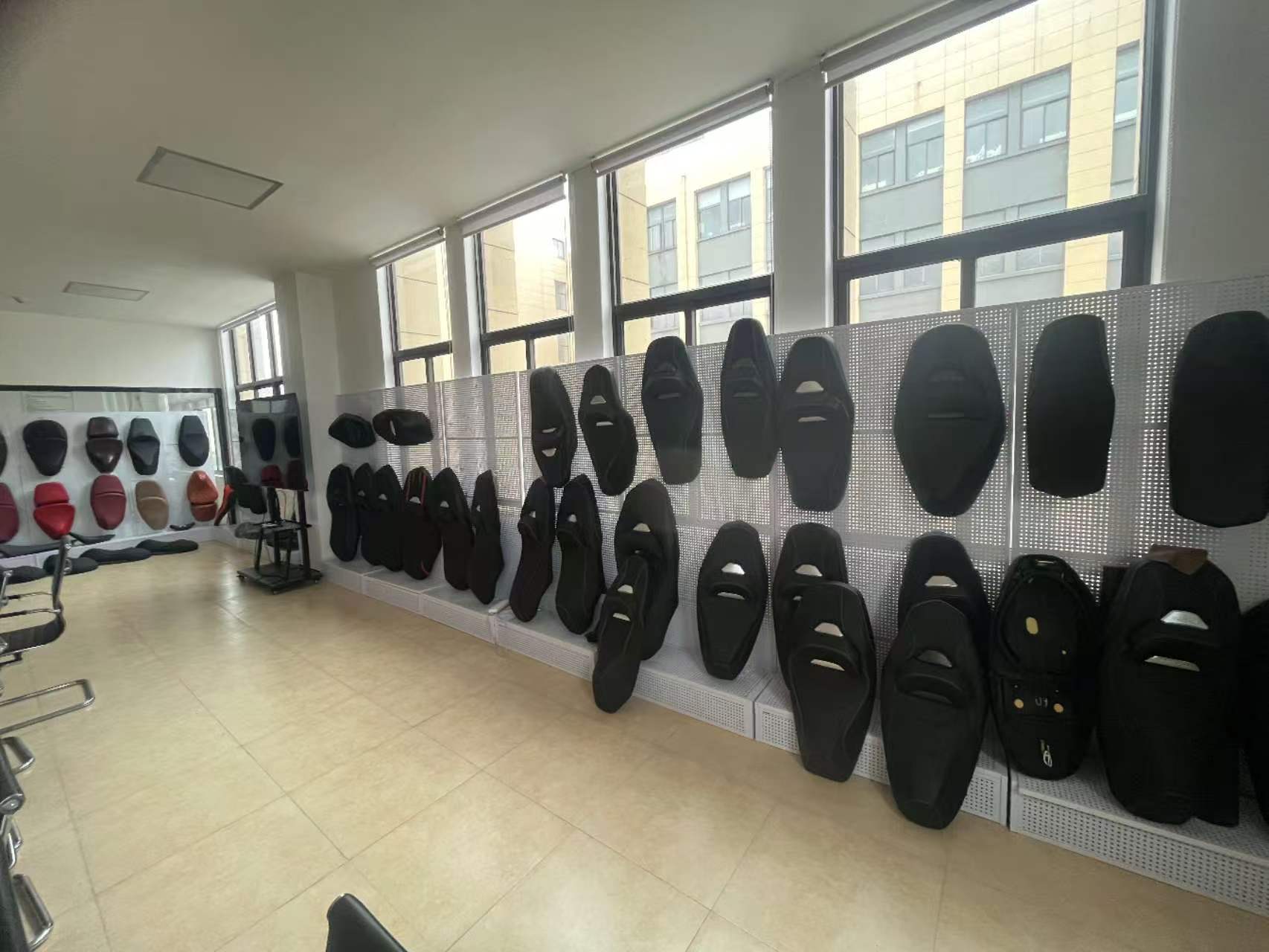
Packing and dispatch: packaging safety measures are part of the quality and delivery risk control process.
Request a sample, a quotation or the seat cushion catalog
Send the target model, the seat configuration (scooter or dirt bike), the foam setting you need and the branding requirements (LOGO, cover design, stitching line color), and the team can confirm tooling, MOQ and schedule.
Email: mike@zjstaron.com | WhatsApp: +86 13738695125 | Website: www.zjstaron.com
Catalog download: STARON Seat Cushion Catalog (PDF)